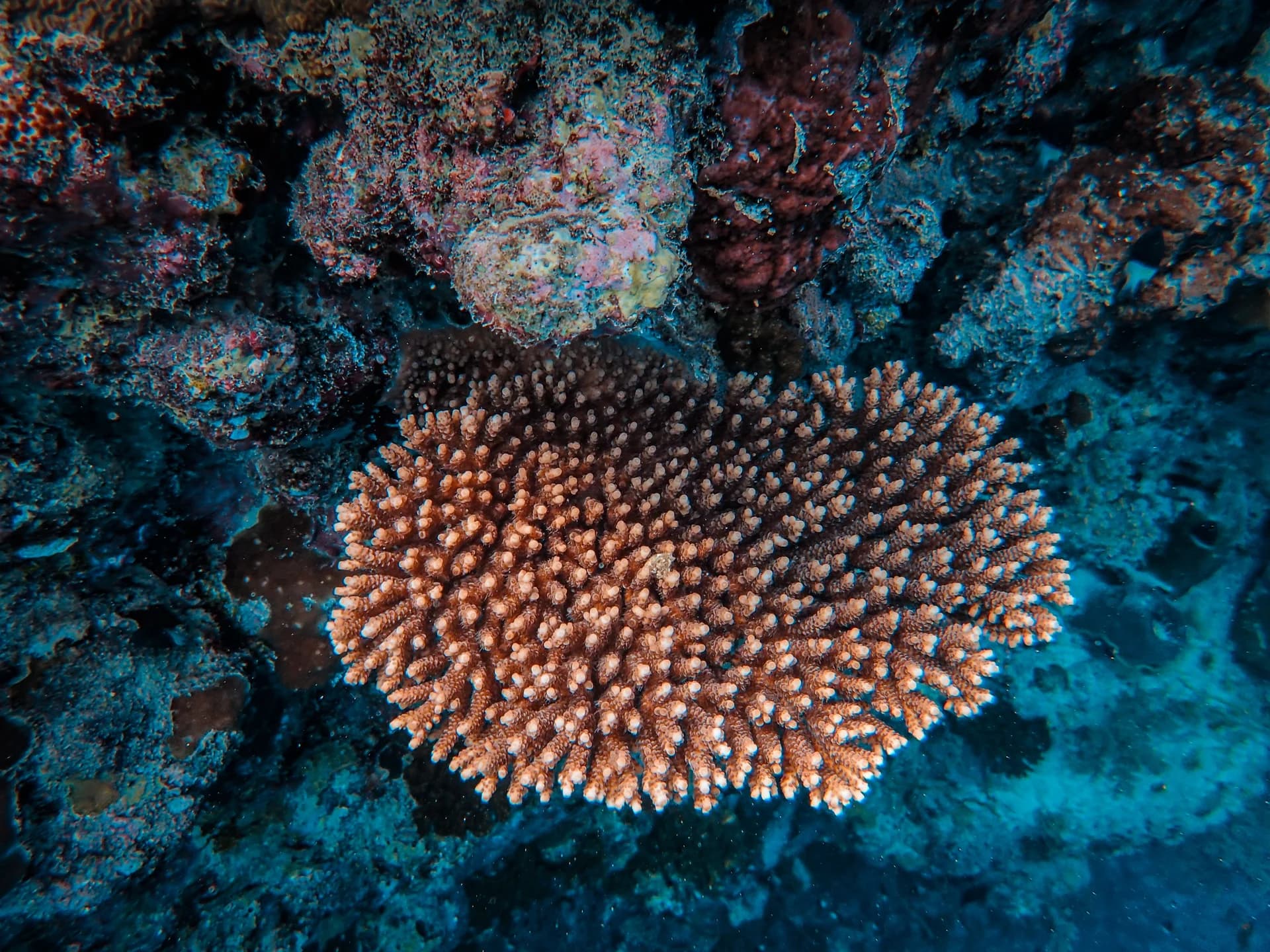
Palau
Diving in Palau
Photo: Francesco Ungaro / Pexels
Palau is an archipelago of ~340 islands in the western Pacific Ocean, between the Philippines and Guam. It is one of the world's premier dive destinations, famous for steep walls, strong currents that attract large pelagics, WWII wrecks, the unique Rock Islands, and the legendary Blue Corner — often ranked among the top three dive sites on Earth.
Explore the map
Select a pin to learn more. Use the zoom buttons or pinch to zoom.
Loading map…
Places on this map (17)
41 places have no verified map location yet. Browse the page lists for more places.
Conditions
27–30 °C
15–45 m
2–40 m
Strong
November–April (dry season — peak visibility and pelagic action); May–October also excellent with fewer crowds and active manta feeding
| Month | Summary |
|---|---|
| Jan | Peak dry season — calm seas, 25–30m+ visibility. Strong currents at outer reef points bring grey reef sharks, eagle rays, and barracuda schools in abundance. Manta season in full swing at German Channel and Devil Fish City. Water 27–28°C. Book well ahead. |
| Feb | Arguably the best diving month of the year. Visibility often exceeds 30m, water 28°C. Peak manta aggregations at German Channel and Devil Fish City. Blue Corner and Peleliu Express deliver world-class shark action. Liveaboard spaces fill months ahead. |
| Mar | Peak shark month — grey reef, whitetip, and silvertip sharks at their most active on outer walls. Mantas still plentiful. Visibility 25–30m, water warming to 28–29°C. Strong currents deliver the signature Palau pelagic spectacle. Book early for the prime window. |
| Apr | End of dry season with still-excellent conditions. Visibility 25–30m, slightly calmer currents make this a great month for divers of all levels. Last month of peak manta season. Water 28–29°C. Fewer crowds than February–March. |
| May | Transition month — plankton blooms begin, visibility drops to 20–25m but mantas and whale sharks become more active feeding in the nutrient-rich water. Warmer water (29°C), fewer divers, excellent value. Great month for macro photography. |
| Jun | Plankton season in full effect — visibility 15–20m but marine life at its richest. Mantas and whale sharks feed actively. Water 29–30°C — warmest of the year. Afternoon showers common but diving remains excellent. Best value season. |
| Jul | Mid-plankton season — visibility 15–20m, water 29–30°C. Mantas, whale sharks, and large pelagics feed in the green water. WWII wrecks offer sheltered diving with excellent marine encrustation. Afternoon rain typical but mornings clear. |
| Aug | Similar to July — visibility 15–20m, water 29°C. Mantas still feeding actively at cleaning stations. Wrecks are a great option with impressive coral growth. Good time for the inner lagoon and channel sites. Fewer tourists, more relaxed vibe. |
| Sep | Late plankton season — visibility begins improving to 18–22m. Water 29°C. Still good for mantas and whale sharks. Jellyfish Lake at peak jellyfish population. Transition toward dry season begins late September. |
| Oct | Shoulder month — visibility improving to 20–25m as plankton recedes. Water 28–29°C. Currents begin strengthening at outer reef points. Good mix of big animal encounters and improving visibility. A sweet spot for photographers. |
| Nov | Start of dry season — visibility climbs to 25–30m. Water 28°C. Currents strengthen, sharks and pelagics return in force to outer walls. Mantas still present. Excellent all-around diving with improving conditions. |
| Dec | Dry season in full swing — visibility 25–30m, water 27–28°C. Peak currents at Blue Corner, Ulong Channel, and Peleliu Express. Sharks, eagle rays, and barracuda schools at their best. Manta season begins ramping up at German Channel. A spectacular month. |
Dive Sites (41)
Amatsu Maru
30–40m · Expert
10,567-ton Japanese oil tanker · Nicknamed 'Black Coral Wreck' · Dense black coral colonies on superstructure
Big Drop-Off
3–285m · Beginner
Sheer vertical wall from 3m to 285m+ · Jacques Cousteau top-10 worldwide · Soft corals, giant sea fans, and sponges
Blue Corner
15–40m · Advanced
Triangular coral plateau with steep walls on all sides · Hook-in drift dive — reef hook mandatory · World-famous pelagic spectacle
Blue Holes
5–40m · Intermediate
Four vertical holes in the reef plateau · Sunlight shafts create dramatic light beams · Connects to Blue Corner via outer wall
Buoy #6 Wreck
21–27m · Advanced
Small fishing vessel near marker #6 in Malakal Channel · Upright position with deck at 21m · Dense coral and sponge encrustation
Chandelier Cave
0–11m · Beginner
Limestone cave with 4 air-filled chambers · Stalactites and stalagmites inside · Surface inside chambers by flashlight
Chuyo Maru
15–30m · Advanced
83m Japanese coastal freighter · Bridge with brass compass and telegraph intact · Deck guns visibly mounted
Condominium
10–30m · Beginner
Giant cabbage corals like 'apartment blocks' · Each coral head hosts a territorial fish · Turtles and sharks in the blue
Marine Life (88)
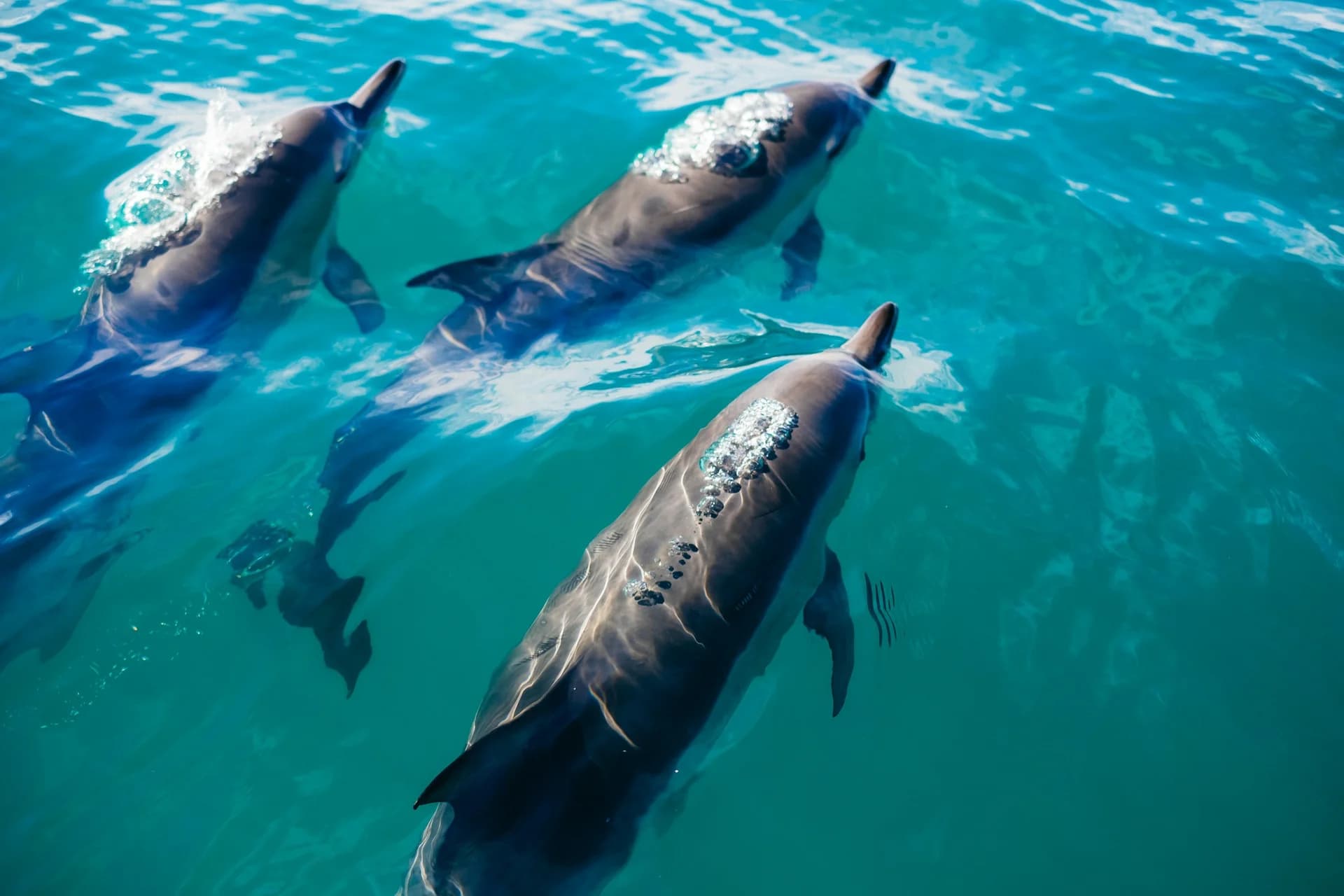 must-see
Atlantic Bottlenose Dolphin
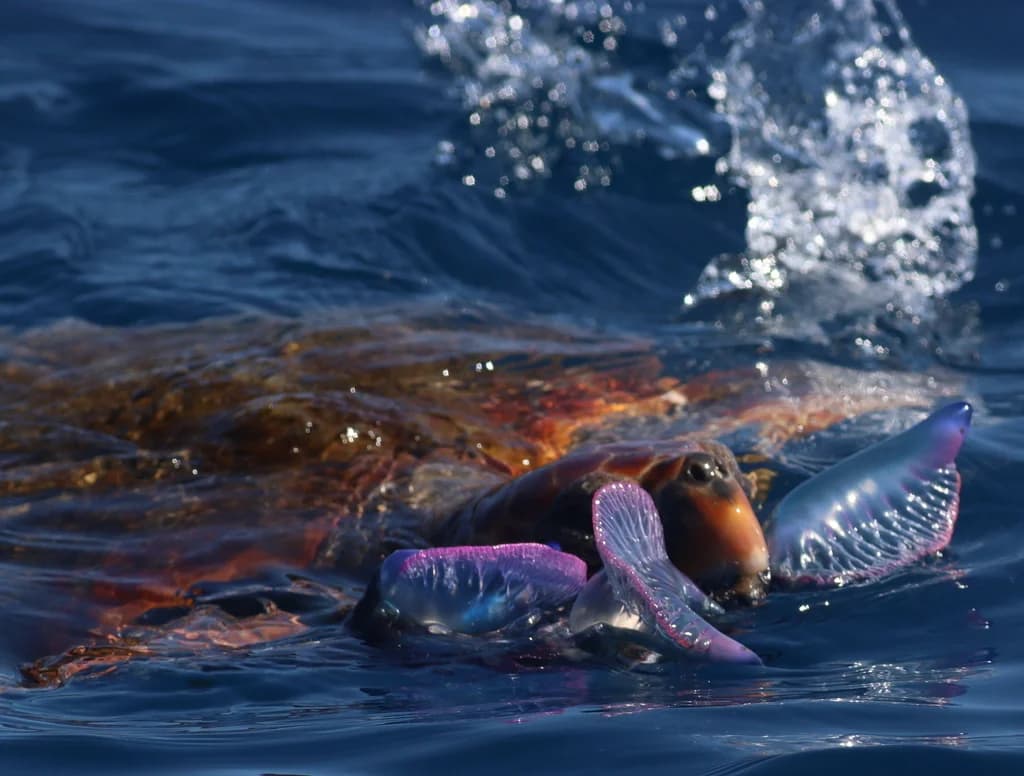 must-see
Loggerhead Turtle
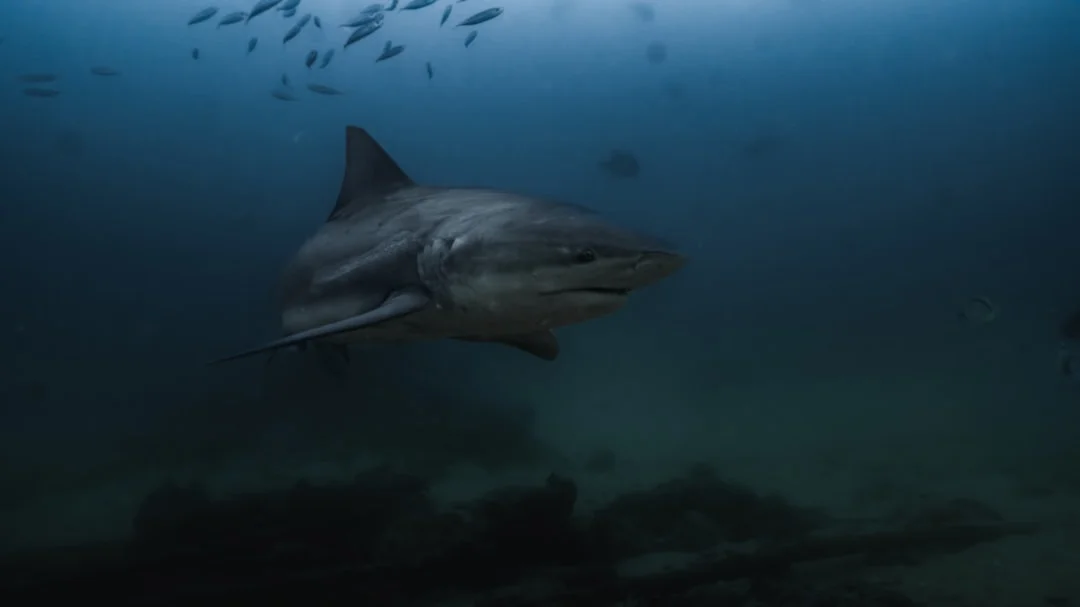 must-see
Bull Shark
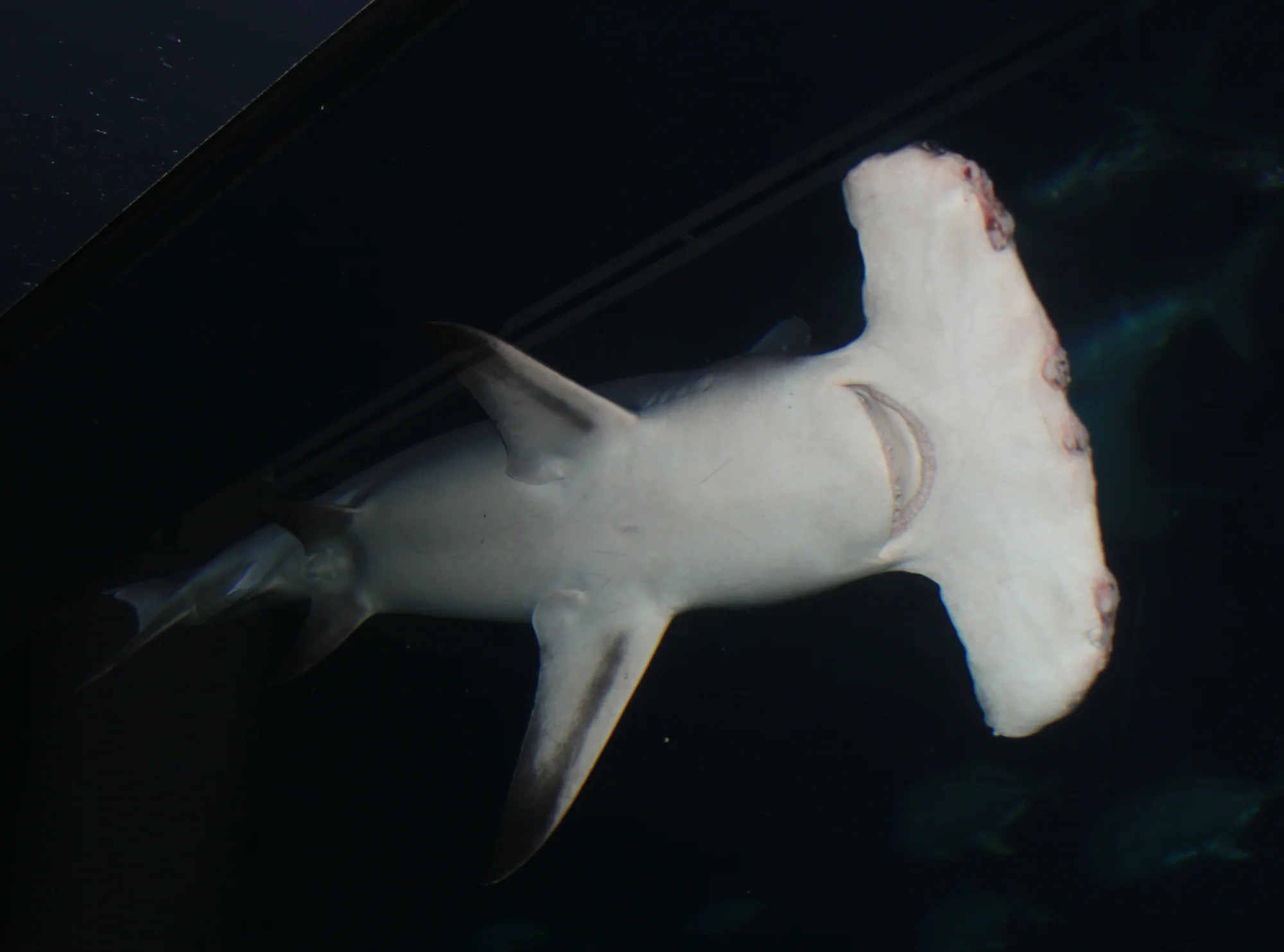 must-see
Great Hammerhead
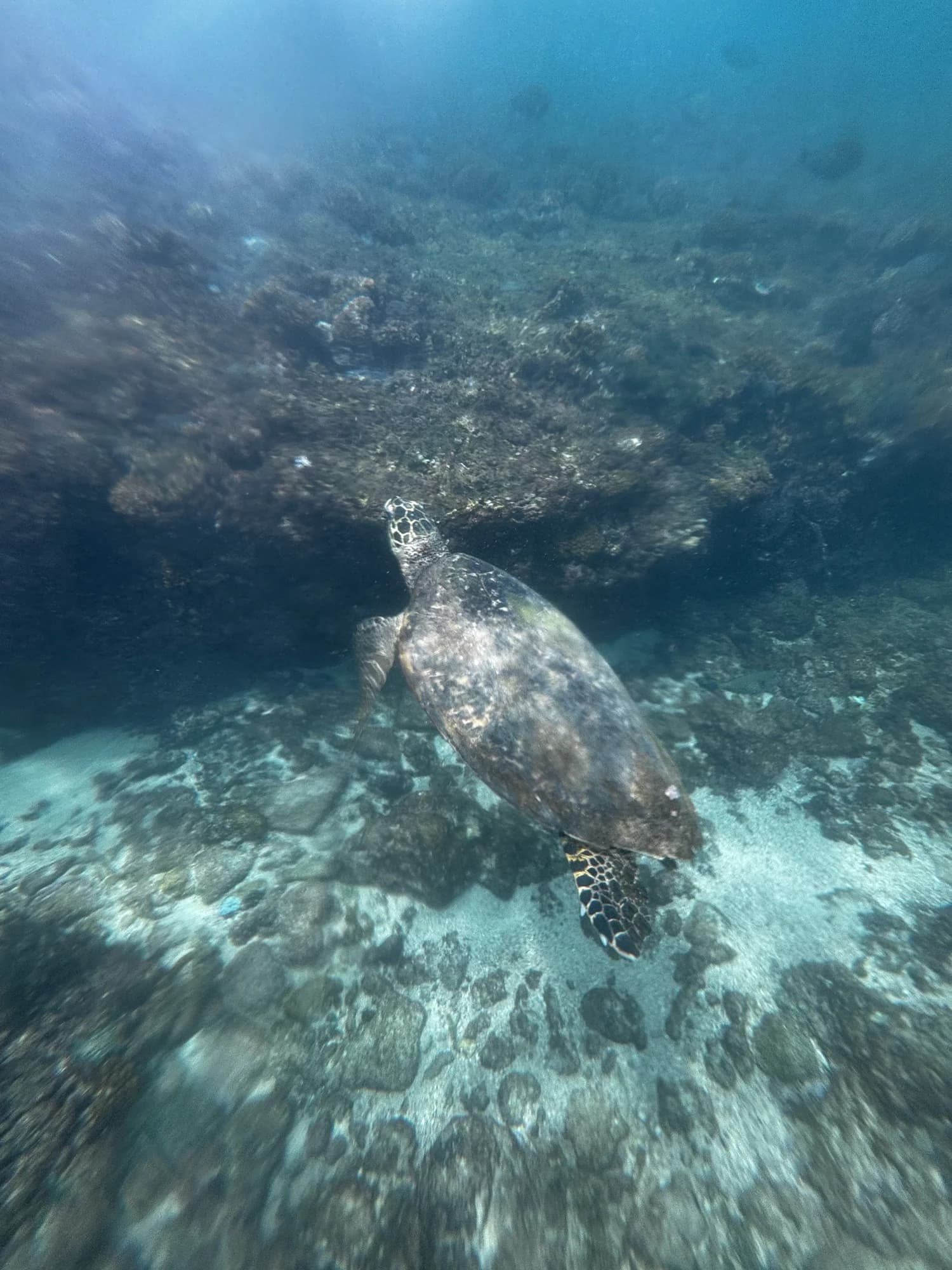 must-see
Hawksbill Turtle
 must-see
Green Sea Turtle
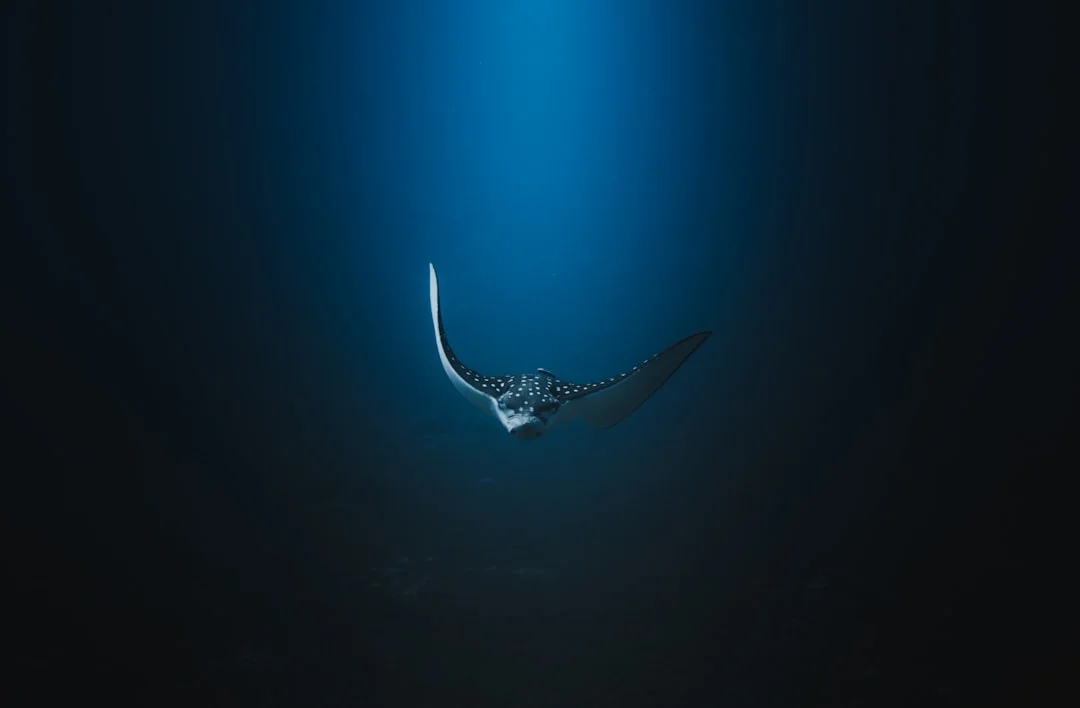 must-see
Spotted Eagle Ray
 must-see
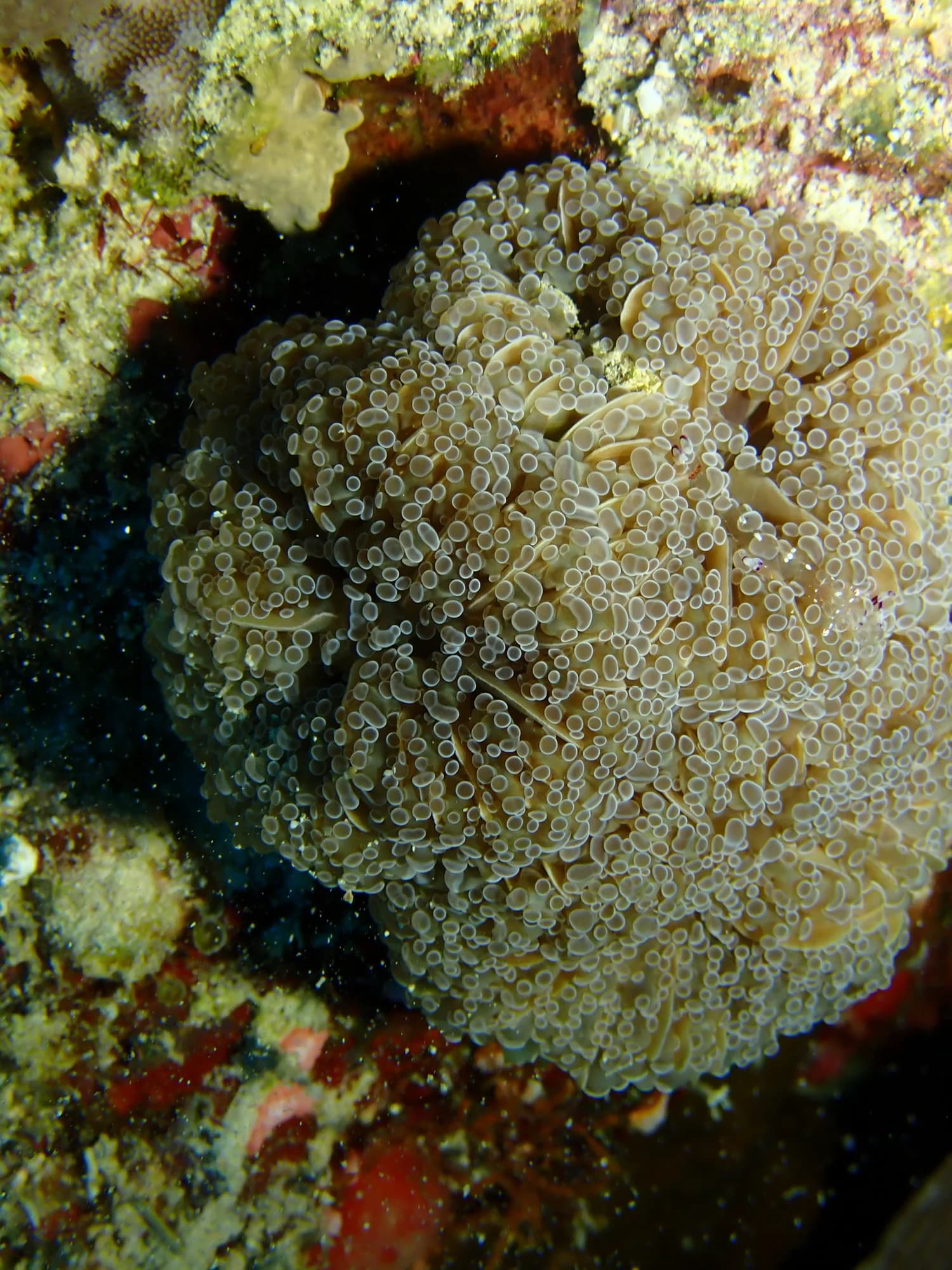
Branching Hammer Coral
 must-see
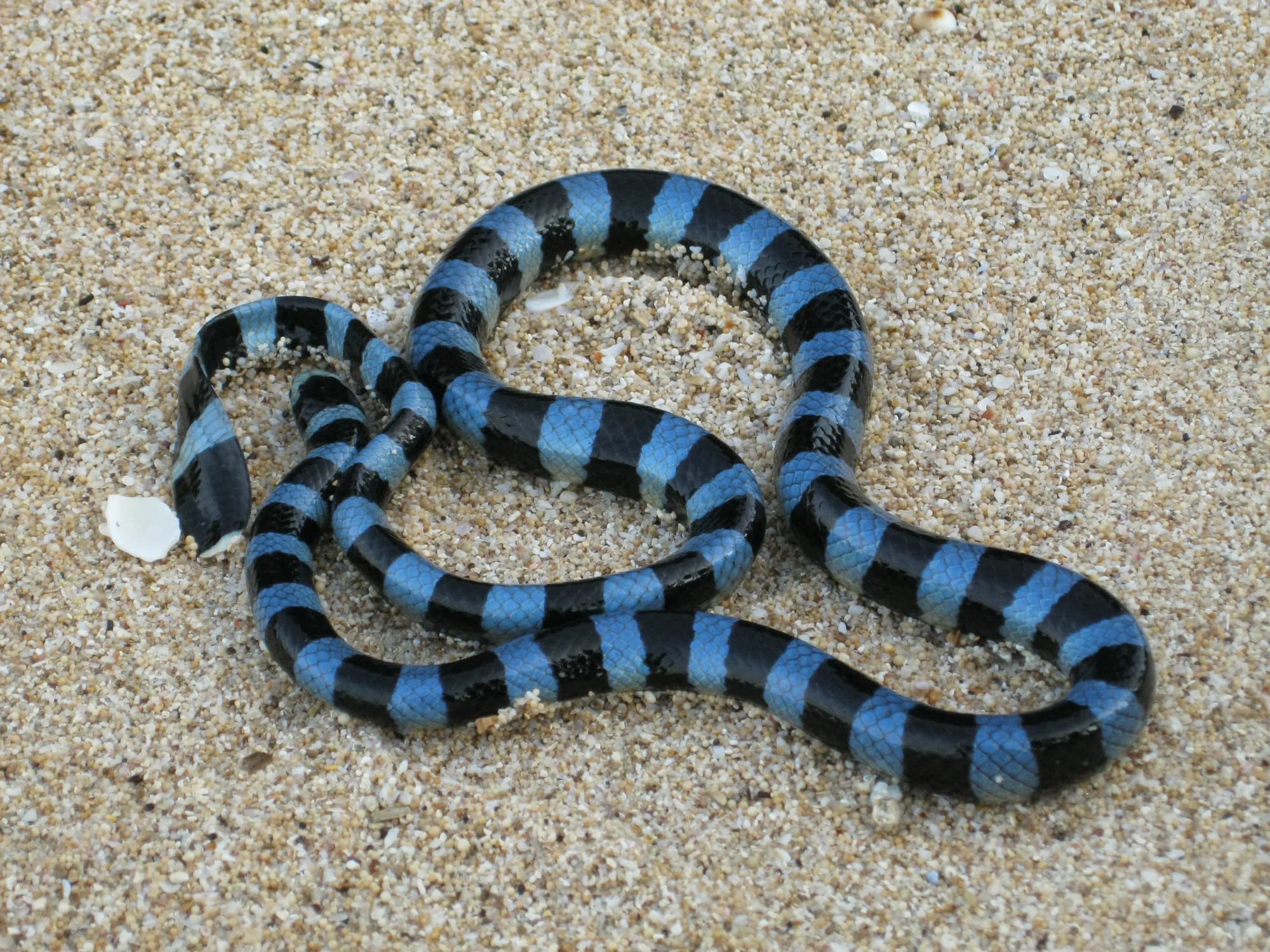
Blue-lipped Sea Krait
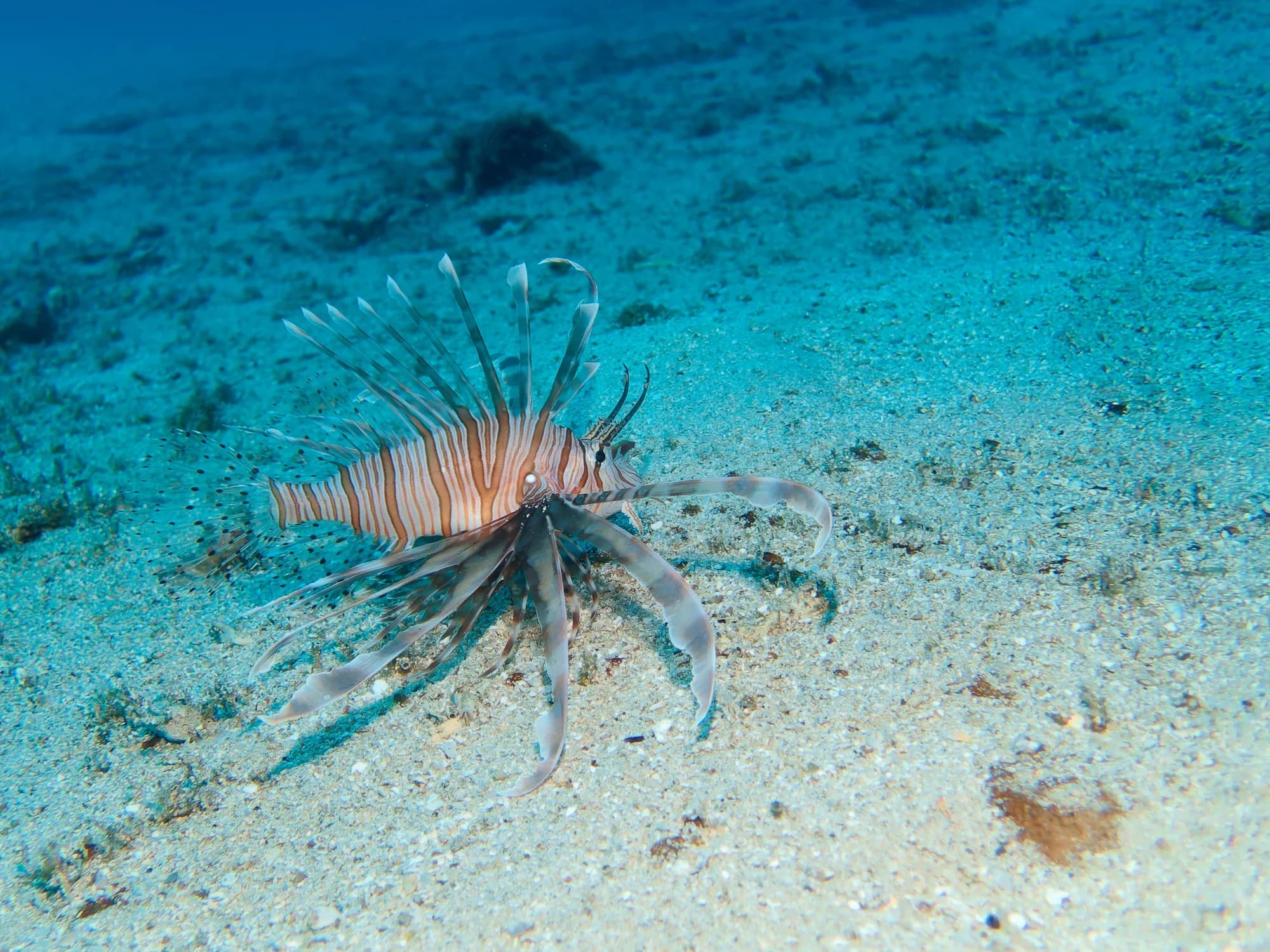
Common Lionfish
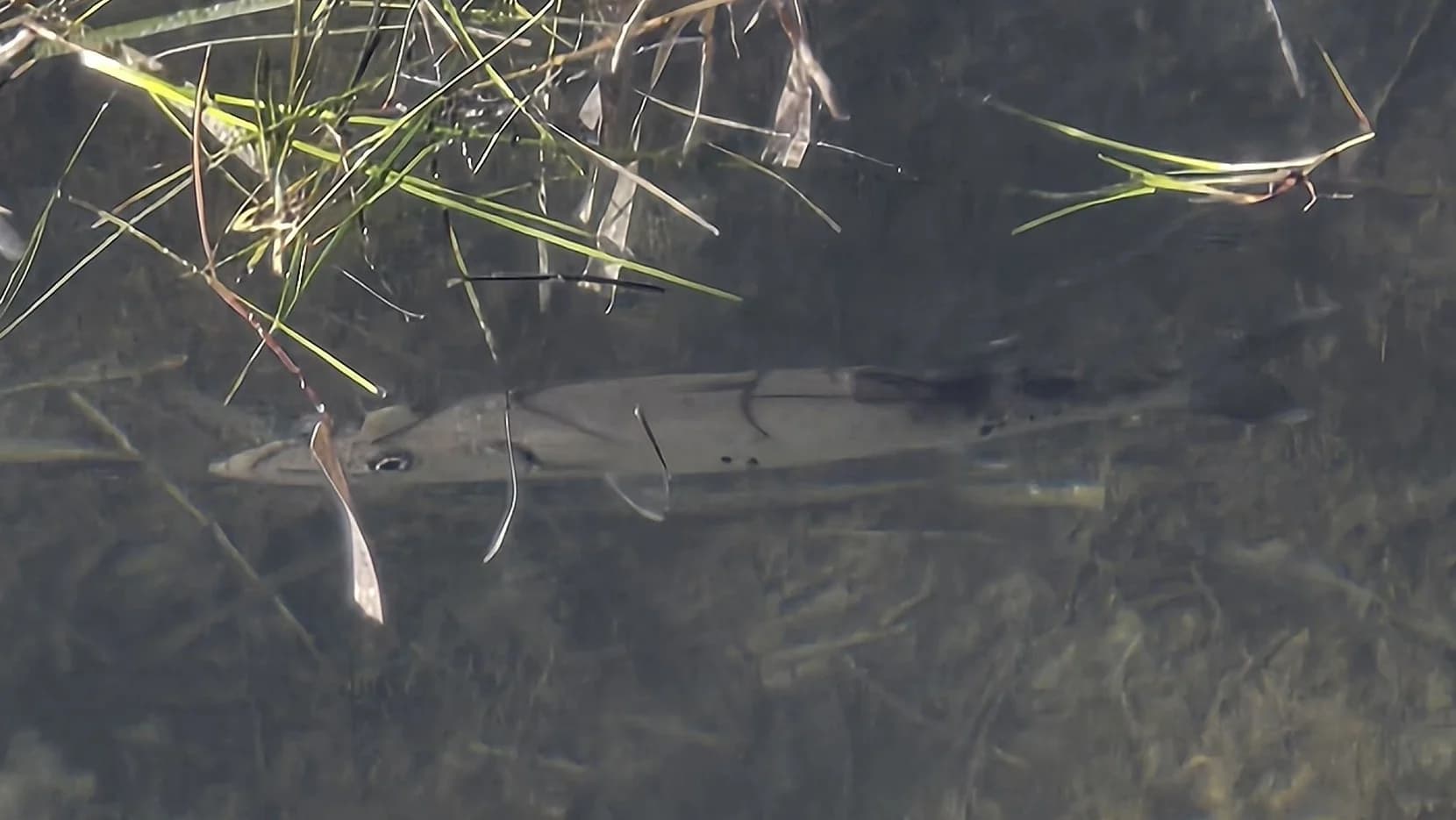
Great Barracuda
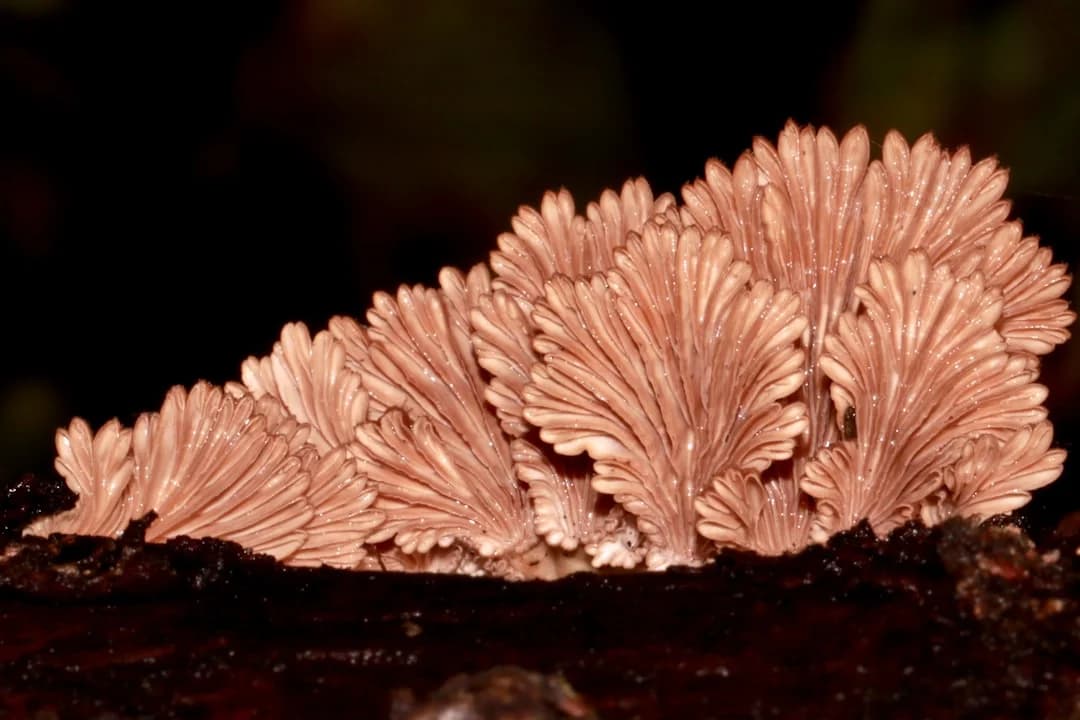
Sebae Anemone
Dive Shops (17)
Splash Dive Center
Palau LT Dive
Fish 'n Fins Palau
Palau Dive Adventures
PALAU INFINITY DIVE
DIVE 365 Palau
Dolphin Bay Resort & Peleliu Divers
Palau Pacific Divers
Nautilus Diving Center - PADI 5 Star Scuba Diving Center Palau, Sardinia
Scuba Point - 5 Star PADI Diving Center Palau: La Maddalena, Sardegna
Ocean Hunter Palau
MK hotel & dive resort
Neco Marine Palau
iPalau Dive Center
Belau Diving
Palau 7th Wonder Dive & Tours
Carp Palau Dive Center
Guides
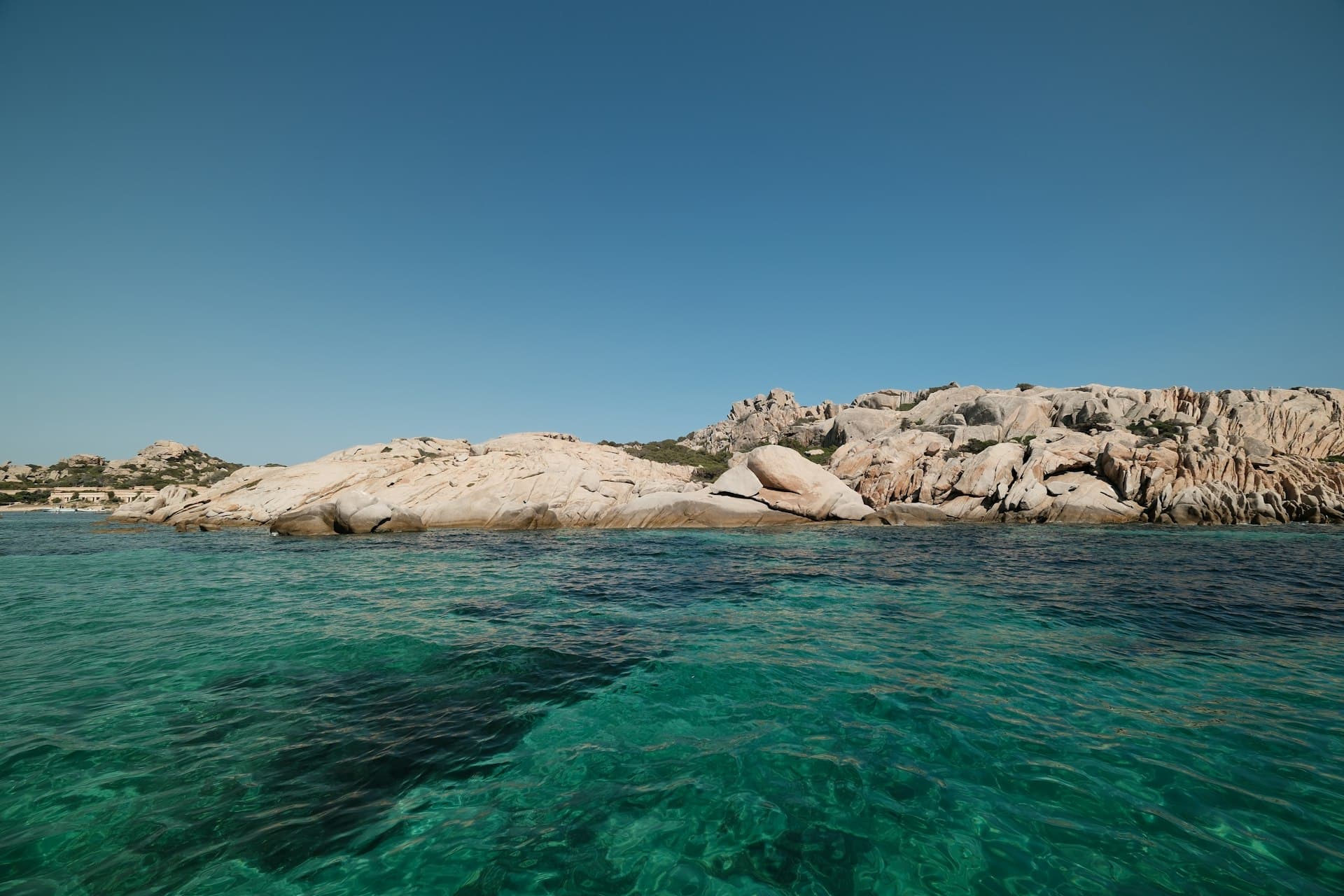
Diving Palau: Conditions, Seasons, and What to Expect
Water temperatures of 27–30°C, visibility up to 45 meters, and currents that make the dive. Here's what Palau's diving conditions look like month by month.
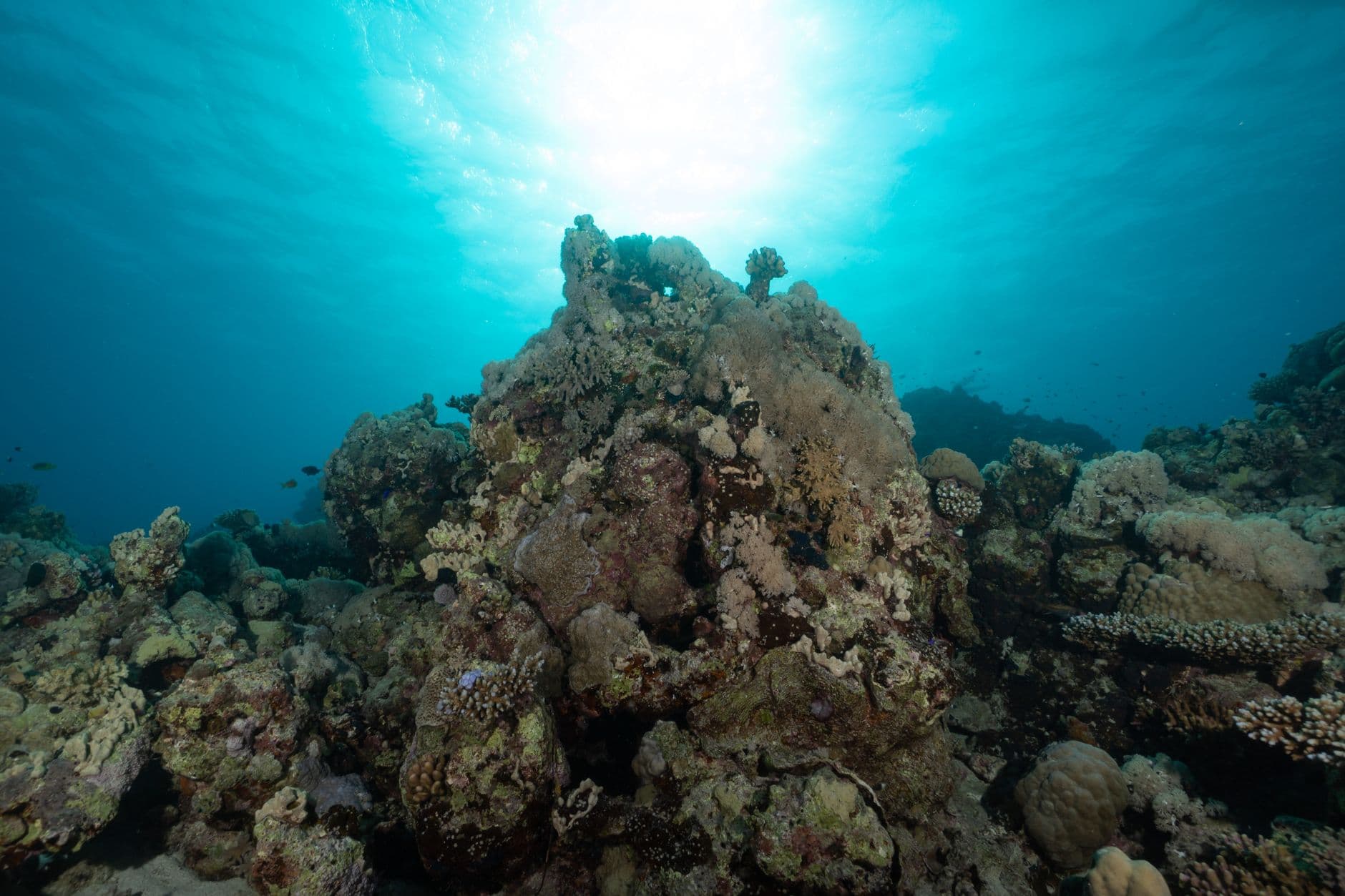
Top 7 Dive Sites in Palau: A Complete Guide
Diving with scores of sharks at Blue Corner, mantas at German Channel, and WWII wrecks. Compare Palau's best dive sites ranked by difficulty and marine life.
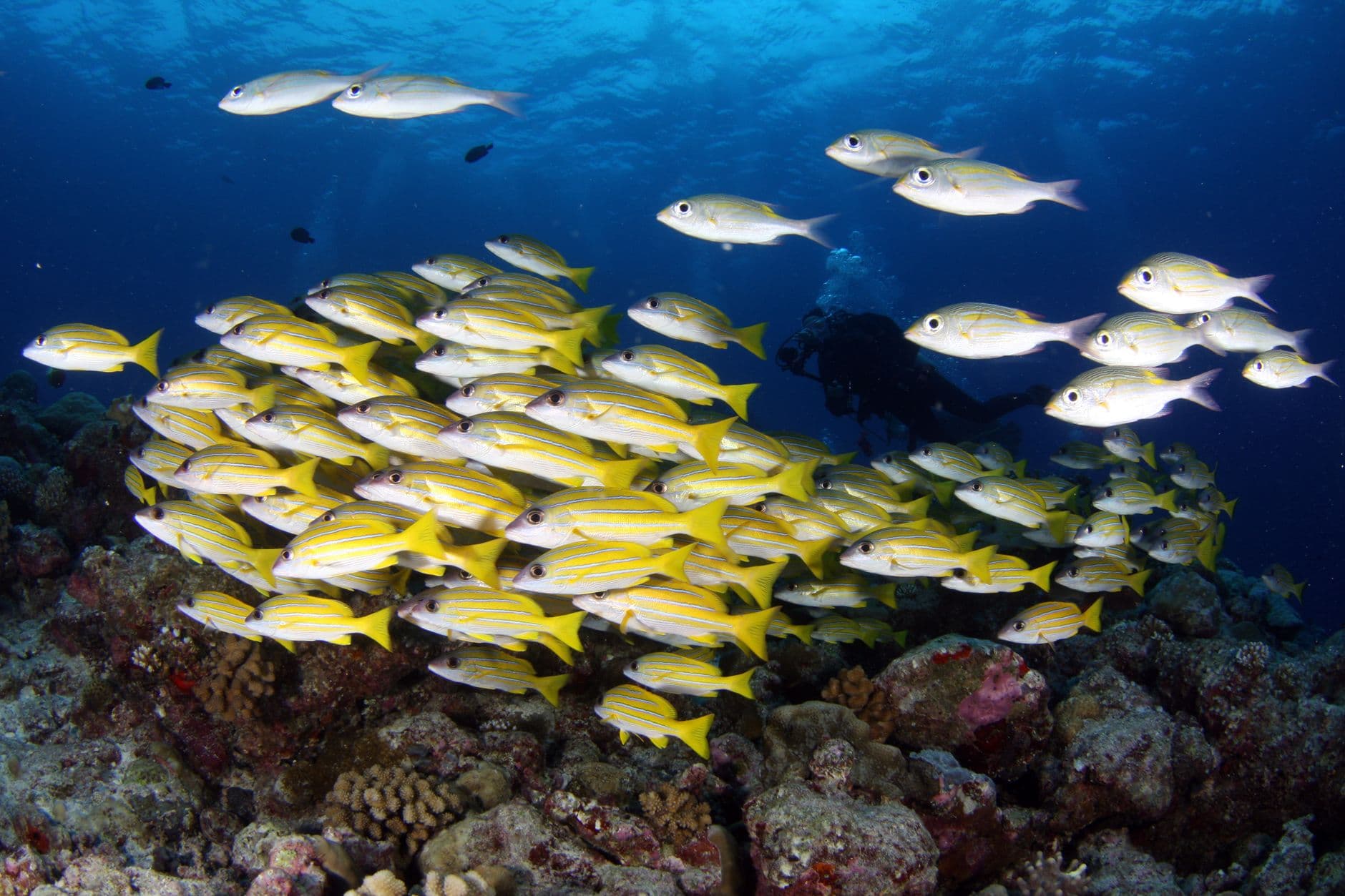
The Complete Palau Diving Guide: Sites, Wrecks & Wildlife
Blue Corner, Jellyfish Lake, and WWII wrecks — Palau is the Pacific's ultimate dive destination. Complete guide to its best dive sites, operators, and tips.
Safety
Bring Palau underwater
Offline access, dive log, AI fish ID, live site maps, and trip planning.
Download on the App Store