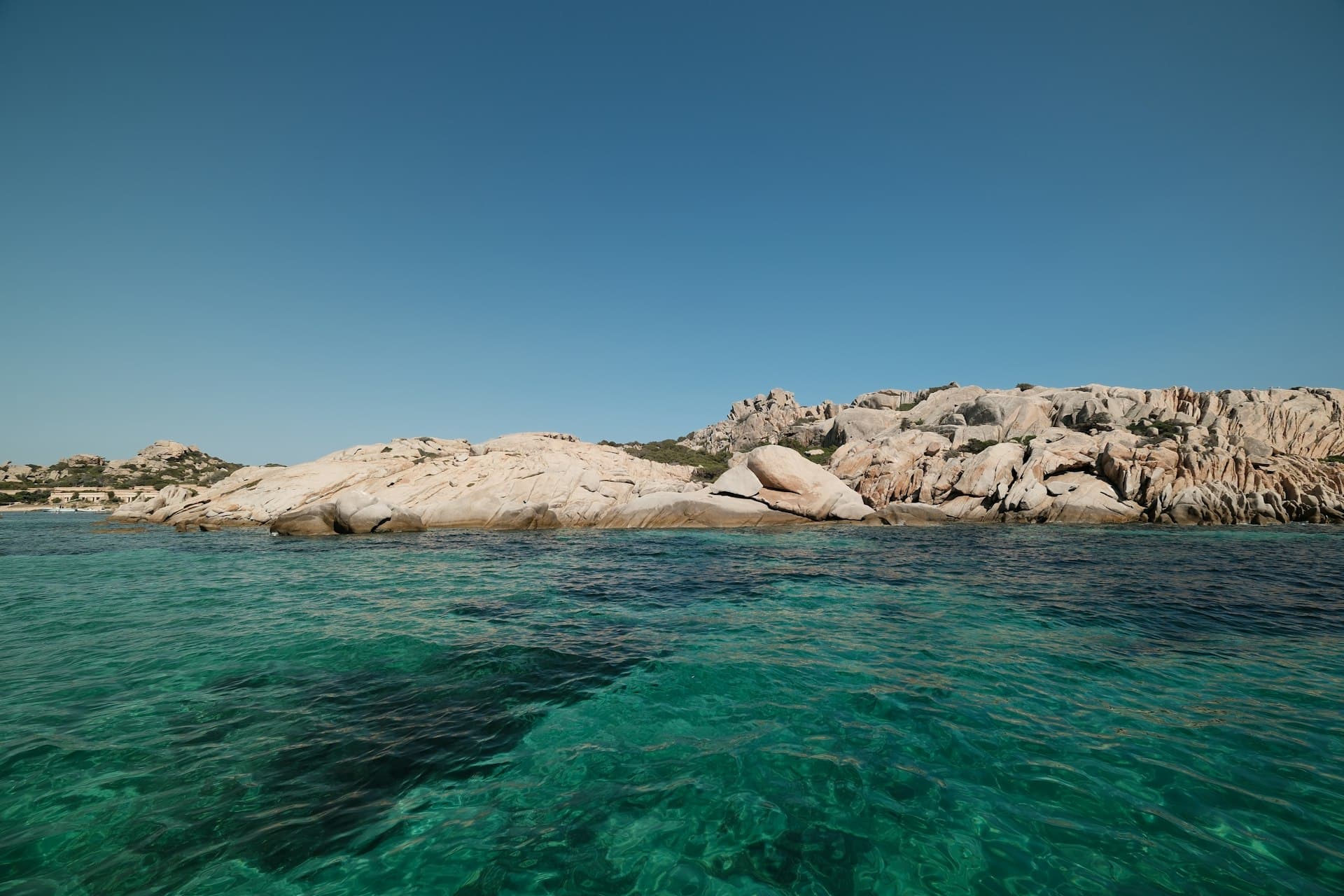
Diving Palau: Conditions, Seasons, and What to Expect
Palau sits at the western edge of the Pacific warm pool, where the North Equatorial Current sweeps warm, nutrient-rich water through a complex system of barrier reefs, channels, and inner lagoons. The result is a dive environment that is warm year-round but changes character dramatically depending on the season, the tide, and which side of the island you're on. Here is exactly what to expect, month by month.
The Numbers That Matter Most
Palau's position — roughly 7° north of the equator, surrounded by deep ocean — gives it remarkably stable water temperatures and a current system driven more by tides and geography than by seasonal shifts. This makes conditions predictable for those who know what to look for.
Visibility: 15–45 m (50–150 ft) depending on site and season. The clearest water runs from November through April, when visibility routinely exceeds 25 meters and peaks at 45 meters on the outer reef walls during calm spells. During the wet season (May–October), plankton blooms reduce visibility to 10–20 meters in the channels and inner lagoons, but the plankton is exactly what attracts manta rays and whale sharks. Trade-offs are real in Palau.
Water temperature: 27–30°C (81–86°F) year-round. The variation across the year is only 3°C — remarkably tight compared to most dive destinations. The coolest water (27°C) occurs in January and February. The warmest water (30°C) runs from July through September. A 3 mm wetsuit is the standard choice for all seasons. Many divers wear a shorty in summer or skip the wetsuit entirely for shallow dives.
Current: Ranges from mild (0.5–1 knot at inner walls and coral gardens) to extreme (3+ knots at Peleliu Express, Blue Corner, and Shark City during spring tides). Current strength is determined by tidal flow, not seasons — the strongest currents run during full and new moons regardless of time of year. Every operator posts the daily tide chart, and morning dives are typically calmer than afternoon dives at current-exposed sites.
Depth range by site type: Shallow coral gardens (2–15 m) for beginners and macro; wall dives (15–40 m) for intermediate and advanced; WWII wrecks (10–40 m, most around 25–35 m); Peleliu Express drift (15–35 m, strong current); Blue Corner hook-in (15–40 m).
Season by Season
November – February: Peak Season, Peak Conditions
This is Palau's dry season and the most popular time for diving. The northeast monsoon brings drier weather, calmer seas, and the best visibility of the year: 25–30 meters is the daily minimum on most outer reef sites, and 40–45 meter days are common at Blue Corner and Big Drop-Off in January and February when the water column is most stratified.
Water temperature sits at 27–28°C (81–82°F). A 3 mm full suit is comfortable. The thermocline is mild and largely disappears below 25 meters.
Currents are generally moderate but vary strongly with the lunar tide cycle. Spring tides (full and new moon) bring the strongest flows — 2–3 knots at exposed points. This is when Blue Corner and Peleliu Express really deliver, as the nutrient-rich water brought by strong currents concentrates pelagic life. Neap tides are gentler and better for less experienced divers on the same sites.
Manta ray sightings at German Channel peak from January through April. The combination of cool, clear water and reliable cleaning station activity makes this the best window for manta photography.
Grey reef shark numbers at Blue Corner and Shark City are at their annual maximum. Schools of 40–60 sharks are routine.
What to pack: 3 mm full wetsuit, reef hook (mandatory for Blue Corner and Peleliu Express), dive computer, SMB, and a good underwater light for the wrecks. Rain gear for the boat ride.
March – April: Transition Season Sweet Spot
March and April offer the best overall conditions in Palau. The dry season is still in full force, visibility remains excellent (25–40 meters), and water temperature begins climbing toward 29°C (84°F).
This is the peak month for manta rays at German Channel — multiple individuals, sometimes 6–8 at a single cleaning station. Schools of barracuda and trevally are at their densest, and eagle rays are seen regularly at all outer wall sites.
Currents remain strong during spring tides but are more predictable than in the winter months because the monsoon winds have subsided. Boat rides are short, surface conditions are flat, and the weather is consistently sunny.
What to pack: Same as peak season but consider a 3 mm shorty as an alternative. This is the best window for photography — topside conditions are excellent for drone shots of the Rock Islands.
May – October: The Plankton Season
May marks the transition to Palau's wet season. The southwest monsoon brings increased rainfall, higher humidity, and warmer water (29–30°C / 84–86°F). Visibility drops to 15–20 meters in the channels and lagoons as plankton blooms reduce water clarity. On the outer reef walls, visibility stays at 20–30 meters but loses the crystal-clear quality of the dry season.
This seasonal shift has a major upside: the plankton blooms attract the marine life that feeds on it. Manta rays arrive in numbers to feed at German Channel, though they are more active in the water column feeding rather than lingering at cleaning stations as they do in the dry season. Whale shark sightings increase from June through September, particularly at German Channel and around the outer reef. The mantas you see here during plankton season are often in feeding chains — swimming in single file, mouths open, filtering the rich water.
Rain in Palau typically falls in short, intense bursts, often at night. Daytime diving is rarely interrupted by weather. Typhoons are rare in Palau — the archipelago sits south of the main typhoon belt, and direct hits are uncommon.
Visibility in Jellyfish Lake actually improves in the wet season, when freshwater inflow from rain opens the lake's lens, making the golden jellyfish more visible against the darker halocline layer.
What to pack: 3 mm shorty or thin full suit, rain jacket, reef hook (still required for exposed sites), underwater camera with good low-light performance (plankton season reduces ambient light).
October – November: Shoulder Season Transition
October and early November are the shoulder season in Palau. The wet season is winding down, the northeast monsoon is starting to build, and conditions are variable — you might get a 30-meter visibility day followed by a 12-meter plankton day. The trade-off is that this is the least crowded time of year on the water, and dive packages are at their lowest prices.
The first reliable dry-season visibility appears in November as the trade winds stabilize. By late November, most outer reef sites are running at 20–25 meters visibility and improving.
What to pack: The most versatile selection — you might need the 3 mm full suit one day and a shorty the next. Bring both if you have space.
Reading the Current in Palau
Understanding Palau's current system is the difference between an average dive and an extraordinary one. Three rules govern current here:
The tide rules everything. Palau has a semi-diurnal tide with a range of 1–2 meters. The strongest currents coincide with maximum tidal flow — roughly two hours each side of high and low tide during spring tides. Neap tides produce gentler flows. Your operator adjusts the daily schedule based on the tide tables, not the clock.
Exposed points produce the show. Blue Corner, Peleliu Express, Shark City, and Siaes Corner are all current-exposed sites where the reef funnels the tidal flow. Strong current equals more sharks, more jacks, more barracuda. The hook-in technique — descending, finding a crevice, and securing your reef hook — lets you stay stationary while the action comes to you.
Channels are a different game. German Channel and Ulong Channel have their own current dynamics. Incoming tide brings mantas and eagle rays into the channel for cleaning. Outgoing tide pushes pelagics into the open water. Your DM will plan the site based on which way the current is running.
If you've never used a reef hook, Palau is where you learn. Most operators offer a check-out dive on a moderate-current site — like Big Drop-Off or New Drop-Off — to practice the technique before taking you to the heavy-current sites.
Gear Notes for Palau Conditions
Wetsuit: 3 mm full suit is the one-size-fits-all answer for Palau. 27°C in January feels different from 27°C in the Caribbean — the lack of thermocline shock makes a 3 mm comfortable even on repetitive dives. A hooded vest is optional for divers doing 4+ dives per day or those who feel the cold.
Reef hook: Mandatory for Blue Corner, Peleliu Express, and Shark City. Most operators supply them. If you have your own, bring it — you'll know exactly how it feels before you're in 2-knot current.
Dive computer: Drift dives are multi-level profiles. A computer is non-negotiable. If you don't own one, rent from your operator — the shop computers on Palau are well-maintained and typically carry current Suunto or Shearwater models.
SMB: Deploying a surface marker buoy is part of the standard drill. Current can sweep you 200–500 meters from the boat before you surface. Your guide will thank you for carrying your own.
Gloves: Banned by law in Palau since 2020. You cannot bring gloves into the water. The penalty is stiff — respect the rule. Build your buoyancy control accordingly.
Putting It Together
Palau's diving conditions reward preparation. Know the tide chart for your dive week, pack for both thermal comfort and current readiness, and communicate your comfort level with current to your guide on the first day. The diversity of sites means there is always a plan B — if Blue Corner is running too hard, you can drift Ulong Channel or explore a wreck. The Pacific drives the conditions, but Palau's geography gives you options.
DivePass tracks real-time site conditions and aggregates operator reports so you can plan your dive day with current data, not averages. Check the app the morning of your dive.