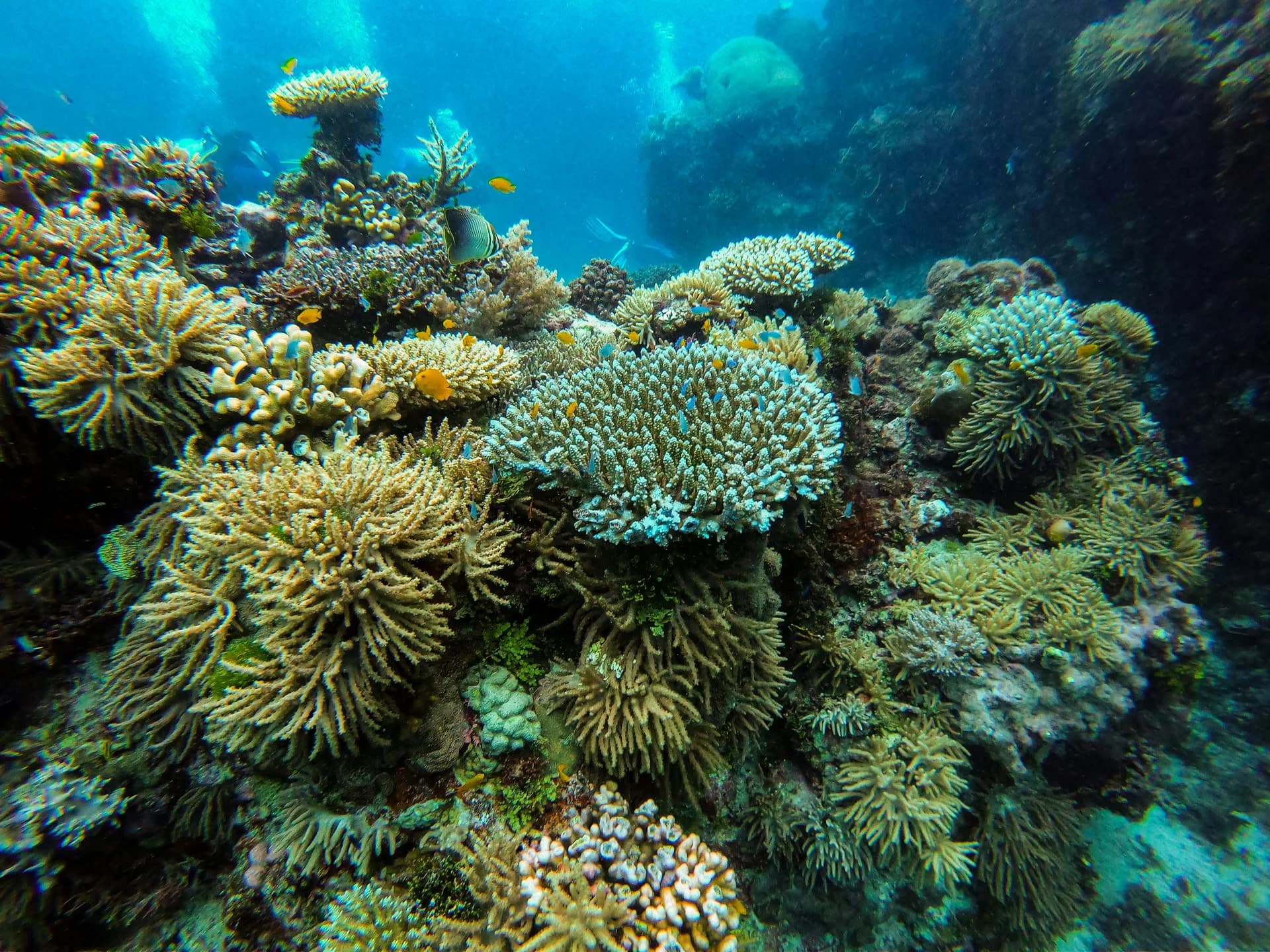
Australia
Diving in Great Barrier Reef
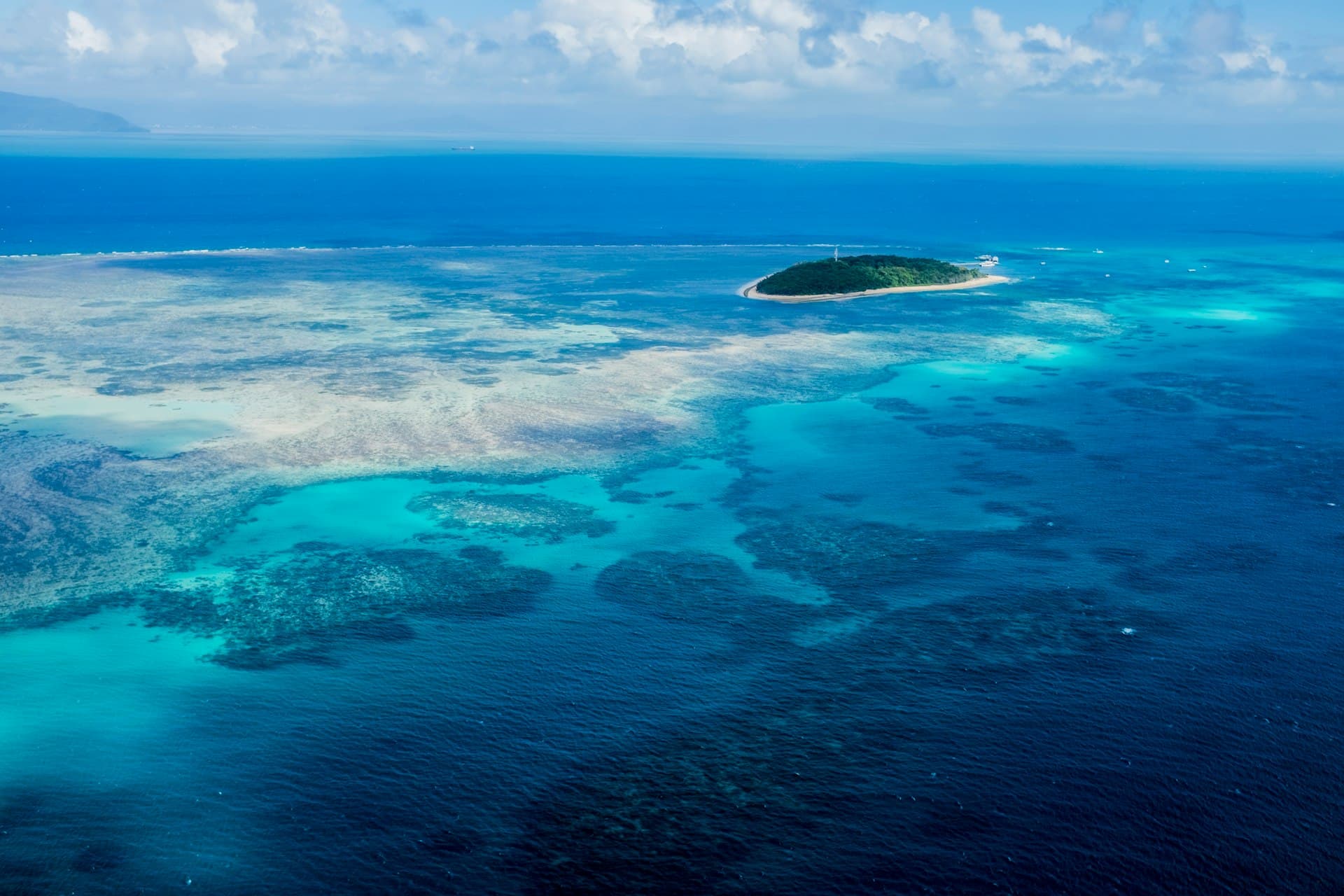
Photo: Daniel Pelaez Duque / Unsplash
The Great Barrier Reef is the world's largest coral reef system, stretching over 2,300 km along the northeast coast of Queensland, Australia. Comprising more than 2,900 individual reef systems and 900 islands, this UNESCO World Heritage Site is one of the Seven Natural Wonders of the World and the largest living structure on Earth — visible from space. The reef is home to 400 coral species, over 1,500 fish species, six of the world's seven sea turtle species, and 30 cetacean species. From the turtle-packed southern cays to the shark-filled Coral Sea atolls, the GBR spans ten distinct dive regions. From iconic bucket-list dives like the Cod Hole and SS Yongala wreck to the remote, pristine walls of Osprey Reef dropping 2,000 metres into the Coral Sea, the Great Barrier Reef offers the planet's most diverse and awe-inspiring underwater experiences. With dwarf minke whale encounters (Jun–Jul), mass coral spawning (Oct–Nov), and year-round world-class diving, it is the ultimate dive destination.
Explore the map
Select a pin to learn more. Use the zoom buttons or pinch to zoom.
Loading map…
Places on this map (27)
50 places have no verified map location yet. Browse the page lists for more places.
Conditions
22–30 °C
8–50 m
5–40 m
Moderate
June to November (dry season) — peak visibility August–October, dwarf minke whales June–July, coral spawning October–November, humpback whales June–September
| Month | Summary |
|---|---|
| Jan | Peak summer with water temperatures reaching 28-30°C. Wet season brings reduced visibility (8-20m) from rainfall runoff but also fewer crowds and lower prices. Stinger season — full stinger suits mandatory on inshore reefs. Outer reefs remain accessible with 15-20m visibility. |
| Feb | Hottest month with 28-30°C water and highest rainfall. Visibility ranges 10-20m on outer reefs. Cyclone risk present. Turtle hatchlings begin emerging on southern cays. Budget-friendly travel window with excellent marine life despite reduced clarity. |
| Mar | End of wet season. Water remains warm at 27-29°C. Visibility begins improving to 12-22m as rainfall decreases. Cyclone risk tapering. Turtle nesting continues on southern cays. A transition month offering a balance of decent conditions and shoulder-season pricing. |
| Apr | Autumn transition. Water temperatures 26-28°C with clearing visibility (15-25m). Rainfall significantly reduced. Excellent month for Cairns and Port Douglas day trips. Southern GBR (Lady Elliot, Heron) offers 20-25m visibility and active manta ray cleaning stations. |
| May | Start of dry season. Water 25-27°C, visibility improving to 18-28m. Manta ray season begins at Lady Elliot Island. Trade winds establish consistent patterns. Excellent conditions across all sectors — one of the best months for a GBR trip combining good visibility with moderate pricing before peak season. |
| Jun | Winter begins. Water 23-26°C (cooler in south at 21-23°C). Peak visibility season approaching at 20-30m. DWARF MINKE WHALES arrive at Ribbon Reefs — the only reliable in-water encounter on Earth. Humpback whale migration begins. Liveaboard high season. Cooler evenings — 5mm wetsuit recommended. |
| Jul | Coolest water temperatures at 22-25°C. Peak dwarf minke whale encounters in Ribbon Reefs. Visibility 25-35m on outer reefs. Humpback whales active throughout. Southern GBR runs 2-3°C cooler — 5-7mm wetsuit essential for Lady Elliot/Heron. Peak season pricing applies but conditions justify it. |
| Aug | Water warming to 22-26°C. Peak visibility season at 25-40m+ on outer reefs and Coral Sea. Dwarf minke whale season winds down late August. Humpback whales still active. Coral Sea liveaboards (Osprey, Bougainville) offer 30-50m visibility. Arguably the best month for photography and pelagic encounters. |
| Sep | Spring transition. Water 24-27°C. Visibility remains excellent at 20-35m. Humpback whales still migrating through September. Trade winds easing. Shoulder season begins — slightly lower prices with peak conditions. Coral Sea trips still running. Excellent month for photographers and experienced divers. |
| Oct | Peak visibility month at 25-40m. Water 25-28°C. CORAL SPAWNING begins after October full moon — one of nature's greatest spectacles. Manta rays abundant at Lady Elliot. Trade winds declining. The sweet spot: world-class visibility, warm water, coral spawning, and moderate crowds before November build-up. |
| Nov | Build-up to wet season. Water 26-29°C, humidity rising. Coral spawning continues on outer reefs after November full moon. Visibility still good at 18-28m. Turtle nesting begins on southern cays (Lady Elliot, Heron, Lady Musgrave). Excellent marine life activity. Pre-cyclone season — monitor forecasts. |
| Dec | Start of wet season. Water 27-30°C. Visibility variable at 12-22m. Cyclone risk increases. Turtle nesting in full swing on southern cays. Christmas/New Year peak tourist season — book well ahead. Despite reduced visibility, marine life is abundant and the reef is warm and active. Stinger suits required for inshore sites. |
Dive Sites (50)
Around the Bend (Osprey Reef)
15–35m · Advanced
Drift dive · Wall · Manta rays
Bait Reef
5–25m · Intermediate
Wall · Pelagics · Sharks
Blow Hole (Lady Elliot Island)
10–30m · Intermediate
Swim-throughs · Tunnel · Manta rays
Blue Lagoon
5–15m · Beginner
Lagoon · Coral garden · Stingrays
Camp Grounds
10–18m · Intermediate
Wall · Drift dive · Lagoon
Cathedral
8–30m · Intermediate
Swim-throughs · Coral garden · Cavern
City Hall
8–28m · Intermediate
Pinnacle · Swim-throughs · Turtles
Club 10
3–10m · Beginner
Coral garden · Anemone field · Clownfish
Marine Life (95)
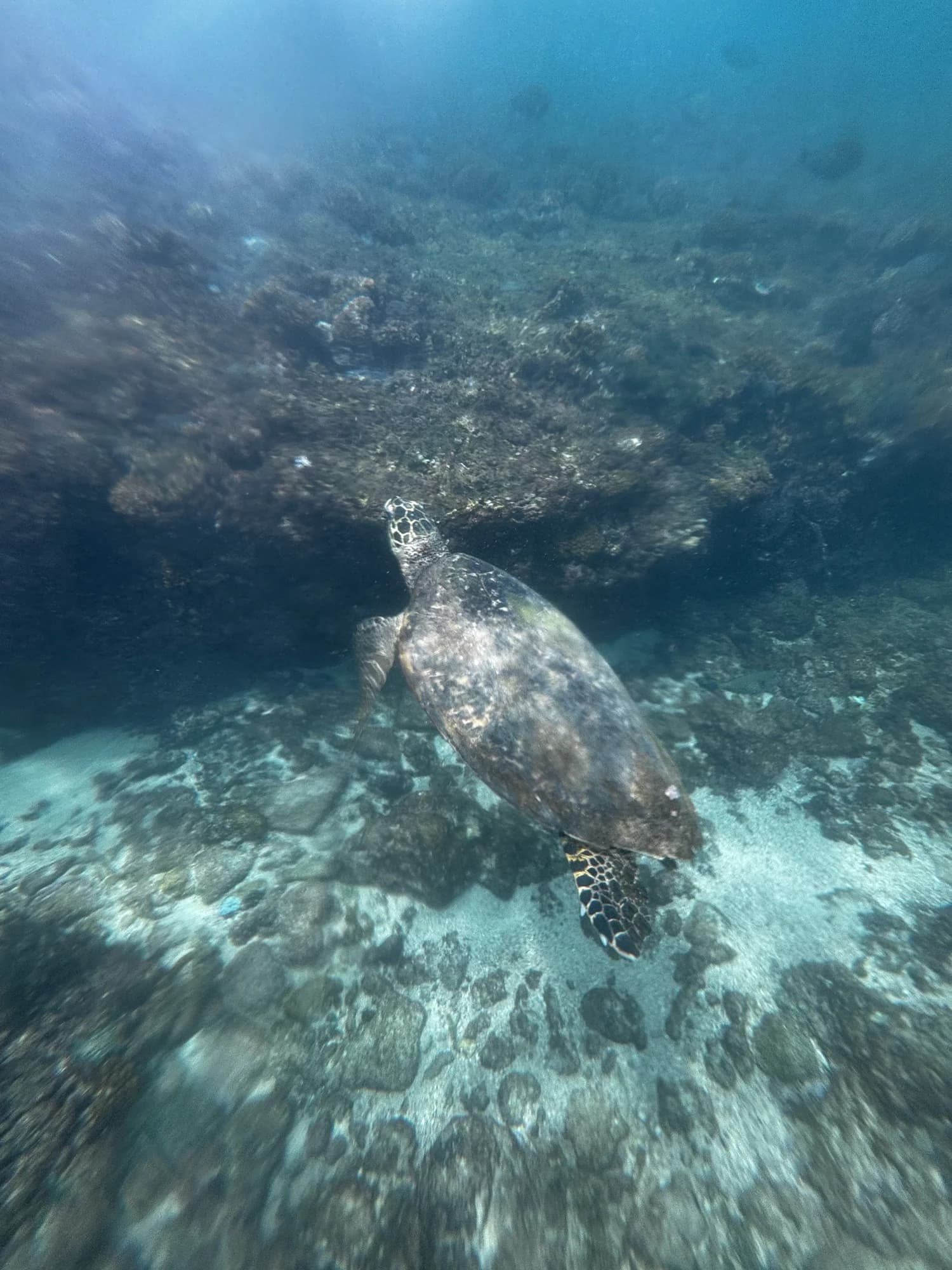 must-see
Hawksbill Turtle
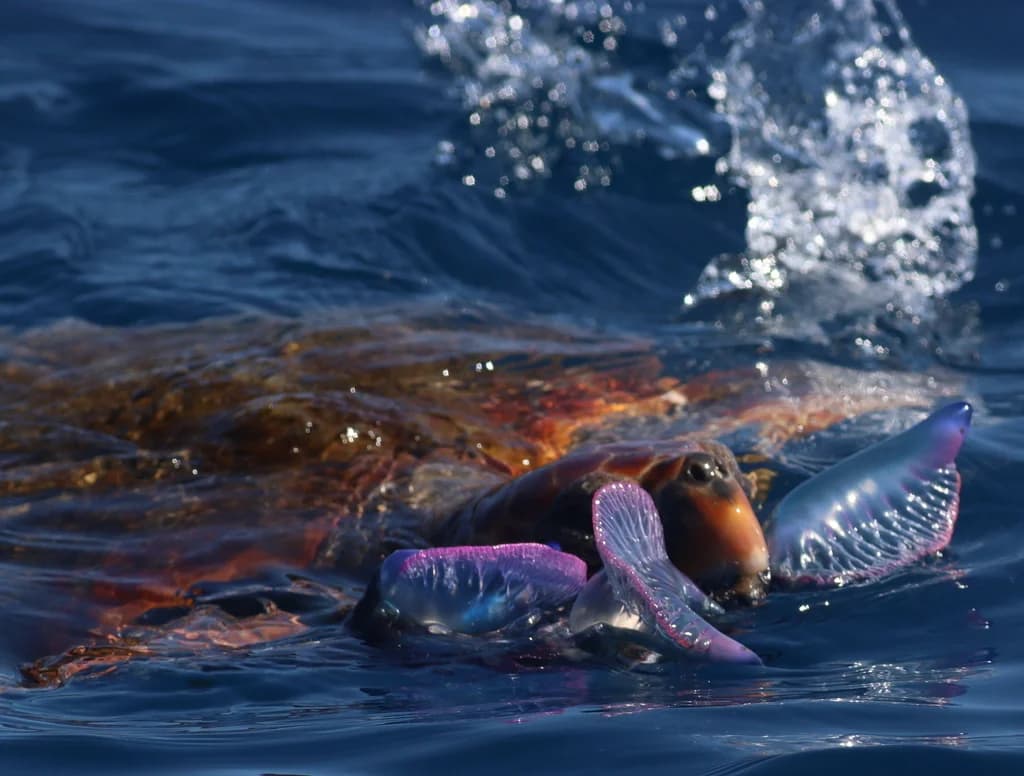 must-see
Loggerhead Turtle
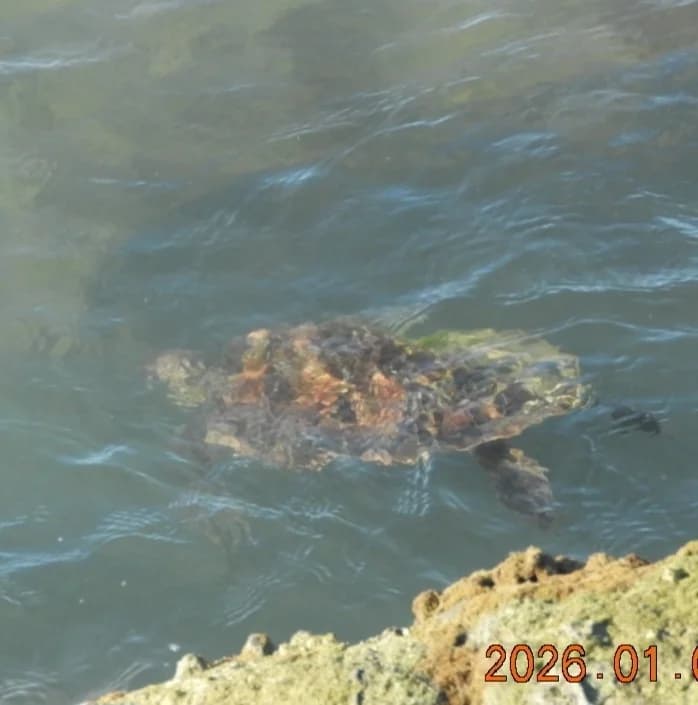 must-see
Green Sea Turtle
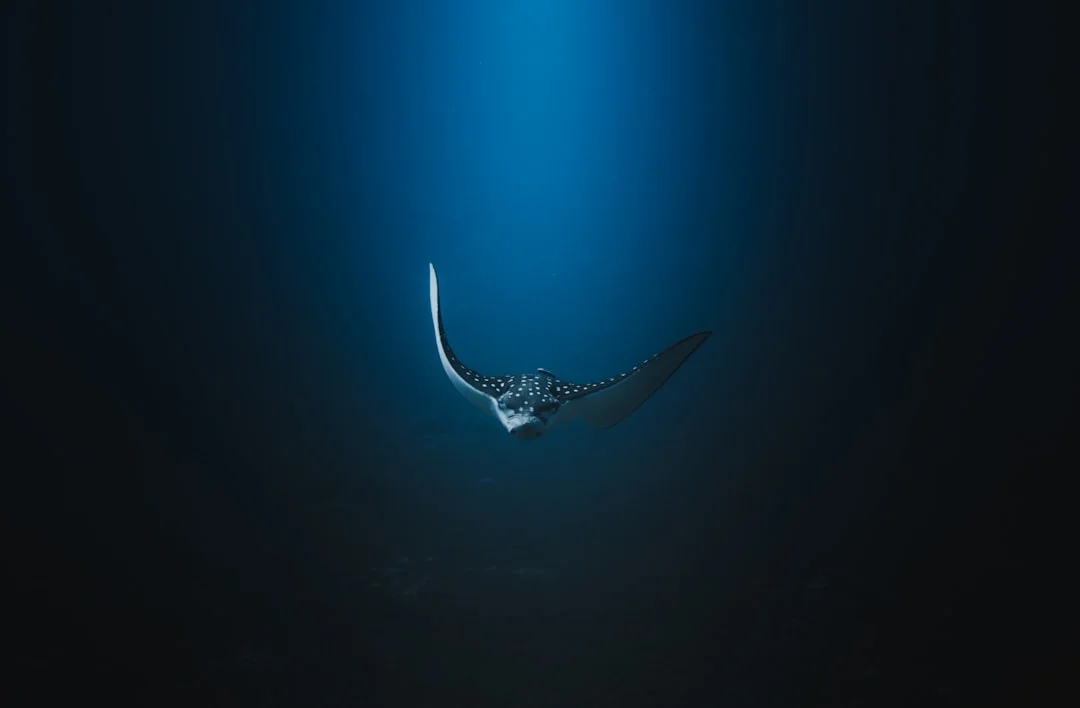 must-see
Spotted Eagle Ray
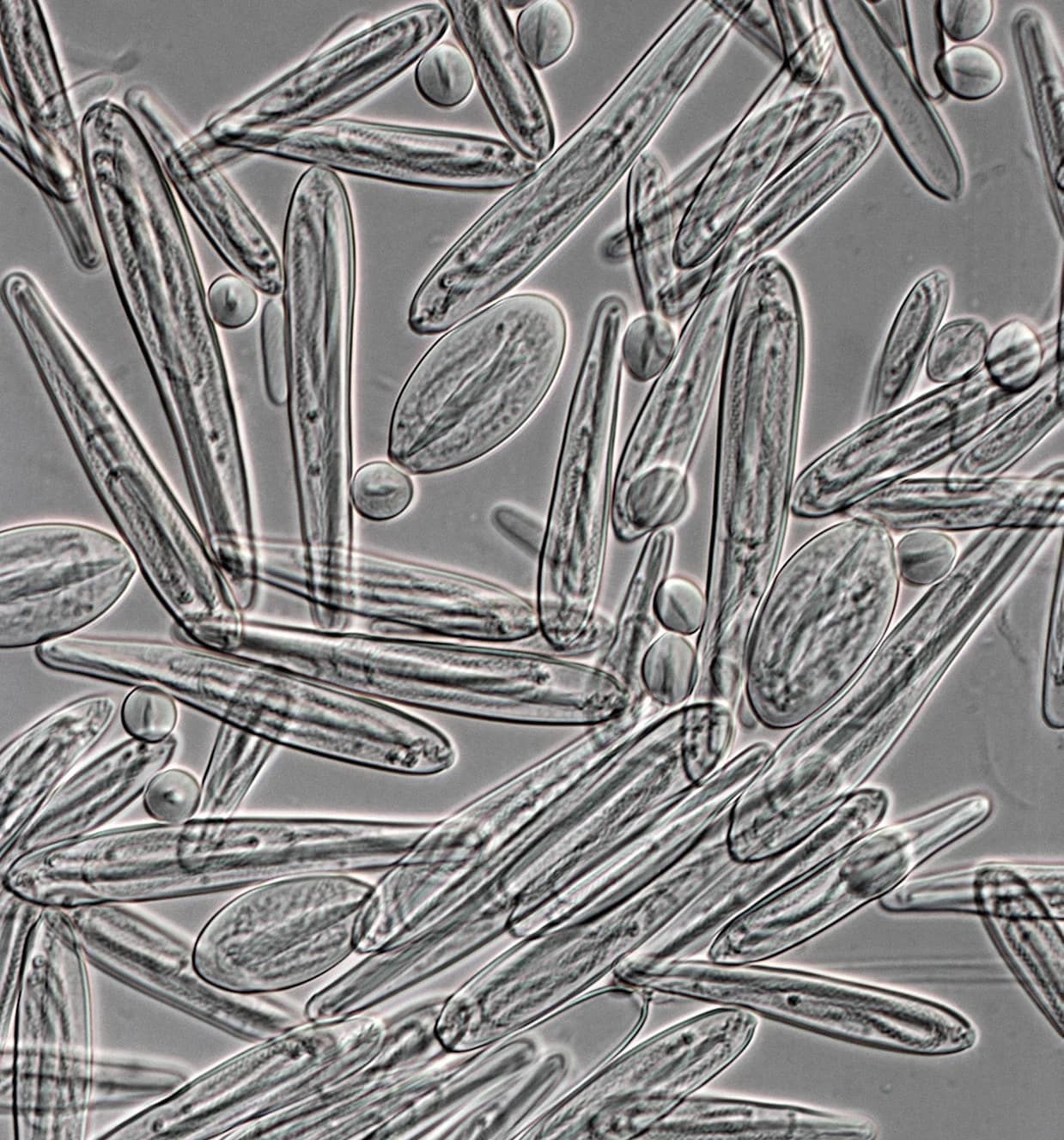 must-see
Box Jellyfish
Blue Jellyfish
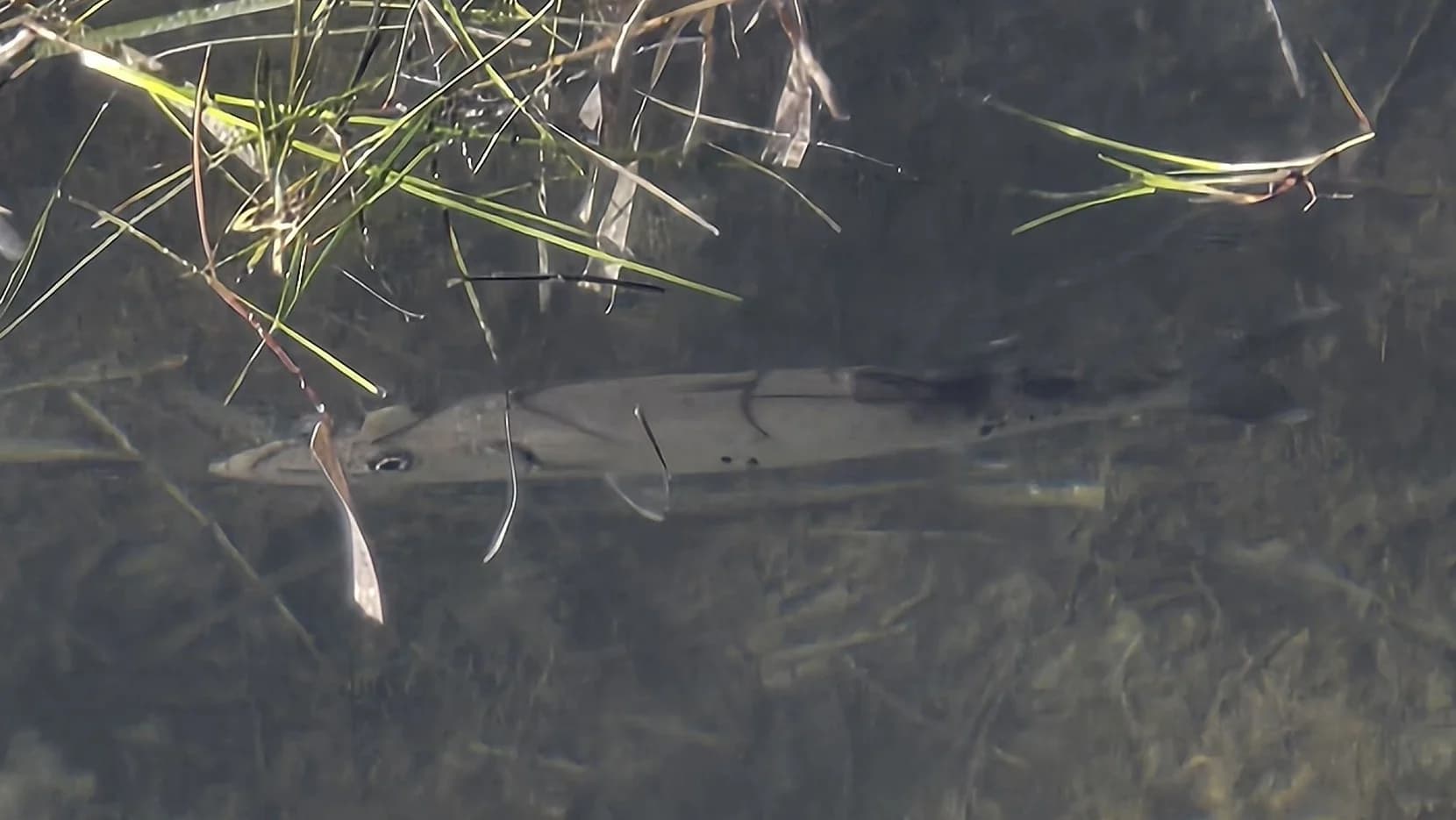
Great Barracuda
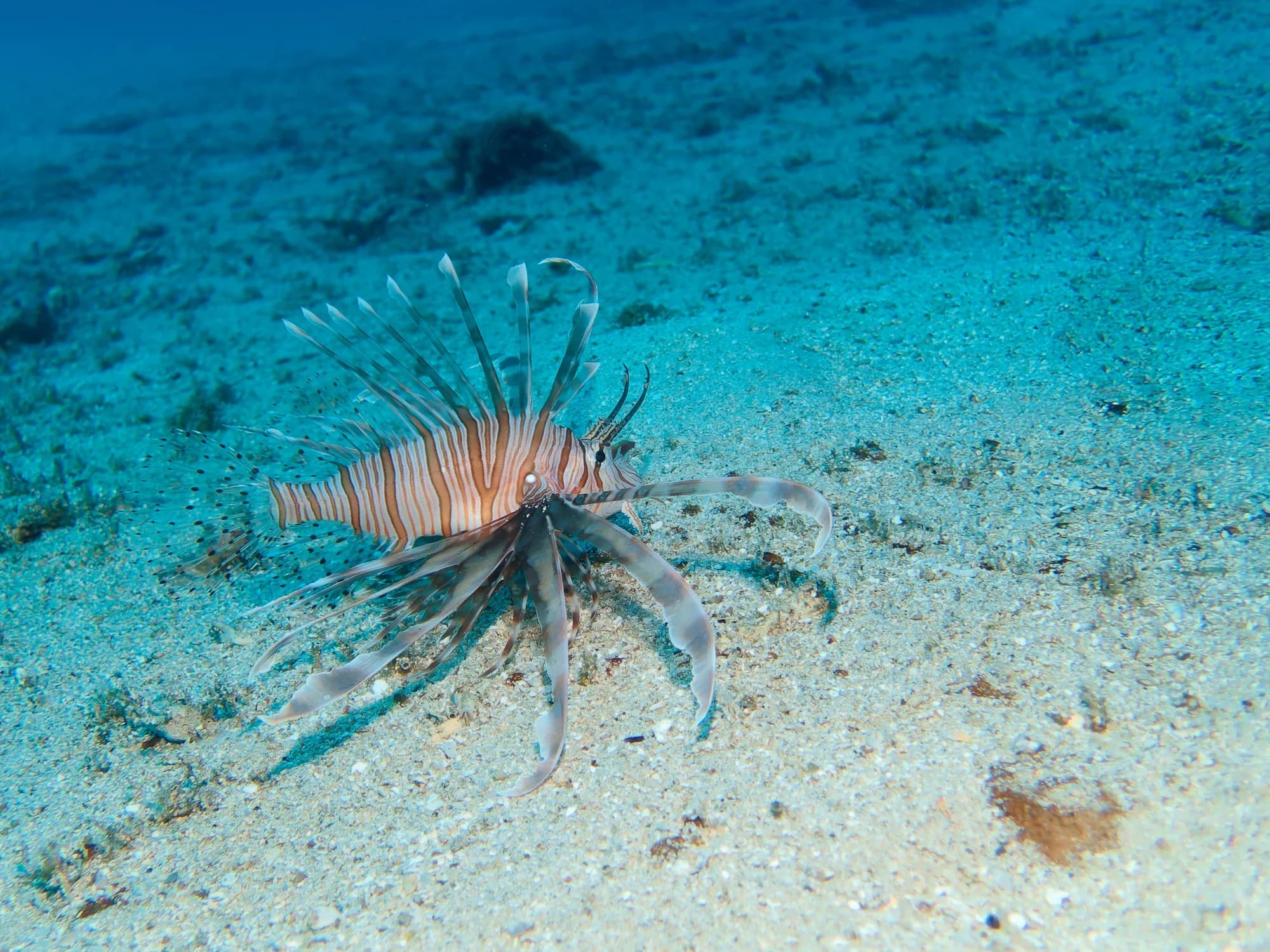
Common Lionfish
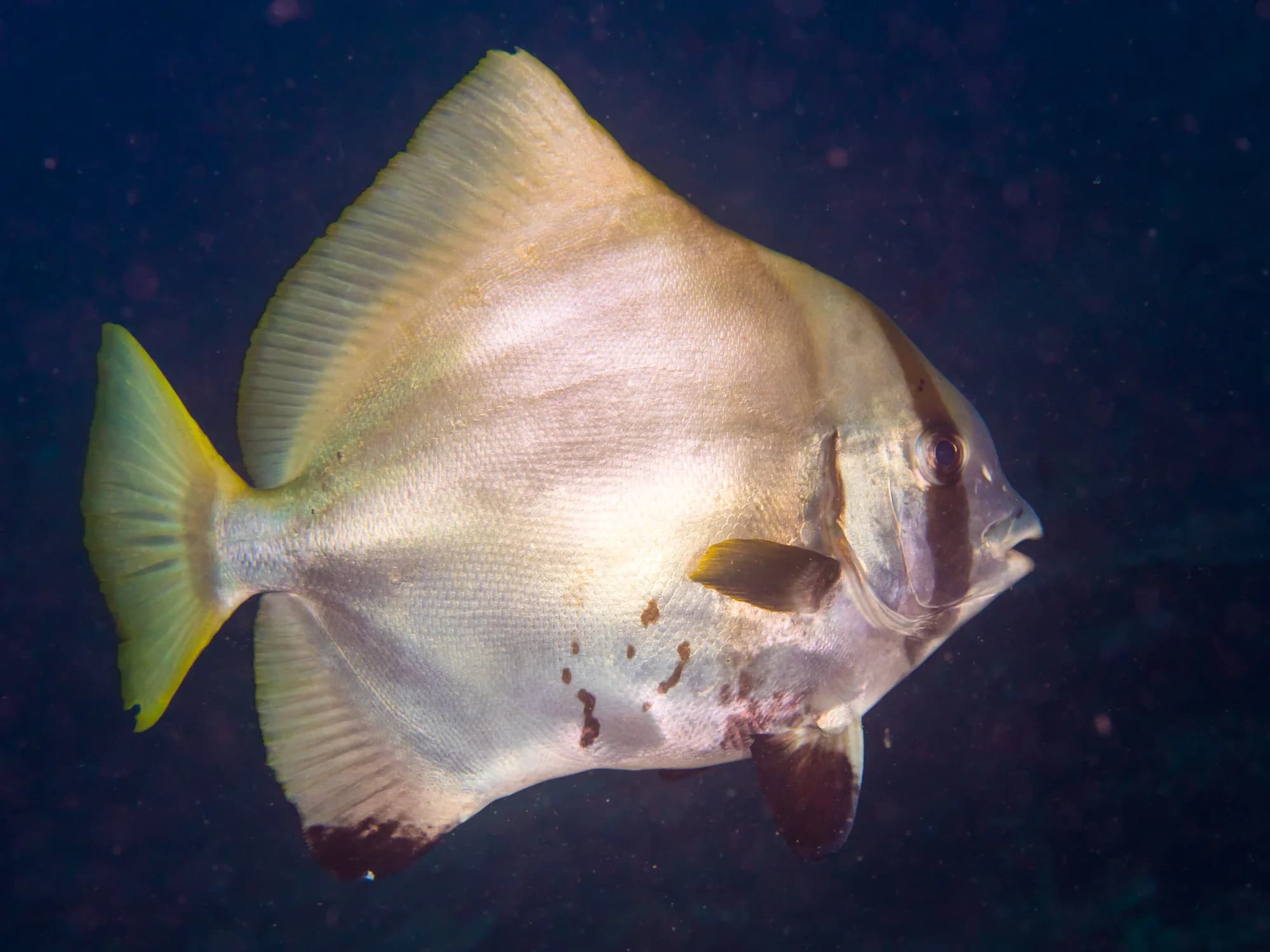
Humpback Batfish
Raston Box Jellyfish
Mottled Spinefoot
Mirror Butterflyfish
Dive Shops (27)
Mission Beach Dive
Down Under Cruise & Dive - Evolution Outer Reef Cruise
Calypso Reef Cruises
Pro Dive Cairns Dive Centre
Divers Den
Silversonic - Scuba Diving & Snorkelling
Spirit of Freedom - Dive Liveaboard
Wavelength Reef Cruises
Poseidon Outer Reef Cruises
Passions of Paradise - Great Barrier Reef Tours Cairns
ABC Reef Safaris
Quicksilver Dive
Reef Magic Cruises
Great Adventures Reef and Green Island Cruises
Octopus Dive Cairns
Pro Dive Cairns Store
Cairns Diving and Snorkeling
Scubabo Cairns
Coral Sea Dreaming Dive and Sail
Silverswift Dive and Snorkel Adventures
Cairns Dive Adventures
Dreamtime Dive & Snorkel
Tusa Reef Tours - Cairns Half-Day Great Barrier Reef Tours | Snorkel & Diving
Mike Ball Dive Expeditions
Down Under Cruise And Dive
Quicksilver Cruises
Ocean Free & Ocean Freedom - Cairns Premier Great Barrier Reef & Island Tours
Guides
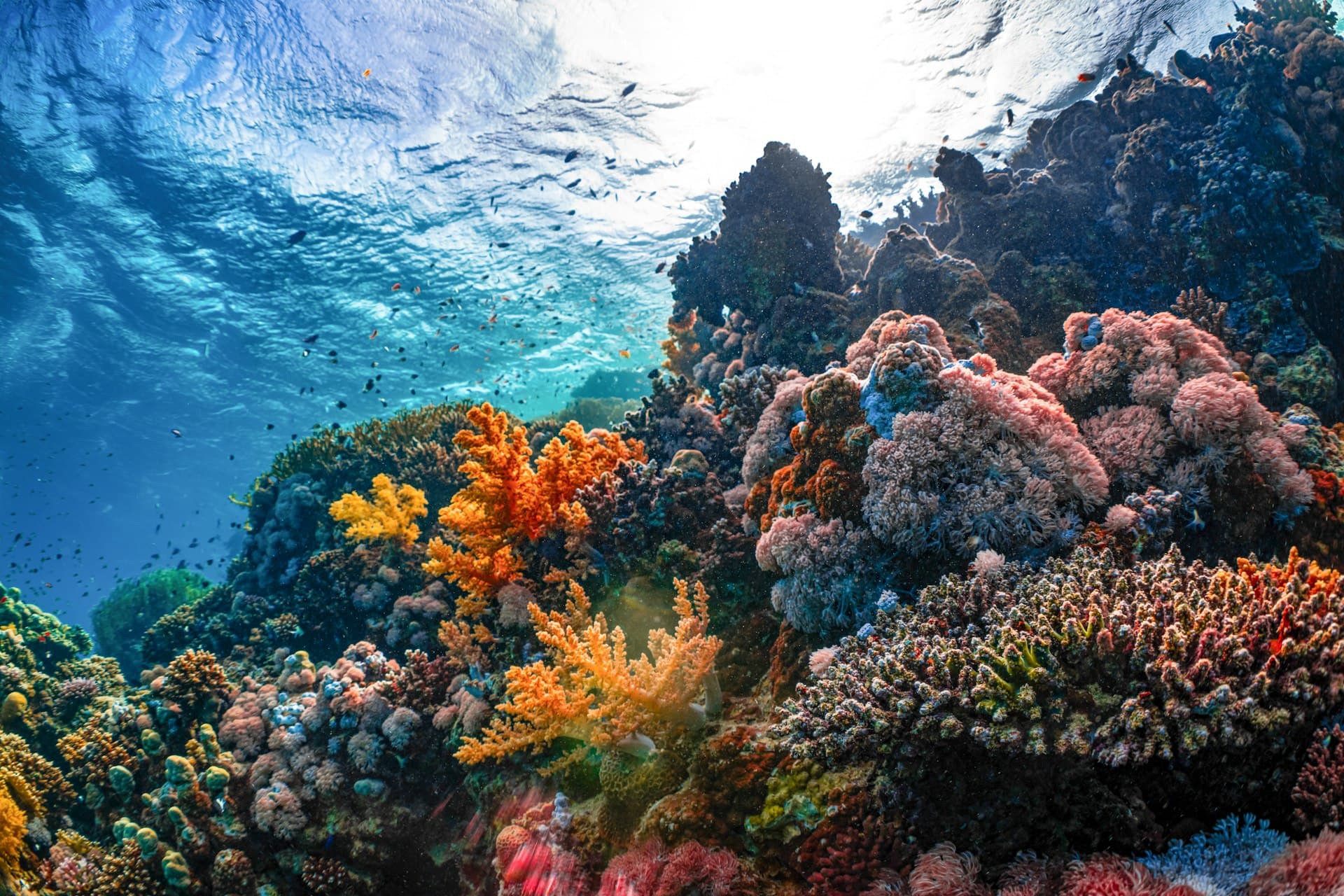
Great Barrier Reef Top Dive Sites: The Ultimate Guide
Discover the 10 most iconic dive sites on the Great Barrier Reef — from Cod Hole to the SS Yongala, each site offers unique marine encounters.
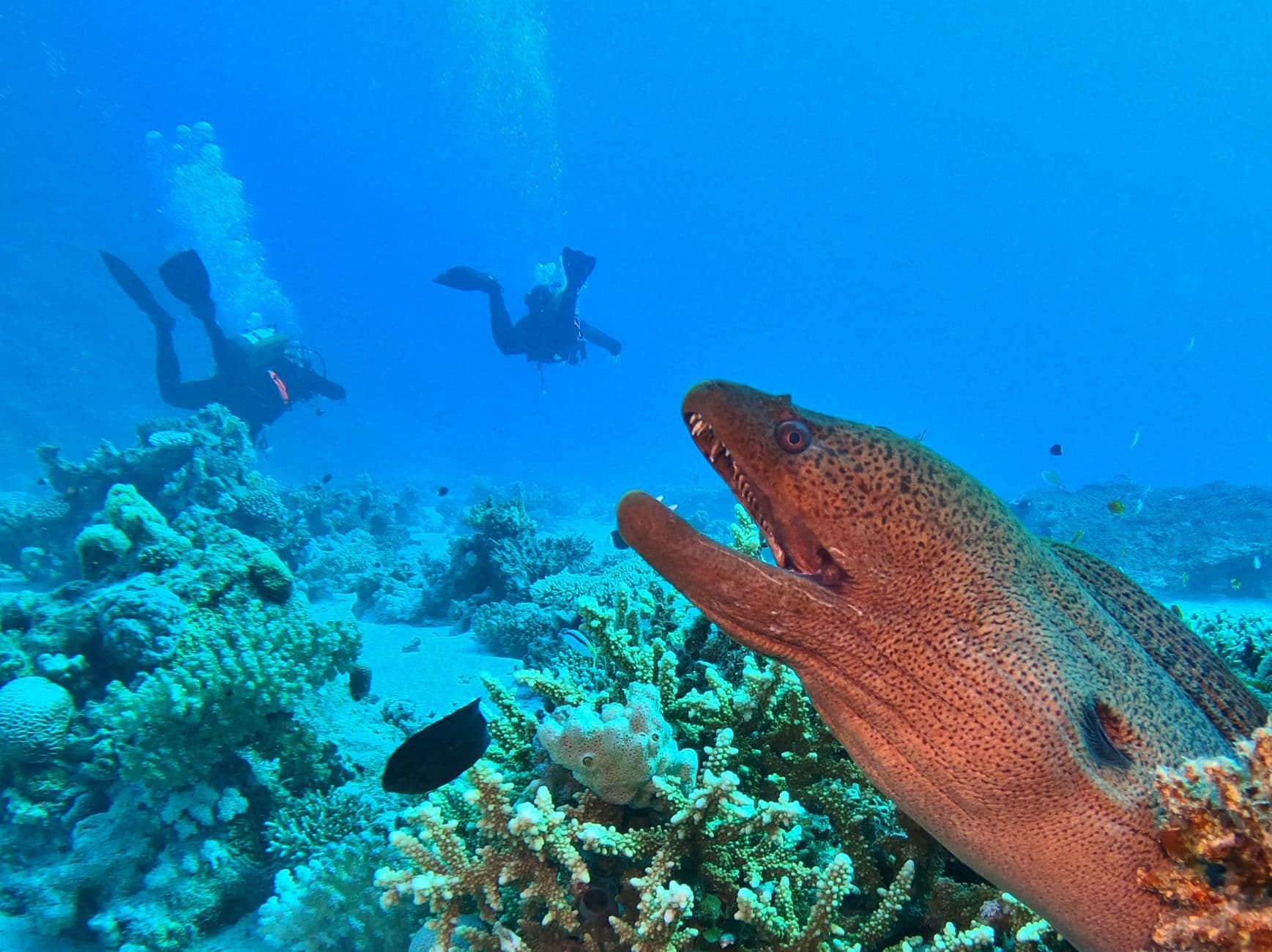
The Complete Great Barrier Reef Diving Guide: Sites & Species
Dive the world's largest coral reef system — 2,300 km of living wonder from Cod Hole's potato cod to Osprey Reef's shark feed. The definitive Great Barrier Reef scuba diving guide.
Great Barrier Reef Dive Conditions: Temperature, Visibility & Seasons
Water 22–30 °C, visibility to 50 m, and seasonal pelagic events. Temperature, visibility, and season guide for diving the Great Barrier Reef.
Safety
Bring Great Barrier Reef underwater
Offline access, dive log, AI fish ID, live site maps, and trip planning.
Download on the App Store