Ecuador
Diving in Galápagos Islands
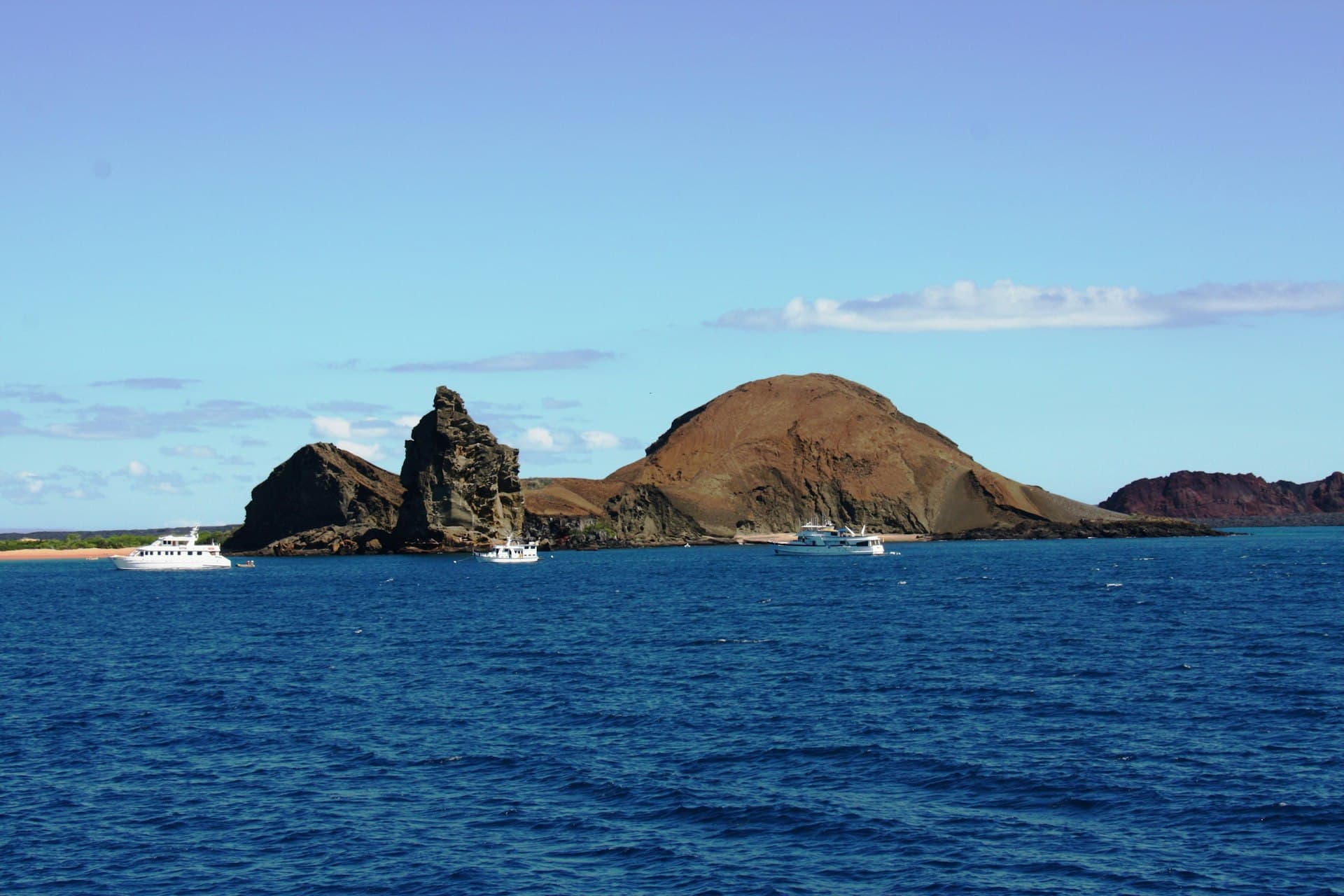
Photo: Walter Torres / Pexels
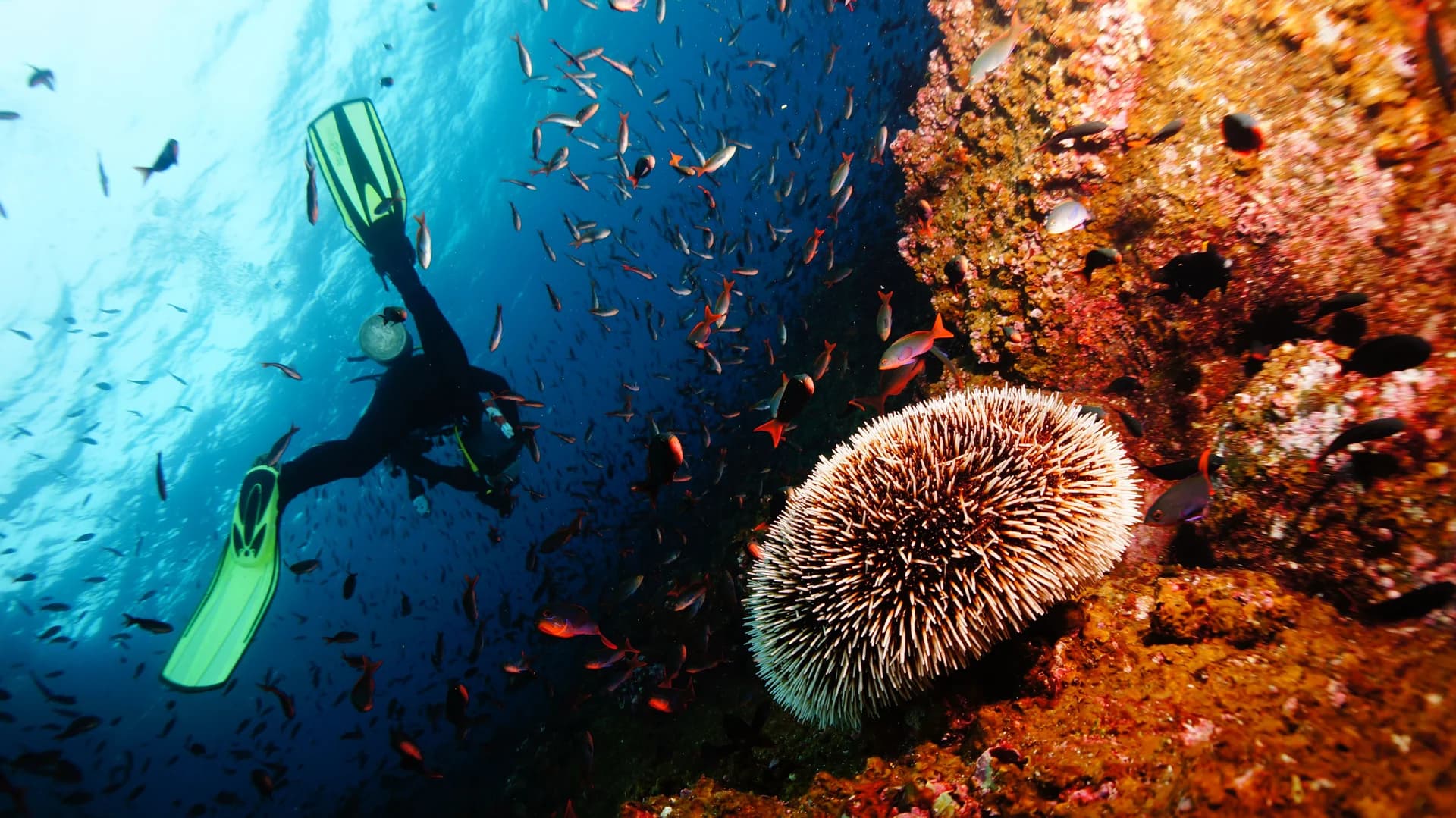
Straddling the equator 600 miles off Ecuador's coast, the Galápagos Islands are not just a bucket-list dive destination — they're the benchmark against which all other dives are measured. Three ocean currents collide here, creating a nutrient-rich vortex that sustains the planet's highest shark biomass. You don't just dive Galápagos; you earn it. Strong currents, sharp thermoclines, and zodiac-based drift diving separate the prepared from the merely willing. The reward: walls of scalloped hammerheads at Darwin & Wolf, manta rays materializing from the blue at Cabo Marshall, whale sharks the size of buses filtering plankton at the surface, and Galápagos penguins rocketing past your mask at Bartolomé — all within the same breath-taking archipelago where Charles Darwin glimpsed evolution's grand design.
Explore the map
Select a pin to learn more. Use the zoom buttons or pinch to zoom.
Loading map…
Places on this map (26)
63 places have no verified map location yet. Browse the page lists for more places.
Conditions
16–30 °C
5–25 m
5–30 m
Strong
Dec-May (warm, calm, best visibility, peak hammerheads)
| Month | Summary |
|---|---|
| Jan | Warm season begins, with calmer seas and improved visibility. Excellent for large hammerhead schools. |
| Feb | Warmest water temperatures. Hammerhead aggregations continue to be a major highlight. |
| Mar | Peak of the warm season. Ideal conditions for diving with abundant hammerheads and good visibility. |
| Apr | Warm, sunny weather and good diving conditions persist. Still excellent for hammerhead encounters. |
| May | End of the warm season, with good visibility and comfortable temperatures. Last chance for peak hammerhead numbers. |
| Jun | Cool season begins with stronger currents and plankton blooms. Start of whale shark season at Wolf & Darwin. |
| Jul | Whale shark season is in full swing at the northern islands. Water temperatures drop, visibility can be reduced. |
| Aug | Peak whale shark encounters at Wolf & Darwin. Strong currents and cooler water are typical. |
| Sep | Whale shark season continues. Mola mola sightings are possible in cooler waters. |
| Oct | End of the cool season. Whale shark season tapers off, but Mola mola and other pelagics are still around. |
| Nov | Shoulder season with improving visibility and warming waters. Good balance of pelagics and reef life. Manta ray peak begins. |
| Dec | Transition back to warm season. Manta rays are abundant. Hammerhead schools start to re-aggregate. |
Dive Sites (64)
Academy Bay
5–15m · Beginner
Beginner friendly · Macro photography
Academy Bay Deep
15–30m · Intermediate
Macro photography · Deep dive
Albany Rock
10–30m · Advanced
Pelagic Diving · Reef
Baltra North East (North Channel)
5–20m · Intermediate
Check Dive · Reef
Baltra South East (South Channel)
5–20m · Intermediate
Check Dive · Reef
Barranco Cave (Cave Dive)
23–34m · Expert
Cave Diving · Macro photography
Bartolomé Point
5–18m · Beginner
Pinnacle · Snorkeling · Penguin Sightings
Beagle Rocks
10–30m · Advanced
Drift dive · Pinnacle · Shark Diving
Marine Life (114)
 must-see
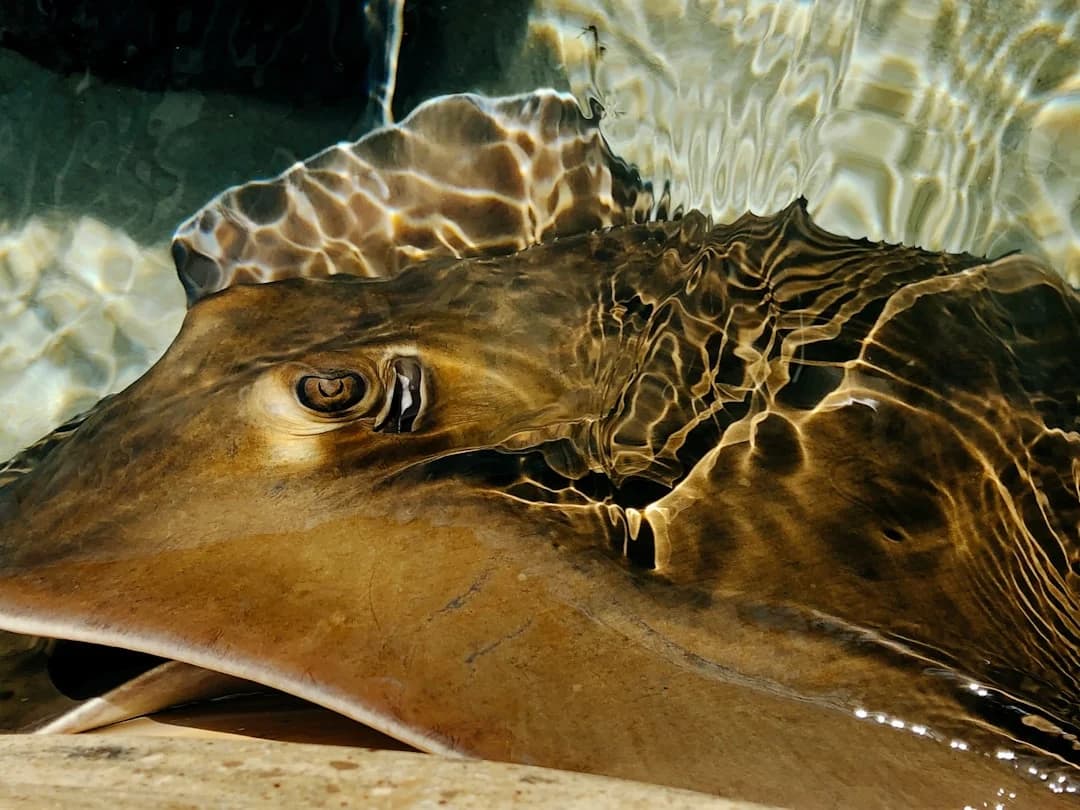
Giant Electric Ray
 must-see
Green Sea Turtle
 must-see
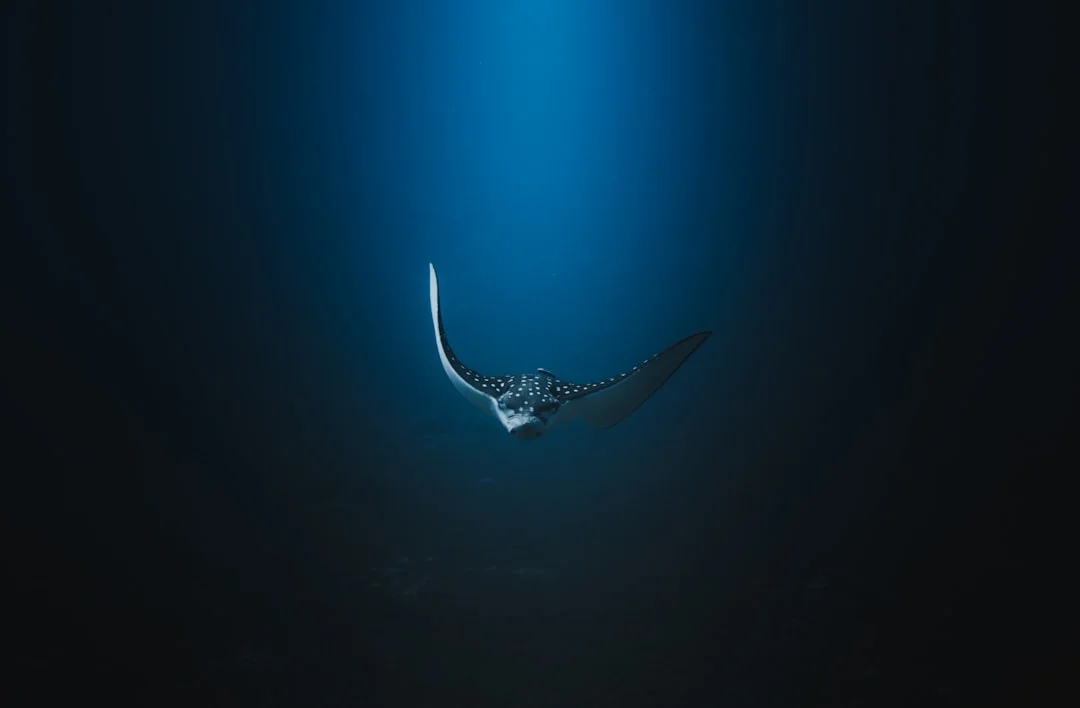
Spotted Eagle Ray
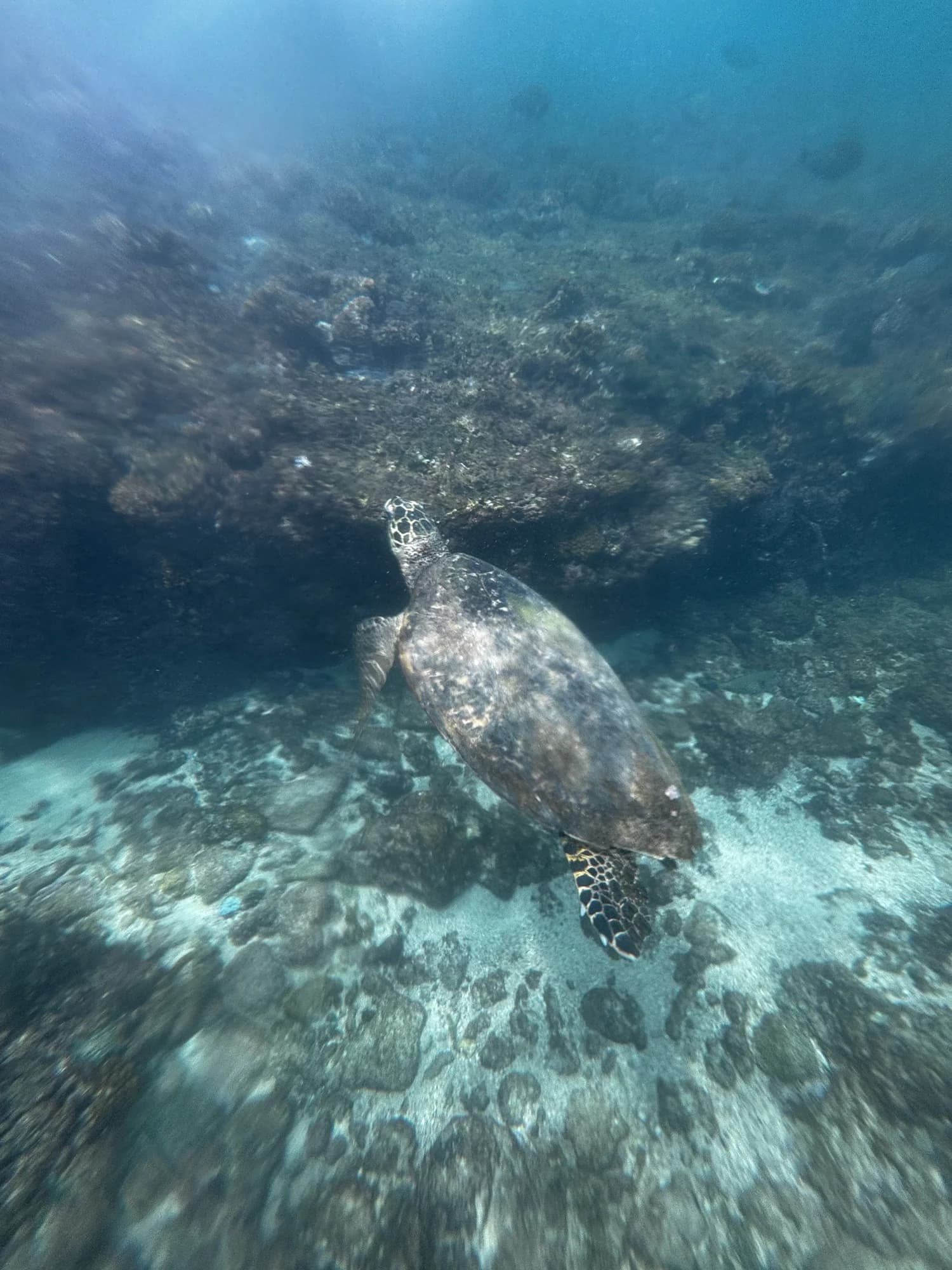 must-see
Hawksbill Turtle
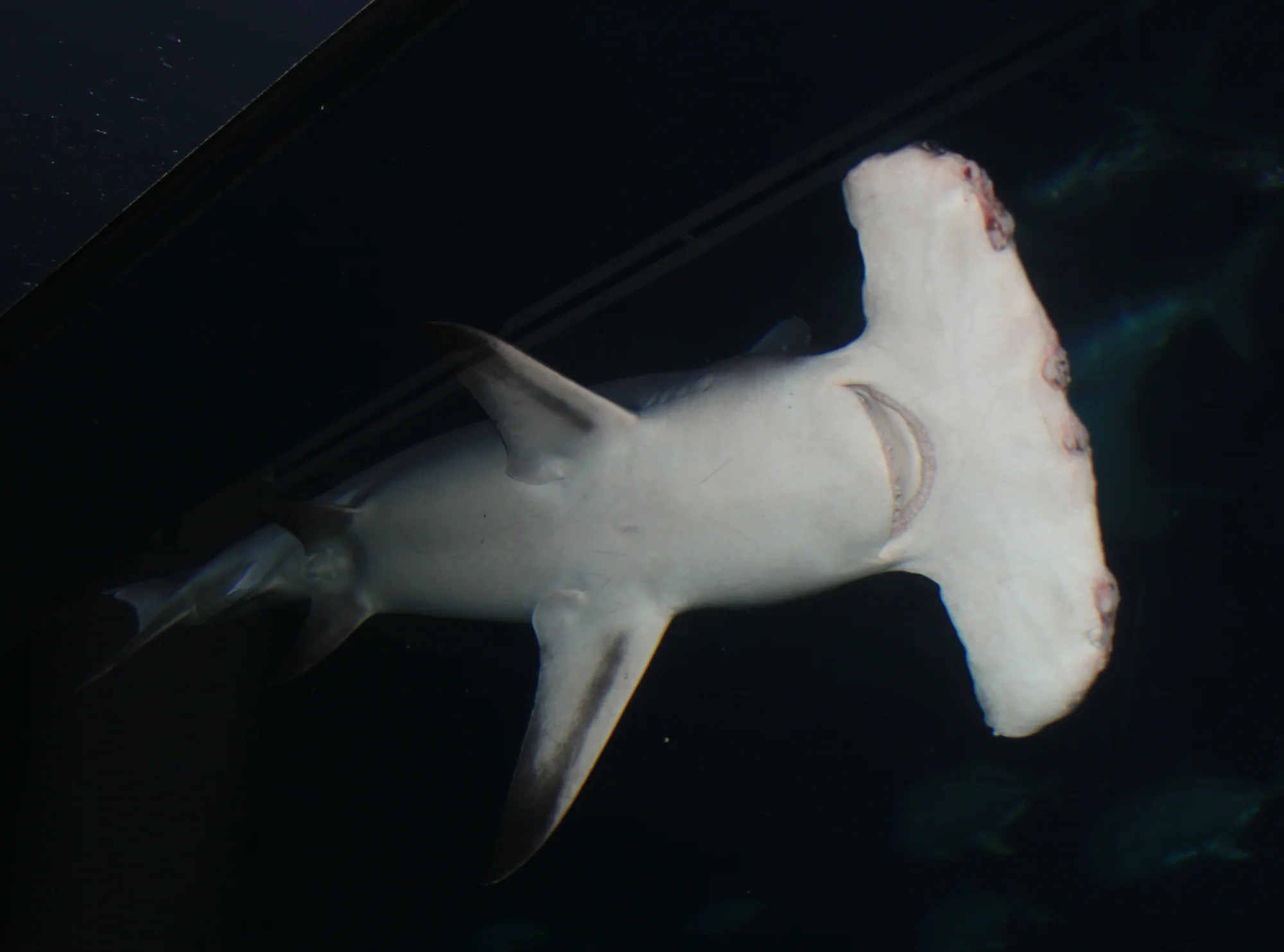 must-see
Great Hammerhead
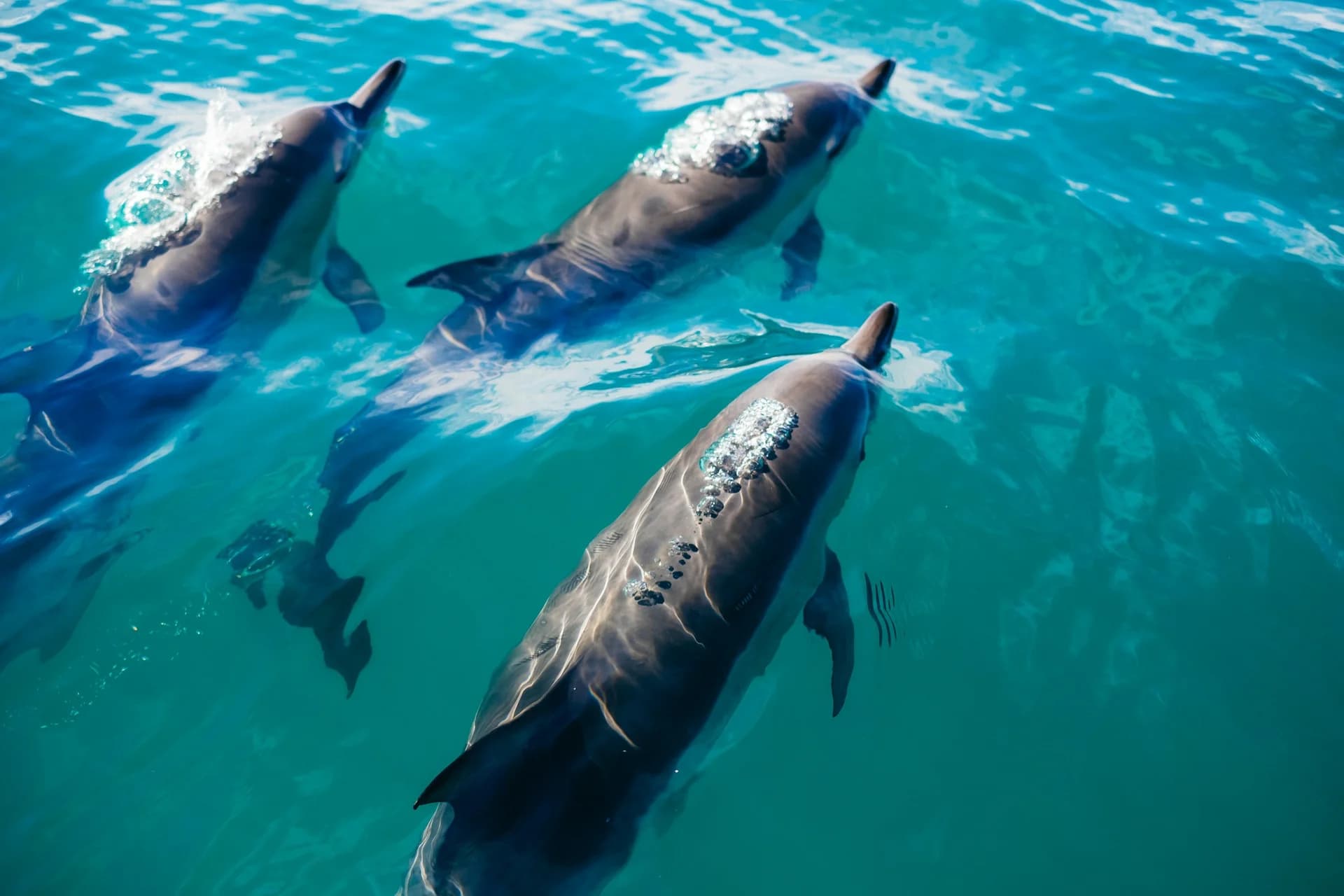 must-see
Atlantic Bottlenose Dolphin
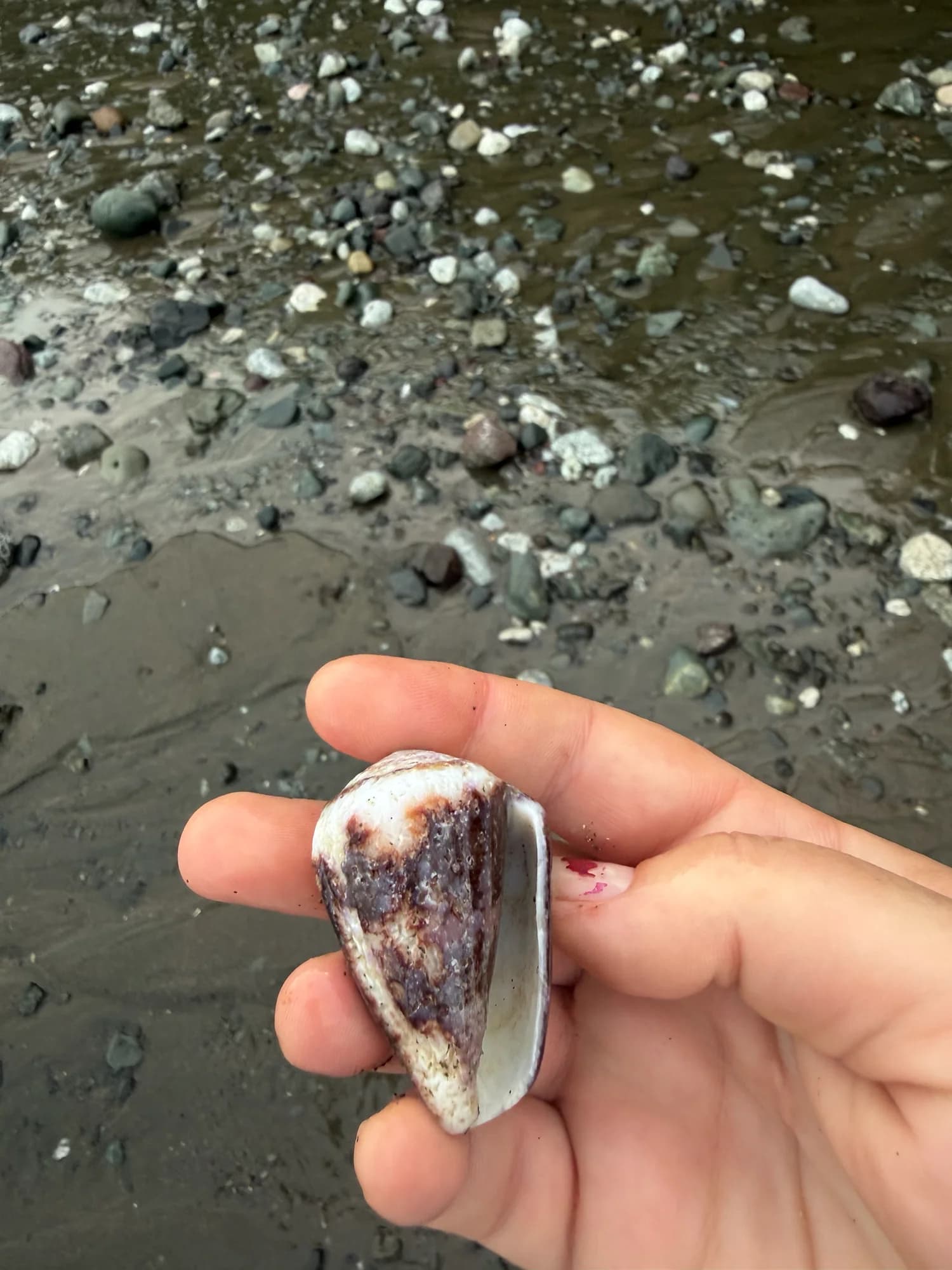
Purple Cone Snail
Mexican Hornshark
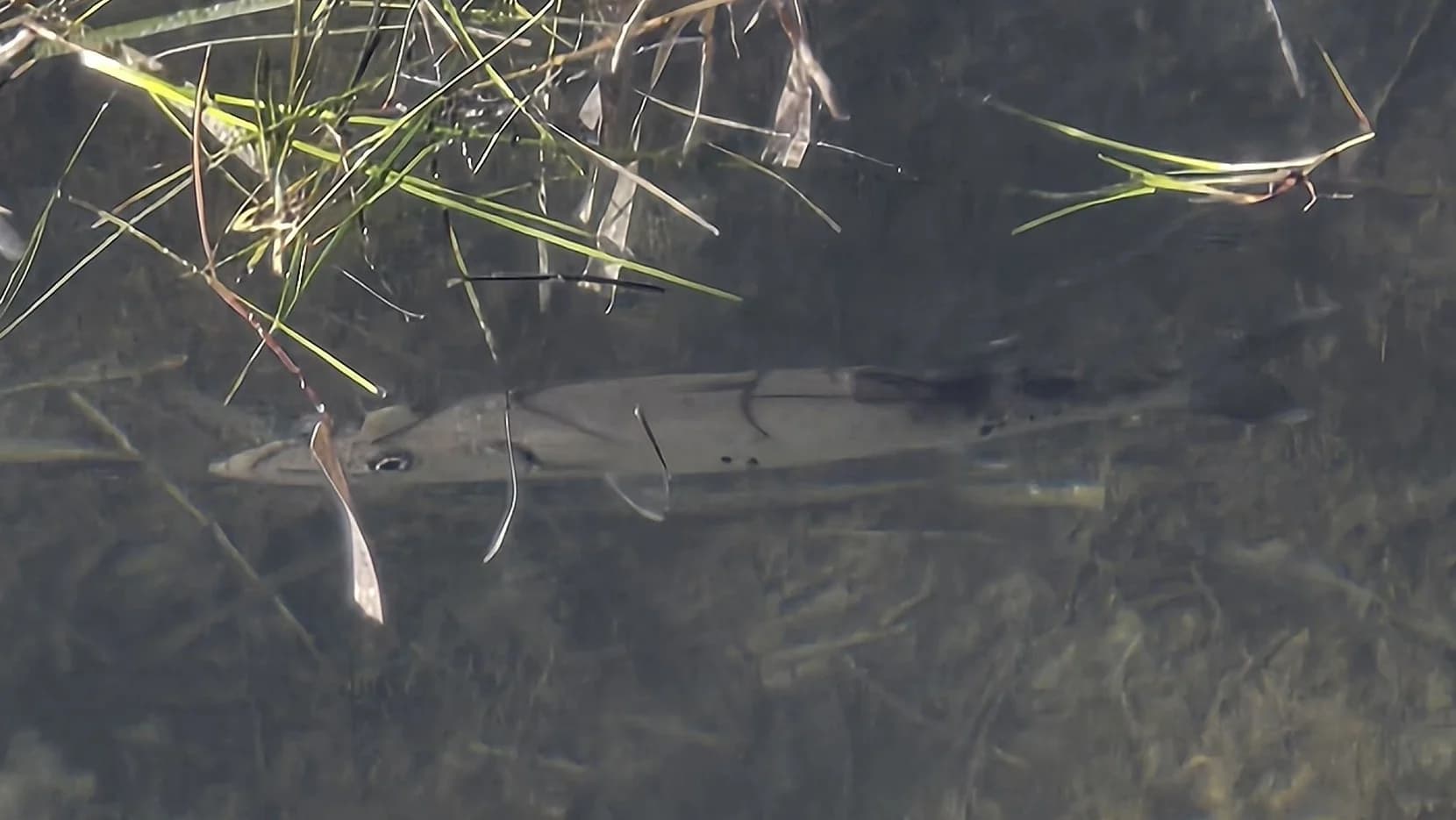
Great Barracuda
Longspined Porcupinefish
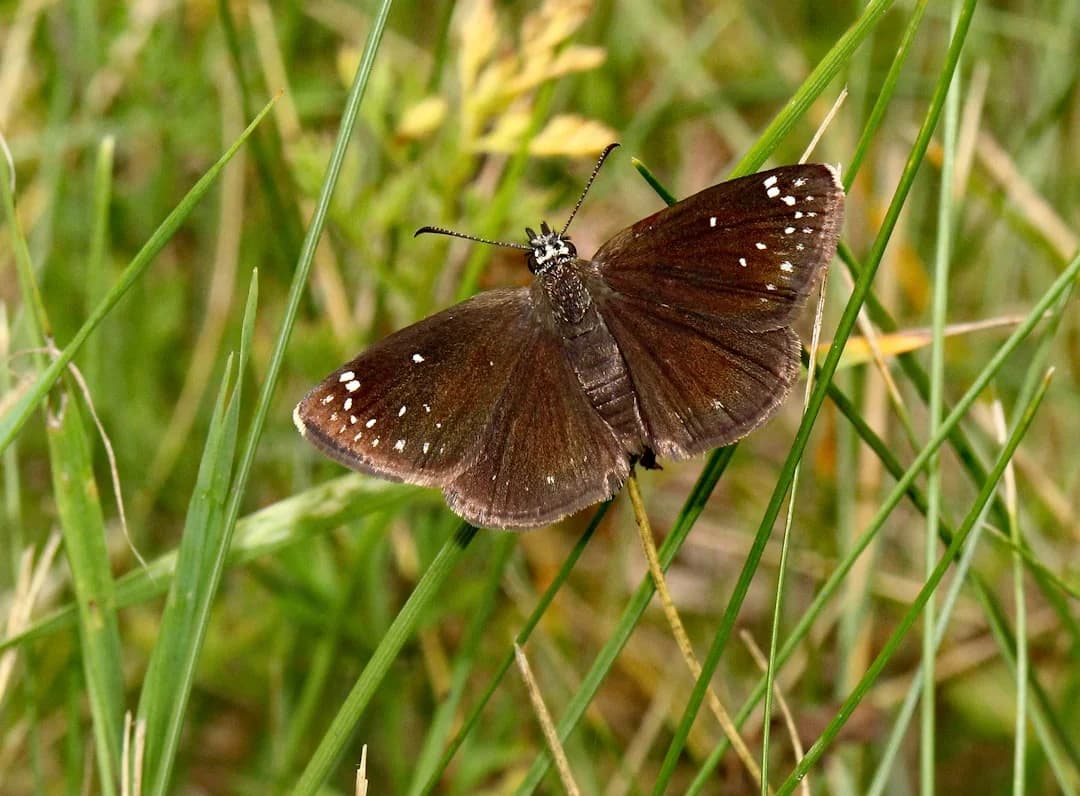
Whitetail Damselfish
Red Squat Lobster
Dive Shops (25)
Macarron Scuba Diver
Alpha Dive Center
AQUAVENTURES DIVE CENTER
Blue Whale Galápagos Diving
NAUTIDIVING S.A.
OCEAN DEEP DIVING
MARTOURGAL Travel Agency And Dive Center
Galapagos Dive Training & Conservation
CALIPSO DIVE YATE
Los Mantas Dive Centre
Shark Bay Dive Center
Apnea Galapagos Freediving
Darwin Scuba Dive
ALBATROS - DIVE CENTER
Galapagos Dive and Surf | Dive Center | Travel Agency
Eagleray Galapagos Diving
Galápagos Fun Dive
Scuba Eden
Galapagos Dive Academy
Scuba Iguana
Wreck Bay Diving Center
Galapagos Isabela Dive Center
Simbiosis Galápagos – Isabela (Holistic Center, Dive & Eco Tours)
Scuba Kicker Rock
Chok's Scuba Dive Center
Guides
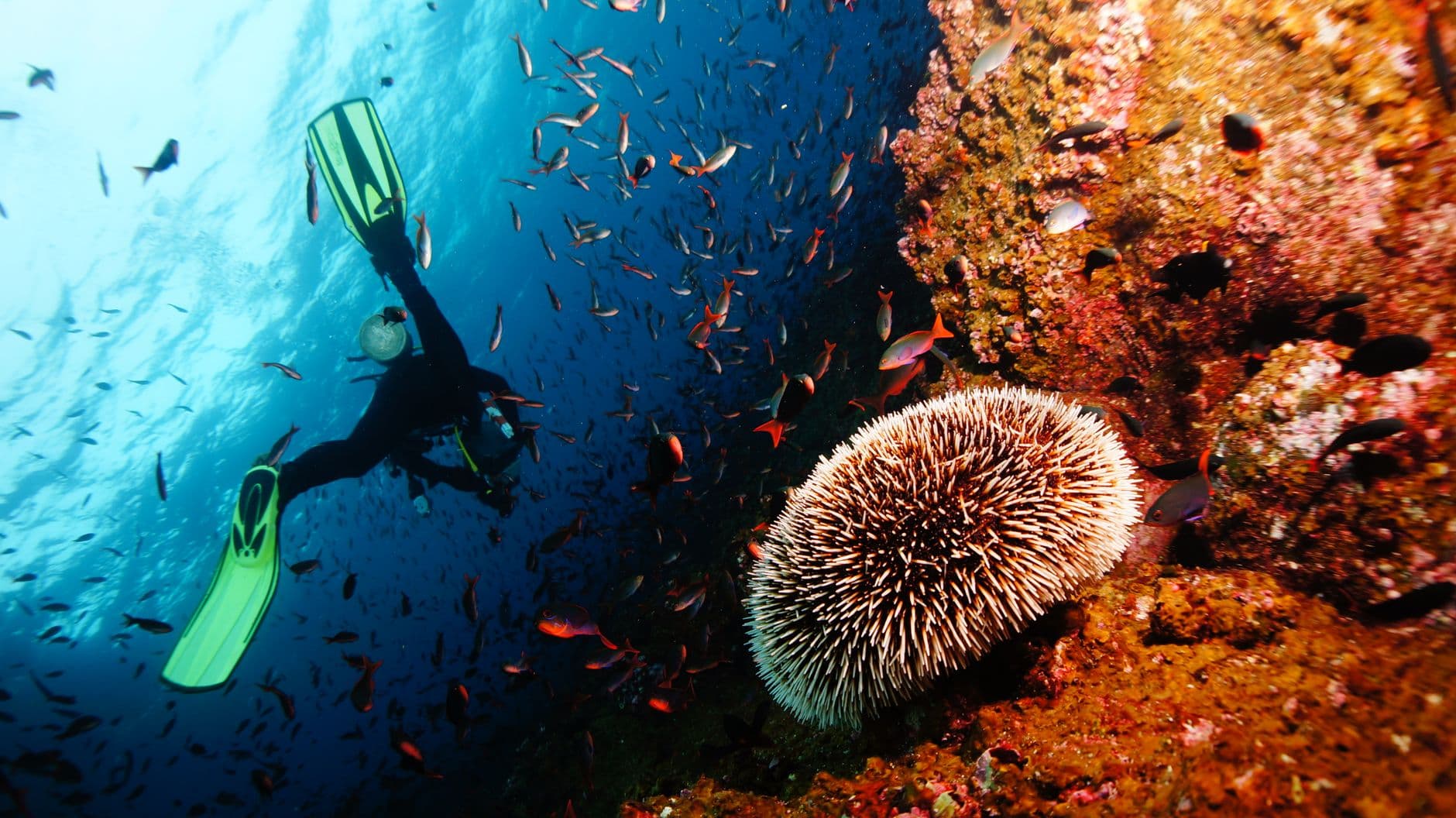
The Complete Galápagos Diving Guide: Sites & Species
Dive with 300 hammerheads, whale sharks, marine iguanas, and penguins in the Galápagos — the planet's premier big-animal dive destination.
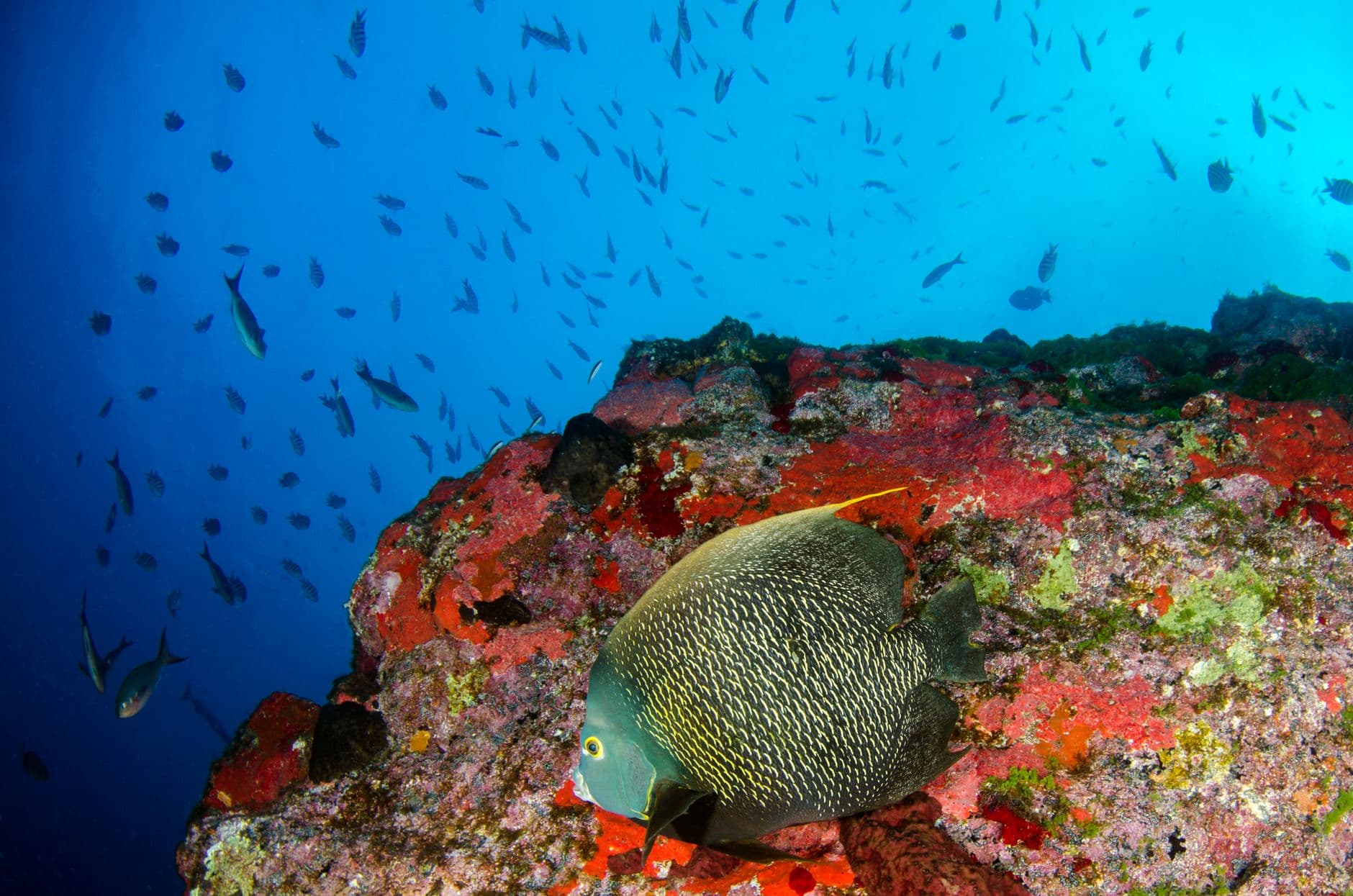
Top 10 Dive Sites in Galápagos: A Complete Guide
From 300 hammerheads at Wolf Island to penguins at Bartolomé. Compare the best Galápagos dive sites ranked by wildlife, difficulty, and best season.
Diving Galápagos: Conditions, Seasons, and What to Expect
16–30°C water, strong thermoclines, plankton blooms, and three converging currents. Here's exactly what Galápagos conditions look like month by month.
Safety
Bring Galápagos Islands underwater
Offline access, dive log, AI fish ID, live site maps, and trip planning.
Download on the App Store