Indonesia
Diving in Wakatobi
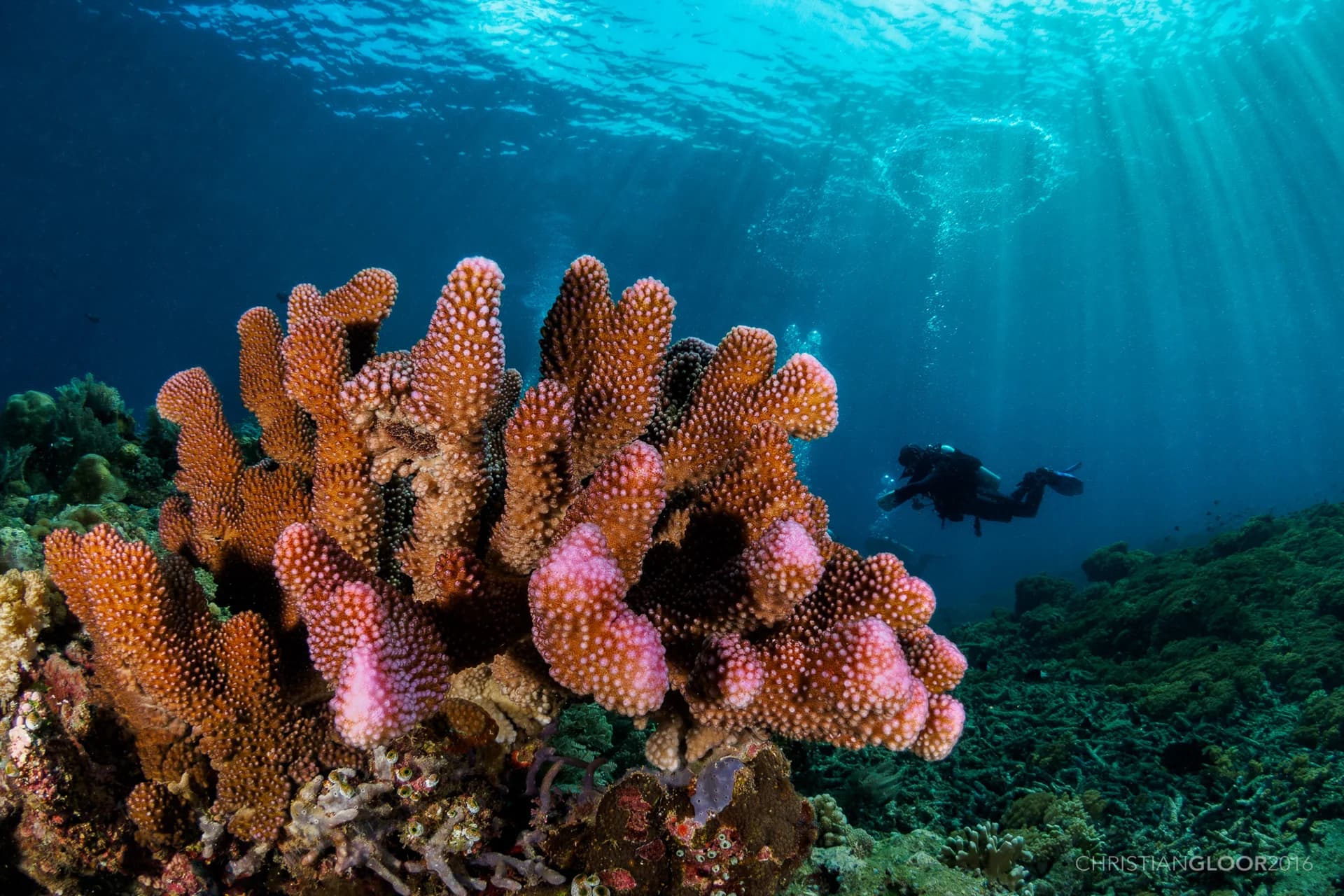
Photo: Christian Gloor / Wikimedia Commons (CC BY)
Wakatobi is an archipelago in Southeast Sulawesi, Indonesia, at the heart of the Coral Triangle. This UNESCO Biosphere Reserve and 1.39-million-hectare marine national park hosts 750+ of the world's ~850 coral species and 942+ fish species — one of the highest concentrations of marine biodiversity on Earth. With zero rivers or sediment runoff, visibility averages 30-35m year-round, and dive sites range from the world-renowned House Reef to sheer walls like Cornucopia. Accessible via Makassar, Wakatobi offers everything from luxury resort diving to budget homestay operations across four main islands: Wangi-Wangi, Kaledupa, Tomia, and Binongko.
Explore the map
Select a pin to learn more. Use the zoom buttons or pinch to zoom.
Loading map…
Places on this map (13)
50 places have no verified map location yet. Browse the page lists for more places.
Conditions
26–30 °C
20–50 m
5–40 m
Mild
March to May and September to November offer the best balance of visibility and calm seas. July-August brings plankton blooms that attract manta rays and whale sharks.
| Month | Summary |
|---|---|
| Jan | Warm 27-29°C water with mild currents and 20-40m visibility. Wet season but diving remains excellent with fewer crowds and good macro opportunities. |
| Feb | Conditions mirror January — warm water, mild currents, and 20-40m visibility. Quiet month with great value and abundant marine life. |
| Mar | Dry season begins. 28°C water, 30-50m visibility, and mild currents. One of the best months for wide-angle photography and pelagic encounters. |
| Apr | Peak clarity — 30-50m+ visibility with 28°C water and mild currents. Pelagic season begins. Considered the best month overall for diving conditions. |
| May | Peak diving month. 28°C water, 30-50m+ visibility, mild currents. Excellent for all dive types from macro to pelagic. Anytime is ideal. |
| Jun | Coral spawning month. 27°C water, 25-40m visibility, slightly windier. Spectacular feeding frenzies as coral spawn attracts manta rays and whale sharks. |
| Jul | Coolest water at 26°C with 20-35m visibility. Plankton bloom attracts mantas and whale sharks — reduced visibility but best month for big animal encounters. |
| Aug | 26°C water, 20-35m visibility. Plankton bloom continues with excellent manta and whale shark action. Windy conditions favor protected sites. |
| Sep | Transitional month. 26-27°C water with improving 25-40m visibility. Mild currents return. Good conditions across the board — a sweet spot between seasons. |
| Oct | Warmest water at 28-30°C with excellent 30-45m visibility. Mild currents and calm seas. Exceptional diving conditions return — perfect for all levels. |
| Nov | 28-29°C water, 20-35m visibility, mild currents. Calm and clear transitional month. Whale sightings possible as migration patterns shift. |
| Dec | 28-29°C water, 20-35m visibility. Wetter month but fewer travelers mean uncrowded dive sites. Still excellent diving with mild currents. |
Dive Sites (50)
Barracuda
0–30m · Beginner
Barracuda · Garden eels · Beginner friendly
Batfish Wall
0–40m · Beginner
Wall · Colorful Reef · Batfish
Black Forest
0–80m · Beginner
Wall · Black Corals · Deep dive
Blade
0–20m · Beginner
Shallow · Reef Plateau · Snorkeling
Brian's Choice
0–45m · Beginner
Slope · Coral Diversity · Macro life
Channel
6–45m · Advanced
Channel · Strong currents · Pelagic Fish
Colosseum
0–30m · Beginner
Pinnacle · Coral Formation · Sea Snakes
Conchita
0–50m · Intermediate
Ridges · Sandy Bays · Turtles
Marine Life (82)
 must-see
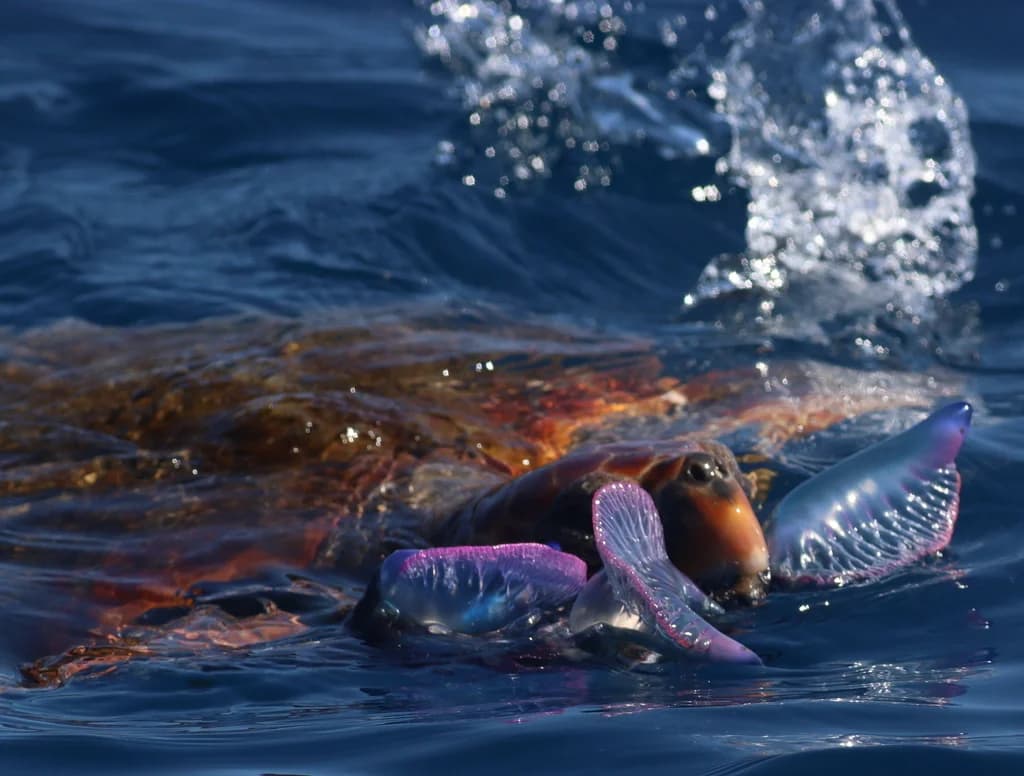
Loggerhead Turtle
 must-see
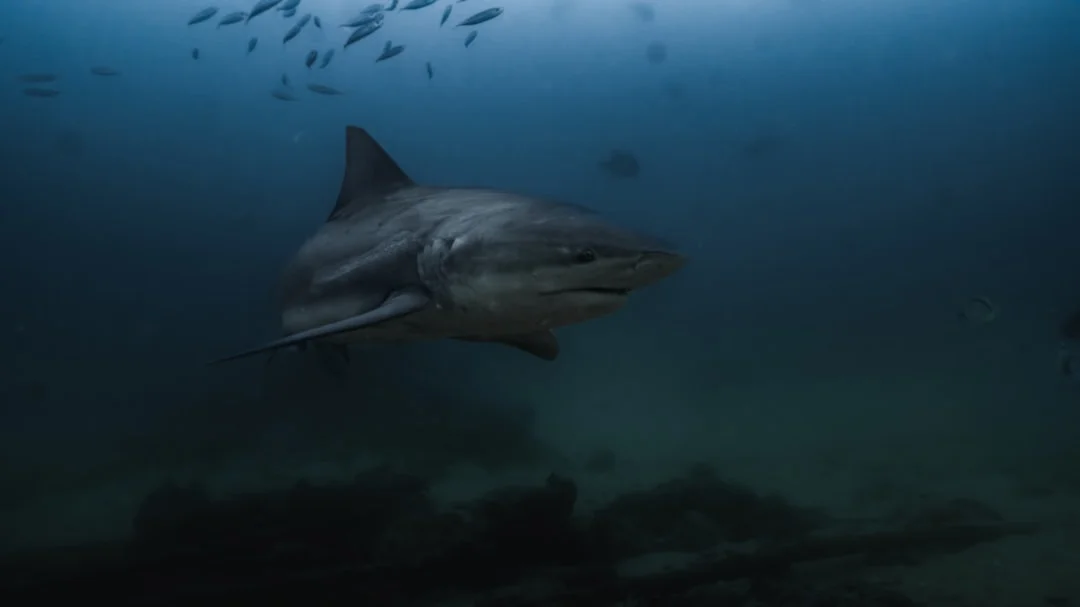
Bull Shark
 must-see
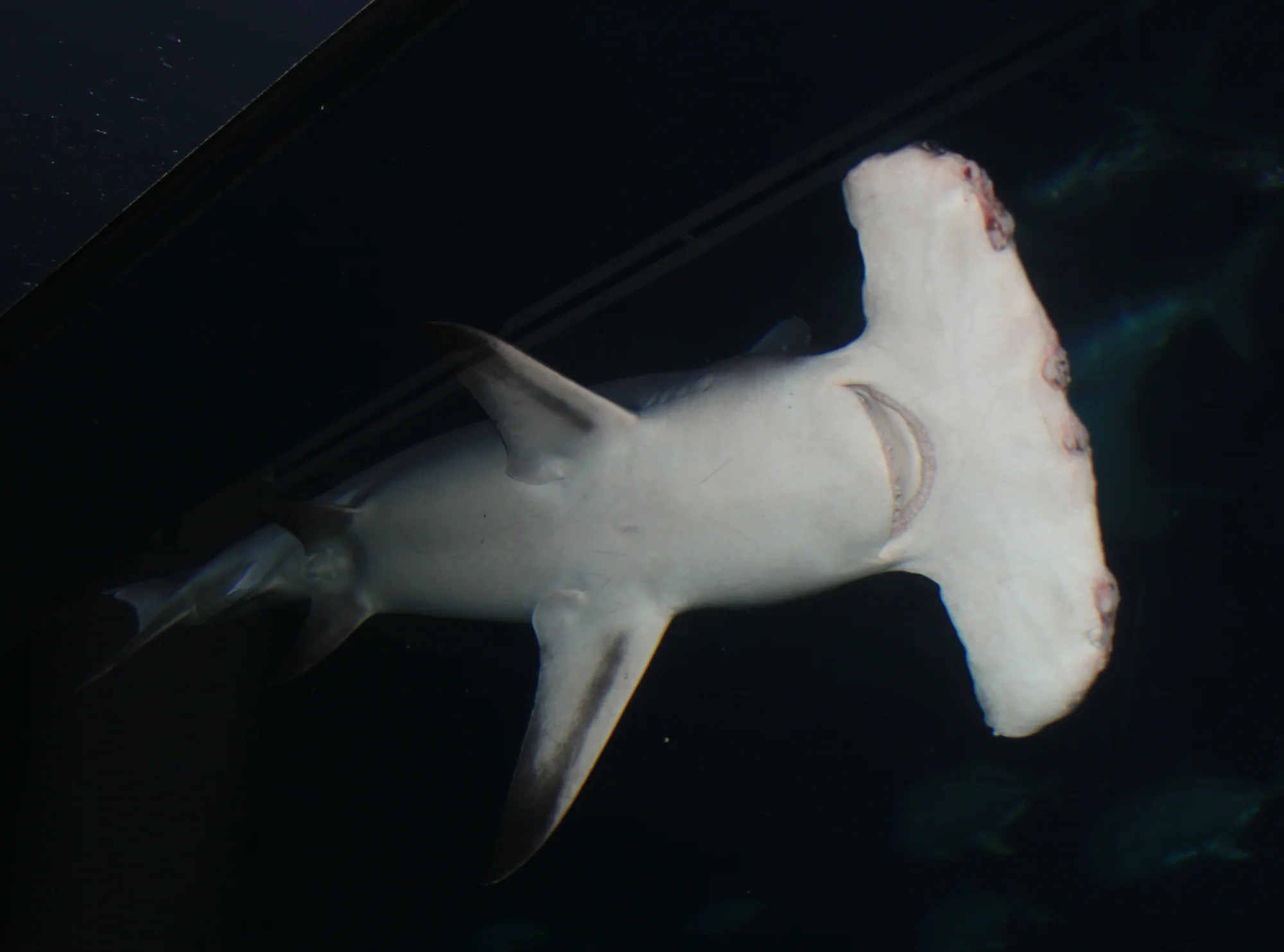
Great Hammerhead
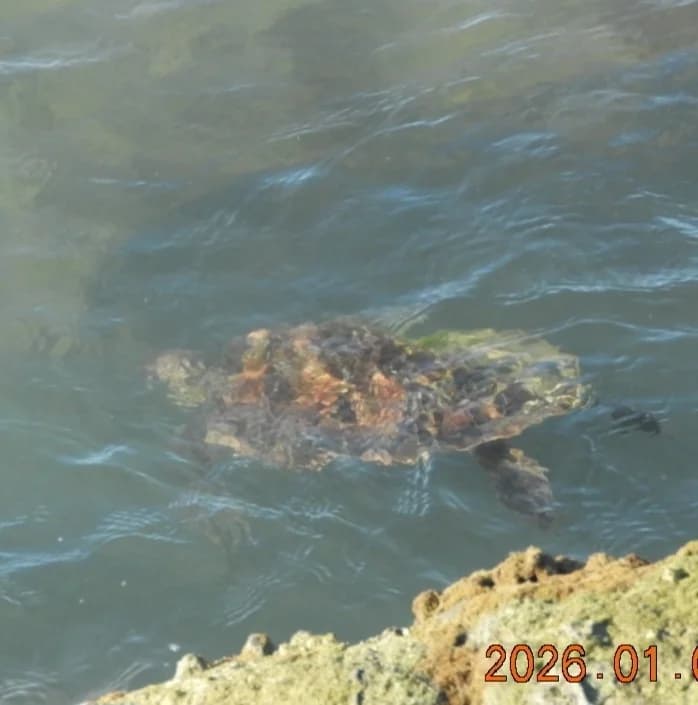 must-see
Green Sea Turtle
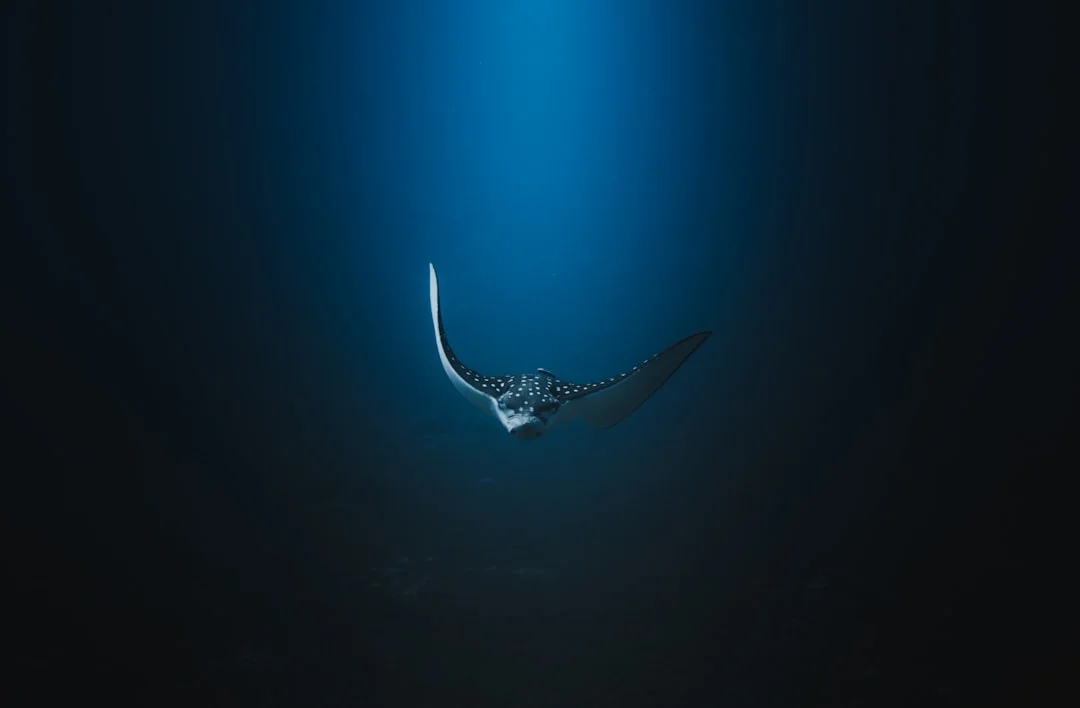 must-see
Spotted Eagle Ray
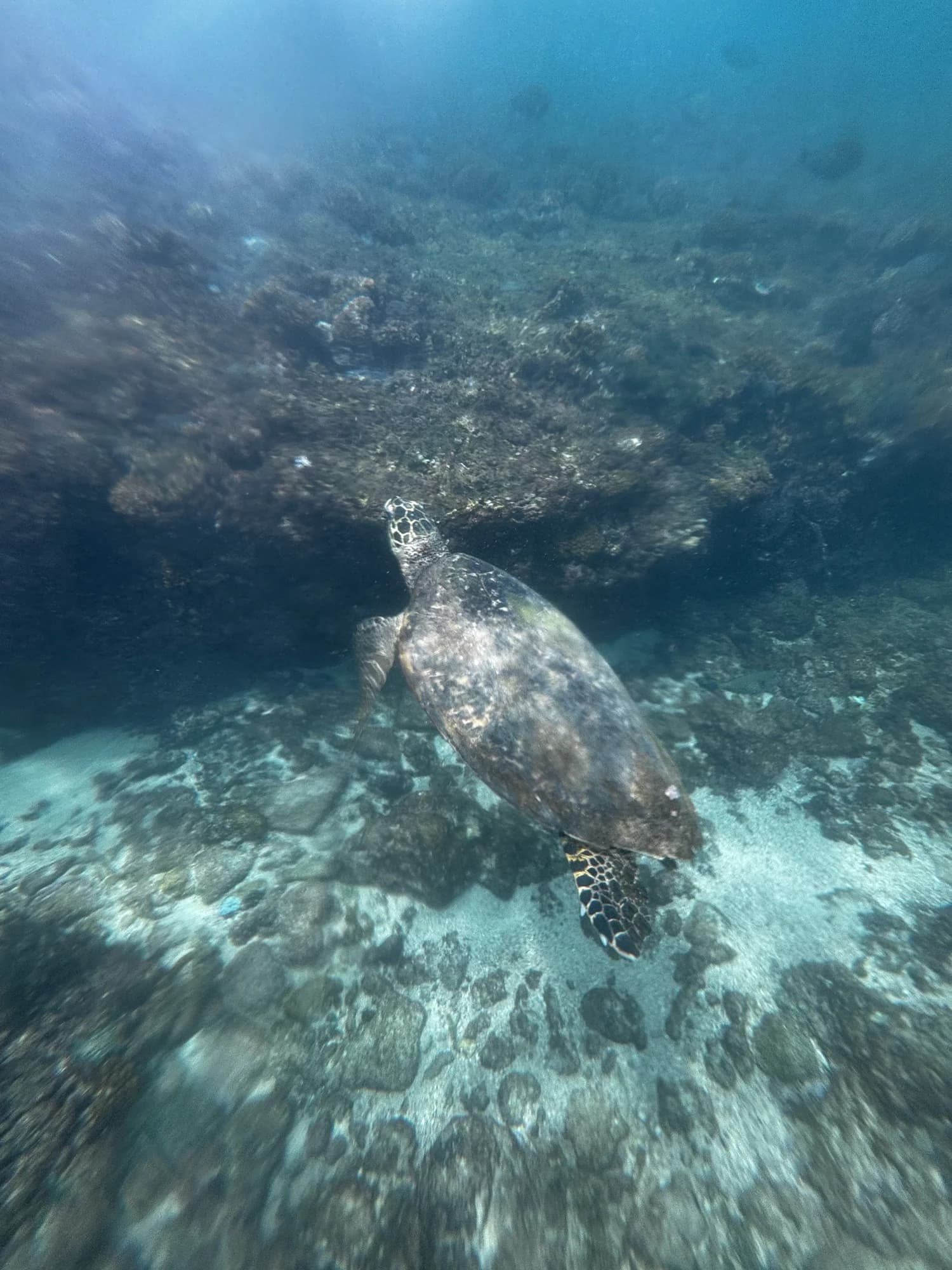 must-see
Hawksbill Turtle
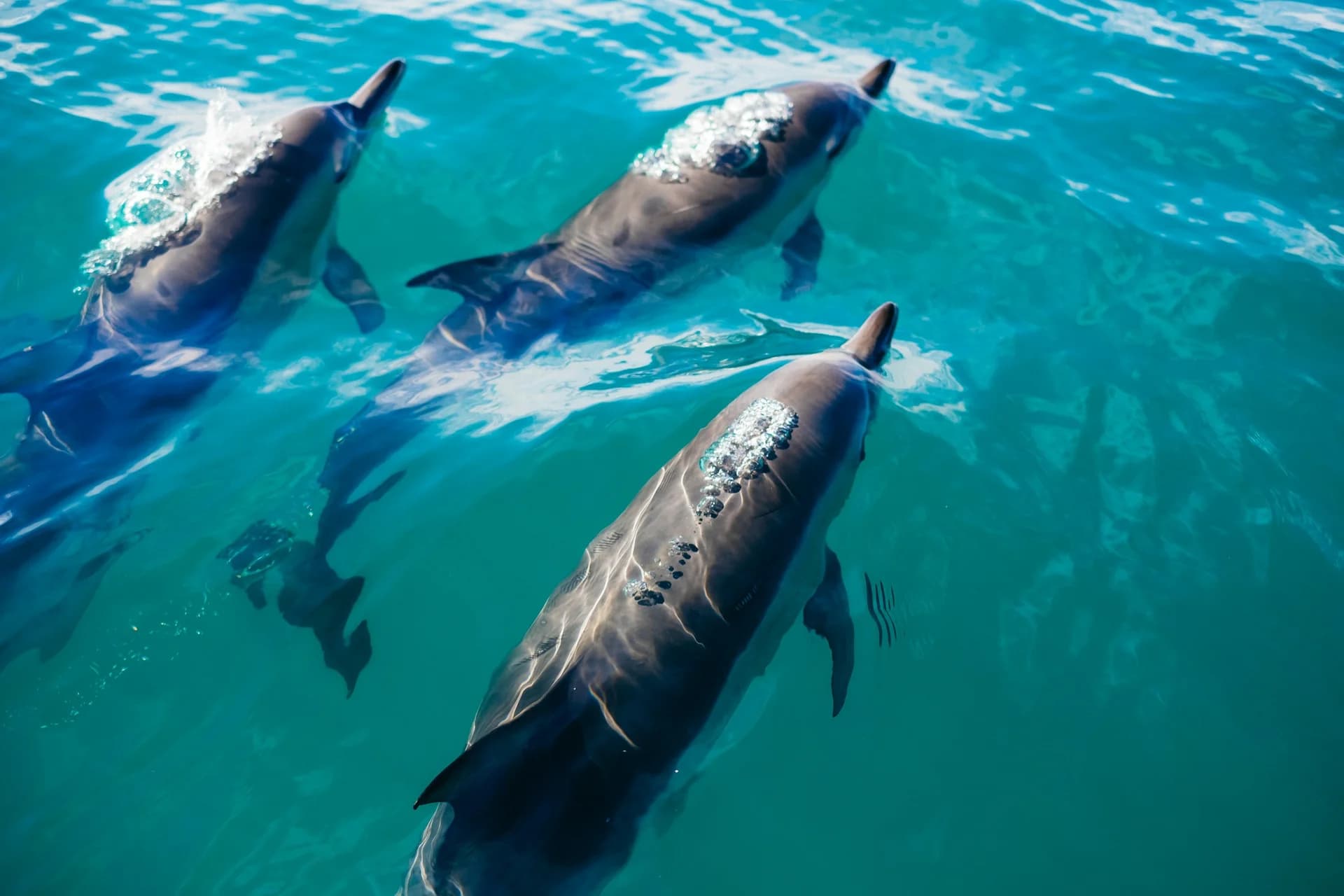 must-see
Atlantic Bottlenose Dolphin
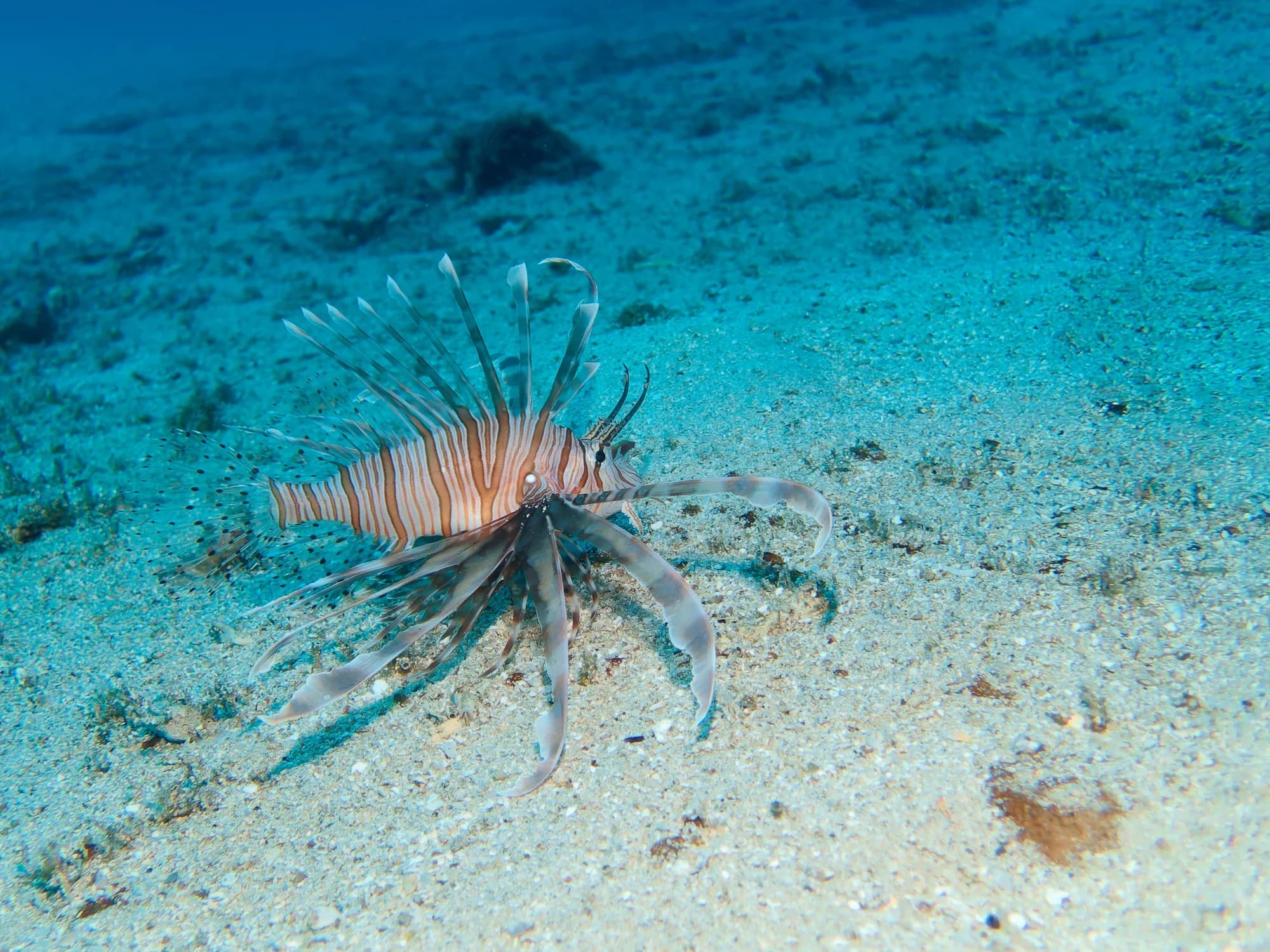
Common Lionfish
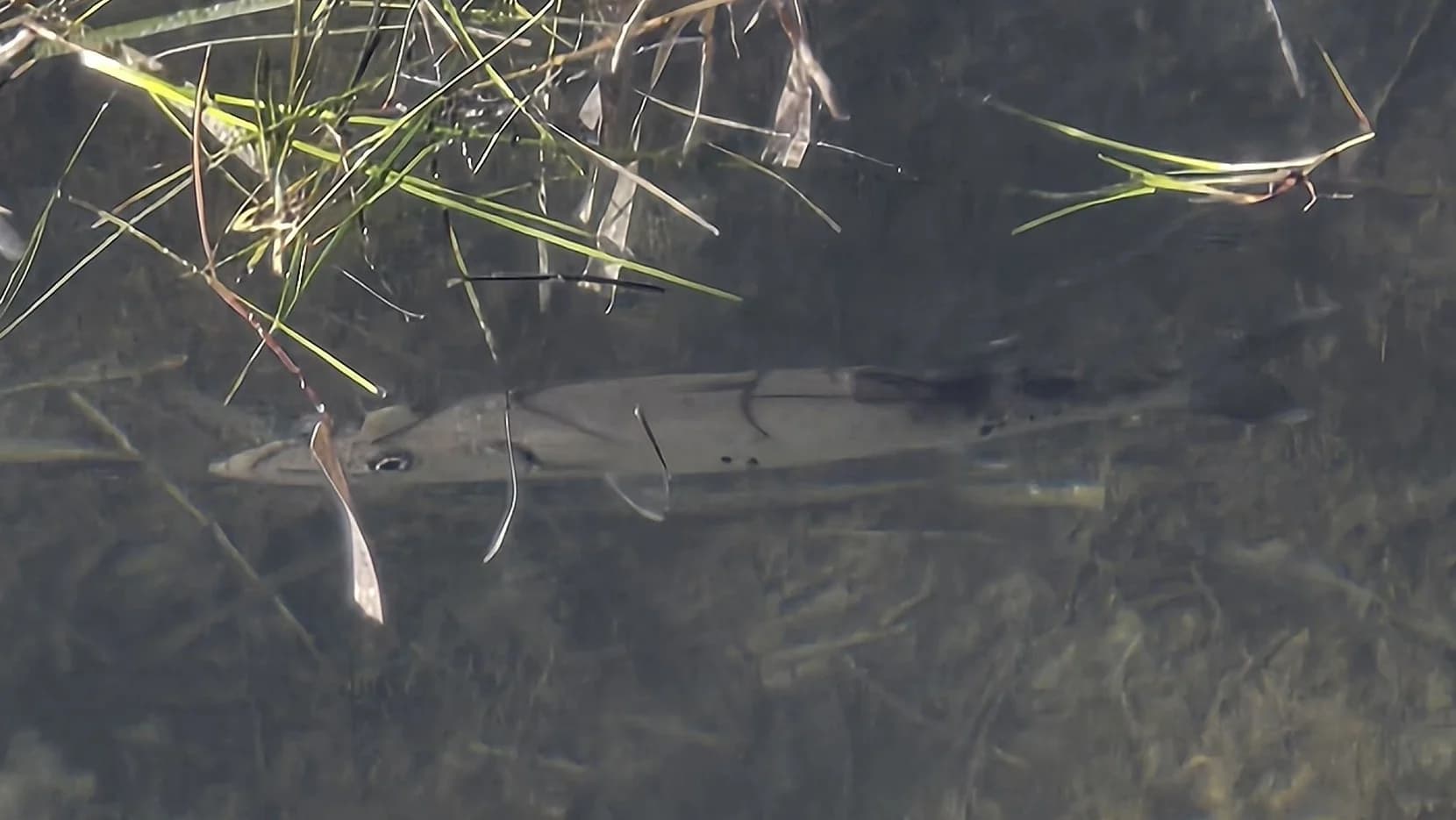
Great Barracuda
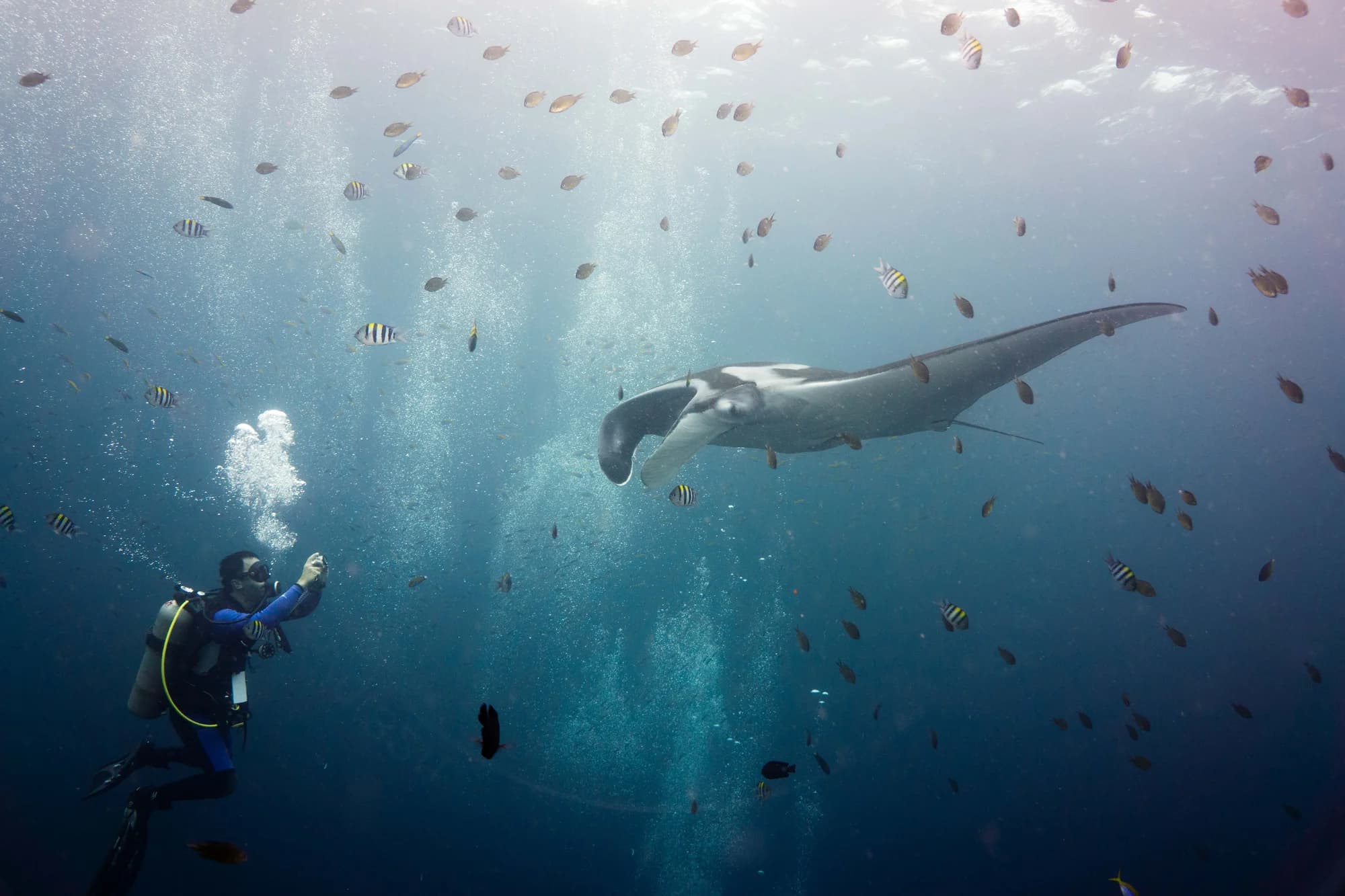
Giant Oceanic Manta Ray
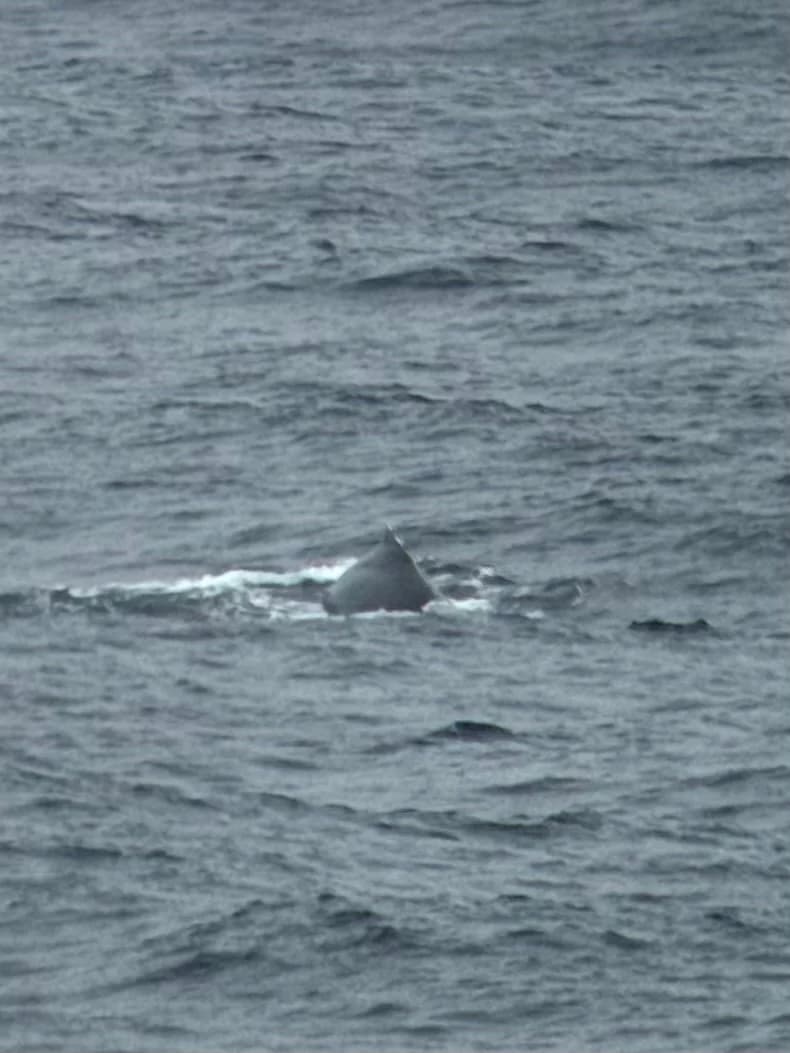
Humpback Whale
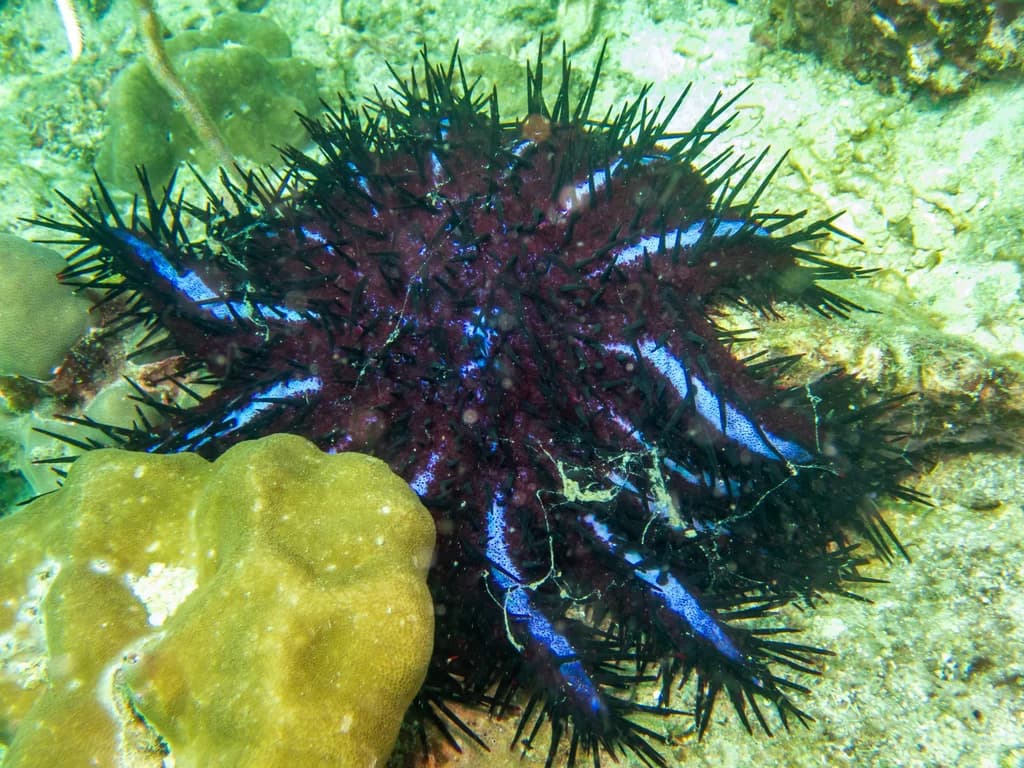
Crown-of-thorns Starfish
Dive Shops (13)
Wakatobi marine dive
Wakatobi Dive Resort
Tomia Fun Dive
Marind Dive Eco Resort
Tomia Ocean Dive
Wakatobi Dive Trip
Sulawesi Dive Trek
Wakatobi Dive Adventure
Sombu Dive
DINIS CEMARA DIVE CENTER (DCDC)
Ollo Scuba Wakatobi
Wakatobi Diving Holiday
Tomia scuba dive
Guides
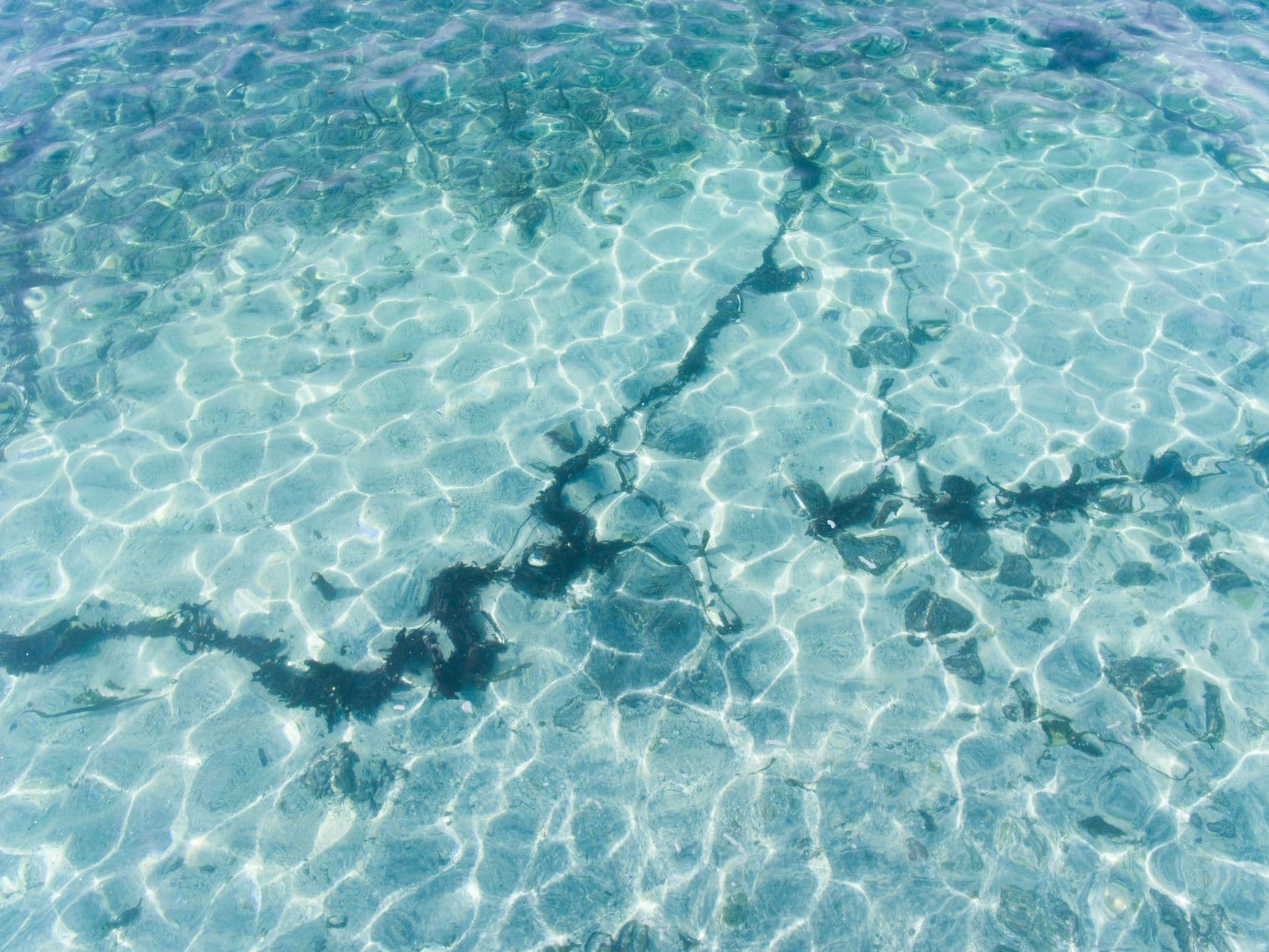
Wakatobi Dive Conditions: Visibility, Temperature & Seasons
Water temperature 26-30°C, visibility 20-50m, mild currents — month-by-month guide to diving conditions in Wakatobi, Indonesia's coral paradise.
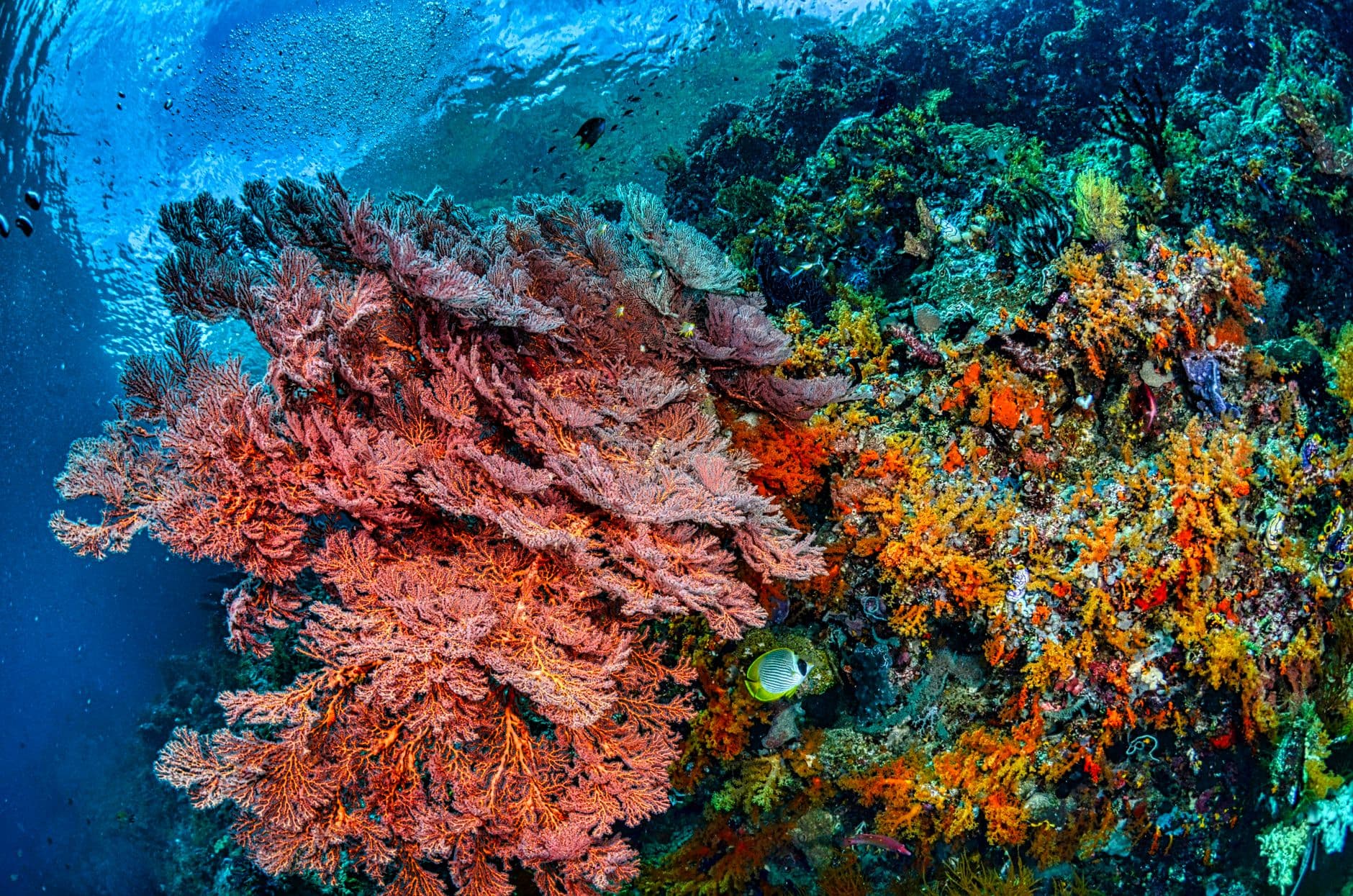
Top 10 Dive Sites in Wakatobi: Coral Triangle Reef Guide
From the world-famous House Reef to the vertical walls of Cornucopia — ranked guide to Wakatobi's best dive sites with depths, skills, and marine life.
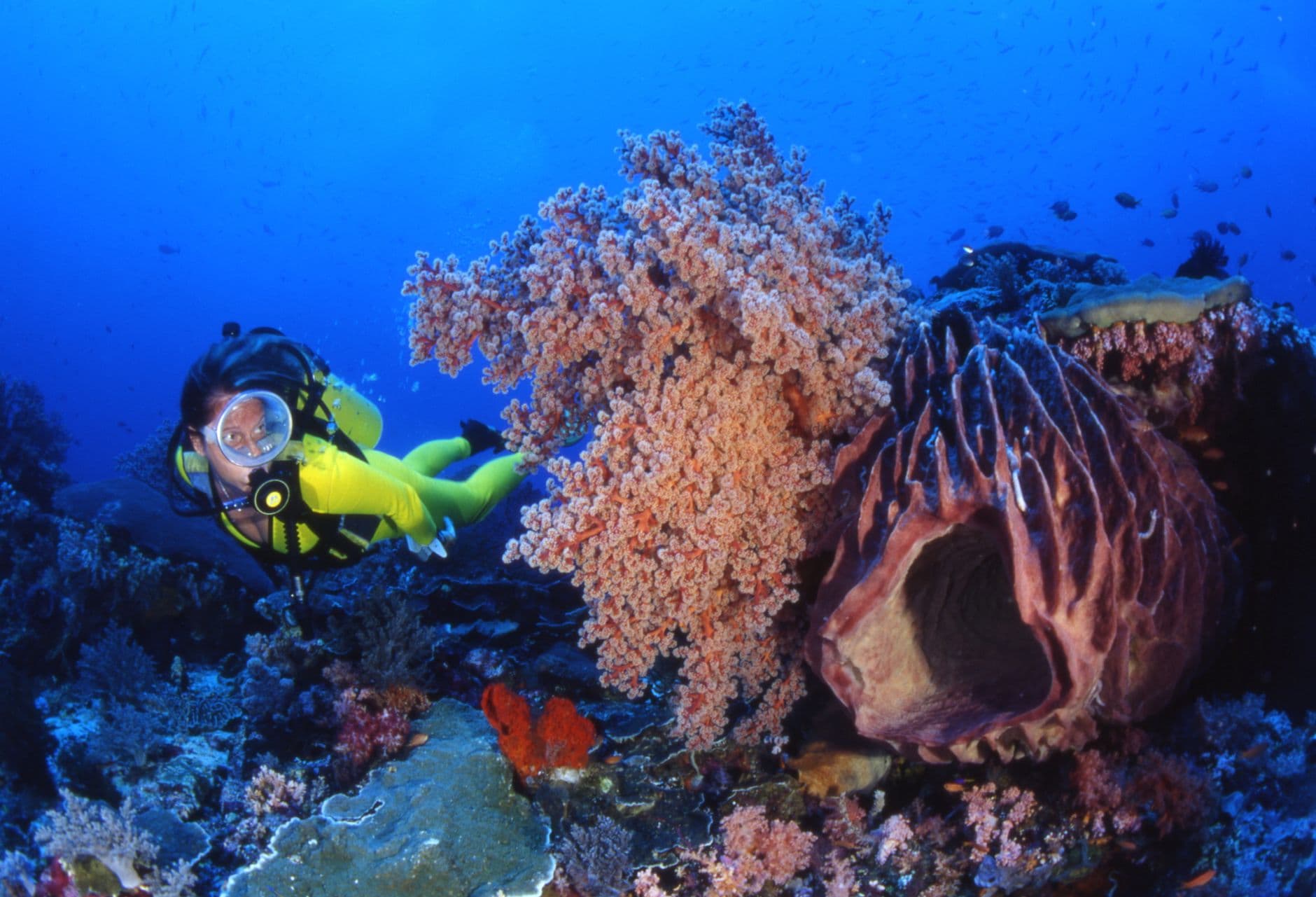
Wakatobi Diving Guide: Coral Triangle's Crown Jewel
750 coral species, 942 fish species, and the world's best house reef — complete guide to diving Wakatobi, Indonesia's UNESCO Biosphere Reserve.
Safety
Bring Wakatobi underwater
Offline access, dive log, AI fish ID, live site maps, and trip planning.
Download on the App Store