New Zealand
Diving in Poor Knights Islands
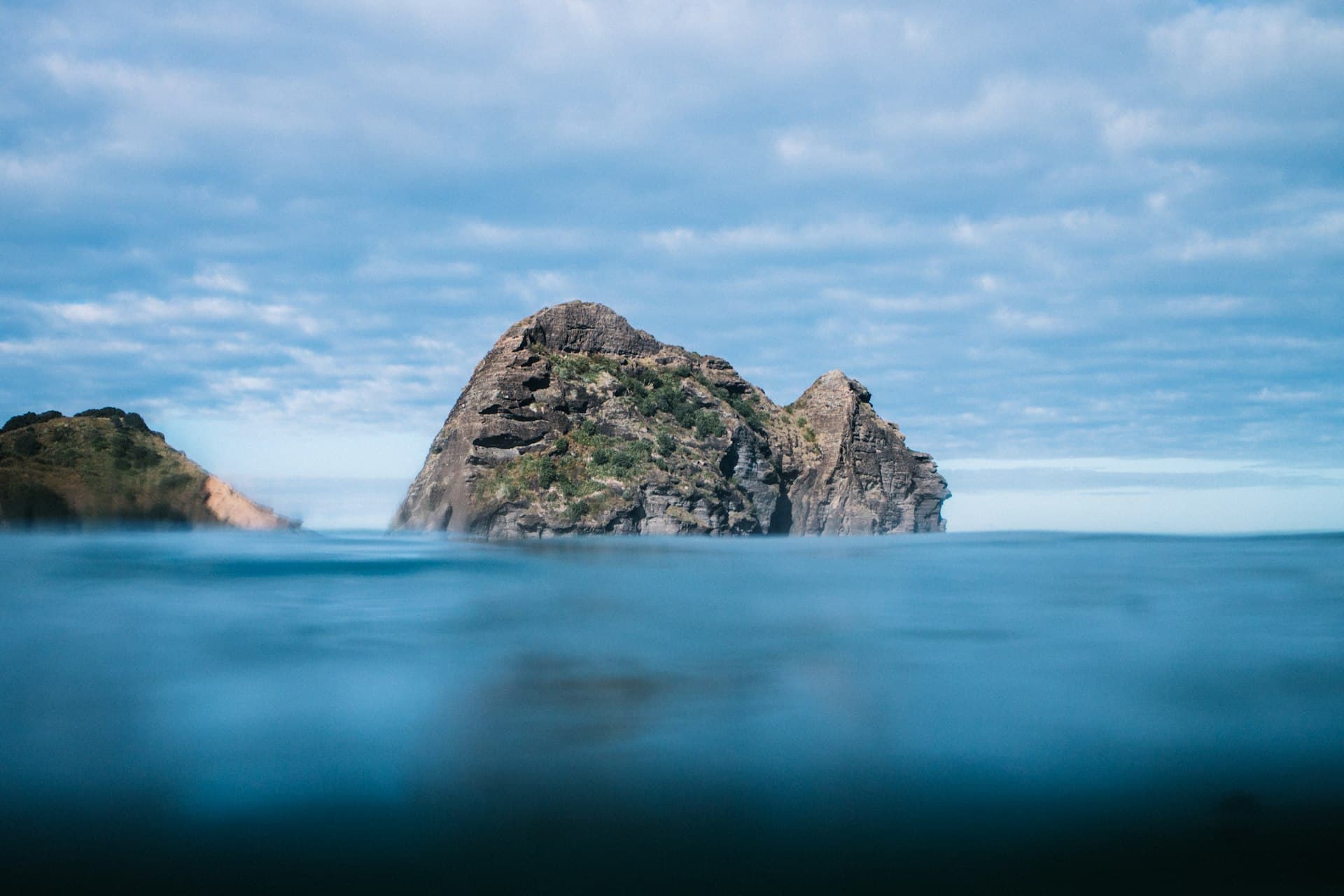
Photo by Tim Marshall on Unsplash
Jacques Cousteau called it one of the top 10 dive sites in the world. New Zealand's Poor Knights Islands Marine Reserve is a subtropical-meets-temperate wonderland of sea caves, archways, and sponge gardens. Swim through the world's largest sea cave, drift past 6 volcanic arches, and explore sponge gardens where snapper biomass has grown 818% since protection — all within a no-take marine reserve 22 km off the Northland coast.
Explore the map
Select a pin to learn more. Use the zoom buttons or pinch to zoom.
Loading map…
Places on this map (2)
24 places have no verified map location yet. Browse the page lists for more places.
Conditions
14–23 °C
10–30 m
5–40 m
Mild
December through April
| Month | Summary |
|---|---|
| Jan | Summer begins — water temperatures reach 20-22°C, visibility peaks at 20-30 m. Best conditions for all sites. Book well in advance for peak season. |
| Feb | Warmest month — water 21-23°C, peak visibility. Calmest seas of the year. The best month for diving at Poor Knights. Stingray schools at their peak in Southern Arch. |
| Mar | Summer lingers — warm water 20-22°C, excellent visibility 20-25 m. Last call for premium summer conditions before autumn. Still crowds at peak. |
| Apr | Autumn arrives — water cools to 18-20°C, visibility remains good 18-25 m. Fewer crowds, still excellent diving. Increasing chance of settled weather patterns. |
| May | Shoulder season — water 16-18°C, visibility 15-22 m. Good diving with fewer divers. Nudibranch diversity increasing as hydroids bloom. West side sites most sheltered. |
| Jun | Winter begins — water 15-17°C, visibility 12-18 m. Fewer crowds but bigger seas possible. Nudibranchs are out in force. 7mm wetsuit or drysuit recommended. |
| Jul | Coolest month — water 14-16°C with occasional plankton blooms reducing visibility. Winter diving rewards with spectacular nudibranch displays and sponge gardens at their best. |
| Aug | Late winter — still cool water 14-16°C but improving conditions. Early spring plankton blooms attract feeding marine life. Humpback whales migrating. |
| Sep | Spring begins — water warming to 15-17°C, visibility improving 12-20 m. Daylight saving starts. Humpback whale season continues. Good value window. |
| Oct | Spring in full swing — water 16-18°C, visibility 15-25 m. Conditions improving rapidly. Plankton blooms attract feeding fish. Good value season with fewer tourists. |
| Nov | Shoulder season — water 17-19°C, visibility 18-25 m. Warming water and improving conditions. Good for diving the sheltered west side sites. |
| Dec | Summer returns — water 19-21°C, visibility 20-30 m. Peak diving season begins. Christmas-New Year period is busiest. Book dive trips weeks in advance. |
Dive Sites (24)
Aorangi Point
8–30m · Advanced
Southern tip · Steep wall · Drift dive
Barren Wall
10–30m · Advanced
Vertical wall · Overhangs · Black coral
Blue Maomao Arch
5–18m · Intermediate
Small arch · Blue maomao schools · Gentle conditions
Cleanerfish
8–20m · Intermediate
Cleaning stations · Cleaner wrasse · Rocky reef
Crevice
6–20m · Intermediate
Deep crevice · Shadows · Sponges
High Peak Rocks
8–25m · Advanced
Rock stacks · Sponge walls · Exposed
Jan's Crack
8–22m · Advanced
Deep crack · Vertical walls · Encrusting life
Landing Bay Pinnacle
5–25m · Intermediate
Underwater pinnacle · Sandy bottom · Fish aggregation
Marine Life (98)
 must-see
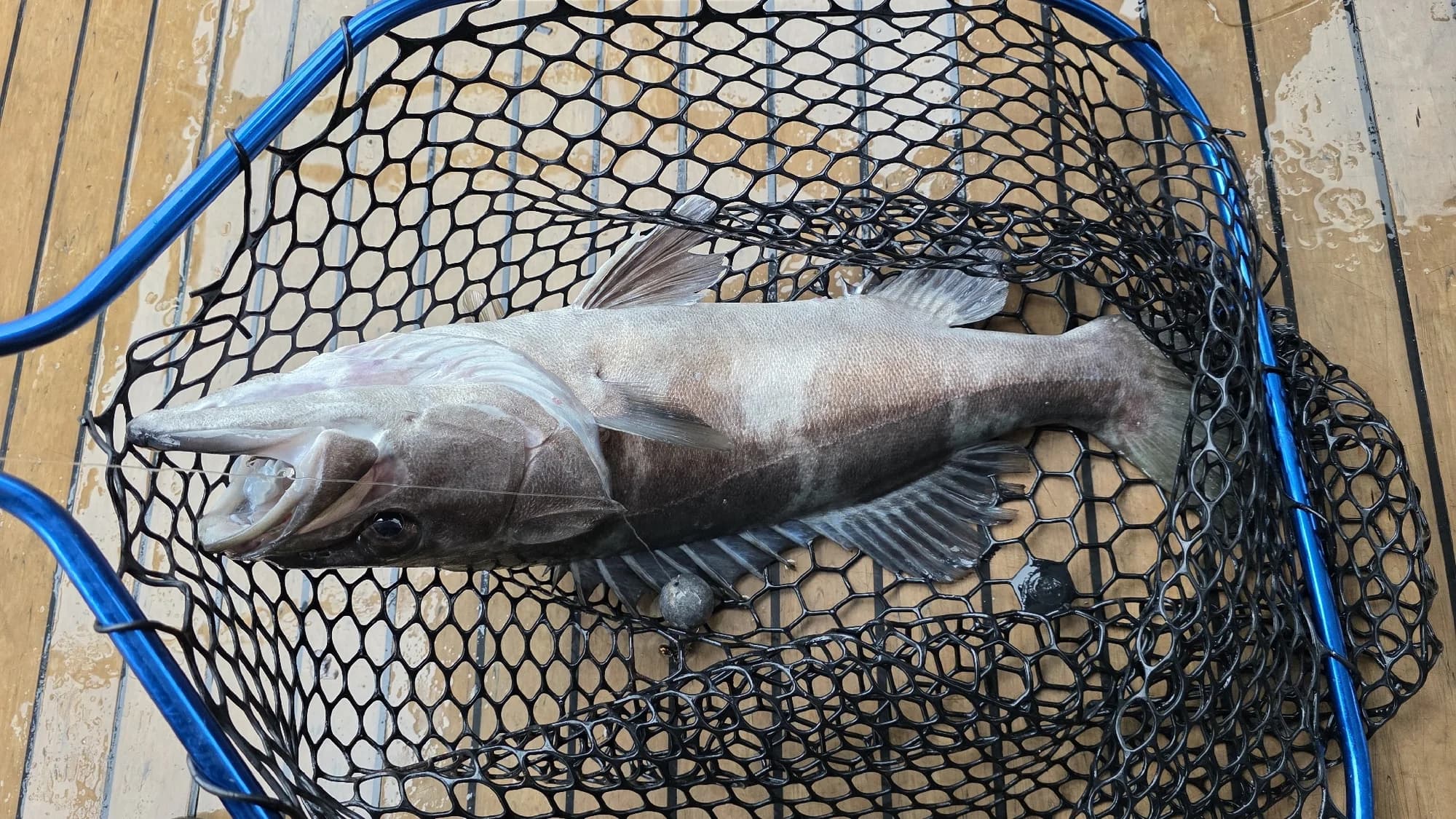
Hapuku (Groper)
 must-see
Little Blue Penguin
 must-see
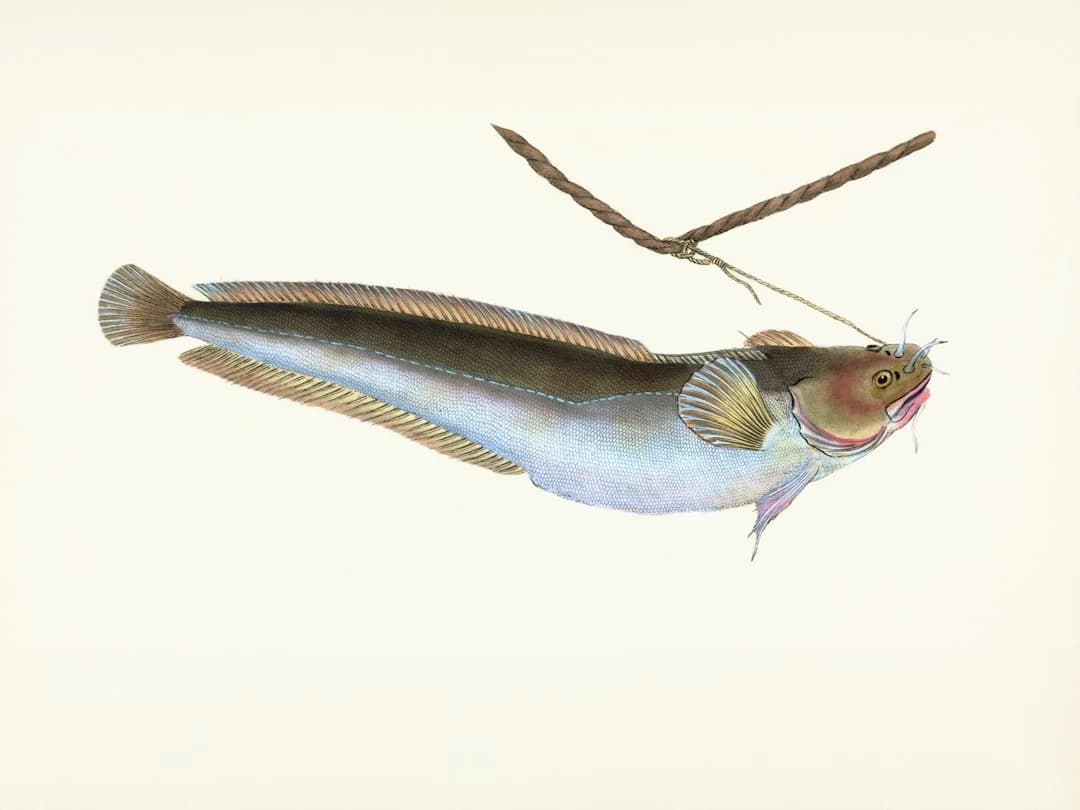
Southern reef squid
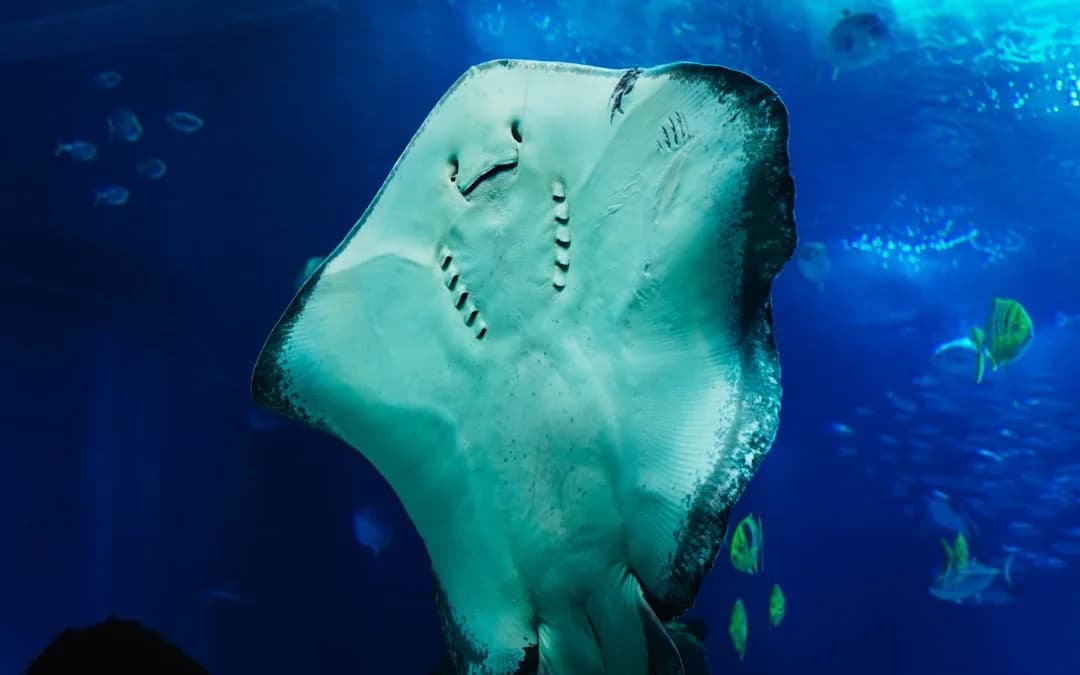
Short-tail Stingray
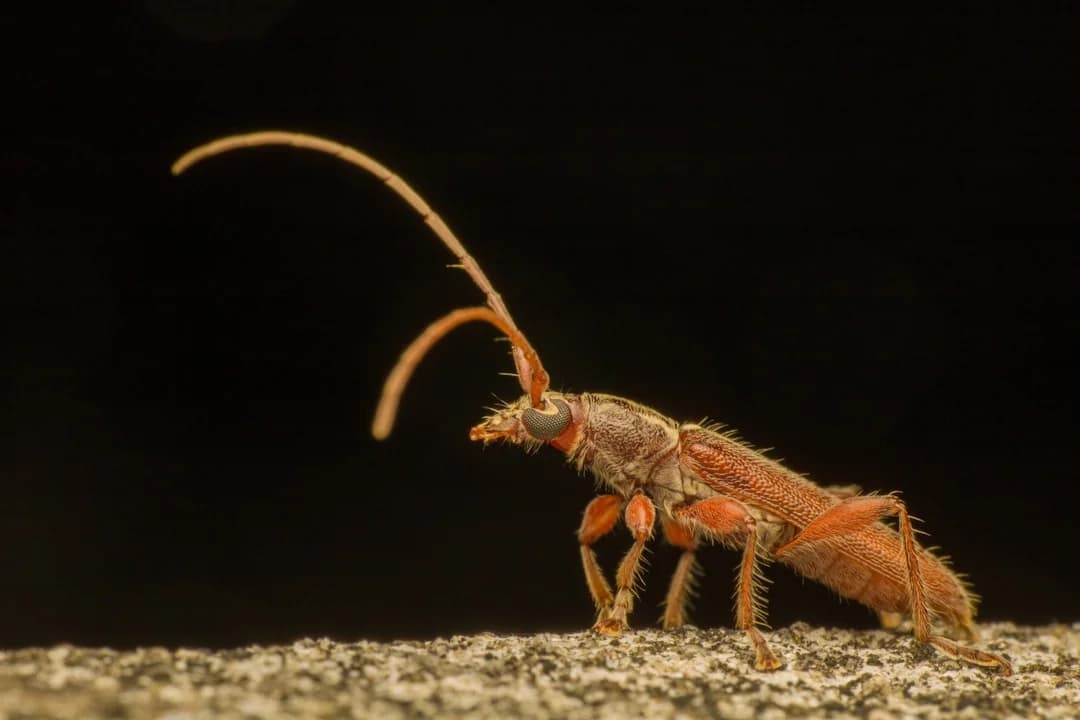
Pink Maomao
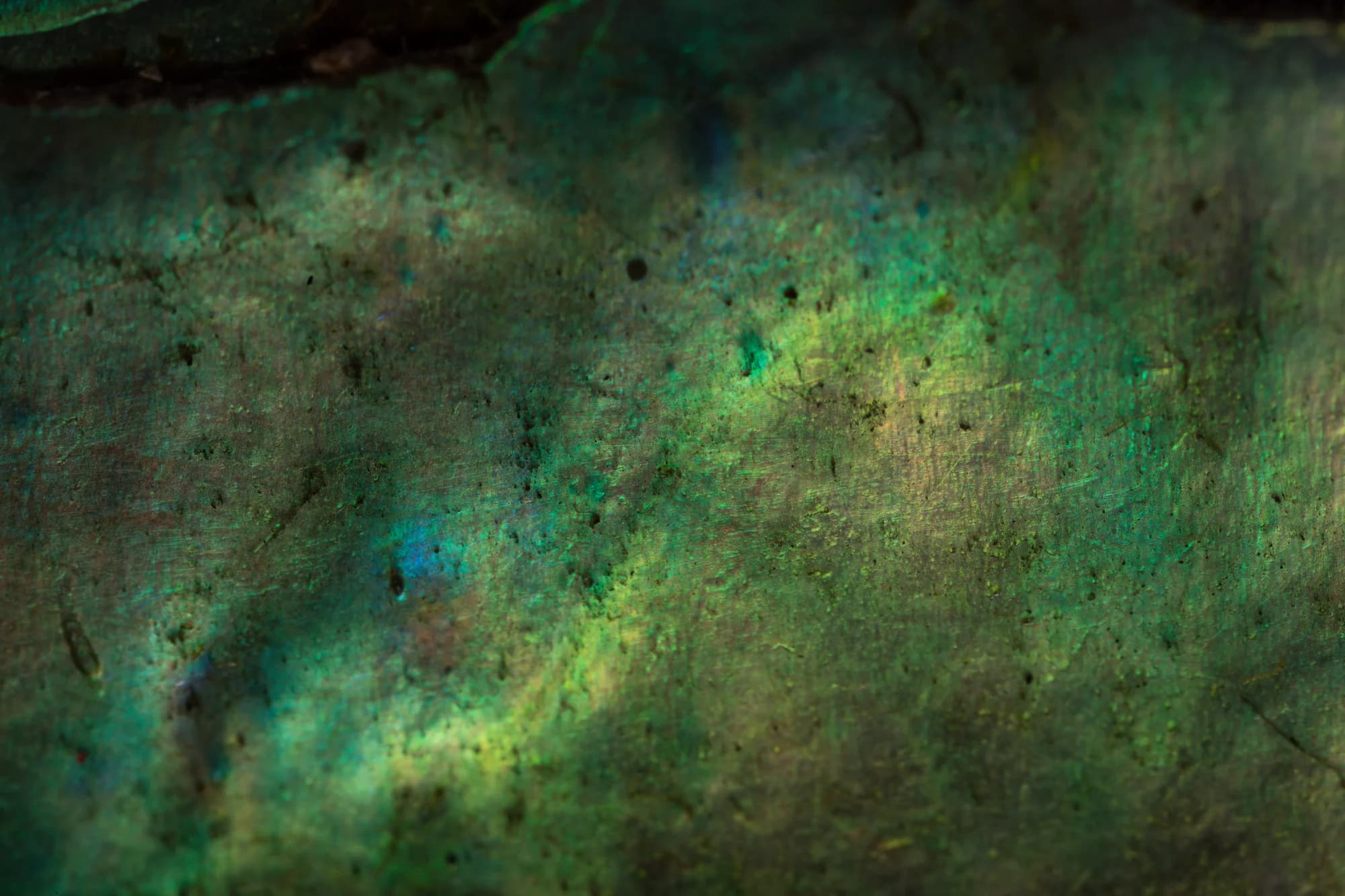
Paua (Black-Footed Abalone)
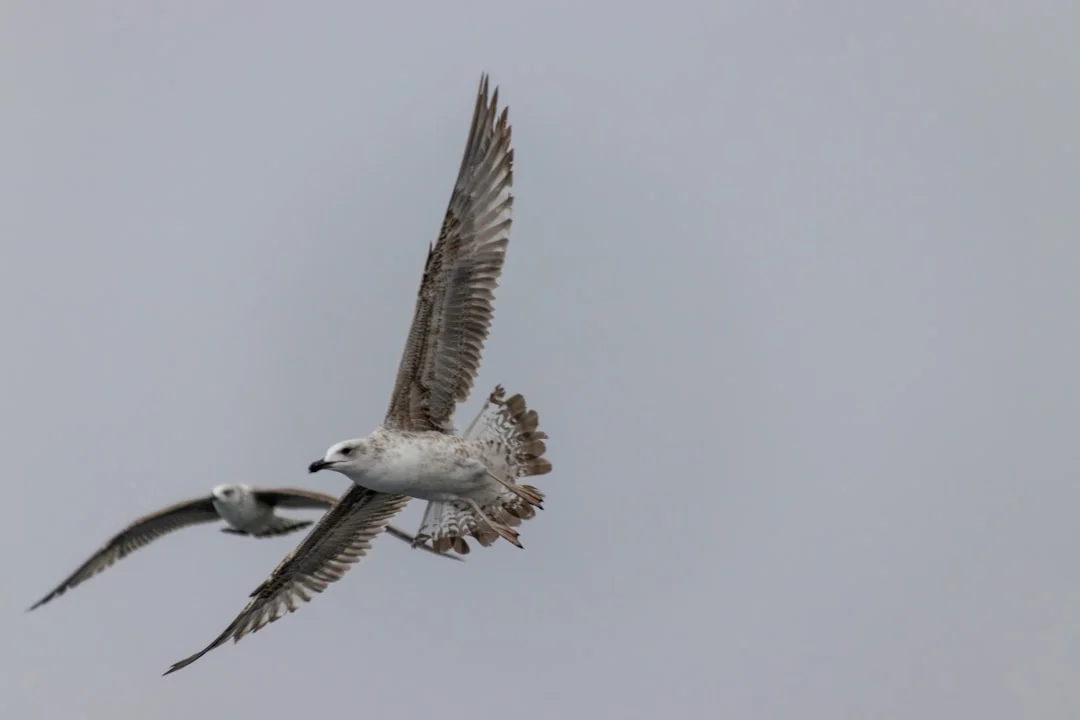
Cook's Petrel
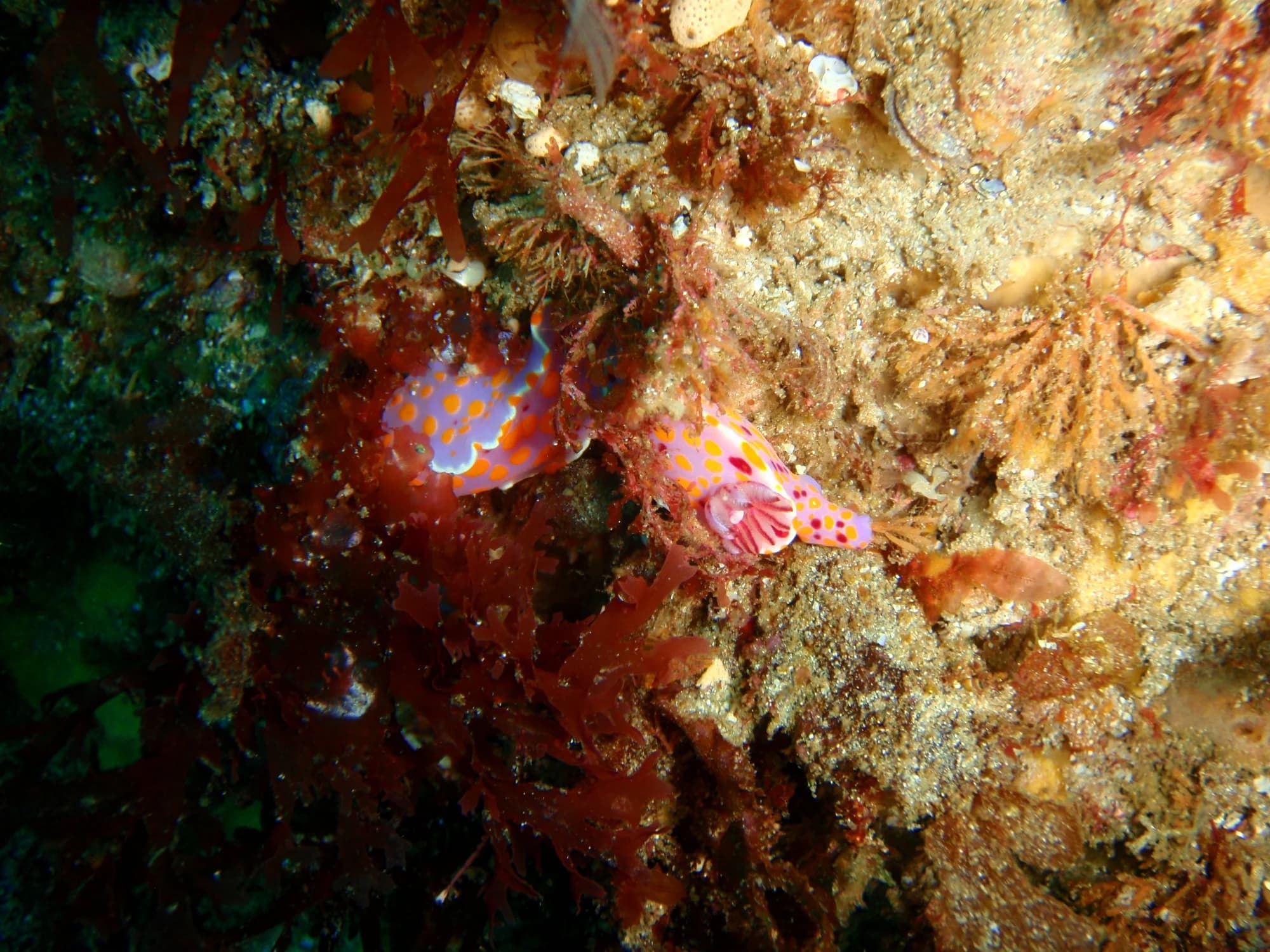
Gemmed nudibranch
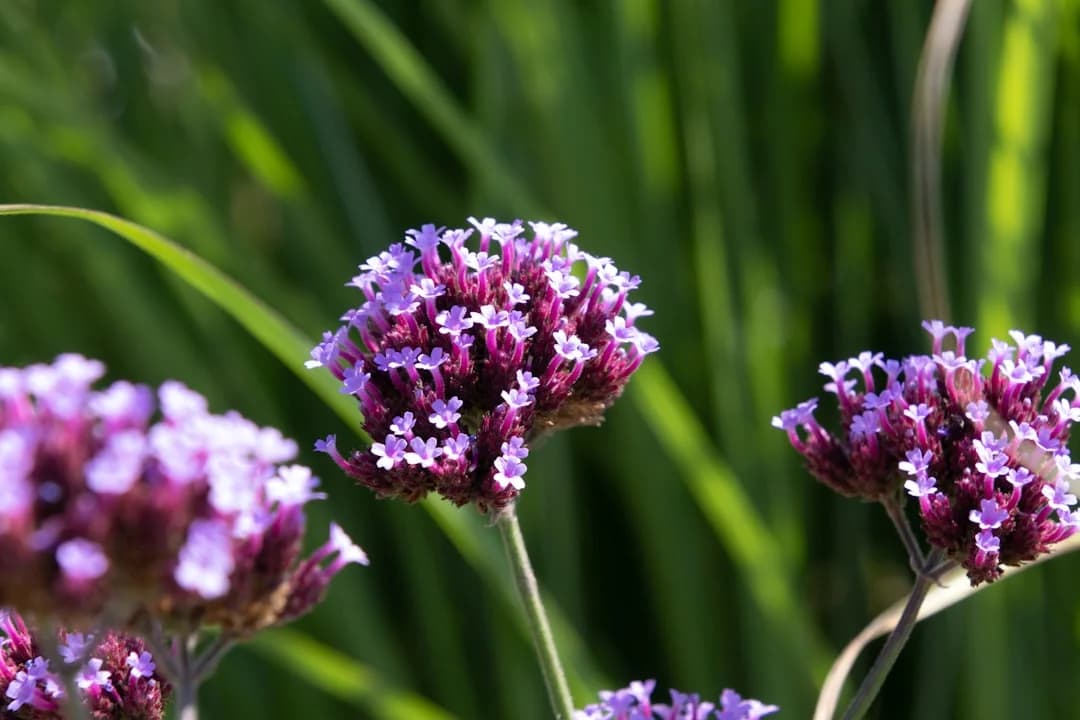
Variable deep-water coral
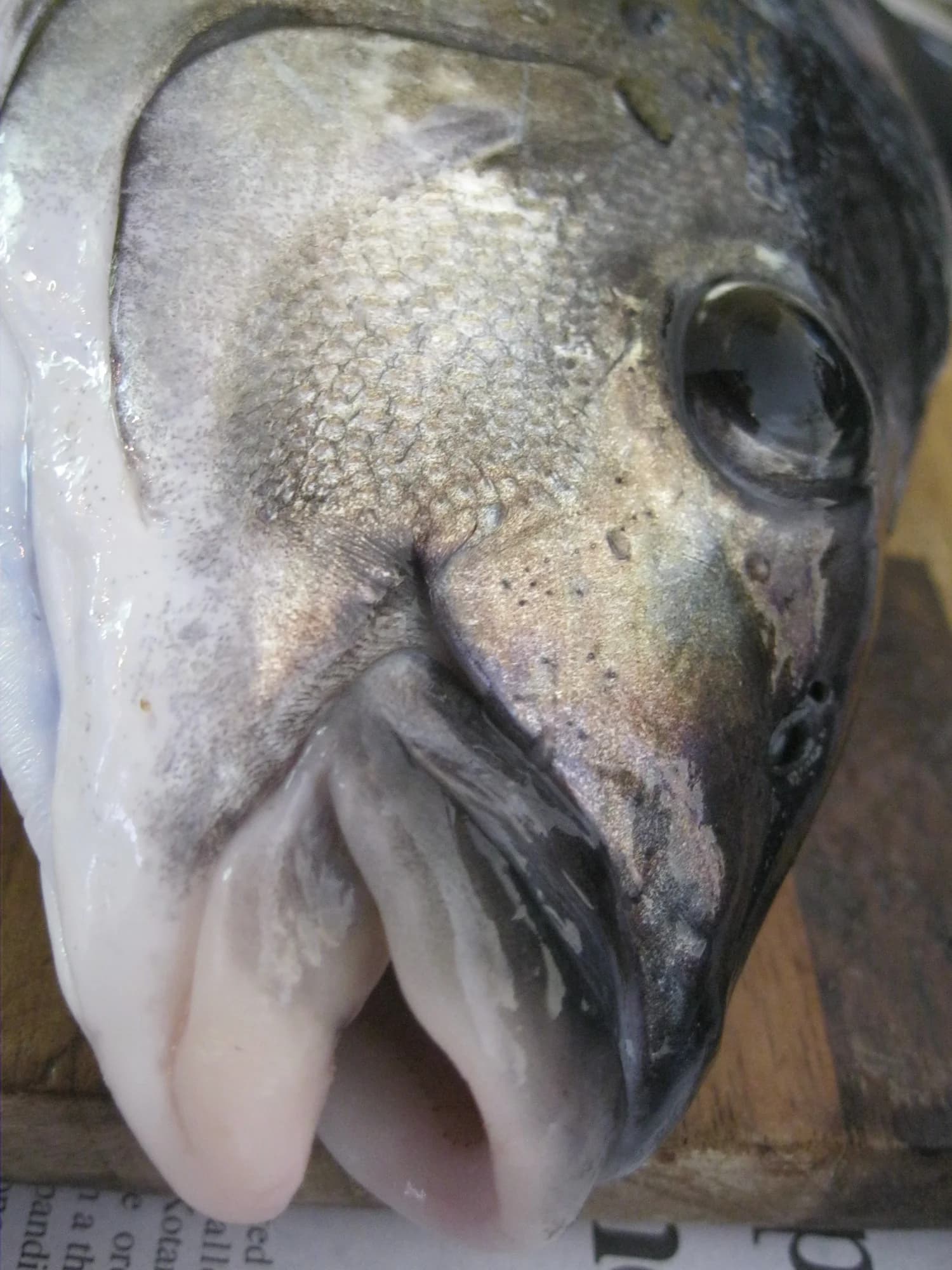
Blue Moki
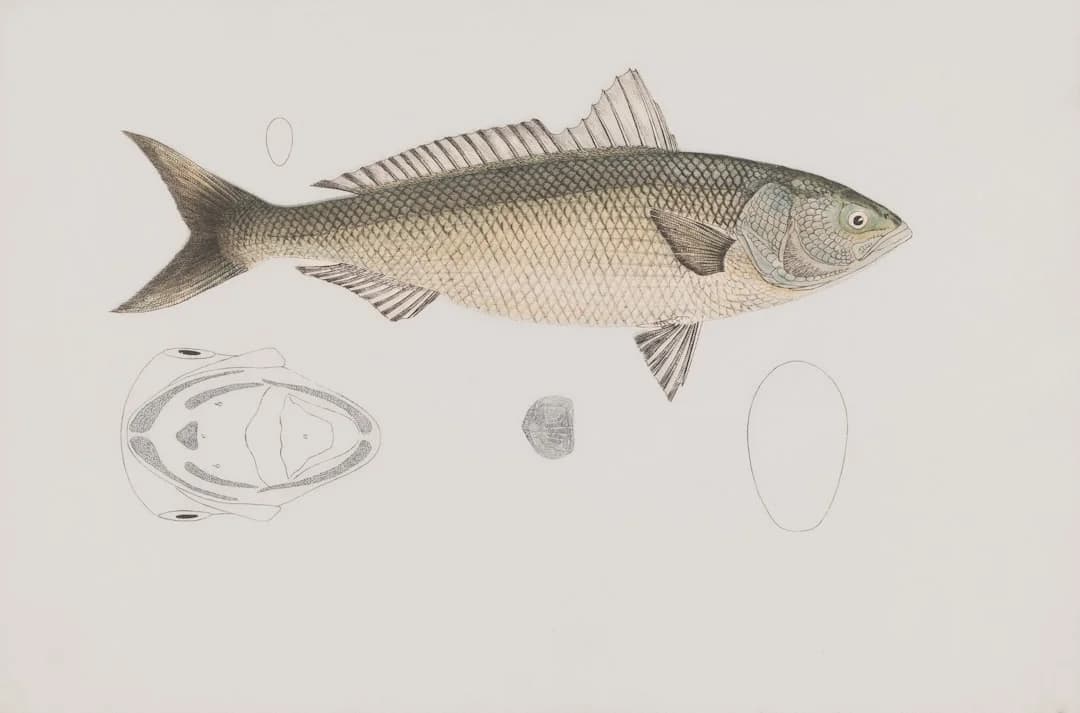
Kahawai
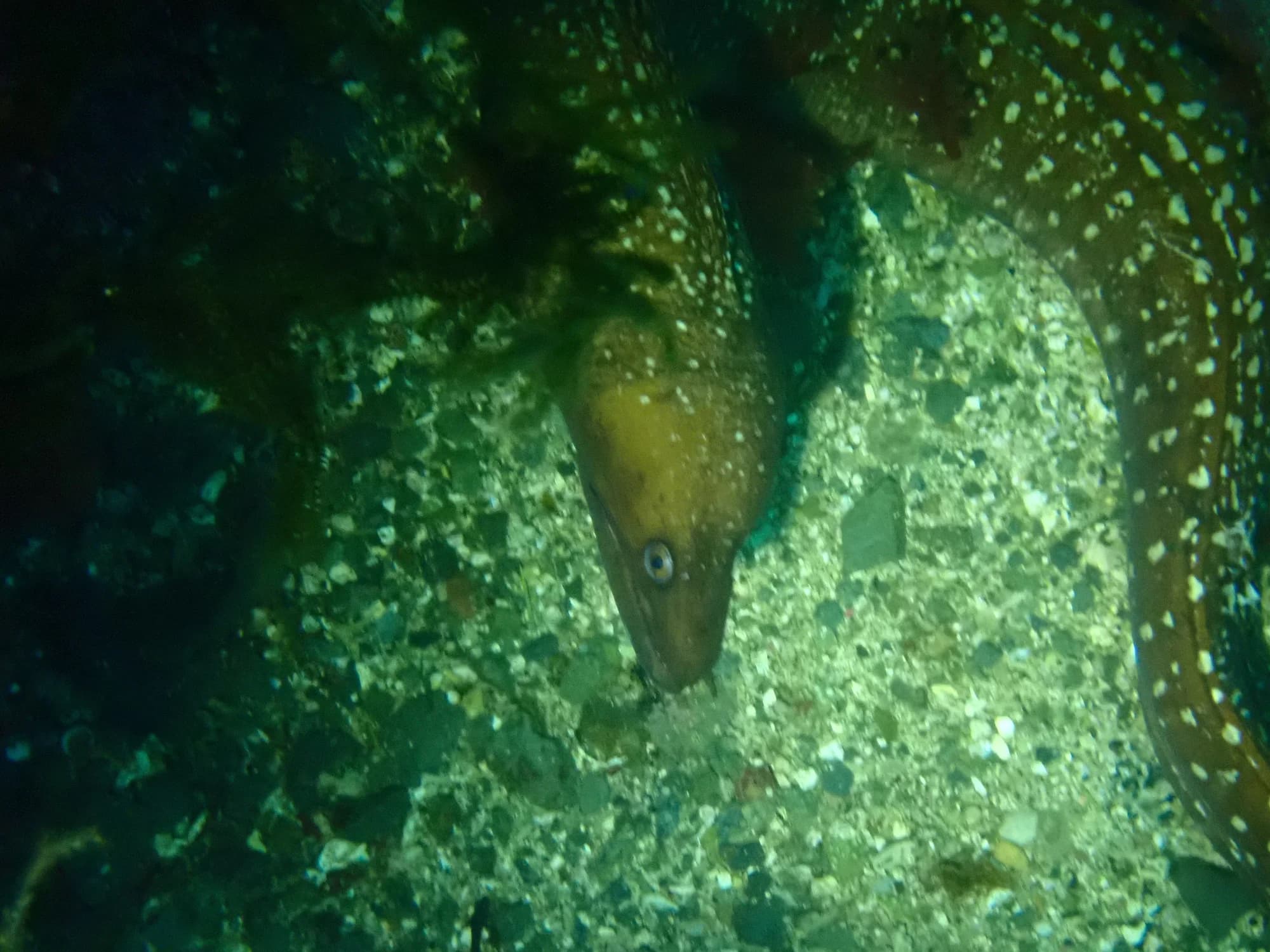
Mottled Moray
Dive Shops (2)
Guides
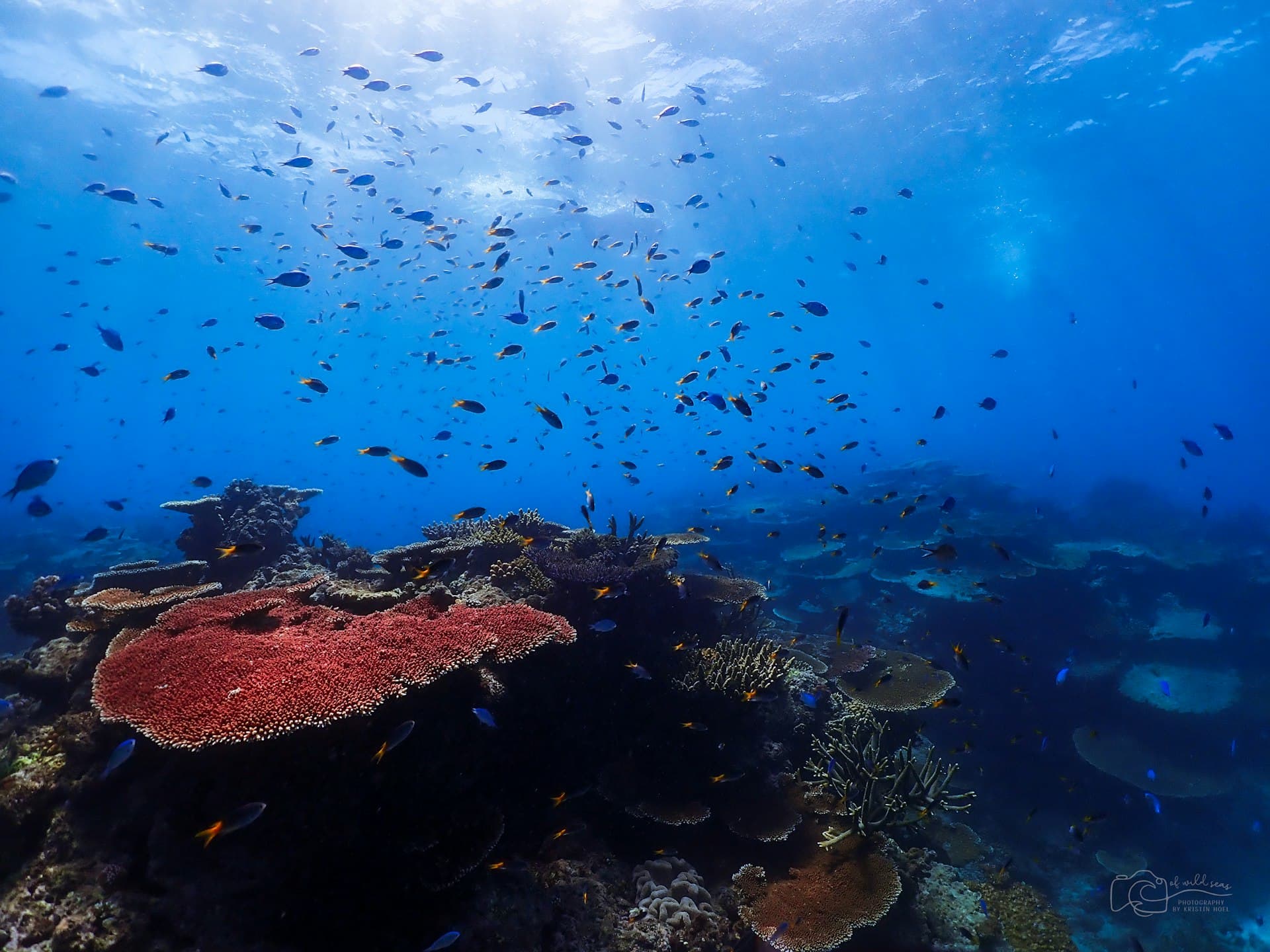
Top 8 Poor Knights Dive Sites
Compare the best Poor Knights dive sites, from Northern Arch and Rikoriko Cave to Blue Maomao Arch, Southern Arch, The Gardens, and Tie Dye.
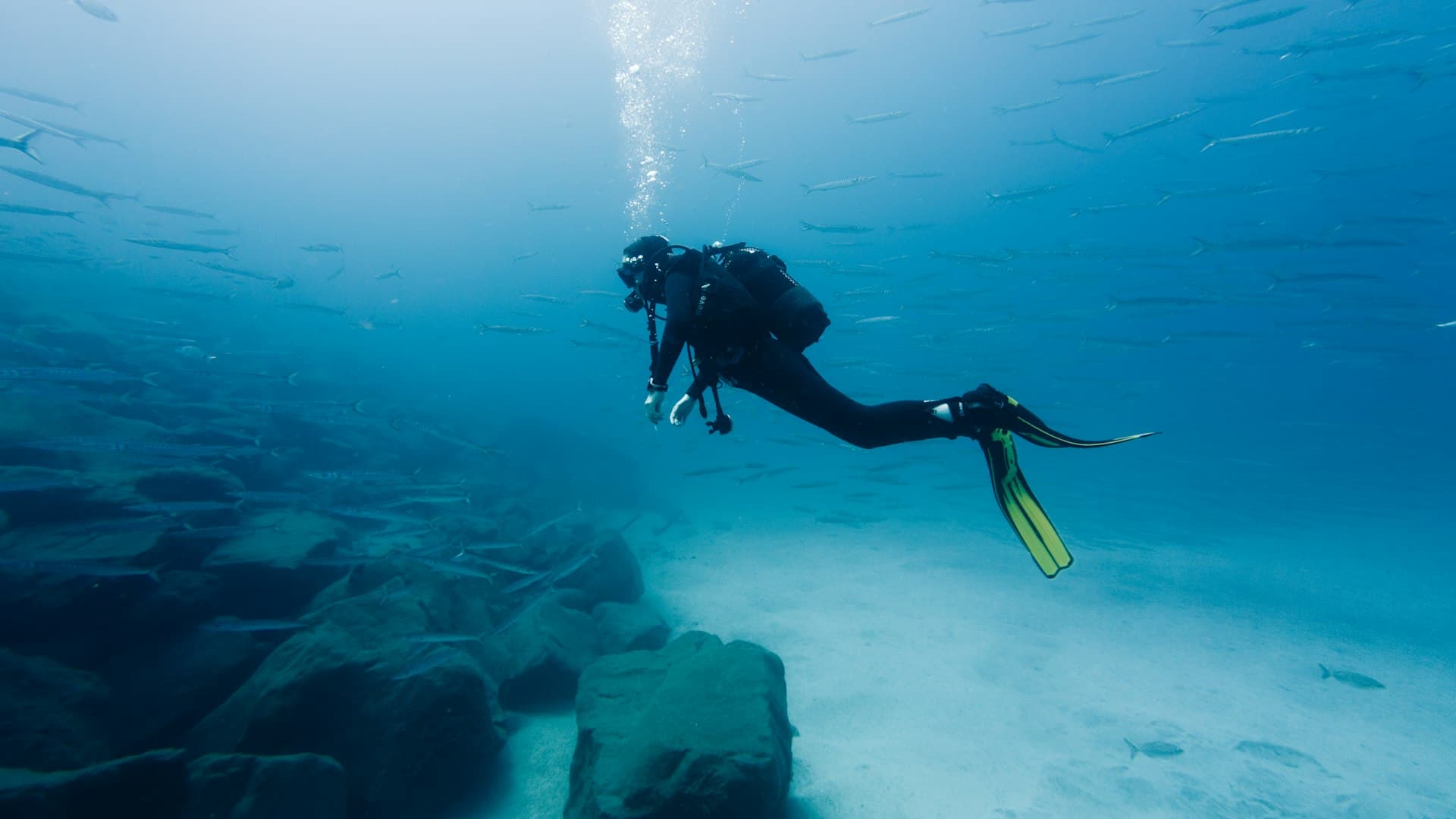
Poor Knights Islands Diving Guide
Explore New Zealand's Poor Knights Islands: volcanic arches, Rikoriko Cave, blue maomao schools, stingrays, and practical Tutukaka dive planning.
Poor Knights Dive Conditions Guide
Month-by-month Poor Knights dive conditions: water temperature, visibility, swell, currents, exposure protection, and the best season to dive.
Safety
Bring Poor Knights Islands underwater
Offline access, dive log, AI fish ID, live site maps, and trip planning.
Download on the App Store