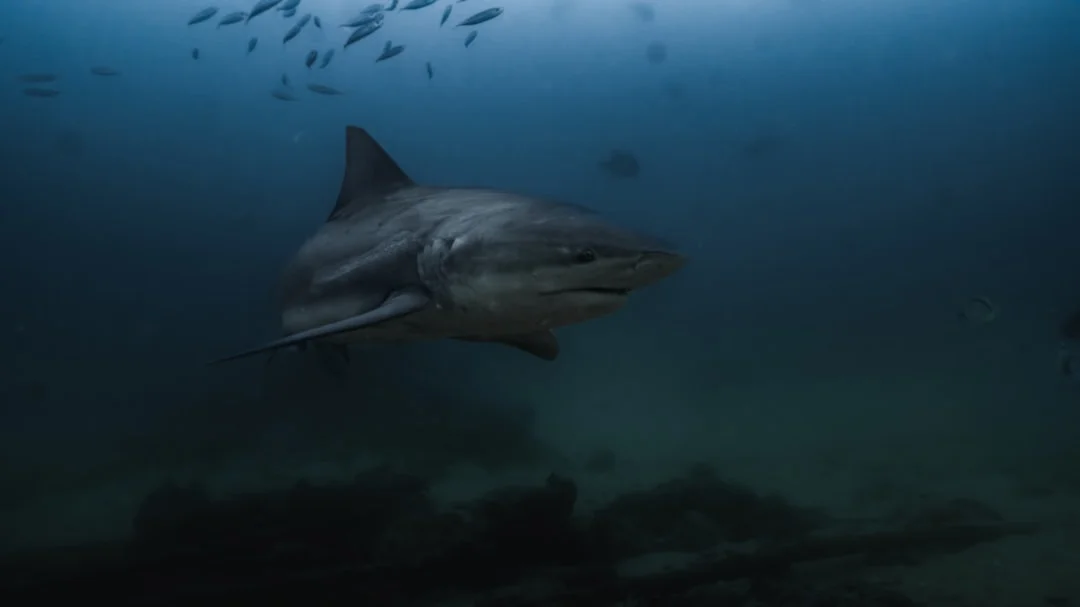
Bull Shark
Destination note
Seasonal offshore encounters; use only an experienced operator and follow the local shark-diving protocol.
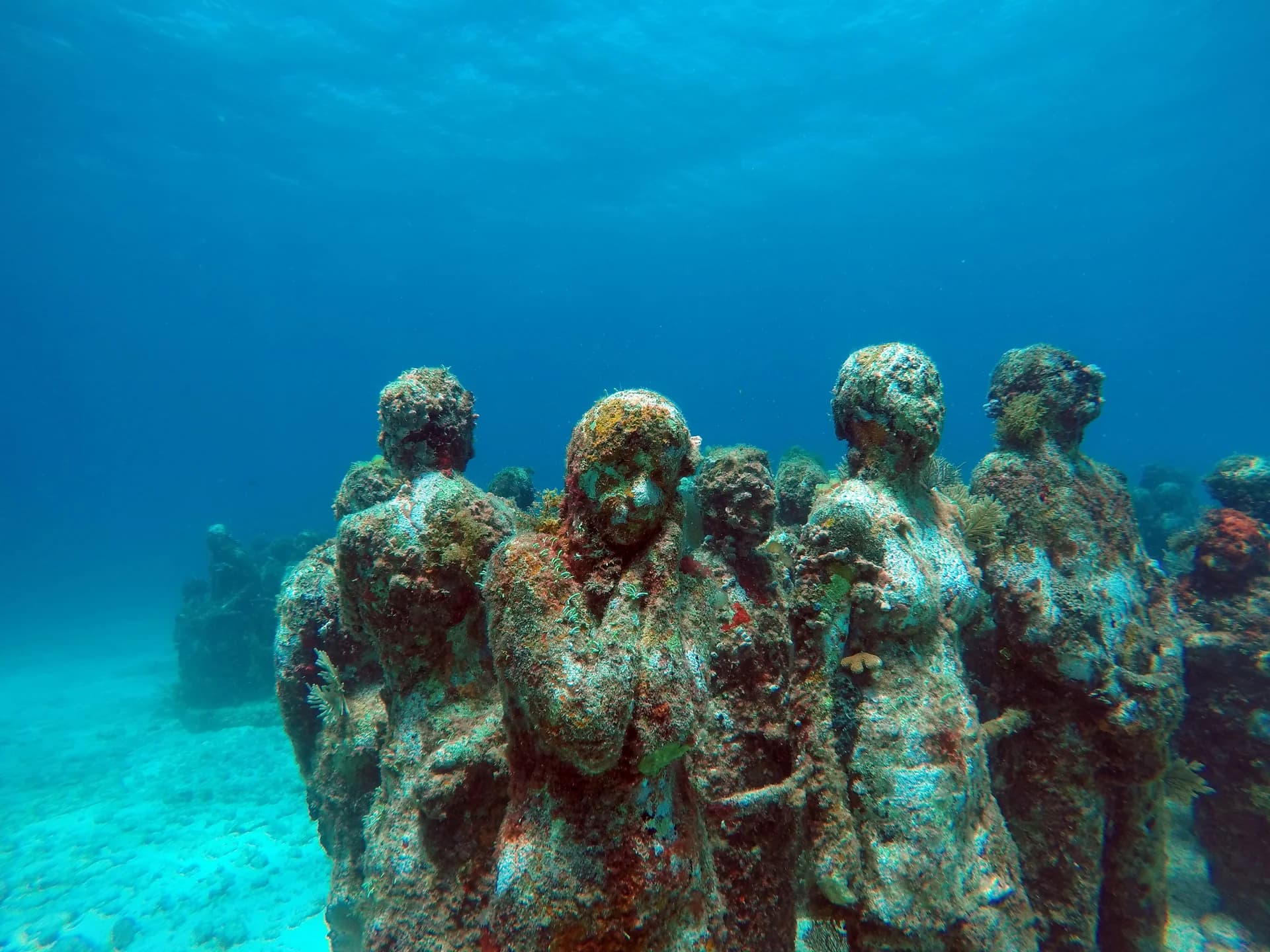
Mexico
Photo: Jamie Madden / Unsplash
Playa del Carmen is the Riviera Maya's mainland dive hub, sitting on the Mesoamerican Reef inside the Mexican Caribbean Biosphere Reserve. Its local marine inventory spans 17 sites: shallow coral gardens and drift reefs, current-swept walls and arches, the Mama Viña wreck intentionally sunk in 1995, and a regulated winter bull-shark observation zone on an open sand plateau. Short boat rides from the beach launch past fringing reef ridges to depths of 6-40 m, with November-April offering the clearest water and a November 1-March 31 bull-shark tourism window. Cozumel reefs and inland cenotes are separate dive products reached as day trips.
Select a pin to learn more. Use the zoom buttons or pinch to zoom.
Loading map…
25.1–29.2 °C
15–40 m
6–40 m
Moderate
Year-round reef diving; November-April is driest with often 20-40 m visibility, while June-October is warmer, wetter and exposed to tropical-weather port closures
| Month | Summary |
|---|---|
| Jan | January: 25.1°C water with often 20-40 m visibility in the dry season. Core bull-shark aggregation month with eagle rays elevated; cold fronts can raise wind and current. |
| Feb | February: 25.3°C water, often high dry-season visibility. Bull sharks and eagle rays remain prominent; northerly fronts can vary conditions. |
| Mar | March: 25.6°C water, often 20-40 m visibility. Final regulated bull-shark month; eagle rays, turtles and reef fish continue. |
| Apr | April: 26.6°C water in the dry-to-shoulder transition, generally clear. The shark product normally ends; occasional late presence is possible but not promised. |
| May | May: 27.4°C water with increasing rain between generally warm, clear spells. Regional turtle nesting begins on nearby beaches; reef life stays active. |
| Jun | June: 28.3°C water as the wet and hurricane season begins; visibility and port status become more weather-sensitive. |
| Jul | July: 28.4°C water, warm with possible showers. Strong regional green-turtle nesting; the late-summer tarpon signal at Sábalos begins. |
| Aug | August: 29.1°C water, very warm with storm risk. Reef fauna continues; late-summer tarpon schools may appear at Sábalos. |
| Sep | September: 29.2°C water, the warmest month and the highest tropical-weather risk; conditions can change rapidly and visibility varies. |
| Oct | October: 28.4°C water in the late wet season with variable visibility. Resident turtles, rays and reef fish; the bull-shark season has not officially opened. |
| Nov | November: 27.1°C water in the dry-season transition; visibility often improves. The regulated bull-shark season opens and the eagle-ray signal rises. |
| Dec | December: 26.1°C water, often clear. Established bull-shark and eagle-ray season plus turtles and tropical reef life; cold fronts can affect ports. |
6–15m · Intermediate
Rocky outcrops · Long ridge · Sand channels
Expert
Offshore wall · Deep wall · Technical fringe
6–15m · Beginner
Brain corals · arches · Zigzag reef edge
6–13m · Beginner
Gorgonians
Coral ridges · Sand channels
12–26m · Advanced
Deep reef plateaus · Sandy ridges · Sand dunes
6–13m · Beginner
Caves
overhang · ledges
6–13m · Beginner
Overhangs
Coral platform · Small wall
21–35m · Advanced
Wall
Deep reef · arches
Species recorded in this destination's wider regional catalogue. A species being listed here does not mean it is seen at this destination — check the note on each card.
Bull Shark
Destination note
Seasonal offshore encounters; use only an experienced operator and follow the local shark-diving protocol.
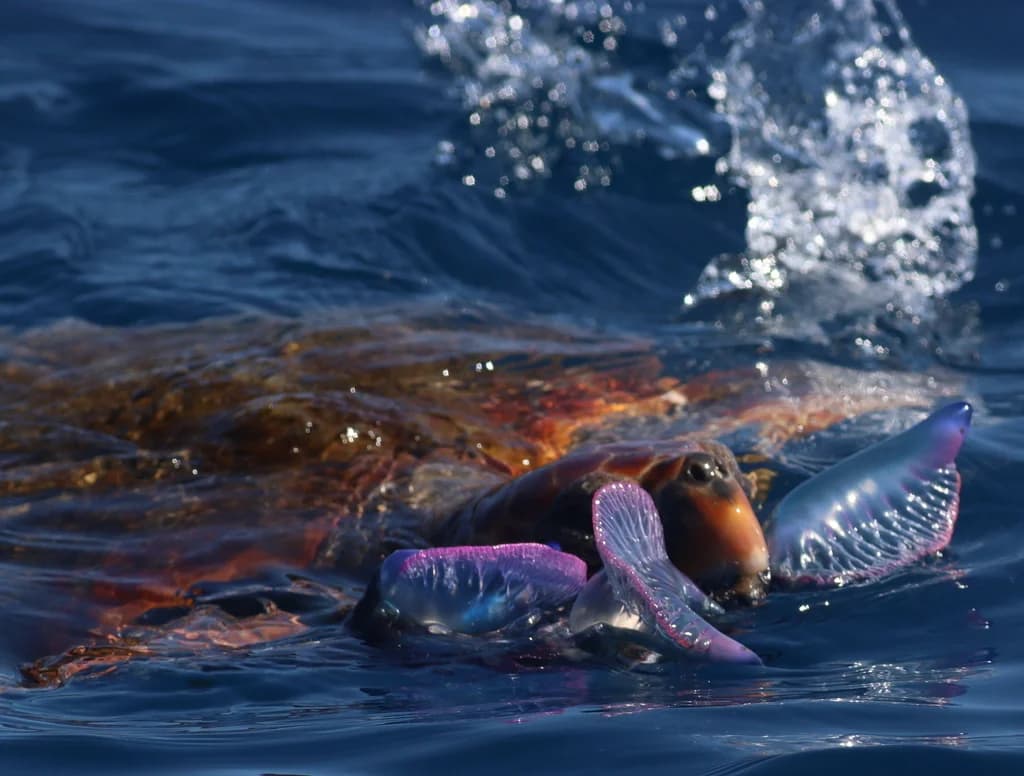
Loggerhead Turtle
Destination note
A wide-ranging turtle that may be encountered on reef and sandy-bottom dives.
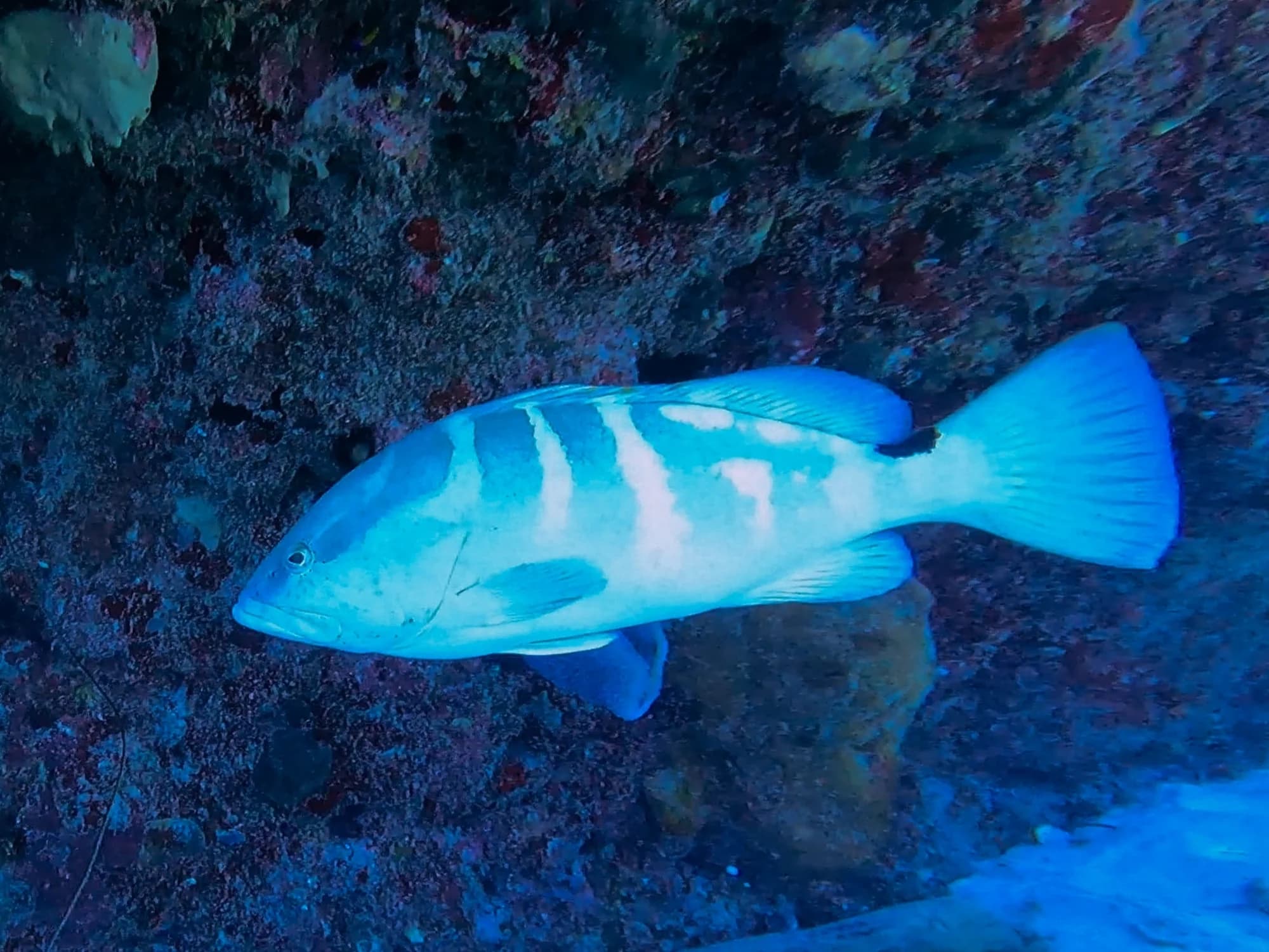
Nassau Grouper
Destination note
A protected, infrequent reef encounter; report observations through local conservation channels where available.
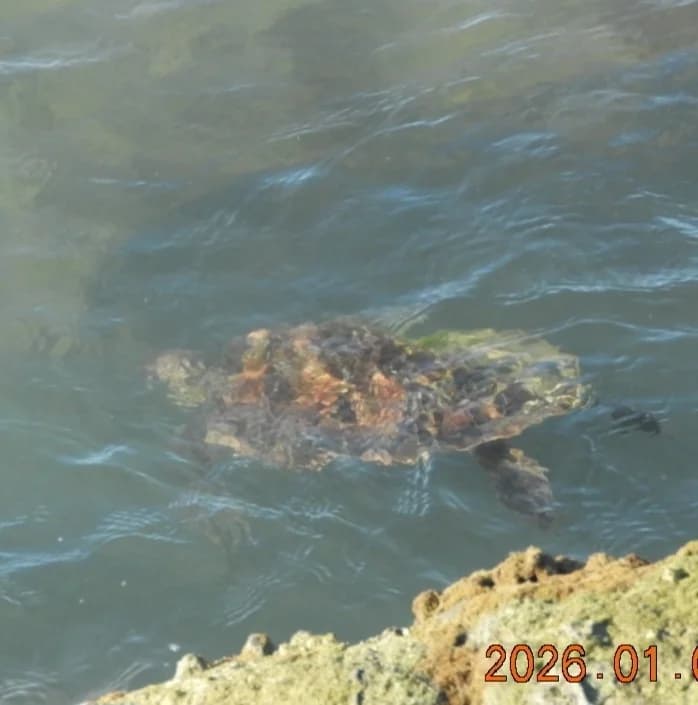
Green Sea Turtle
Destination note
Look for individuals resting on reefs or feeding over nearby seagrass and algae-covered substrate.
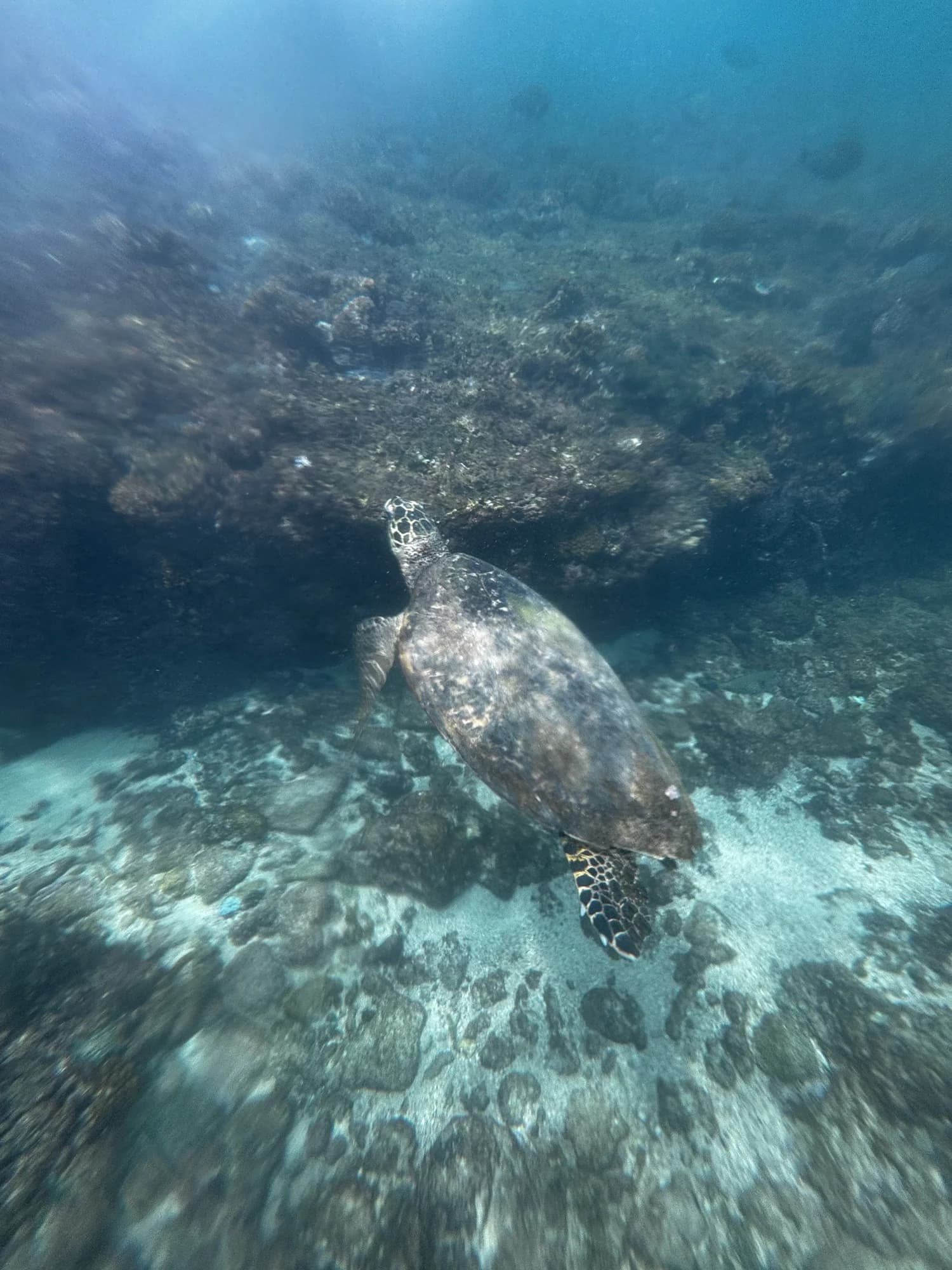
Hawksbill Turtle
Destination note
Typically seen singly around structured reef habitat; give turtles space and never block their route to the surface.
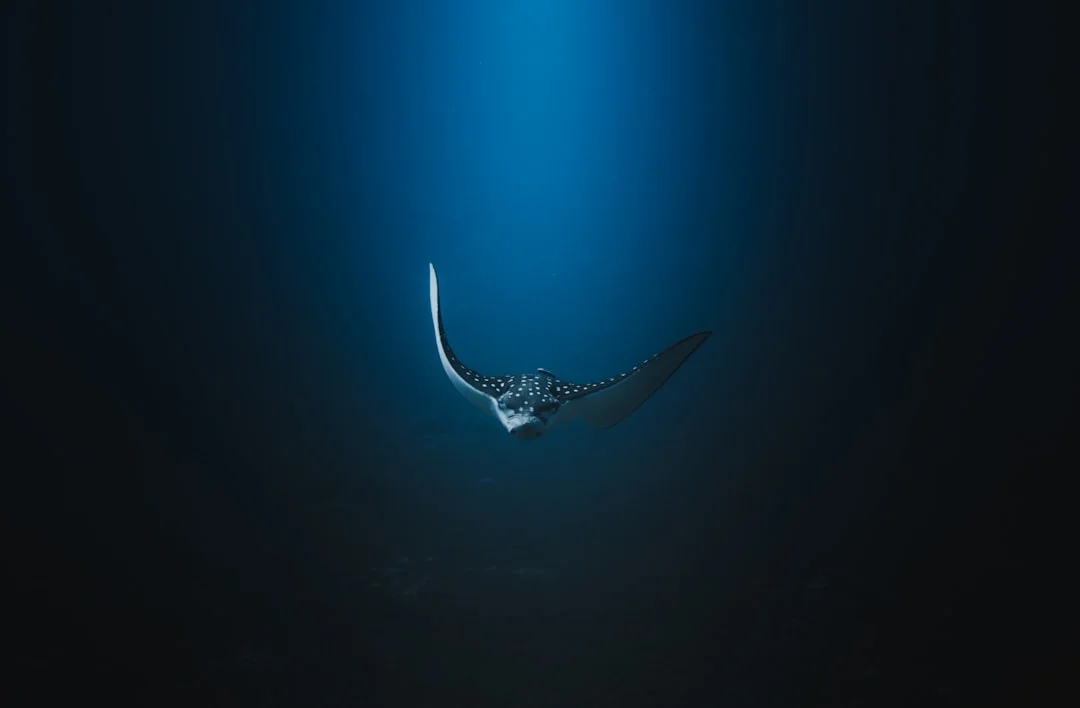
Spotted Eagle Ray
Destination note
Often glides past reef edges or sandy channels; encounters are usually brief.
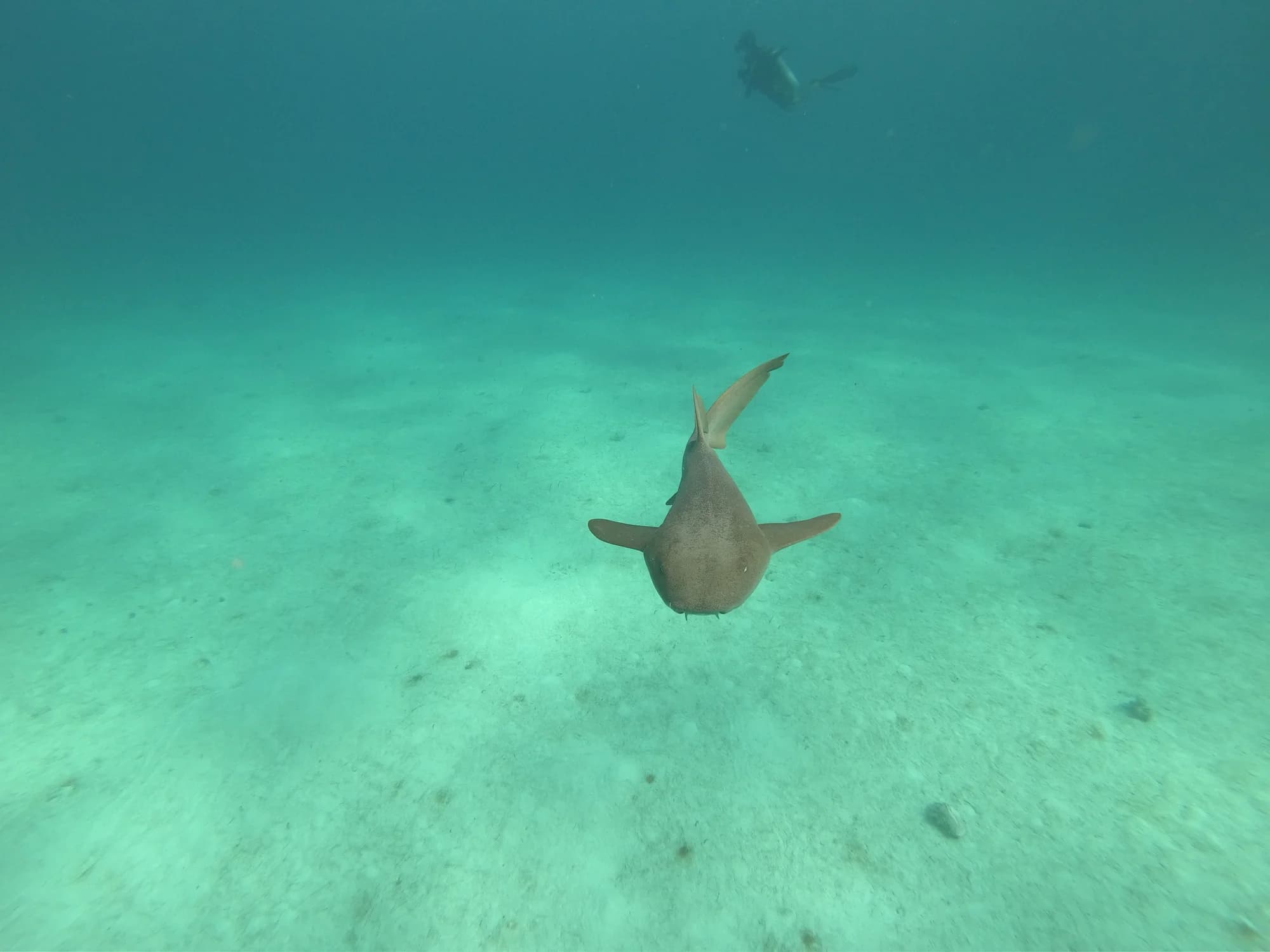
Nurse Shark
Destination note
May rest beneath ledges during the day; observe without touching or crowding.
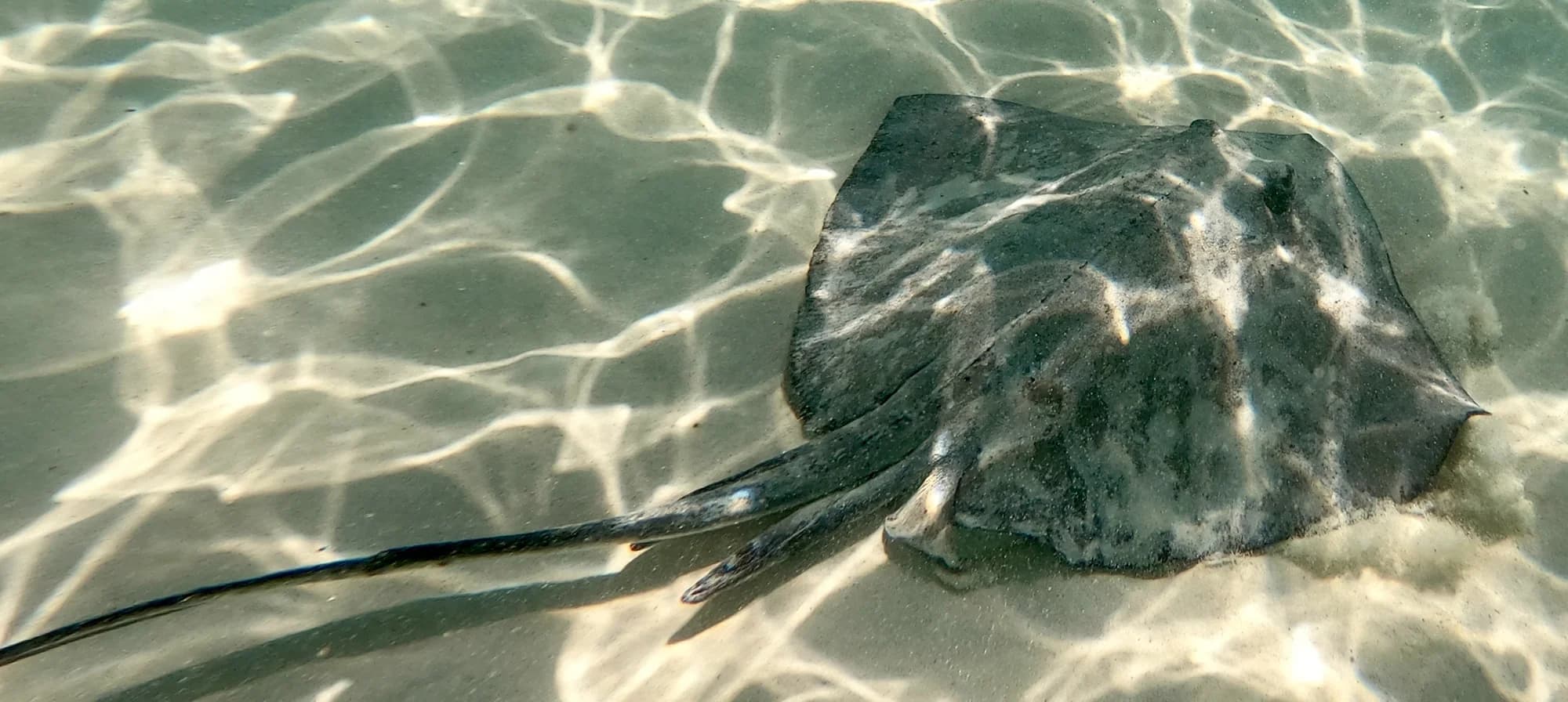
Southern Stingray
Destination note
Common on sandy channels and reef margins; give resting rays a wide berth and never pursue them.
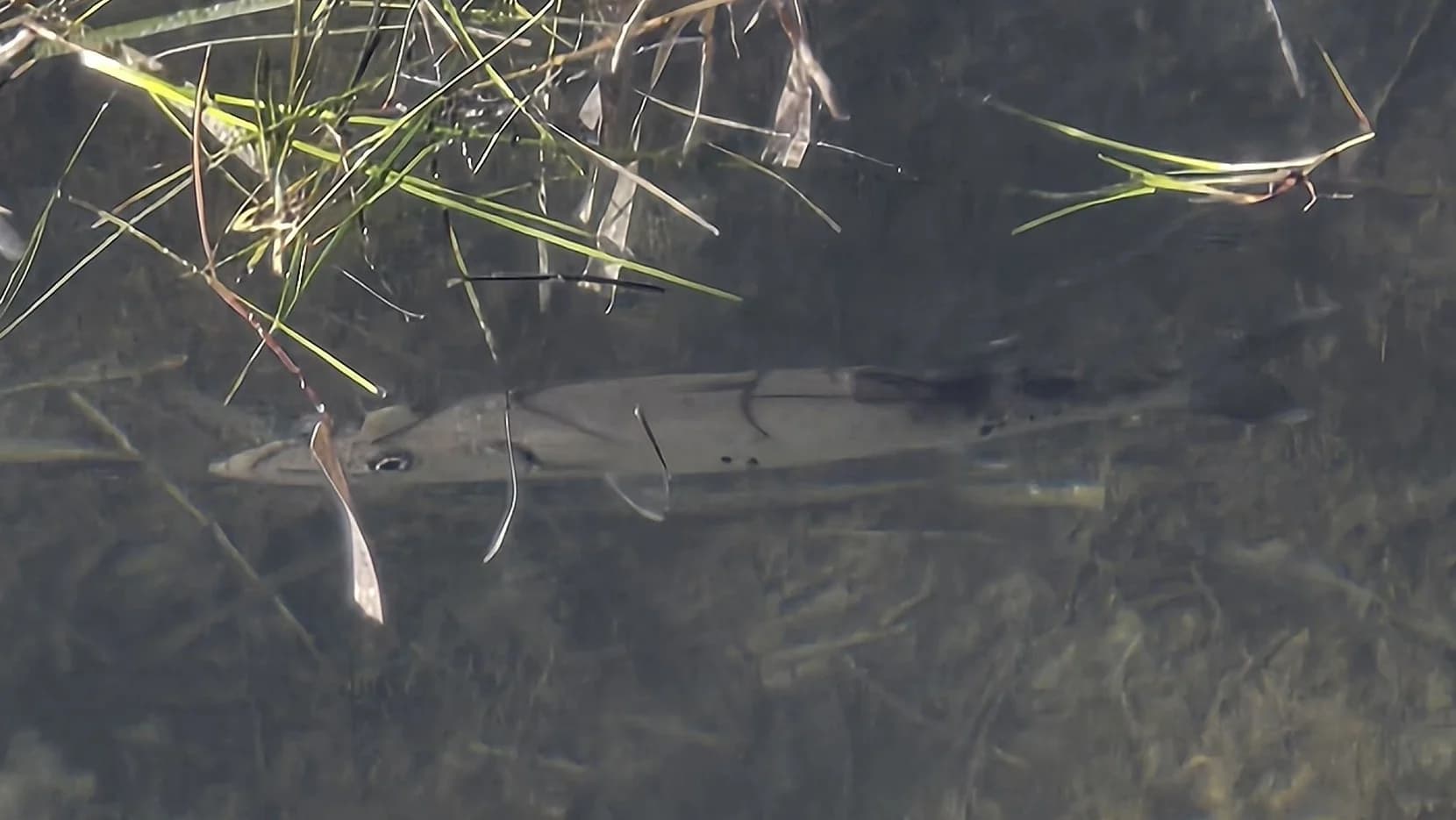
Great Barracuda
Destination note
Often holds position above reef ridges, wreck structure and sandy channels.
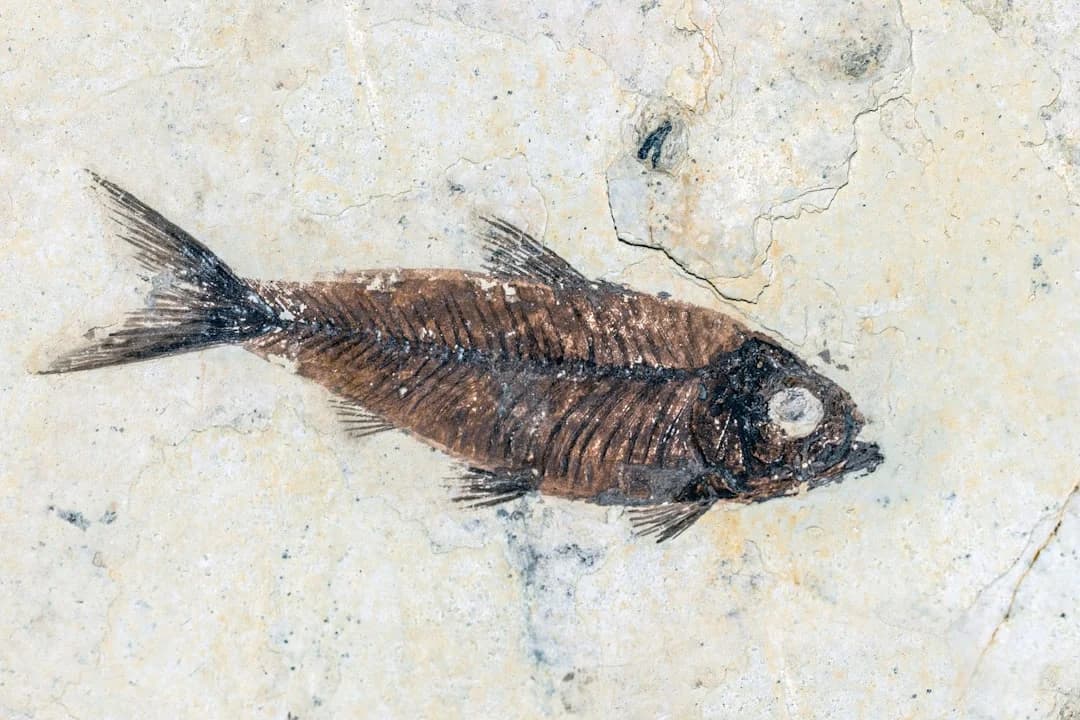
Porcupinefish
Destination note
Usually rests under ledges or near reef crevices by day; never provoke inflation for a photograph.
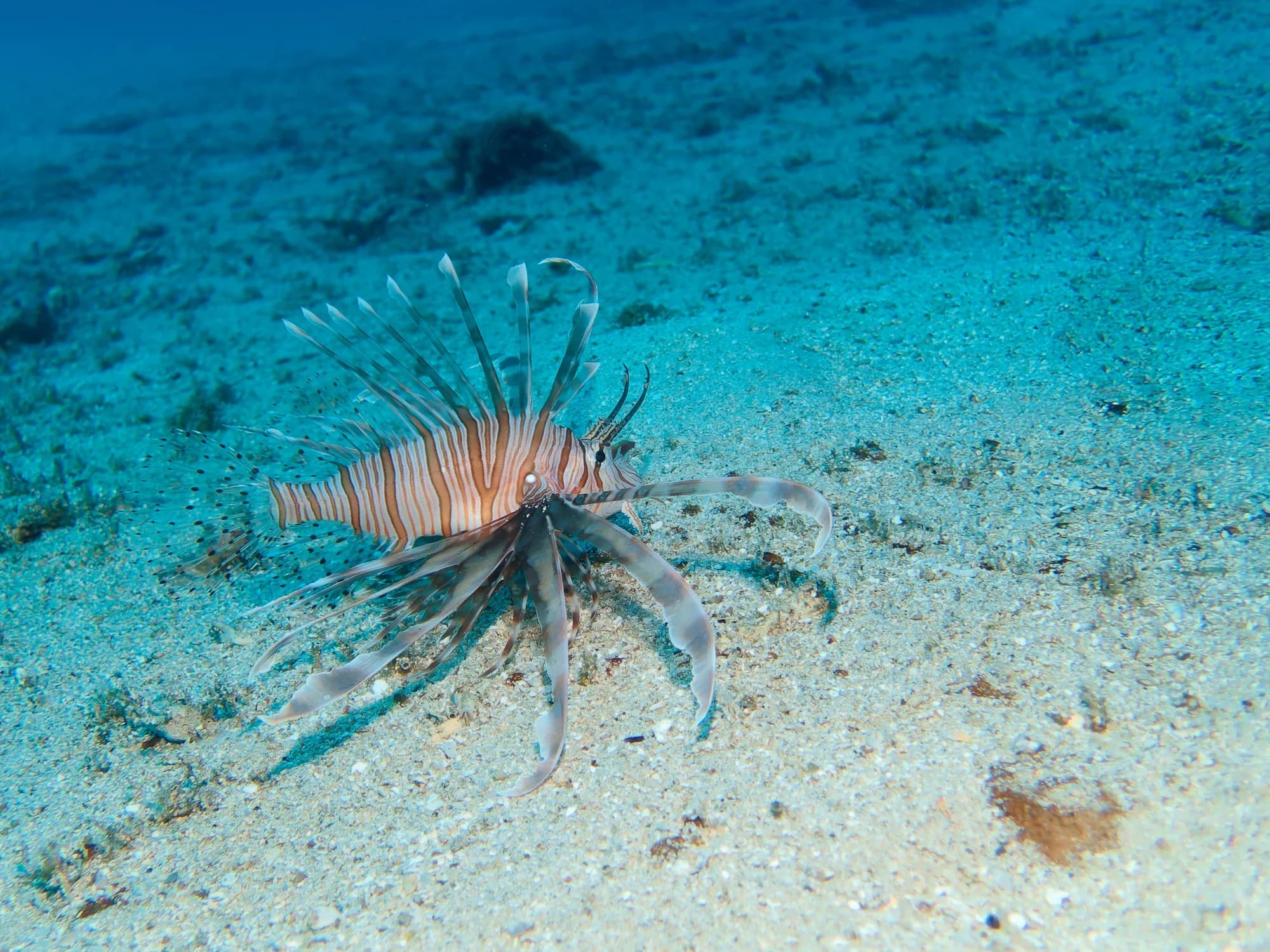
Common Lionfish
Destination note
An introduced Caribbean predator found on reef structure; never touch it and follow local guidance on reporting or control.
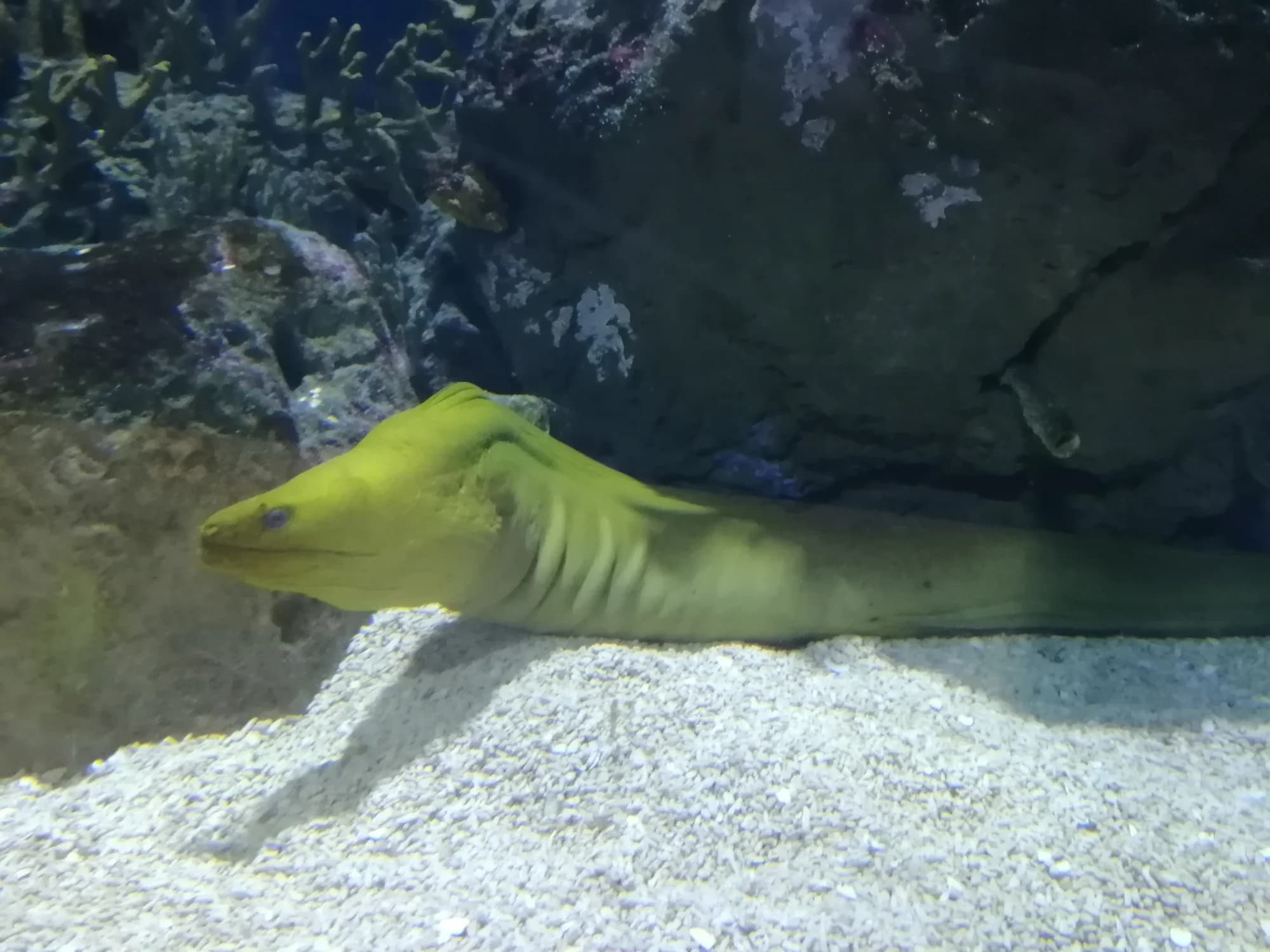
Green Moray Eel
Destination note
Search carefully in reef crevices and under ledges; never place hands near holes.
No dive shops are listed for this destination yet.
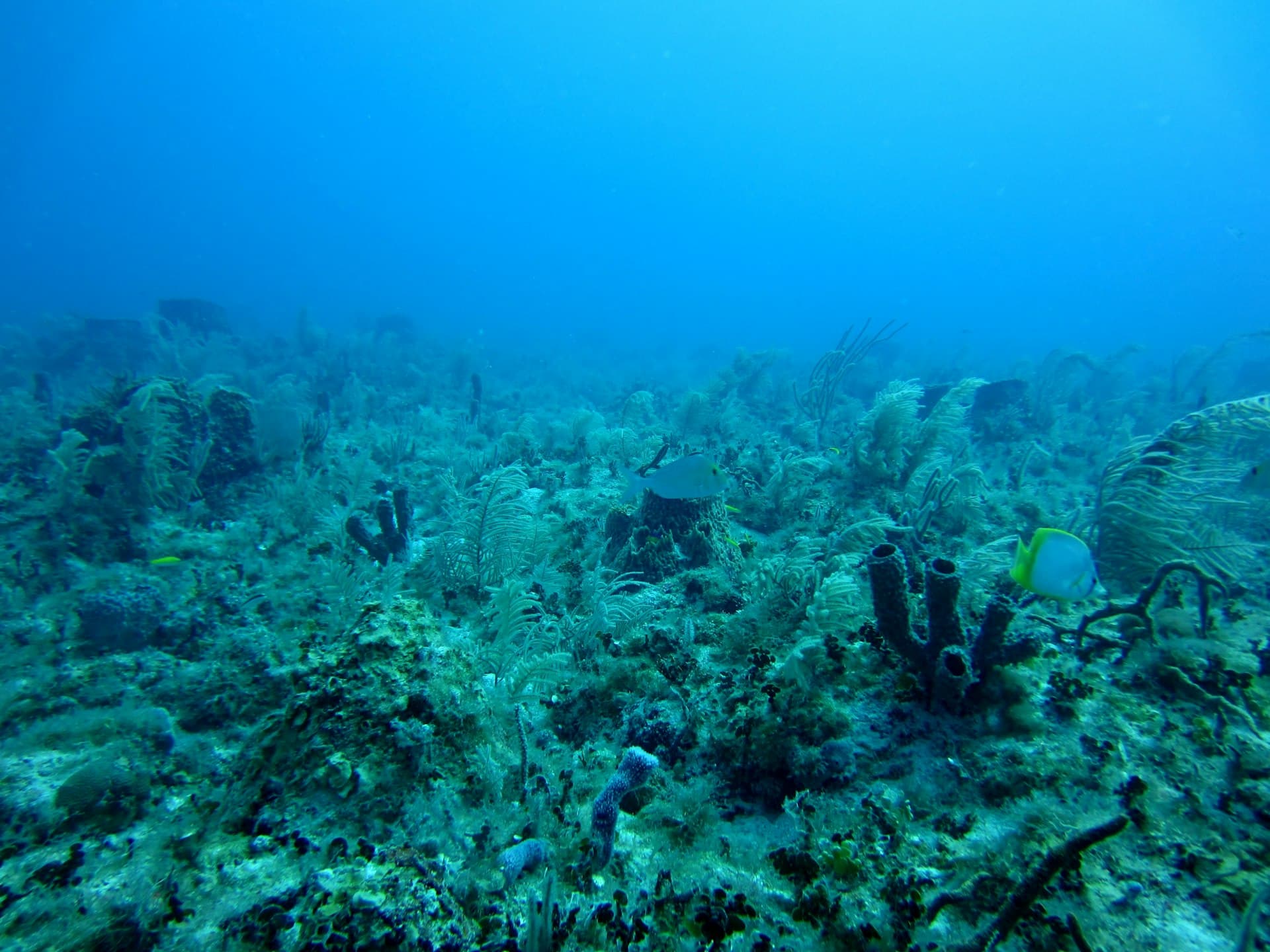
Ranked guide to Playa del Carmen's best local dive sites, with depths, currents, skill fit, seasonal wildlife, and practical planning details.
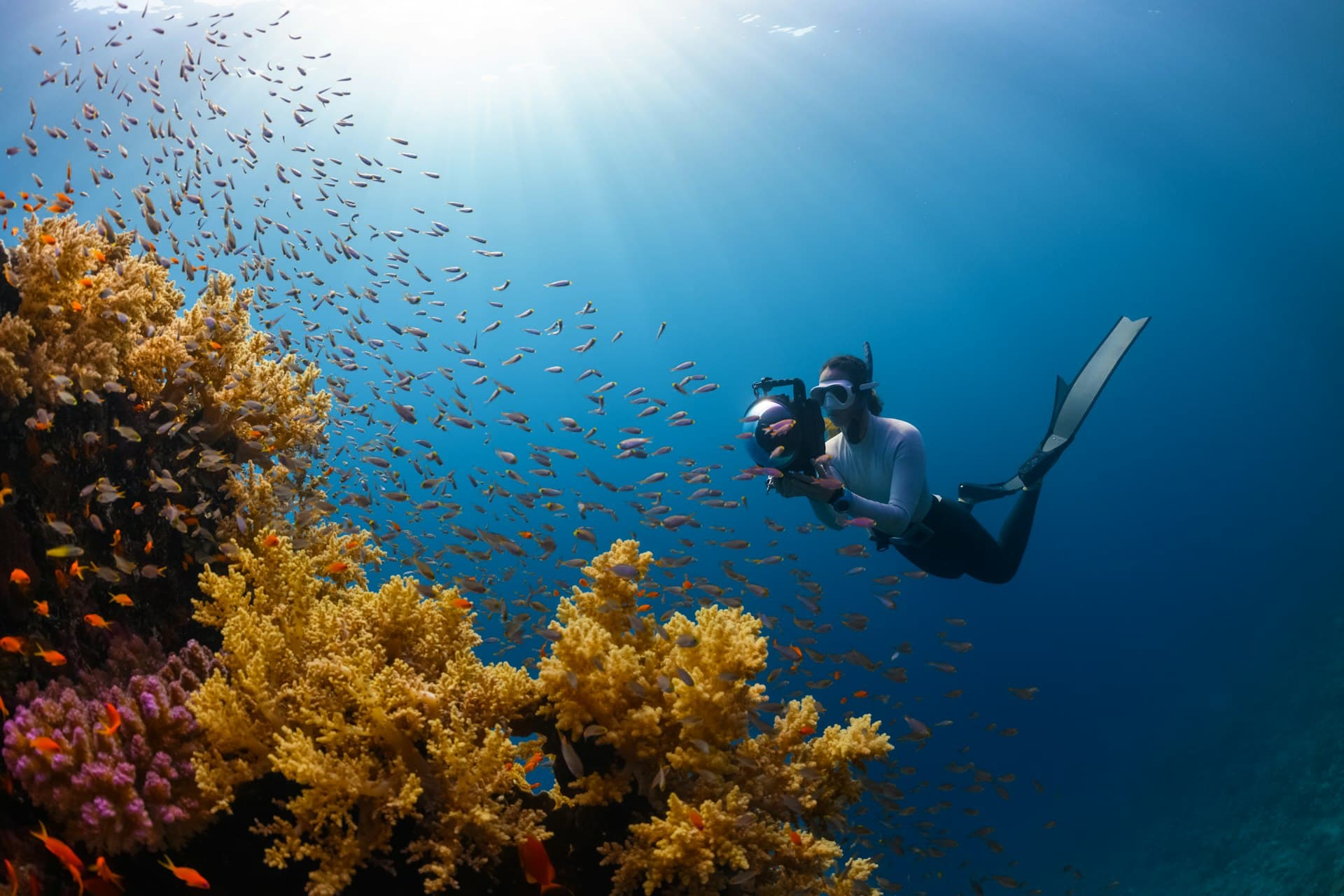
Plan local reef, wreck, and bull shark dives in Playa del Carmen with site picks, seasonal conditions, marine life, and skill-level advice.
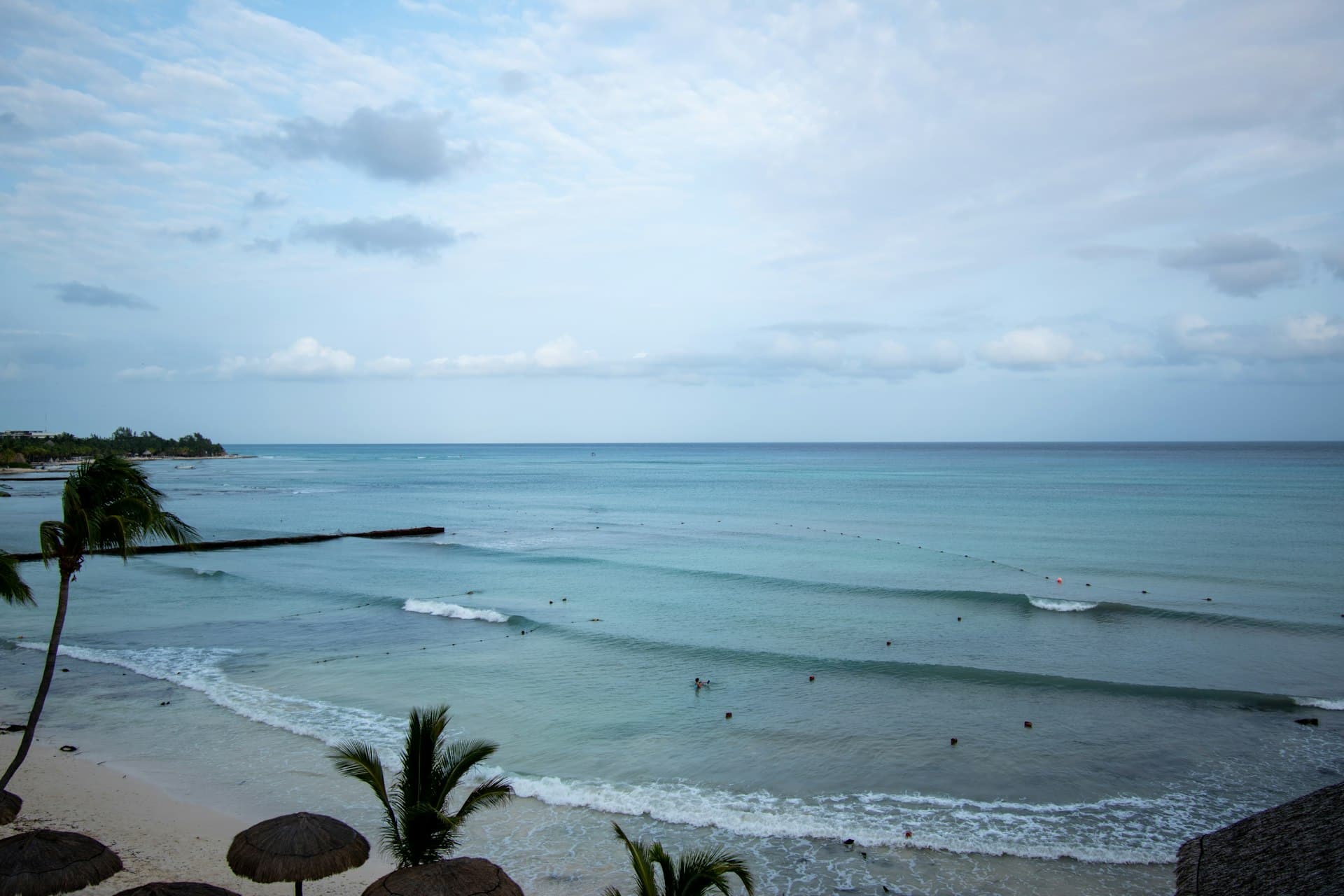
Compare Playa del Carmen water temperature, visibility, currents, rain, port closures, and seasonal marine life for every month of the year.
Offline access, dive log, AI fish ID, live site maps, and trip planning.
Download on the App Store