Indonesia
Diving in Nusa Penida
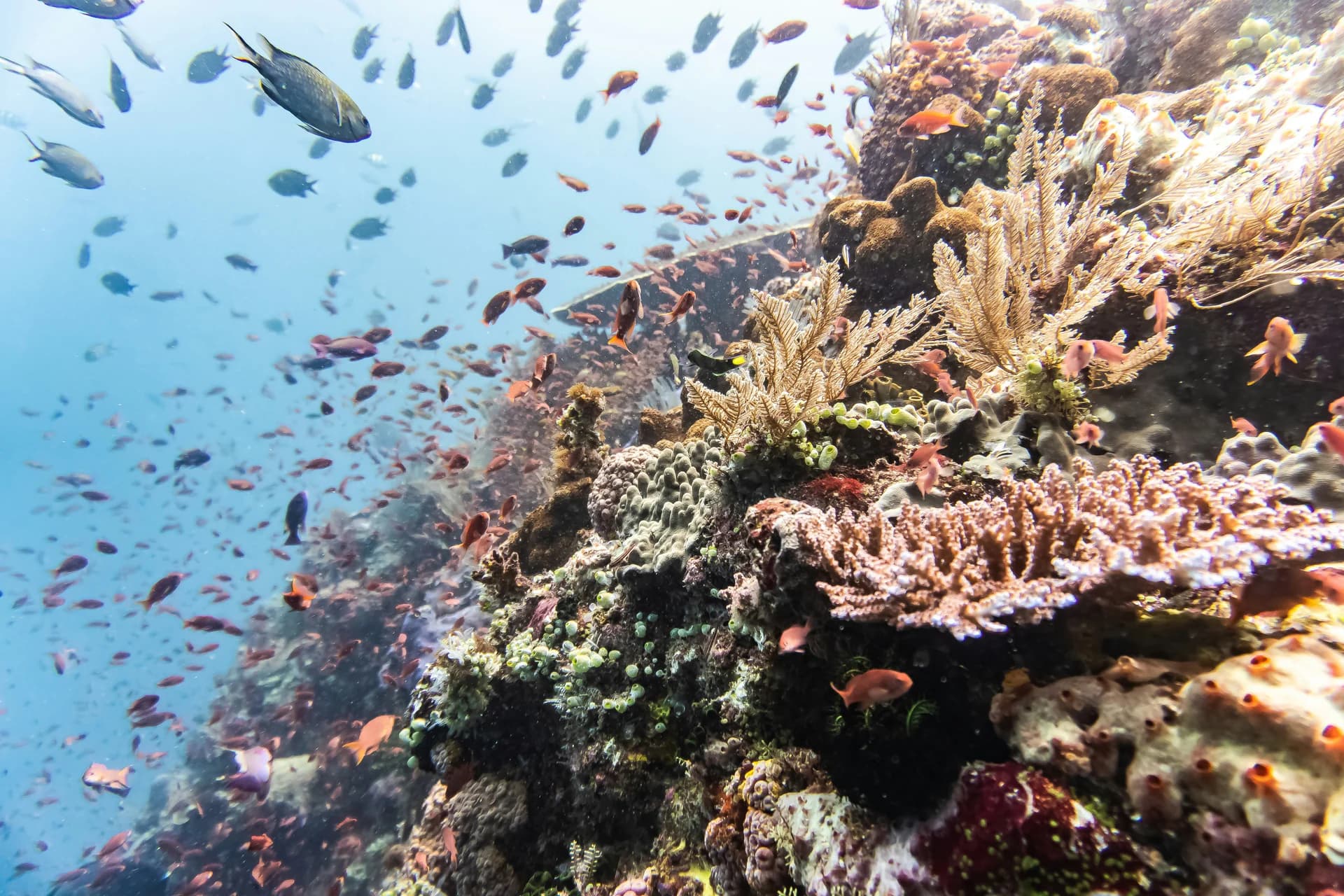
Photo: Johnny Africa / Unsplash
Nusa Penida is Bali's premier pelagic diving destination, where the Indonesian Throughflow Current funnels nutrient-rich water through the Lombok Strait, creating one of the few places on Earth where divers can encounter both reef manta rays and oceanic mola mola on the same trip. The largest of three islands off Bali's southeastern coast, Nusa Penida features dramatic limestone cliffs plunging into deep water, world-class drift diving along current-swept walls, and the Nusa Penida Marine Protected Area (200 km²) — a Mission Blue Hope Spot and Indonesia's first IMO Particularly Sensitive Sea Area. The north coast offers accessible fringing reefs with exceptional coral health including 200-year-old brain corals at SD Point, while the south coast delivers open-ocean cleaning stations where mantas queue year-round. From July to October, cold-water upwellings bring the heaviest bony fish in the world — the mola mola — to within recreational depths at Crystal Bay. With 30+ named dive sites, water temperatures ranging from 18°C to 29°C, and visibility reaching 30m in peak season, Nusa Penida rewards divers of all levels — from beginners at the sheltered Manta Bay to advanced drift specialists at Blue Corner. Beyond diving, the island's rugged interior holds sacred temples, the iconic T-Rex-shaped Kelingking cliff, and a spiritual culture rooted in Balinese Hinduism. Access is via a 30–45 minute fast boat from Sanur, making it the most accessible world-class pelagic destination in Indonesia.
Explore the map
Select a pin to learn more. Use the zoom buttons or pinch to zoom.
Loading map…
Places on this map (53)
26 places have no verified map location yet. Browse the page lists for more places.
Conditions
18–29 °C
10–30 m
3–40 m
Strong
May–October (dry season, best visibility, mola mola peak Jul–Oct)
| Month | Summary |
|---|---|
| Jan | Warm water (27–29°C) with afternoon rain showers. South coast sites can be affected by monsoon swell — north coast sites remain reliably diveable. Mantas active year-round at Manta Point. Visibility 15–20m. |
| Feb | Similar to January — warm water and occasional showers. February typically has the highest rainfall of the year. North coast drift dives are the go-to choice. Fewer day-tripper crowds from Bali, making for quieter dive sites. |
| Mar | Transition month — rainfall decreasing, water still warm (28–29°C). Manta encounters remain reliable. South coast sites improving as swell subsides. A good month for combining north coast drift dives with Manta Point trips. |
| Apr | Conditions improving noticeably as dry season approaches. Water 27–28°C, visibility climbing to 18–22m. Peak manta season begins — both Manta Point and Manta Bay delivering excellent encounters. North coast coral gardens in prime condition. An ideal month before peak-season crowds arrive. |
| May | Prime diving month — dry season settling in, water 26–28°C, visibility 20–25m. Excellent conditions across all sites. Manta season at its peak with reliable encounters. Last comfortable month before cold-water upwellings begin. North coast drift dives at their finest. |
| Jun | Dry season peak begins. Water cooling to 22–26°C, visibility reaching 25–30m. First mola mola sightings of the season possible late in the month. 5mm wetsuit now recommended. Crystal Bay outer slope begins delivering — this is when the cold-water pelagic action starts. High season crowds on the island. |
| Jul | Mola mola season in full swing — this is the month divers travel for. Water 20–24°C with thermoclines dropping to 16–18°C at depth. 5mm wetsuit essential. Crystal Bay, Blue Corner, and Toyapakeh are the prime mola sites. Visibility 25–30m. North coast drift dives remain excellent. Mantas still present year-round. Busiest month on the island — book boats and guides in advance. |
| Aug | Peak mola mola month — coldest water of the year (18–24°C), clearest visibility (25–30m). This is the prime window for encountering oceanic sunfish at cleaning stations. Crystal Bay at dawn offers the best chances before crowds arrive. Strong currents and cold thermoclines make this advanced-diver territory at the deeper sites. 5mm wetsuit mandatory. |
| Sep | Mola mola season winding down but still productive — sightings possible through late September. Water beginning to warm (21–25°C), visibility still excellent (22–28m). Fewer divers than August as peak crowds thin out. A sweet spot for those who want mola chances without the August intensity. North coast drift dives remain superb. |
| Oct | Transition month — water warming to 23–26°C, mola mola season ending but last sightings still possible early in the month. Visibility 20–25m, still excellent. Mantas remain reliable year-round. A quieter month with good conditions — an underrated window for divers who prioritize comfort over peak pelagics. 3mm wetsuit returning as viable option. |
| Nov | Rainy season begins but diving remains good. Water 26–28°C, visibility dipping to 15–20m but still very diveable. Afternoon showers typical — morning dives generally unaffected. South coast sites may see increasing swell. Manta encounters remain reliable. Quietest month for crowds — ideal for divers who prefer empty sites. |
| Dec | Warm water (27–29°C), afternoon rains, visibility 15–20m. North coast sites are the reliable choice as south coast may be affected by monsoon swell. Mantas active year-round. Holiday season brings increased tourist traffic to Bali, but Penida remains quieter than peak season. A good month for macro diving at the north coast sites and night dives at Ped. |
Dive Sites (27)
Batu Abah
8–25m · Intermediate
Cave channel · Swim-throughs · Dramatic lighting
Batu Mulapan
10–30m · Intermediate
Rock formations · Swim-throughs · Moray eels
Blue Corner
20–40m · Advanced
Extreme drift · Advanced only · Mola mola
Buyuk
5–30m · Beginner
Drift dive · Coral garden · Beginner friendly
Ceningan Bay
3–15m · Beginner
Macro photography · Shallow bay · Training site
Ceningan Wall
5–40m · Advanced
Vertical wall · Strong currents · Advanced only
Crystal Bay
5–40m · Advanced
Mola mola cleaning station · Split-level dive · Strong currents
Gamat Bay
5–30m · Intermediate
Macro photography · Caves · Protected bay
Marine Life (88)
 must-see
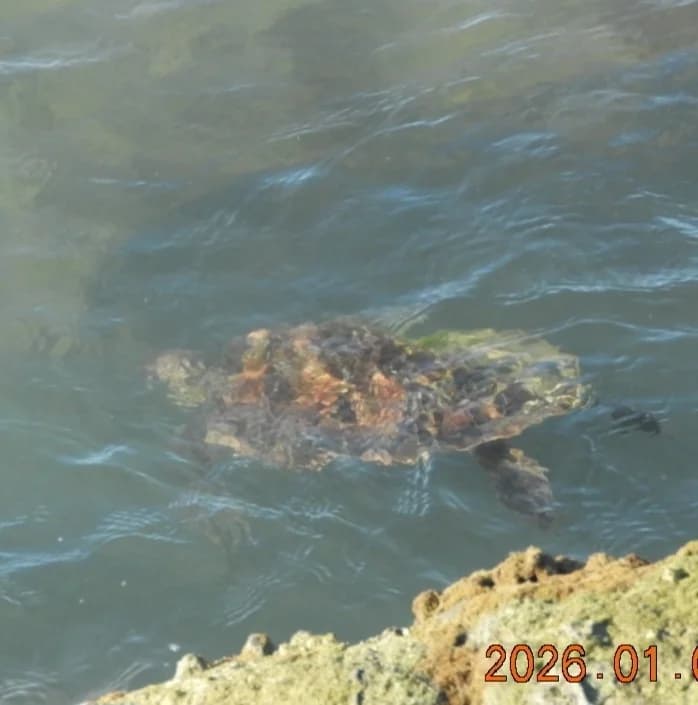
Green Sea Turtle
 must-see
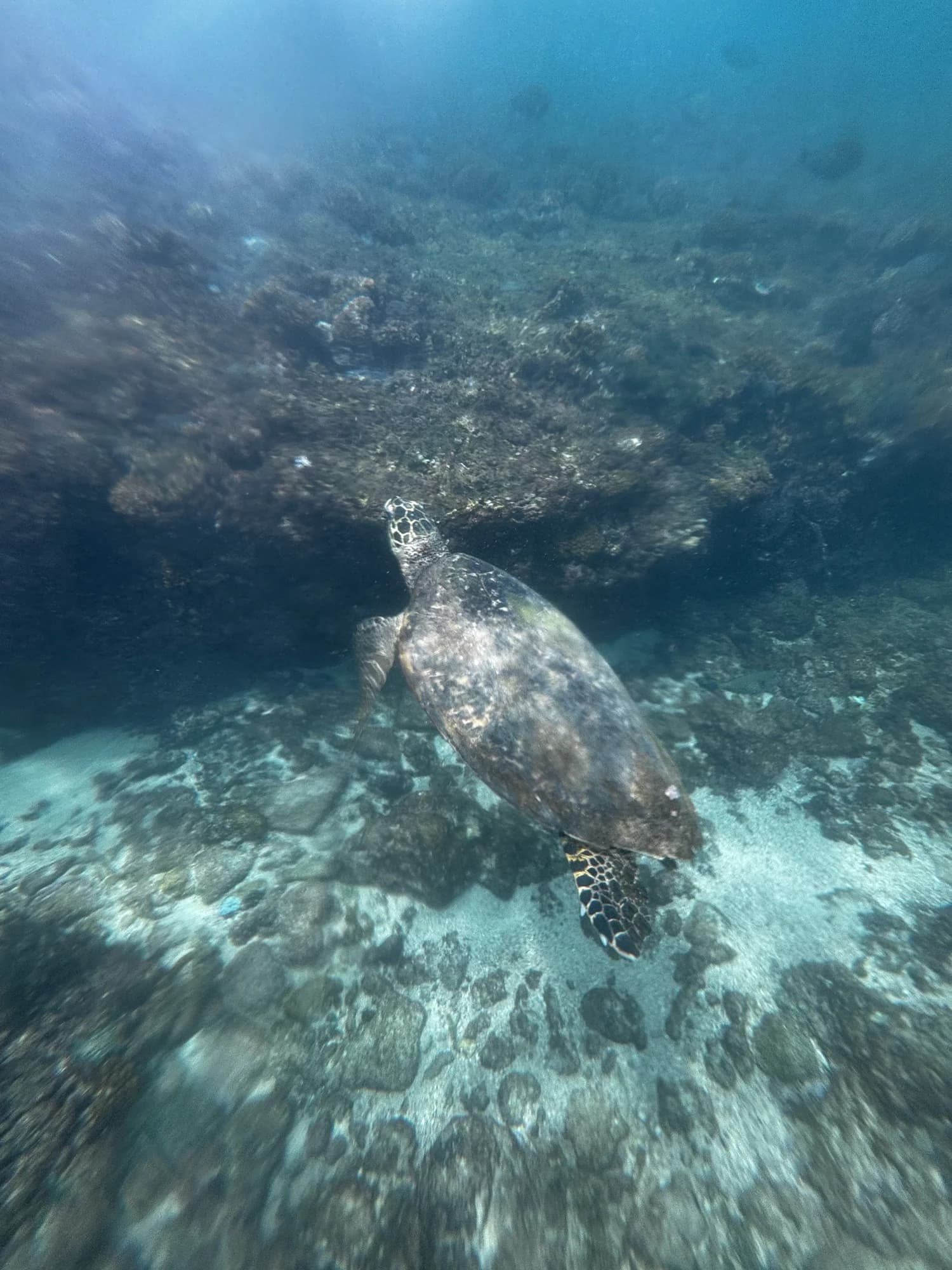
Hawksbill Turtle
 must-see
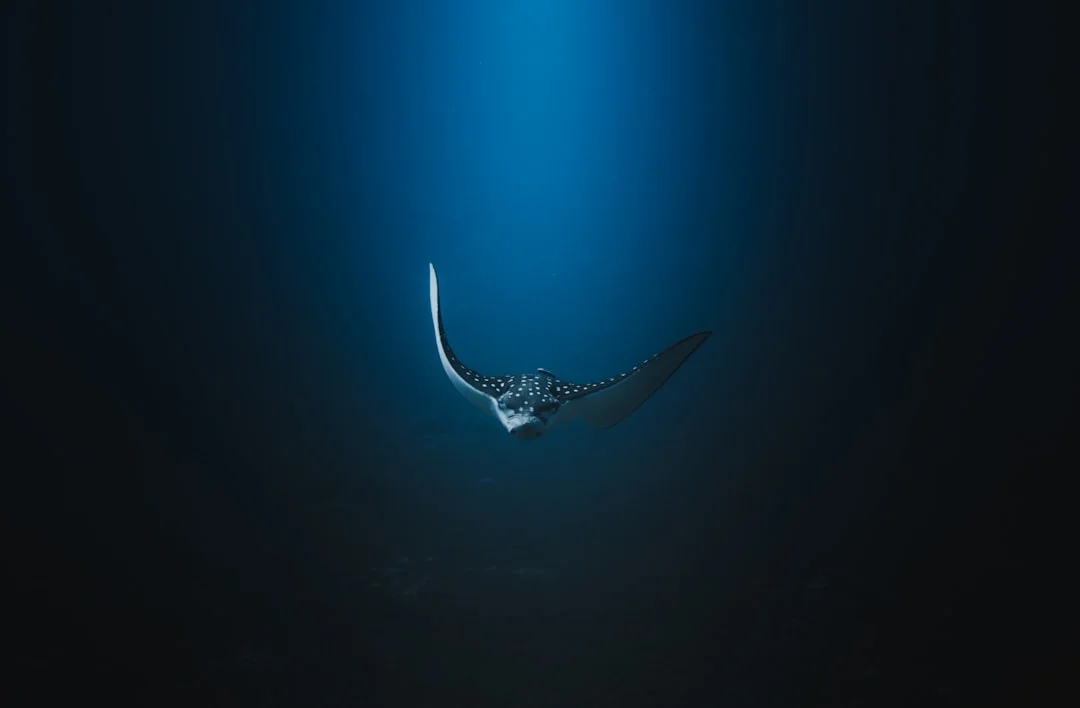
Spotted Eagle Ray
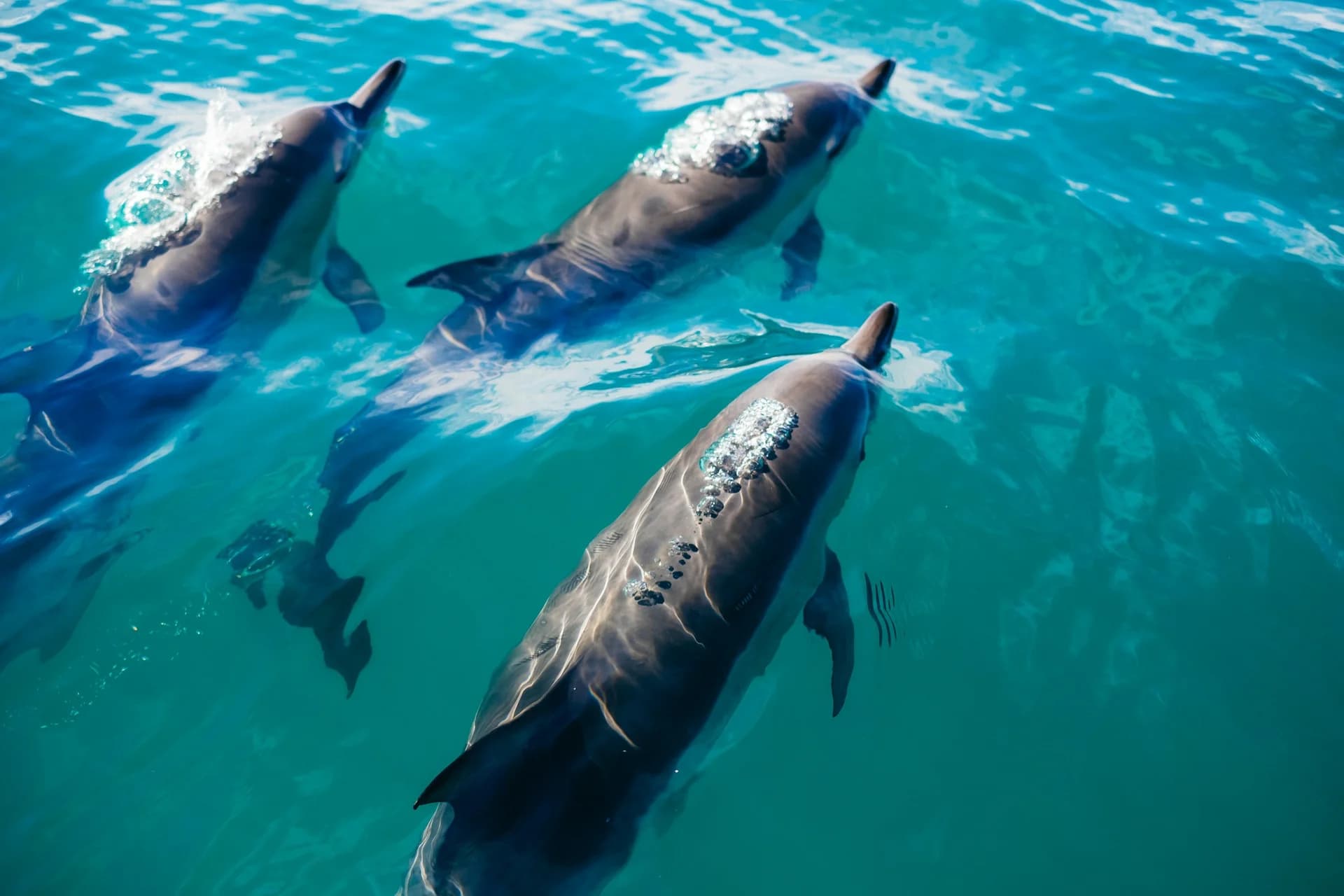 must-see
Atlantic Bottlenose Dolphin
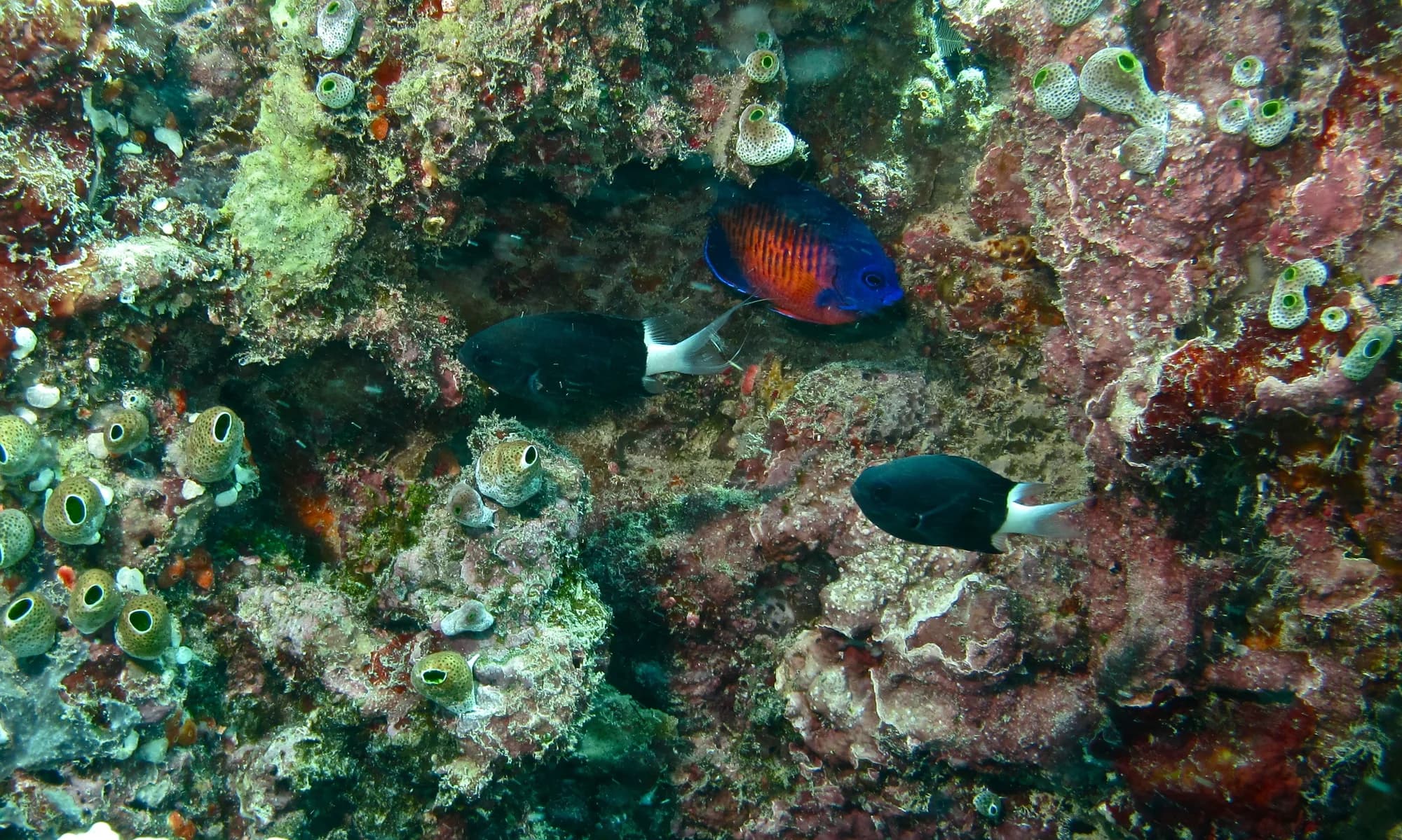 must-see
Coral Beauty Angelfish
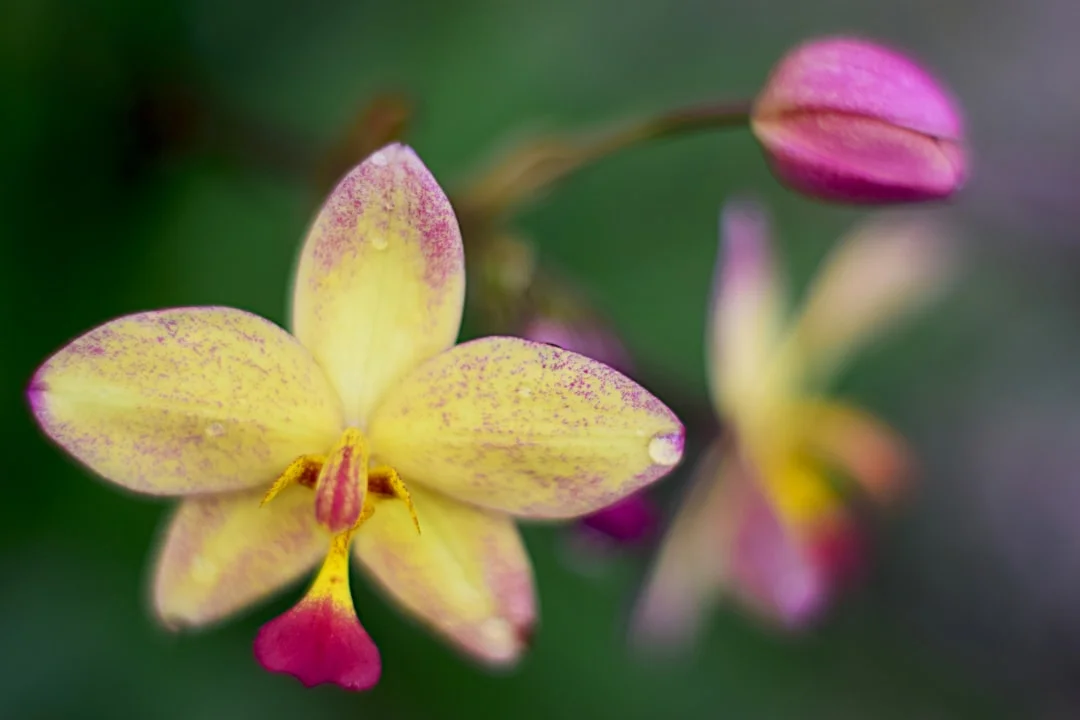 must-see
Yellowback Anthias
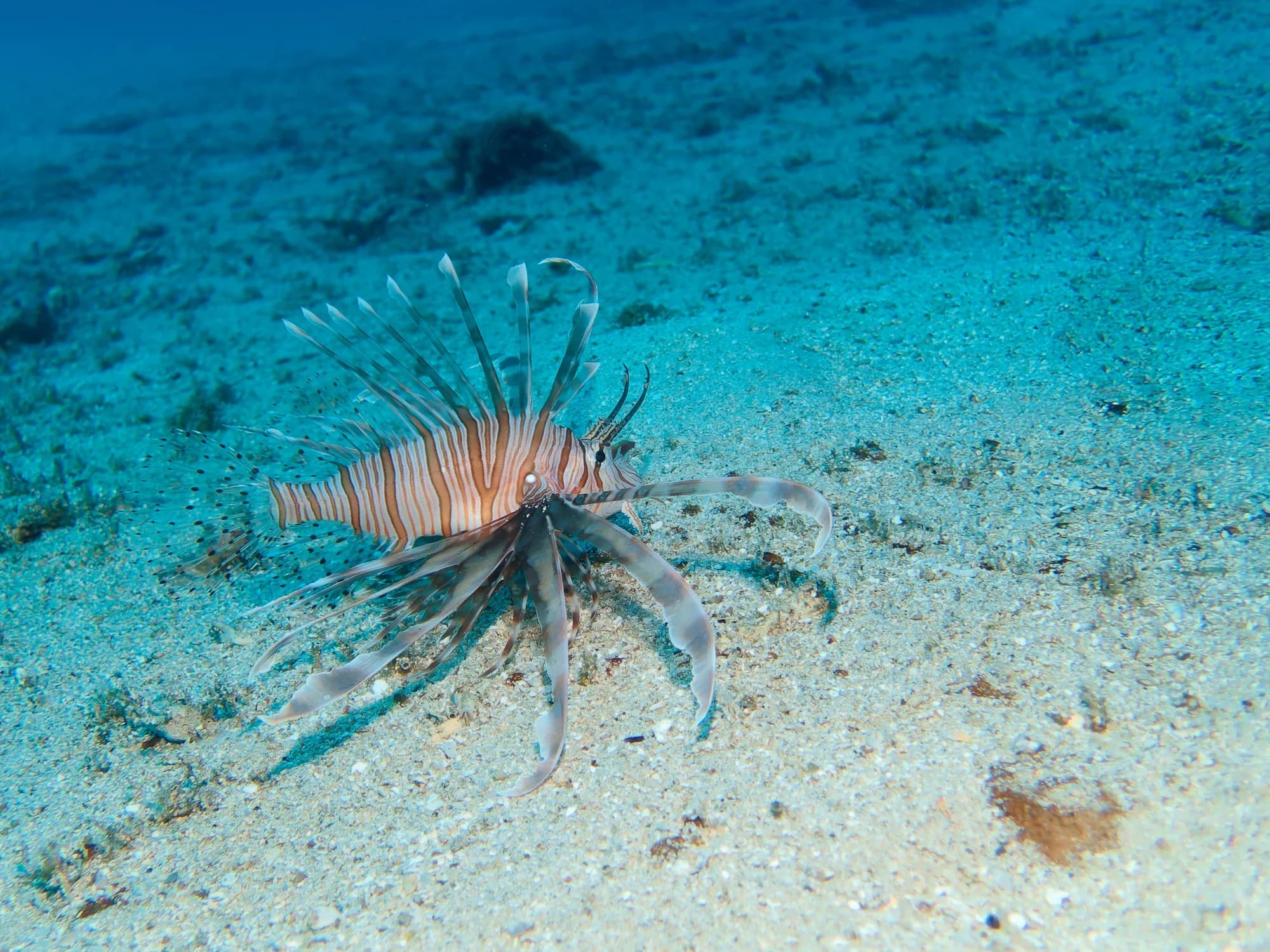
Common Lionfish
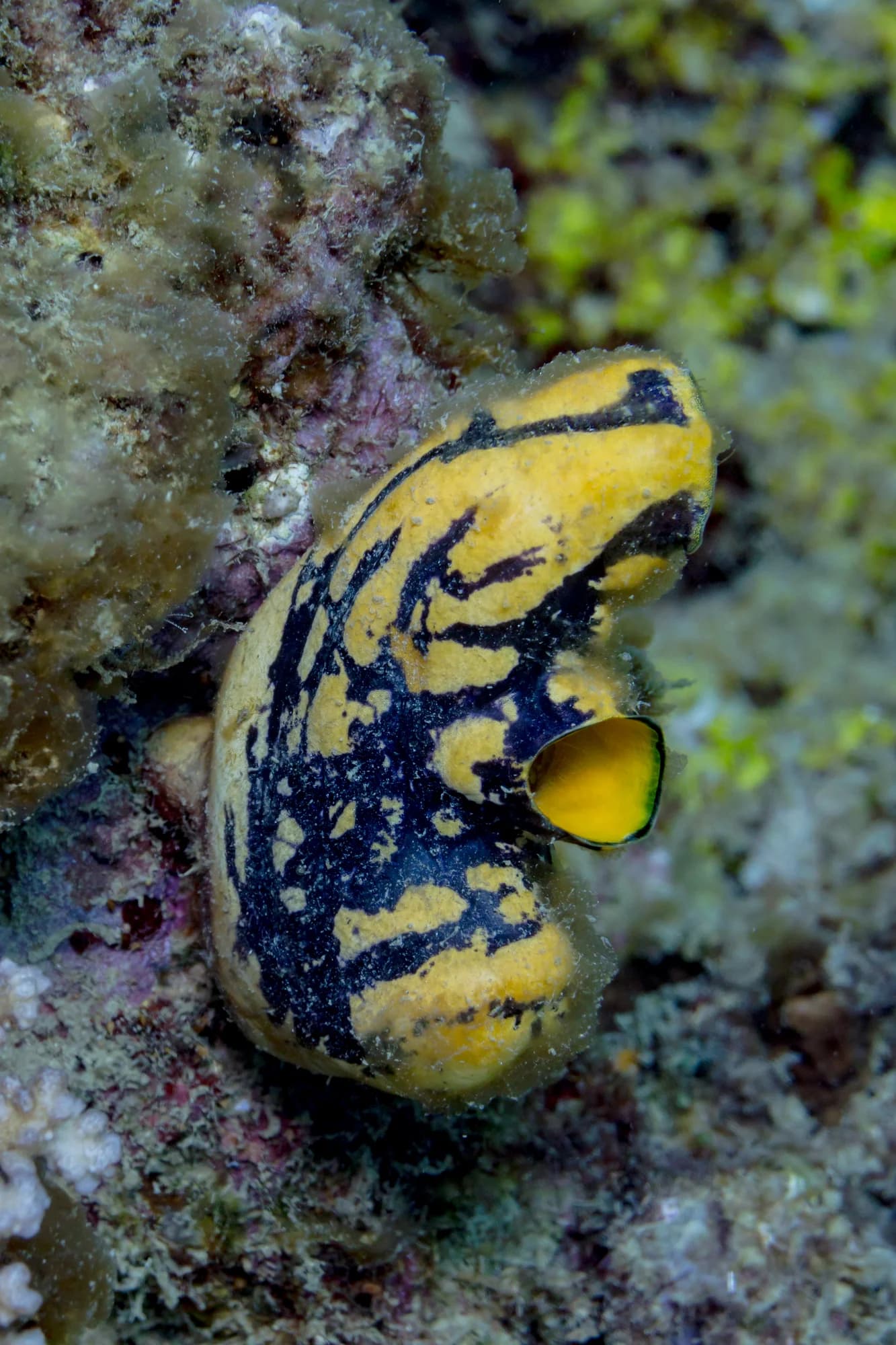
Gold-mouth Sea Squirt
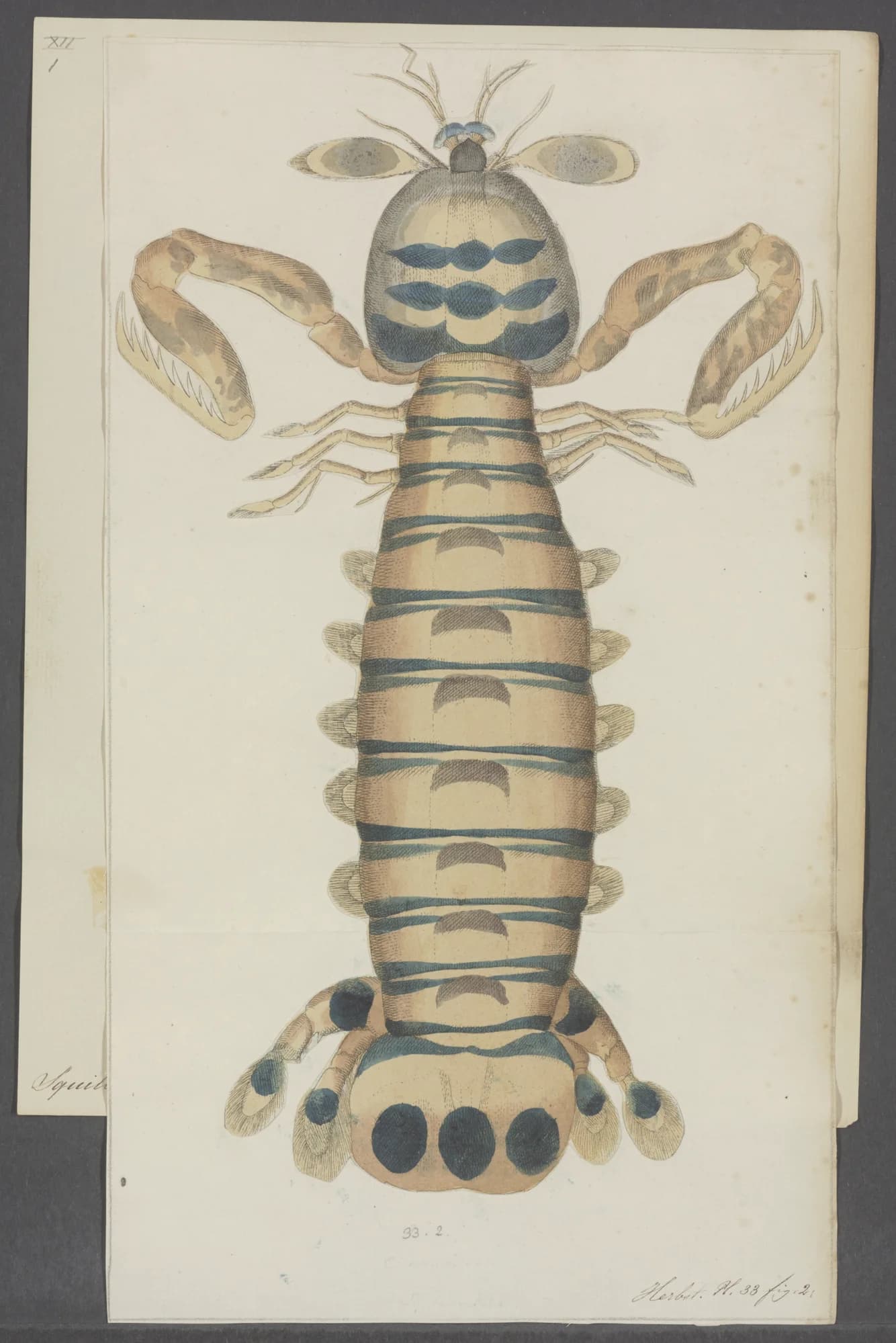
Zebra Mantis Shrimp
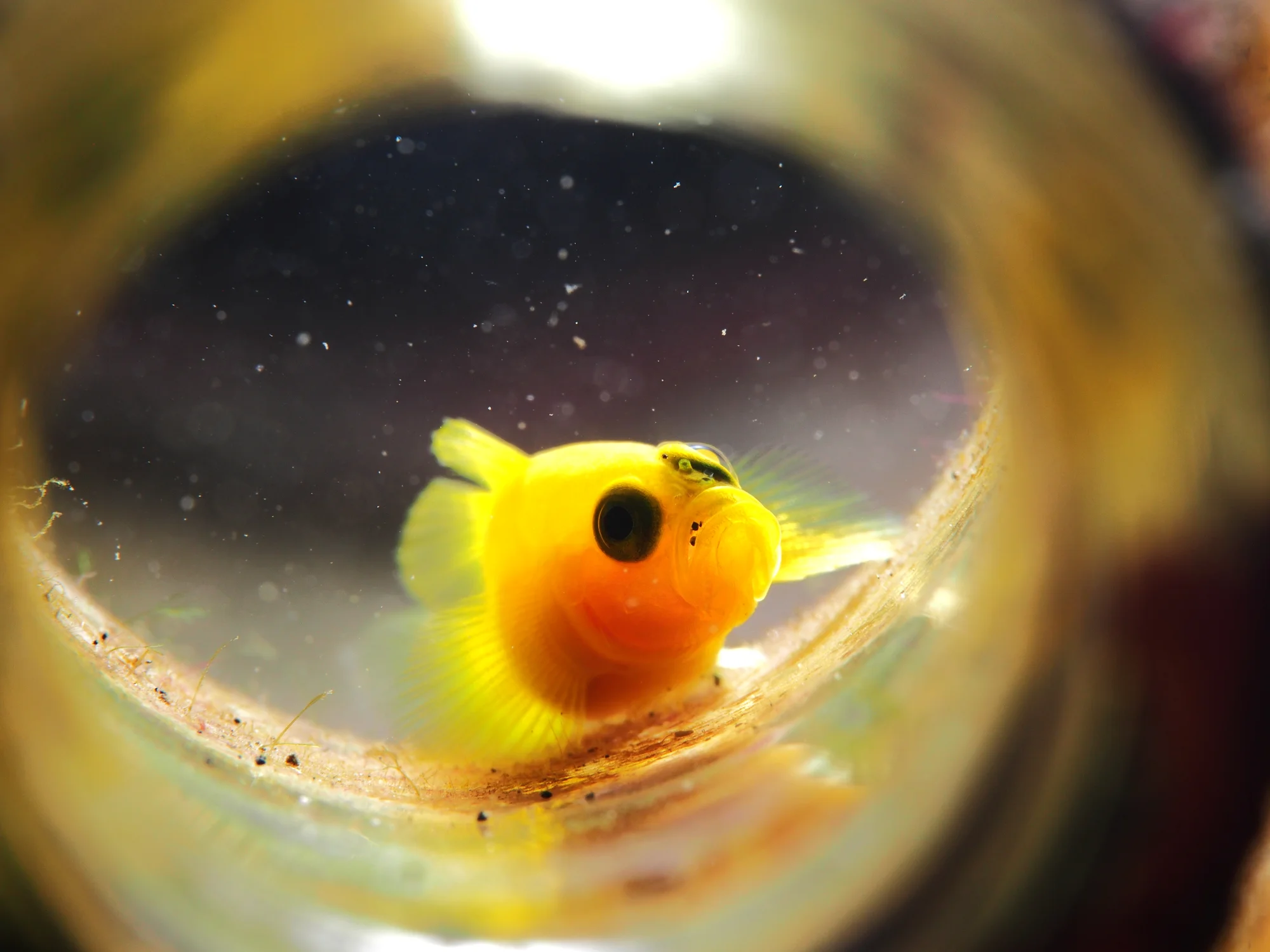
Yellow Clown Goby
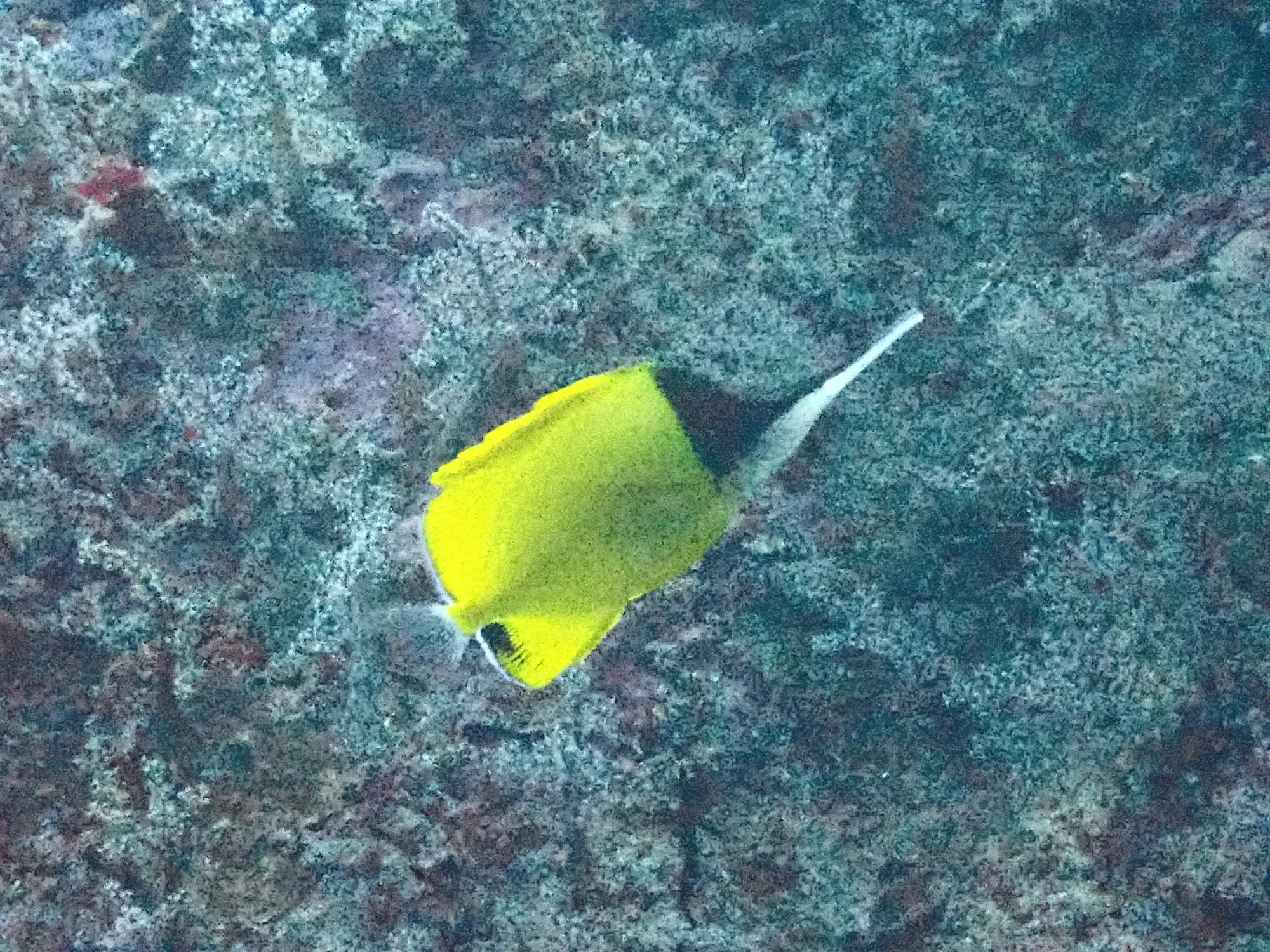
Longnose Butterflyfish
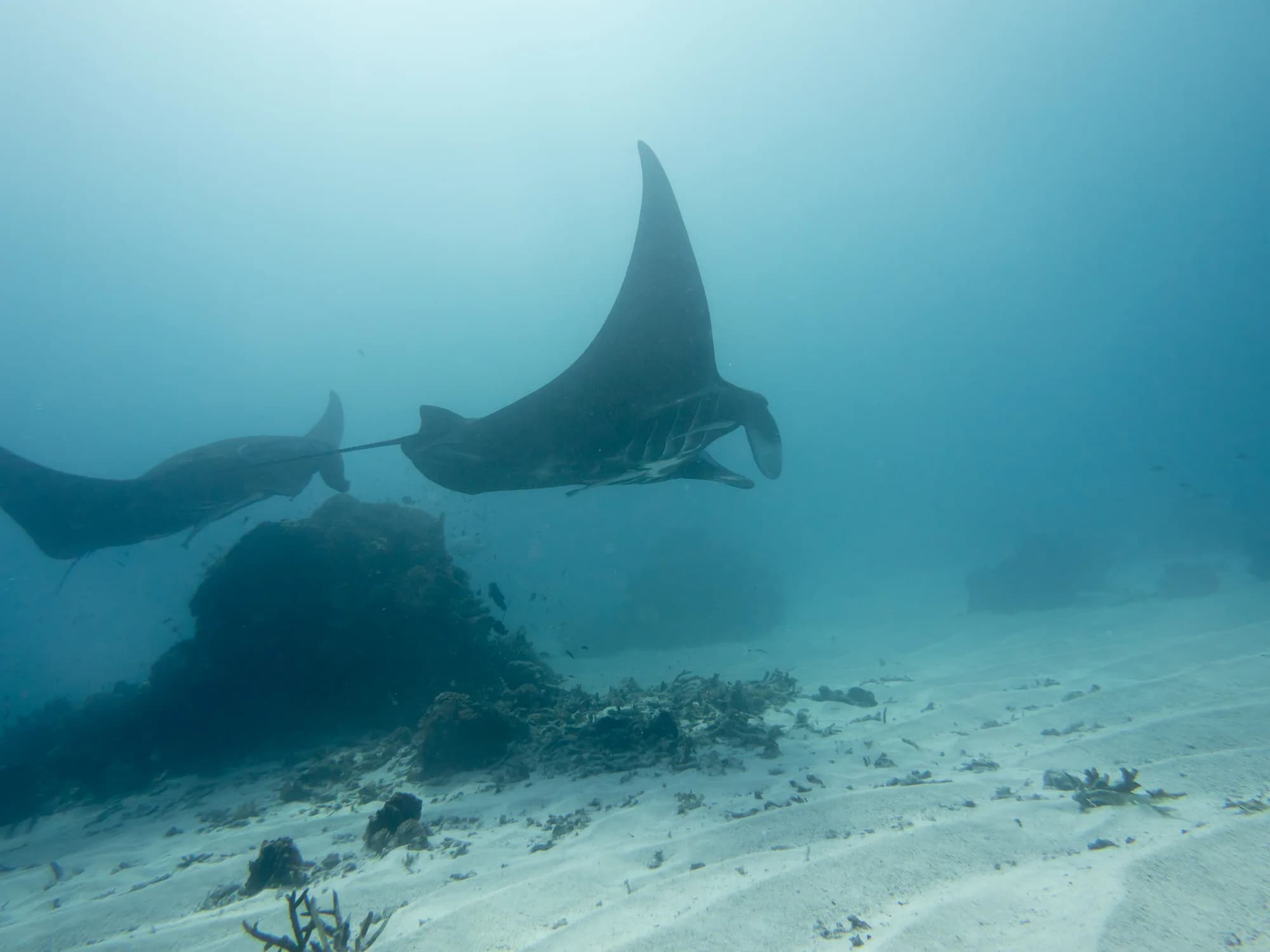
Reef Manta Ray
Dive Shops (52)
World Diving Lembongan
Mambo Dive Center Nusa Penida | Dive Resorts & Dive Center | Diving & Snorkeling
Dive Concepts Lembongan
Bali Diving Academy Lembongan
French Kiss Divers Lembongan
DUNE Penida Dive Resort
MANTASCAPE DIVING
nusapenidadivecenter
Octopus Dive Nusa Penida | Estd.2013
Scuba Center Asia Lembongan
Nusa Scuba Diver
Big Fish Diving Lembongan
Scuba Junkie Penida
DPM diving Nusa Penida
Two Fish Divers Penida
Freediving Penida by Pure
Mambo Beach Hotel and Resort Nusa Penida | Beachfront Dive Resort in Nusa Penida
Pura Vida Diving Nusa Penida
Purple Dive Nusa Penida
Tamarind Divers
Blue Corner Dive & Marine Conservation - Nusa Lembongan
Pure Dive Resort, Nusa Penida Diving
Freedive Nusa - Freediving School
Karma Diving - Nusa Penida
Blue Corner Dive Penida
Legend Diving Penida
Diving-Indo
Reeflex Divers Nusa Penida
Temple Dive Center
Fluid Focus Freedive Lembongan | Freediving Bali
Lembongan Discovery Dive
Plongée Bali Francophone
Siren Diving Lembongan
Lembongan Dive Center
Deep Roots Dive & Yoga Resort
Sober Diving Center
Bali Hai Diving Adventures Lembongan
Neptune Scuba Diving Bali
Bali Aqua - Nusa Penida Dive Center
Ceningan Divers
Legend Diving Lembongan
Nomads Diving
Dune Penida dive shop
Emperor Divers Lembongan
Jukung Dive Resort Penida
Noosa Dive Resort
Lukya ping Poseidon Diving & Snorkel Equipment Nusa Penida
Maybe Diver & Fixhub
Nusablu Diving Penida
Dive Hub Penida
Bali Fun Diving
Bali Aqua Dive Center
Guides
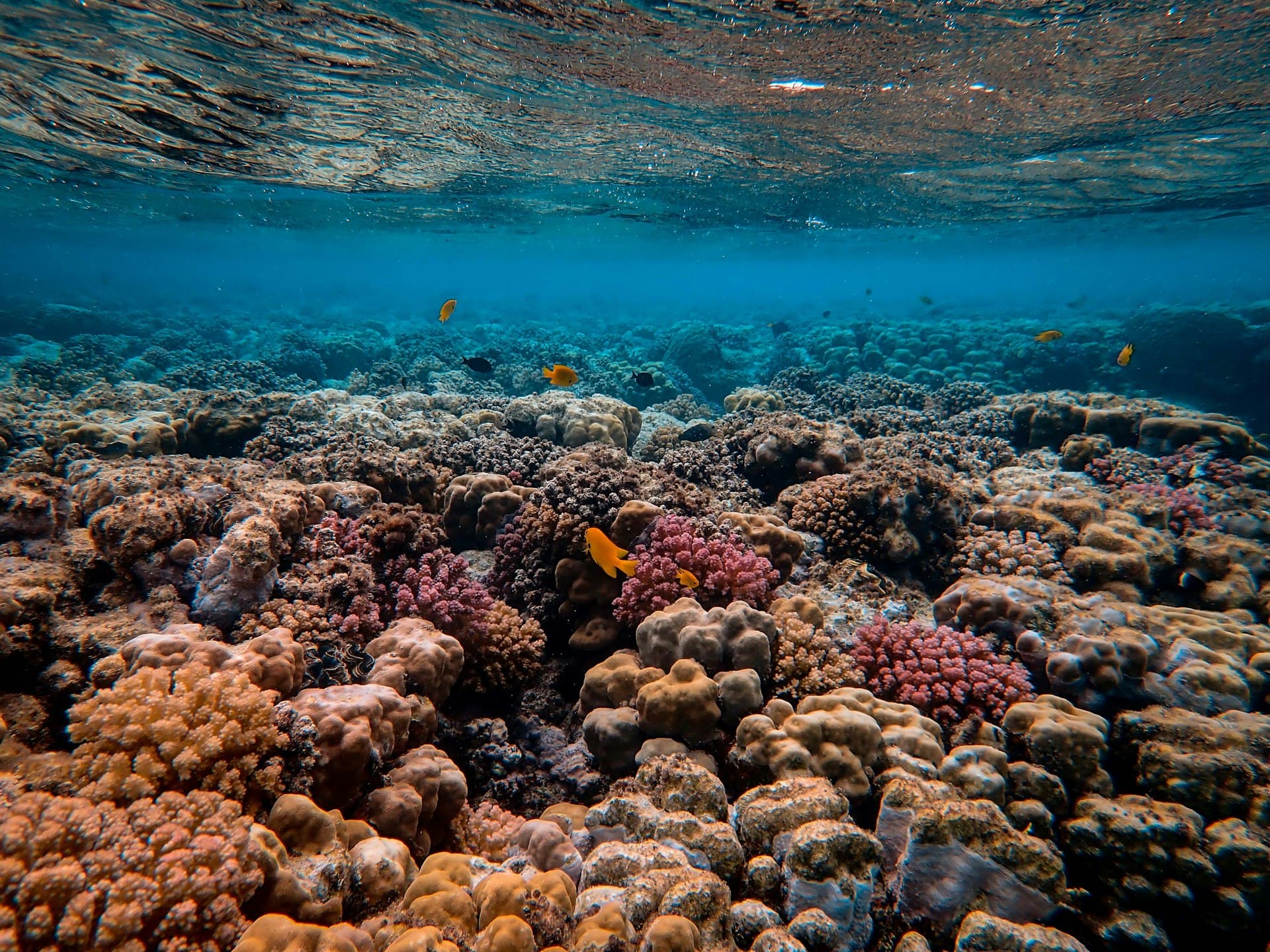
Top 10 Dive Sites in Nusa Penida: A Complete Guide
From Manta Point to Crystal Bay, compare Nusa Penida's best dive sites. Depths, difficulty, marine life, and practical tips for every level.
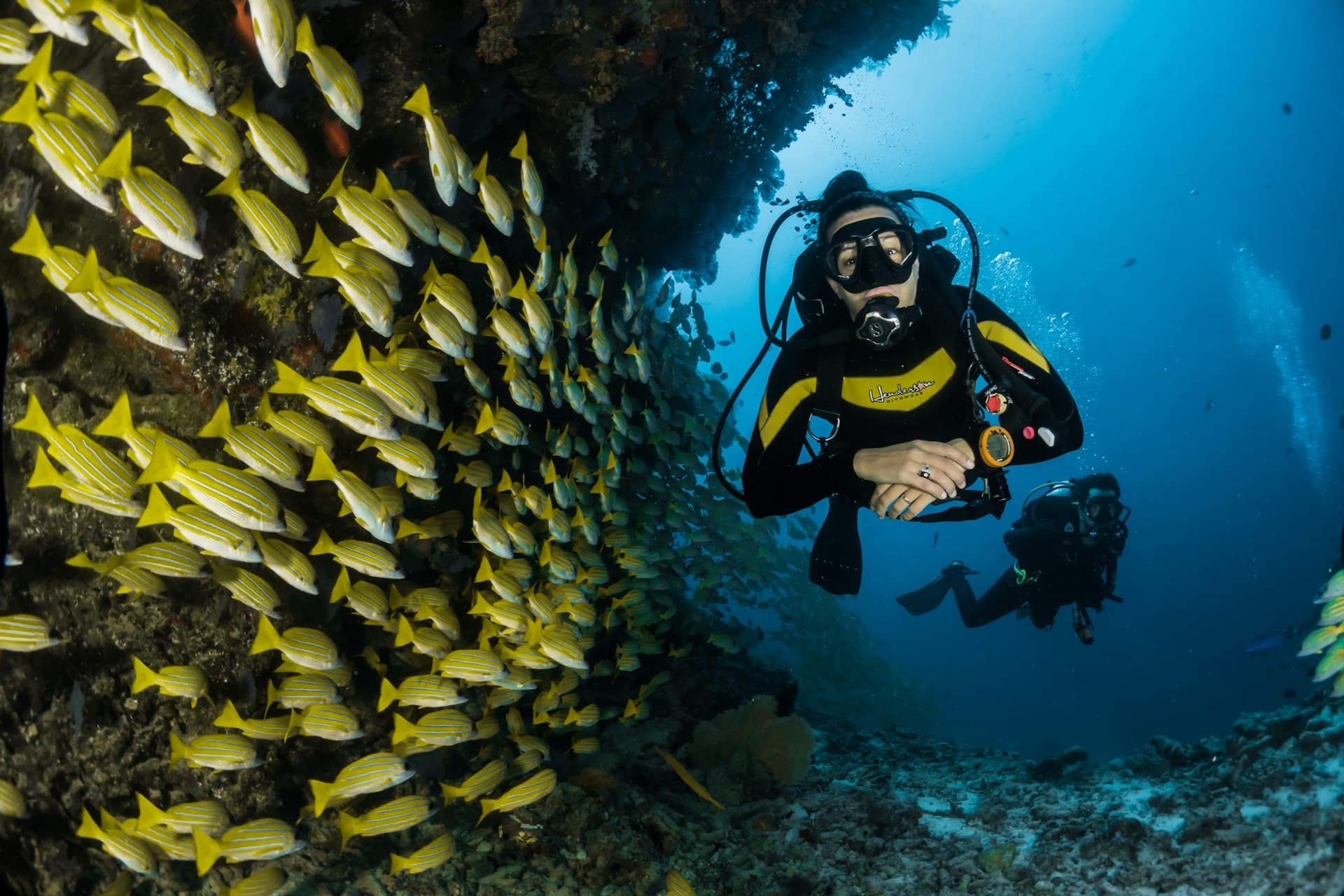
Nusa Penida Diving Guide: Mantas, Mola & Top Sites
Dive with manta rays year-round and mola mola from July to October in Nusa Penida. Complete guide to Bali's best pelagic diving destination.
Nusa Penida Dive Conditions: Temp, Visibility & Seasons
Water 18–29°C with 10°C thermocline drops, visibility to 30 m, and strong drift currents. Complete season guide for diving Nusa Penida, Bali.
Safety
Bring Nusa Penida underwater
Offline access, dive log, AI fish ID, live site maps, and trip planning.
Download on the App Store