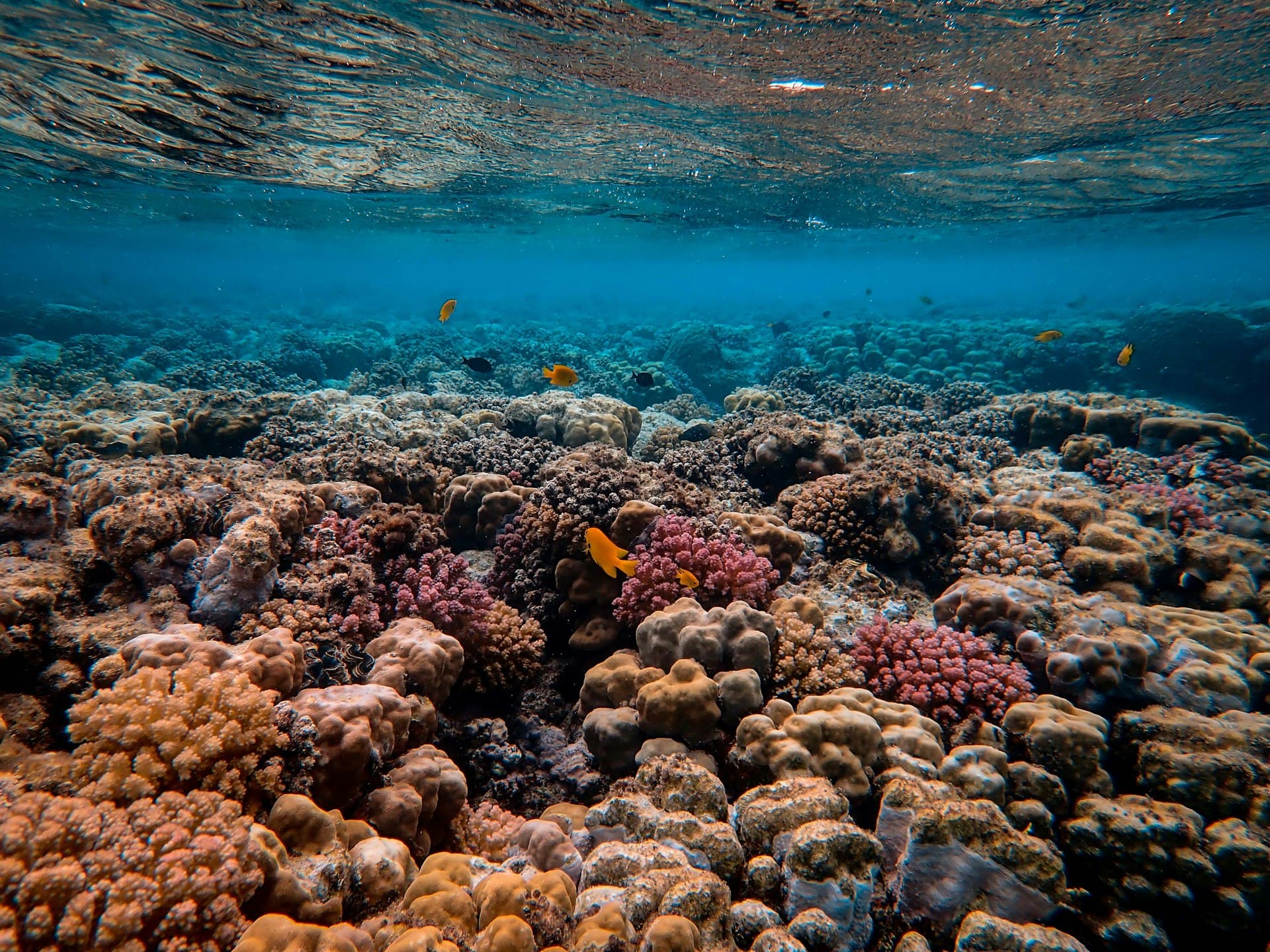
Top 10 Dive Sites in Nusa Penida: A Complete Guide
Nusa Penida packs an extraordinary range of dive experiences into its 200-square-kilometer Marine Protected Area. Some sites deliver gentle drift dives along coral gardens with 30-meter visibility. Others require braving 16°C water and strong currents for a chance at the heaviest bony fish on the planet. And a few are so consistently good that divers return year after year for the same unforgettable encounter.
This guide ranks the top dive sites across Nusa Penida and the neighboring islands of Nusa Lembongan and Nusa Ceningan. Every site listed here is verified by local dive operators and supported by field reports.
1. Manta Point
Type: Open-ocean cleaning station | Depth: 5–25 m | Distance from shore: ~2 km | Difficulty: All levels | Best season: Year-round (peak March–June)
Manta Point is the reason most divers come to Nusa Penida, and it delivers reliably enough to earn the top spot. Three primary manta ray cleaning stations sit on a shallow rocky plateau at 5–15 meters off the island's southwest tip. Reef manta rays (Mobula alfredi) queue here year-round for parasite removal — it's the most reliable manta encounter in all of Bali.
The site is simple: descend onto the plateau, find a comfortable spot near the cleaning stations, and watch the show. The mantas cruise in from the open ocean, barrel-roll to present their bellies to the cleaner fish, and often come within arm's reach of divers who maintain proper buoyancy. Over 200 individual mantas have been identified in the MPA through photo-ID tracking — some return to the same cleaning stone year after year.
Beyond the mantas, the rocky terrain hosts bamboo sharks, baby eagle rays, octopus, and occasional dolphins passing through. The visibility ranges from 10–20 meters, and the current is generally mild open-ocean surge rather than directional current.
Access: Boat from Toyapakeh Harbor — 15–20 minutes. Most dive shops run Manta Point as part of a two-dive morning trip paired with Crystal Bay or a north coast site.
Best strategy: Be there by 7:30 AM. Day-tripper boats from Bali arrive around 9 AM, and at peak season 35–40 boats can crowd the site. Early mornings are quiet, with better light for photography and fewer interactions with other divers.
Target species: Reef manta rays (year-round guarantee), bamboo/nurse sharks, eagle rays, octopus, dolphins (passing).
Dive profile: Descend to 5–15 meters on the plateau. The site has a gentle slope down to 25 meters on the seaward side, but most manta activity happens at the shallow cleaning stations. Typical dive time: 40–60 minutes.
Why it's the best: No other site in Bali offers year-round, guaranteed manta encounters at such close range and accessible depth. Manta Point is as close to a sure thing as tropical diving gets.
Practical tips: No gloves allowed in the MPA. Maintain 5 meters' distance from mantas. Do not chase or block their path. A wide-angle lens is essential for photography — the mantas fill the frame easily at 16–24 mm.
2. Crystal Bay
Type: Sheltered bay + deep outer drop-off | Depth: 5–40 m | Distance from shore: ~3 km | Difficulty: All levels (shallow bay), Advanced (outer drop-off) | Best season: June–October for mola; year-round for bay
Crystal Bay is Nusa Penida's most famous site for a reason: it's the best mola mola cleaning station in Bali. But it's also the most misunderstood site on the island, and it rewards divers who understand its split personality.
The site has two distinct zones. The inner bay is a sheltered sandy bowl with a central bommie (coral head) at 5–12 meters — calm, clear, and accessible to beginners. The outer drop-off, where the bay floor falls away into the deep Lombok Strait, is a completely different environment: strong currents, cold thermoclines to 16°C, and depths reaching 40 meters. That's where the mola mola hang out, visiting cleaning stations at 25–35 meters between July and October.
Crystal Bay is famous for its down-currents, which have sent unprepared divers to dangerous depths. The transition from shallow bay to deep wall creates complex current interactions that can change within minutes. Always dive with a local guide who knows the site's current patterns, and never push beyond your training and comfort level.
Access: Boat from Toyapakeh Harbor — 20 minutes. Almost every dive operator runs Crystal Bay daily.
Best strategy: For mola, be at the outer drop-off by 7 AM. The sunfish tend to be at 25–35 meters, cruising the cleaning stations. The first boats have the best chance before the site gets crowded. For a relaxed dive, stay in the shallow bay — excellent macro (frogfish, scorpionfish, pygmy seahorses) and bright reef fish.
Target species (seasonal): Mola mola July–October (25–35 m), whitetip reef sharks, eagle rays, turtles, tuna. Shallow bay: bannerfish, angelfish, garden eels, nudibranchs, frogfish, scorpionfish, pygmy seahorses.
Dive profile (outer): Descend to 25–30 m on the wall, hold bottom along the drop-off for 15–20 minutes, then ascend to the cleaning station zone (18–22 m) before a slow ascent to the shallow bay. Total dive time: 35–45 minutes for the deep portion.
Why it's special: Crystal Bay offers the most reliable mola mola encounters in Indonesia, in a dramatic underwater setting where the bay floor drops into the abyss. The split-level design means it offers something for every level — but you need to know which level you're booking.
Practical tips: A 5 mm wetsuit with hood is mandatory July–October for the outer drop-off. DO NOT dive the outer drop-off without an experienced local guide. If you're an Open Water diver, stay in the shallow bay — it's excellent diving on its own.
3. SD Point (Sekolah Dasar)
Type: Gentle drift dive | Depth: 5–30 m | Distance from shore: ~1 km | Difficulty: Beginner–Intermediate | Best season: April–October
SD Point is the most consistently beautiful coral dive on Nusa Penida. The name means "Elementary School" — a local landmark reference — but the diving is anything but elementary. This north coast site features a gently sloping fringing reef with exceptional coral health. The coral heads here are massive: 200-year-old brain corals that are among the oldest living colonies accessible to recreational divers in Indonesia.
The drift is gentle and unidirectional — perfect for beginners learning drift techniques or experienced divers who want a relaxing dive. The current flows west to east along the coast at 0.5–1.5 knots, carrying you past soft coral gardens, sea fans, and massive Porites coral heads. Turtles are a near-guarantee — green turtles and hawksbills feeding along the reef crest.
The visibility on the north coast regularly hits 25–30 meters during the dry season, and the water is typically 1–2°C warmer than the south coast. The coral has escaped the bleaching stress that affects shallower sites around Bali, and the diversity of fish life — fusiliers, trevallies, angelfish, butterflyfish, batfish — rivals any reef in the Coral Triangle.
Access: Boat from Toyapakeh Harbor — 5 minutes. SD Point is usually the first dive of the day for north coast trips.
Target species: Green and hawksbill turtles (near-guarantee), whitetip reef sharks, schooling fusiliers and trevallies, angelfish, butterflyfish, batfish, giant trevallies, bumphead parrotfish (occasional), large 200+ year-old brain corals.
Dive profile: Drop to 12–15 meters on the reef slope, drift along the coral gardens for 30–40 minutes, and ascend. The gentle current means you barely need to kick — just hover and watch the reef pass by.
Why it's the best: SD Point combines the best coral health on Nusa Penida with the easiest diving conditions. If you only have time for one north coast dive, make it this one.
Practical tips: The coral is fragile — maintain good buoyancy and don't touch. The brain coral heads are sensitive; a single fin kick can kill centuries of growth. Early morning dives offer the best light for photography.
4. Toyapakeh
Type: Terraced coral slope | Depth: 6–35 m | Distance from shore: ~500 m | Difficulty: All levels | Best season: April–October
Toyapakeh (also spelled Toya Pakeh) sits just off the main harbor and offers the most accessible quality diving on Nusa Penida. The site features terraced coral slopes with some of the clearest water on the island — visibility regularly hits 25–30 meters in the dry season.
The reef structure is tiered: a shallow plateau at 6–15 meters with soft and hard corals, sea fans, and black coral, then a second drop-off to 25 meters, and a deeper wall to 35 meters. The terraced structure means you can build a multi-level dive profile easily. The marine life is diverse: angelfish, sweetlips, anthias, snapper, parrotfish, grouper, stingrays, moray eels, and fusiliers in dense schools. Mola mola are possible at the southern end of the site during July–October.
Toyapakeh is also the most practical site on the island — it's a 2-minute boat ride from the harbor, and there are sheltered spots in the lee of the headland that are diveable even when other south coast sites are blown out.
Access: Boat from Toyapakeh Harbor — 2 minutes. Often paired with Crystal Bay or SD Point.
Target species: Angelfish, sweetlips, anthias, snapper, parrotfish, grouper, stingrays, moray eels, whitetip reef sharks, mola mola (July–October).
Dive profile: Descend to the shallow plateau (10–15 m), explore the terraces, then follow the slope to 25 m for the deeper reef, and ascend along the reef wall. Multi-level profile ideal for extending bottom time.
Why it's great: Toyapakeh is the best "all-purpose" site on Nusa Penida — accessible, beautiful, and reliable in almost any conditions. It's the site you run when other options are too rough.
Practical tips: The proximity to the harbor means boat traffic — be aware of your position during ascent. The shallow plateau is excellent for safety stops.
5. Gamat Bay
Type: Protected bay with caves and overhangs | Depth: 5–30 m | Distance from shore: ~1.5 km | Difficulty: Intermediate | Best season: April–October
Gamat Bay, located between Crystal Bay and Toyapakeh on the northwest coast, is Nusa Penida's best site for macro photography and cave exploration. The bay has a white sand bottom with coral patches, bommies, overhangs, and caves — creating habitat for a wide range of cryptic marine life.
The inner section is relatively protected, with moderate currents and good visibility. The outer section, where the bay opens to the Lombok Strait, has stronger drift currents and a more exposed reef. Macro life is the main draw: nudibranchs (dozens of species), frogfish, scorpionfish, leaf fish, and anemonefish. The overhangs and caves house glassfish, sweepers, and sleeping turtles. Larger species include whitetip reef sharks, trevallies, and jacks.
Gamat Bay is also one of the better night dive sites in Nusa Penida. The protected inner bay calms down after dark, and nocturnal species — octopus, cuttlefish, Spanish dancers, and bobtail squid — become active on the sandy patches.
Access: Boat from Toyapakeh Harbor — 10 minutes. Often paired with Crystal Bay or Manta Point.
Target species: Nudibranchs (many species), frogfish, leaf fish, scorpionfish, reef sharks, turtles, trevallies, jacks, octopus. Night dives: cuttlefish, Spanish dancer nudibranchs, bobtail squid.
Dive profile: Explore the inner bay bommies at 8–15 m, then drift along the outer reef at 15–25 m. The cave features are at 10–20 m. Night dives focus on the sandy patches at 8–12 m.
Why it's great: Gamat Bay offers the best macro diving on Nusa Penida in a protected, easy-to-access setting. If you're tired of big animals and want to slow down for the small stuff, this is your site.
Practical tips: Bring a dive light even for day dives — the overhangs and cave interiors need illumination. Go slow and look closely — the macro life is small but prolific.
6. PED (North Coast)
Type: Sloping reef drift dive | Depth: 5–40 m | Distance from shore: ~1 km | Difficulty: Intermediate–Advanced | Best season: April–October
PED is the deeper sibling of SD Point, located just east along the same north coast stretch. The reef profile is similar — sloping fringing reef with excellent coral health — but the depth profile is steeper, dropping to 40 meters, and the current is somewhat stronger.
PED delivers a more advanced drift experience than SD Point. The deeper profile means more pelagic activity — whitetip reef sharks are common, and mola mola pass through during the July–October window. The coral coverage is exceptional, with large sea fans and soft corals covering the reef face. Turtles, schools of snapper and fusiliers, trevallies, and batfish are all regular sightings.
The site is best dived as a drift from the shallow end (5 m) to the deep end (30–40 m), following the current along the reef. The descent line at the east end of the reef marks the deep drop.
Access: Boat from Toyapakeh Harbor — 10 minutes. Often paired with SD Point or Sental.
Target species: Reef sharks, turtles, snapper, fusiliers, trevallies, batfish, mola mola (July–October).
Dive profile: Drop at the shallow end and drift east along the reef, descending gradually to 25–30 m. Ascend when you reach the deep end and surface near the pick-up point.
Why it's good: PED offers a more challenging version of the SD Point experience with deeper profiles and better pelagic chances. It's the site for divers who want to level up from the beginner north coast dives.
Practical tips: Check the current before descending — the site can run faster than SD Point. A reef hook is recommended if you want to hold position on the deeper sections.
7. Ceningan Wall
Type: Deep vertical wall | Depth: 5–180 m (recreational to 40 m) | Distance from shore: ~2 km | Difficulty: Advanced only | Best season: May–October
Ceningan Wall drops from the channel floor to 180 meters — the most dramatic wall dive in the Nusa Islands. Located in the narrow channel between Nusa Penida and Nusa Ceningan, this site features a near-vertical wall covered in dense soft corals, sea whips, and sea fans of extraordinary size.
The current here is strong, fast, and unpredictable — the Lombok Strait's full flow channels through the narrow gap between the two islands. Divers need excellent buoyancy control, strong swim fitness, and comfort with current diving. The wall's sheer scale is humbling: you descend on the anchor line to the drop-off at 20 meters, and the wall simply continues down into the black, visibility fading to nothing below 40 meters.
Marine life includes reef sharks, marble rays, eagle rays, oriental sweetlips, unicornfish, and mola mola during the July–October season. The wall itself is a biodiversity hotspot — invertebrates, encrusting corals, and schooling fish in densities that rival deeper sites.
Access: Boat from Toyapakeh or Nusa Ceningan — 15–20 minutes. Advanced-only site. Some operators require 100+ logged dives.
Target species: Reef sharks, marble rays, eagle rays, oriental sweetlips, unicornfish, mola mola (July–October), massive schools of fusiliers.
Dive profile: Descend on the wall to 30–40 m, drift along the face for 20–30 minutes (current-dependent), then ascend along the anchor line. The wall creates excellent multi-level profiles.
Why it's special: Ceningan Wall is the most dramatic wall dive accessible from Nusa Penida. If you want to feel small and humbled by the ocean, this is your dive.
Practical tips: Only dive this site with an operator who knows the current patterns intimately. Check tide tables — Ceningan Wall is safest on neap tides. A reef hook is mandatory for holding position. Never dive this site in poor current conditions.
8. Blue Corner (Nusa Lembongan)
Type: Deep plateau drift | Depth: 20–40 m | Distance from shore: ~3 km | Difficulty: Advanced (100+ dives recommended) | Best season: July–October
Blue Corner sits off the northwest tip of Nusa Lembongan and is one of the most challenging — and rewarding — dive sites in the Nusa Islands. The site features a steep rocky slope with dramatic overhangs and a plateau at 38 meters where marble rays congregate. The dive is run infrequently due to the advanced-only requirement and current conditions.
The main attraction is the mola mola, which visit Blue Corner during the July–October cold season. The site sits at a convergence zone where currents bring nutrient-rich water and the pelagics follow. Marble rays — up to 8 spotted at 38 meters on exceptional dives — eagle rays, reef sharks, tuna, and wahoo are regular encounters.
This is not a site for casual divers. The current is strong and unpredictable, with down-current risks. Divers need excellent buoyancy, strong finning technique, and comfort with 40-meter depth profiles.
Access: Boat from Nusa Lembongan — 10–15 minutes. Only the most experienced Lembongan operators run this site.
Target species: Mola mola (July–October), marble rays, eagle rays, reef sharks, tuna, wahoo, butterflyfish, triggerfish.
Dive profile: Descend to 38–40 m for the plateau, hold for 10–15 minutes, then ascend to 20–25 m for a second drift along the reef. Total bottom time at depth is limited — this is a deep, short dive.
Why it's unique: Blue Corner offers a genuine deep-pelagic experience in an area that's accessible as a day trip from Nusa Penida. The marble ray aggregations at depth are unique in the Nusa Islands.
Practical tips: This is not a "try it and see" site. Only dive with operators who have extensive experience at this specific site. Bring a 5 mm wetsuit with hood and a reef hook.
9. Mangrove Point (Nusa Lembongan)
Type: Gentle drift dive adjacent to mangroves | Depth: 5–25 m | Distance from shore: ~1 km | Difficulty: All levels | Best season: May–October
Mangrove Point sits off the north shore of Nusa Lembongan and offers a unique diving environment: a healthy sloping coral reef adjacent to a mangrove forest. The mangrove ecosystem adds nutrients and shelter that attract a diverse range of marine life, from juvenile fish seeking refuge among the roots to larger pelagics passing through.
The drift here is moderate and steady from east to west. The reef has good coral coverage with soft corals, sea fans, and large sponge growth. Macro life is excellent — look under rocks and overhangs for nudibranchs, scorpionfish, and moray eels. Larger species include marble rays, reef sharks, turtles, trevallies, batfish, and fusiliers.
It's also a reliable site for mantra rays (marble rays), which are frequently seen resting on sandy patches between the coral bommies.
Access: Boat from Nusa Lembongan — 10 minutes. Often included in Lembongan-based two-dive trips.
Target species: Macro life (nudibranchs, scorpionfish, moray eels), marble rays, reef sharks, turtles, trevallies, batfish, fusiliers.
Dive profile: Drift from the east end of the reef along the slope at 12–18 m. The site is gentle enough for Open Water divers with some drift experience.
Why it's good: Mangrove Point offers a unique mangrove-adjacent dive experience that's rare in the Nusa Islands. The macro life and marble rays make it a quieter alternative to the more famous sites.
Practical tips: A reef hook is recommended for holding position on the slope. The mangrove edge is shallow (5–8 m) and excellent for safety stops.
10. Manta Bay
Type: Shallow manta feeding area | Depth: 5–15 m | Distance from shore: ~1 km | Difficulty: Beginners & snorkelers | Best season: Year-round
Manta Bay is the shallower, gentler cousin of Manta Point, located just around the corner on the southwest coast. Where Manta Point is a cleaning station on a rocky plateau, Manta Bay is a shallow sandy bay where mantas come to feed. The water is often clearer than Manta Point, and the conditions are calm enough for beginner divers and snorkelers.
The bay slopes gently from shore to about 15 meters, with a sandy seabed and scattered coral patches. The mantas here tend to be smaller individuals, often juveniles, and they cruise the shallow water in feeding loops rather than hovering at cleaning stations. This makes for excellent observation — the mantas are often at eye level on snorkel gear, making Manta Bay the best snorkeling site on the island.
Wobbegong sharks are a regular find on the sandy bottom, and turtles, stingrays, and reef fish are common. The bay is also a training ground for Discover Scuba and Open Water courses.
Access: Boat from Toyapakeh Harbor — 15 minutes. Often combined with Manta Point.
Target species: Smaller reef manta rays (feeding), wobbegong sharks, stingrays, turtles, reef fish.
Dive profile: Descend to 5–12 m on the sandy slope. The site is shallow enough for long dive times (50–60 minutes). Snorkelers can access the same area with minimal effort.
Why it's included: Manta Bay is the most accessible manta diving on Nusa Penida — calm, shallow, and suitable for everyone from complete beginners to experienced divers who want a relaxed manta encounter.
Practical tips: Go early in the morning before the day-tripper boats arrive. Manta Bay is popular with snorkeling tours from Bali, and by 10 AM it can be crowded. The sandy bottom is easily stirred up — stay off the seabed.
Summary Table: Nusa Penida Top Sites
| Rank | Site | Type | Max Depth | Difficulty | Best Season | Key Species |
|---|---|---|---|---|---|---|
| 1 | Manta Point | Cleaning station | 25 m | All levels | Year-round | Reef mantas (year-round) |
| 2 | Crystal Bay | Bay + drop-off | 40 m | Adv (outer) | Jun–Oct | Mola mola, mantas |
| 3 | SD Point | Drift reef | 30 m | Beginner–Int | Apr–Oct | Turtles, coral, reef fish |
| 4 | Toyapakeh | Terraced slope | 35 m | All levels | Apr–Oct | Reef fish, mola (seasonal) |
| 5 | Gamat Bay | Caves/macro | 30 m | Intermediate | Apr–Oct | Macro, octopus, nudibranchs |
| 6 | PED | Deep drift | 40 m | Int–Adv | Apr–Oct | Sharks, mola, pelagics |
| 7 | Ceningan Wall | Deep wall | 180 m | Advanced | May–Oct | Wall life, sharks, mola |
| 8 | Blue Corner | Deep plateau | 40 m | Advanced | Jul–Oct | Mola, marble rays, tuna |
| 9 | Mangrove Point | Mangrove reef | 25 m | All levels | May–Oct | Macro, marble rays |
| 10 | Manta Bay | Sandy bay | 15 m | Beginner | Year-round | Feeding mantas, wobbegongs |
Choosing Your Nusa Penida Dive Adventure
Nusa Penida offers diving that ranges from gentle, shallow bay dives suitable for beginners to deep-wall drift dives reserved for experienced advanced divers. Here's a quick guide to matching your skill level to the right sites:
-
Open Water (12+ dives): Start with Manta Bay, the shallow bay of Crystal Bay, SD Point, and Buyuk. These sites are gentle, shallow, and consistently rewarding. Manta Point is also accessible on calm days.
-
Advanced Open Water (30+ dives): Add the full Manta Point experience, Toyapakeh's terraced slopes, Gamat Bay's caves, and the PED drift. You can attempt Crystal Bay's outer drop-off with a local guide.
-
50+ logged dives with drift experience: Tackle Crystal Bay's outer drop-off for mola mola, Mangrove Point on Lembongan, and the full north coast drift (SD → PED). Ceningan Wall becomes accessible with the right operator.
-
100+ logged dives with deep and drift specialties: Blue Corner for marble ray plateaus and advanced mola encounters, Ceningan Wall at full recreational depth, and Toyapakeh for deep pelagic profiles.
Bottom Line
Nusa Penida's top 10 dive sites offer a range that few single destinations can match. From the year-round manta certainty of Manta Point to the dramatic wall of Ceningan, from the gentle drift of SD Point to the cold-water pelagic challenge of Blue Corner — this is a destination where you can spend a week diving the same sites and never get bored. Plan around your skill level, your target species, and the season, and Nusa Penida will deliver some of the most memorable diving in Indonesia.