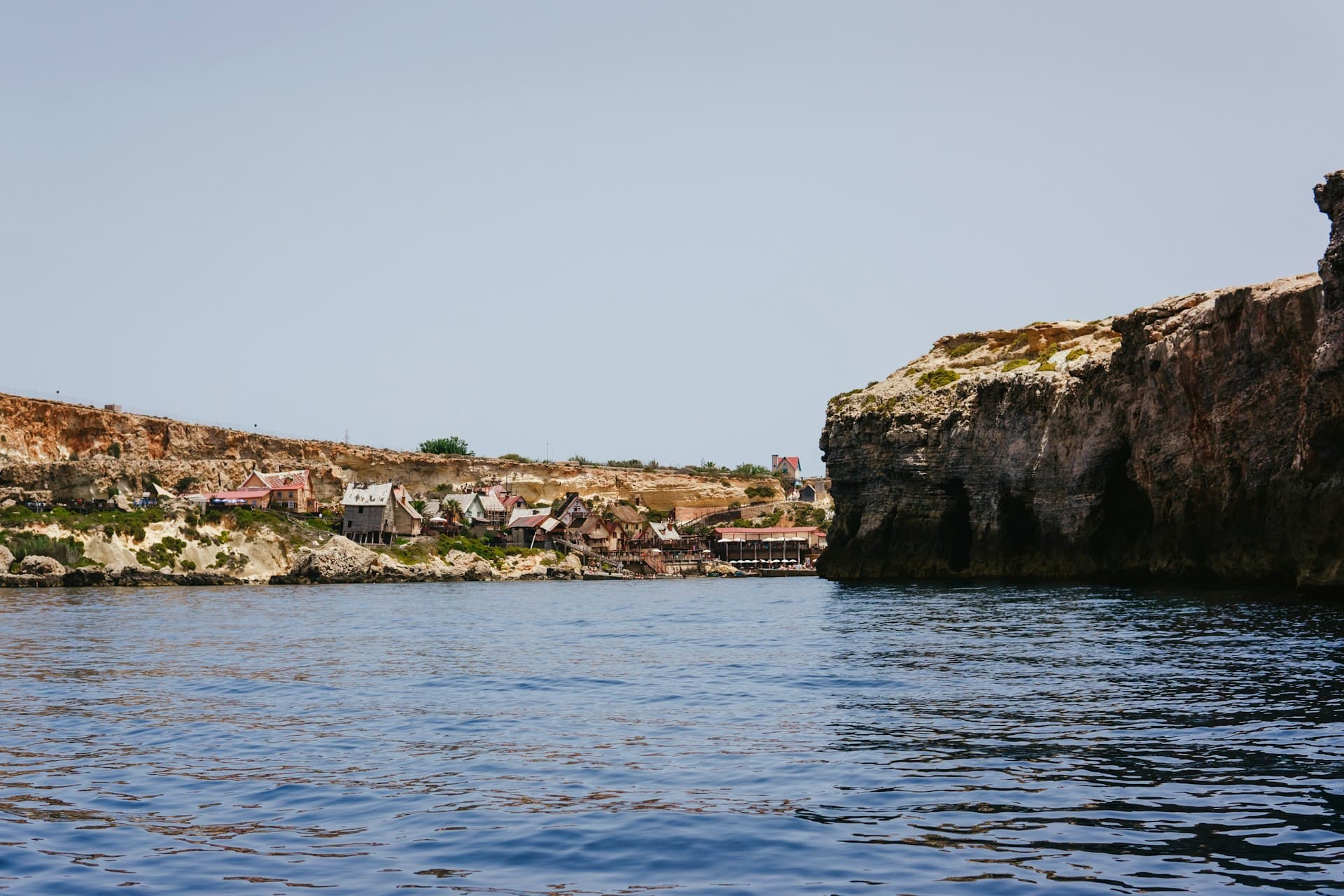
Malta
Diving in Malta & Gozo
Photo by Igor Sporynin on Unsplash
With over 80 wrecks spanning 3,000 years from Phoenician merchants to WWII warships, Malta is Europe's undisputed wreck-diving capital. The Maltese archipelago's soft limestone has been carved by millennia of sea into a diver's playground of caves, arches, fissures, and swim-throughs — from the iconic Blue Hole at Dwejra to the sunken ocean liner Le Polynesien. Budget European flights, English widely spoken, and a density of PADI 5* centres make it the most accessible advanced wreck-diving destination on the continent.
Explore the map
Select a pin to learn more. Use the zoom buttons or pinch to zoom.
Loading map…
Places on this map (42)
49 places have no verified map location yet. Browse the page lists for more places.
Conditions
14–28 °C
10–30 m
5–40 m
Mild
May through October
| Month | Summary |
|---|---|
| Jan | January brings the coldest water at 15–16 °C. Seas can be rough with winter storms, but the Grand Harbour area offers sheltered diving. Visibility drops to 10–20 m after storms. Only the most experienced winter divers venture out; 7mm wetsuit or drysuit essential. Few dive operators are running. |
| Feb | February is the coldest month at 14–15 °C water temperature. Rough seas limit dive days, but the sheltered east coast (Sliema, Grand Harbour) remains accessible. Winter visibility 10–20 m with plankton blooms adding life. Drysuit recommended. Some shops operate reduced schedules. |
| Mar | March water warms to 15–16 °C. Transition month — seas begin to calm but winter weather still possible. Visibility improving to 15–20 m. Dive shops resume full schedules. Good month for wreck diving with fewer crowds. Wetsuit still recommended; drysuit comfortable for deeper dives. |
| Apr | April water reaches 16–18 °C. Shoulder season begins — good balance of conditions and fewer crowds. Visibility 15–25 m. Plankton blooms bring vibrant marine life. Most dive shops fully operational. Excellent month for intermediate divers seeking quality dives without peak-season crowds. |
| May | May marks the start of peak season. Water warms to 19–21 °C, seas calm, visibility excellent at 20–30 m. Air temperature 25–30 °C. All dive shops running full schedules. Best month for beginners — warm enough for 5mm wetsuit, calm seas, great visibility. Ideal for the Cirkewwa Arch, Blue Hole, and shallow wreck dives. |
| Jun | June is peak tourist season. Water reaches 22–25 °C, visibility 20–30 m. Cirkewwa-Comino area busy with dive boats. Air temperature 25–35 °C. Book dive shops 2–4 weeks ahead. Still excellent conditions — the crowds are on the surface, not underwater. Best month for the Blue Lagoon and shore dives. |
| Jul | July is the warmest month — water 25–27 °C, air 30+ °C. Peak visibility 25–30 m. Plankton minimal, seas calm. Maximum occupancy at all dive shops. Best conditions for technical wreck diving with stable weather windows. The south coast can be hot and crowded; consider north coast alternatives. |
| Aug | August matches July in warmth — water 26–28 °C, the warmest of the year. Peak season continues with all dive operators at capacity. Best month for night dives and the Blue Hole. The Azure Window remnants draw photographers. Consider diving in Gozo for a quieter experience away from the Malta mainland crowds. |
| Sep | September is the sweet spot — water still warm at 25–27 °C from summer heating, but tourist crowds thinning. Visibility remains excellent at 20–30 m. Ideal conditions for advanced wreck diving. Best month to book last-minute dives with better availability. Seas calm, air warm. |
| Oct | October water cools to 23–24 °C but remains comfortable. Visibility still good at 20–25 m. Shoulder season — fewer boats, better pricing. Wreck diving excellent with stable autumn weather. 5mm wetsuit recommended. Good month for the technical wrecks with fewer divers competing for boat space. |
| Nov | November is the end of the diving season. Water drops to 20–22 °C, seas becoming rougher. Visibility 15–25 m with plankton blooms. Fewer dive operators running; some close for winter. Good for experienced divers seeking solitude. Drysuit recommended for deeper dives. |
| Dec | December brings winter conditions — water 17–19 °C, rough seas, limited dive days. Only the hardiest operators run. Grand Harbour sheltered sites remain the best option. Visibility 10–20 m. Drysuit essential. A month for dedicated winter divers who enjoy the solitude and challenge. |
Dive Sites (49)
Anchor Bay (Popeye Bay)
3–6m · Beginner
Shallow · Shore dive · Sheltered
Azure Window (remnants)
10–40m · Intermediate
Arch · Collapsed · Limestone
Billinghurst Cave
3–12m · Beginner
Caves · Shore dive · Shallow
Blue Hole (Dwejra)
8–25m · Intermediate
Sinkhole · Blue hole · Arch
Blue Lagoon (Comino)
2–8m · Beginner
Shallow · Lagoon · Shore dive
Bristol Beaufighter
30–37m · Advanced
Wreck · Wwii · Aircraft
Bristol Blenheim Bomber
35–42m · Advanced
Wreck · Wwii · Aircraft
Cirkewwa Arch
12–20m · Intermediate
Arch · Caves · Shore dive
Marine Life (98)
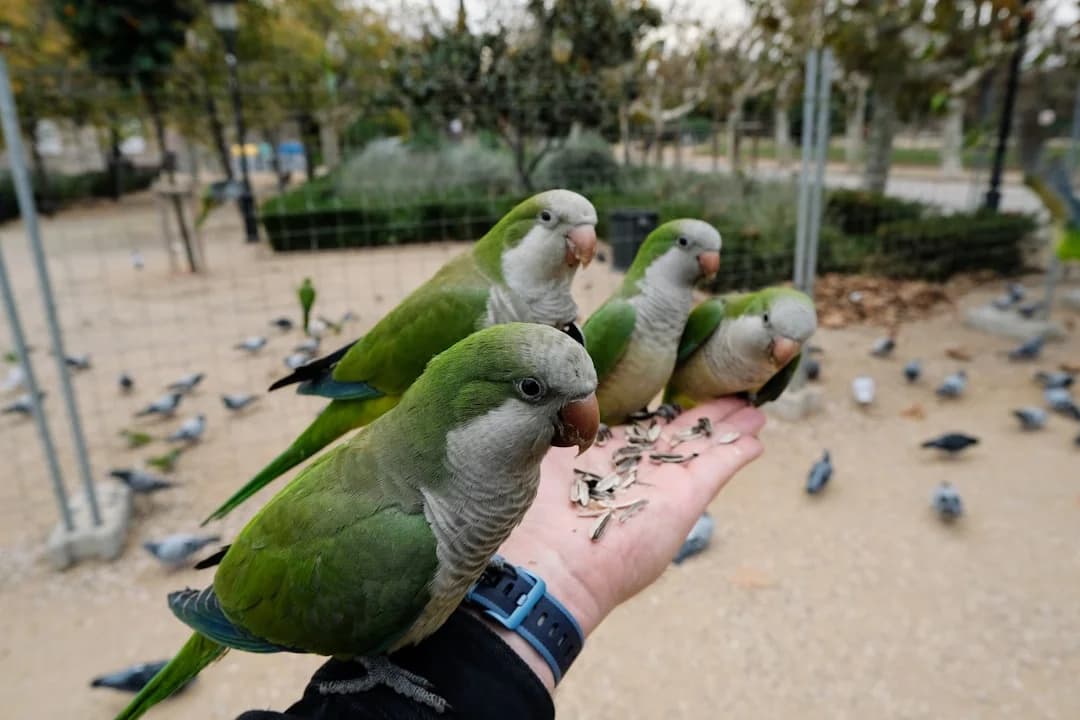 must-see
Mediterranean Monk Seal
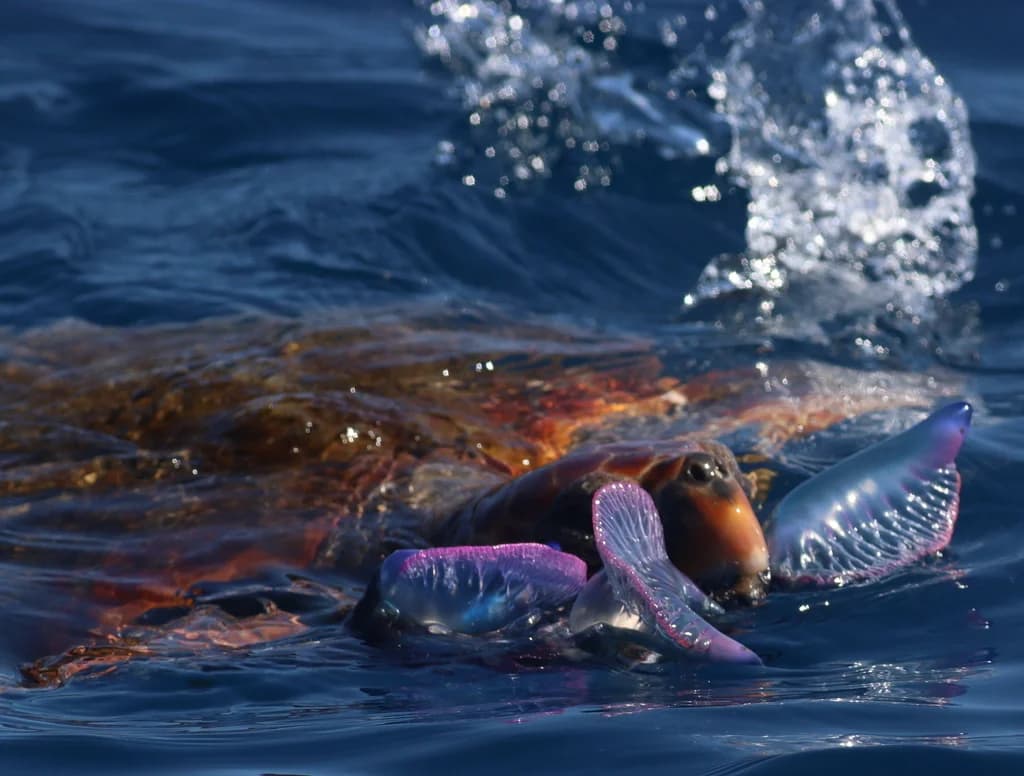 must-see
Loggerhead Turtle
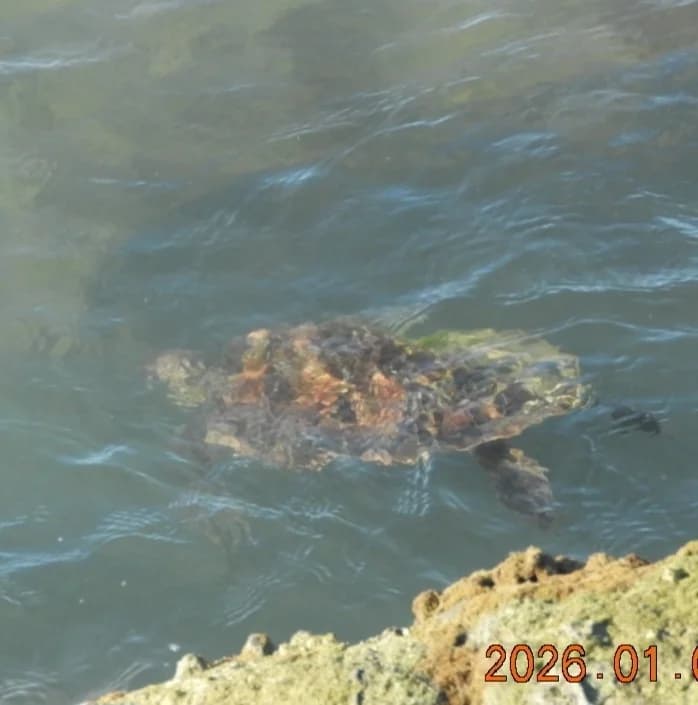 must-see
Green Sea Turtle
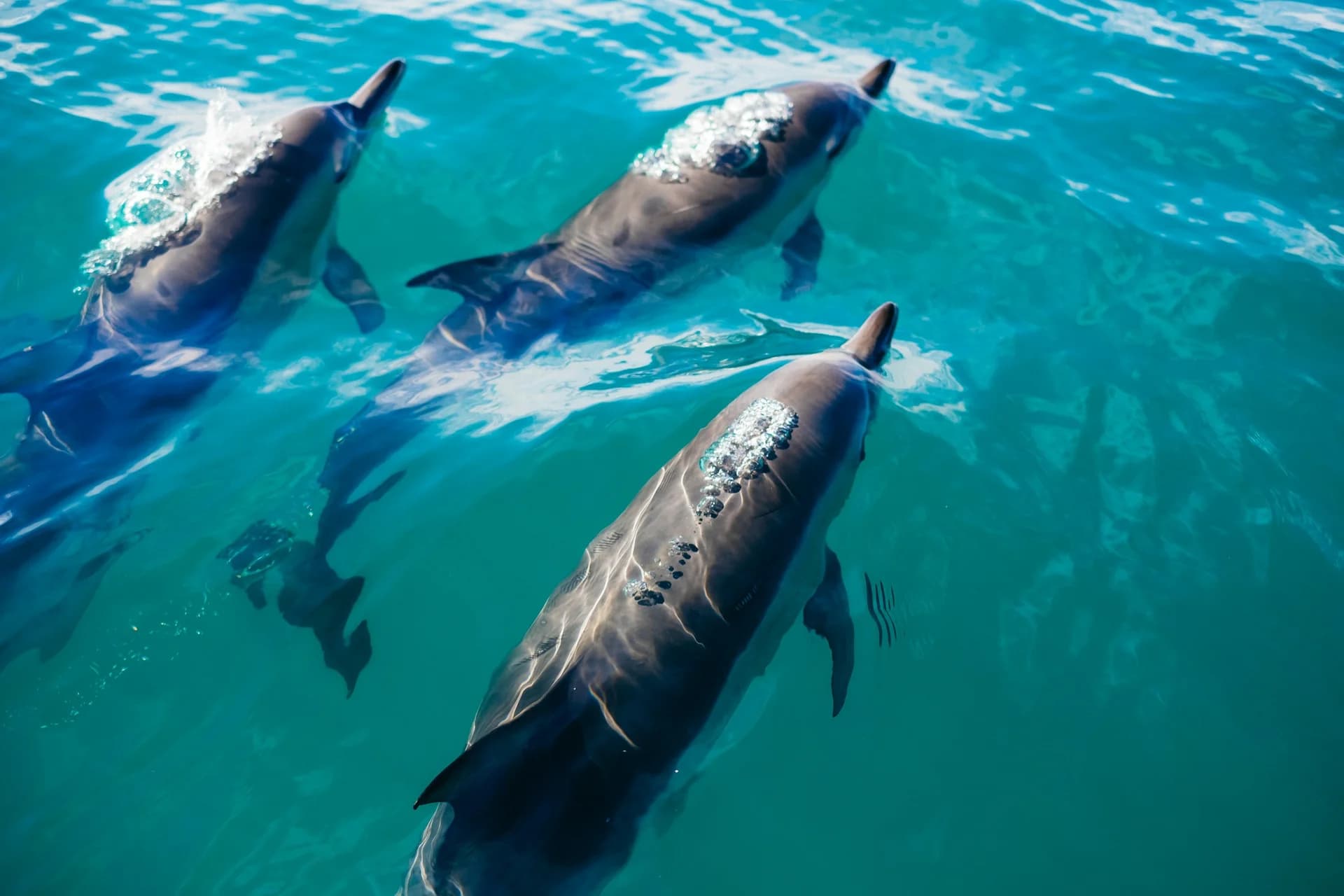 must-see
Atlantic Bottlenose Dolphin
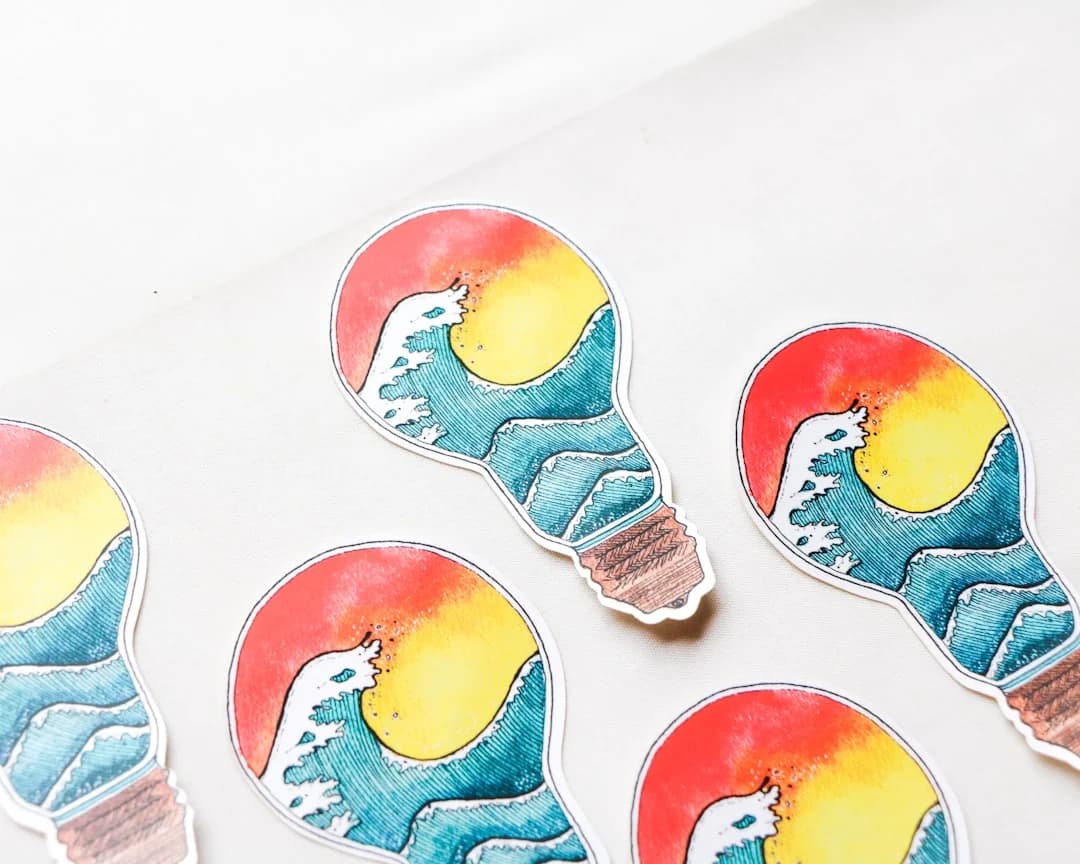 must-see
Lightbulb Sea Squirt
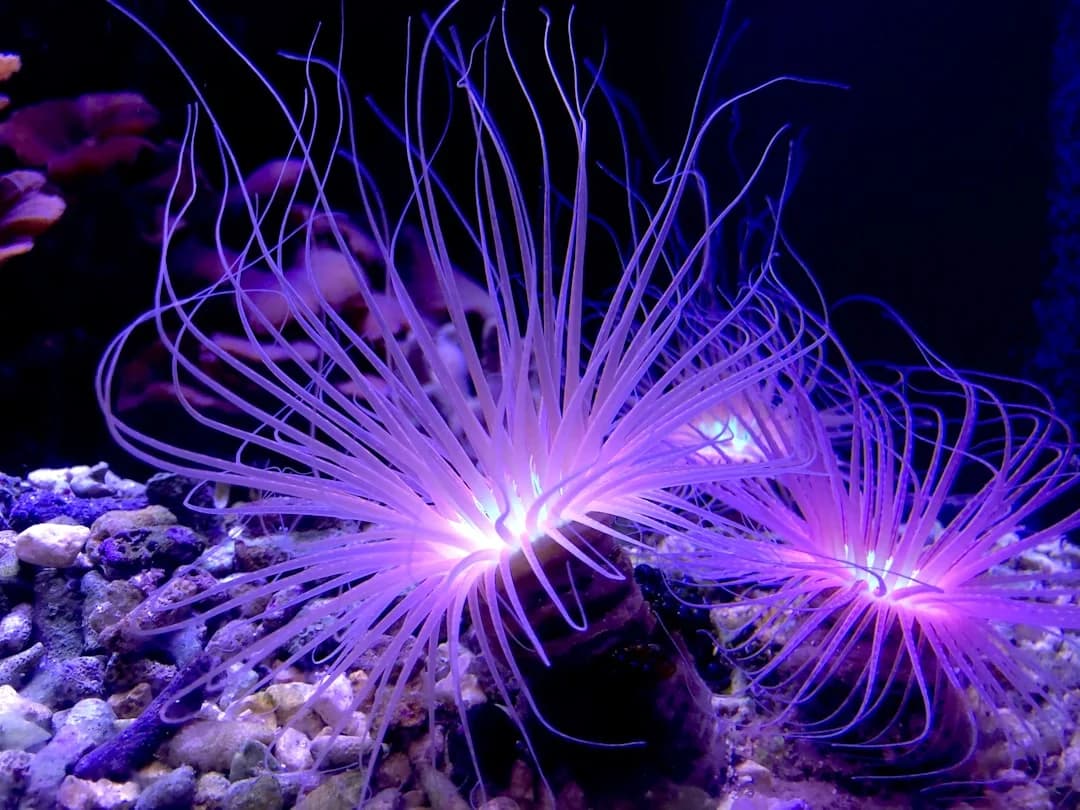 must-see
Night Anemone
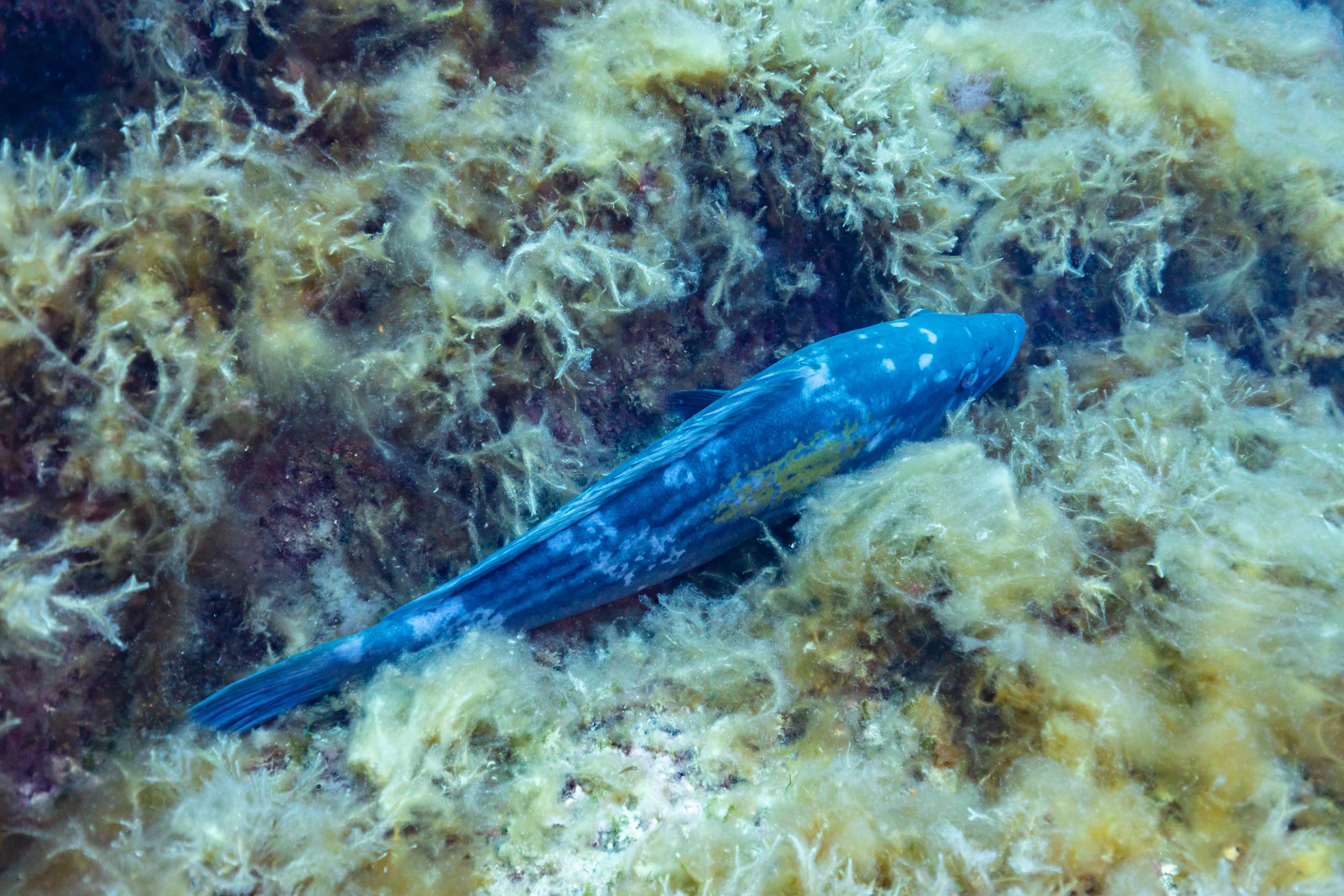
Goldblotch Grouper
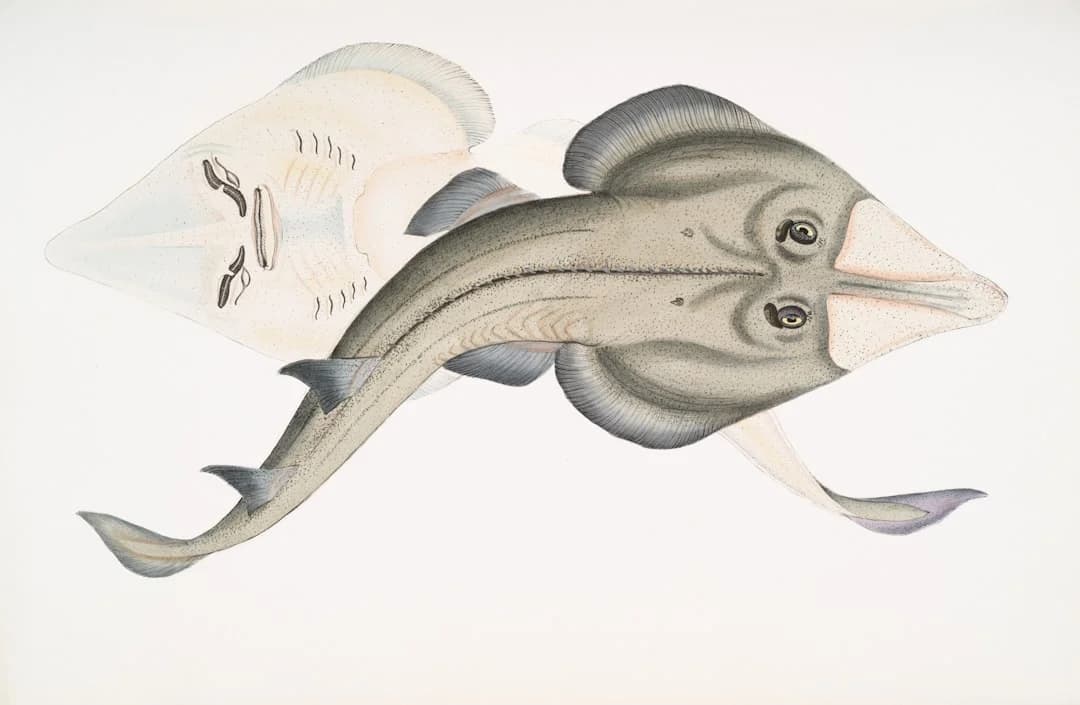
Common Guitarfish

Yellow-Rose Chromodorid
Mediterranean Boxer Shrimp
Red Sea Squirt
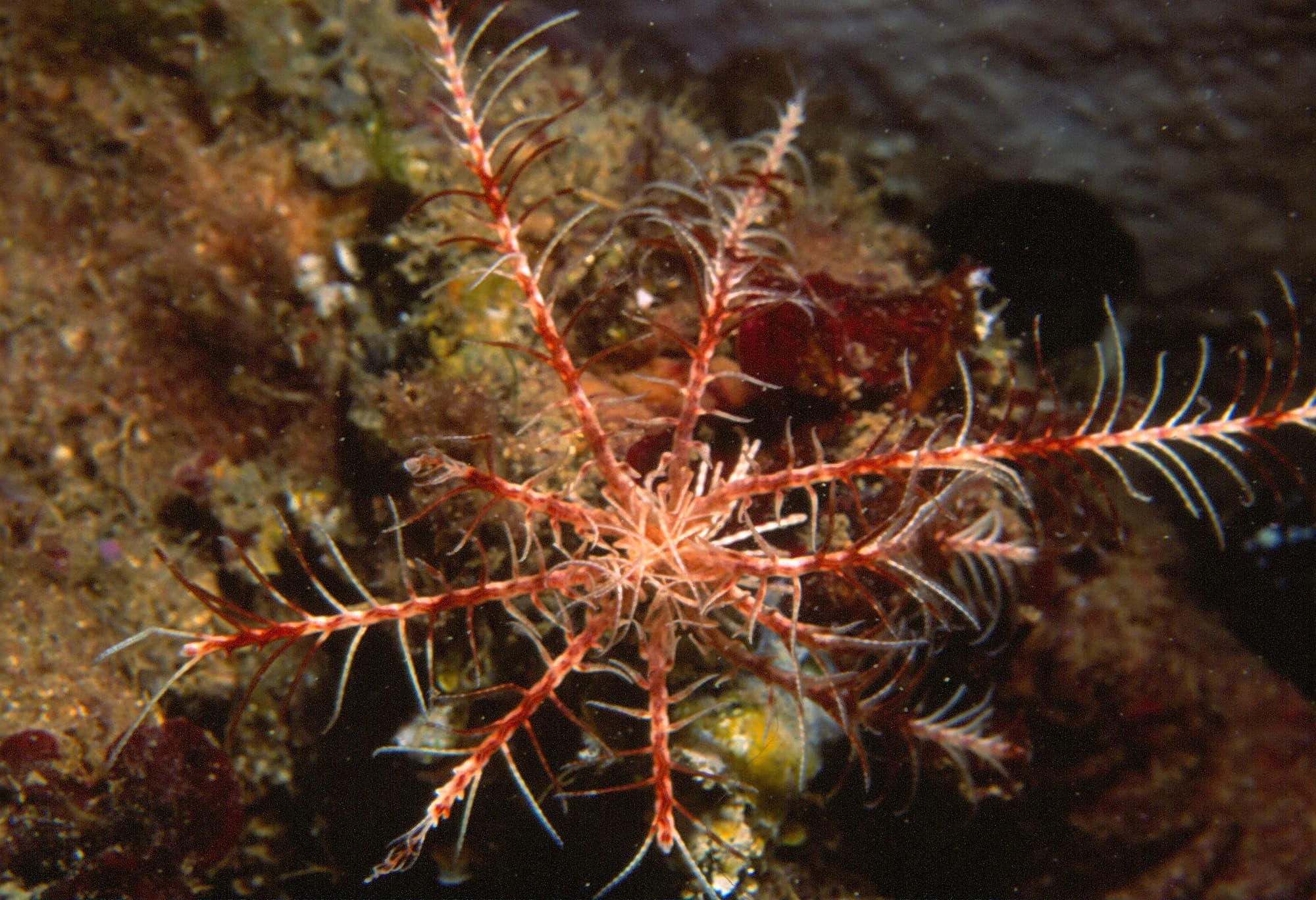
Mediterranean Feather Star
Dive Shops (42)
Scuba Malta | Diving Center
Blue waters dive cove diving centre
Blue Hole Diving Gozo Ltd.
OK Diving Malta
Bubbles Dive Centre
Deep Med - Freediving Malta & Gozo
Gozo Freedivers - Freediving and spearfishing in Malta & Gozo
Atlantis Gozo Diving Centre
Cresta Dive Centre
Malta Blue Diving
DSDIVERS Malta
Divewise Malta
Centrum Nurkowania - Octopus Garden
Scuba Kings Gozo PADI Diving Centre
Dwejra Divers
Extra Divers Gozo
Dive Deep Blue Malta
7R Diving Malta
Gozo Diving & Gozo Technical Diving
Maltaqua
Nautic Team Gozo
Scubatech Diving Centre
Gozo Aqua Sports Dive Centre
Watercolours Dive Centre Malta, Diving Courses, Boat Dives, Recreational & XR Courses
Islands Tec Dive
Calypso Diving Centre
Dive Vision Malta Ltd.
Paradise Diving Malta
OrangeShark Diving Centre
Apnea Total Malta - Freediving Gozo
Family Diving Gozo
Dive Gozo
Seashell Dive Centre
Utina Diving
Dune Malta Dive centre
Diver by Design
Gozo Dive - St Andrew's
Ritual Dive Gozo Malta
Freediver Malta&Gozo
Scuba Dive Malta
Bliss Dive
Neptunes Diving Malta
Guides
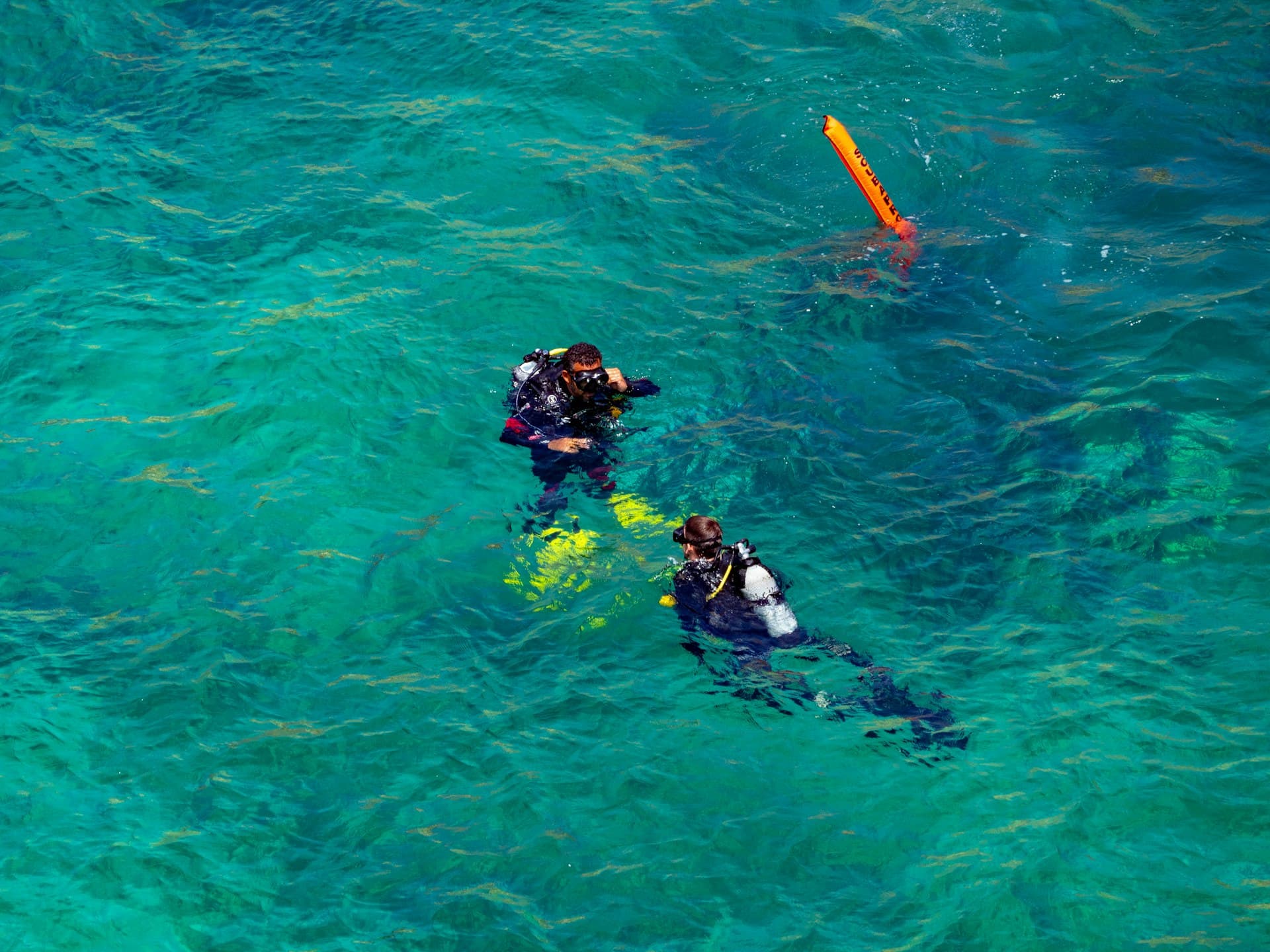
The Complete Malta Diving Guide
Plan Malta and Gozo diving with wrecks, caves, Blue Hole logistics, seasons, safety notes, and Mediterranean marine life highlights.
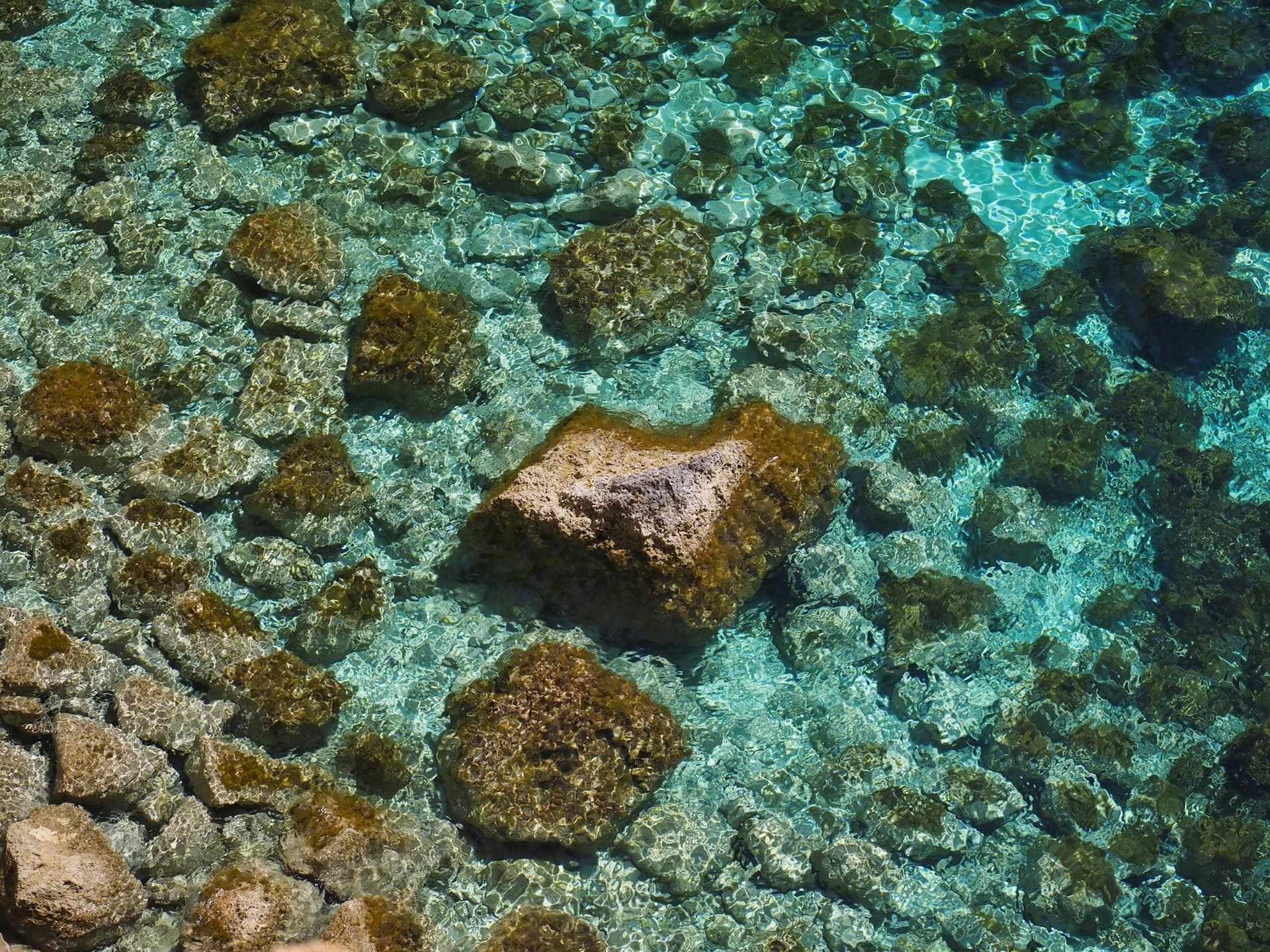
Top Dive Sites in Malta and Gozo
Compare Malta and Gozo's best dive sites: Blue Hole, Inland Sea, Um el Faroud, Rozi, P29, HMS Maori, Comino caves, and more.
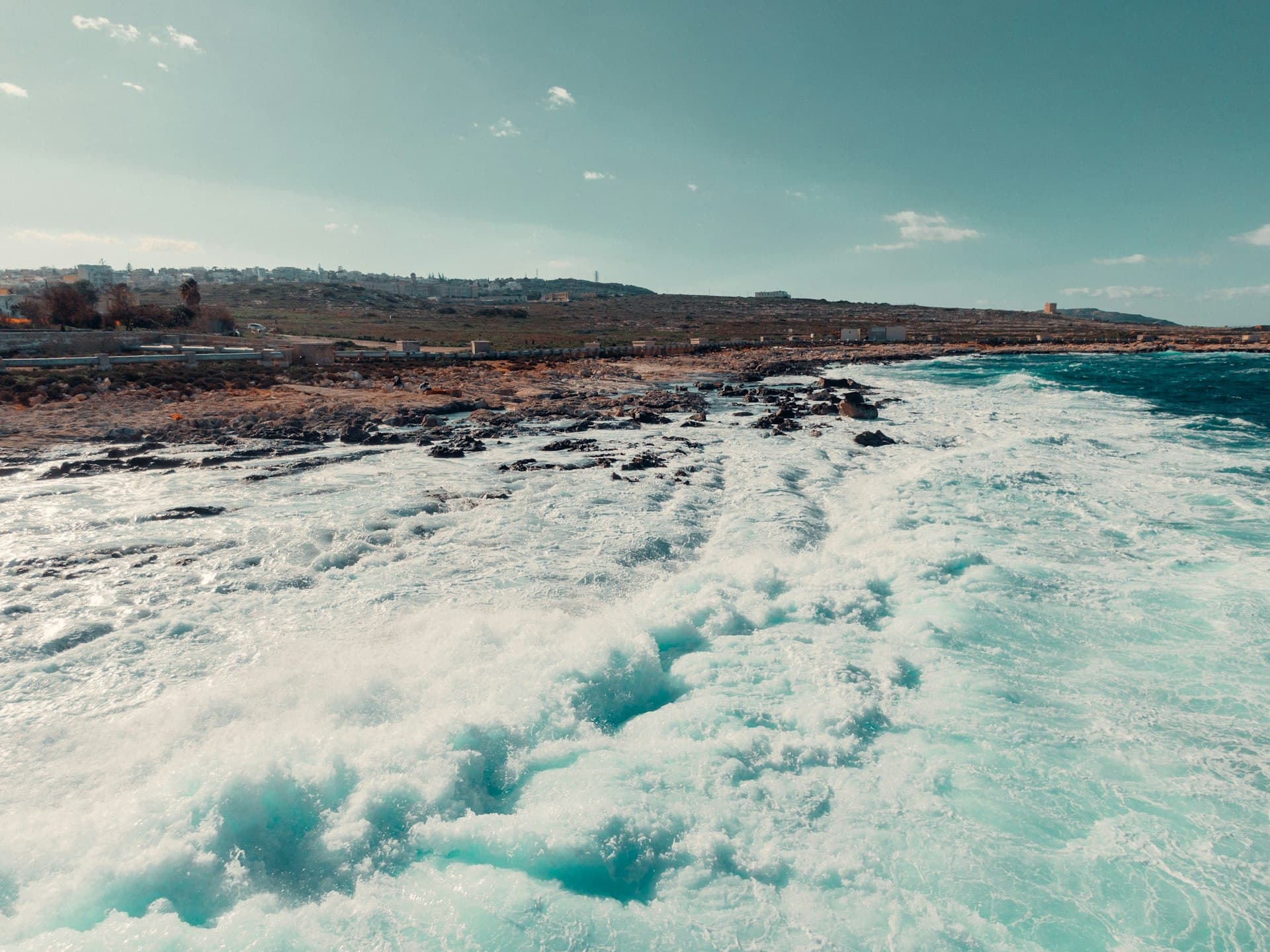
Malta Dive Conditions by Month
Month-by-month Malta diving conditions: water temperature, visibility, wind exposure, wetsuits, currents, and the best seasons for Gozo and wrecks.
Safety
Bring Malta & Gozo underwater
Offline access, dive log, AI fish ID, live site maps, and trip planning.
Download on the App Store