Malaysia
Diving in Layang Layang
Photo: Francesco Ungaro / Pexels
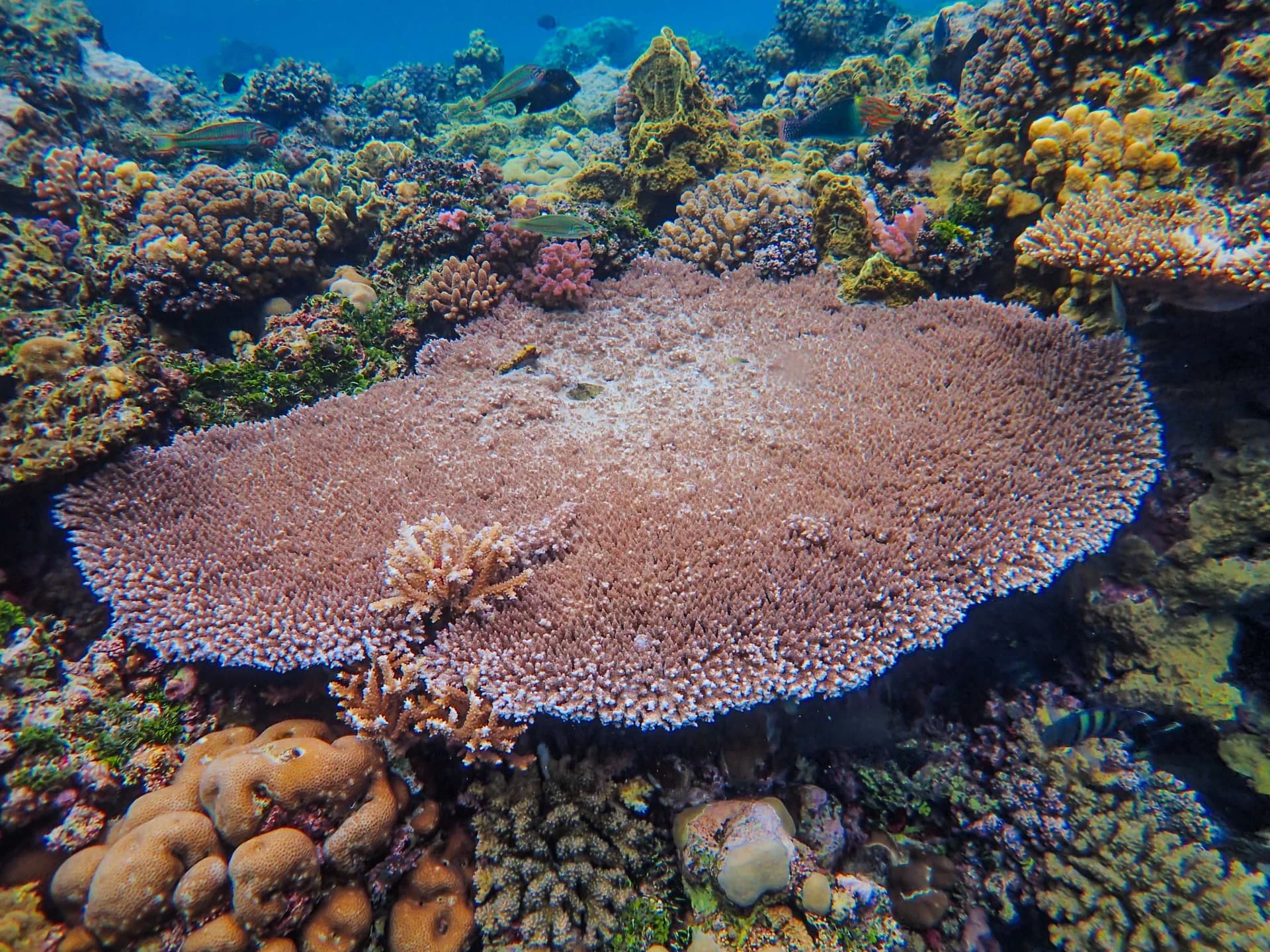
Layang Layang (Swallow Reef) is a remote oceanic atoll 300km northwest of Kota Kinabalu, Malaysia, in the disputed Spratly Islands of the South China Sea. Rising from abyssal depths of 2,000 metres, this tiny atoll — just 7km long and 2km wide — is Malaysia's premier pelagic dive destination. Known for pristine coral walls that plunge vertically into the deep, Layang Layang is famous for its seasonal scalloped hammerhead shark aggregations (March–May), dense gorgonian sea fan forests, and some of the clearest water in Southeast Asia with visibility exceeding 50 metres. The reefs have never been commercially fished, protected by the permanent Royal Malaysian Navy presence since 1983 — making them arguably the healthiest in Malaysia. The atoll hosts 13 distinct dive sites around its outer perimeter, from beginner-friendly shallow reefs to heart-pounding drift dives along 2,000m walls. Above water, the atoll is a designated Important Bird Area with breeding colonies of greater crested terns, brown boobies, and frigatebirds. ⚠️ Note: The Layang Layang Island Resort closed permanently in January 2025 after its operating license was revoked — current access is limited to a once-a-year liveaboard expedition (March–May, max 6 divers).
Explore the map
Select a pin to learn more. Use the zoom buttons or pinch to zoom.
Loading map…
Places on this map (3)
13 places have no verified map location yet. Browse the page lists for more places.
Conditions
26–30 °C
10–50 m
1–40 m
Moderate
March to May (peak hammerhead season, calmest seas, visibility 30–50m+). June to August still good (fewer hammerheads but manta rays and pelagics active). September to February: northeast monsoon — rough seas, resort historically closed, impractical for diving.
| Month | Summary |
|---|---|
| Jan | Northeast monsoon — rough seas, poor visibility (10–15m), and strong currents make January undiveable. The atoll is effectively inaccessible with no charter flights or liveaboards operating. |
| Feb | Northeast monsoon continues. Rough surface conditions and limited visibility persist. No dive operations available — all access remains closed. |
| Mar | Transition month: monsoon begins to ease. Seas calming, visibility improving to 20–30m. Hammerhead season begins — the SY Mawali liveaboard expedition typically launches in March. The start of the diveable season. |
| Apr | Peak diving month: calmest seas of the year, visibility 30–50m+, water temperature 28–29°C. Peak hammerhead aggregation at Gorgonian Forest, The Point, and Dogtooth Lair. The best month for pelagic encounters. |
| May | Excellent diving continues — visibility 30–50m+, water 29°C. Hammerhead schools still strong (mating season peaks in May). Calm seas, warm water, and exceptional visibility make May arguably the finest all-around month. |
| Jun | Shoulder season begins — visibility still good at 25–40m, water 29°C. Hammerheads thinning out but manta rays and devil rays become more frequent. Dawn dives still productive for pelagics. |
| Jul | Mid-year conditions: visibility 20–35m, water 28°C. Fewer hammerheads but manta rays, grey reef sharks, and dogtooth tuna active. Occasional mola mola sightings possible at the drop-offs. Still reliably good diving. |
| Aug | Late shoulder season — visibility 20–30m, water 28°C. Southwest monsoon can bring occasional storms but diving remains possible. Manta rays and devil rays at peak frequency. Last reliable month before monsoon closure. |
| Sep | Northeast monsoon begins — seas roughening, visibility dropping to 15–25m. Strong currents at exposed sites. Resort historically closed in September. Diving possible only in best weather windows but unreliable. |
| Oct | Full monsoon conditions — rough seas, visibility 10–20m, strong currents. No dive operations. The atoll is inaccessible. Not recommended for any diving activity. |
| Nov | Peak monsoon — strongest winds of the year, visibility 10–15m. The atoll is completely inaccessible. No diving possible. |
| Dec | Late monsoon — still rough conditions, visibility 10–15m, strong currents. No dive access. Divers should plan for the March–August window only. |
Dive Sites (13)
Crack Reef
5–40m · Intermediate
Wall · Drift dive · Coral garden
D'Wall
1–40m · Advanced
Wall · Coral garden · Pelagics
Dogtooth Lair
5–40m · Advanced
Pinnacle · Wall · Pelagics
Gorgonian Forest
5–40m · Intermediate
Wall · Drift dive · Coral garden
Navigator Lane
5–30m · Beginner
Channel · Coral garden · Pelagics
Sharks' Cave
3–40m · Advanced
Caves · Overhang · Wall
Snapper Ledge
5–25m · Beginner
Reef · Drift dive · Coral garden
The Point
5–40m · Advanced
Drift dive · Pelagics · Wall
Marine Life (99)
 must-see
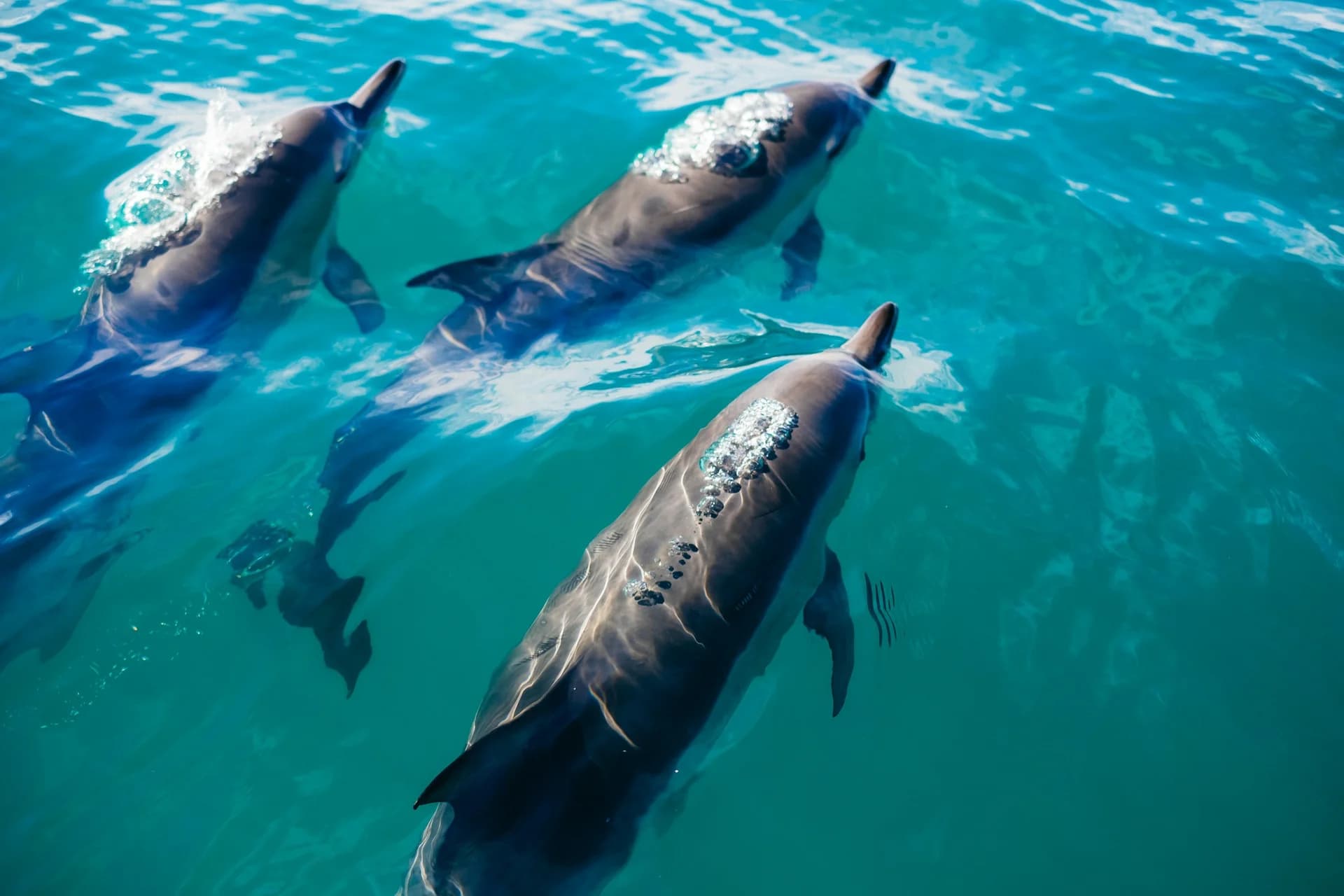
Atlantic Bottlenose Dolphin
 must-see
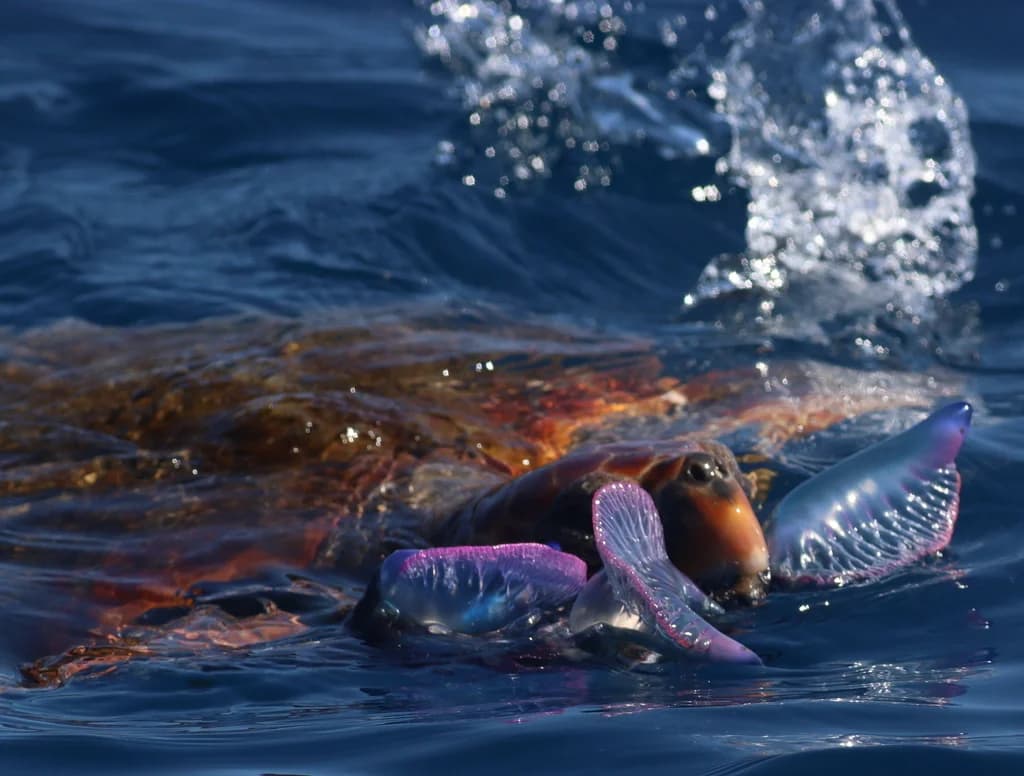
Loggerhead Turtle
 must-see
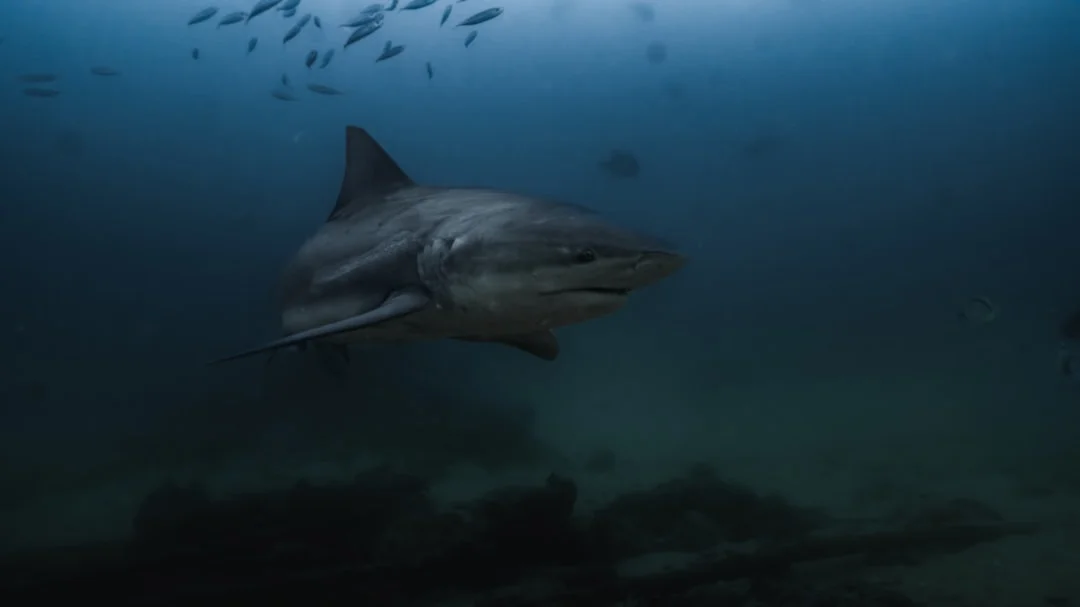
Bull Shark
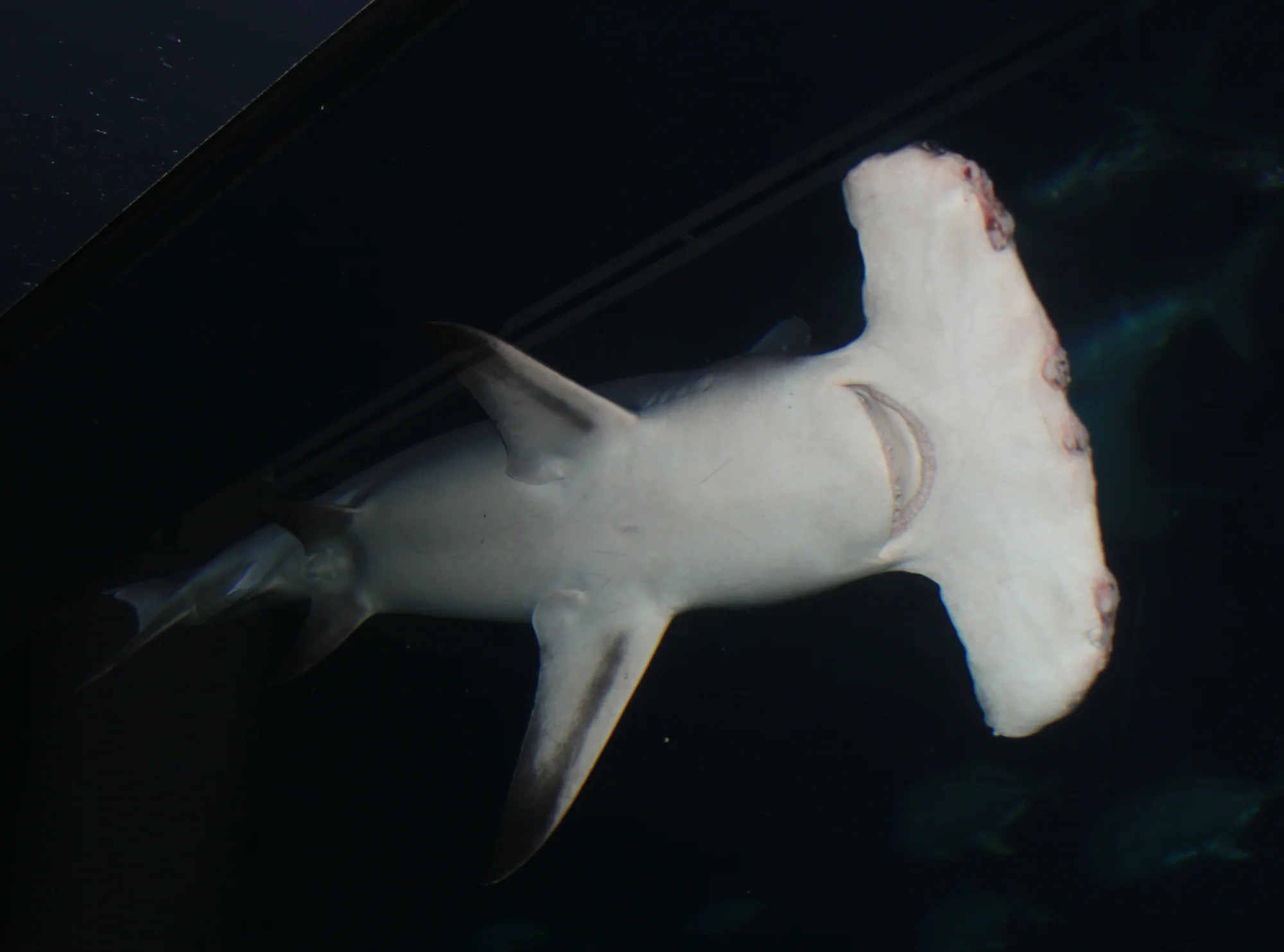 must-see
Great Hammerhead
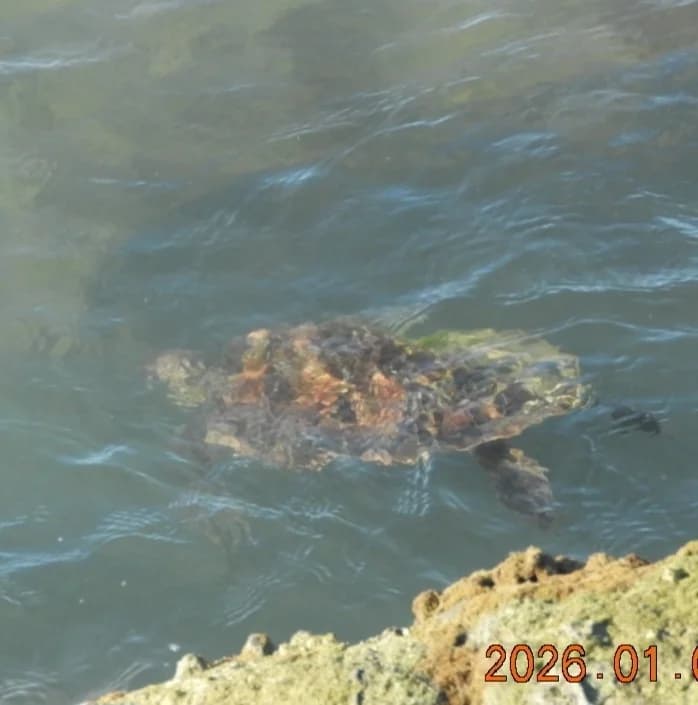 must-see
Green Sea Turtle
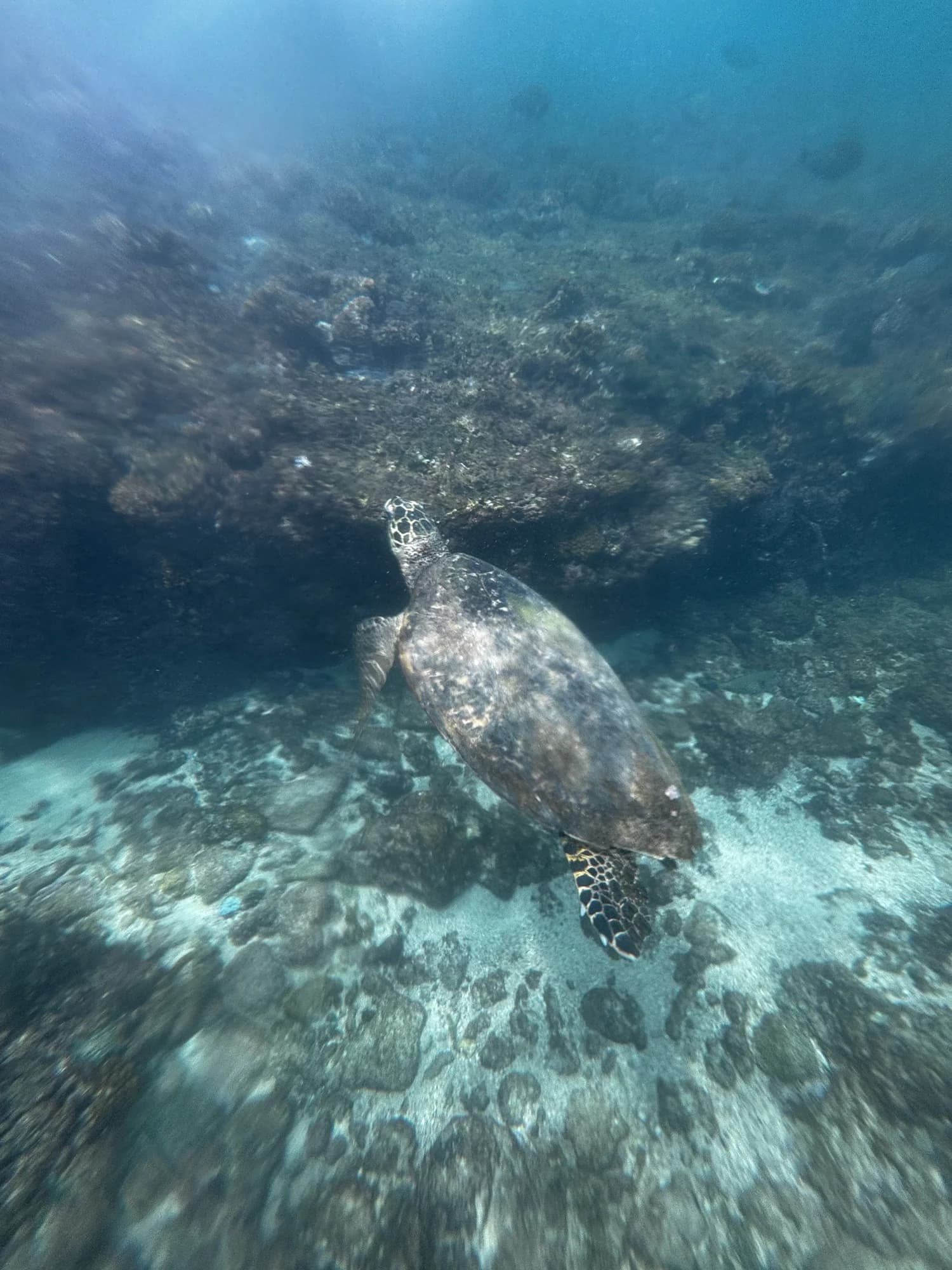 must-see
Hawksbill Turtle
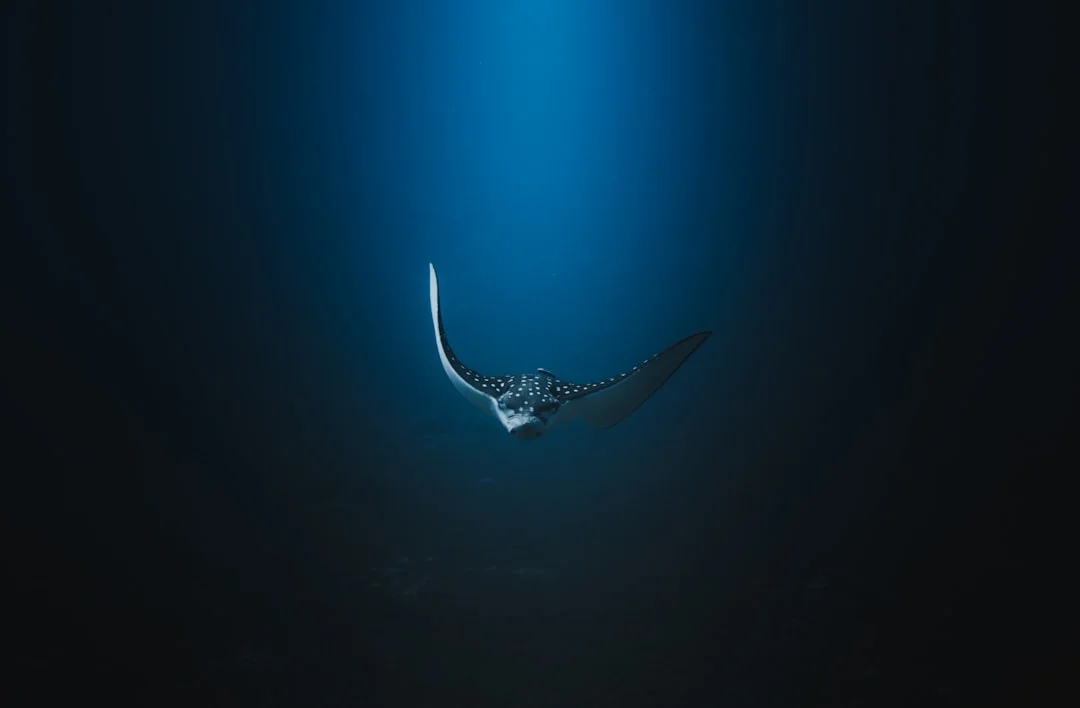 must-see
Spotted Eagle Ray
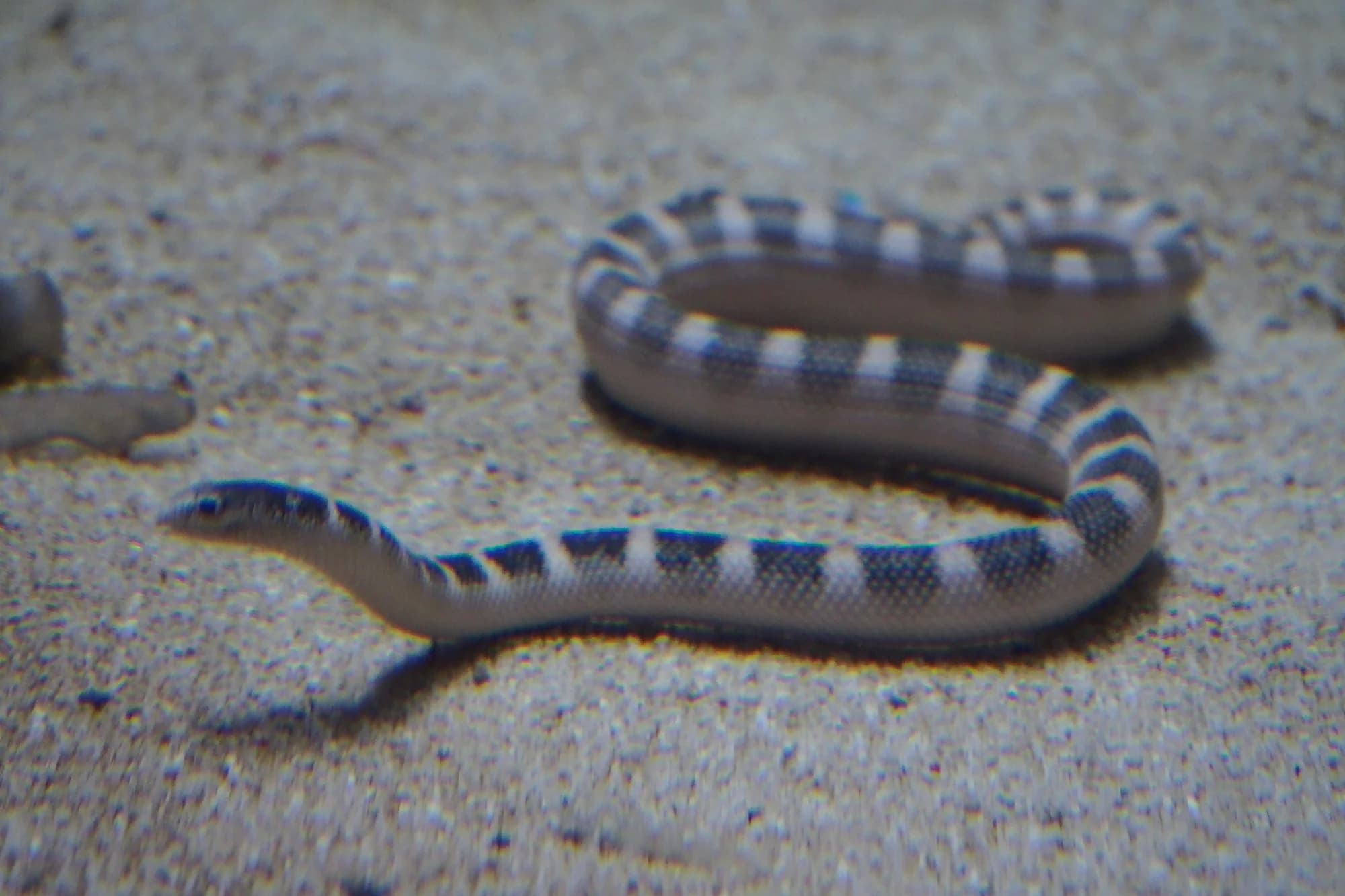
Ornate Reef Sea Snake
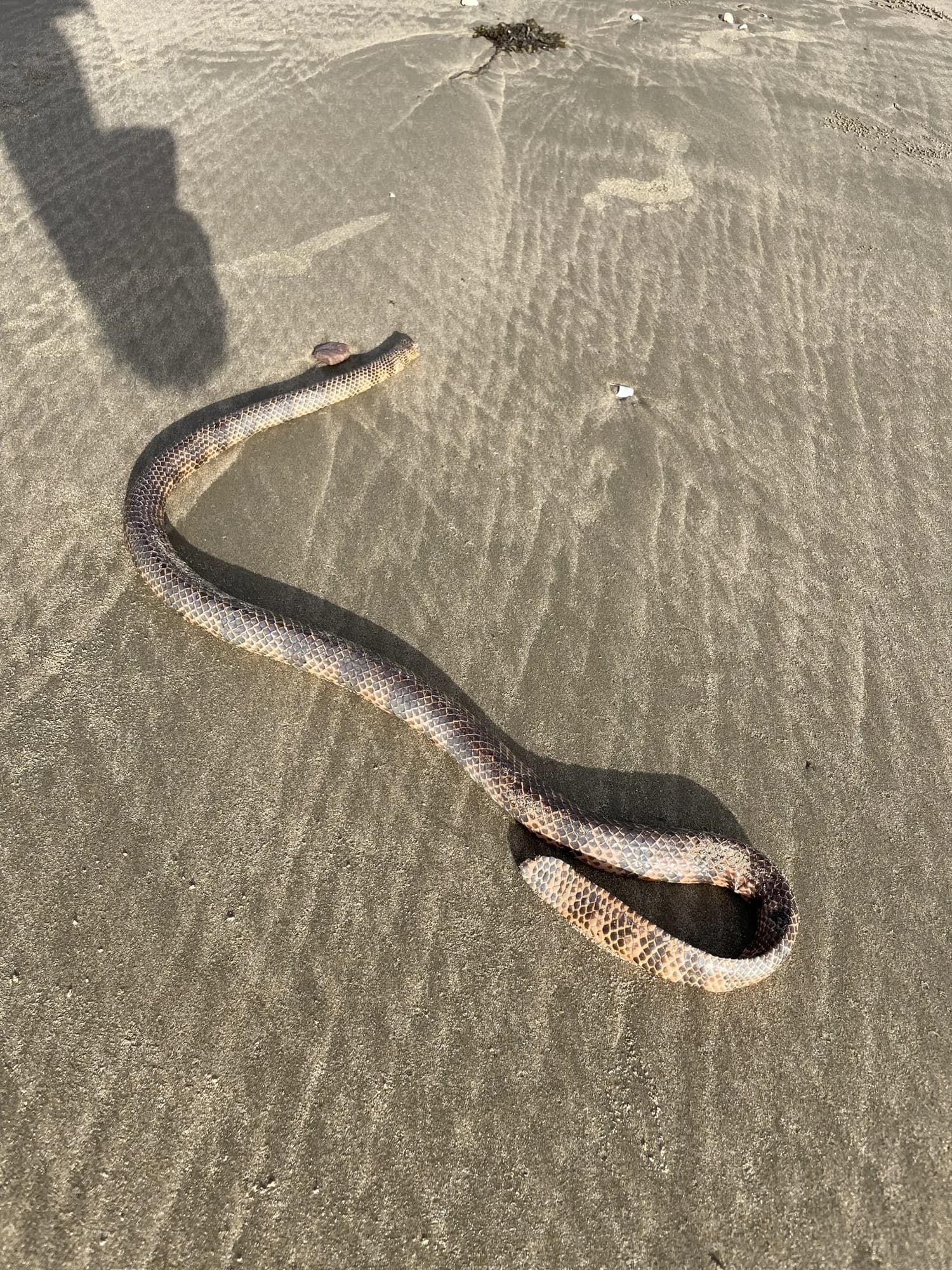
Dubois Sea Snake
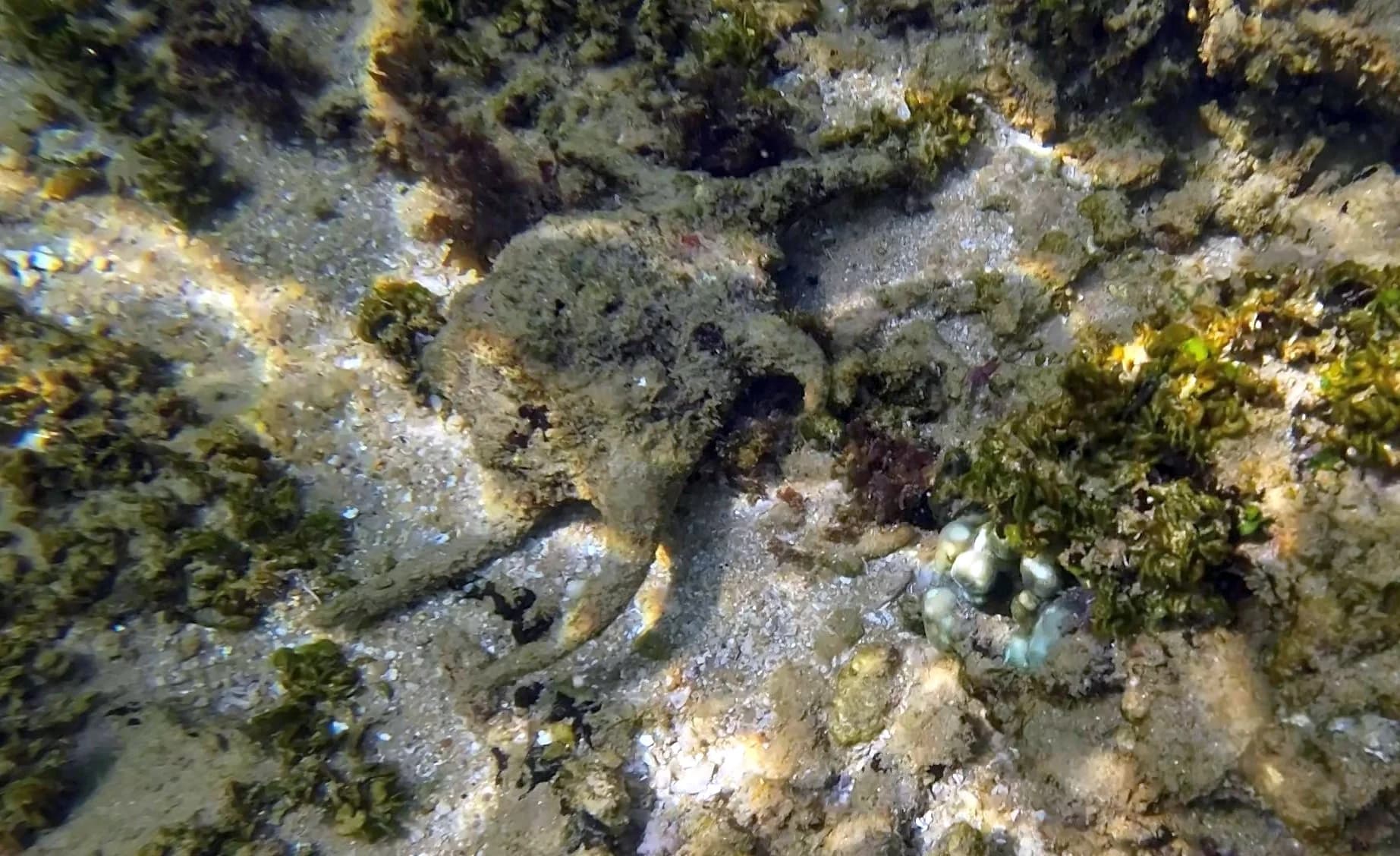
Spider Conch
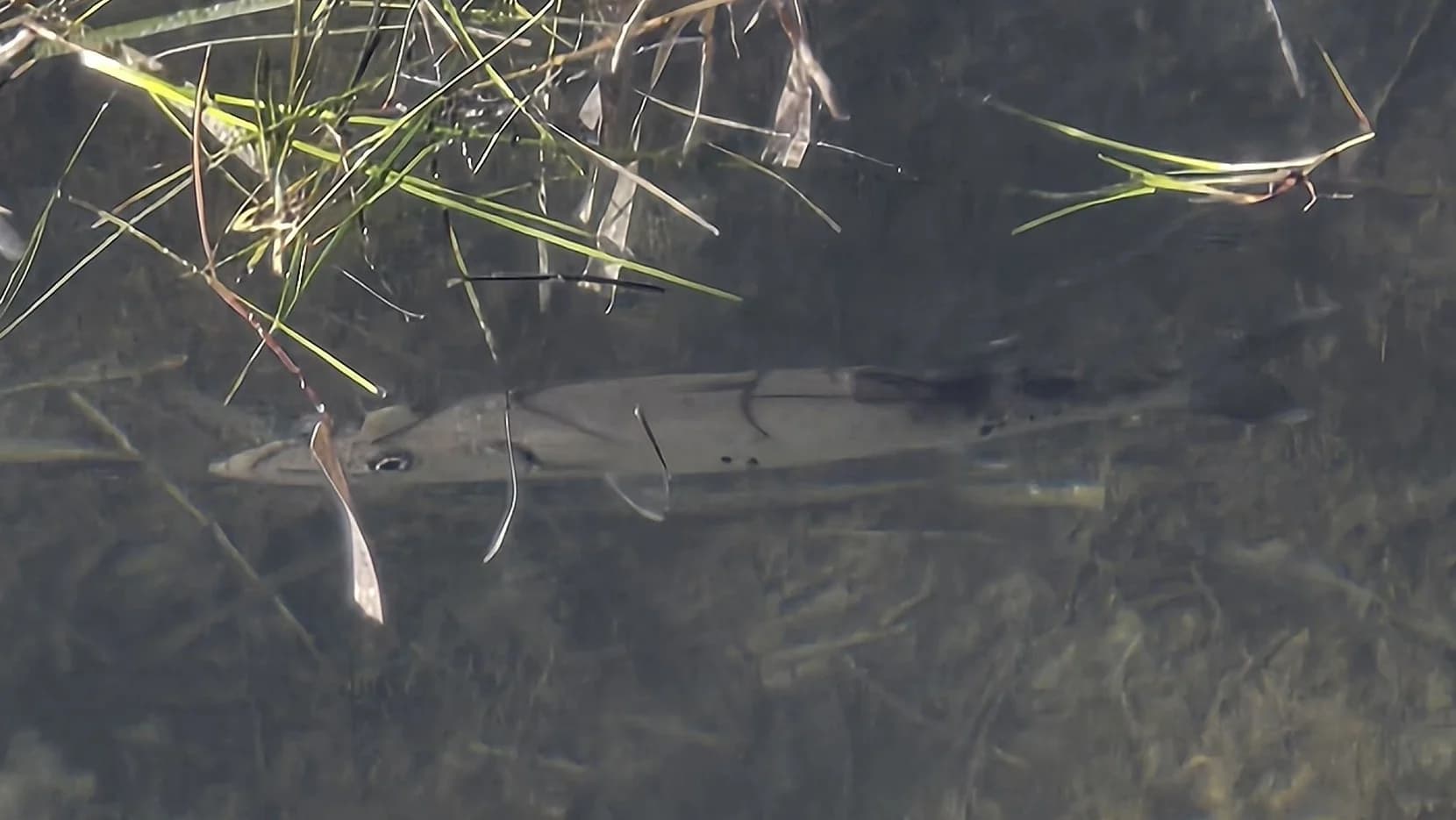
Great Barracuda
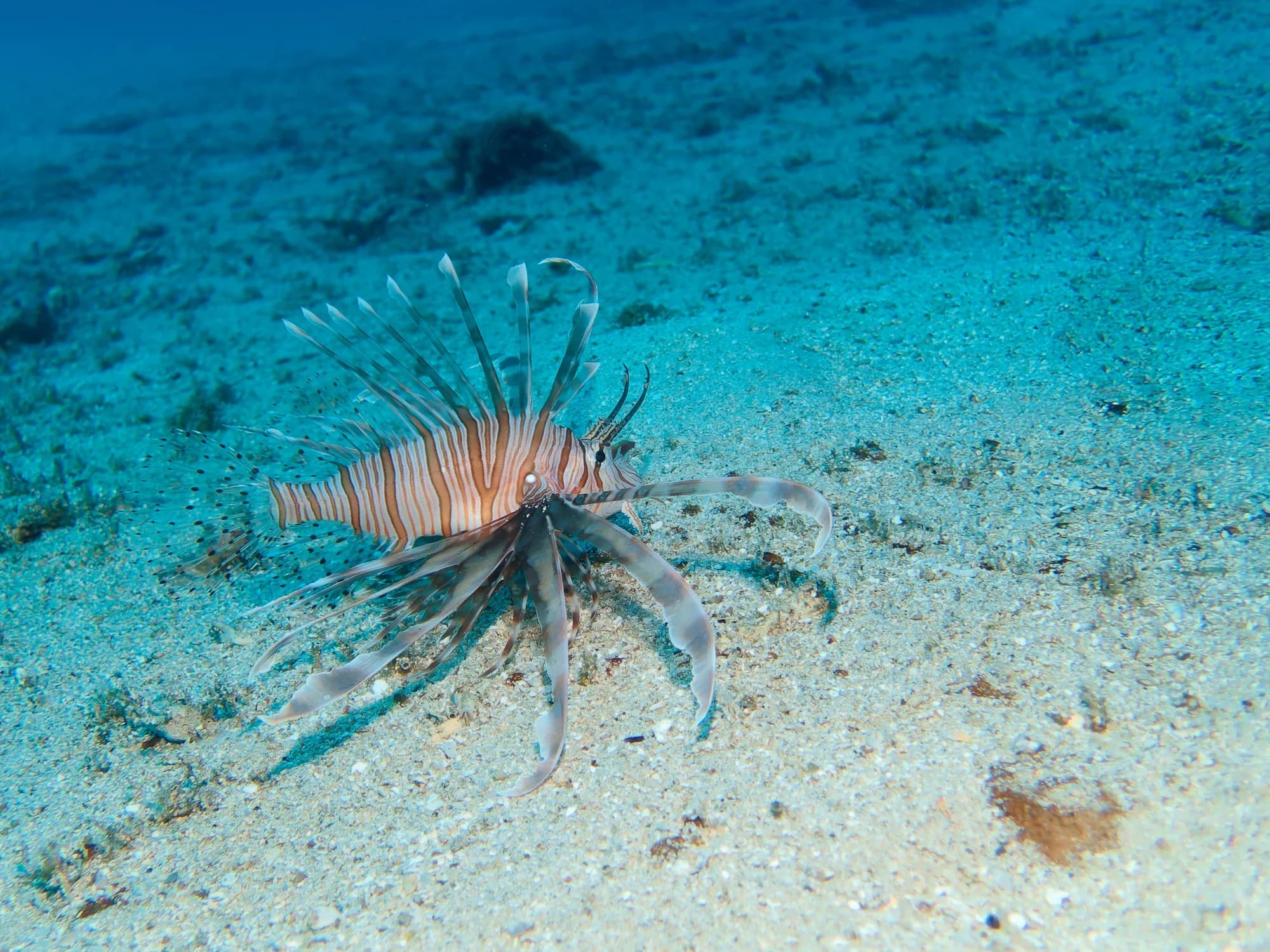
Common Lionfish
Dive Shops (3)
Guides
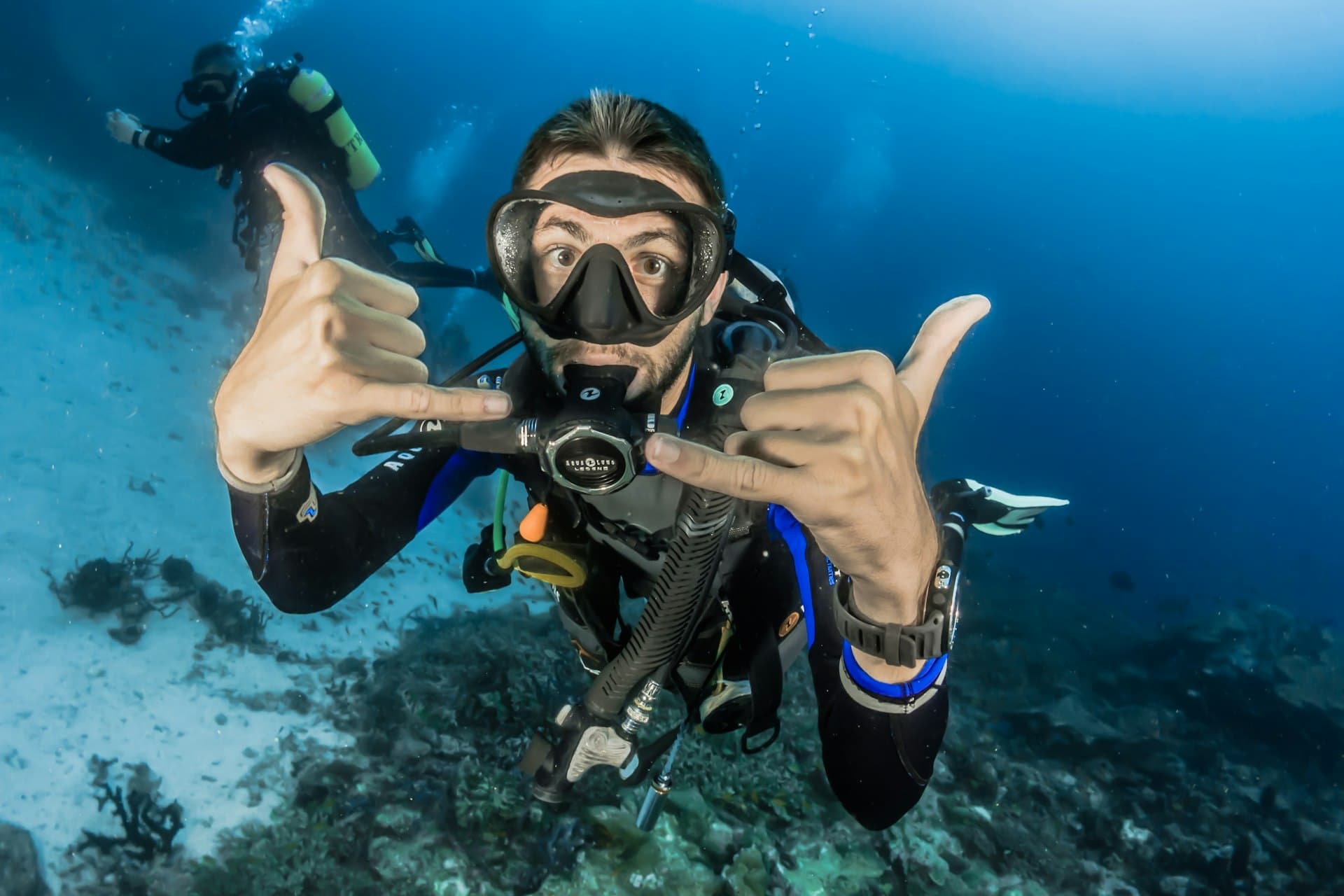
Layang Layang Diving Guide: Malaysia's Hammerhead Atoll
Layang Layang is Malaysia's premier pelagic dive destination — 2,000m walls, scalloped hammerhead aggregations, and 50m visibility in the South China Sea.
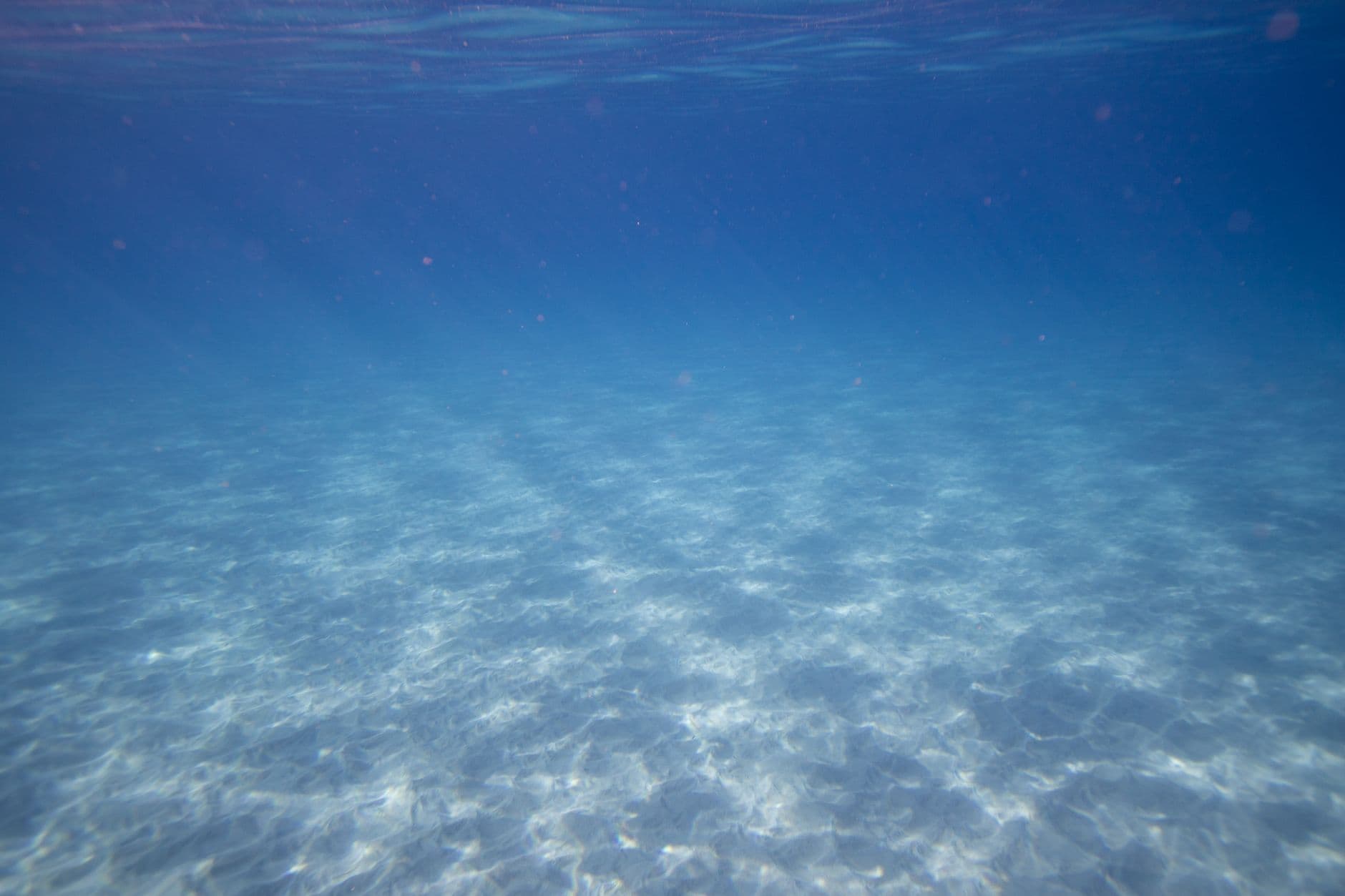
Diving Layang Layang: Conditions, Seasons & What to Expect
Visibility up to 50m, water temps 26–30°C, and a narrow March–August window. Here's exactly what Layang Layang's conditions look like month by month.
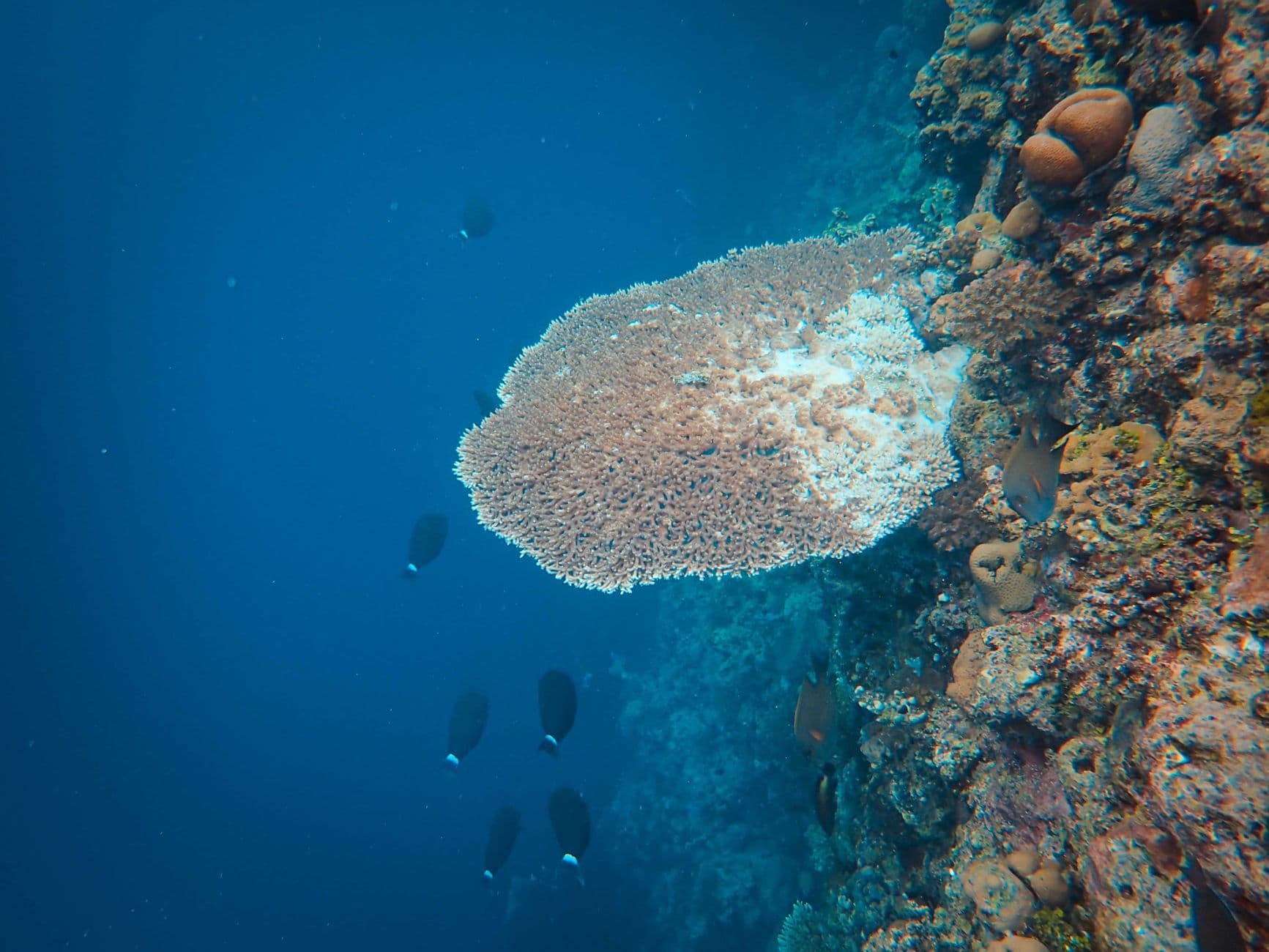
Top 10 Layang Layang Dive Sites: Walls & Gorgonian Forests
From Gorgonian Forest and D'Wall to Sharks' Cave and The Point — dive into Layang Layang's top 10 sites with depths, difficulty, and marine life.
Safety
Bring Layang Layang underwater
Offline access, dive log, AI fish ID, live site maps, and trip planning.
Download on the App Store