Diving Layang Layang: Conditions, Seasons, and What to Expect
Layang Layang sits in the equatorial South China Sea, 300 kilometres from the nearest landmass, ringed by a coral atoll that rises from 2,000 metres of open ocean. Its conditions are defined by that geography — a tiny speck of reef in a vast body of water, exposed to the full force of the South China Sea's seasonal monsoon cycle and the deep-ocean currents that make the atoll a pelagic highway.
Understanding those conditions matters more at Layang Layang than at almost any other dive destination in Southeast Asia. The season is narrow: the atoll is effectively inaccessible from September through February. The resort is permanently closed as of January 2025. Current access is limited to a single annual liveaboard expedition running March through May. If you show up in the wrong month, there is no reef to dive — the atoll is shut down.
This guide covers the numbers, the seasons, and what you need to plan a trip that works.
The Numbers That Matter Most
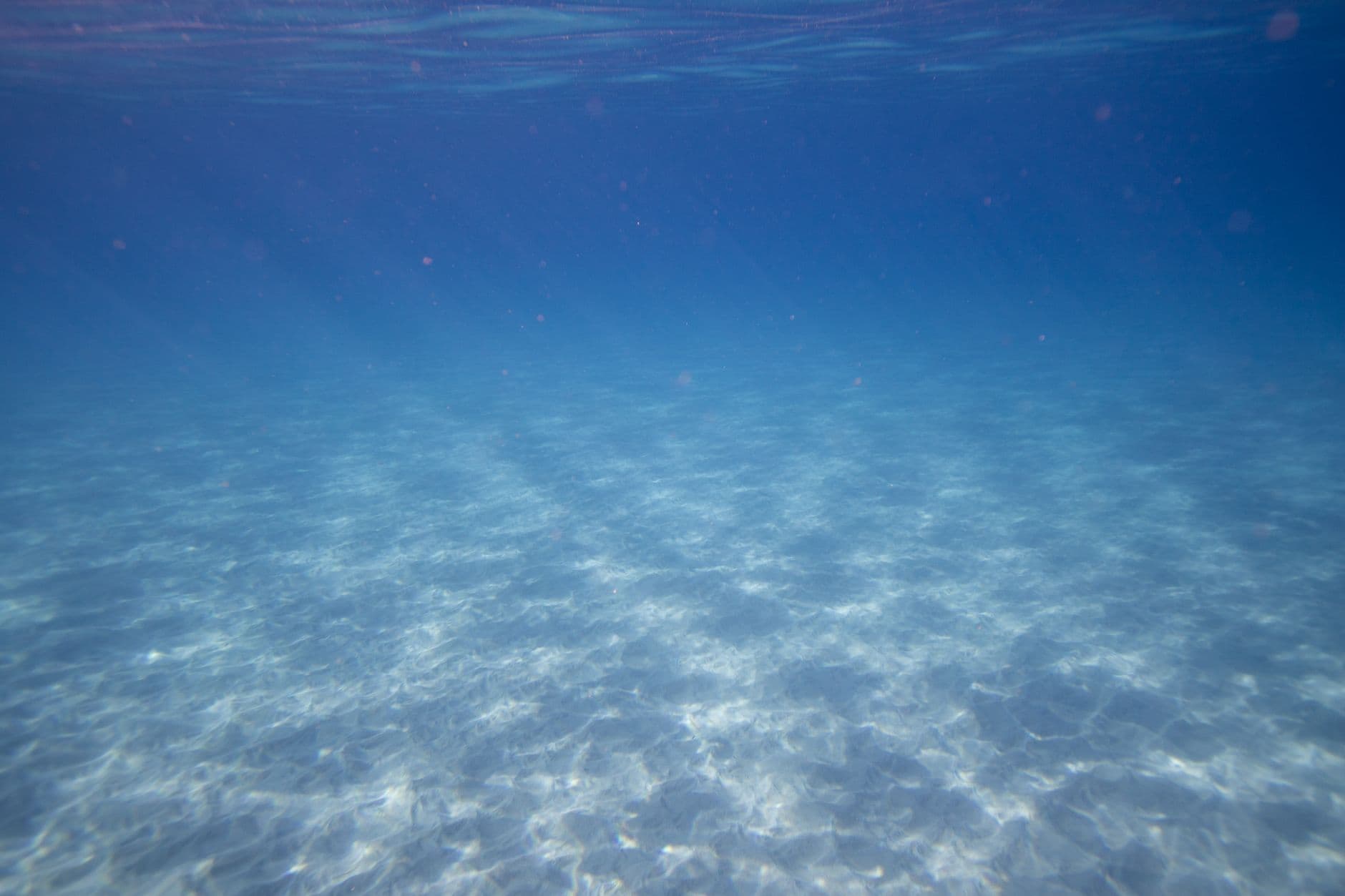
Visibility: 20–50 metres depending on season, with peak readings of 50 metres or more in April and May. This is among the clearest water anywhere in the Coral Triangle region. Visibility drops to 10–20 metres during the northeast monsoon (September–February) when rough seas stir up particulate matter and plankton blooms.
Water temperature: 26–30°C (79–86°F) year-round, with minimal seasonal variation because of the atoll's equatorial position. The coolest readings occur in January and February (~26°C, 79°F), and the warmest in May through July (28–30°C, 82–86°F). A 3-millimetre full wetsuit is comfortable for the majority of the diving season. Some divers add a vest or hood for repetitive dives or deeper profiles.
Current: Mild to moderate on most sites, with stronger flows at exposed points of the atoll — Gorgonian Forest and The Point see the heaviest current. Tidal patterns are predictable, and drift diving is the standard approach at multiple sites. The atoll's shape creates a lee effect: the south and southeast sides (including The Tunnel, Snapper Ledge) are sheltered and run mild current, while the northeast and northwest points (Crack Reef, The Point) catch the full fetch of open-ocean flow.
Depth range by site type: Shallow protected reefs 1–18 metres (Snapper Ledge, The Tunnel); main walls 5–30 metres (Crack Reef, Gorgonian Forest); advanced wall dives 5–40 metres (D'Wall, The Runway). The recreational limit is 40 metres, hard-enforced. Beyond that depth there is no recompression chamber, no nitrox, and no margin for error.
Season by Season
Layang Layang operates on a simple annual cycle. The southwest monsoon (March–August) brings diving weather. The northeast monsoon (September–February) closes the atoll.
March – May: Peak Season
This is the only window that matters for most divers. The southwest monsoon calms the South China Sea — surface conditions are settled, rainfall is minimal, and visibility climbs to 30–50 metres. These three months concentrate everything that makes Layang Layang famous.
Water temperature: 27–29°C (81–84°F). A 3-mm full wetsuit is sufficient. Thermoclines are weak or absent.
Visibility: 30–50 metres, peaking in April and May at 50 metres or more. This is some of the clearest water in Southeast Asia, comparable to the Similan Islands in late February or Tubbataha's peak season.
Hammerhead season: Scalloped hammerheads aggregate at Gorgonian Forest, The Point, and Dogtooth Lair, with peak encounters in April and May. Dawn dives at 30–35 metres offer the highest probability — groups of 20–50 individuals are reported consistently.
Currents: Mild to moderate on most sites, 1–2 knots at exposed points. The drift along walls is enjoyable rather than challenging at most sites, though the exposed points require good buoyancy control.
Crowds: With the resort closed and only one liveaboard operating (max 6 divers), the atoll sees single-digit diver numbers per day. You are more likely to share the reef with hammerheads than with other divers.
June – August: Shoulder Season
The atoll is still diveable, but conditions shift. The southwest monsoon peaks, bringing occasional squalls and slightly reduced visibility. Surface conditions remain acceptable — operators continue running if they existed, and the liveaboard season ends in May, so June through August is effectively a no-tourism window except for any future operations.
Water temperature: 28–30°C (82–86°F). The warmest period of the year.
Visibility: 20–35 metres. Not as exceptional as April–May, but still good by any global standard.
Marine life shift: Hammerhead numbers decline significantly — they are present but in smaller groups and less predictably. Manta rays and devil rays become more common during this window, especially at Gorgonian Forest and Wrasse Strip. Dogtooth tuna remain active.
Currents: Moderate to occasionally strong at exposed sites. The monsoon amplifies tidal flows.
Practical note: June through August was historically the tail end of resort operations. The resort is now closed, so visiting during this window requires alternative arrangements — currently none exist. The liveaboard expedition ends in May.
September – November: Monsoon Transition
The northeast monsoon begins building, and the atoll becomes increasingly inhospitable. Surface conditions deteriorate: 1.5–2.5-metre swell is common, winds pick up, and frequent rain squalls pass over the atoll.
Visibility: Drops to 12–20 metres, sometimes lower during plankton blooms.
Water temperature: Still 26–27°C (79–81°F), but the rough surface makes entry and exit hazardous.
Currents: Strengthen significantly as the monsoon pushes water across the South China Sea. Exposed sites become dangerous. Even sheltered sites like The Tunnel can see current spikes.
Practical note: The atoll was historically closed during this period. Charter flights are grounded. Travel by sea is not advisable. There is no diving at Layang Layang from September through November.
December – February: Closed Season
The northeast monsoon is in full force. Rough seas, poor visibility, and unpredictable weather make the atoll effectively unapproachable.
Visibility: 10–15 metres on the best days, often less than 10 metres.
Water temperature: Drops to 26°C (79°F) — the coolest of the year.
Currents: Strong and unpredictable. The atoll's exposed perimeter takes the full force of the northeast monsoon, and drift dives that are enjoyable in March become dangerous.
Practical note: The atoll is closed. No resort, no charter flights, no dive operations. The liveaboard does not run. Even if you somehow reached the atoll, conditions are not worth diving — you would see a green-out at 10 metres instead of a wall.
Reading the Current at Layang Layang
The atoll's small size (~7 km long, 2 km wide) means current varies more by position than by time of day. Three rules of thumb:
The exposed side runs harder. The north, northeast, and northwest points (Crack Reef, The Point) consistently see stronger current because the fetch of the South China Sea hits these positions first. The southeast side (The Tunnel, Snapper Ledge, The Valley) is sheltered by the atoll's curvature and runs mild to moderate.
Tidal amplification matters. The South China Sea has a mixed semidiurnal tide (range ~0.5–1.5 metres). Spring tides amplify current at exposed sites by roughly 1 knot compared to neap tides. When planning multiple days of diving, information on the local tide cycle helps you pick the right site for each dive.
The wall creates its own current. At sites like D'Wall and Gorgonian Forest, the vertical wall forms a barrier that the current moves along rather than over. The result is a laminar flow parallel to the wall — predictable, directional, and the basis for Layang Layang's signature drift dives. Your dive guide will brief the drop point and pickup point before every dive. Trust the briefing.
Gear Notes for Layang Layang Conditions
Wetsuit: A 3-mm full suit works for March through August. For cold-sensitive divers doing four or more dives per day, a 5-mm suit or a 3-mm with a hooded vest provides additional comfort, especially on the deeper profiles (30–40 metres) where thermoclines become noticeable.
Dive computer: Mandatory, and not negotiable. The 40-metre hard limit means you need a reliable depth tracking device. Rental gear on the atoll (when the resort operated) was reported as poorly maintained. Bring your own computer.
Dive torch: Required at D'Wall (overhanging sections), Sharks' Cave (cavern interior), Crack Reef (fissures), and The Tunnel (night dives). Even on daytime dives, the wall depth and overhangs reduce ambient light significantly below 25 metres. A primary torch and a backup are standard practice.
Surface marker buoy (SMB): Drift diving is the norm at several sites. A delayed SMB deployed at 5–6 metres allows the boat crew to track your position against a 2,000-metre drop-off. If you do not own one, confirm that your operator provides them.
Reef-friendly sunscreen: The atoll's coral has never been commercially damaged. Do not be the diver who changes that. Standard sunscreen kills coral at trace concentrations. Bring reef-safe (non-nano zinc oxide) or wear a rash guard.
Buoyancy: Layang Layang's walls are vertical and start in shallow water. A buoyancy error at 3 metres near the reef flat means hitting coral before you can react. If you have not dived in a year, book a check-out dive in Kota Kinabalu before heading to the atoll.
Putting It Together
Layang Layang's season is the simplest and most restrictive of any Southeast Asian dive destination. If you want hammerheads and 50-metre visibility, the window is April and May. If you want warmer water and manta rays, June and July are workable. Outside March through August, there is no diving.
The resort closure changes the calculus: instead of a week-long stay at the resort with daily boat dives, the only option is a single annual liveaboard expedition. That makes trip timing even more critical. If the liveaboard dates do not align with the hammerhead peak, you miss the hammerheads.
Plan conservatively. Book early. And assume that this tiny atoll in the Spratly Islands will deliver exactly what it promises — the clearest water, the healthiest reef, and the most pelagic action in Malaysia.
DivePass tracks real-time site conditions and aggregates local operator briefing notes so you have current data — not just seasonal averages — before every dive. Check the app the morning of your dive day.