Saudi Arabia
Diving in Farasan Banks (Red Sea)
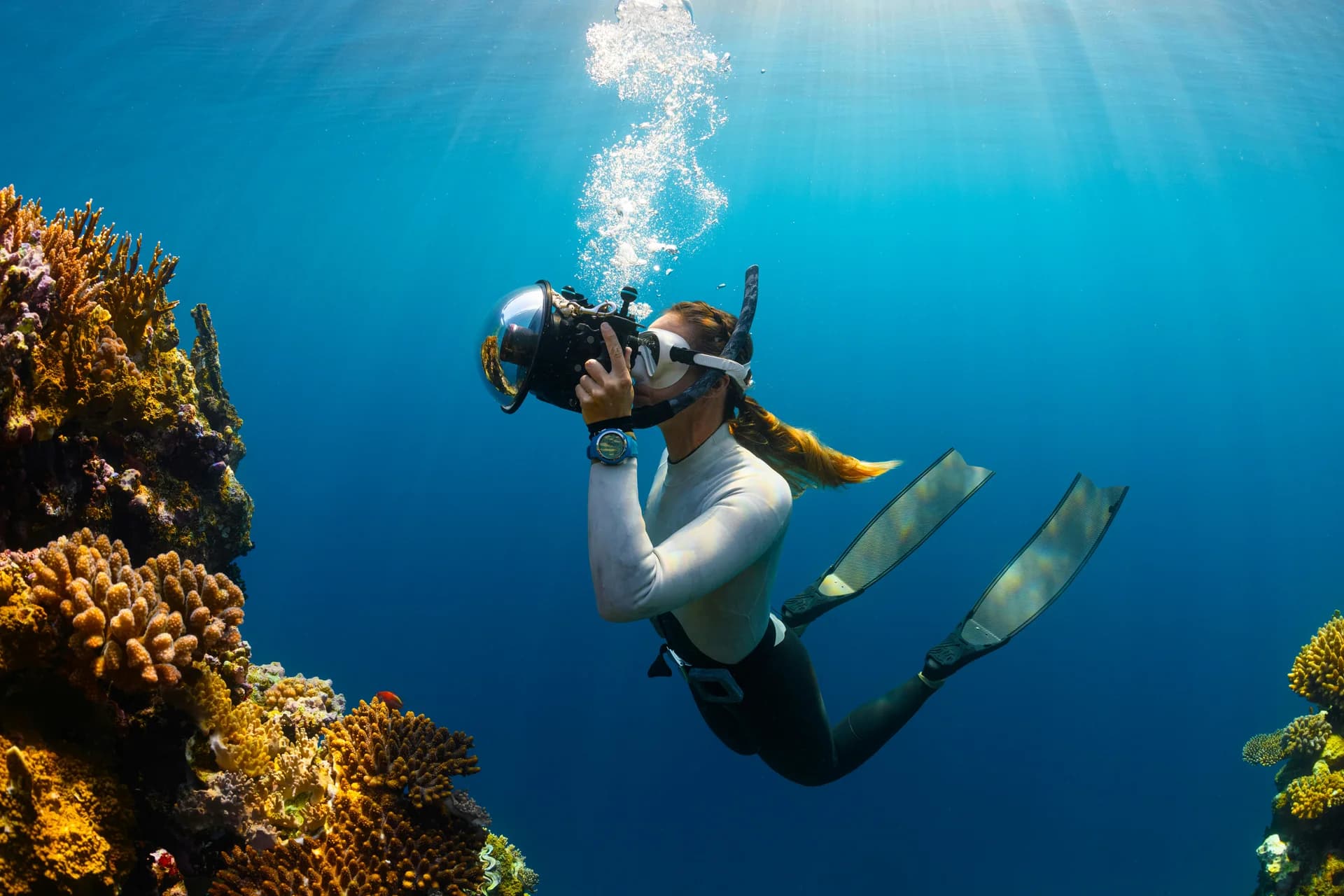
Photo: NEOM / Unsplash
The Farasan Banks are the last frontier of Red Sea diving — 350 miles of untouched reef stretching along Saudi Arabia's remote southern coast. This UNESCO Biosphere Reserve boasts 30% live coral cover, 79 hard coral species, and pelagic encounters rarely matched anywhere else: scalloped hammerhead schools of 80+, whale shark nurseries (100+ juveniles seasonally), oceanic whitetips, dugongs, and mantas. With typically just 1–3 liveaboard vessels operating in the entire area, most sites see fewer divers in a year than Egypt's busiest reefs see in a morning. The cost is remoteness — no hyperbaric chamber within 5 hours, expedition-style diving, and a season that demands planning. For experienced divers seeking what the Red Sea looked like 40 years ago, there is nowhere else like it.
Explore the map
No mapped locations are available for this selection. You can still explore the lists on this page.
7 places have no verified map location yet. Browse the page lists for more places.
Conditions
22–33 °C
10–40 m
15–50 m
Moderate
November to May (peak: December–March for whale sharks and best visibility)
| Month | Summary |
|---|---|
| Jan | Peak winter diving with cool 25°C water and excellent 30m visibility. Hammerhead schools at their most reliable and whale sharks begin arriving at Shib Habil. |
| Feb | The visibility sweet spot at 32m with cool upwelling clearing the water. Both hammerheads and whale sharks overlap, making February arguably the best month of the year. |
| Mar | Water warming to 26°C with whale shark numbers peaking at Shib Habil. Visibility pulls back slightly to 27m but the marine life spectacle more than compensates. |
| Apr | Comfortable 27°C water and the tail end of whale shark season. Mantas become more frequent and hammerheads still patrol the southern atolls. |
| May | Final month of the peak season with 28°C water and 20m visibility. Pelagics begin to thin out but the reefs remain vibrant and liveaboard availability improves. |
| Jun | Summer arrives — water hits 30°C and visibility drops to 15m as plankton blooms increase. Most liveaboards suspend operations. Not recommended for diving. |
| Jul | Peak summer heat — water 31°C, air 42°C+, visibility at its annual minimum of 12m. Jellyfish present. The Banks are effectively closed for diving. |
| Aug | Conditions identical to July — extreme heat, poor visibility, and no diving operations. The Red Sea takes its summer rest. |
| Sep | The long summer continues with 30°C water and 12m visibility. By late September the first liveaboards begin repositioning for the October season opening. |
| Oct | Season reopens! Water cooling to 29°C with visibility improving to 22m. Mantas return in numbers and the first hammerhead sightings of the season begin. |
| Nov | Excellent transitional month — water 28°C, visibility rising to 25m. Hammerhead schools building, mantas active, and still very few boats in the water. |
| Dec | Peak conditions return — water 26°C, visibility 30m. Whale sharks arrive and hammerhead schools reach full strength. The holiday season brings slightly more traffic but still nowhere near Egyptian Red Sea levels. |
Dive Sites (7)
Abu Galawa Soraya
5–25m · Beginner
Coral garden · Snorkeling · Turtles
Coral Maze
8–25m · Beginner
Coral passages · Macro life · Nudibranchs
Qumais Islands
15–40m · Advanced
Remote islands · Pristine reefs · Extended expedition
Ras Qummah
5–20m · Beginner
Training site · Shallow reef · Protected bay
The Blue Hole (Farasan)
3–40m · Advanced
Blue hole · Deep sinkhole · Pelagic encounters
The Caves of Farasan
10–35m · Advanced
Cavern dive · Light beams · Resident sharks
The Drop-off
10–50m · Advanced
Vertical wall · Deep drop · Pelagic sharks
Marine Life (87)
 must-see
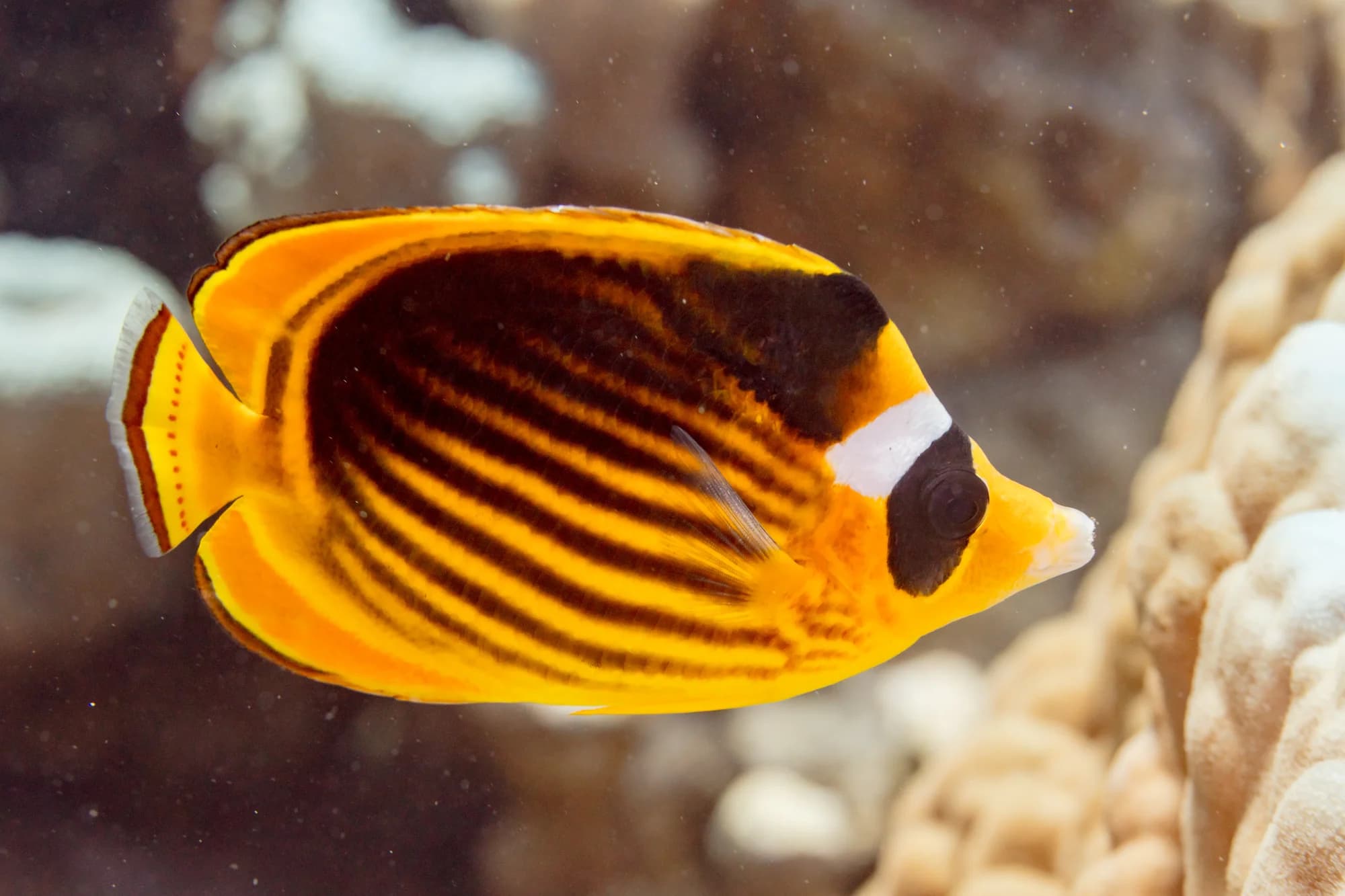
Diagonal Butterflyfish
 must-see
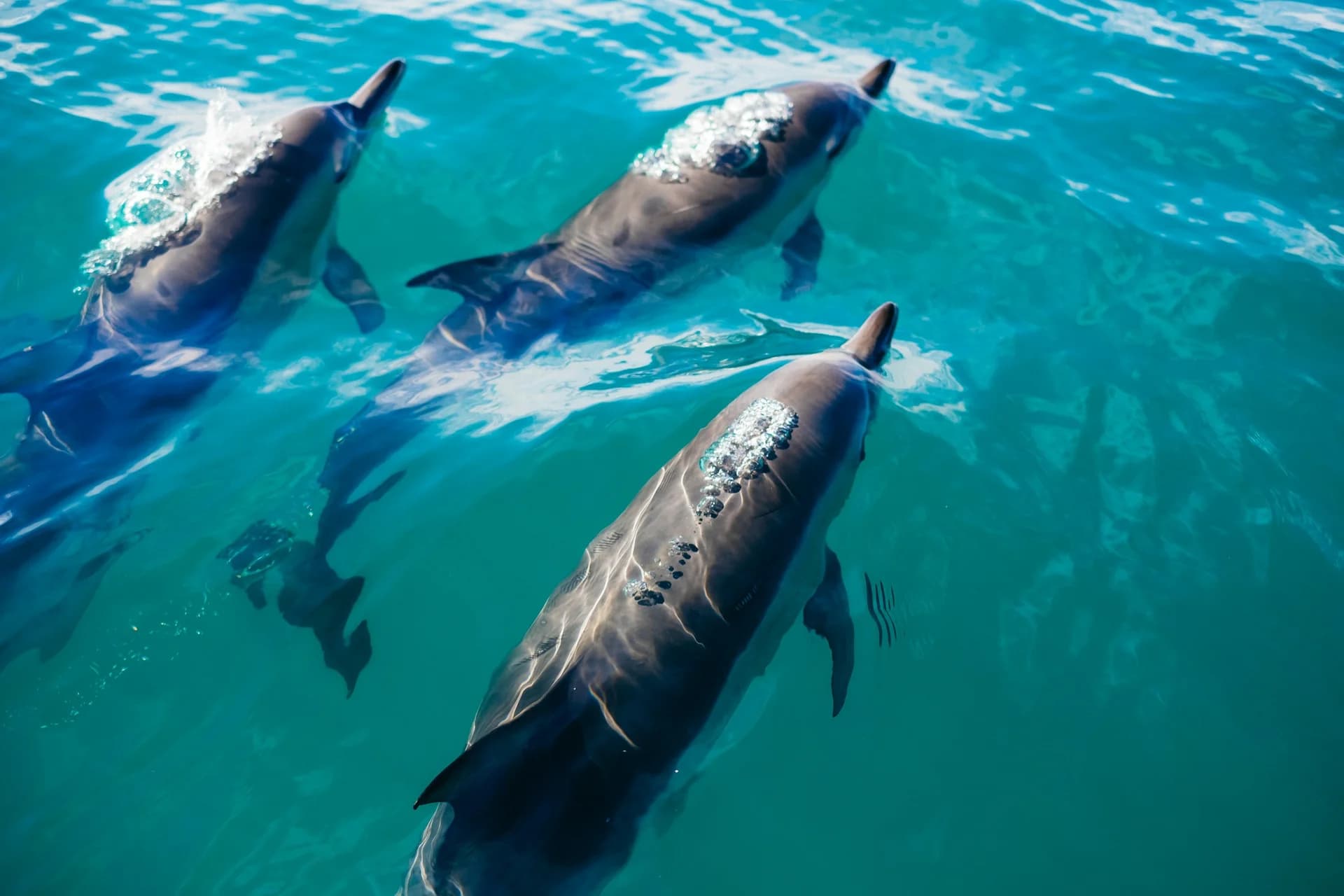
Atlantic Bottlenose Dolphin
 must-see
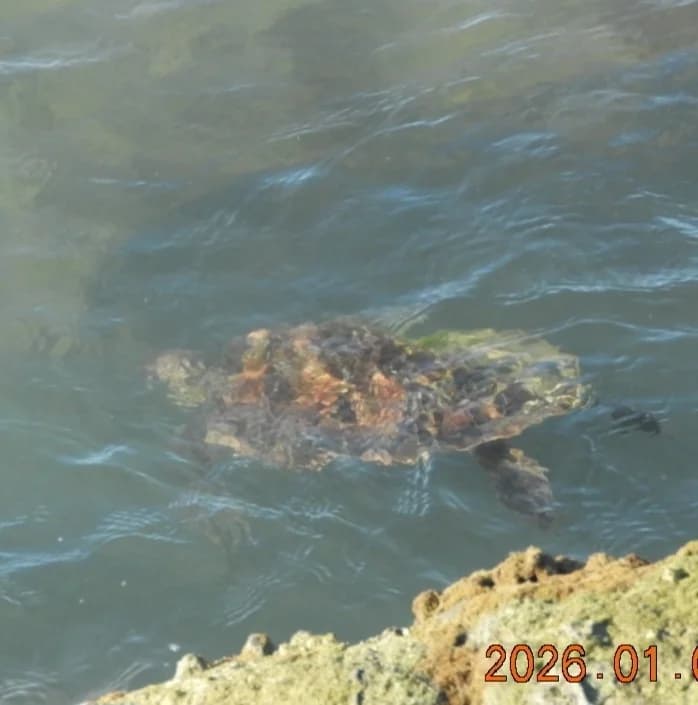
Green Sea Turtle
 must-see
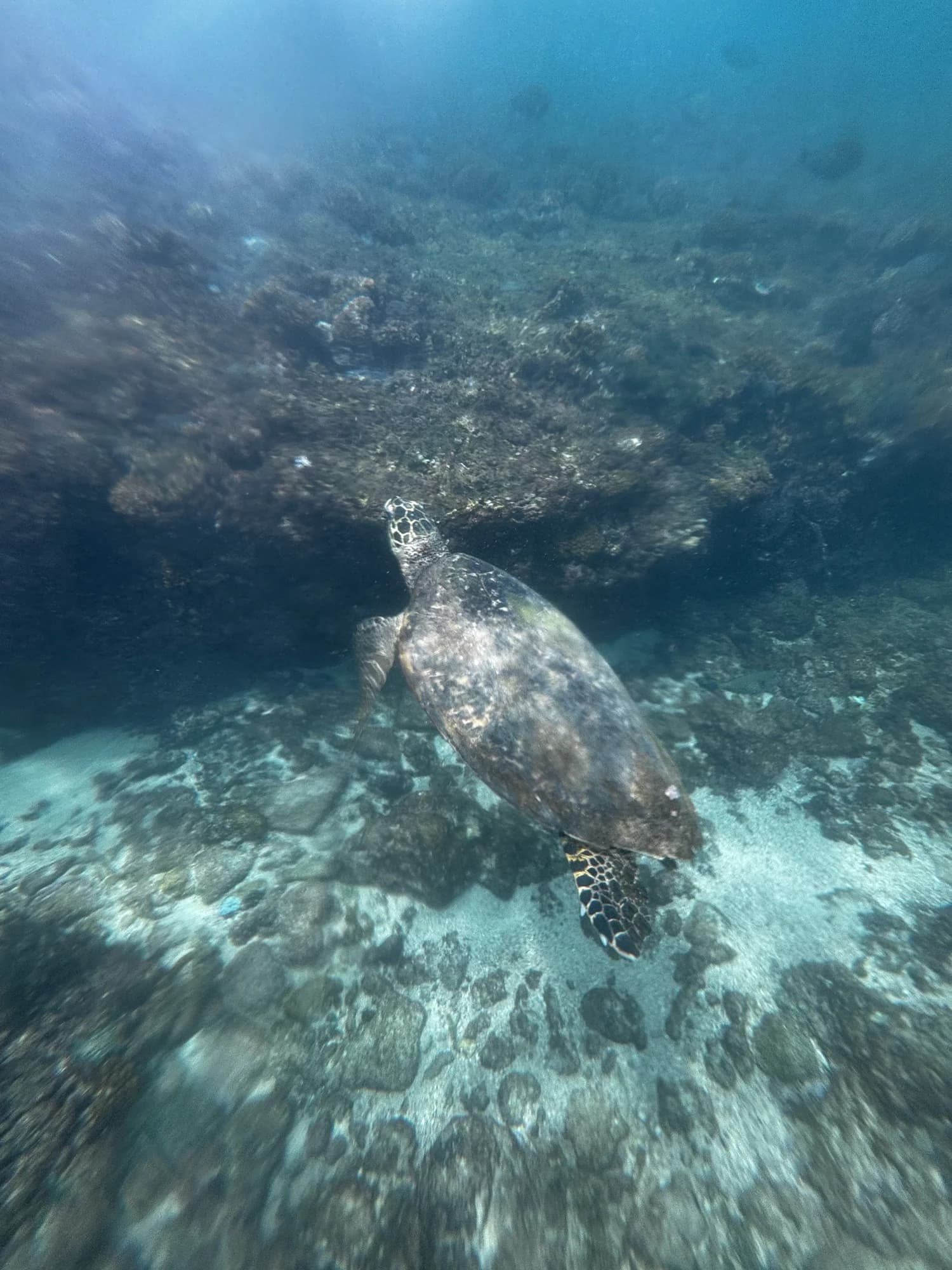
Hawksbill Turtle
 must-see
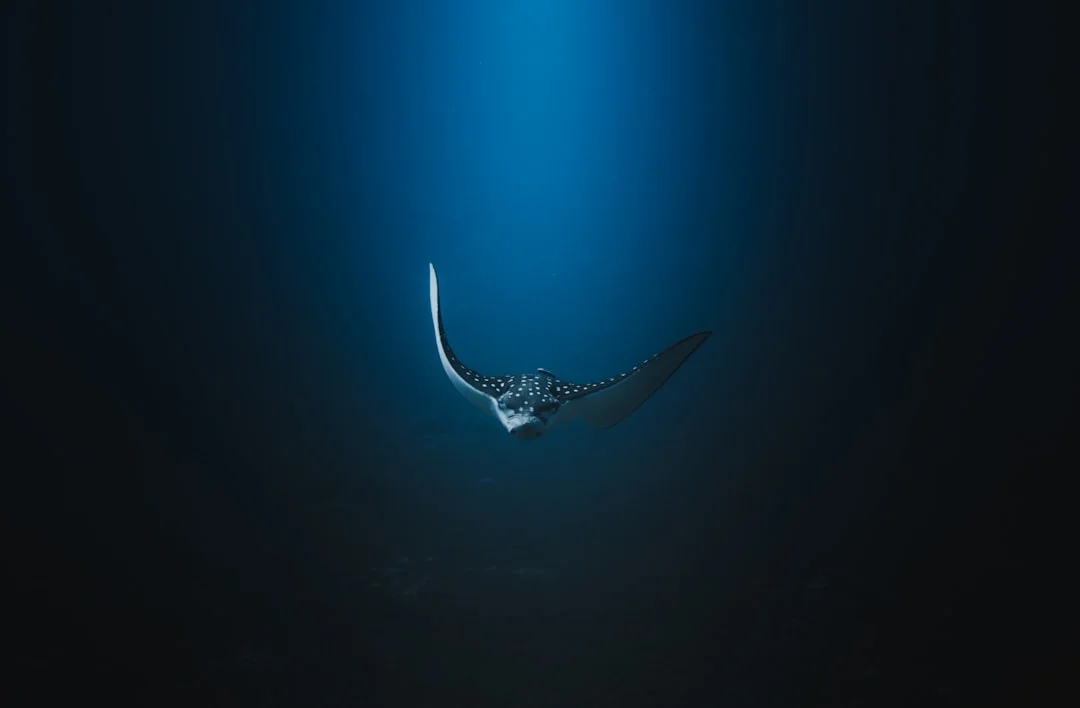
Spotted Eagle Ray
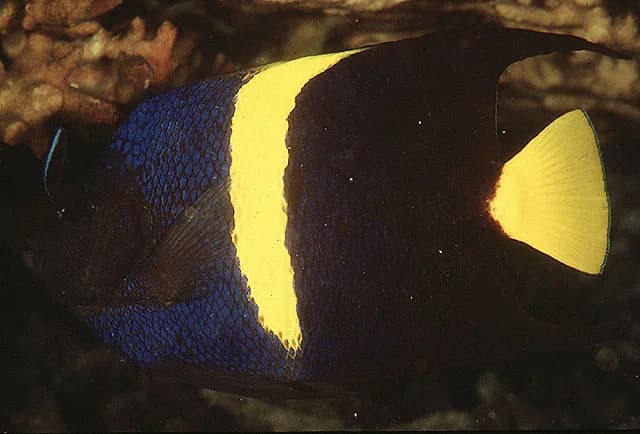
Arabian Angelfish
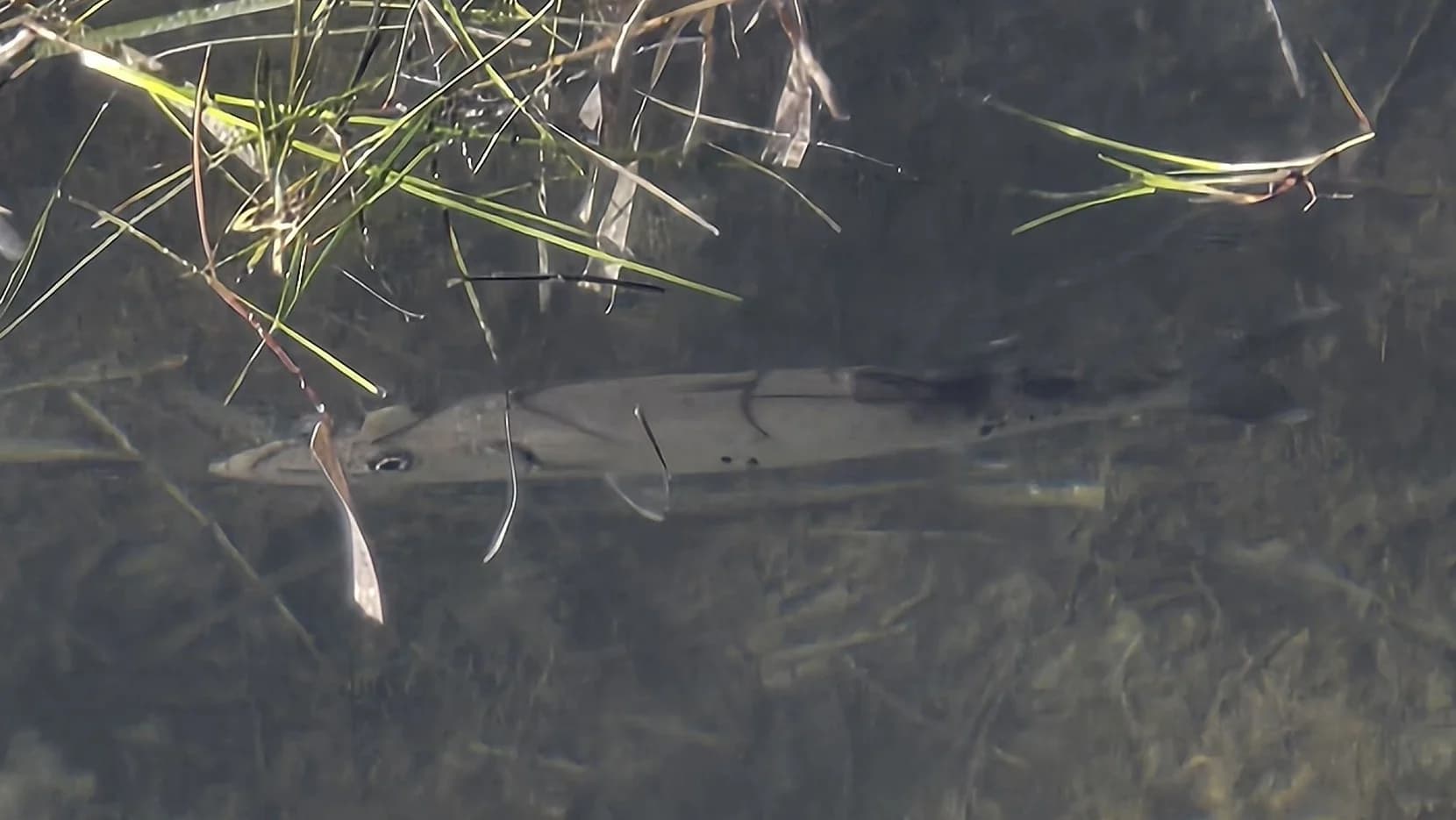
Great Barracuda
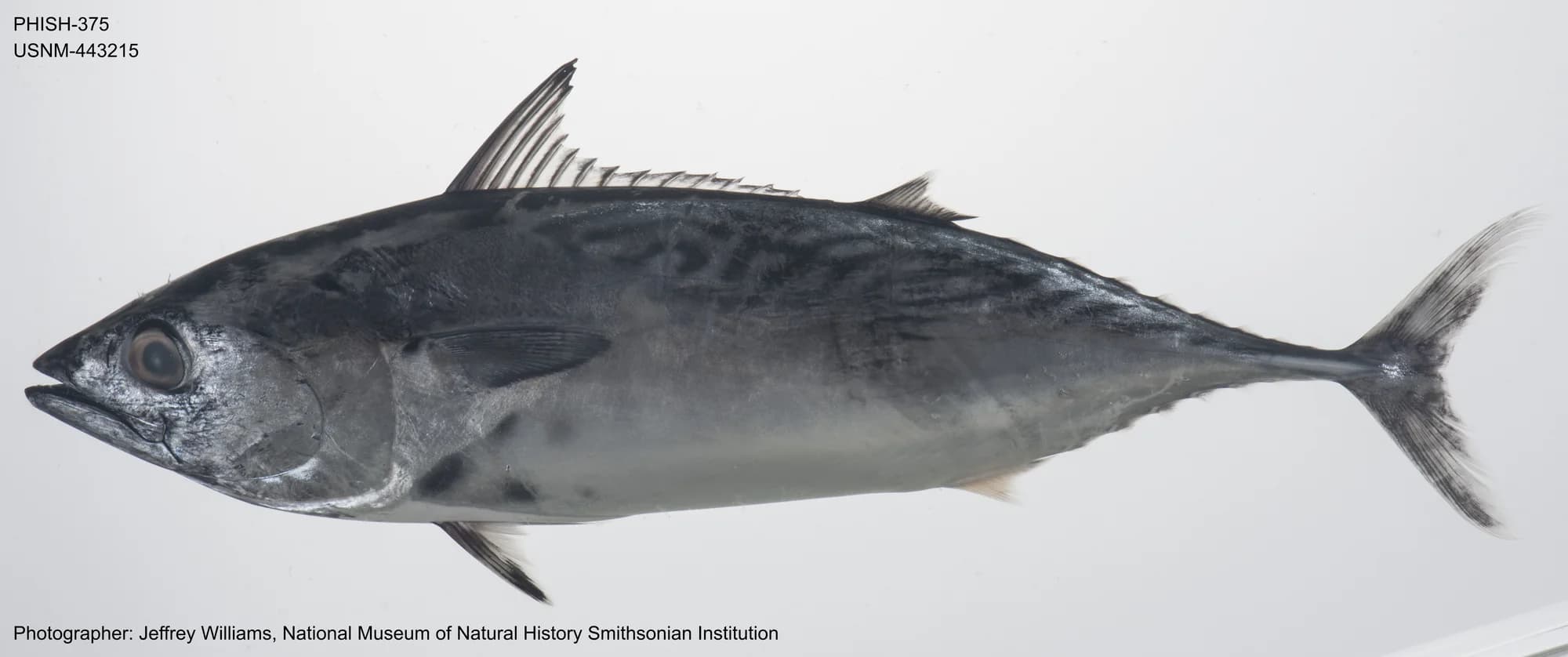
Kawakawa
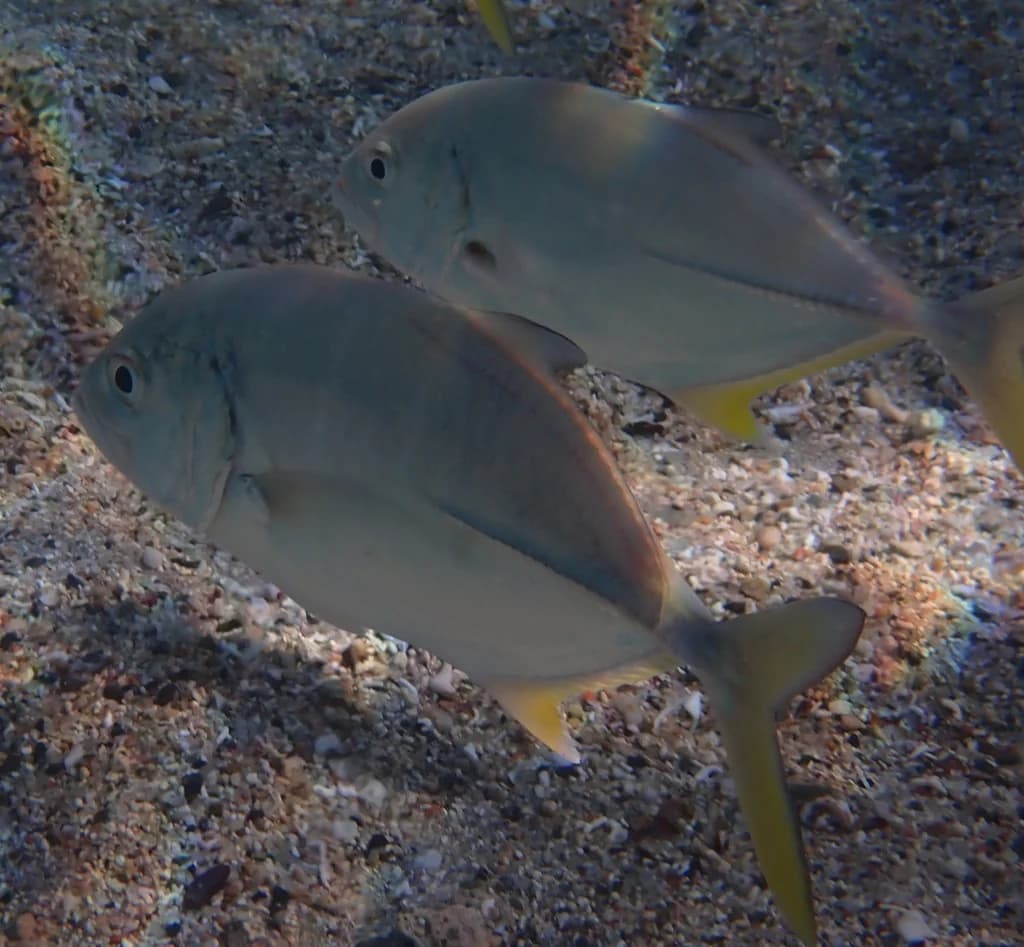
bigeye trevally
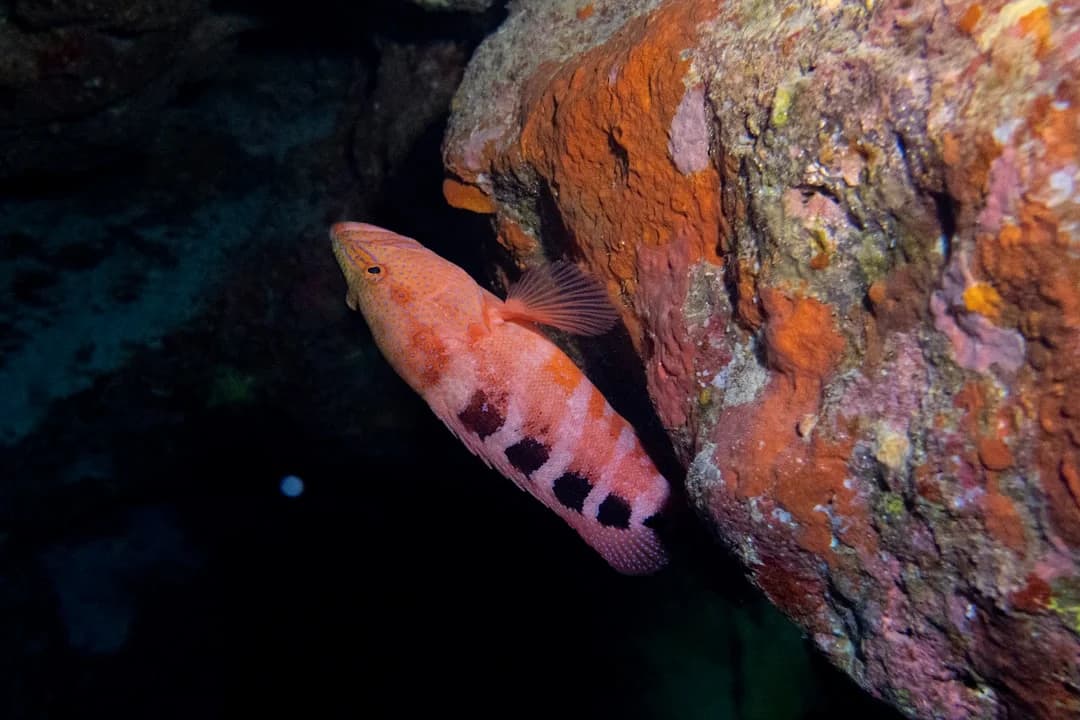
coral grouper
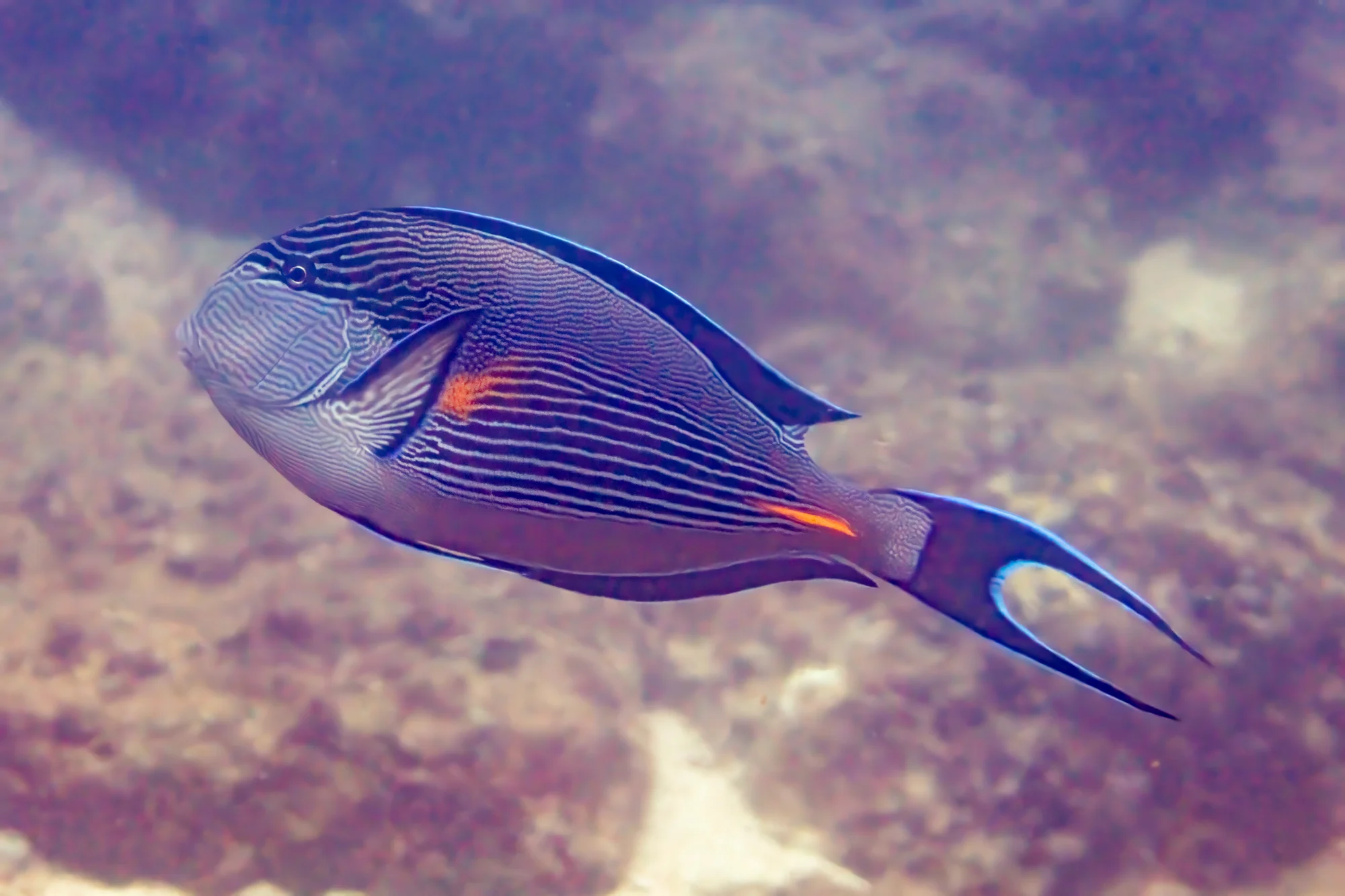
Red Sea surgeonfish
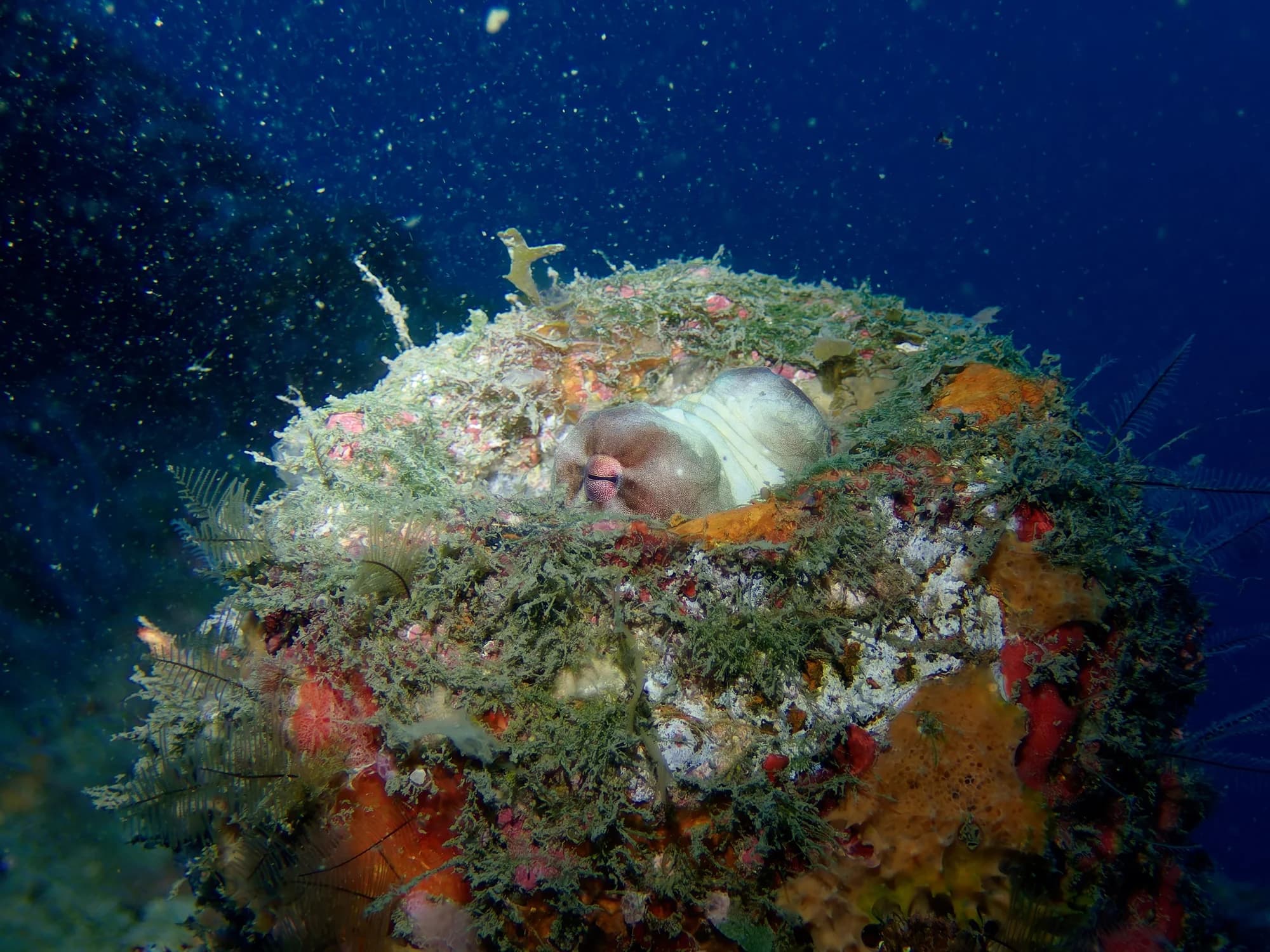
Day Octopus
Dive shops
No dive shops are listed for this destination yet.
Guides
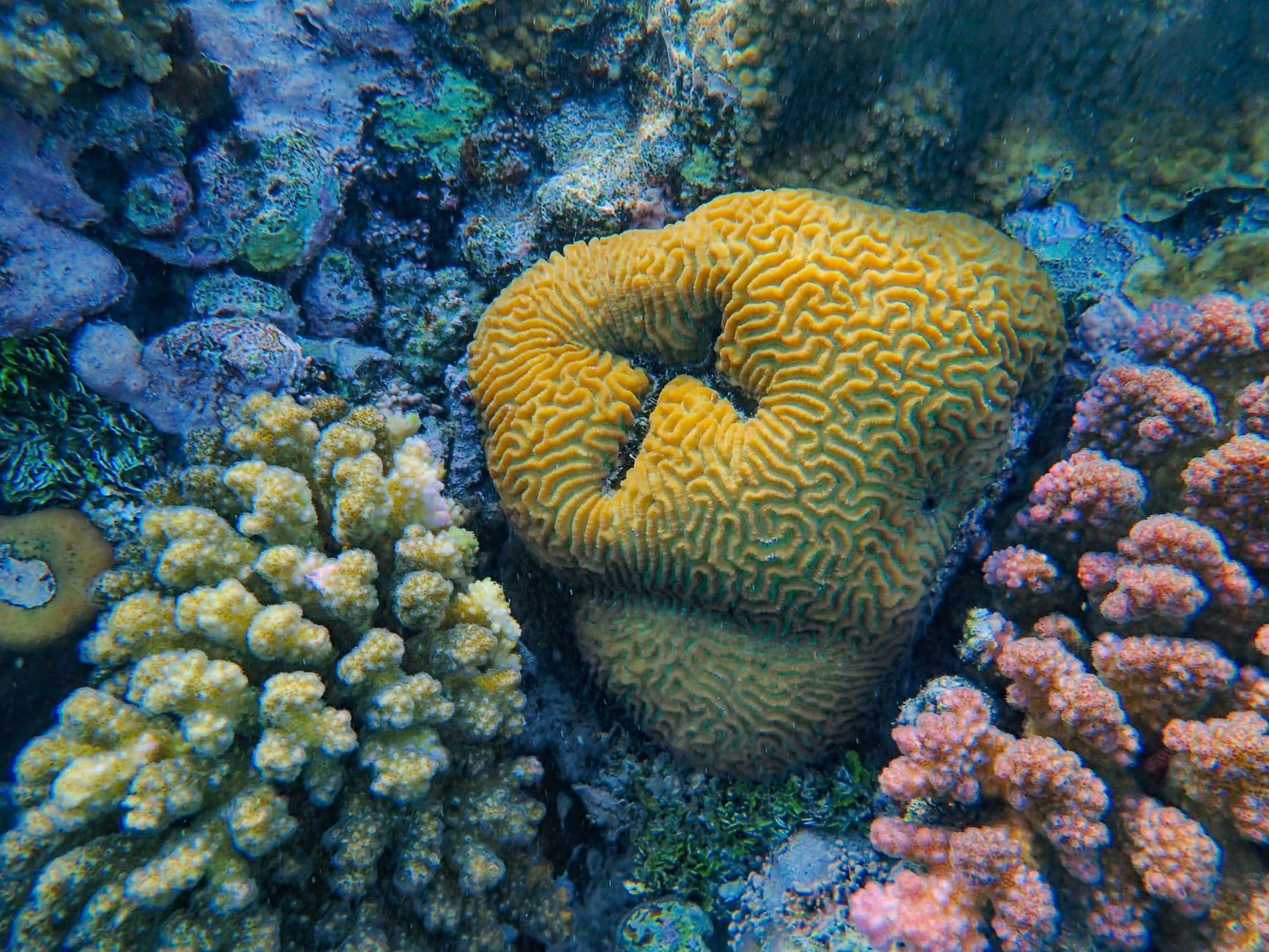
Best Farasan Banks Dive Sites: Hammerheads to Whales
From hammerhead-packed atolls to whale shark nurseries. Ranked guide to the best dive sites in Saudi Arabia's remote Farasan Banks.
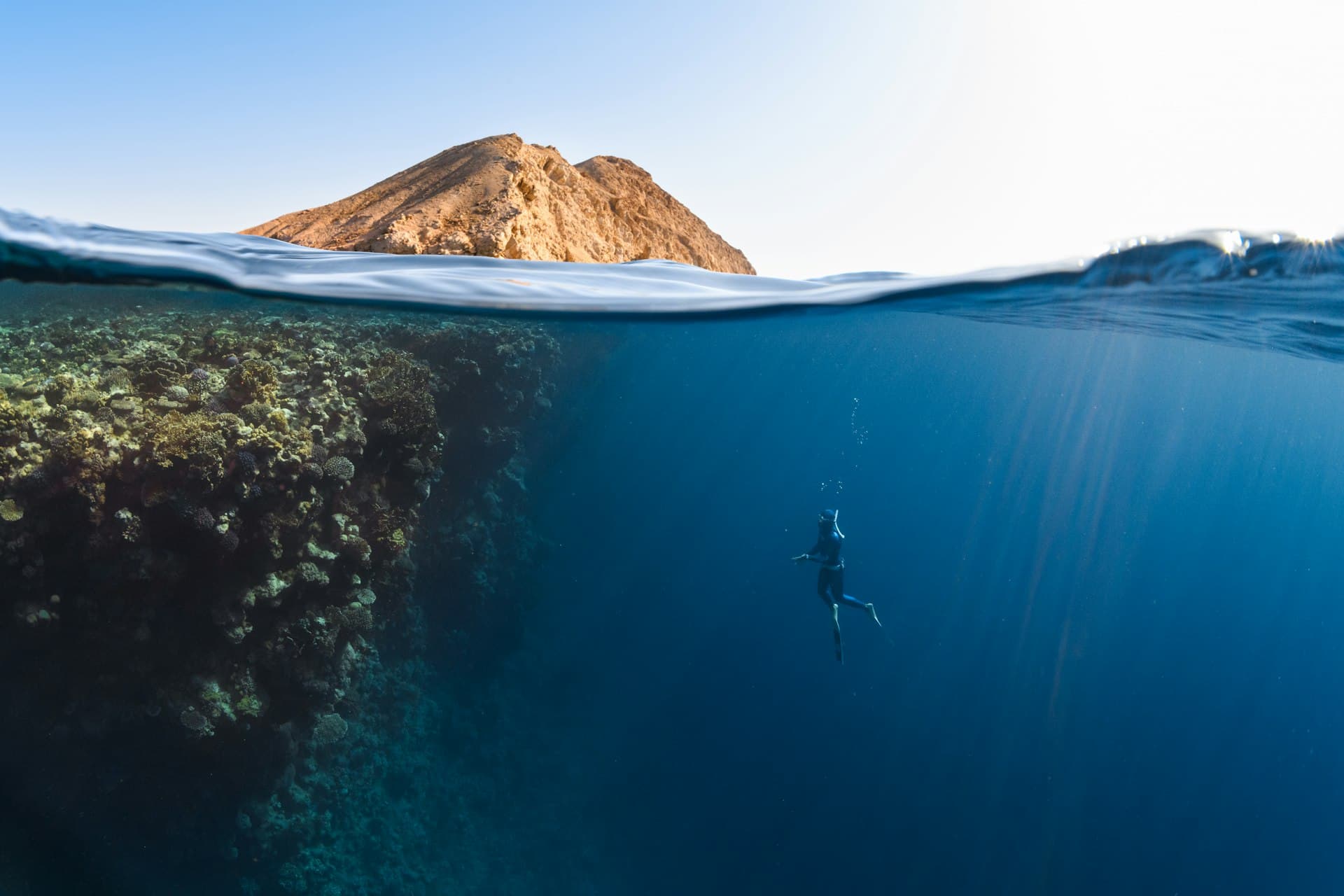
Diving the Farasan Banks: Saudi Arabia's Reef Guide
42 dive sites, 79 coral species, whale sharks every spring, and almost zero crowds. Everything you need to plan a Farasan Banks scuba diving expedition.
Farasan Banks: Seasons, Water Temp, What to Expect
Visibility up to 40m, 22–33°C water, and strong currents at southern walls. Here's exactly what Farasan Banks conditions look like month by month.
Safety
Bring Farasan Banks (Red Sea) underwater
Offline access, dive log, AI fish ID, live site maps, and trip planning.
Download on the App Store