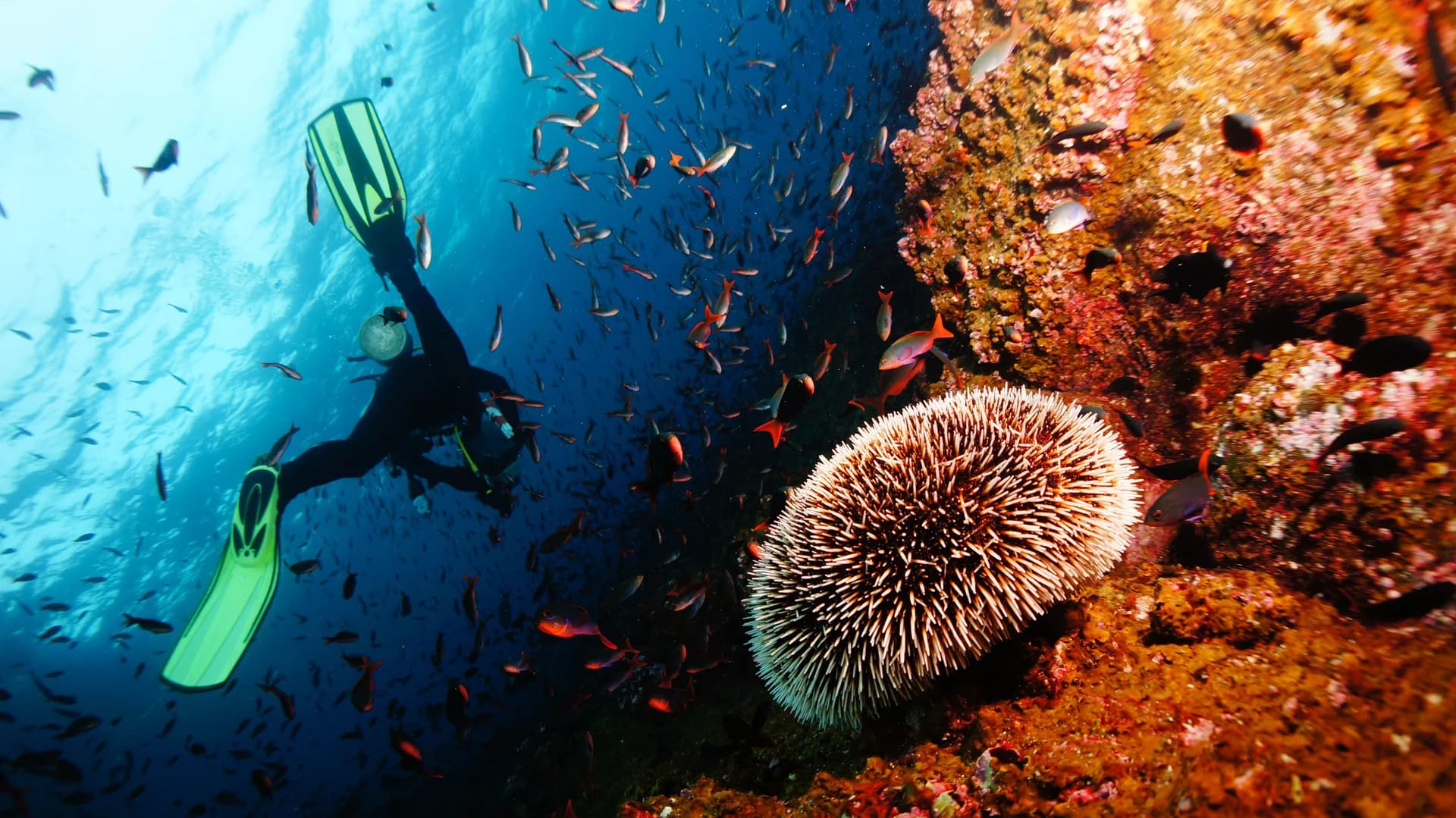
South Africa
Diving in Cape Town (South Africa)
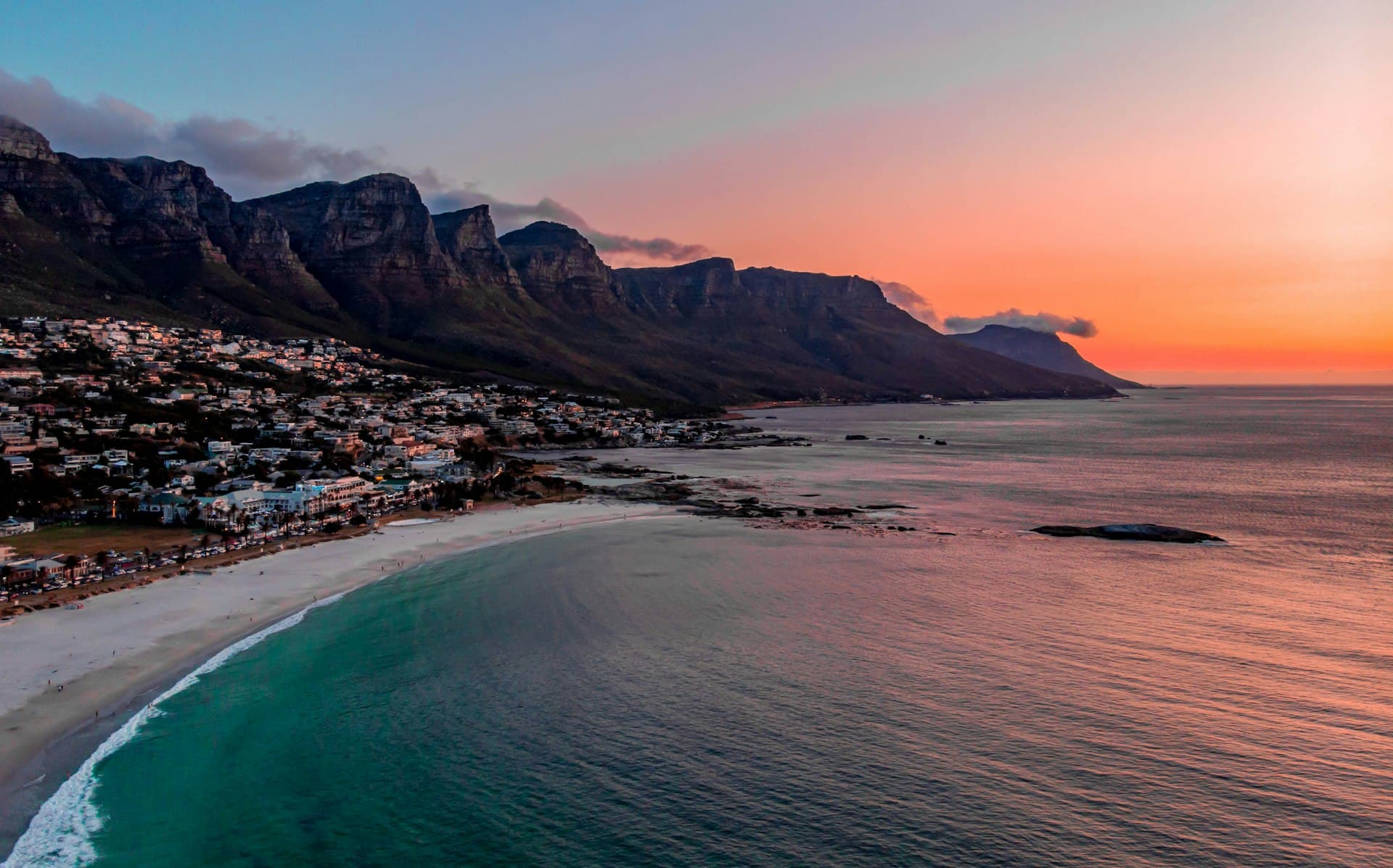
Photo: Walter Torres / Pexels
Cape Town is South Africa's premier cold-water diving destination, uniquely positioned where the cold Benguela Current meets the warmer Agulhas Current at the southwestern tip of Africa. This convergence creates two distinct diving coasts: the Atlantic Seaboard — cold, clear, and home to the Great African Seaforest, the only kelp forest on the African continent dominated by Ecklonia maxima (sea bamboo) — and False Bay, a massive sheltered bay with granite reefs, accessible shipwrecks spanning three centuries, and one of the highest concentrations of dive sites anywhere in the world (300+ named sites). Divers encounter everything from playful Cape fur seals and prehistoric seven-gill cow sharks to colorful nudibranchs and endemic reef fish. The famous 'Smits Swim' visits five scuttled wrecks in a single no-decompression dive, while offshore pinnacles like Whittle Rock attract pelagic species. Cape Town's diving is rugged, rewarding, and utterly unlike any tropical destination — with Table Mountain as the backdrop, this is cold-water diving at its most dramatic.
Explore the map
Select a pin to learn more. Use the zoom buttons or pinch to zoom.
Loading map…
Places on this map (63)
Conditions
8–22 °C
2–20 m
3–40 m
Moderate
False Bay: May-Aug (conditions) / Feb-May (visibility). Atlantic: Nov-Mar (summer, best visibility). Year-round diving possible with appropriate exposure protection and site selection.
| Month | Summary |
|---|---|
| Jan | Mid-summer. Atlantic Seaboard delivers 15-20m visibility but coldest water (12-14°C). False Bay warms to 18-20°C with 8-15m visibility. Good Atlantic diving, okay False Bay. Peak tourism season — book charters early. |
| Feb | Best overall visibility month (10-20m False Bay, 15-20m Atlantic). False Bay warms to 18-22°C — warmest water of the year. All regions accessible. Excellent for kelp forest dives, reef exploration, and wreck diving. |
| Mar | Excellent False Bay visibility (10-20m) with 16-20°C water. Atlantic 12-15°C with 12-18m visibility. Autumn transition — calm seas, fewer tourists. Peak month for seven-gill cow shark encounters at Pyramid Rock. |
| Apr | Good shoulder-season diving with 8-15m visibility and 14-18°C in False Bay. Atlantic cooling to 10-14°C. Last month of reliable good conditions before winter. Southern Right Whales begin arriving. |
| May | Good False Bay surface conditions improve with north-westerly winds flattening the bay. Water 14-16°C, visibility 8-12m. Atlantic rough (5-10m visibility). Southern Right Whales in False Bay. Start of peak False Bay season. |
| Jun | BEST False Bay surface conditions — north-westerly winds flatten the bay. Water 12-16°C, visibility 5-10m. Atlantic rough (2-5m). Peak month for False Bay shore diving. Smitswinkel wrecks accessible. Whale watching peak. |
| Jul | Best False Bay diving month — calm seas, 12-14°C water, 5-10m visibility. Most popular month for local divers. Atlantic side rough (2-5m visibility, winter storms). Excellent for kelp forest dives and wreck exploration. 7mm wetsuit or drysuit essential. |
| Aug | Good False Bay diving continues with calm seas and 12-14°C water. Visibility 5-10m. Atlantic rough with winter storms. Great White Sharks active at Seal Island. Southern Right Whales still present. Drysuit recommended. |
| Sep | Spring transition begins. False Bay visibility improves to 8-15m with 12-14°C water. Atlantic still rough but improving. Water temps lowest on Atlantic side (8-10°C). Good month for macro photography — nudibranchs and invertebrates active. |
| Oct | Good transition month — False Bay 8-15m visibility, 14-16°C water. Atlantic improving (8-15m visibility, 8-12°C). Dive tourism season begins. All regions accessible with appropriate gear. Good month for both coasts. |
| Nov | Atlantic side improves significantly — 12-18m visibility, 10-12°C water. False Bay 8-15m visibility, 16-18°C. Summer diving season begins. South-easterly winds clean Atlantic water. Kelp forests at their most beautiful. |
| Dec | Good Atlantic diving (15-20m visibility, 12-14°C water). False Bay 8-15m visibility, 16-18°C. Peak holiday tourism — book charters early. All dive sites accessible. Excellent for kelp forest and reef dives on both coasts. |
Dive Sites (41)
13th Apostle
8–20m · Advanced
Deep reef system at base of the Twelve Apostles mountain range. Kelp forest
A-Frame (Oatlands Point)
3–15m · Beginner
Kelp forest · Swim-throughs · Caves
Alpha Reef (Outer Spaniard)
10–22m · Intermediate
Reef
Ammunition Barges
10–18m · Intermediate
Military barges · Historical artifact
Ankers
8–18m · Intermediate
Granite reef with gullies and overhangs
Atlantis Reef
12–25m · Advanced
Reef
Bakoven Rock
5–15m · Intermediate
Granite boulders · Kelp forest
Balcony
8–18m · Intermediate
Reef
Marine Life (110)
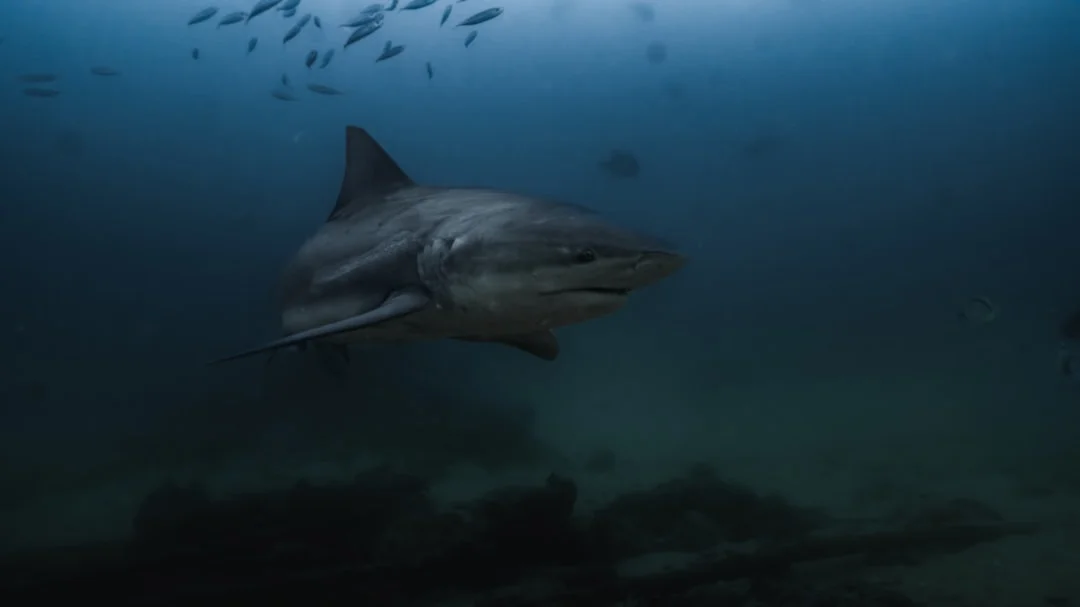 must-see
Bull Shark
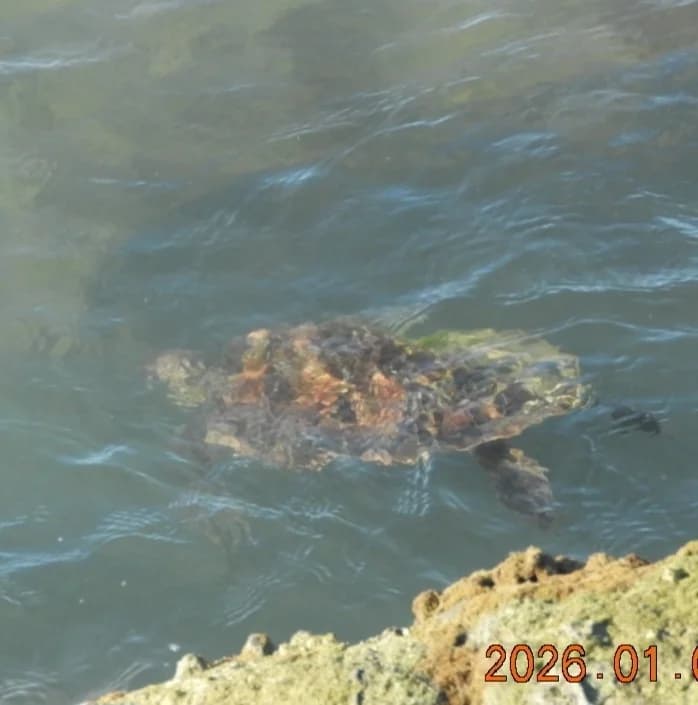 must-see
Green Sea Turtle
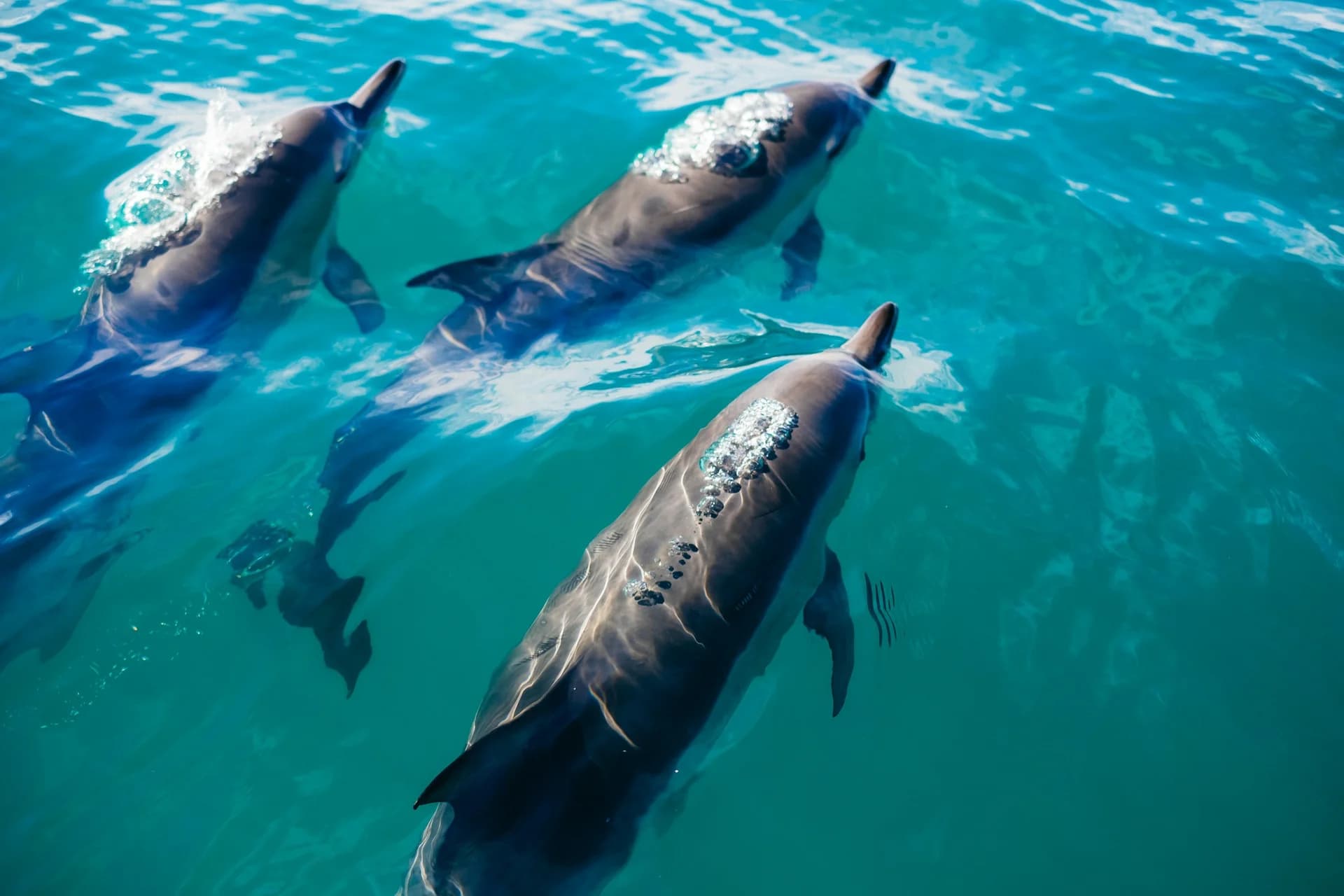 must-see
Atlantic Bottlenose Dolphin
 must-see
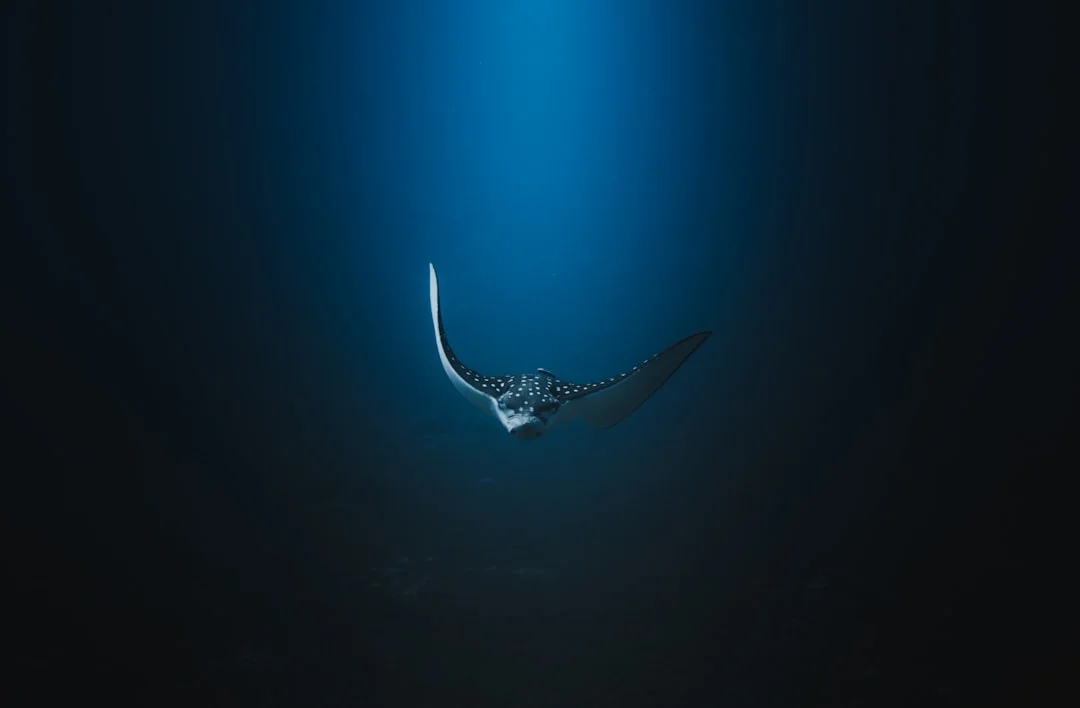
Spotted Eagle Ray
 must-see
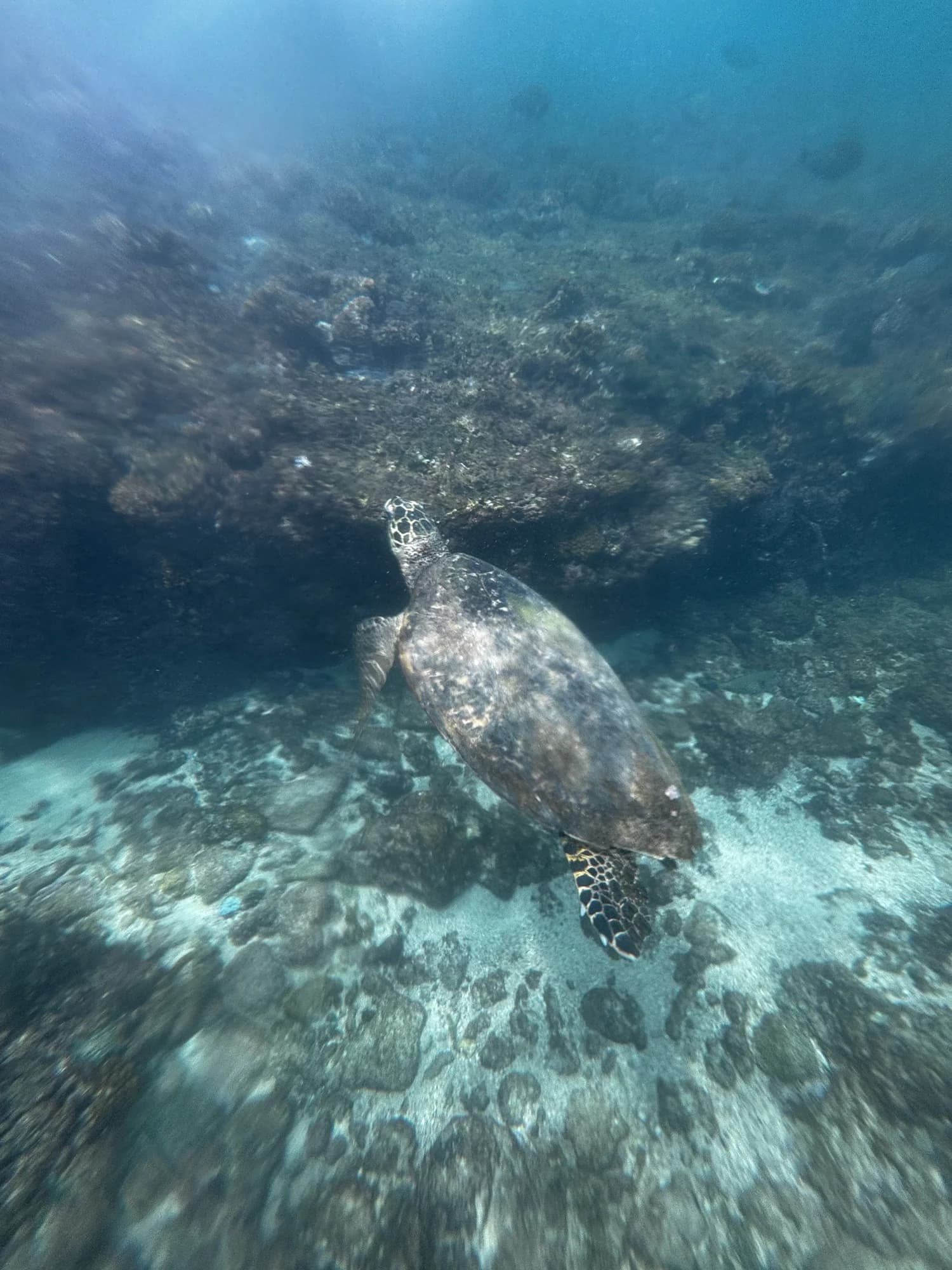
Hawksbill Turtle
 must-see
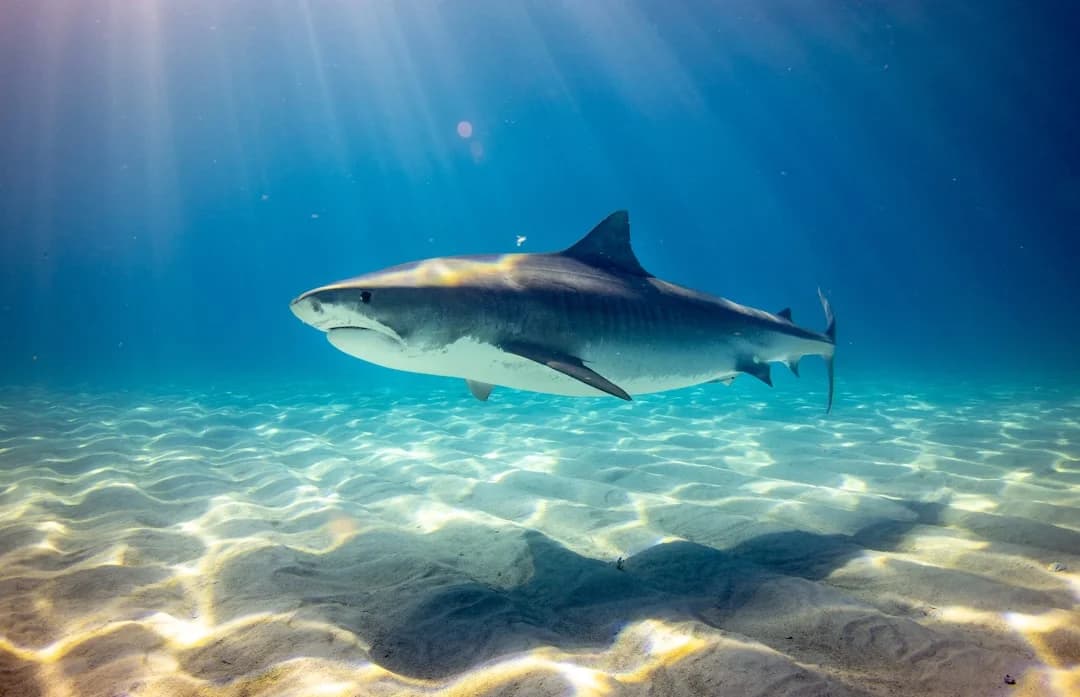
Dusky Shark
Andaman Butterflyfish
Bigeye Thresher Shark
 must-see
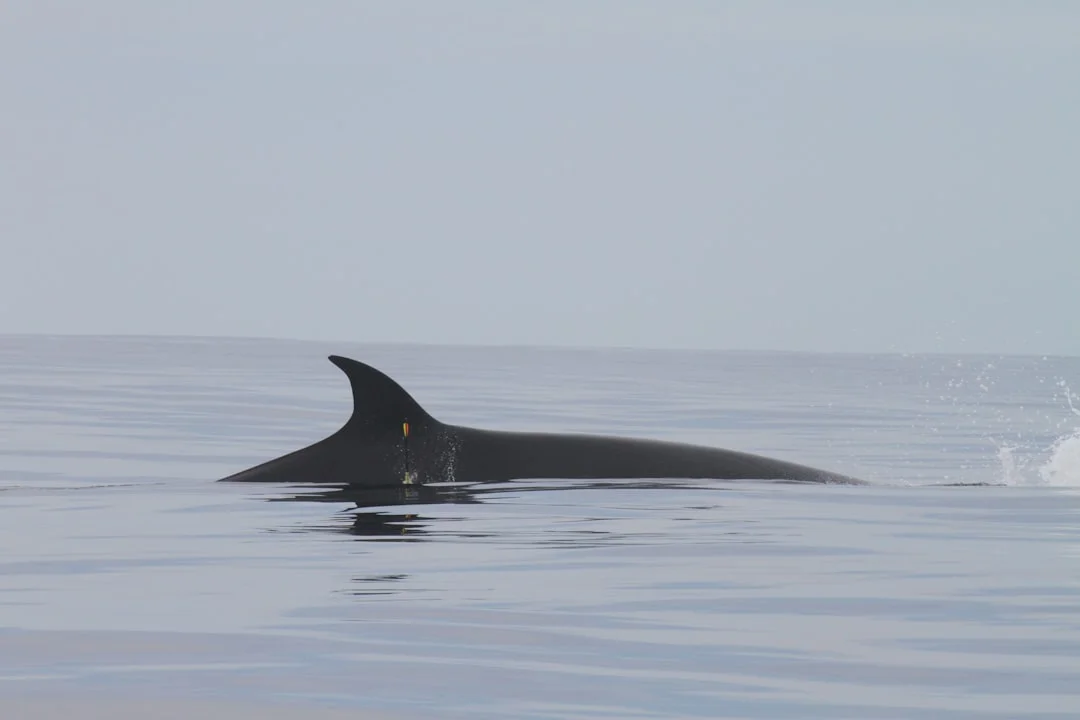
Sei Whale
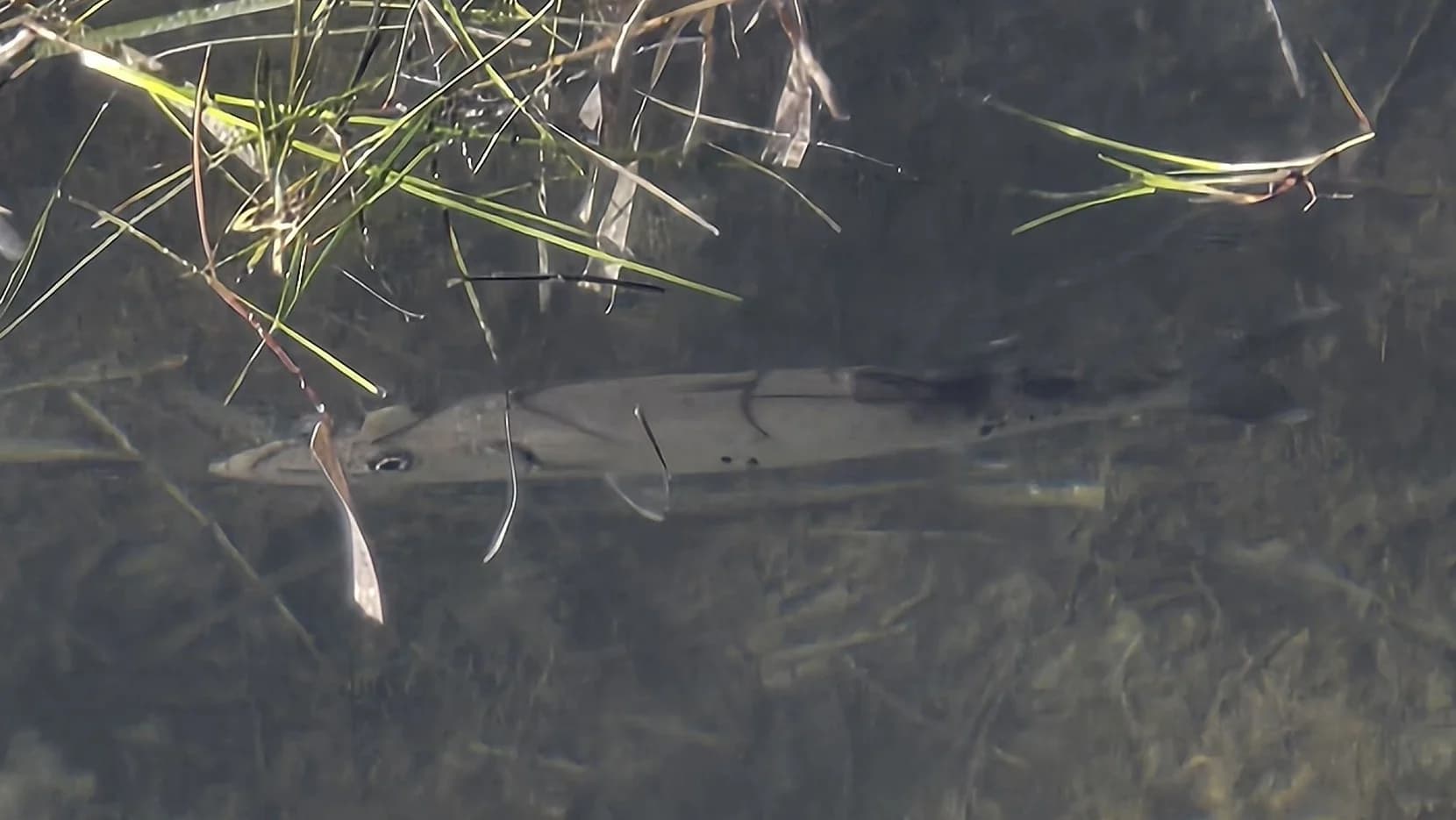
Great Barracuda
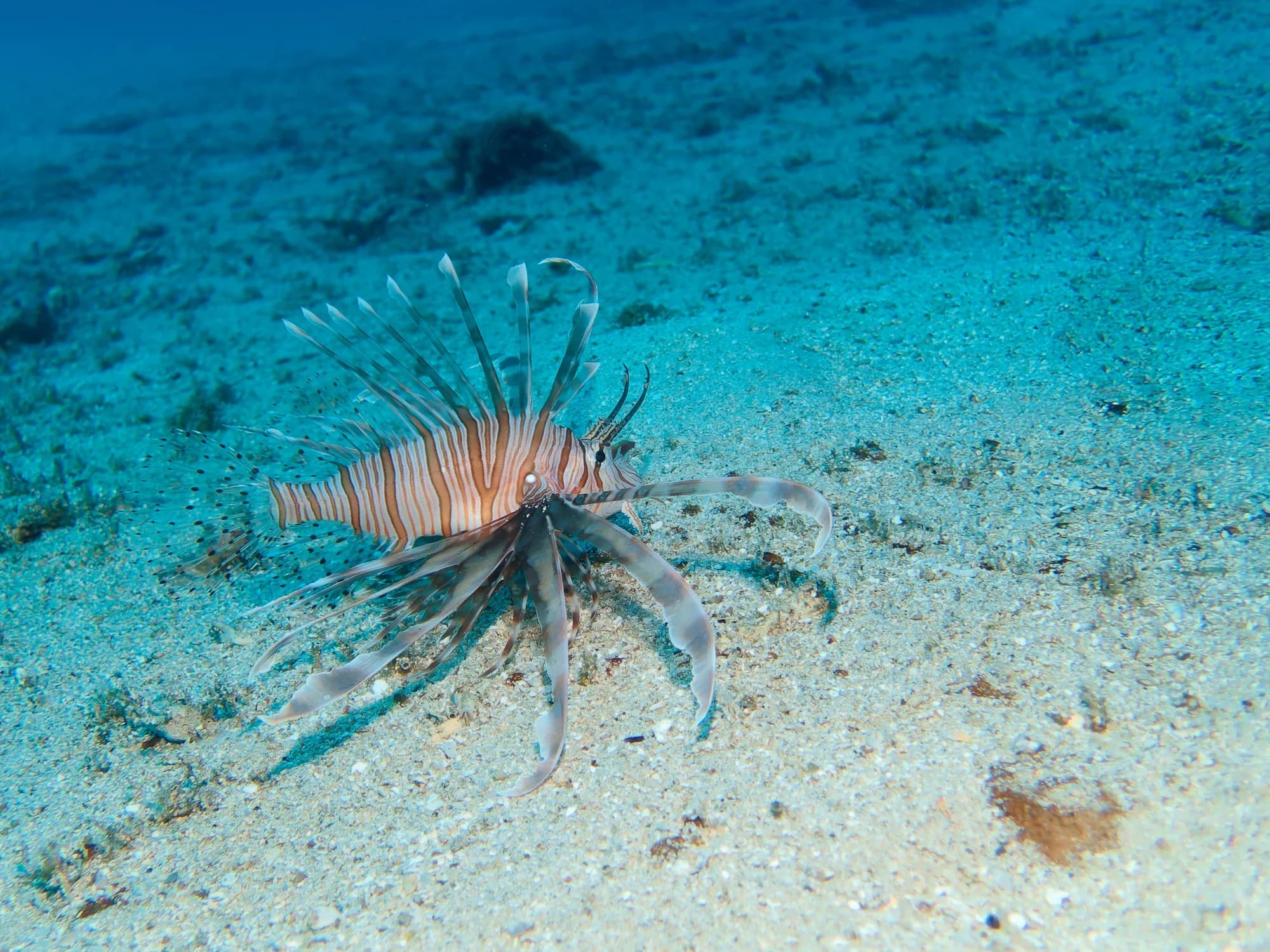
Common Lionfish
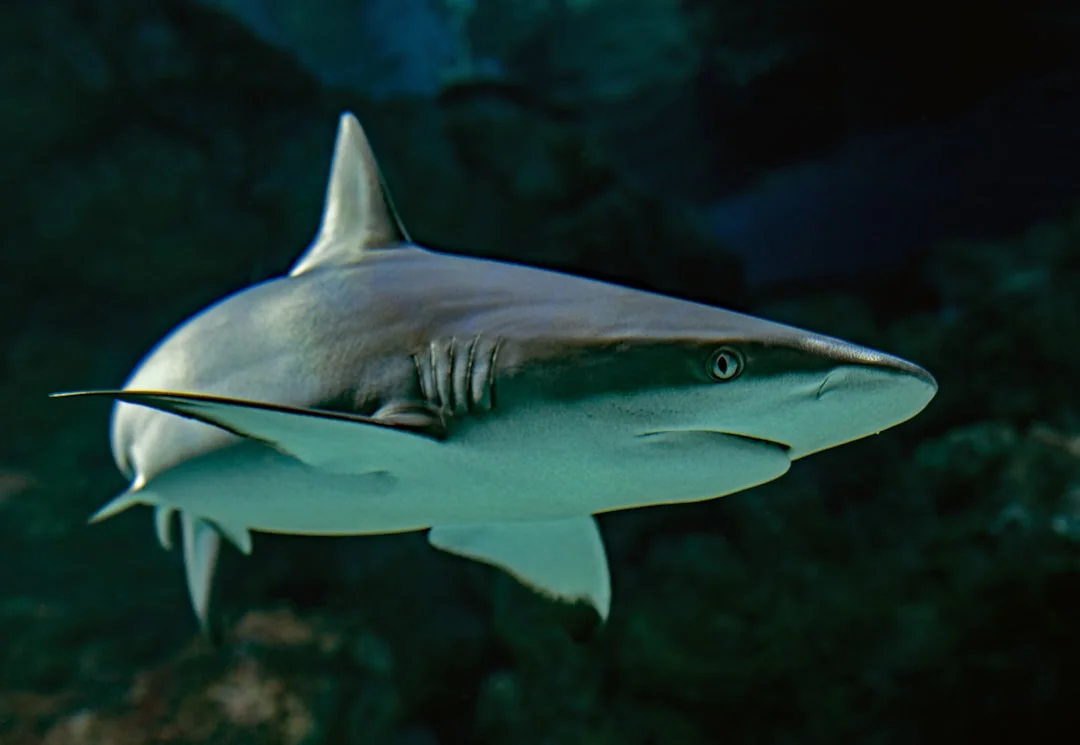
Pacific Nurse Shark
Dive Shops (22)
Apex Shark Expeditions - Great White Shark Cage Diving Cape Town
Cape Town Freediving
Into the Blue Scuba Dive Centre Cape Town
African Shark Eco-Charters- Shark Cage Diving
Cape RADD (Research And Diver Development)
Alpha Dive Centre
Dive Action
Dive Inn
Ollava SCUBA
Indigo Scuba
Bellville Underwater Diving Club
Just Africa Scuba Center & Watersports Shop
JACKS DIVE CHEST - Commercial Diving Academy
FREEDIVING AFRICA
Kelp Divers
Born Diving
Table Bay Diving
Shark Cage Diving Cape Town
Amazing Divers | Muhammetshawky
Guides
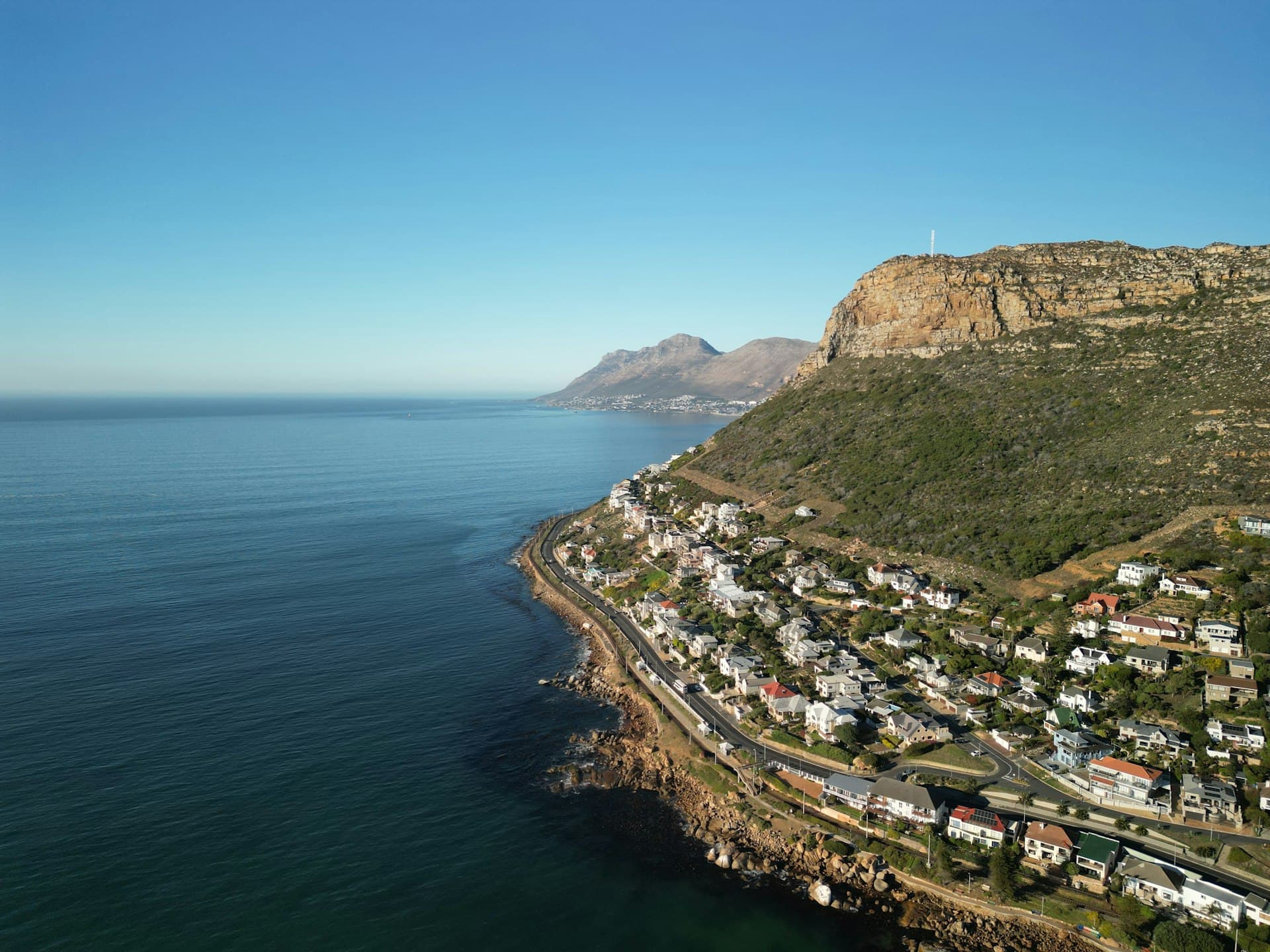
Top 10 Dive Sites in Cape Town: A Complete Guide
Ranked guide to the best dive sites in Cape Town — from seven-gill cow sharks at Pyramid Rock and seal encounters at Partridge Point to the Smitswinkel 5-wreck dive.
Cape Town Dive Conditions: Two Oceans, One Incredible Destination
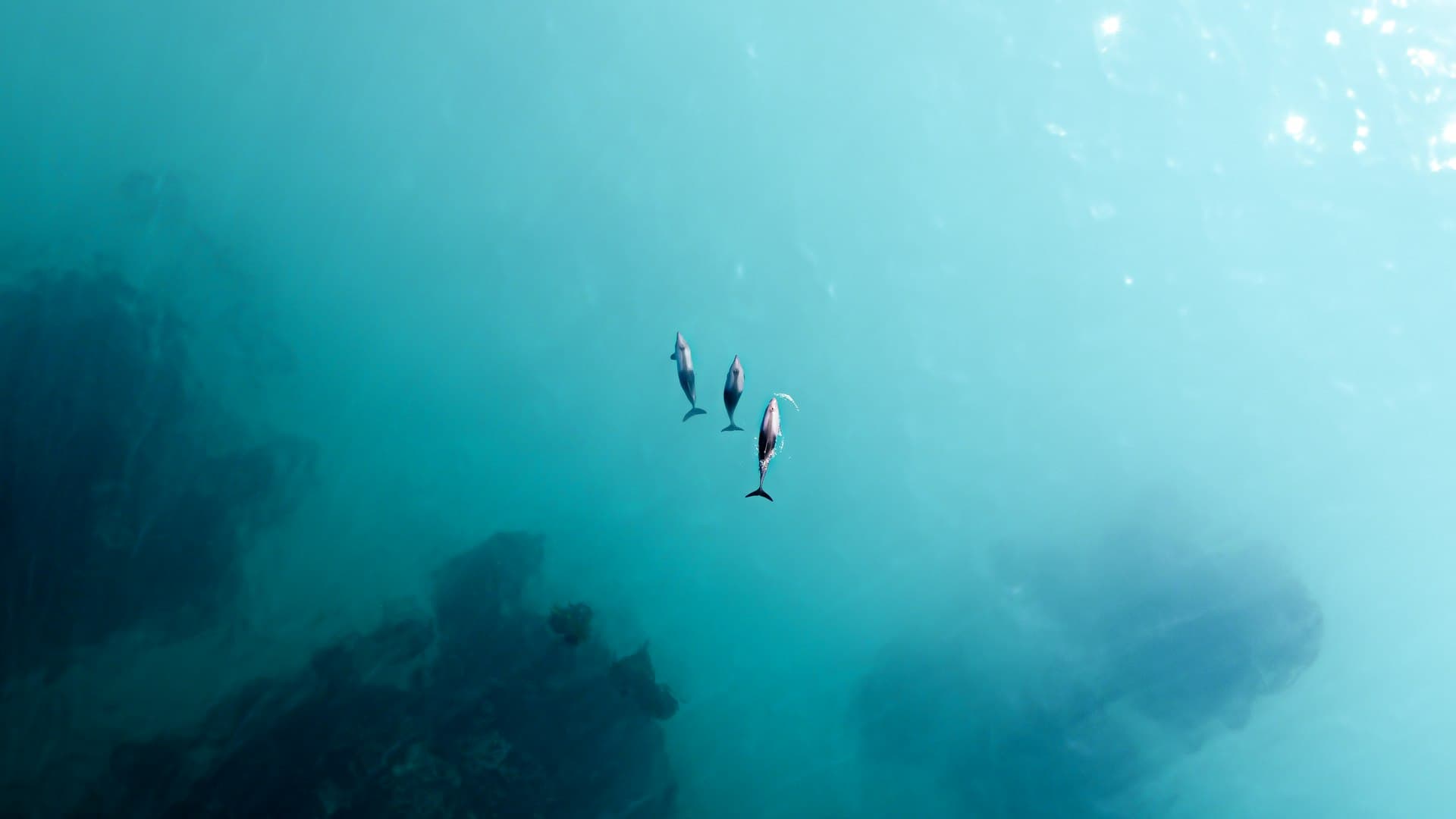
Master Cape Town's two-ocean diving system. Season-by-season breakdown of water temperature, visibility, currents, and the best times to dive False Bay vs Atlantic.
Cape Town Diving: The Complete Guide to South Africa's Cold-Water Capital
Two oceans, 300+ dive sites, the Great African Seaforest, and shipwrecks spanning 3 centuries. Your complete guide to diving Cape Town, South Africa.
Safety
Bring Cape Town (South Africa) underwater
Offline access, dive log, AI fish ID, live site maps, and trip planning.
Download on the App Store