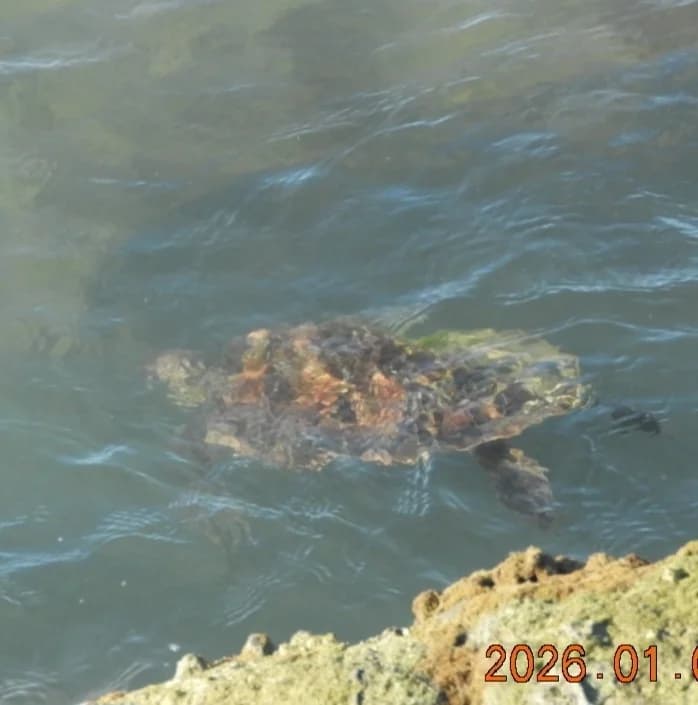
Green Sea Turtle
Destination note
Sightings are possible on reef slopes and calmer lagoon-side habitat.
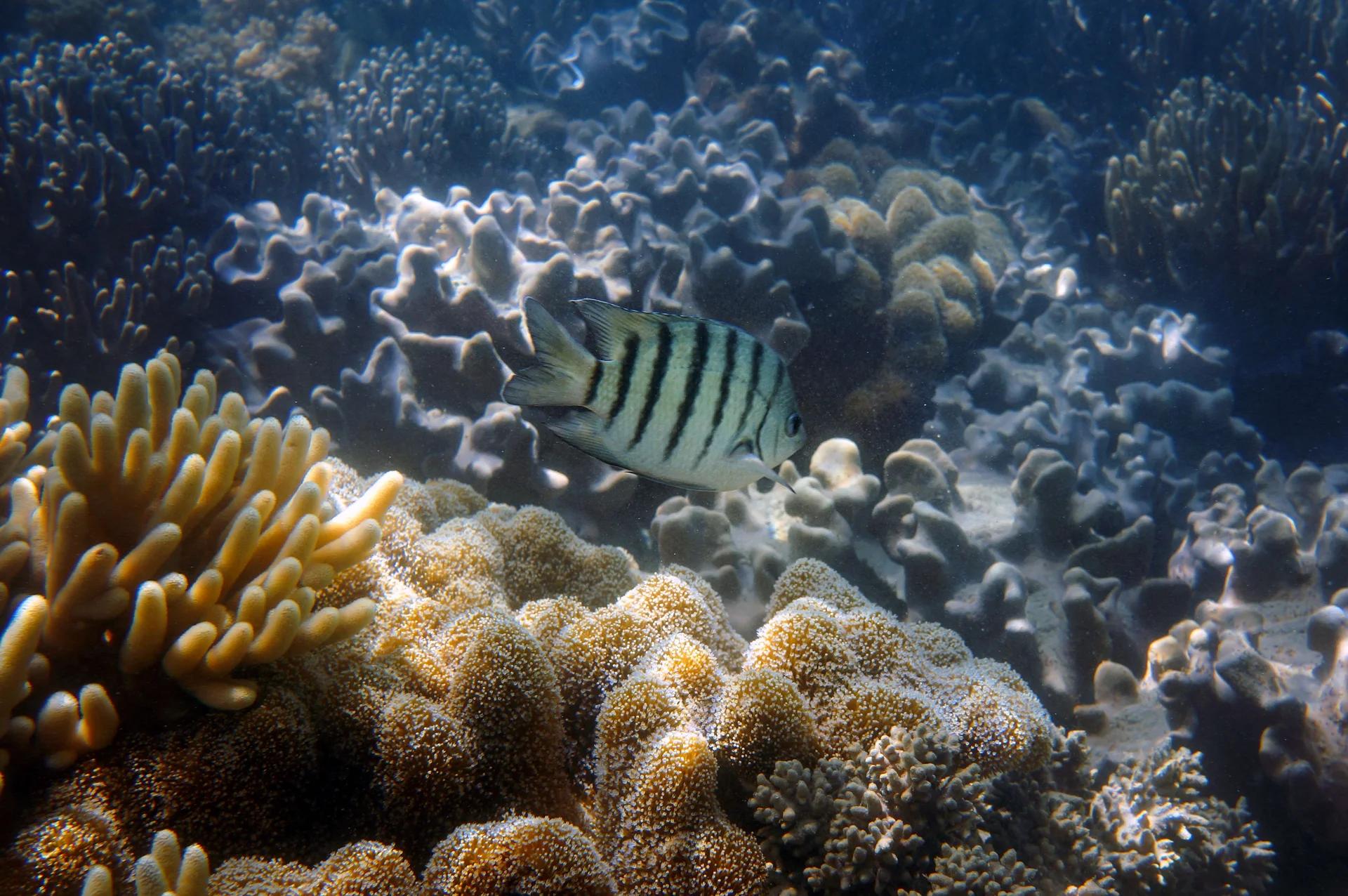
Australia
Photo: Gilberto Olimpio / Pexels
Osprey Reef is a remote submerged oceanic atoll in the Coral Sea, roughly 300 km east of Cairns, Australia. Crown of a 2,000 m underwater mountain inside the Coral Sea Marine Park — not the Great Barrier Reef — it is a world-class shark and pelagic destination where grey reef, whitetip and silvertip sharks congregate year-round against walls that plunge past 1,000 m. Accessed only by expedition liveaboard, Osprey offers advanced drift diving on sheer walls, coral bommies, caves, swim-throughs and a shallow lagoon, with exceptional 30–60 m visibility and a unique deep-water community including the chambered nautilus and the stout infantfish, one of the world's smallest fishes.
Select a pin to learn more. Use the zoom buttons or pinch to zoom.
Loading map…
4 places have no verified map location yet. Browse the page lists for more places.
24–29 °C
30–60 m
3–40 m
Moderate
September to January is the most reliable access window; cooler months (May–August) offer best visibility and hammerhead opportunities
| Month | Summary |
|---|---|
| Jan | Warmest month with water at 29°C. Resident reef sharks abundant; cyclone and wet-season crossing risk can affect liveaboard access. Visibility 30–45 m. Recommended exposure protection: 3 mm wetsuit or rash suit. |
| Feb | Water at 29°C with cyclone risk at its peak. Resident reef sharks and pelagics remain the dependable story. Access conditional on sea state; visibility 30–45 m. 3 mm wetsuit recommended. |
| Mar | Late wet-season transition with water at 28°C. Variable seas with continued cyclone possibility. Reef sharks, trevally and tuna visible. Visibility 30–45 m. 3 mm wetsuit suitable. |
| Apr | Transitional month with water cooling to 28°C. Weather-dependent site access as trade winds begin to ease. Visibility improving to 30–50 m. Regional whale migration begins. 3 mm wetsuit. |
| May | Cooler and generally clearer with water at 26°C. Visibility at 35–60 m provides excellent conditions. Trade winds can still affect the Coral Sea crossing. Beginning of hammerhead opportunity window. 3–5 mm wetsuit. |
| Jun | Cool season diving with water at 25°C. Exposed southeast trade winds possible, making the crossing challenging. Excellent visibility at 35–60 m. Hammerhead possibility increases; regional humpbacks migrating north. 5 mm wetsuit. |
| Jul | Coolest water at 24°C with 35–60 m visibility. Exposed trade-wind seas possible; wind and sea state govern access. Best hammerhead opportunities of the year. 5 mm wetsuit plus hood optional. |
| Aug | Late cool season with water at 24°C. Moderate to variable conditions with exposed trades possible. Visibility 35–60 m. Resident sharks and possible hammerheads. 5 mm wetsuit. |
| Sep | Start of the operator's most reliable Coral Sea access window. Water warming to 25°C with visibility 35–60 m. Resident sharks abundant; southbound regional humpback migration begins. 3–5 mm wetsuit. |
| Oct | Generally favourable conditions within the reliable access window. Water at 26°C with visibility 35–60 m. Reef sharks and pelagics; spawning window for corals begins. 3 mm wetsuit. |
| Nov | Warm month with water at 28°C and visibility 30–55 m. Strongest outer-reef coral spawning editorial window. Cyclone season begins, so crossing risk returns. Resident sharks remain year-round. 3 mm wetsuit. |
| Dec | Warm and wet with water at 29°C and visibility 30–50 m. Cyclone risk and variable crossing conditions, but scheduled expeditions operate. Coral spawning may continue. Resident sharks reliable. 3 mm wetsuit. |
5–30m · Advanced
Swim-throughs · Caves
anchor
15–32m · Advanced
Wall · Drift dive · Cleaning station
10–30m · Advanced
Caves
gullies · labyrinth
20–40m · Advanced
Drift dive
canyons · ridges
12–35m · Advanced
Swim-throughs
bommies · caverns
15–30m · Advanced
Drift dive
bommies · gullies
20–35m · Advanced
Wall
bommies · moored
10–40m · Advanced
Wall
amphitheatre · Shark-observation
Species recorded in this destination's wider regional catalogue. A species being listed here does not mean it is seen at this destination — check the note on each card.
Green Sea Turtle
Destination note
Sightings are possible on reef slopes and calmer lagoon-side habitat.
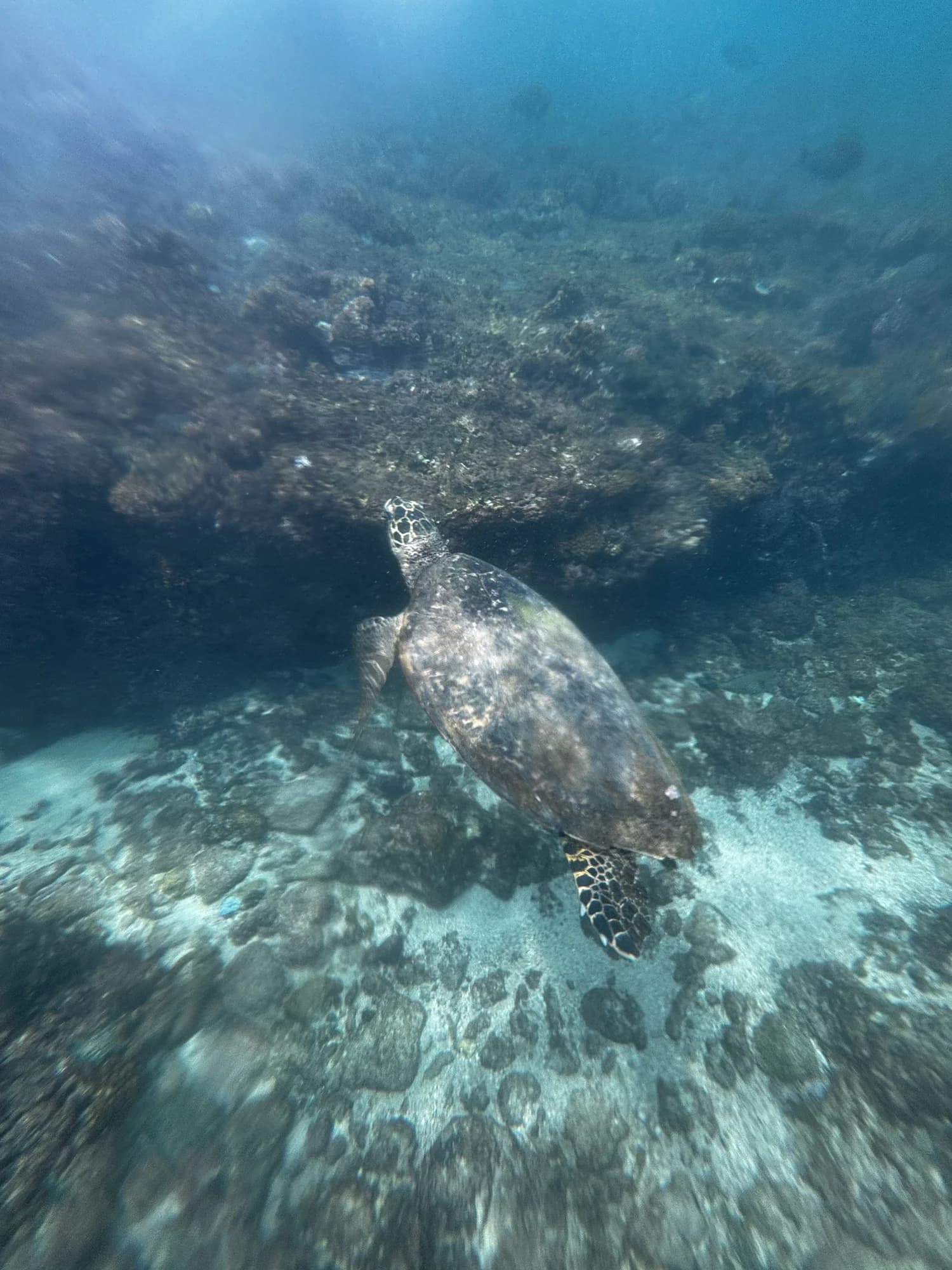
Hawksbill Turtle
Destination note
A reef-associated turtle that may be encountered around coral-rich sections.
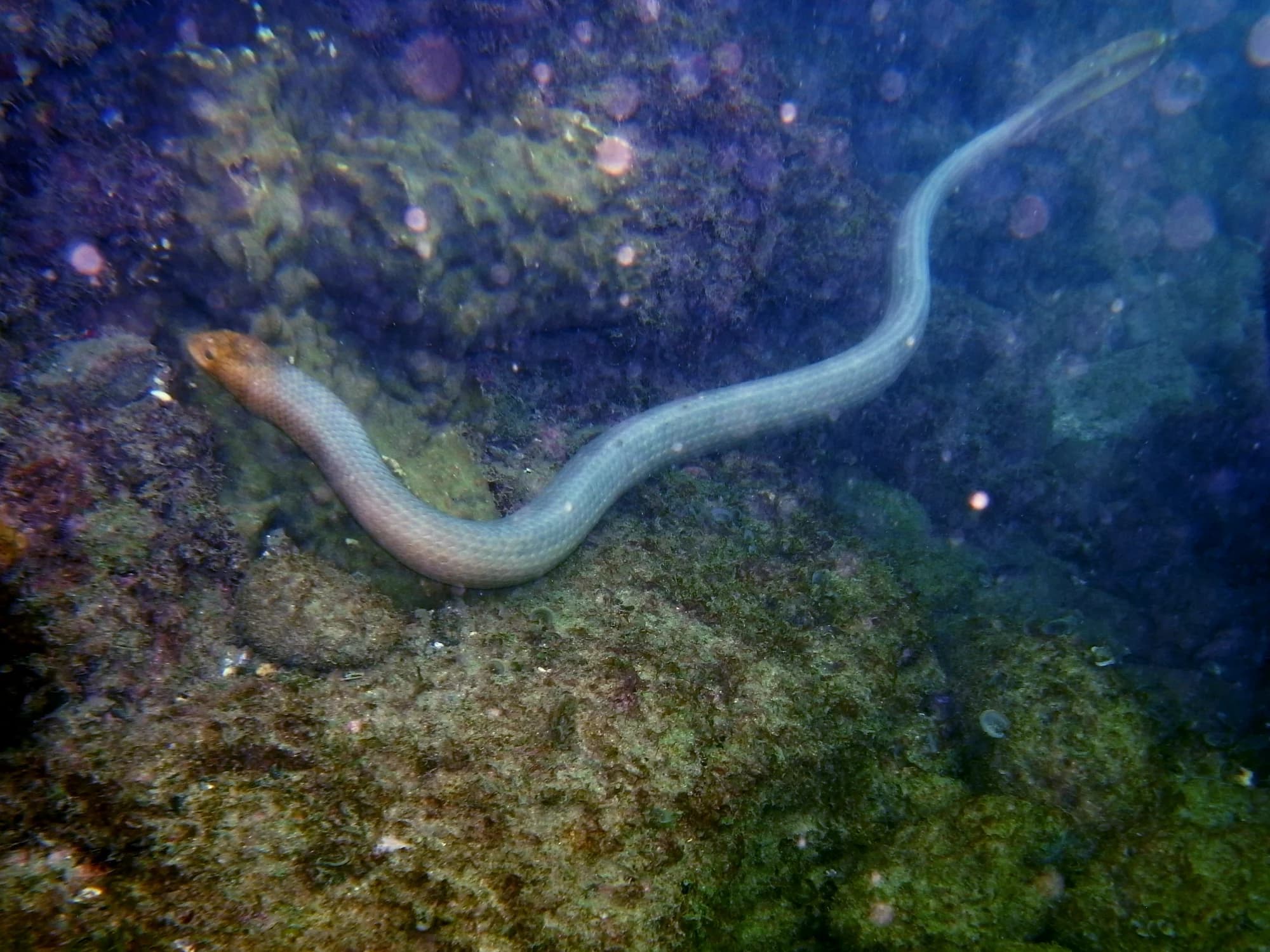
Olive Sea Snake
General species description, not specific to this destination
The olive sea snake is a venomous marine snake found in the coral reefs of northern Australia and southern New Guinea. It has a flattened tail for swimming and valves in its nostrils to keep water out when submerged. It feeds on fish and crustaceans.
Spotted Eagle Ray
General species description, not specific to this destination
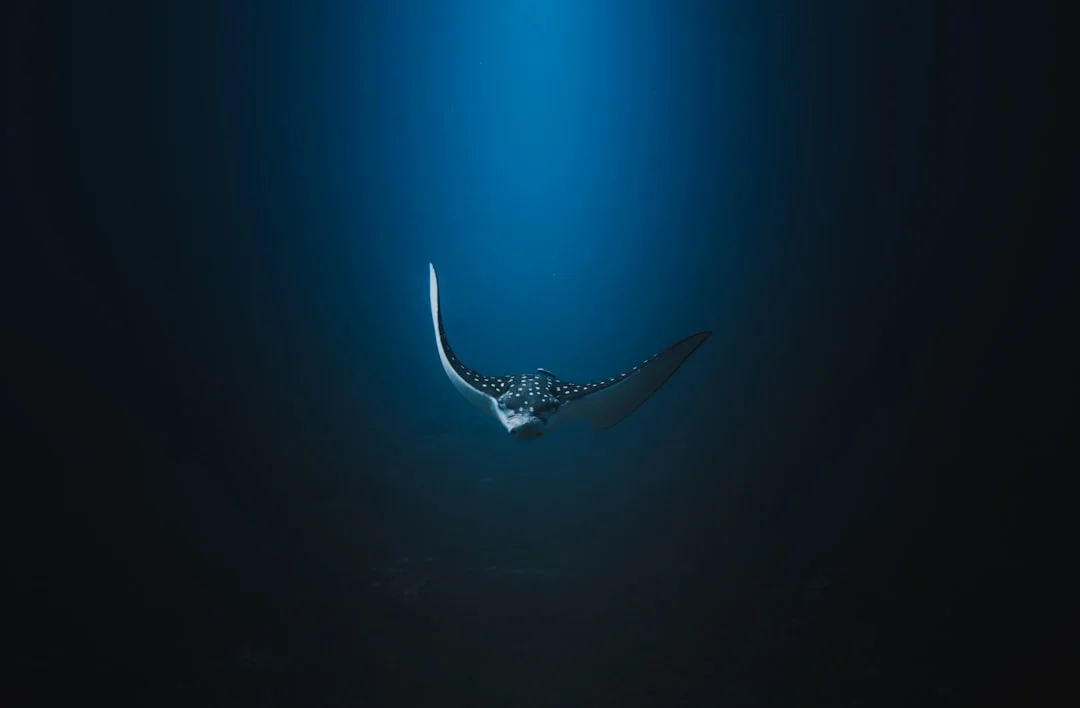
The spotted eagle ray is one of the most spectacular encounters in tropical waters worldwide. These graceful giants glide effortlessly through the water with their distinctive diamond-shaped bodies and long, whip-like tails. Their dark backs are adorned with white spots or rings, creating a beautiful pattern unique to each individual. Watch for their prominent head with a duck-like snout and large eyes positioned on top. They're often seen cruising near sandy bottoms or coral walls, occasionally stopping to dig in the sand for mollusks and crustaceans. Their fluid, bird-like swimming motion is mesmerizing as they 'fly' through the water column, sometimes in small groups.
Great Barracuda
Destination note
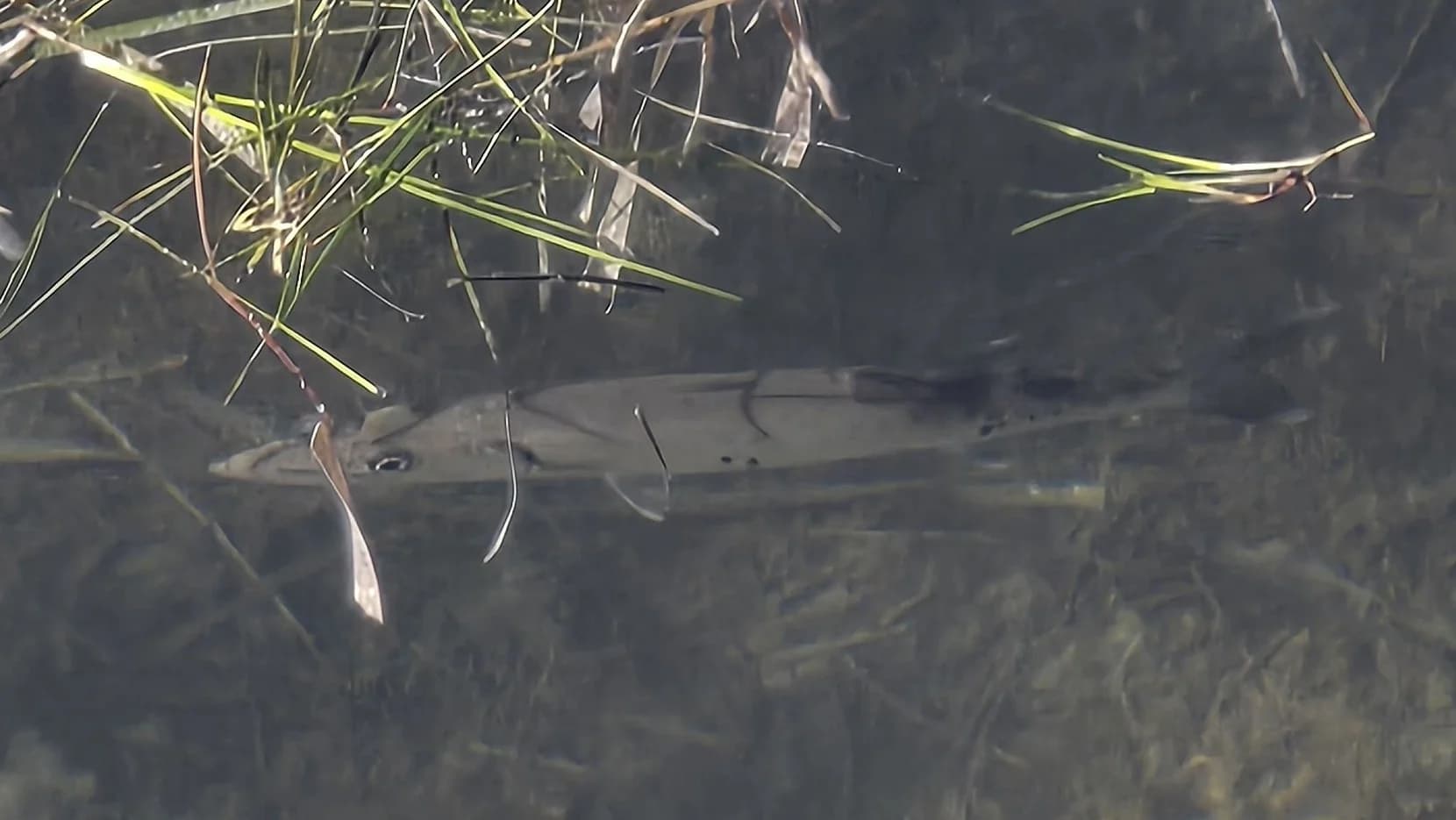
May join the schooling barracuda and reef-edge fish activity described for the Coral Sea.
Common Lionfish
Destination note
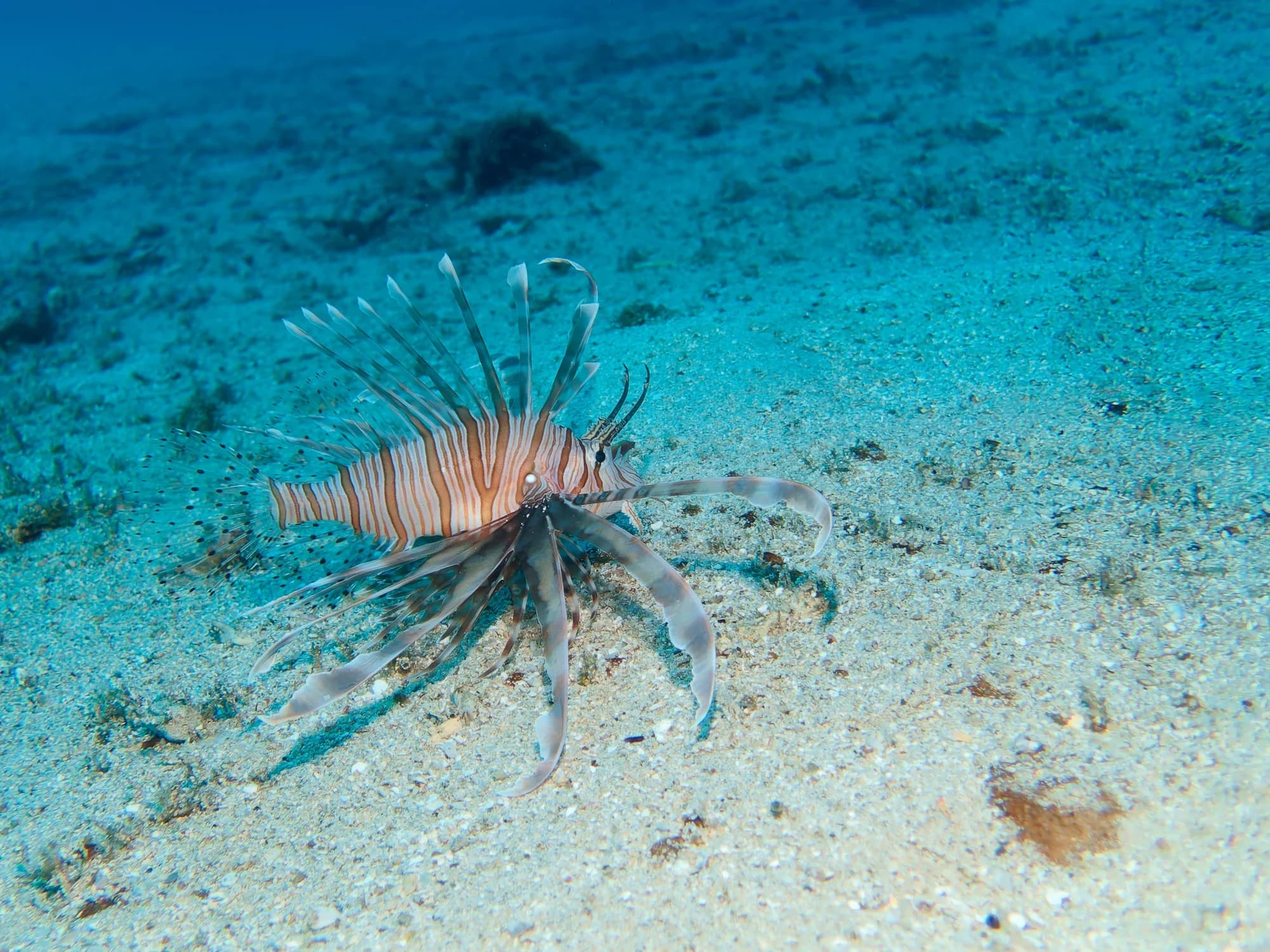
A patient ambush predator around ledges, crevices and protected reef structure.
Grey Reef Shark
Destination note
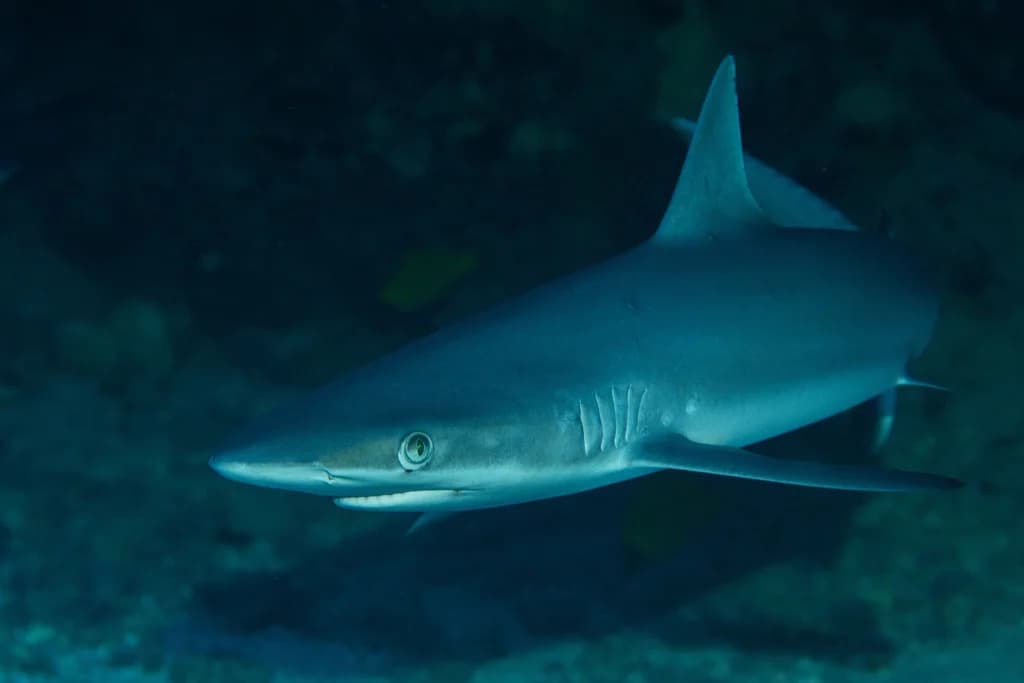
A characteristic shark of exposed Coral Sea reef walls and passes.
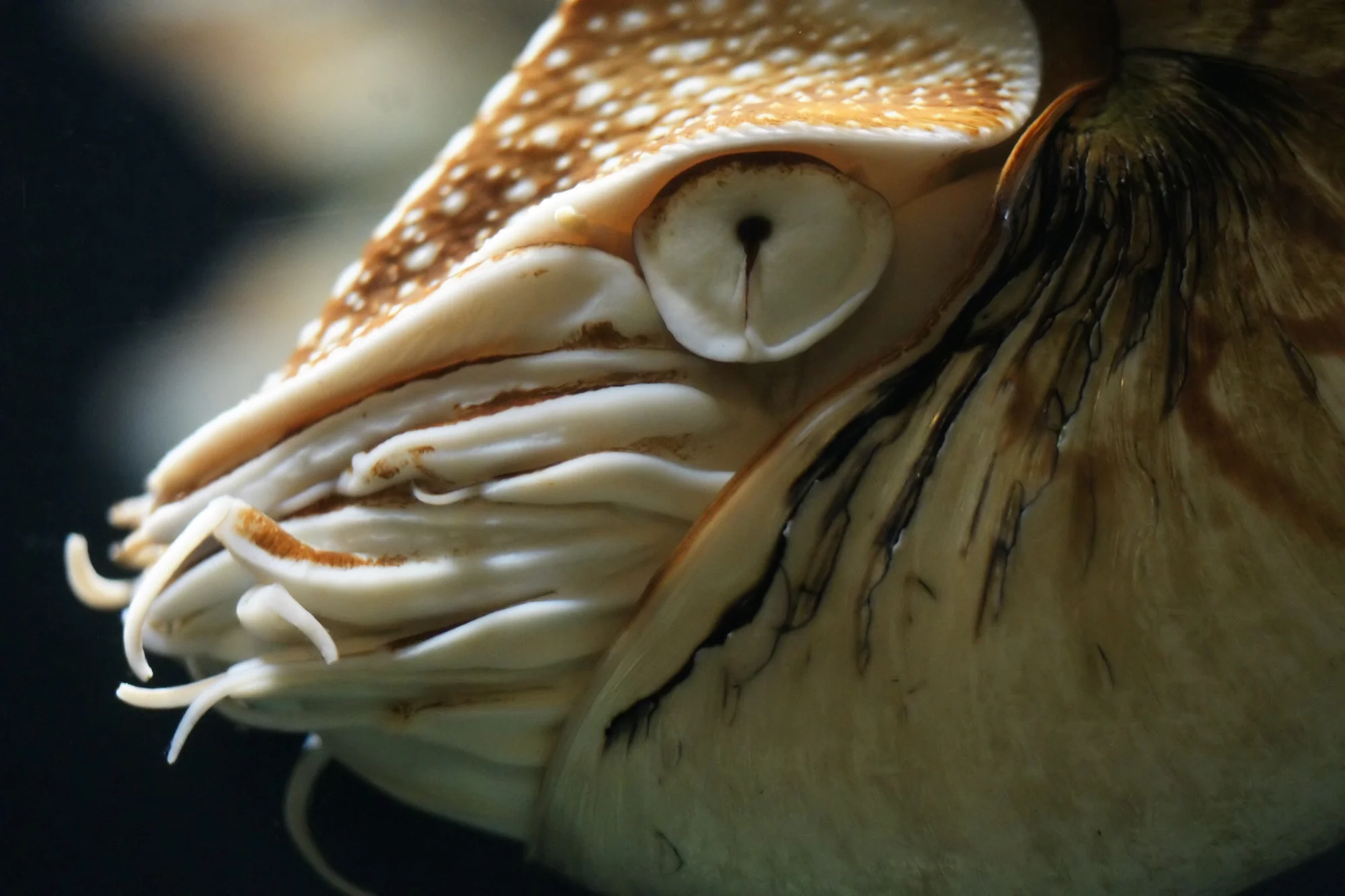
Chambered Nautilus
Destination note
A deep-water animal; it is not a routine recreational-diving sighting at Osprey Reef.
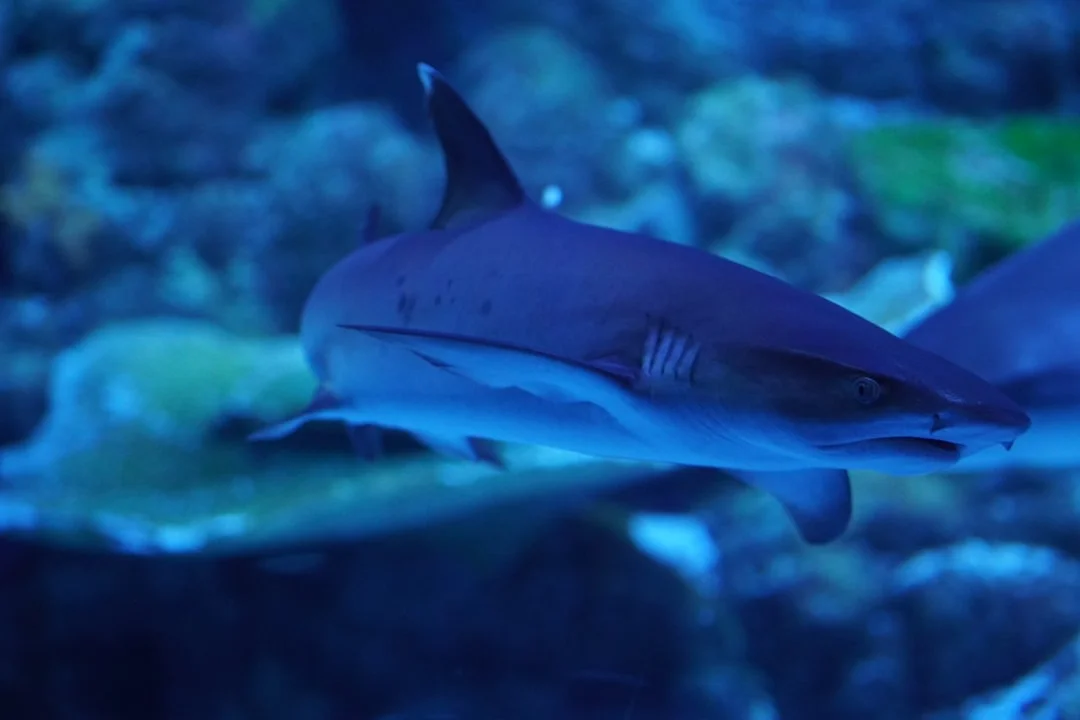
Whitetip Reef Shark
Destination note
Look along ledges, caves and coral bommies on sheltered sections of the reef.
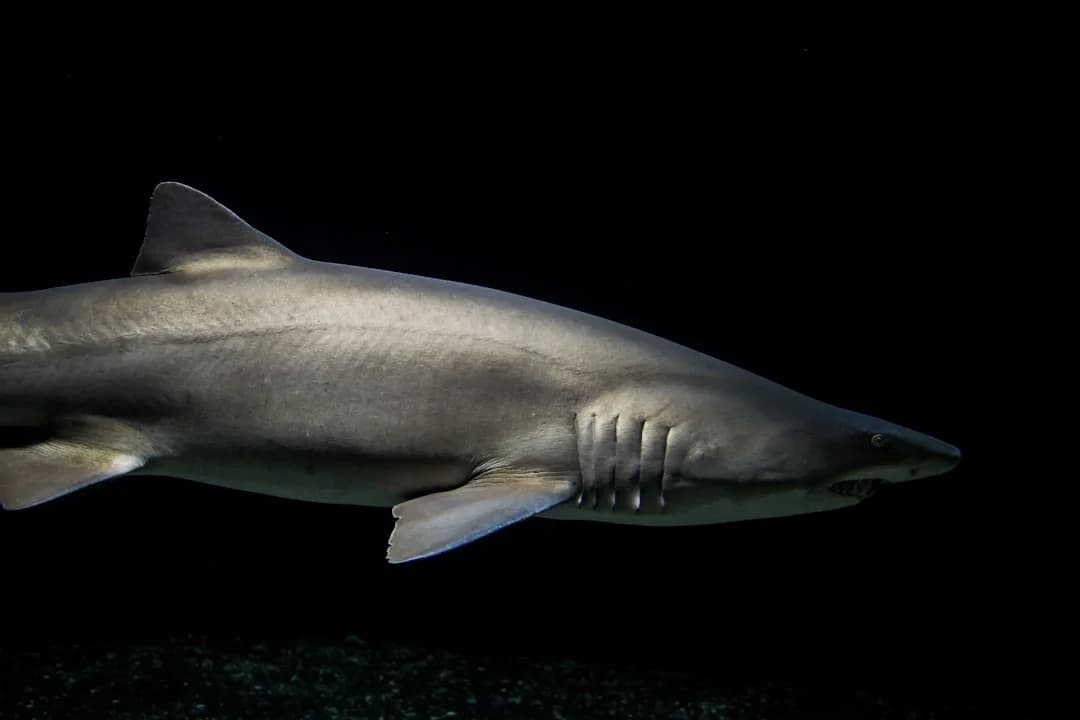
Silvertip Shark
Destination note
More likely on outer walls and deeper blue-water drop-offs.
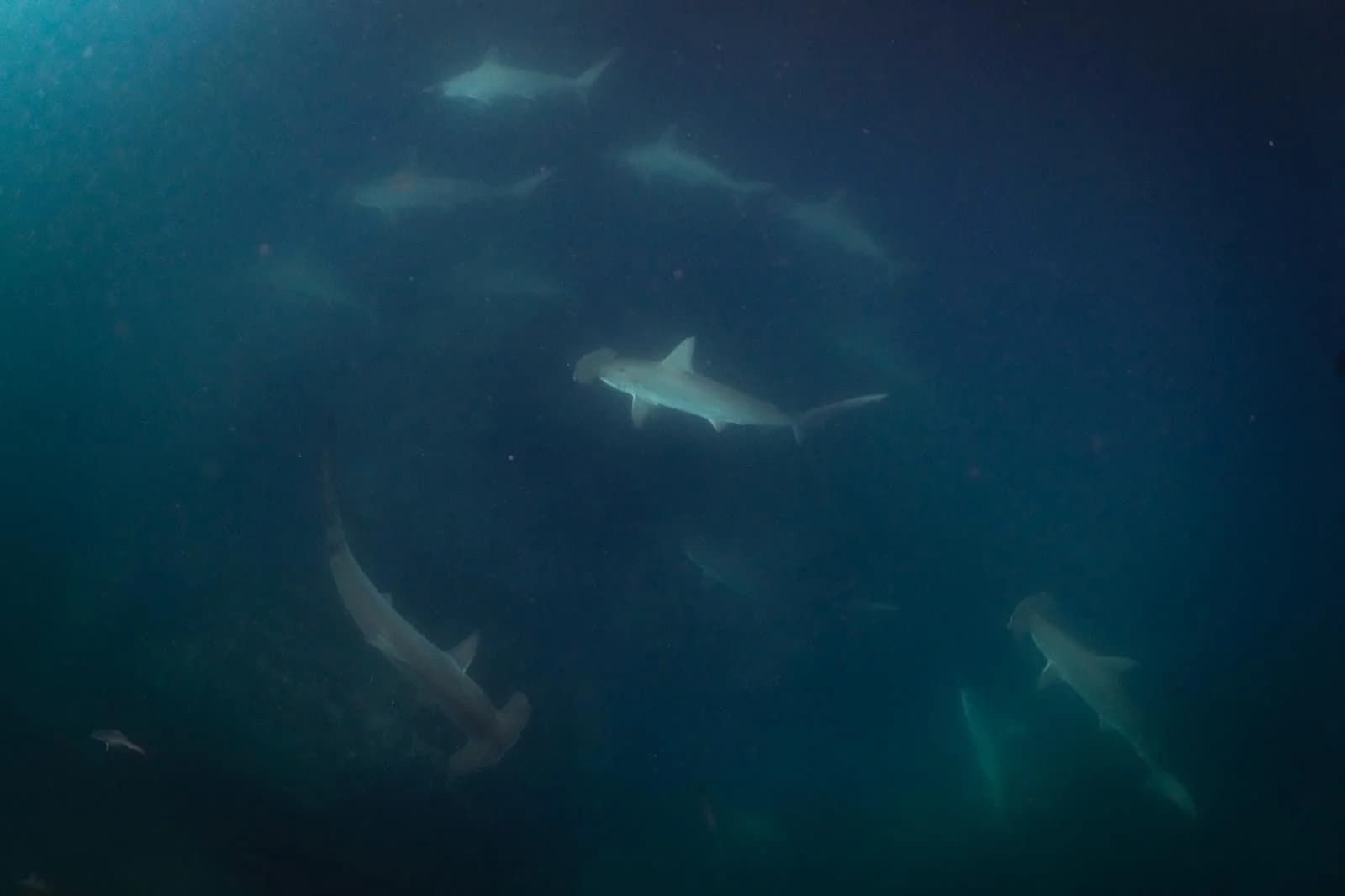
scalloped hammerhead
Destination note
Pelagic encounters are most plausible on current-swept points and deep walls.
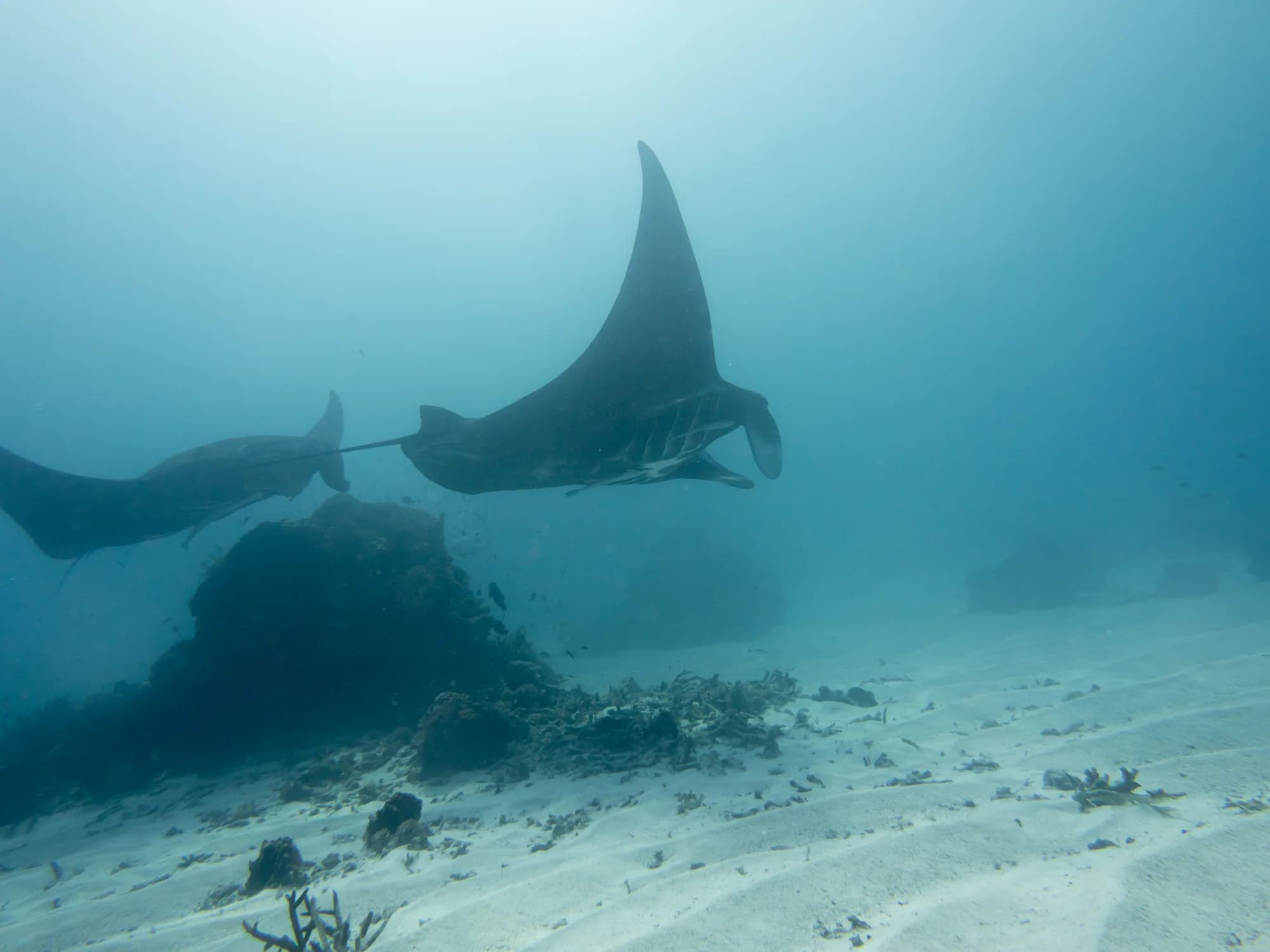
Reef Manta Ray
Destination note
May pass through cleaning areas and current-exposed reef corners.
No dive shops are listed for this destination yet.
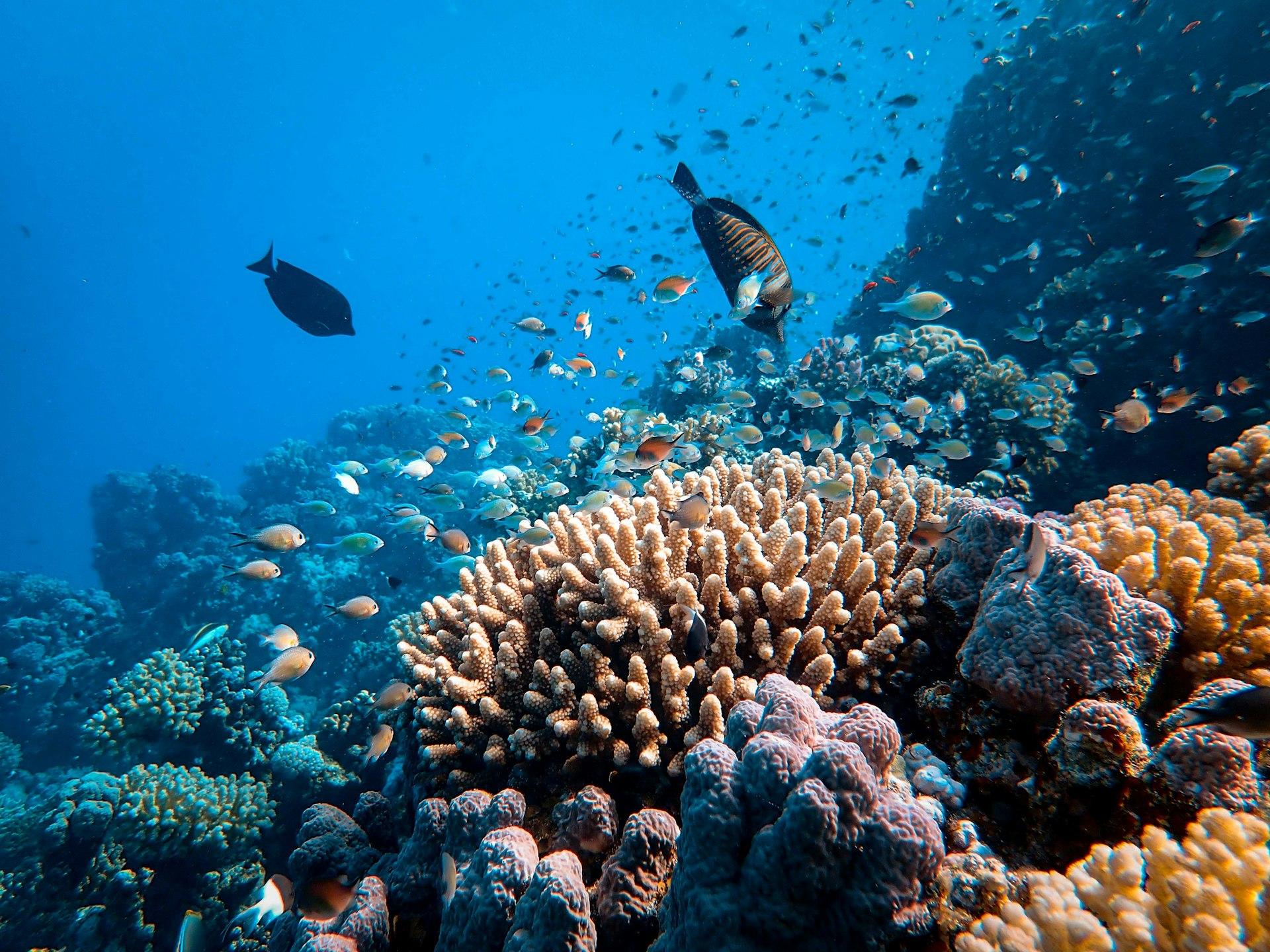
Compare Osprey Reef's best liveaboard dive sites, from North Horn sharks to Admiralty's caves, with depths, difficulty, seasons, and safety notes.
Use monthly Osprey Reef temperature, visibility, wind, current, and wildlife ranges to choose a Coral Sea liveaboard season and pack safely.
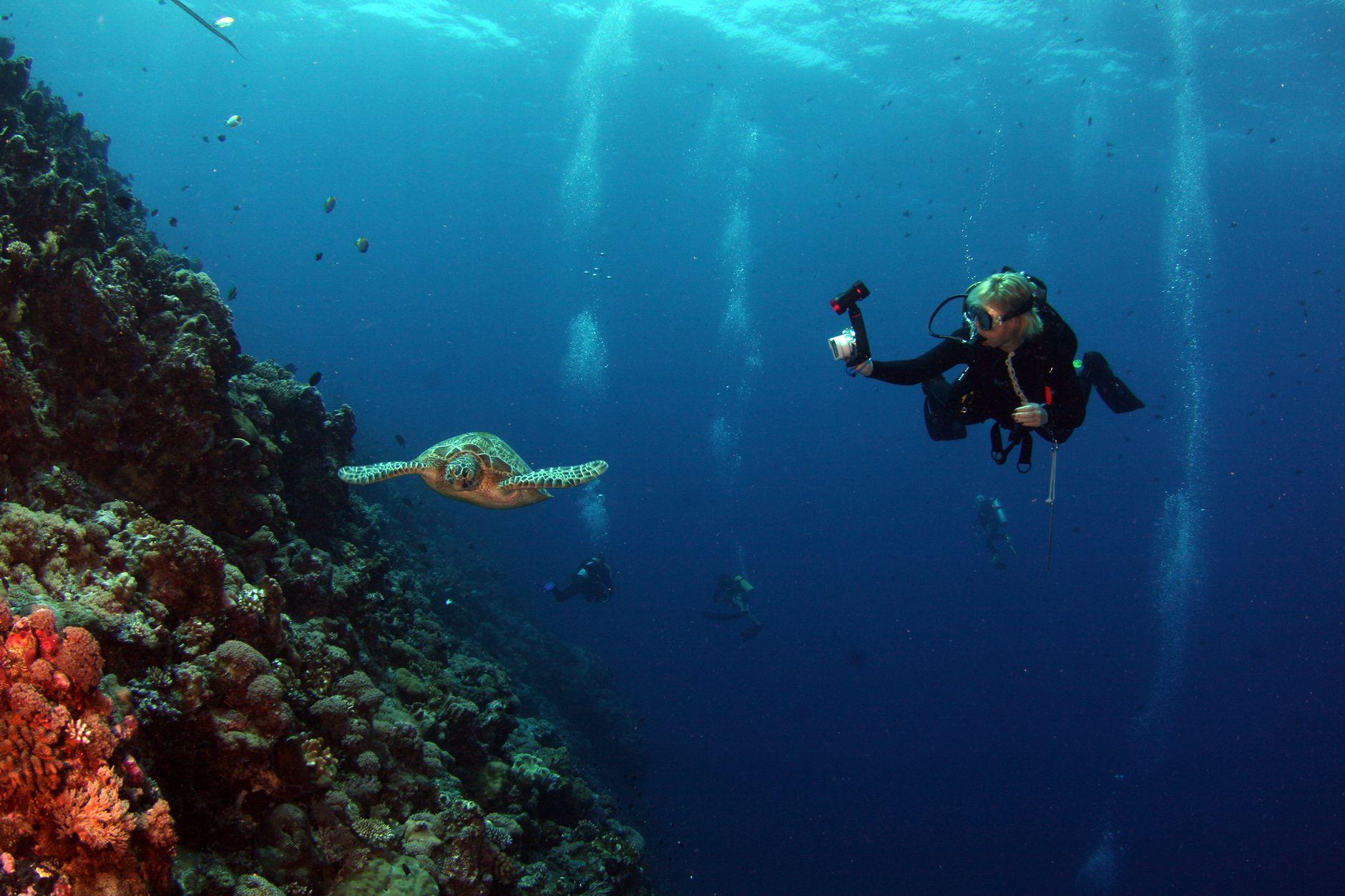
Plan an Osprey Reef liveaboard trip with clear advice on shark dives, deep walls, seasons, skill level, safety, and access from Cairns.
Offline access, dive log, AI fish ID, live site maps, and trip planning.
Download on the App Store