India
Diving in Nicobar Islands
Photo: Nabil Naidu / Pexels
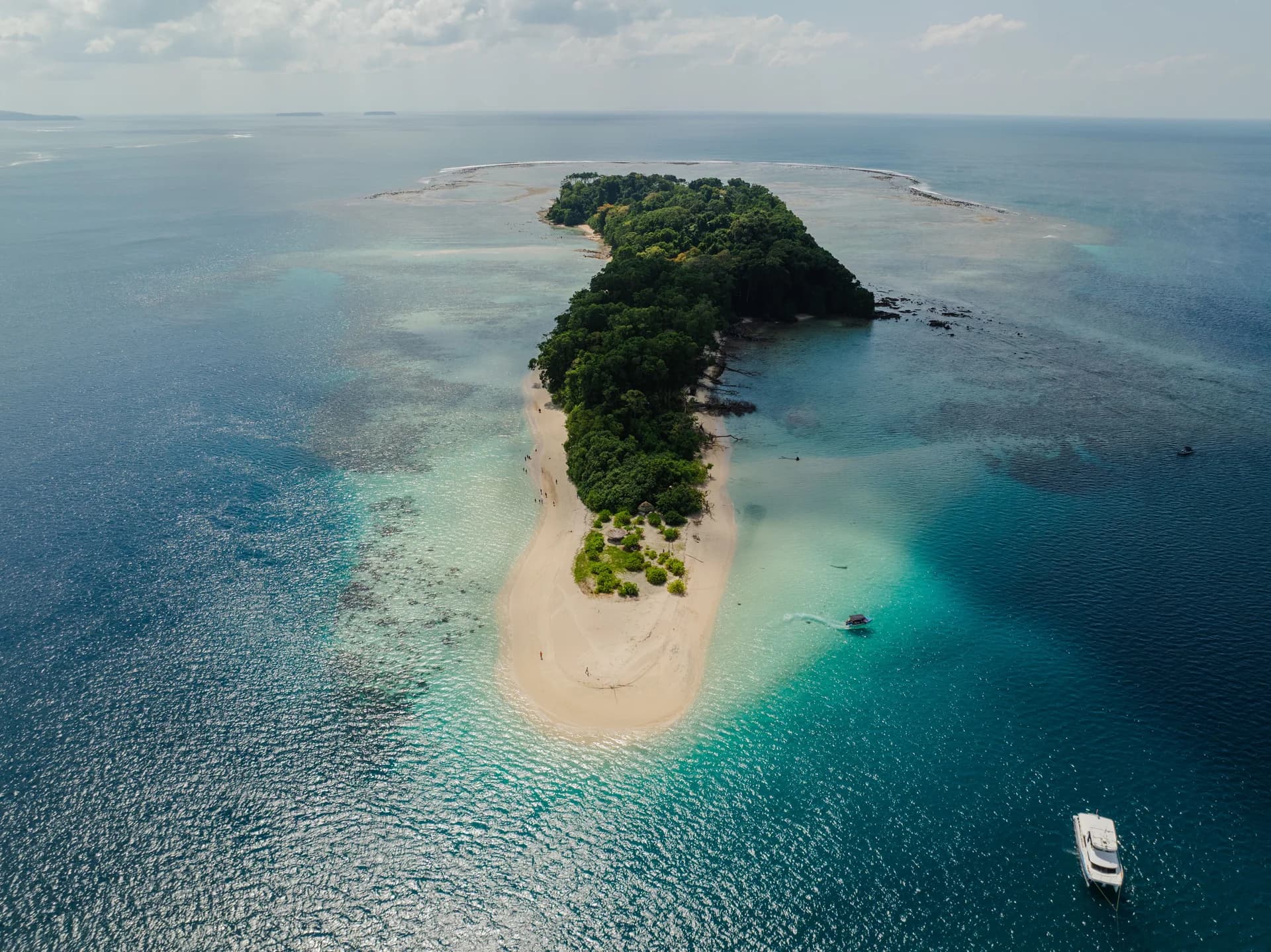
The Nicobar Islands are India's last diving frontier — a 22-island archipelago at the maritime boundary of the Bay of Bengal and Andaman Sea that remains one of the most restricted and untouched dive destinations on Earth. Fringing reefs, seamounts, and deep channels host reef sharks, manta rays, sea turtles, and the rare dugong. With zero dive operators, no hyperbaric chamber, and access requiring special government permits, this is expedition diving in its rawest form — for those who crave true solitude beneath the surface.
Explore the map
No mapped locations are available for this selection. You can still explore the lists on this page.
9 places have no verified map location yet. Browse the page lists for more places.
Conditions
27–30 °C
15–30 m
2–40 m
Moderate
November – May (northeast monsoon: calm seas, peak visibility 20–30 m)
| Month | Summary |
|---|---|
| Jan | Peak diving month with 27 °C water and excellent 22–25 m visibility. Calm northeast monsoon seas open all sites. Turtle nesting peaks on Galathea Bay beaches. |
| Feb | Stable 27 °C water and excellent visibility persist. Best month for Campbell Shoal — reef sharks and schooling jacks are abundant on the seamount. |
| Mar | Water warms to 28 °C with very good visibility. Ideal month for combining seamount dives at Campbell Shoal with reef exploration at Indira Point. |
| Apr | Water peaks at 29 °C. Visibility drops slightly to 20–22 m but conditions remain excellent. Last month of reliable turtle nesting activity. |
| May | Transition month at 29 °C with 18–20 m visibility. Southwest monsoon signal begins — winds pick up. Still divable but access to outer sites may narrow. |
| Jun | Southwest monsoon arrives: 28 °C water, visibility drops to 14–17 m. Rough seas limit diving to protected bays. Campbell Bay fringing reefs are the most reliable option. |
| Jul | Full monsoon conditions: 28 °C water, 14–17 m visibility, strong currents. Least divable month. Diving not recommended except for scientific expeditions with flexible schedules. |
| Aug | Monsoon persists: 28 °C water with 14–17 m visibility. Rough seas and strong currents continue. Shore-accessible fringing reefs offer the only realistic diving. |
| Sep | Monsoon begins tapering: 28 °C water with improving 16–18 m visibility. Winds ease toward month's end. The archipelago starts opening up again. |
| Oct | Transition to favorable conditions: 28 °C water, 18–20 m visibility. Seas calm noticeably. Good month for the northern sites — Car Nicobar and Tillangchong become accessible. |
| Nov | Northeast monsoon establishes: 28 °C water with 20–22 m visibility. Calm seas return across the archipelago. Dugong sightings possible at Katchal and Car Nicobar seagrass beds. |
| Dec | Excellent diving returns at 27 °C with 22–25 m visibility. All sites fully accessible. The Nicobars deliver their finest conditions of the year — a remarkable month for expedition diving. |
Dive Sites (9)
Campbell Bay Fringing Reefs
2–20m · Beginner
Fringing reef · Coral garden · Sandy patches
Campbell Shoal
5–40m · Advanced
Seamount · Coral garden · Pelagics
Car Nicobar Fringing Reefs
2–20m · Intermediate
Fringing reef · Seagrass · Coral garden
Galathea Bay Coral Reefs
2–25m · Intermediate
Fringing reef · Seagrass · Mangrove
Indira Point Reefs
3–30m · Advanced
Wall · Reef slope · Pelagics
Katchal Island Reefs
2–18m · Intermediate
Fringing reef · Seagrass · Coral recovery
Little Nicobar Coral Reefs
2–25m · Advanced
Fringing reef · Pinnacle · Coral garden
Nancowry-Kamorta Channel Reefs
3–30m · Advanced
Channel · Wall · Pelagics
Marine Life (88)
 must-see
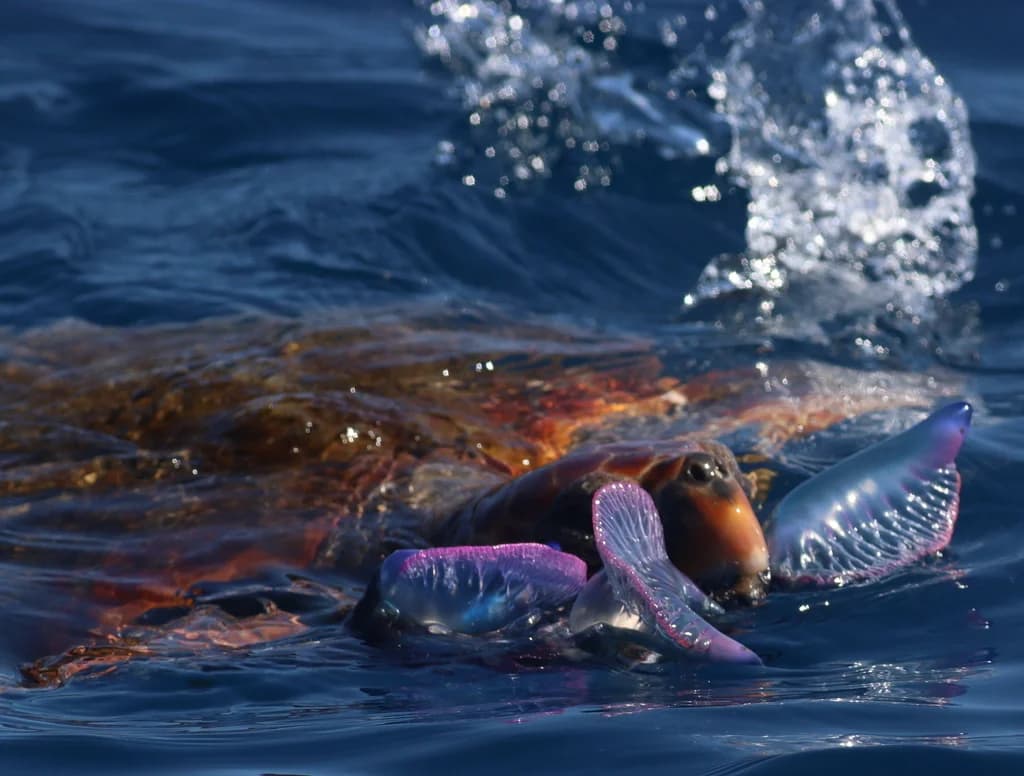
Loggerhead Turtle
 must-see
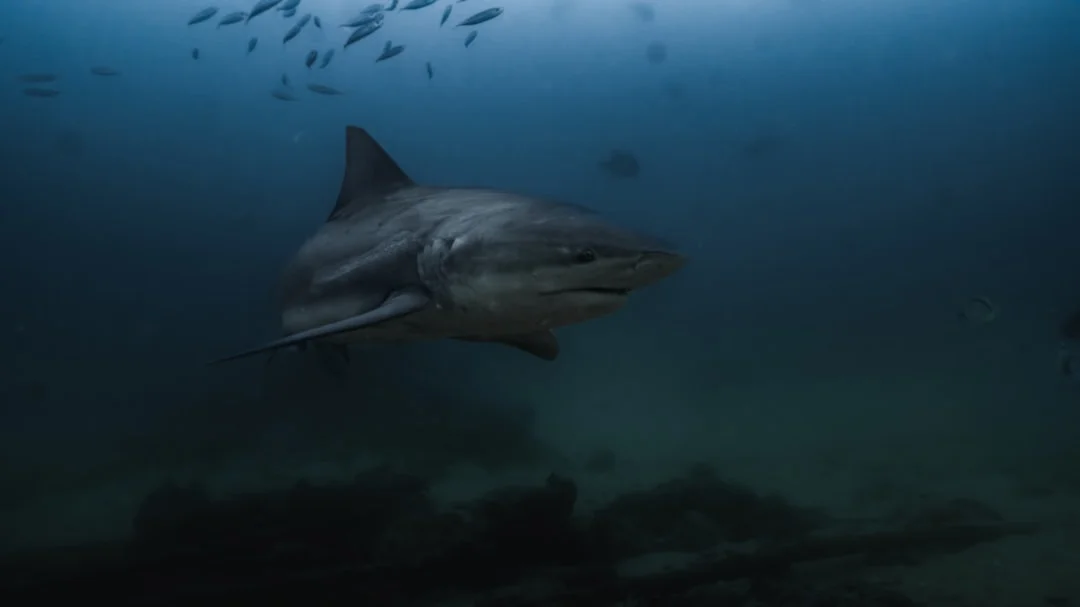
Bull Shark
 must-see
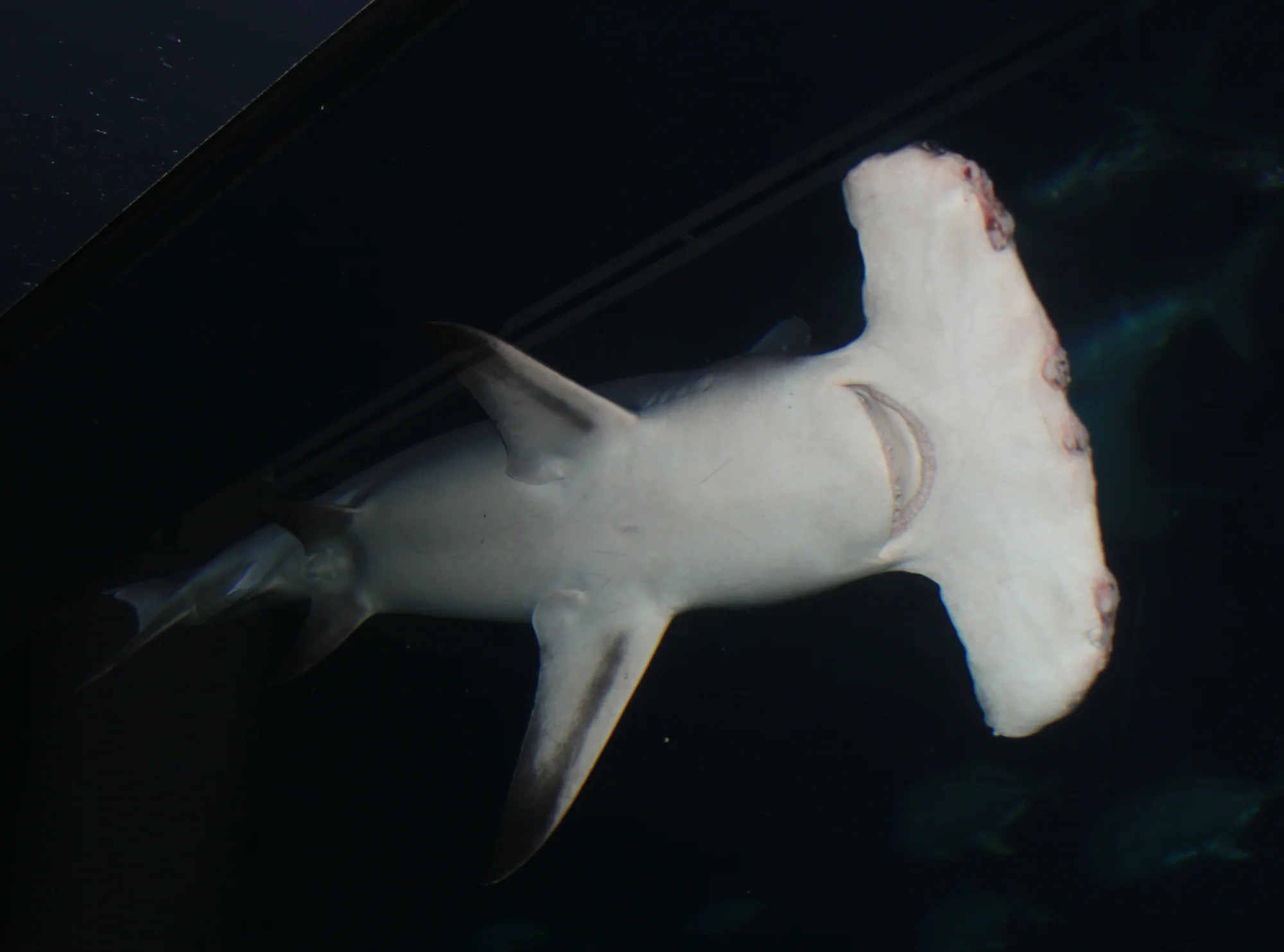
Great Hammerhead
 must-see
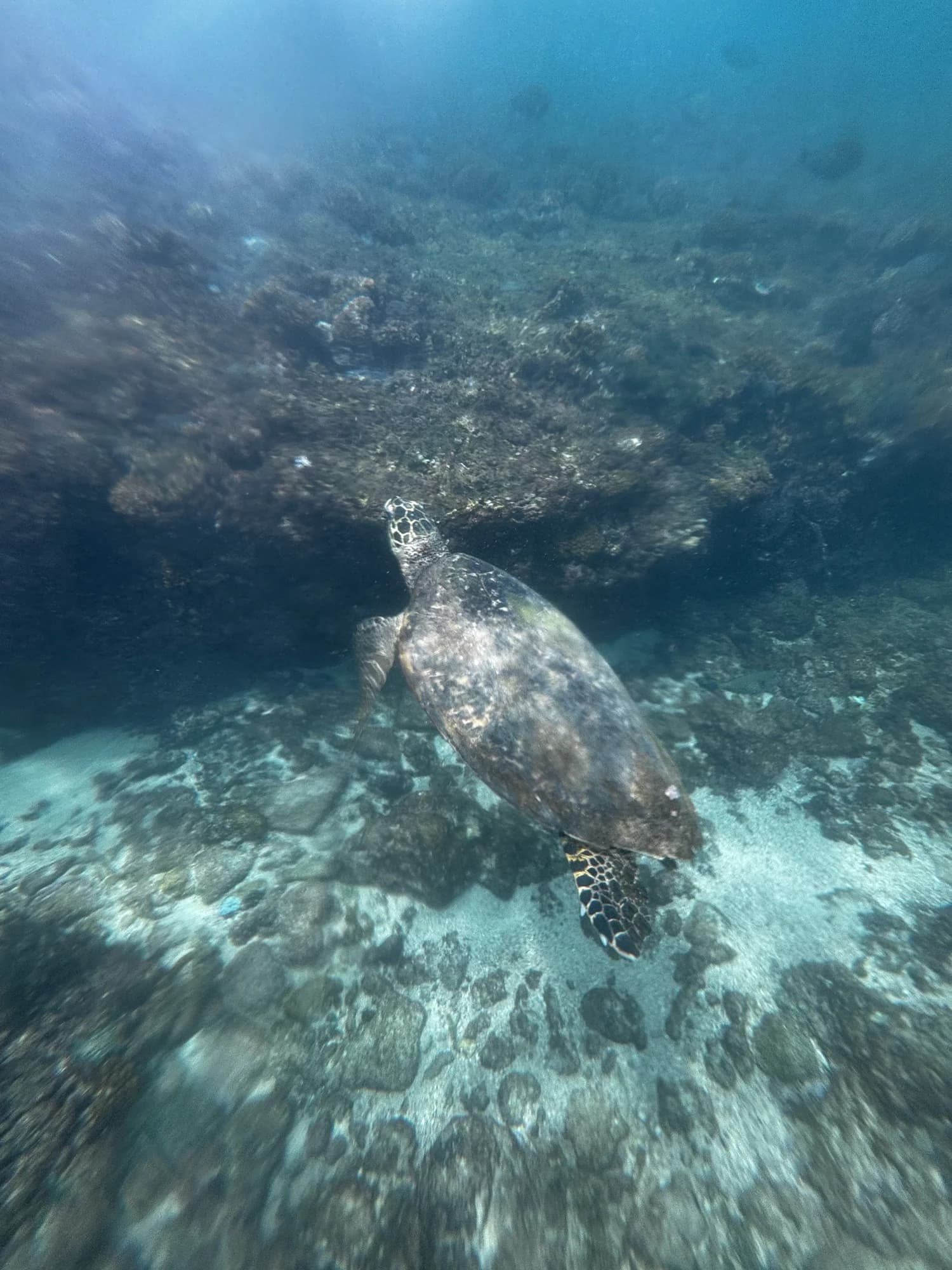
Hawksbill Turtle
 must-see
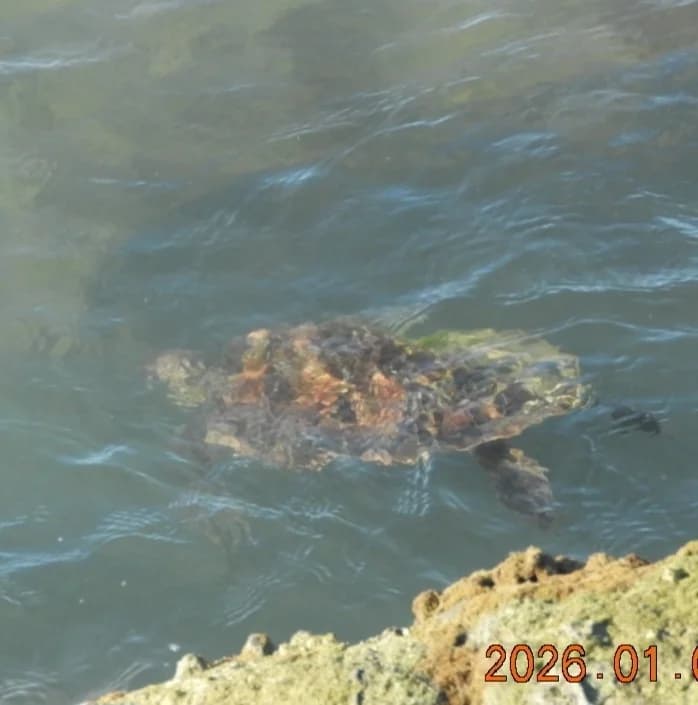
Green Sea Turtle
 must-see
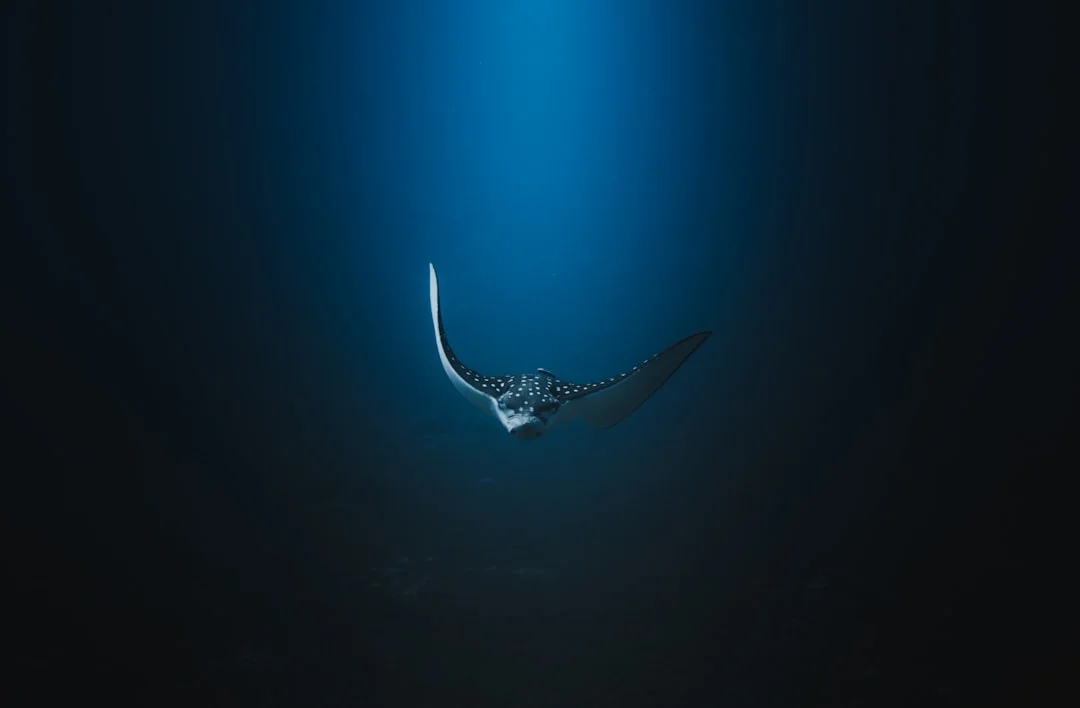
Spotted Eagle Ray
 must-see
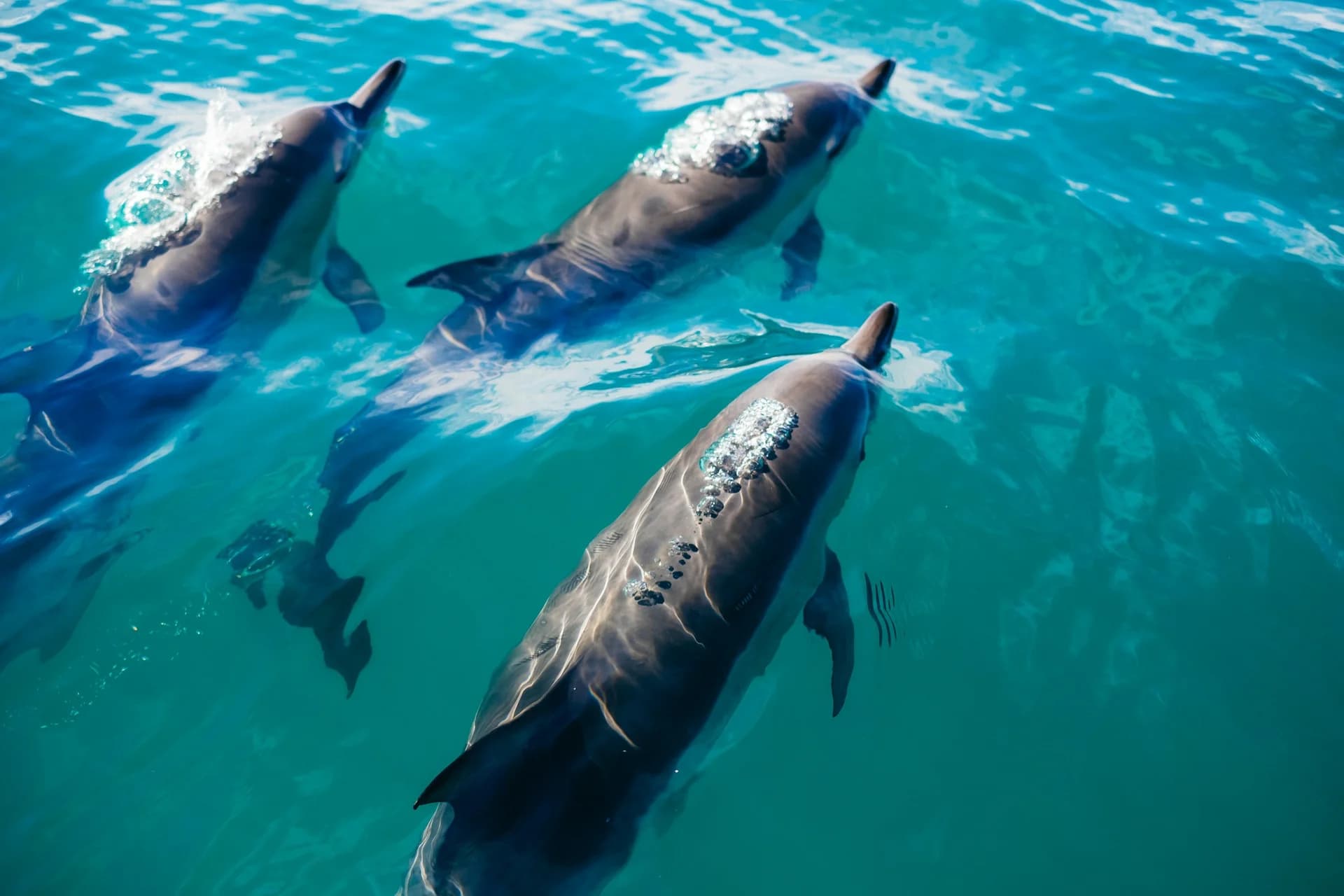
Atlantic Bottlenose Dolphin
Bigeye Thresher Shark
Andaman Butterflyfish
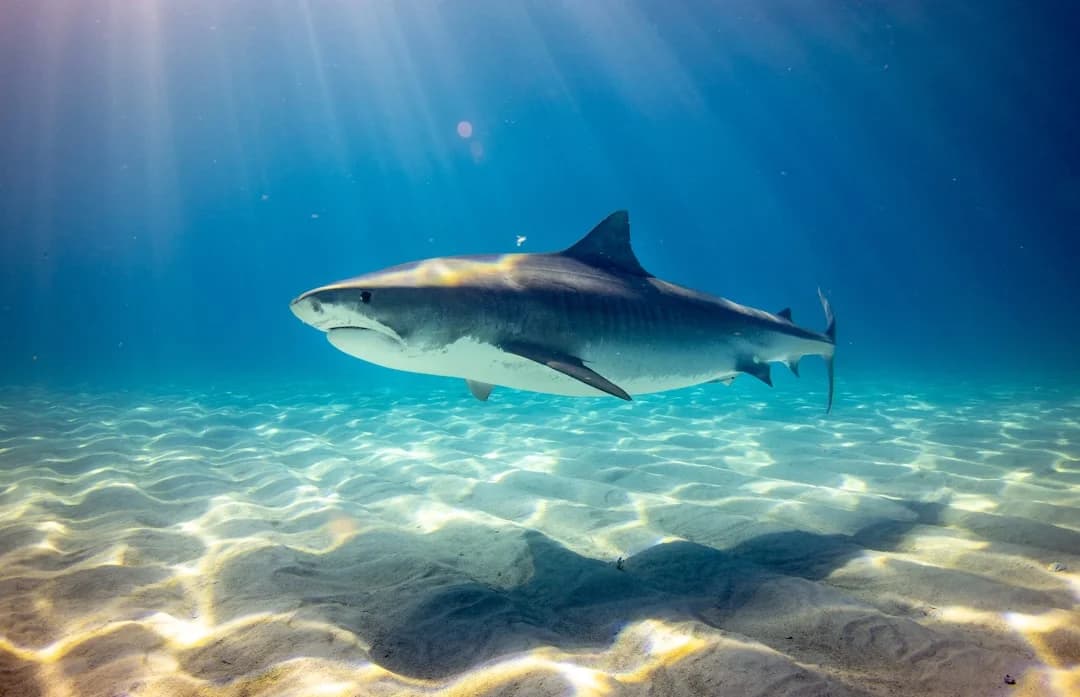 must-see
Dusky Shark
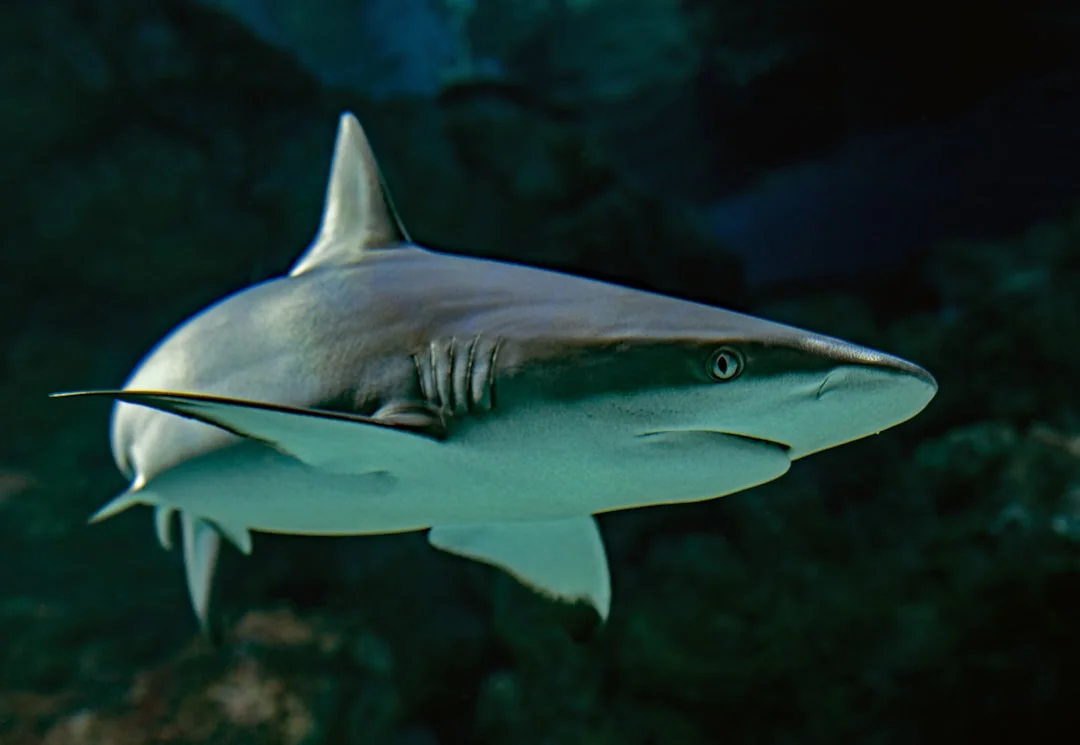
Pacific Nurse Shark
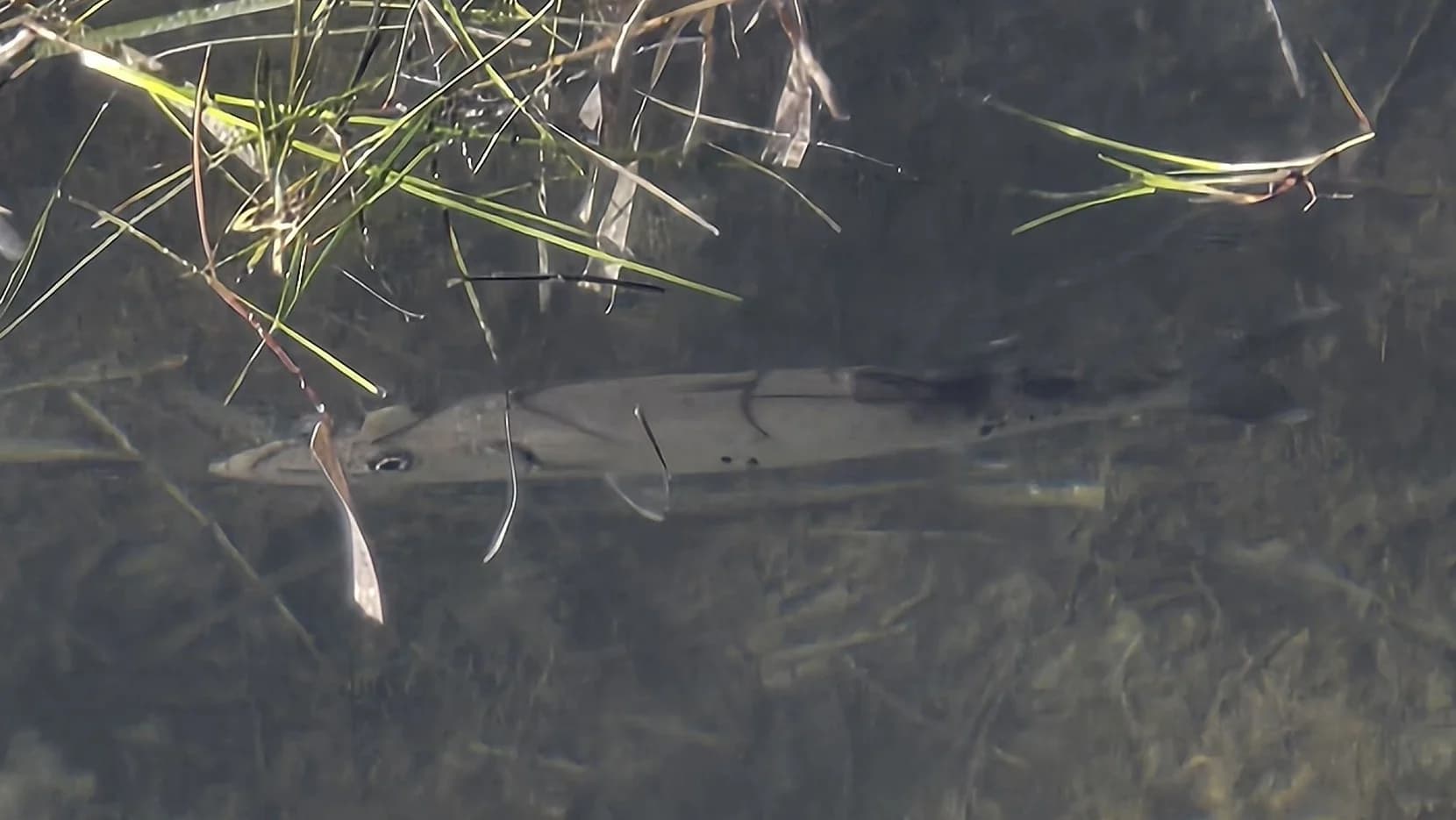
Great Barracuda
Dive shops
No dive shops are listed for this destination yet.
Guides
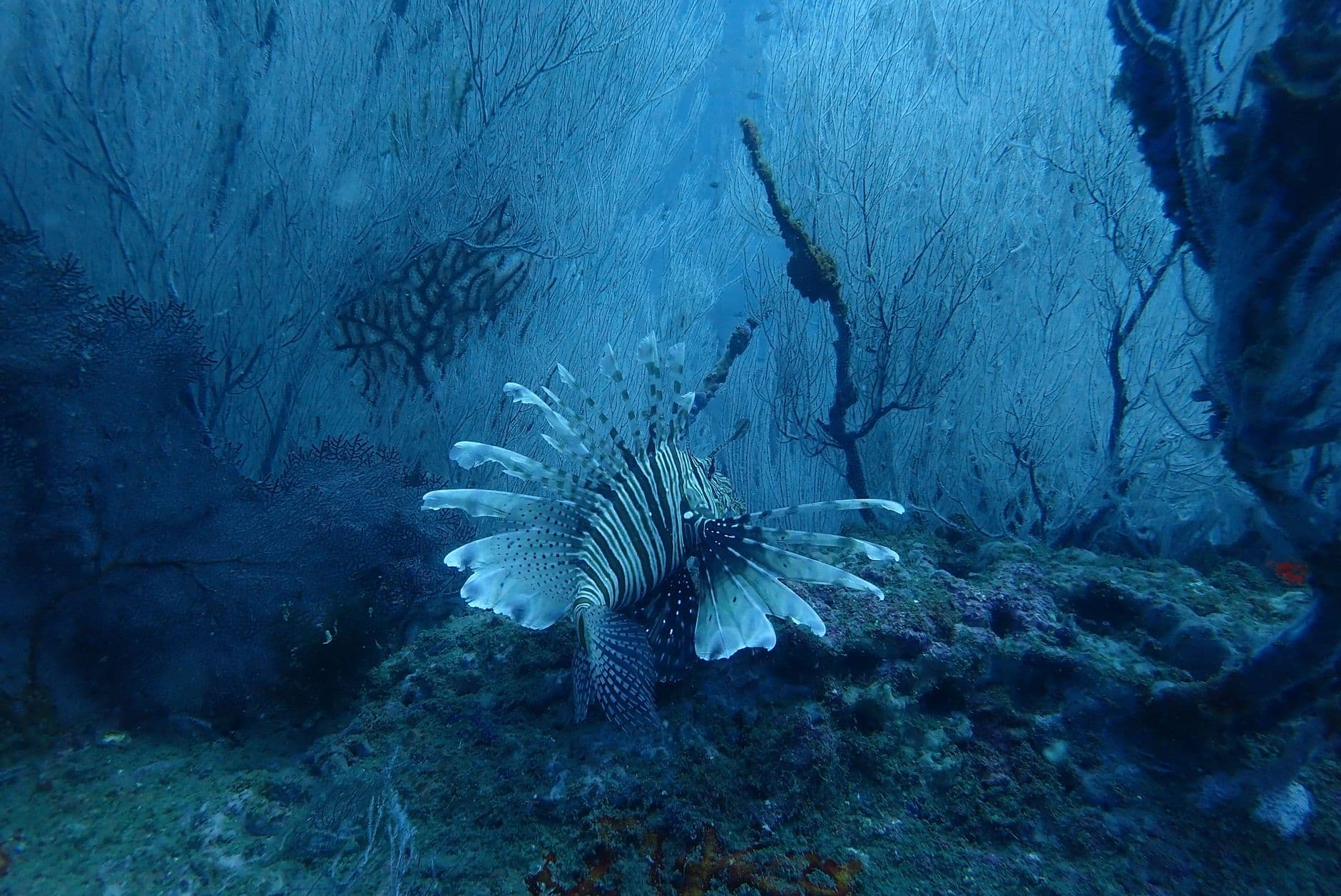
Top Dive Sites in the Nicobar Islands: Ranked and Reviewed
From the seamount action of Campbell Shoal to the turtle beaches of Galathea Bay. The 9 dive sites of India's most remote archipelago, ranked.
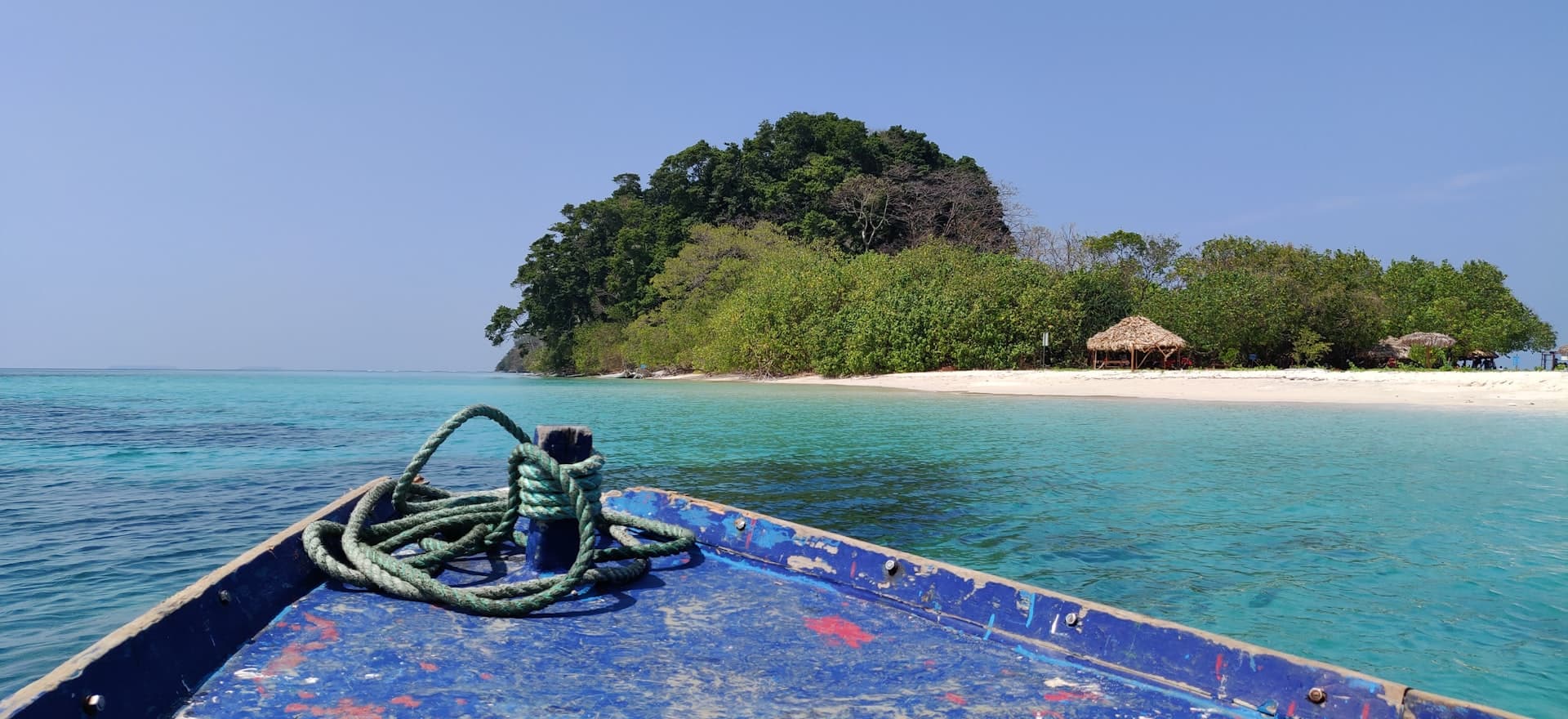
Diving the Nicobar Islands: India's Last Reef Frontier
22 islands, zero dive shops, one UNESCO Biosphere Reserve. The complete guide to expedition diving in India's most restricted archipelago.
Nicobar Islands: Dive Conditions, Seasons, and Visibility
Water temp 27–30°C, visibility 15–30m, and two strong monsoons. Month-by-month dive conditions for India's most remote archipelago.
Safety
Hyperbaric chamber
Clearance Diving Unit (Indian Navy) — Port Blair (nearest recompression chamber, ~380 km north)
+91-3192-252555Bring Nicobar Islands underwater
Offline access, dive log, AI fish ID, live site maps, and trip planning.
Download on the App Store