Caribbean Reef Shark
Destination note
Year-round resident on outer reef walls and drop-offs; most commonly sighted at Molasses Reef and Looe Key
United States
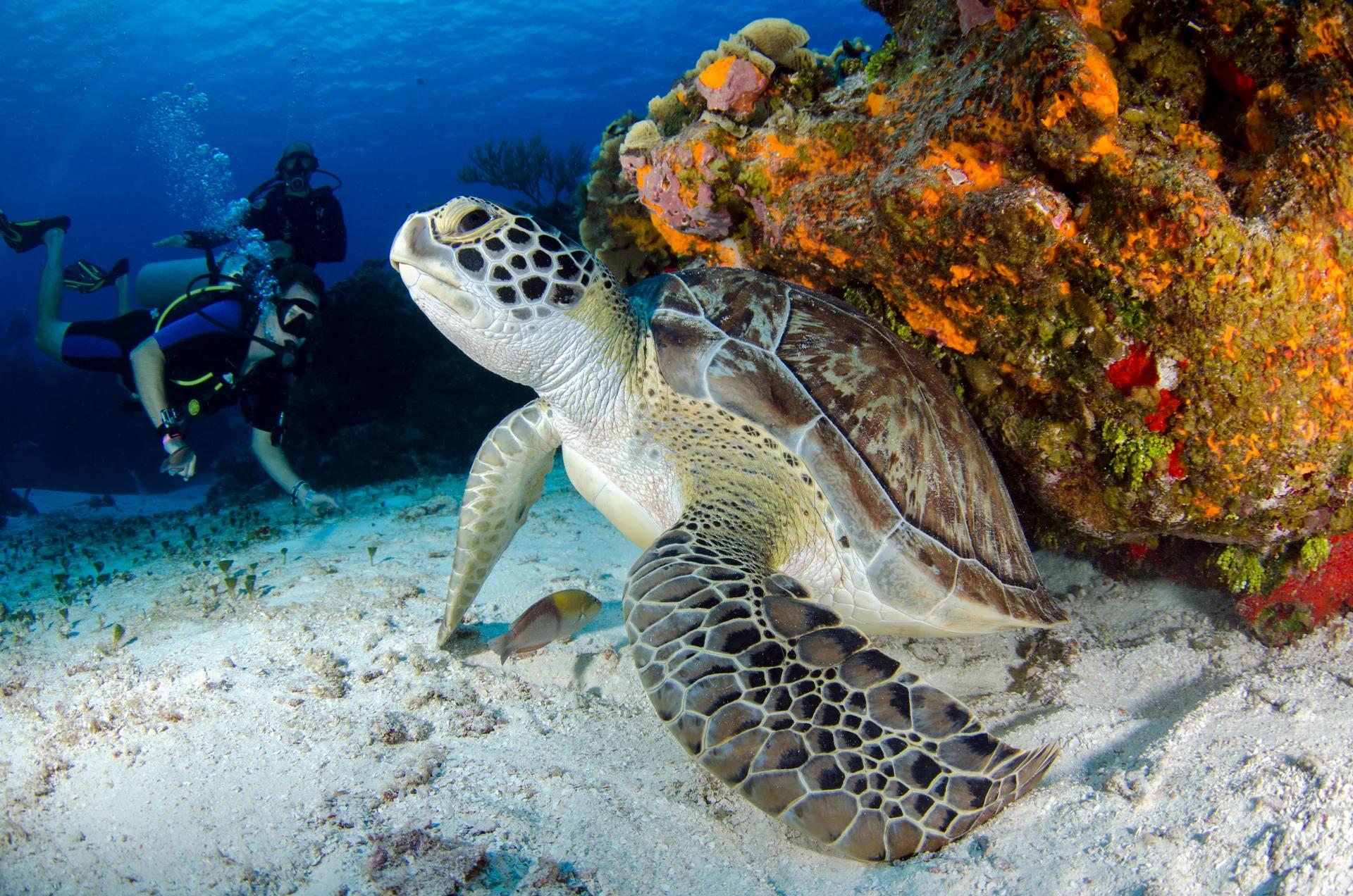
Photo: Leonardo Lamas / Pexels
The Florida Keys are America's tropical diving paradise — a 170-mile chain of coral cay islands stretching from Key Largo to Key West and beyond to the Dry Tortugas. Home to the Florida Reef Tract, the third-largest barrier reef in the world and the only living coral reef in the continental United States. Explore 42+ named dive sites: shallow patch reefs, spur-and-groove formations, deep wrecks like the 523-ft Vandenberg and the massive Spiegel Grove. Encounter goliath grouper, sea turtles, eagle rays, nurse sharks, and vibrant coral gardens. Year-round diving in 71–87°F water with visibility up to 100 ft. No passport required. Just drive the Overseas Highway and dive in.
Select a pin to learn more. Use the zoom buttons or pinch to zoom.
Loading map…
11 places have no verified map location yet. Browse the page lists for more places.
21.8–30.5 °C
9–30 m
3–40 m
Mild
April through September for warm water and best visibility; December through April for large pelagics and grouper spawning aggregations
| Month | Summary |
|---|---|
| Jan | January brings the coolest water of the year at 71°F (22°C) and moderate currents. Visibility ranges 40-70 ft (12-21 m). North winds can reduce visibility on ocean-facing reefs. Fewer boats and quieter conditions. Grouper spawning aggregations peak this month. A 5mm wetsuit is recommended. |
| Feb | February remains cool at 71°F (22°C) with similar conditions to January. Visibility 40-70 ft (12-21 m). Moderate currents. Grouper season continues. Good month for large predator encounters. Winter crowds begin arriving for Presidents' Day week. |
| Mar | March sees water warming to 73°F (23°C). Visibility improves to 40-75 ft (12-23 m). Spring transition month with milder currents. Conditions improving steadily. Good marine life activity. Spring break brings increased crowds to the Keys. |
| Apr | April hits 77°F (25°C) with improving visibility of 50-80 ft (15-24 m). Mild currents. Warming water brings increased marine activity. Spring crowds begin. Excellent conditions for all skill levels. One of the best months for overall diving. |
| May | May brings 81°F (27°C) water and excellent visibility of 60-90 ft (18-27 m). Mild currents. Peak season begins with warm, calm conditions. Exceptional visibility and marine life activity. Ideal conditions for photography and all dive types. |
| Jun | June offers 84°F (29°C) water with visibility 60-90 ft (18-27 m). Mild currents. Summer calms set in. Warm water, excellent visibility. Peak tourist season with busy dive boats. Afternoon thunderstorms possible. Hurricane season begins but activity is typically low in June. |
| Jul | July water reaches 86°F (30°C) with visibility 60-85 ft (18-26 m). Mild currents. Peak heat with afternoon thunderstorms possible. Crowded conditions at popular sites. Hurricane season intensifies. Warmest water temperatures make thin wetsuits or rash guards comfortable. |
| Aug | August is the warmest month at 87°F (31°C) with visibility 60-85 ft (18-26 m). Mild currents. Hurricane season active — monitor forecasts. Peak tourist crowds. Warmest water temperatures of the year. Afternoon thunderstorms regular. Good diving between weather systems. |
| Sep | September water remains warm at 85°F (30°C) with visibility 50-80 ft (15-24 m). Mild to moderate currents. Peak hurricane risk month. Fewer crowds as tourism drops. Warm water persists. Good conditions between weather systems. Transitional month with improving conditions late in the month. |
| Oct | October cools to 83°F (28°C) with visibility 50-75 ft (15-23 m). Moderate currents. Post-storm sediment possible. Transitional conditions as temperatures cool. Fewer crowds, excellent diving. Hurricane risk declining. Good month for experienced divers seeking uncrowded conditions. |
| Nov | November drops to 78°F (26°C) with visibility 45-70 ft (14-21 m). Moderate currents. Cooling rapidly. Winter fronts begin bringing wind and reduced visibility on ocean side. Hawk Channel remains more protected. Good grouper action begins. |
| Dec | December water temperature is 74°F (23°C) with visibility 40-65 ft (12-20 m). Moderate currents. Coldest season. North winds reduce visibility. Holiday crowds. Grouper aggregations begin. A 5mm wetsuit is recommended for comfort during extended dives. |
4.6–24.4m · Advanced
Alligator Reef Lighthouse · USS Alligator wreck · Spur-and-groove
3–7.6m · Beginner
Snorkeling
Shallow inshore patch reef · Shore diving
7.6–15.2m · Intermediate
WWII freighter · Torpedoed 1942 · Coral-encrusted
4.6–12.2m · Intermediate
Garden eels
Patch reef · Sandy areas
3–18.3m · Intermediate
Carysfort Lighthouse · Spur-and-groove reef · Large barrel sponges
4.6–7.6m · Beginner
Photography · Sandy bottom
Bronze statue
3–7.6m · Beginner
Large patch reef · Good coral coverage · Multiple mooring buoys
4.6–30.5m · Advanced
NOAA Aquarius Reef Base · Sanctuary Preservation Area · Spur-and-groove
Species recorded in this destination's wider regional catalogue. A species being listed here does not mean it is seen at this destination — check the note on each card.
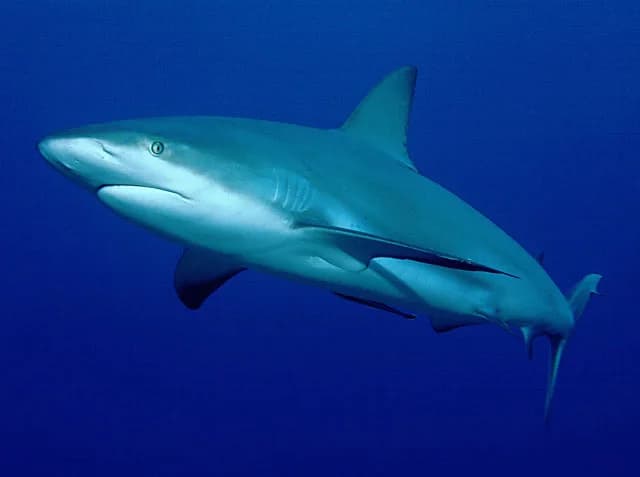
Caribbean Reef Shark
Destination note
Year-round resident on outer reef walls and drop-offs; most commonly sighted at Molasses Reef and Looe Key
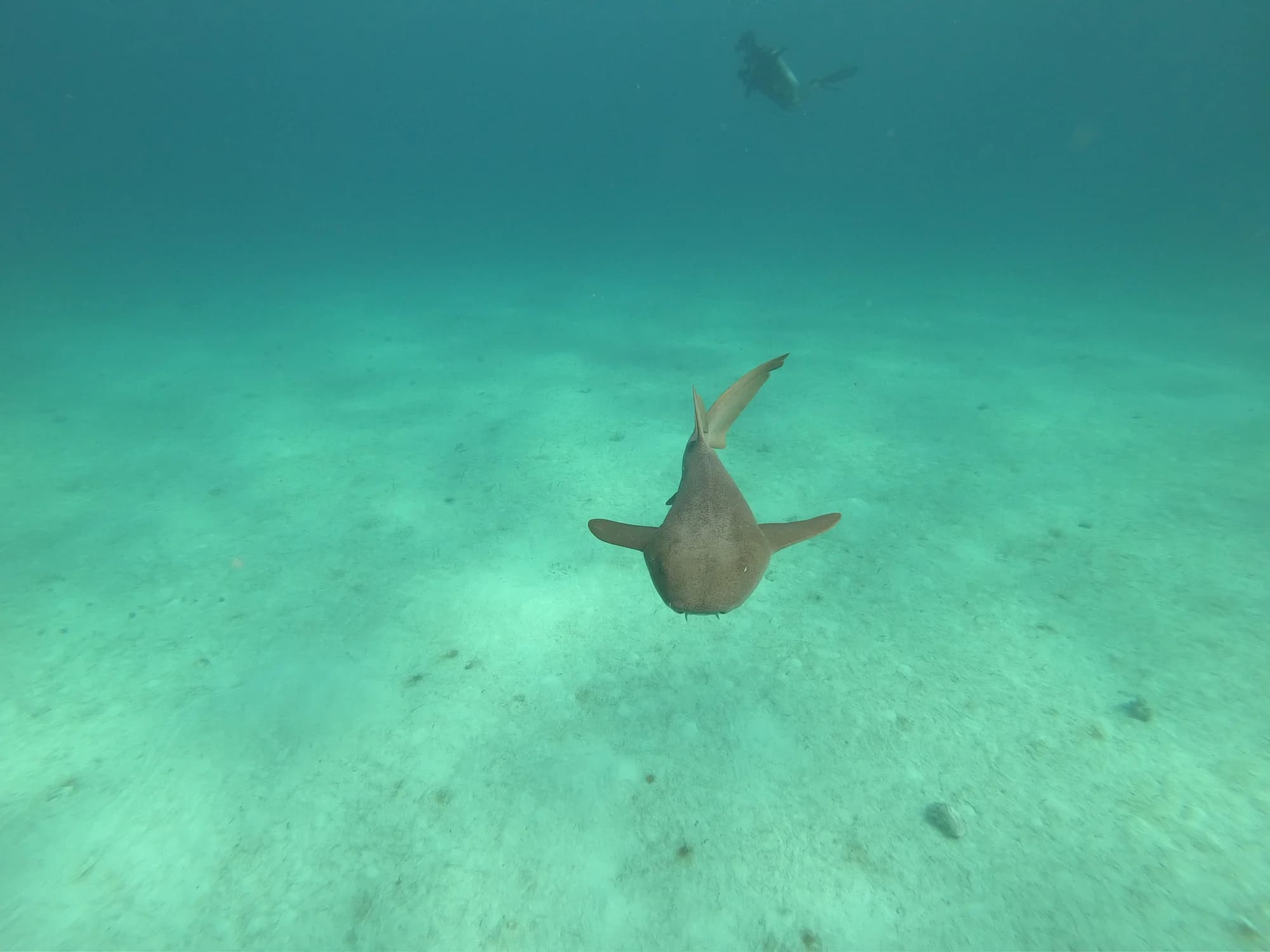
Nurse Shark
Destination note
Very abundant year-round; guaranteed sighting at French Reef, Molasses Reef, and beneath ledges at most Key Largo sites
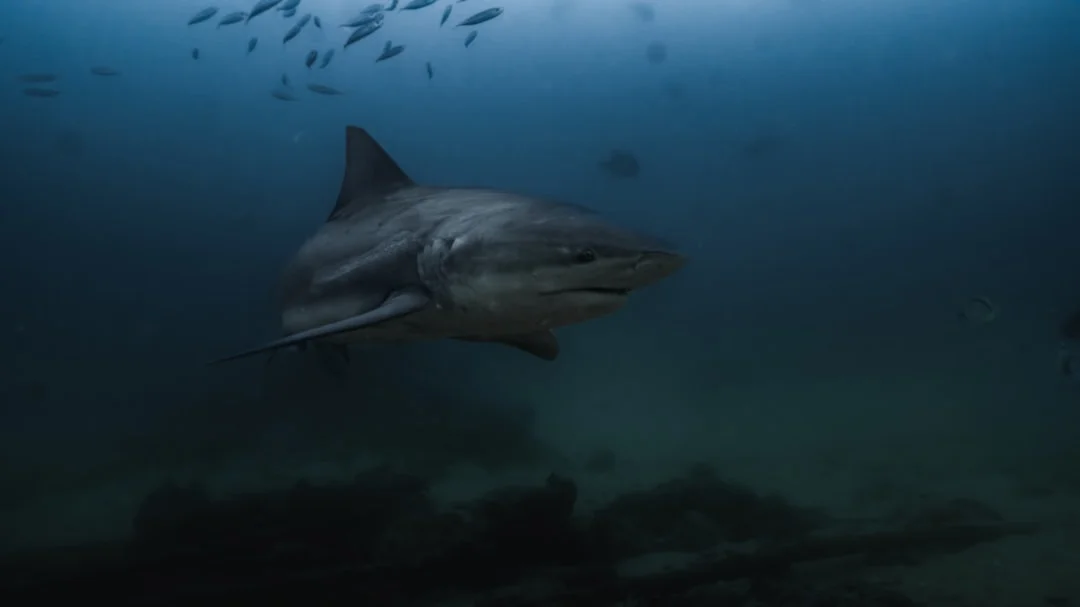
Bull Shark
Destination note
Occasional visitor to the outer reefs; most frequently encountered at deep wrecks like the Vandenberg and at reef drop-offs
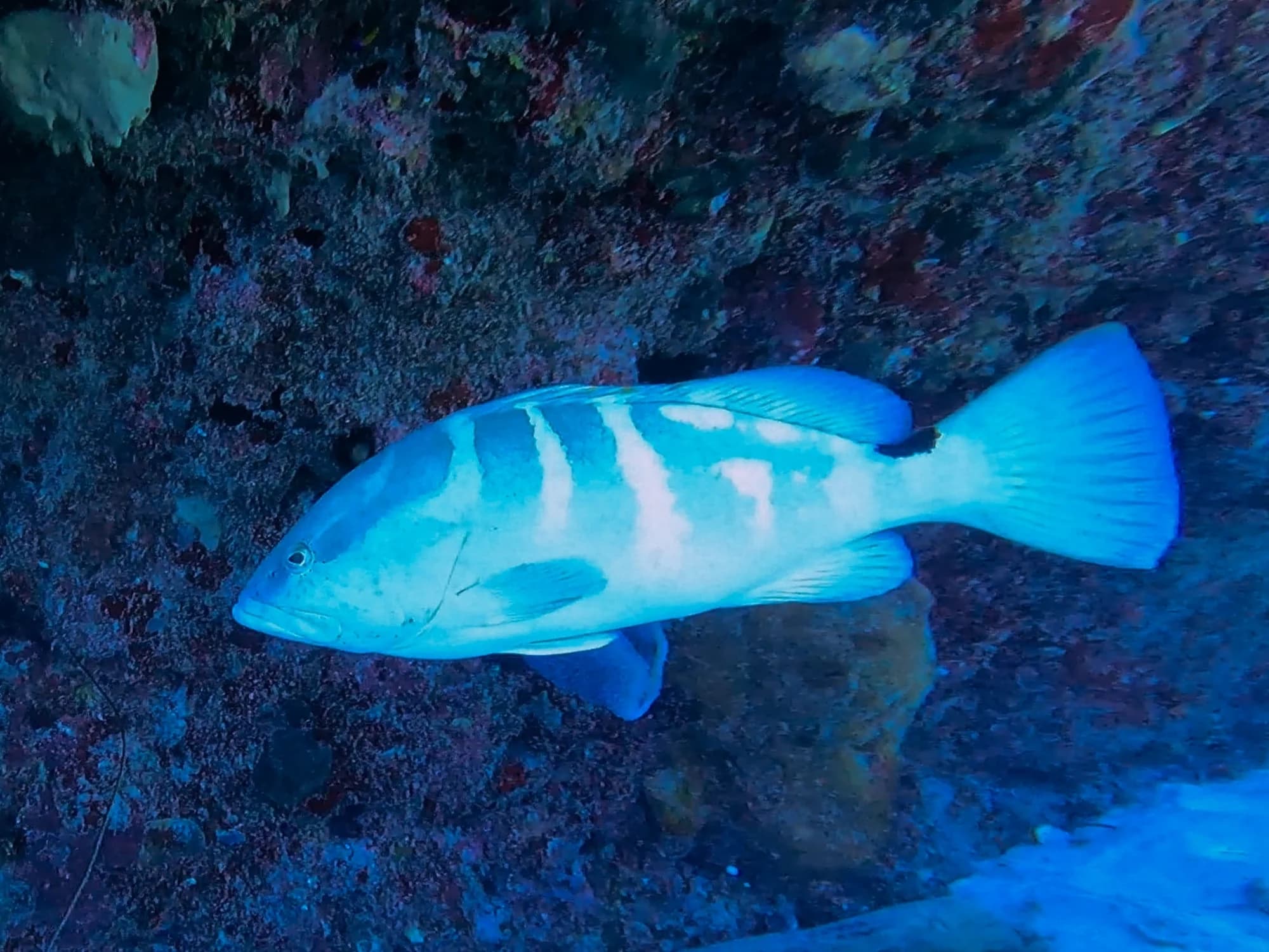
Nassau Grouper
Destination note
Common on spur-and-groove and patch reefs; seen at Molasses Reef, Looe Key, and Conch Reef; spawning aggregations December-February
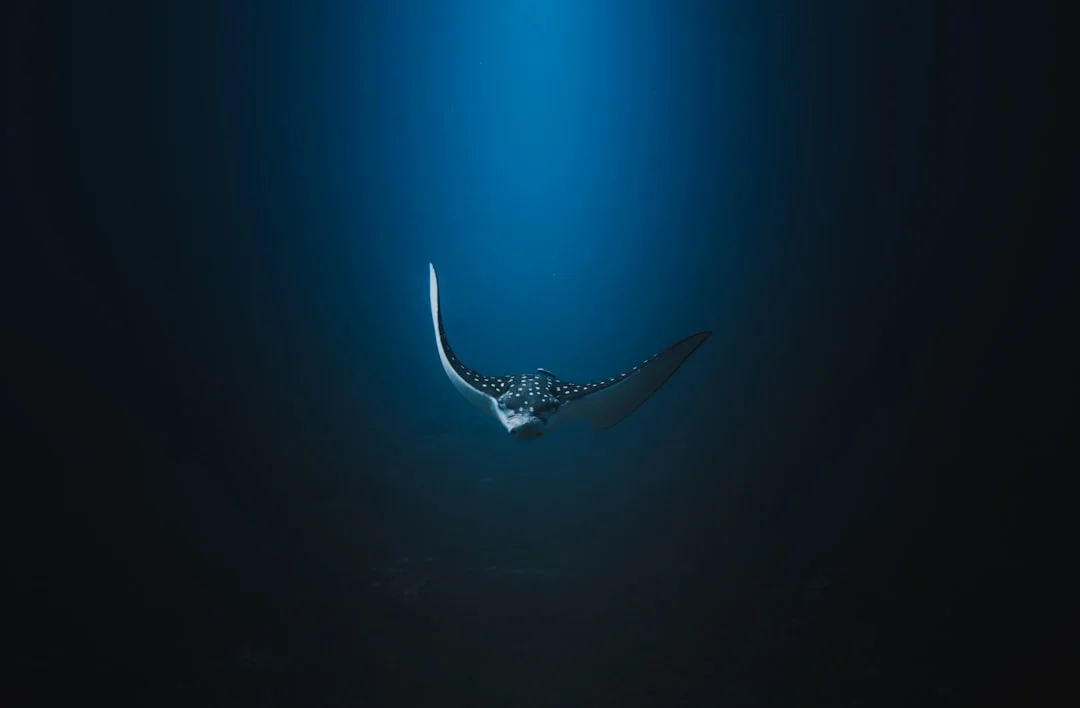
Spotted Eagle Ray
Destination note
Common year-round; most frequent sightings at Western Sambo, Sand Key, and Alligator Reef, often in small groups
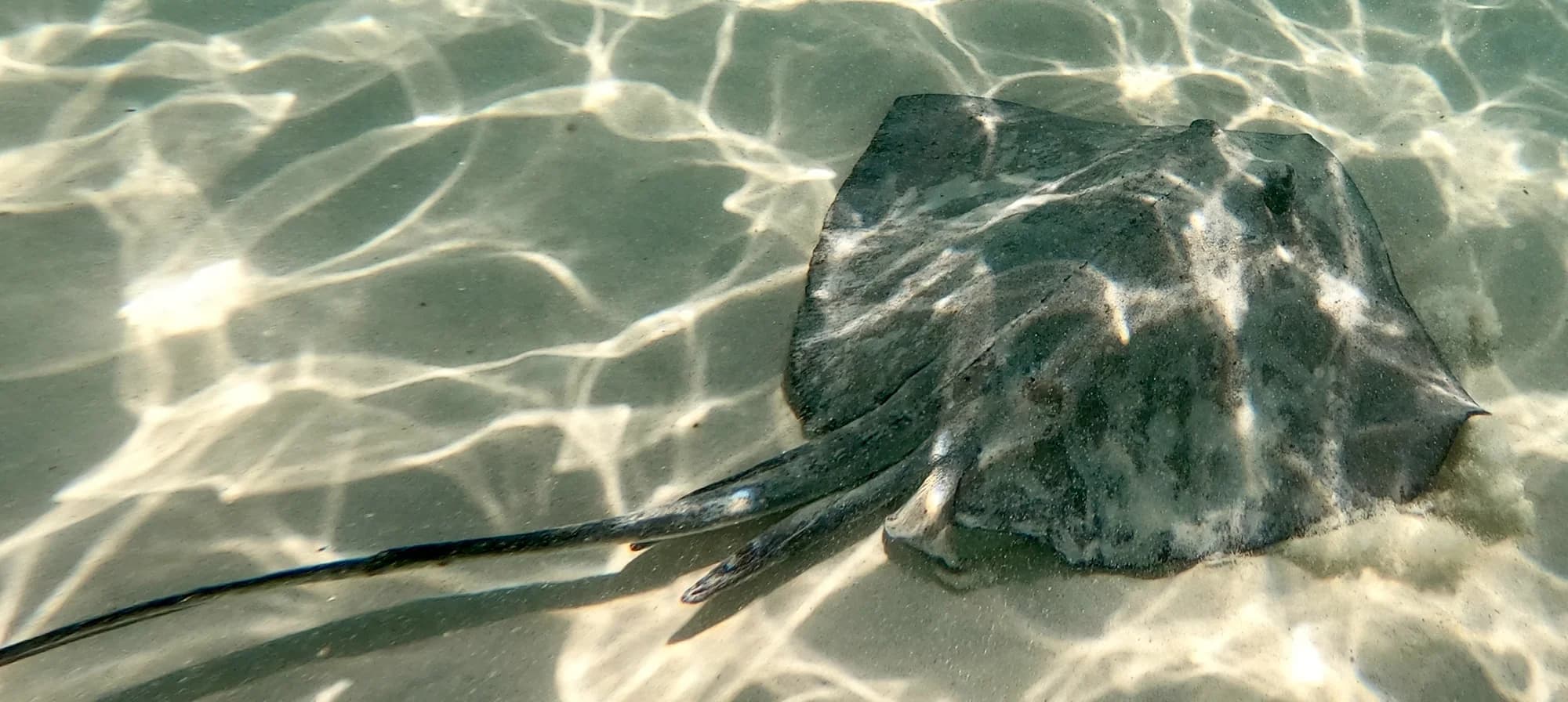
Southern Stingray
Destination note
Abundant year-round in sandy patch areas; frequently seen at snorkel sites, Bahia Honda, and sandy patches between coral heads at Sombrero Reef
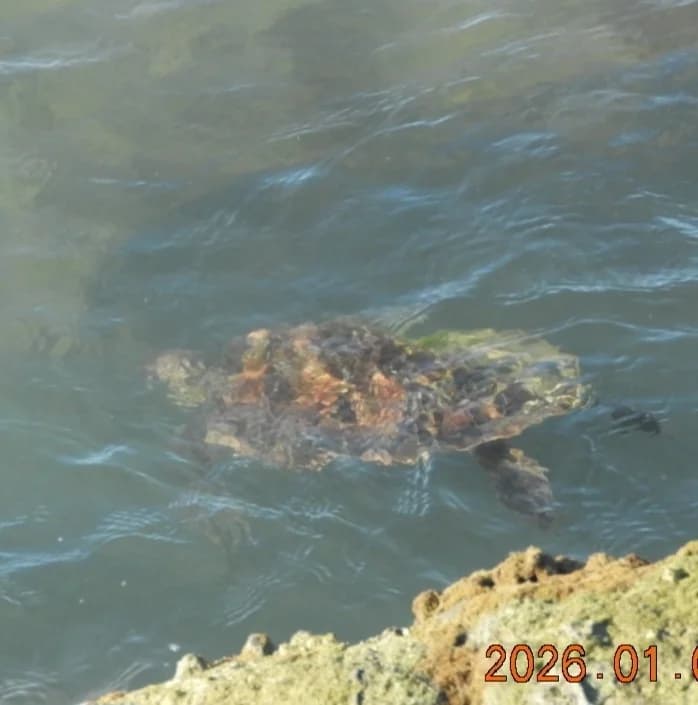
Green Sea Turtle
Destination note
Common year-round; frequently sighted at Turtle Reef, Sombrero Reef, and Dry Tortugas; nesting season May-September
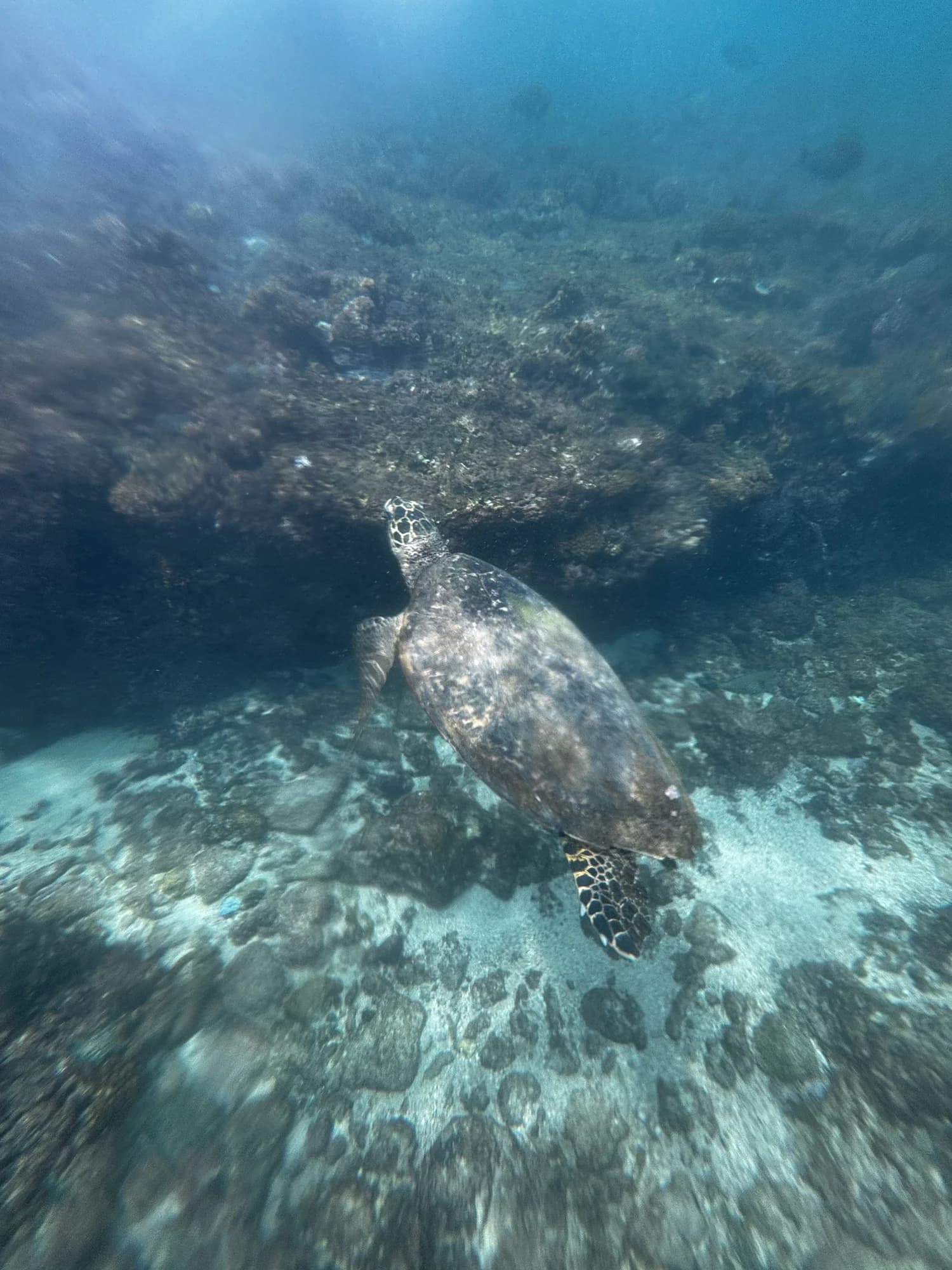
Hawksbill Turtle
Destination note
Common on the reef tract; frequently seen at Molasses Reef, Looe Key, and Dry Tortugas, often resting under ledges
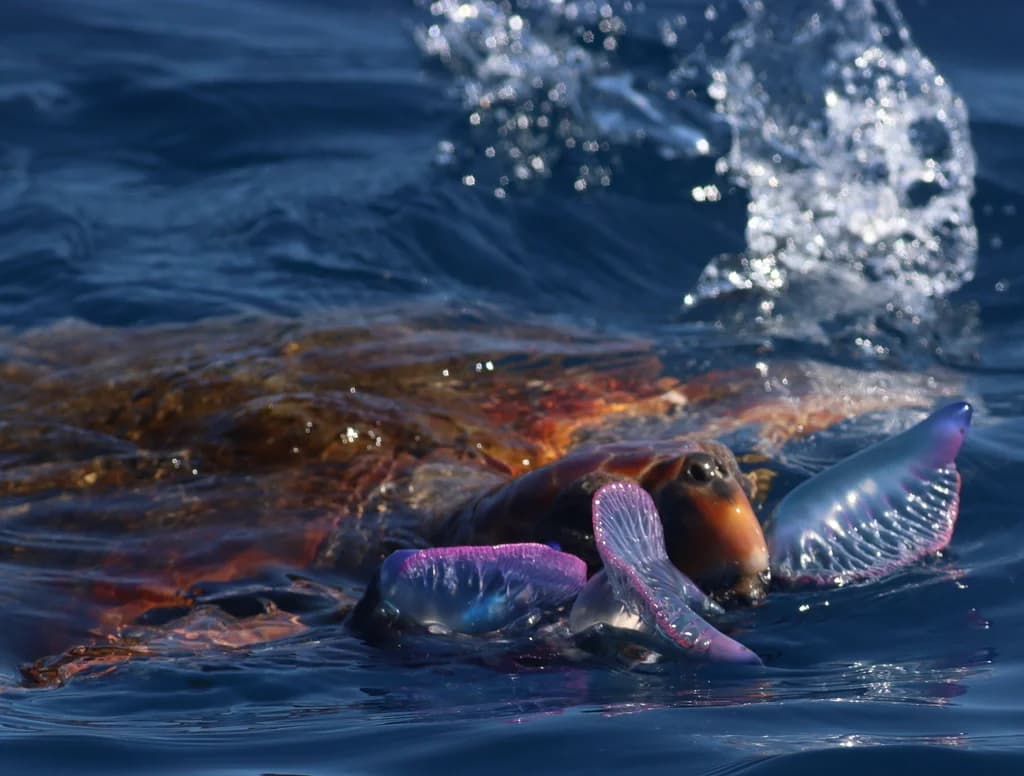
Loggerhead Turtle
Destination note
Occasional on the reefs; more commonly seen in offshore waters; nesting beaches throughout the Keys June-August
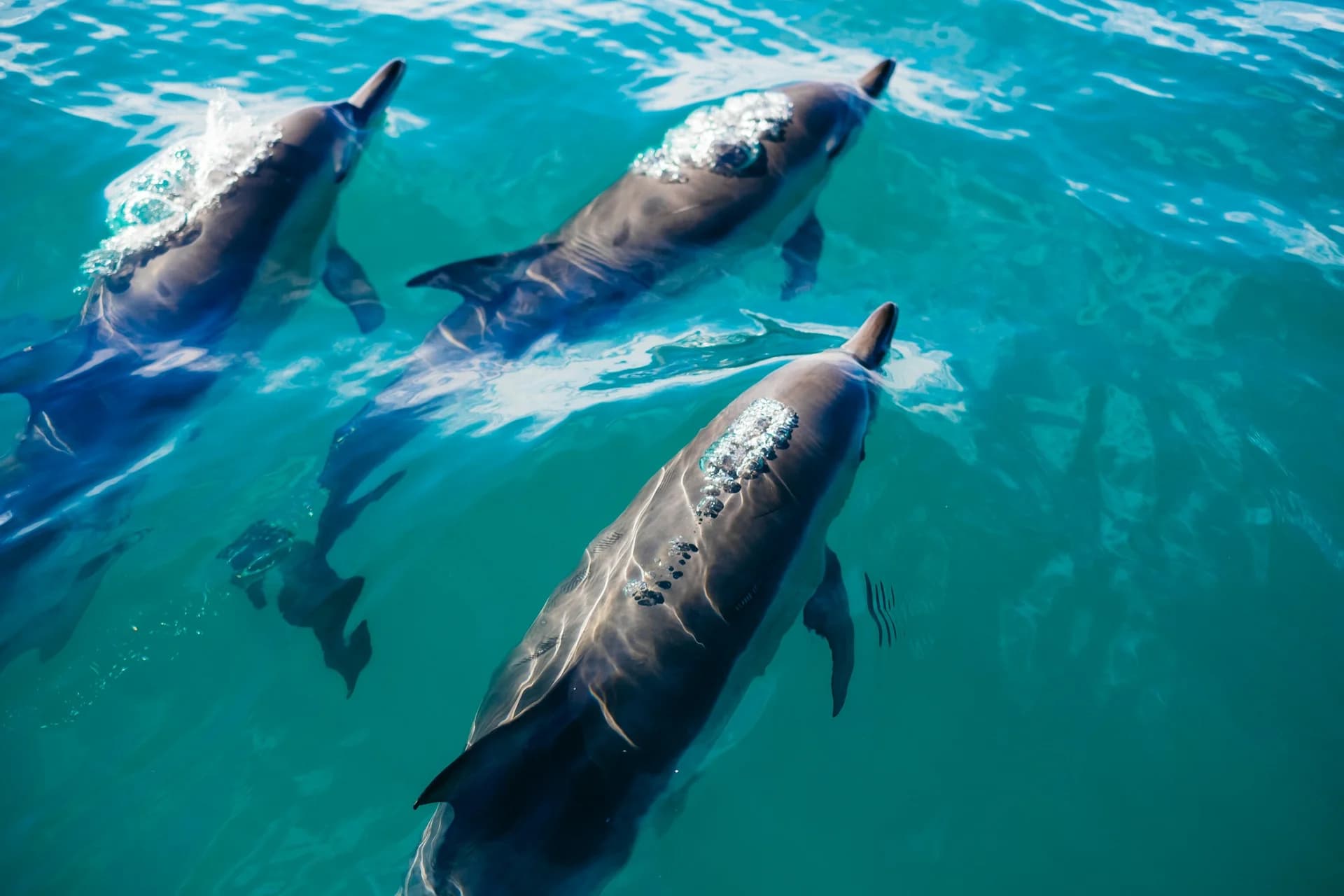
Atlantic Bottlenose Dolphin
Destination note
Common throughout the Keys; frequently sighted in the backcountry, Florida Bay, and offshore during crossings to Dry Tortugas
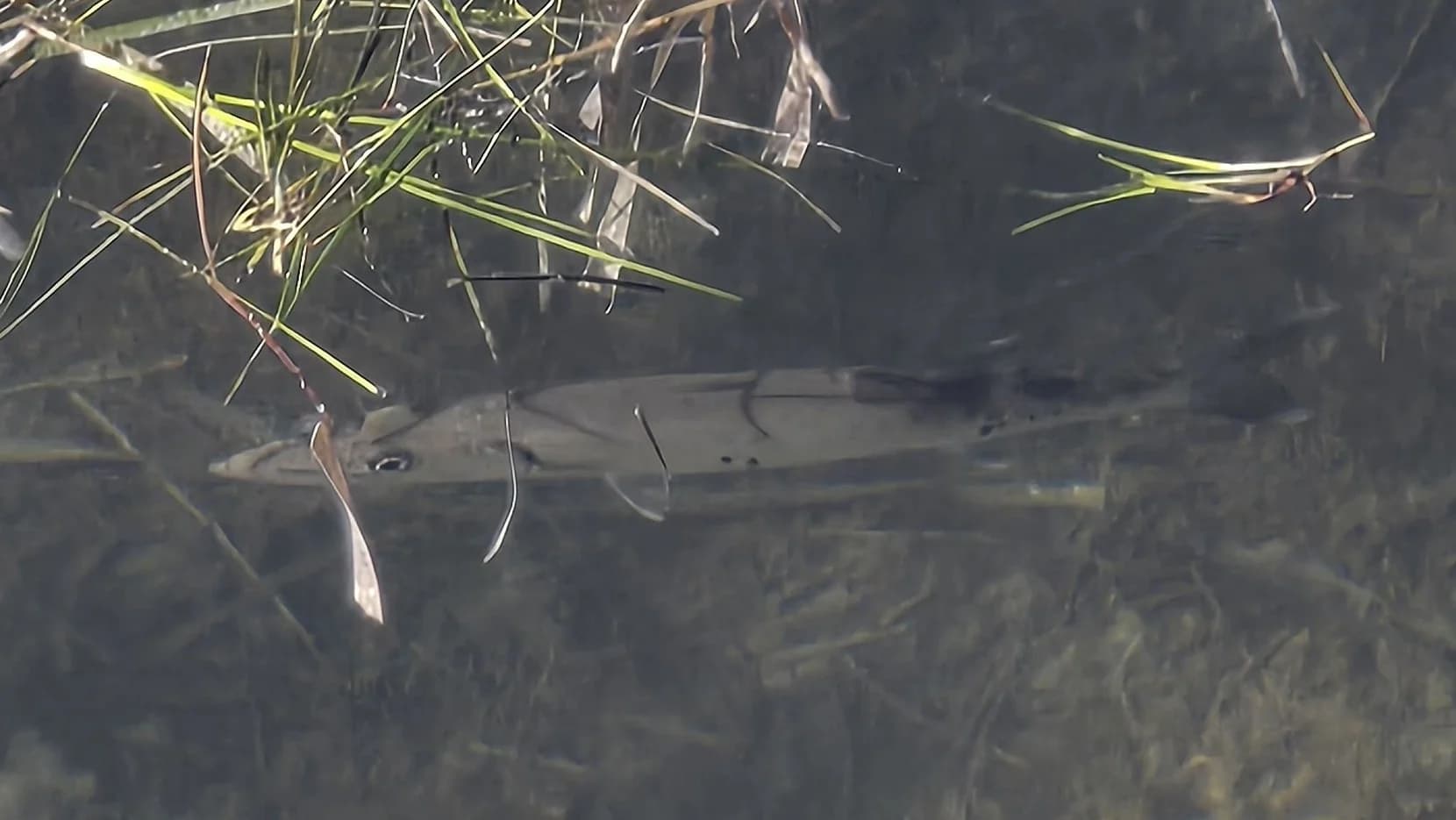
Great Barracuda
Destination note
Present at virtually every dive site; solitary hunters often seen hovering mid-water above the reef or near wrecks
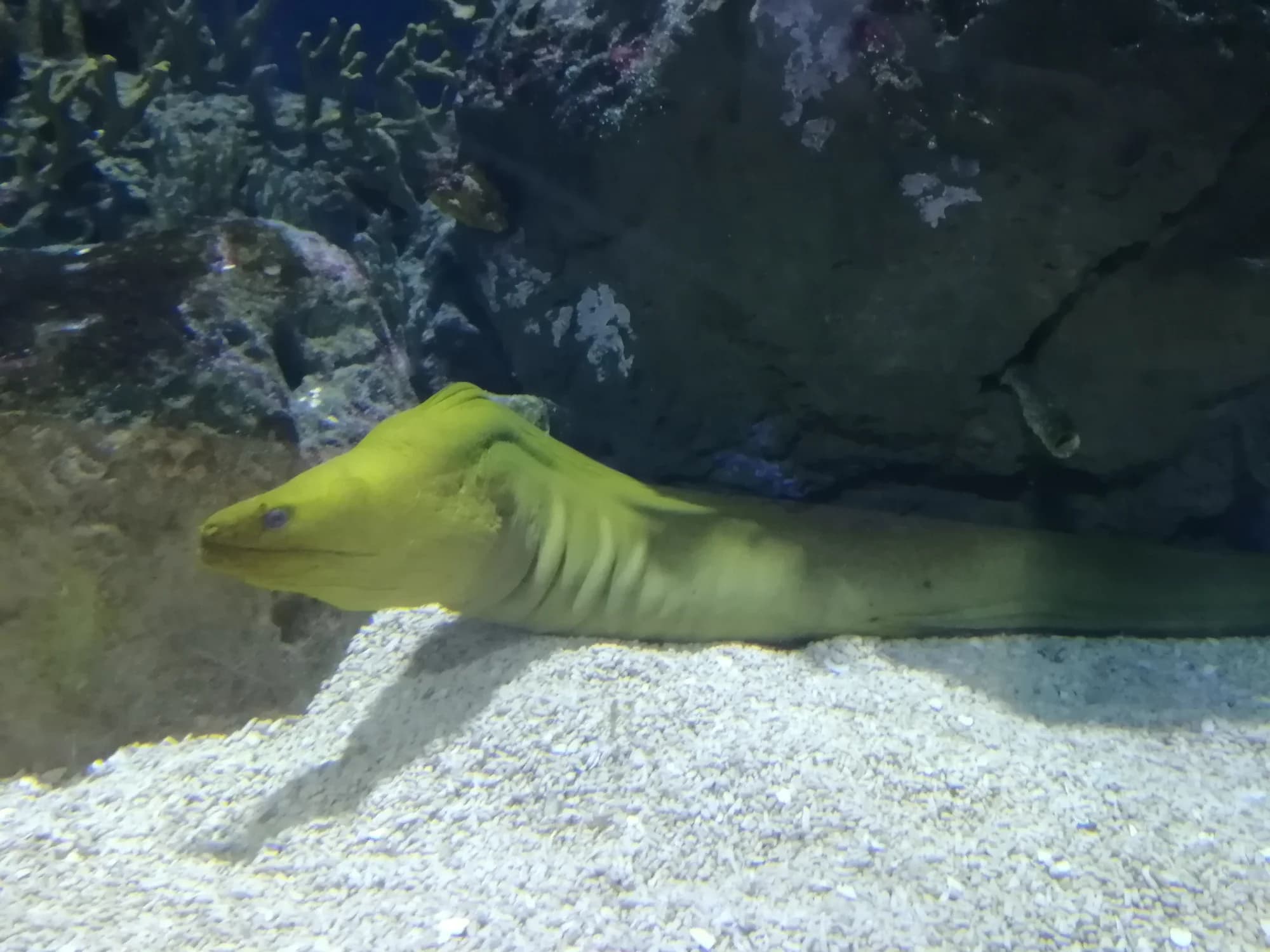
Green Moray Eel
Destination note
Guaranteed sighting on most Key Largo and Islamorada reefs; famous resident at the Benwood wreck and French Reef swim-throughs
No dive shops are listed for this destination yet.
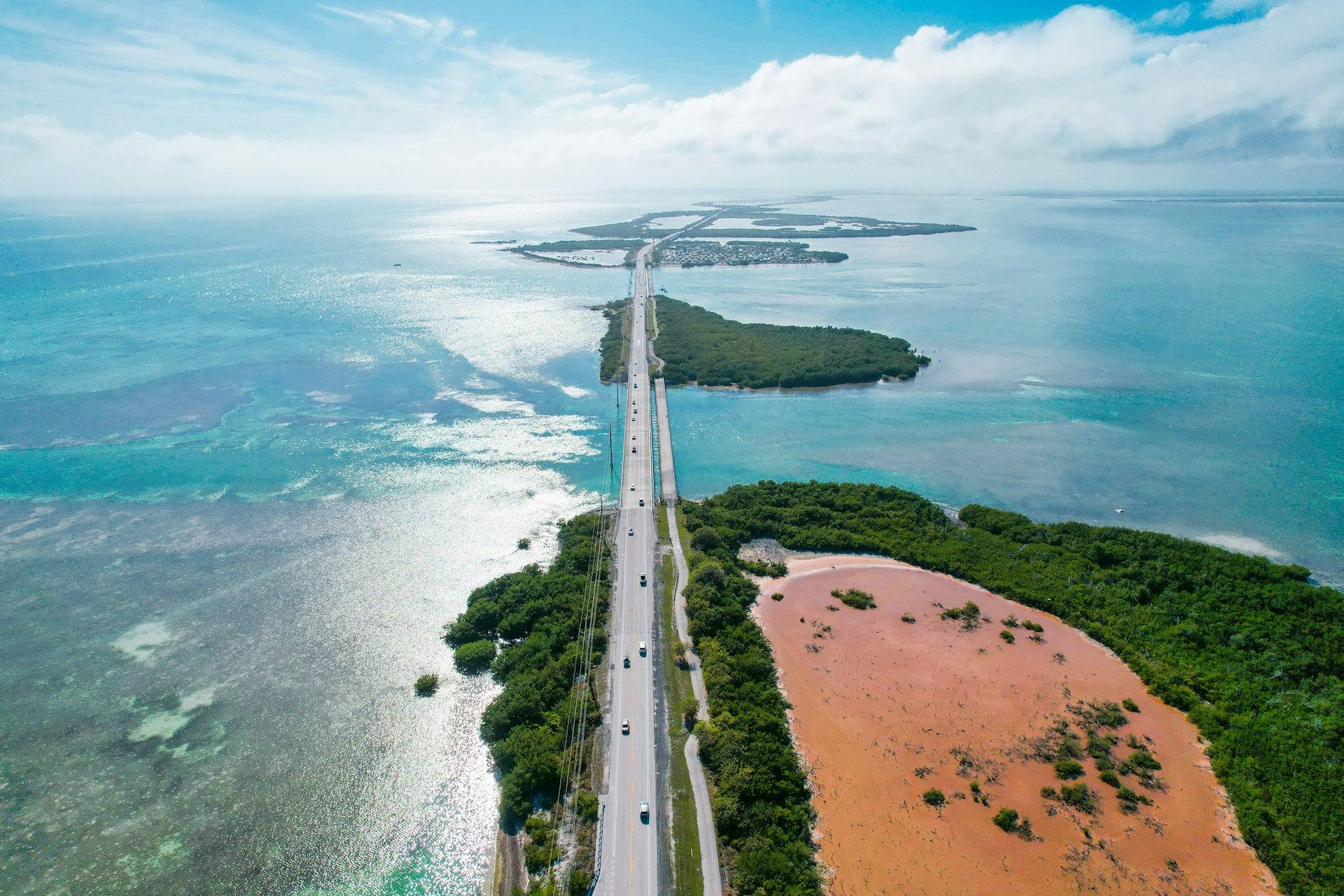
Water 71–87°F (22–31°C), visibility up to 100 ft, and distinct seasonal patterns. Complete month-by-month guide to diving conditions in the Florida Keys, from Key Largo to Key West.
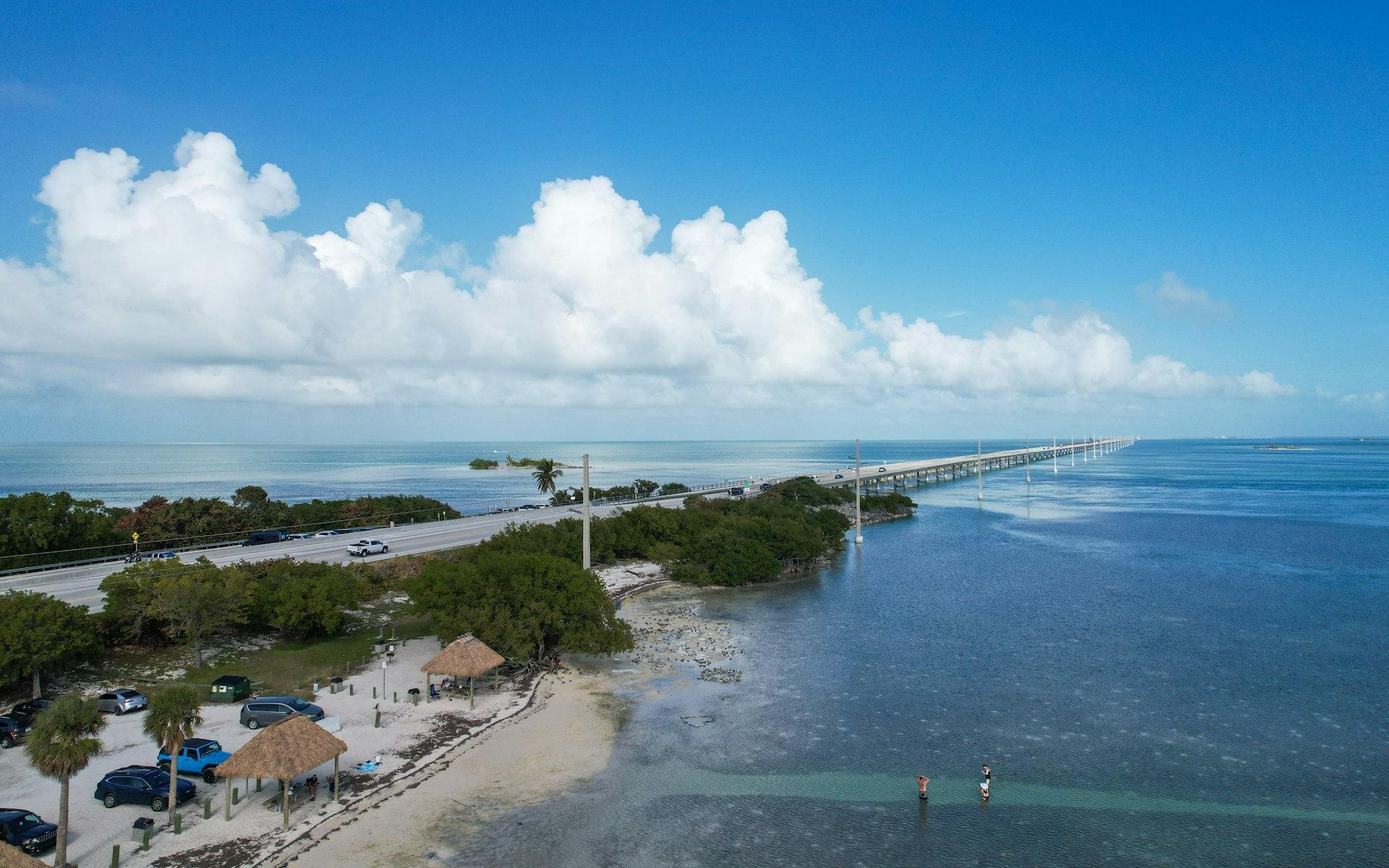
The Florida Keys offer the third-largest barrier reef on Earth, 42+ dive sites, legendary wrecks like the Vandenberg and Spiegel Grove, and year-round diving 71–87°F — all within an hour of Miami. No passport needed.
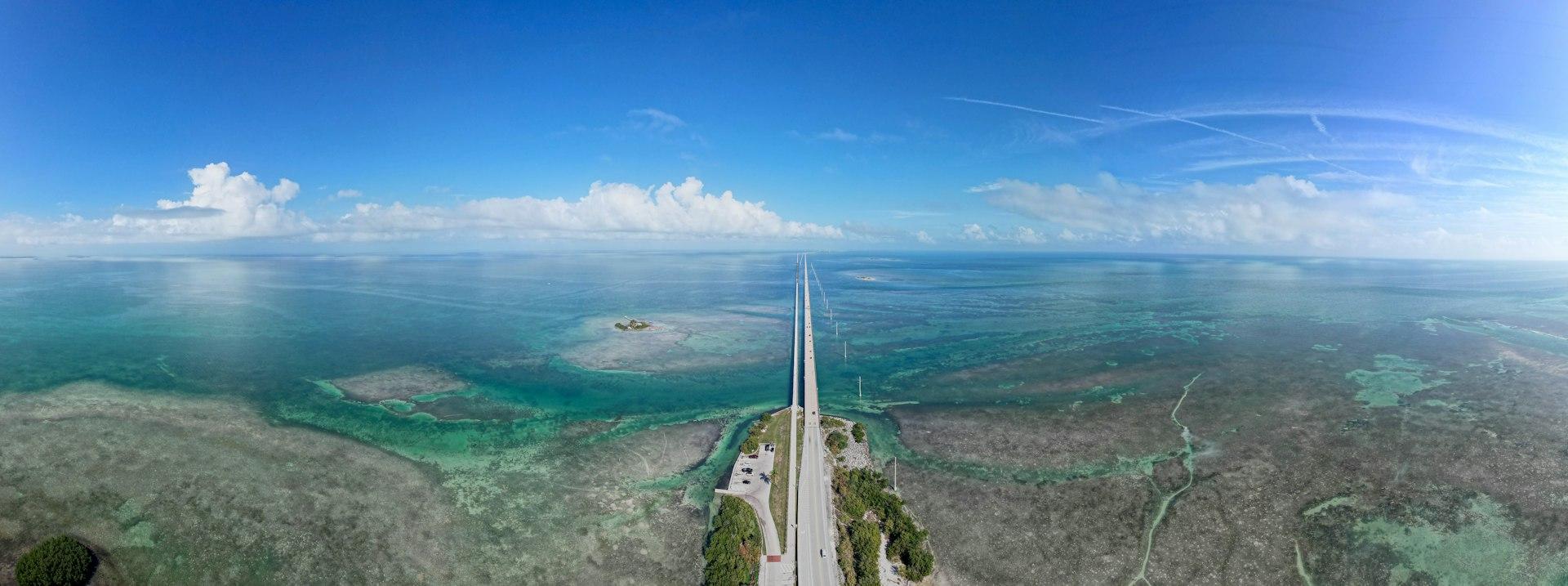
From goliath grouper wrecks to elkhorn coral gardens — compare the best dive sites in the Florida Keys, including Molasses Reef, Spiegel Grove, USS Vandenberg, Looe Key, and Sombrero Reef.
Offline access, dive log, AI fish ID, live site maps, and trip planning.
Download on the App Store