Fiji
Diving in Fiji
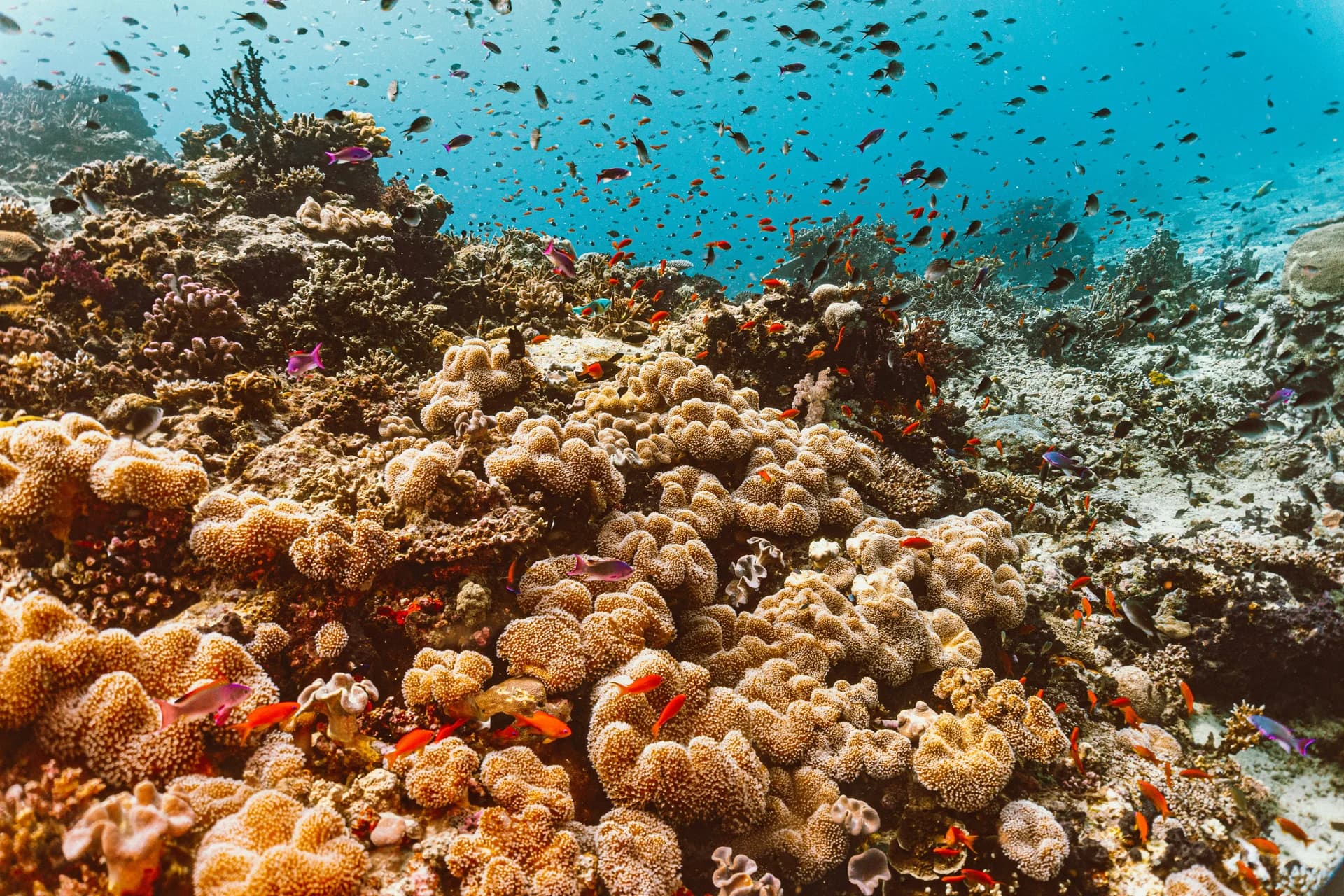
Photo: Johnny Africa / Unsplash
Fiji is the Soft Coral Capital of the World — an archipelago of 332 islands (106 inhabited) spread across 1.29 million km² of the South Pacific. With water temperatures from 24–31°C year-round and visibility reaching 40 meters, Fiji offers world-class diving for every skill level. From the legendary Great White Wall in Taveuni to bull shark encounters in Beqa Lagoon, manta ray cleaning stations in the Yasawas, and the vast Great Astrolabe Reef, Fiji's underwater world is an explosion of color and biodiversity unmatched anywhere on Earth.
Explore the map
Select a pin to learn more. Use the zoom buttons or pinch to zoom.
Loading map…
Places on this map (17)
48 places have no verified map location yet. Browse the page lists for more places.
Conditions
24–31 °C
15–40 m
5–40 m
Moderate
May–October (dry season, peak visibility 30–40 m, calm seas, manta rays and humpback whales)
| Month | Summary |
|---|---|
| Jan | Peak summer — water temperatures hit 28–31°C. Wet season with occasional tropical rainfall, but warm water brings whale sharks to southern passages. Visibility 15–25 m. Cyclone risk. |
| Feb | Warmest water month at 28–31°C. Peak wet season with highest rainfall. Whale sharks still present. Lower visibility (10–20 m) but excellent shark diving at Beqa Lagoon. Cyclone risk continues. |
| Mar | Transitional month — rainfall decreases, water remains 28–30°C. Last month for reliable whale shark sightings. Visibility begins improving to 15–25 m. Good all-around diving. |
| Apr | End of wet season — water 27–29°C. Transitioning to dry season conditions. Visibility improving (15–25 m). Seas calming. Excellent month for combining warm water with improving conditions. |
| May | Start of dry season — water 25–28°C. Visibility jumps to 20–30 m. Manta rays begin arriving at cleaning stations in Yasawa and Kadavu. Seas become calm. One of the best months to dive Fiji. |
| Jun | Peak diving season — water 24–27°C. Exceptional visibility 30–40 m at Rainbow Reef and Namena. Manta rays at cleaning stations. Humpback whales arrive for calving season. Soft corals at maximum color. The best month overall. |
| Jul | Prime diving continues — water 24–27°C. Peak humpback whale activity with breaching visible from dive boats. Visibility 30–40 m. Manta rays abundant. Calm seas. Book well in advance. |
| Aug | Excellent diving — water 24–27°C. Humpback whales still present. Visibility 25–35 m. Soft corals in peak color. Manta rays active. Calm seas persist. High season crowds begin to thin late month. |
| Sep | Late dry season — water 24–27°C. Last month for humpback whales. Visibility 20–30 m. Manta rays still at cleaning stations. Soft corals still vibrant. Excellent month with fewer crowds. |
| Oct | End of dry season — water 25–27°C. Visibility 20–30 m. Final month for peak manta ray encounters. Soft corals still showing good color. Shoulder season with good conditions and fewer divers. |
| Nov | Transition to wet season — water 26–28°C. Visibility 15–25 m as rains begin. Whale sharks start appearing in southern passages. Warmer water returns. Shoulder season pricing. Occasional rain. |
| Dec | Early wet season — water 27–29°C. Visibility 15–20 m. Whale sharks present in southern areas. Tiger sharks more common at Beqa Lagoon. Warm water good for extended dives. Cyclone season begins. Festive season atmosphere at resorts. |
Dive Sites (50)
Annie's Bommie
5–30m · Beginner
Coral bommie · Soft coral · Photography
Billy's Bush
10–32m · Advanced
Soft coral bushes · Dogtooth tuna · Pinnacle
Blue Lagoon
3–18m · Beginner
Lagoon · White sand · Coral heads
Botaira Reef
5–20m · Beginner
Coral garden · Napoleon wrasse · Turtles
Buliya
5–18m · Beginner
Manta cleaning station · Sand flat · Snorkeling
Cabbage Patch
3–25m · Beginner
Cabbage coral · Table coral · Macro photography
Caesar's Rock
8–22m · Beginner
Pinnacle · Coral garden · Photography
Castaway Reef
5–20m · Beginner
Fringing reef · Shore diving · Turtles
Marine Life (83)
 must-see
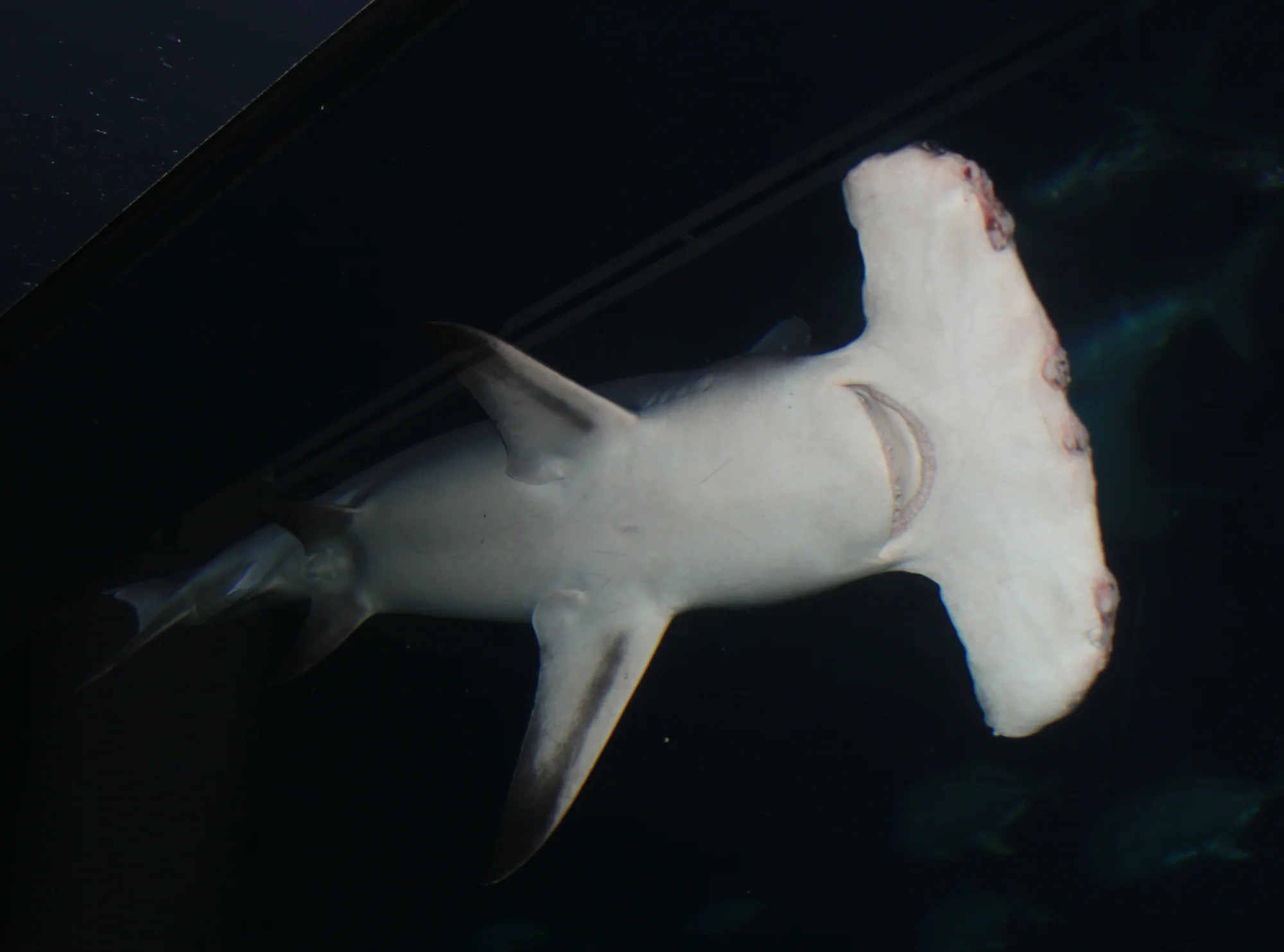
Great Hammerhead
 must-see
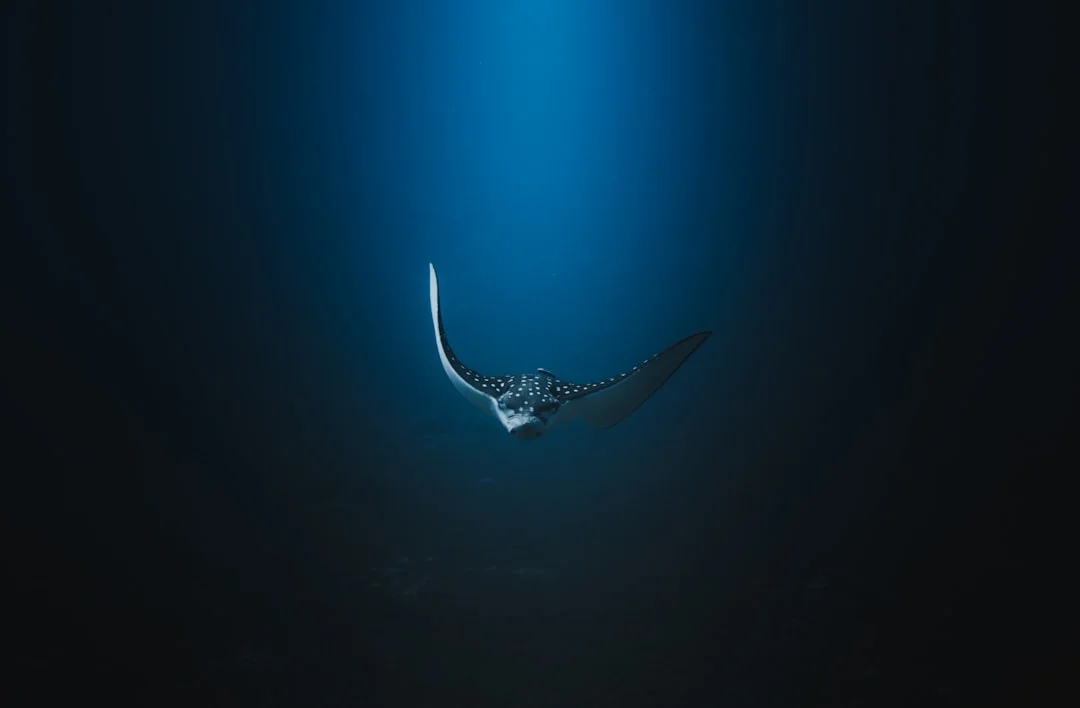
Spotted Eagle Ray
 must-see
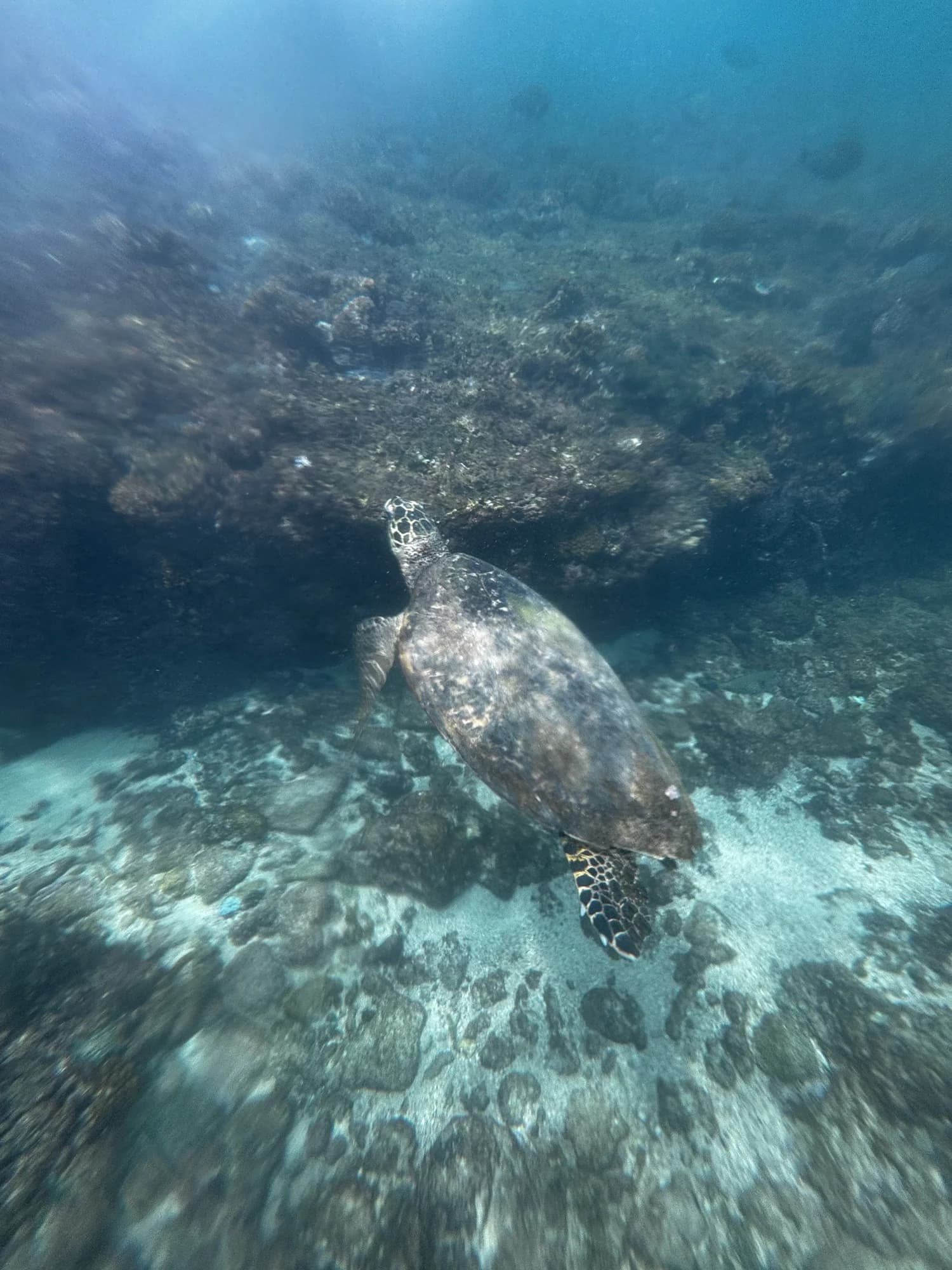
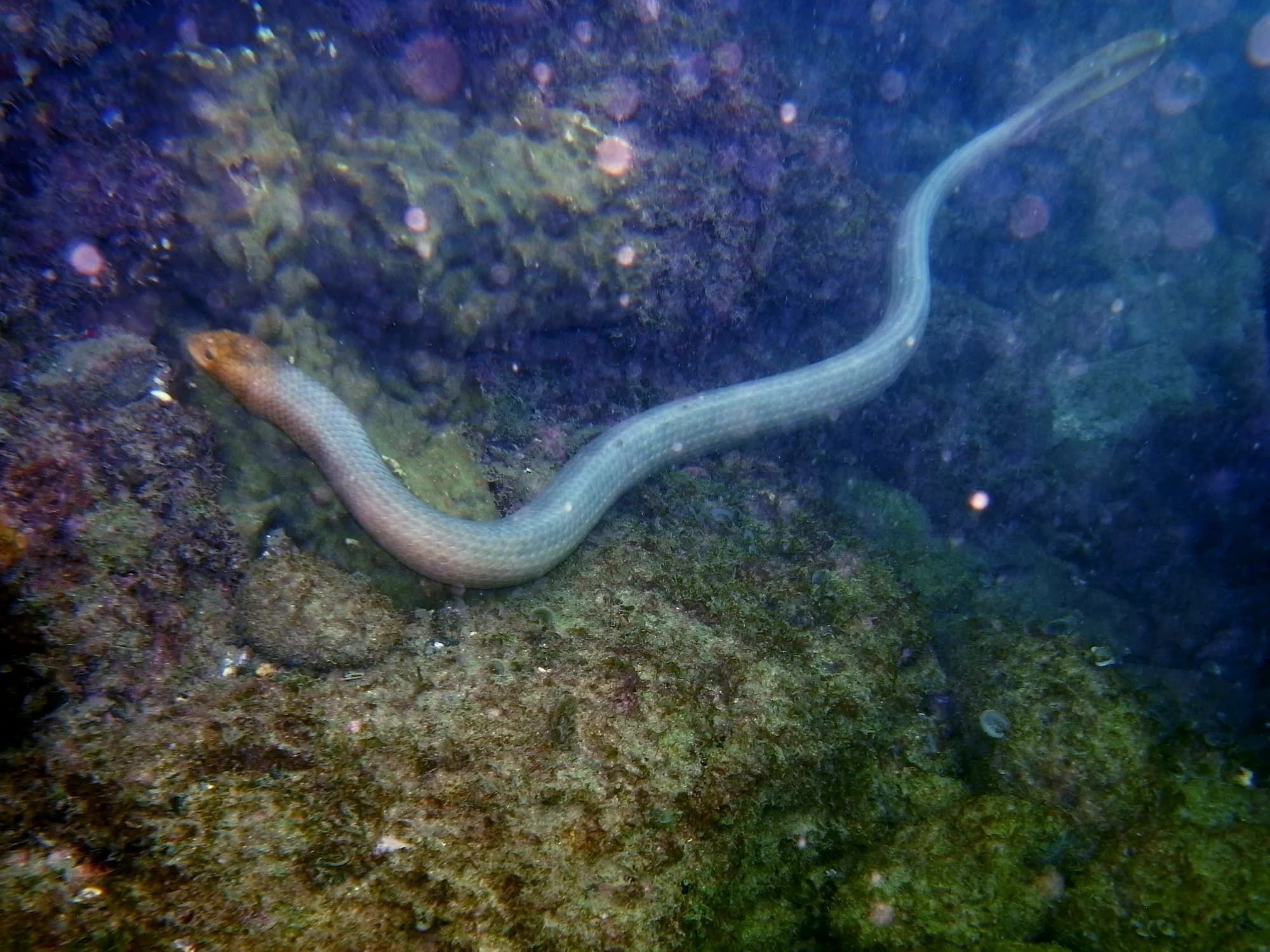
Hawksbill Turtle
 must-see
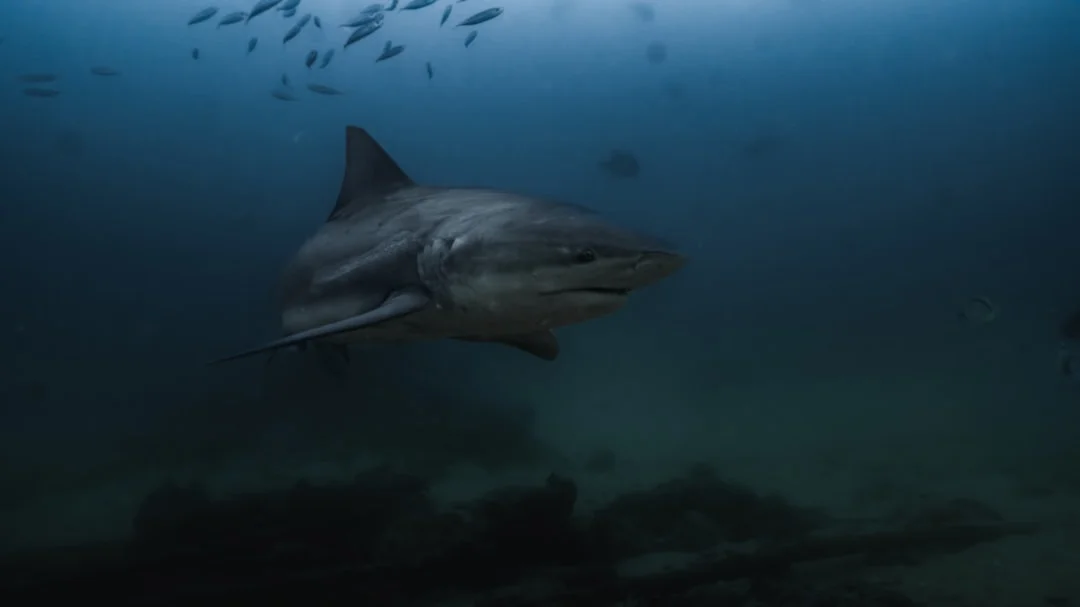
Olive Sea Snake
 must-see
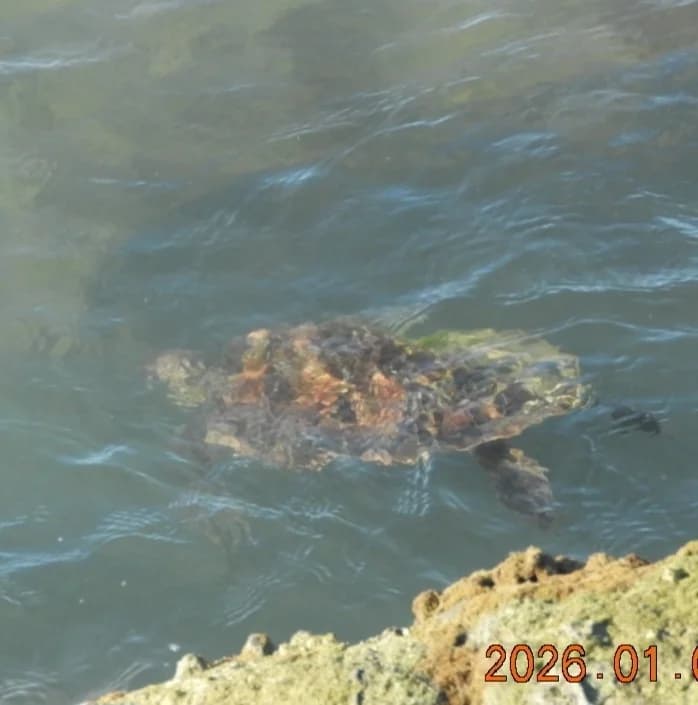
Bull Shark
 must-see
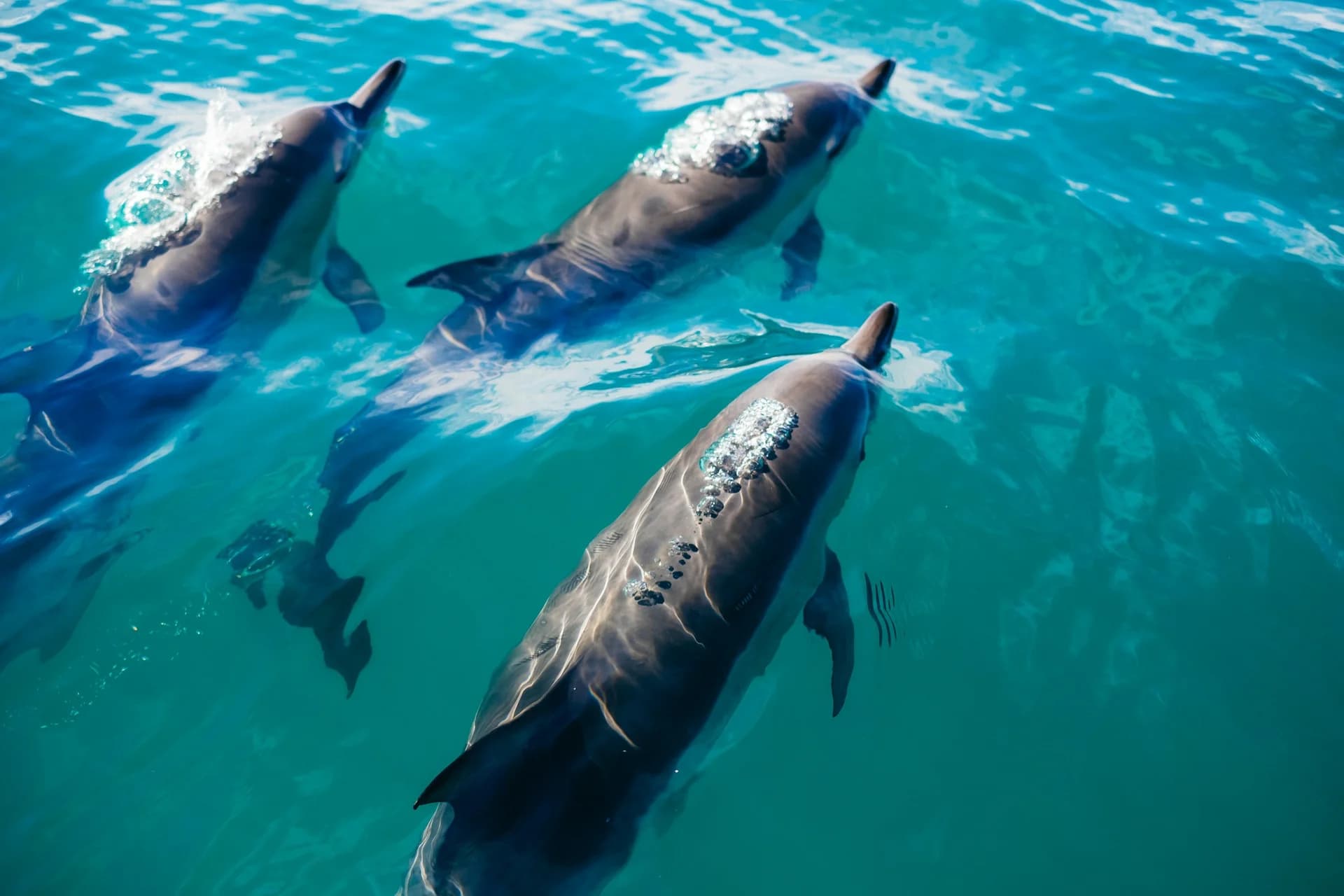
Green Sea Turtle
 must-see
Atlantic Bottlenose Dolphin
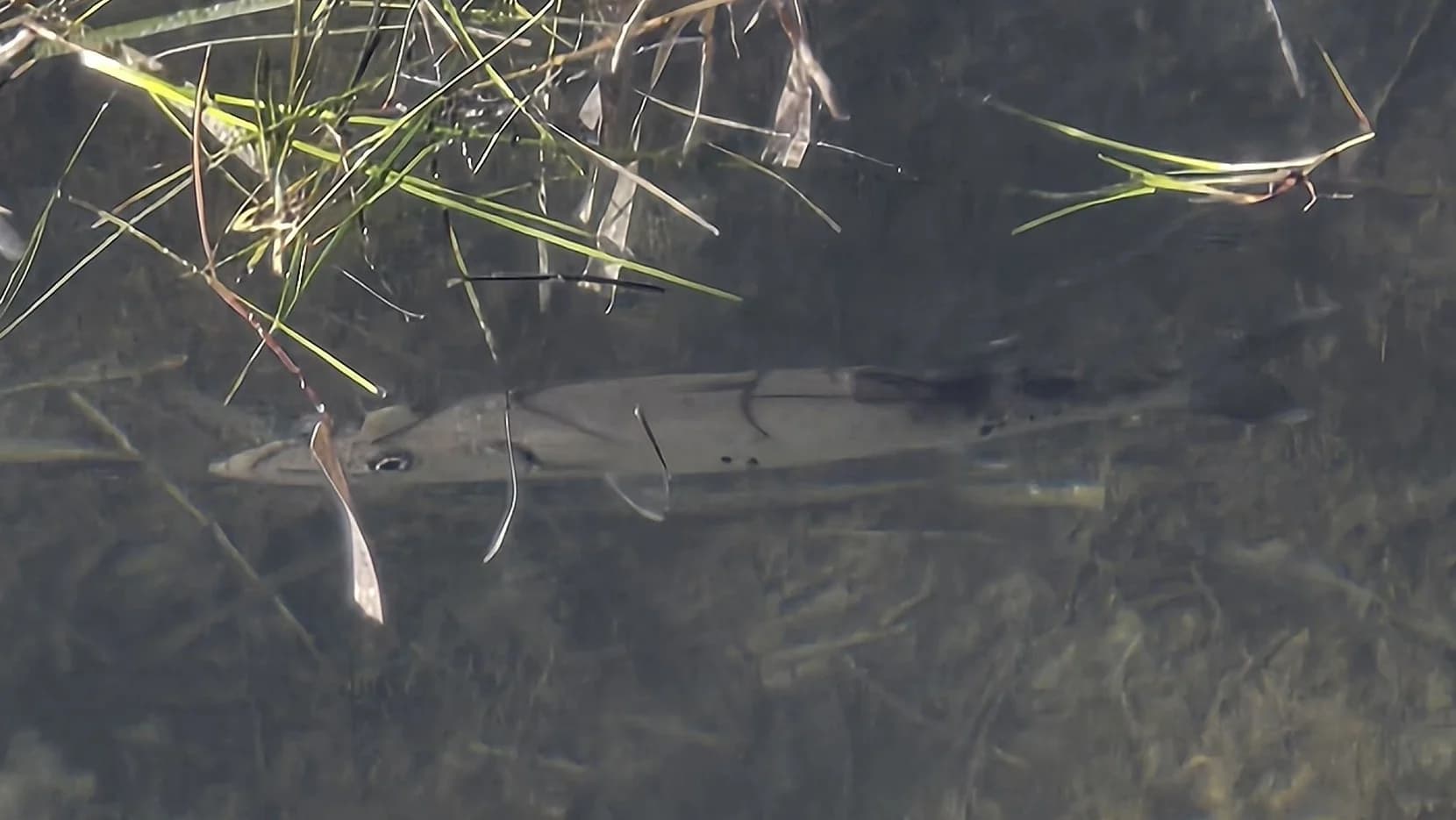
Great Barracuda
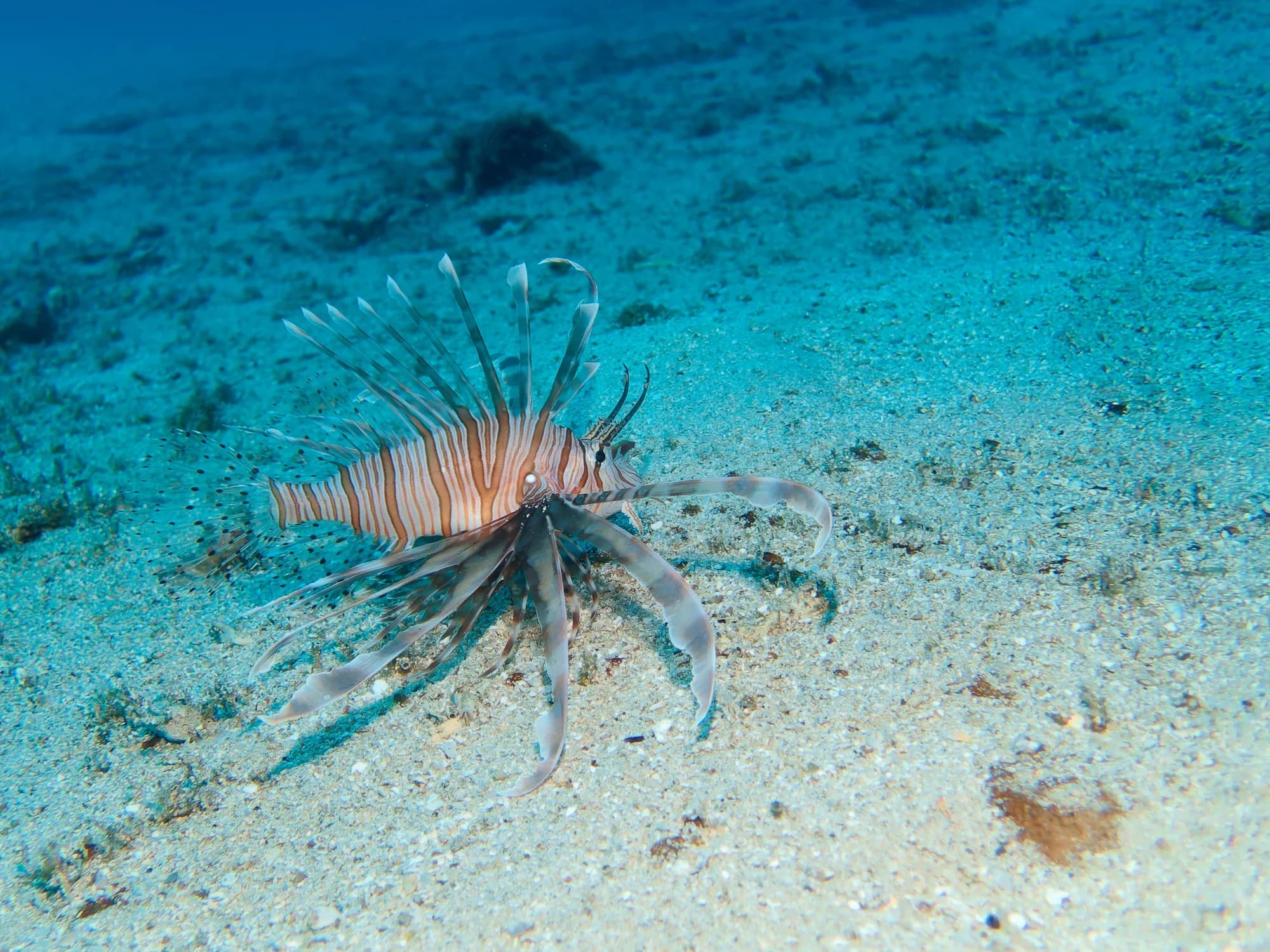
Common Lionfish
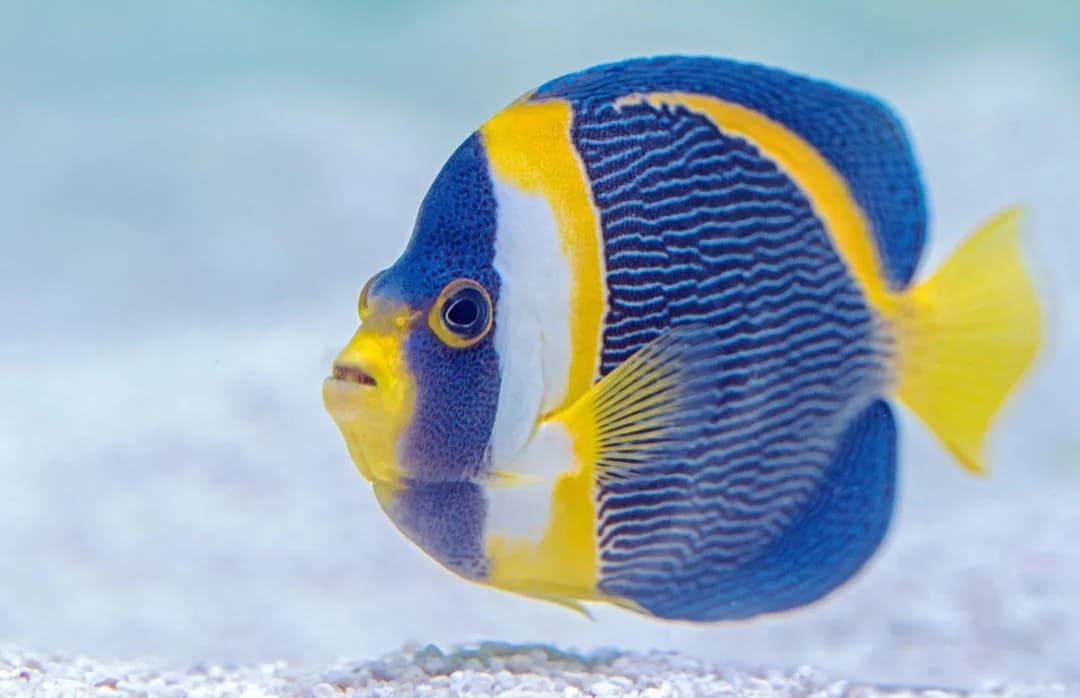
Bicolor Angelfish
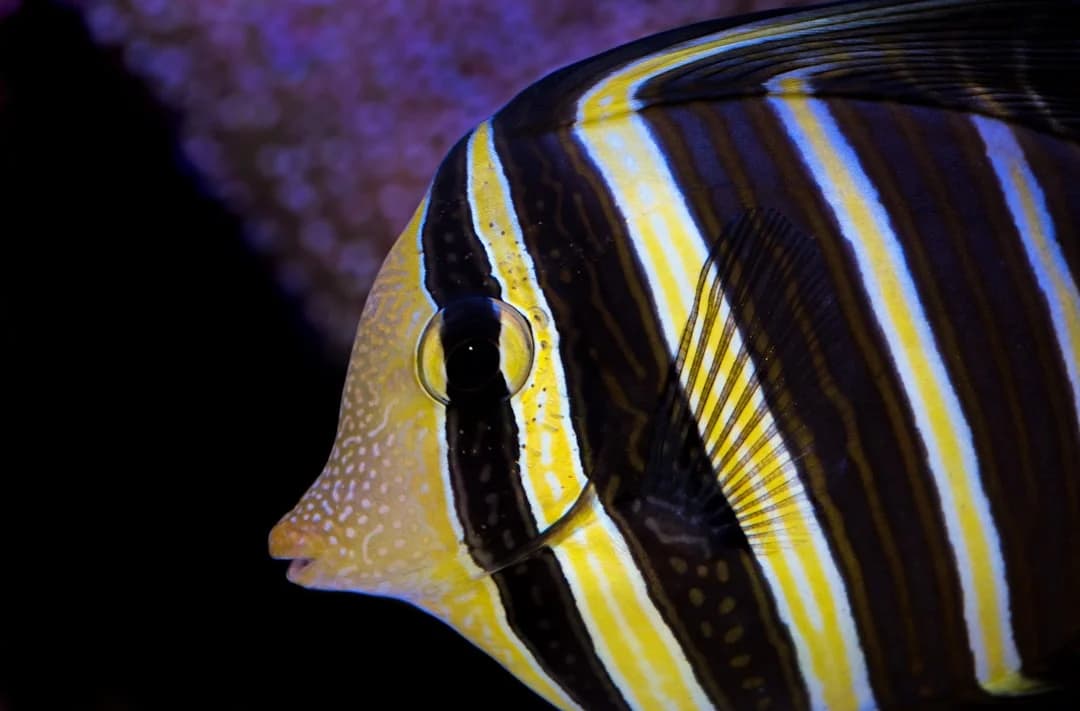
Sailfin Tang
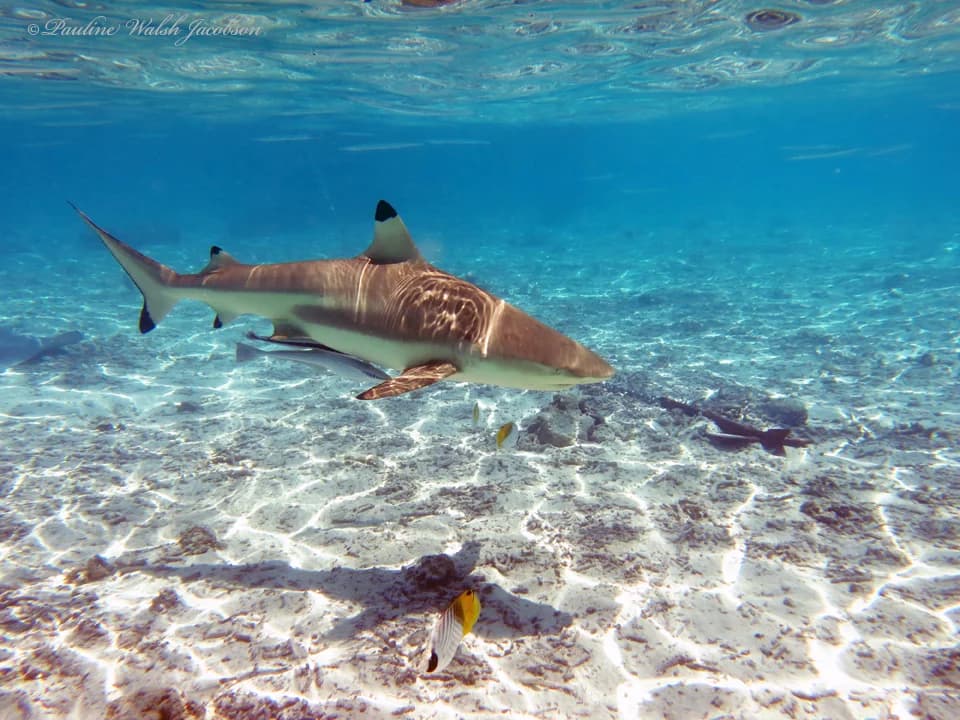
Blacktip Reef Shark
Dive Shops (15)
Denarau Surf Dive & Ski
Jean-Michel Cousteau Dive Shop
Waterlust Fiji Dive Travel & Underwater Photography
Coconut Beach Dive Center
Dive Kadavu
Coral Coast Divers
Taveuni Dive Resort
The Cathedral Shark Dive
The Dive Cafe Bar & Grill
Dive Savusavu
Tokoriki Diving
Scuba, Fishing and Homestay - Joji & Alisi's Place
Dolphin Bay Divers Retreat
Surf, Dive & Ski
Ring Gold Divers
Guides
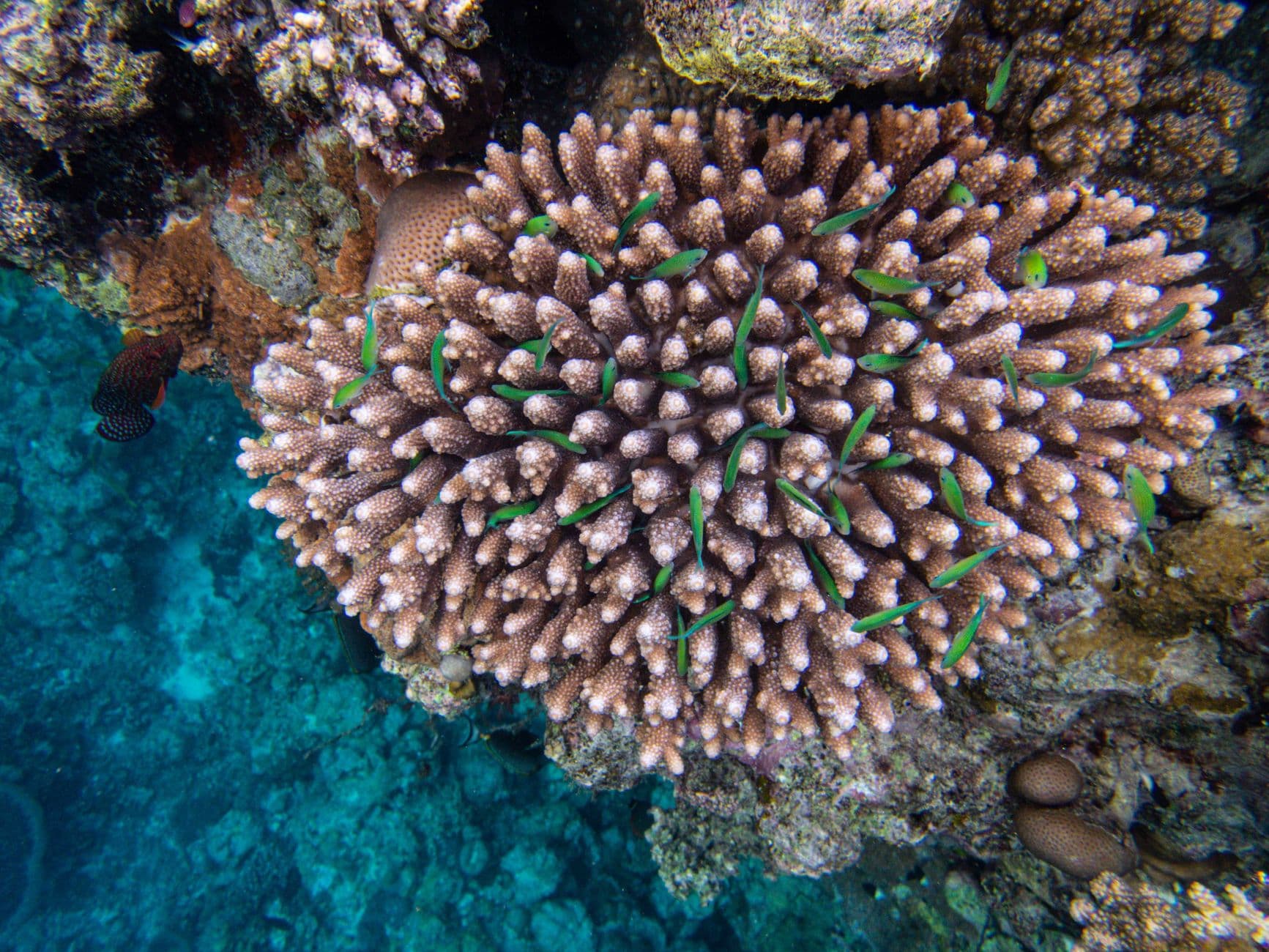
Top 10 Dive Sites in Fiji — Great White Wall to Shark Reef
From the Great White Wall to Beqa's Shark Reef, here are the 10 best dive sites in Fiji ranked by marine life, skill level, and the practical details you need.
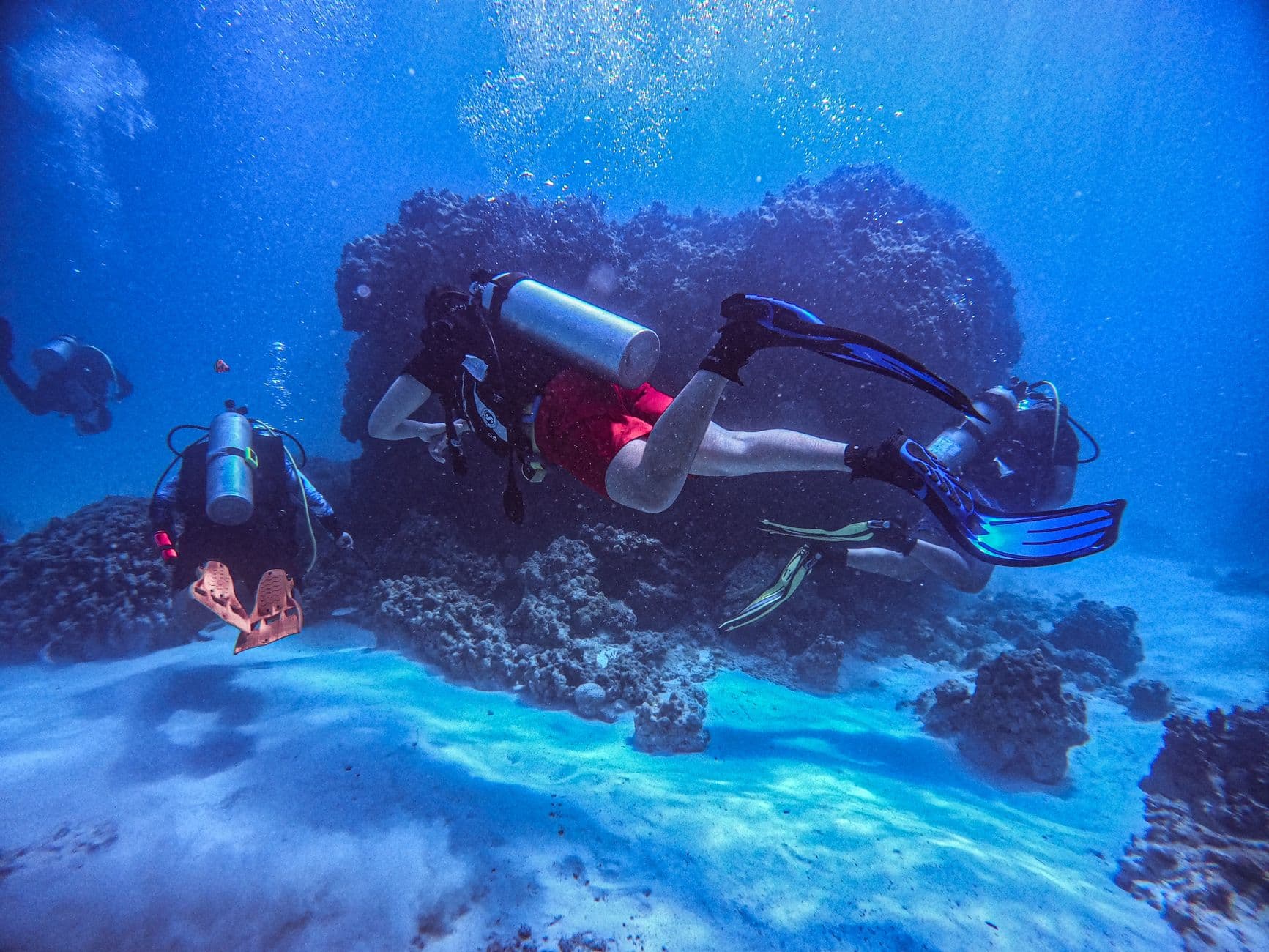
Diving Fiji: The Complete Guide to the Soft Coral Capital
Fiji's 330 islands cradle the world's most diverse soft coral ecosystems — and bull sharks, manta rays, and the legendary Great White Wall. Complete guide.
Best Time to Dive in Fiji: Month-by-Month Conditions Guide
Water temperature 24–31°C, visibility 15–40 m, and manta rays June–September. Here's exactly what Fiji's conditions look like month by month across all regions.
Safety
Bring Fiji underwater
Offline access, dive log, AI fish ID, live site maps, and trip planning.
Download on the App Store