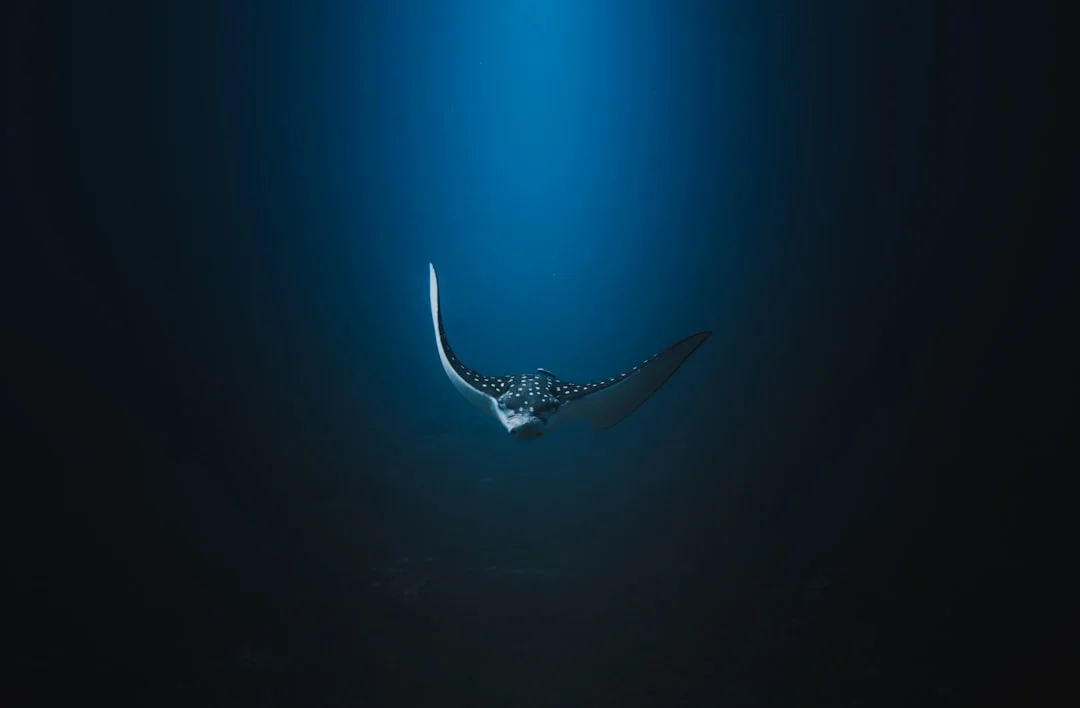
Spotted Eagle Ray
Destination note
Commonly sighted cruising over sandy patches near wrecks and along reef edges at Siete Pecados. Often seen in pairs or small groups at Akitsushima and Okikawa Maru.
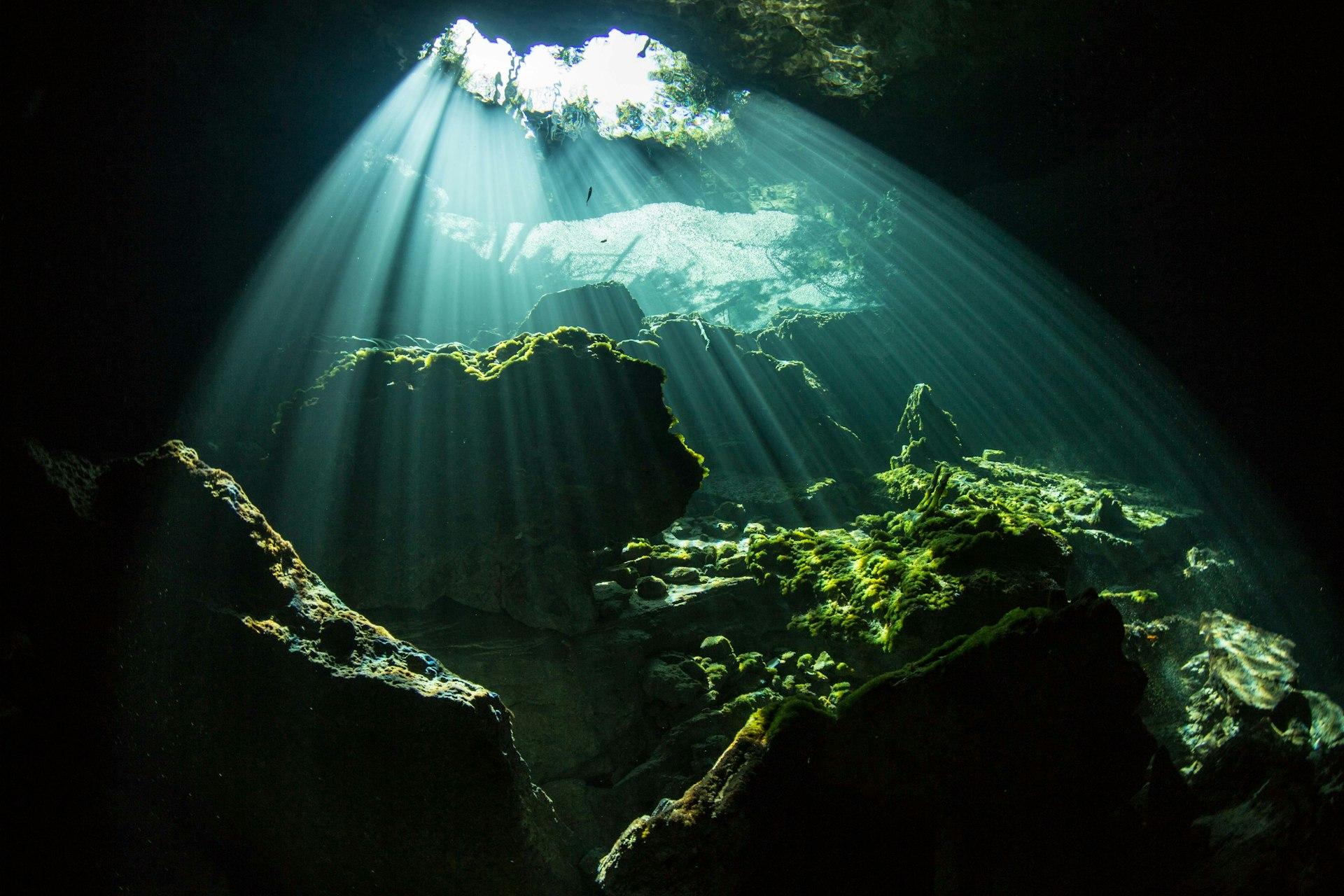
Philippines
Photo by Alex Rose on Unsplash
Plan wreck, reef and community-governed lake diving across Coron Bay and the Busuanga circuit, with explicit training, weather and emergency-planning limits.
Select a pin to learn more. Use the zoom buttons or pinch to zoom.
Loading map…
8 places have no verified map location yet. Browse the page lists for more places.
26.1–31.3 °C
5–30 m
5–46 m
Mild
November to May (dry season — best visibility, calmest seas)
| Month | Summary |
|---|---|
| Jan | January is peak dry season. Water temperature 26-28°C, visibility 20-30m. Calm seas with mild currents. Ideal for wreck penetration dives in Coron Bay. Best conditions for deep wrecks like Irako and Akitsushima. |
| Feb | February is the best month for visibility (20-30m). Water 26-28°C. Northeast monsoon brings calm seas and excellent conditions for all sites. Peak season for wreck diving. |
| Mar | March continues peak dry season conditions. Water warms to 27-29°C. Visibility remains excellent at 20-30m. Great time for both wreck and reef diving. Fewer crowds than December-January. |
| Apr | April is the warmest month (water up to 29-31°C). Still dry season with good visibility 15-25m. Excellent for shallow wreck dives like Lusong Gunboat and Okikawa Maru. Transition toward wet season begins late April. |
| May | May marks the end of dry season. Water peaks at 28-31°C. Visibility still good at 15-25m. Good conditions for all sites. Crowds begin to thin as wet season approaches. |
| Jun | June begins the wet season (southwest monsoon). Water 29°C. Visibility drops to 10-20m. Afternoon storms possible. Wreck sites in sheltered Coron Bay remain good. East coast reef sites may be rough. |
| Jul | July is in the heart of wet season. Water 28-30°C. Visibility 8-15m due to runoff and plankton blooms. Wreck diving in Coron Bay still viable. East coast sites less reliable. Fewer divers, better prices. |
| Aug | August is one of the wettest months. Water 27-29°C. Visibility poorest at 5-15m. Typhoon season active — multiple typhoons can pass near Palawan. Wrecks still diveable on good days between systems. West Busuanga sites (Black Island) inaccessible in strong SW winds. |
| Sep | September remains wet season. Water 27-29°C. Visibility 5-15m. Rainfall peaks. Wreck sites in Coron Bay remain the most reliable option. Book flexible dates. |
| Oct | October is the tail end of wet season. Water 27-30°C. Visibility improving to 10-20m. Fewer storms. Good value diving as low season ends. Conditions improving toward dry season. |
| Nov | November marks the start of dry season. Water 27-29°C. Visibility improving to 15-25m. Northeast monsoon brings calm seas. Crowds return. Excellent conditions for both wreck and reef diving. |
| Dec | December is peak dry season. Water 26-29°C. Visibility 20-30m. Calm seas, mild currents. Best conditions for deep wreck dives. Crowded with peak season divers. Book well in advance. |
22–36m · Advanced
Wreck
crane · Overhead environment
28–38m · Advanced
Wreck · Deep dive
penetration
3–15m · Beginner
Shore dive · Macro life · Night dive
1–30m · Advanced
lake · thermocline · Access restrictions
5–35m · Beginner
Wall · Drift dive · Pelagics
5–30m · Intermediate
Reef · Wall
Outer island
5–30m · Intermediate
Wall · Gorgonians
turtle
5–30m · Intermediate
Reef · Wall
current
Species recorded in this destination's wider regional catalogue. A species being listed here does not mean it is seen at this destination — check the note on each card.
Spotted Eagle Ray
Destination note
Commonly sighted cruising over sandy patches near wrecks and along reef edges at Siete Pecados. Often seen in pairs or small groups at Akitsushima and Okikawa Maru.
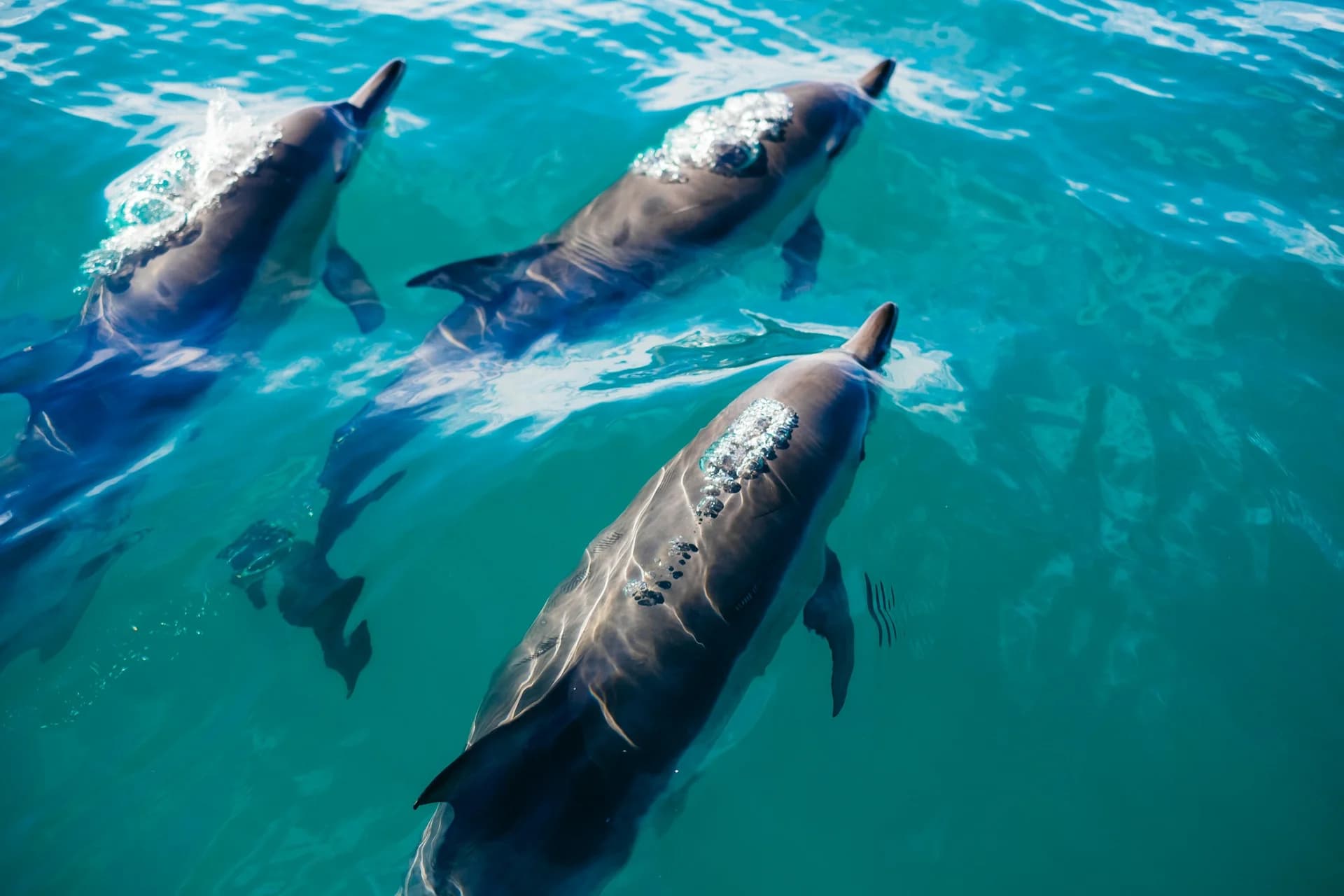
Atlantic Bottlenose Dolphin
Destination note
Regularly sighted in Coron Bay and the channels between Busuanga and Culion. Often seen bow-riding dive boats en route to wreck sites. Year-round presence.
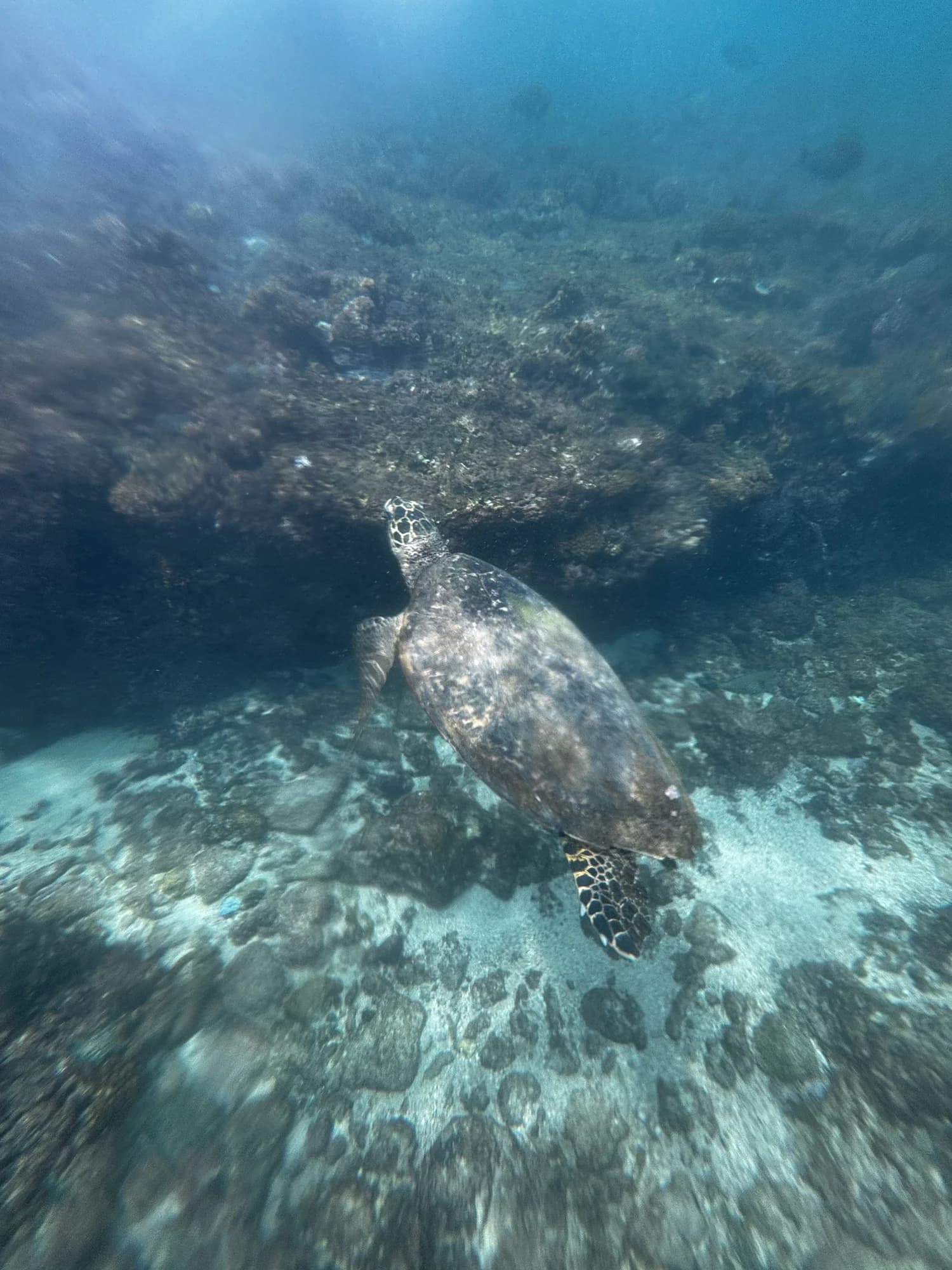
Hawksbill Turtle
Destination note
Look near sponge-rich reef structure and never touch or crowd a feeding turtle. Coron is primarily a wreck destination, so reef-life encounters depend strongly on itinerary.
Green Sea Turtle
Destination note
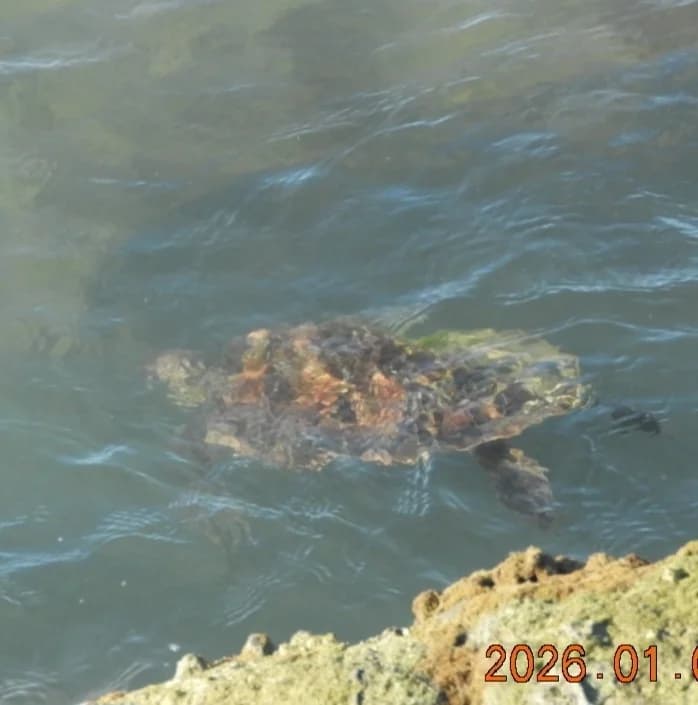
Search reef-seagrass transitions and give resting or surfacing turtles a clear route. Coron is primarily a wreck destination, so reef-life encounters depend strongly on itinerary.
Great Barracuda
General species description, not specific to this destination
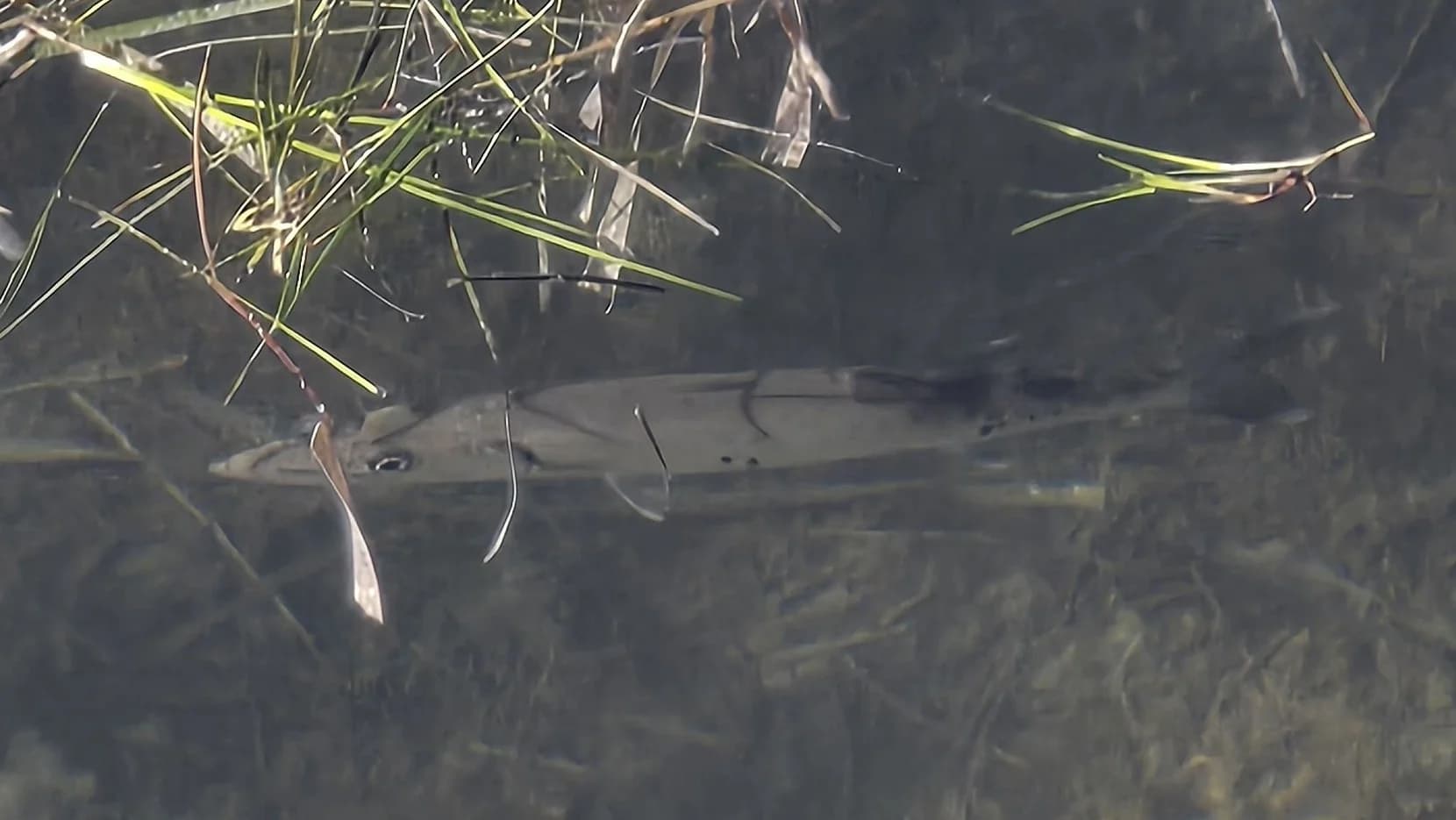
The Great Barracuda is an impressive predator with a streamlined body and powerful jaws filled with razor-sharp teeth. They can grow over 6 feet long and often hover motionless near the reef, curious about divers.
Common Lionfish
General species description, not specific to this destination
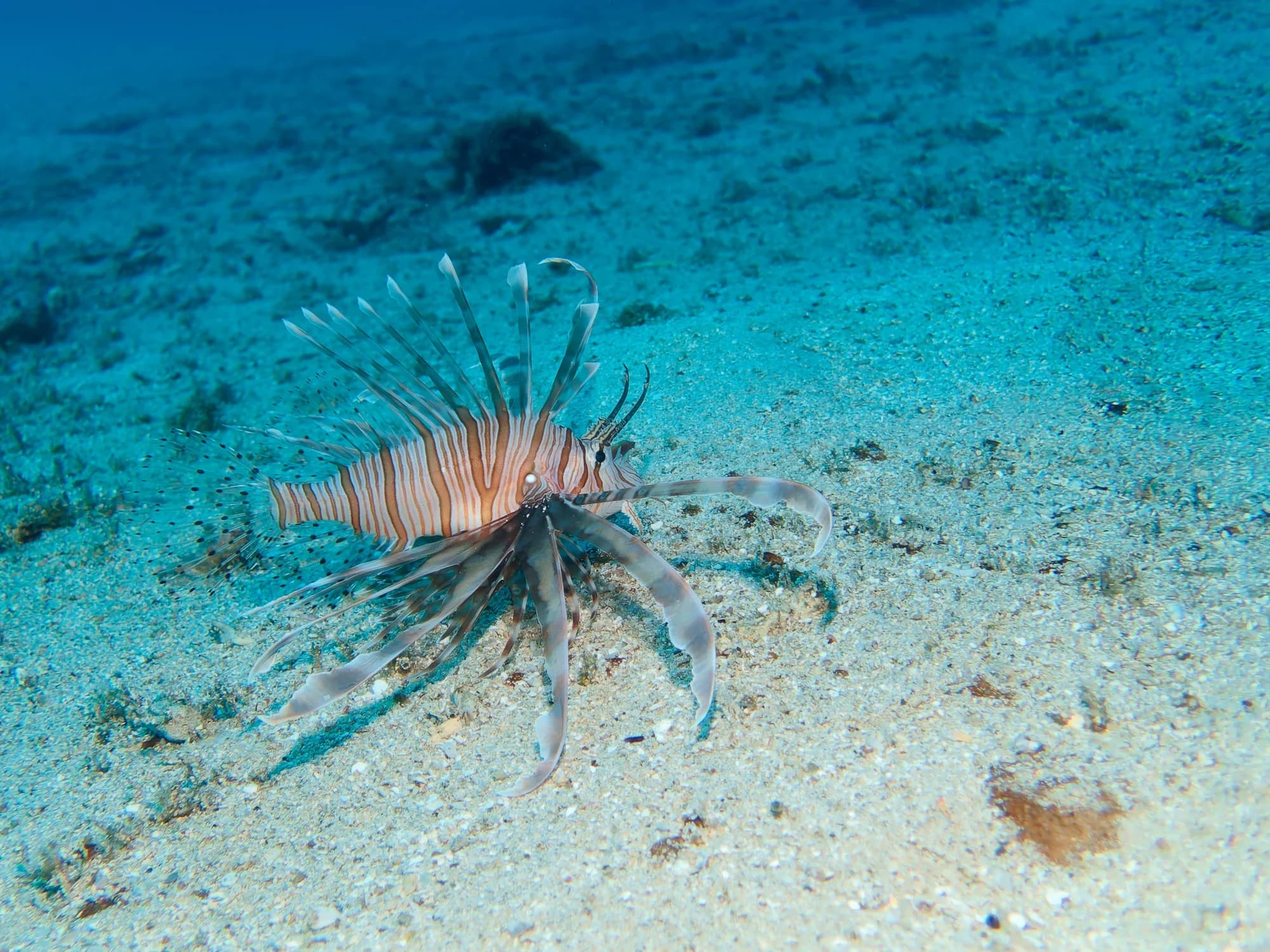
The stunning Common Lionfish is immediately recognizable by its dramatic fan-like pectoral fins and bold red, white, and brown stripes. These graceful predators glide slowly through the water with their venomous spines spread wide like a feathered headdress. Despite their beauty, lionfish are aggressive hunters that use their large mouths to vacuum up small fish and crustaceans. Originally from the Indo-Pacific, they've become established invaders in Caribbean waters. Divers often spot them hovering near coral formations or rocky overhangs during the day, moving with deliberate, almost theatrical movements. Their confidence underwater is striking – they rarely flee from approaching divers, making them excellent photography subjects when observed from a respectful distance.
Marbled Stingray
Destination note
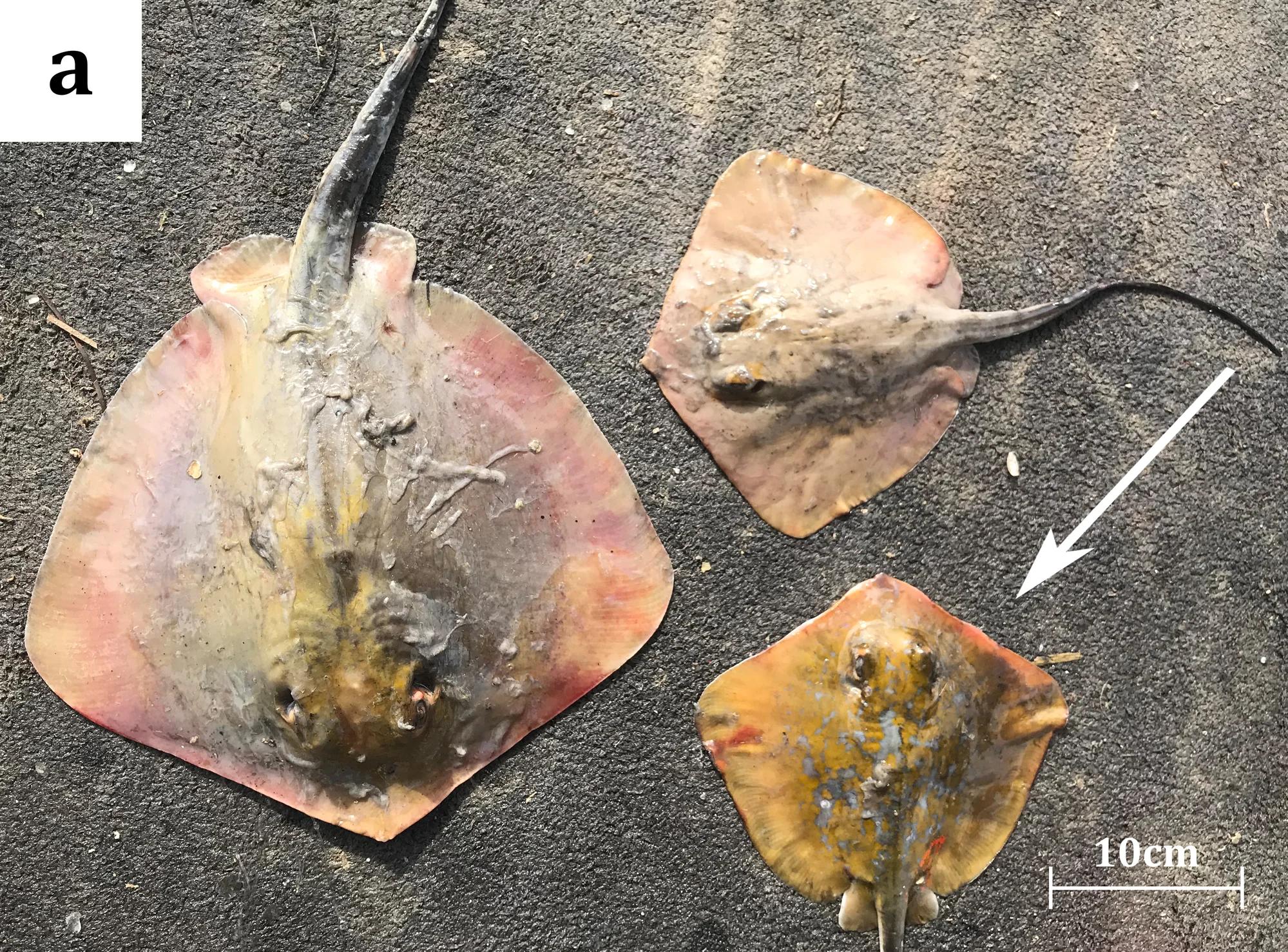
Occasionally encountered partially buried in sandy areas near wreck sites, particularly the sandy bottom around Taiei Maru and Kyokuzan Maru.
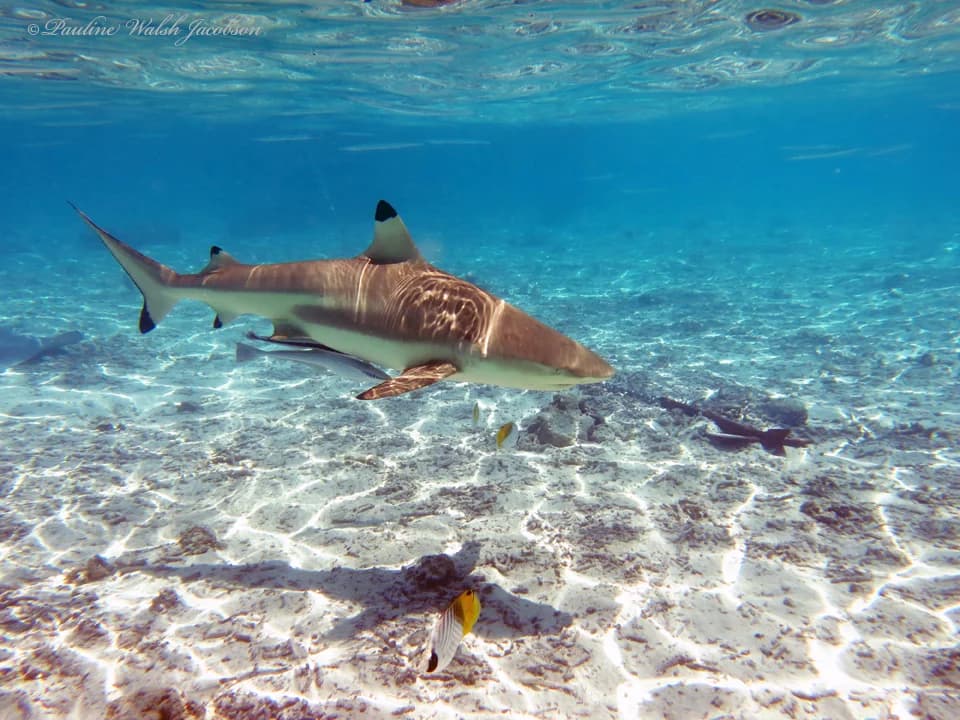
Blacktip Reef Shark
Destination note
Scan shallow reef edges and seagrass margins on reef-focused itineraries away from the enclosed bay. Coron is primarily a wreck destination, so reef-life encounters depend strongly on itinerary.
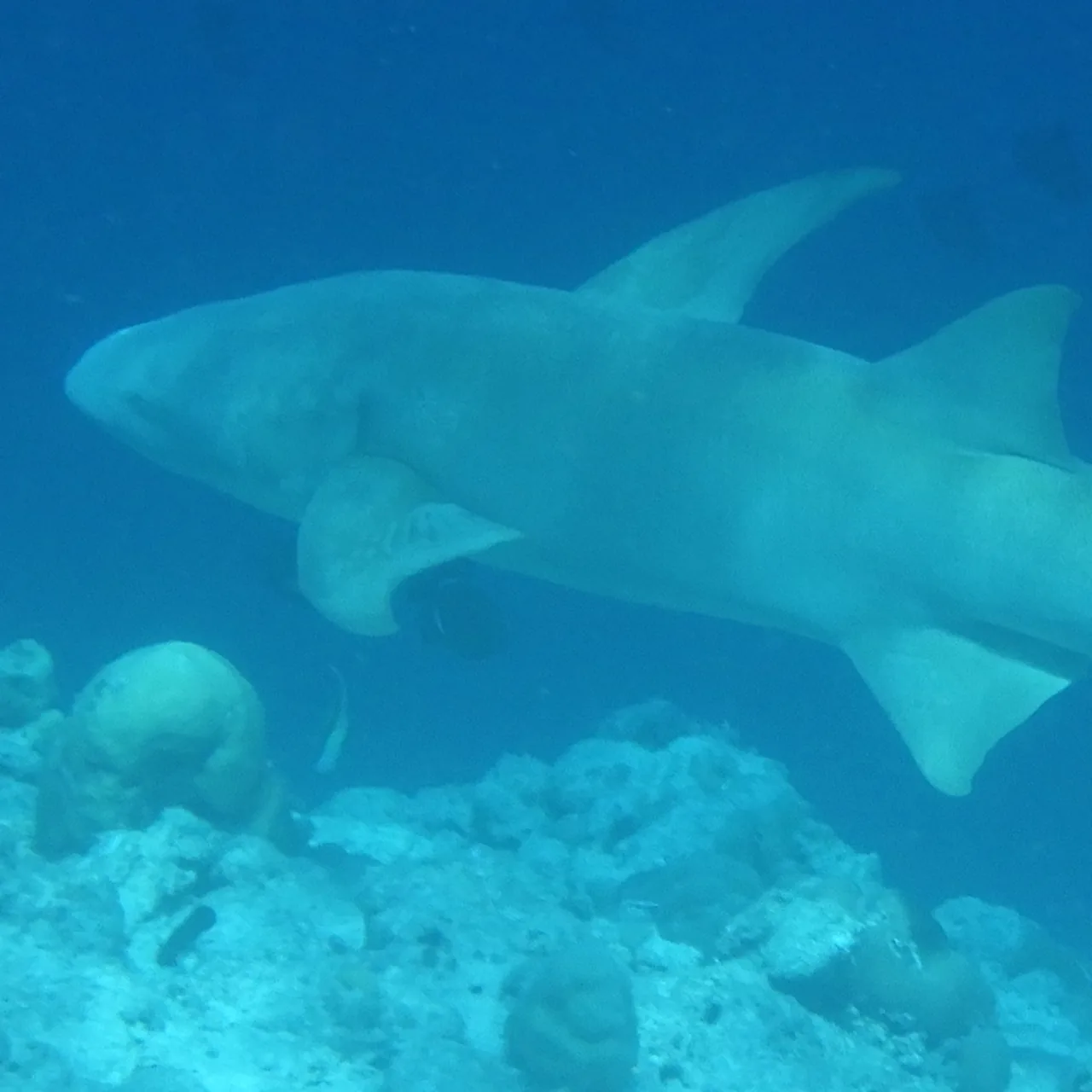
Photo: Nebrius ferrugineus, iNaturalist observation 270443019, photo 486369543 — Jan Ebr & Ivana Ebrová · CC BY 4.0 · Cropped to a 875×875 px square at (150, 0) of the 2048×875 px original, resized to 1280×1280 (main) and downscaled to 400×400 (thumbnail), and encoded as WebP with metadata removed.
Tawny Nurse Shark
Destination note
Check quiet overhangs on outer reefs without blocking its exit or illuminating it continuously. Coron is primarily a wreck destination, so reef-life encounters depend strongly on itinerary.
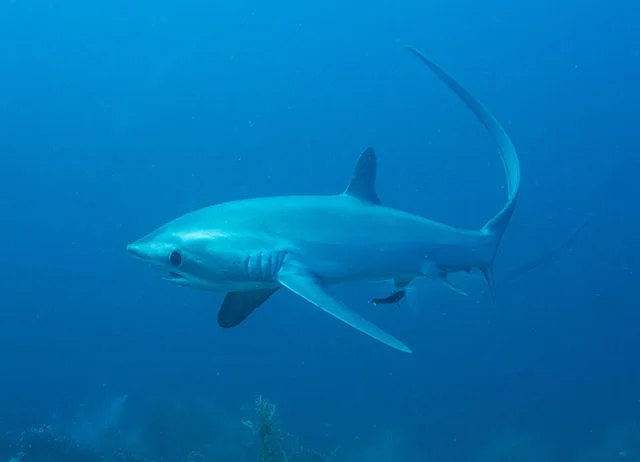
fox shark
Destination note
Treat any open-water sighting as exceptional; watch the blue on deep outer-island dives. Coron is primarily a wreck destination, so reef-life encounters depend strongly on itinerary.
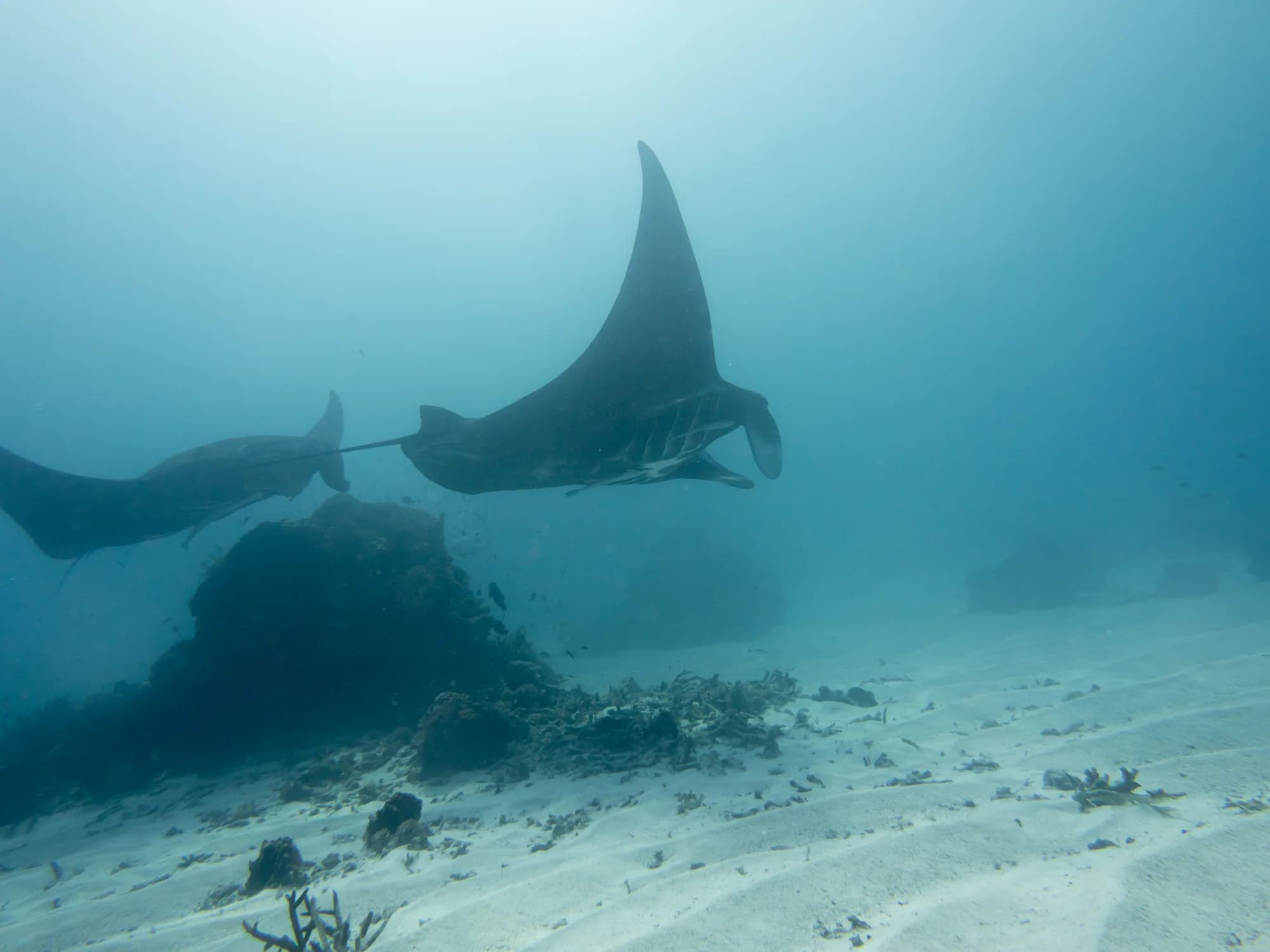
Reef Manta Ray
Destination note
Watch cleaning stations and plankton-rich channels without approaching from above. Coron is primarily a wreck destination, so reef-life encounters depend strongly on itinerary.
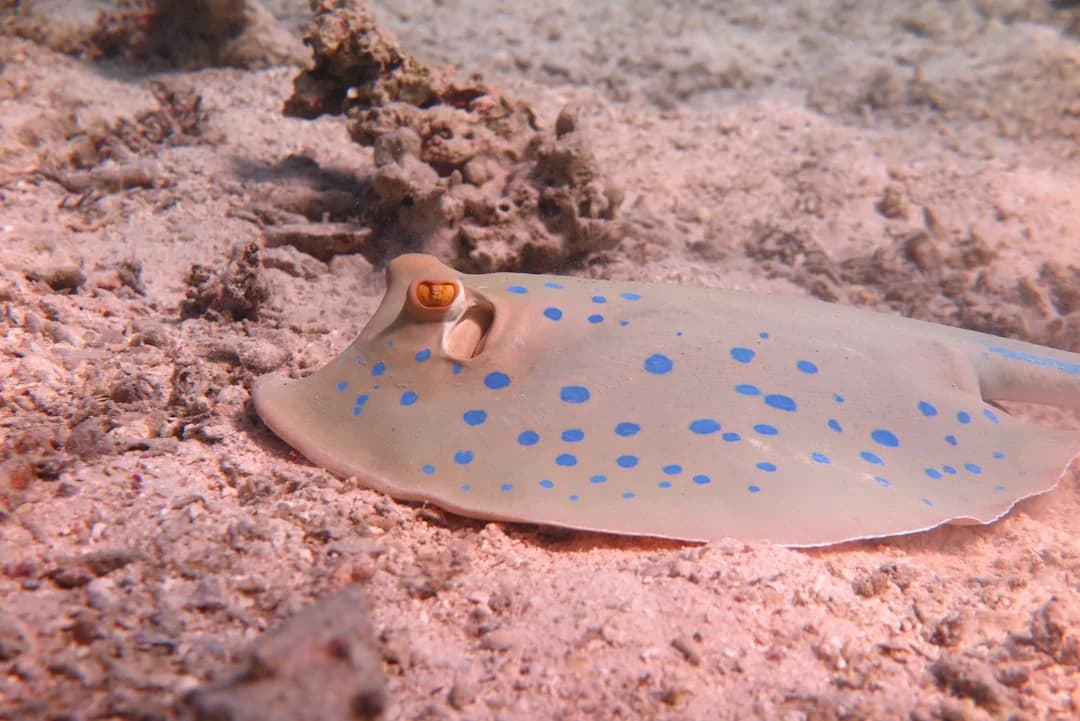
Bluespotted Ribbontail Ray
Destination note
Scan sandy pockets beside coral and keep hands clear of its defensive tail spine. Coron is primarily a wreck destination, so reef-life encounters depend strongly on itinerary.
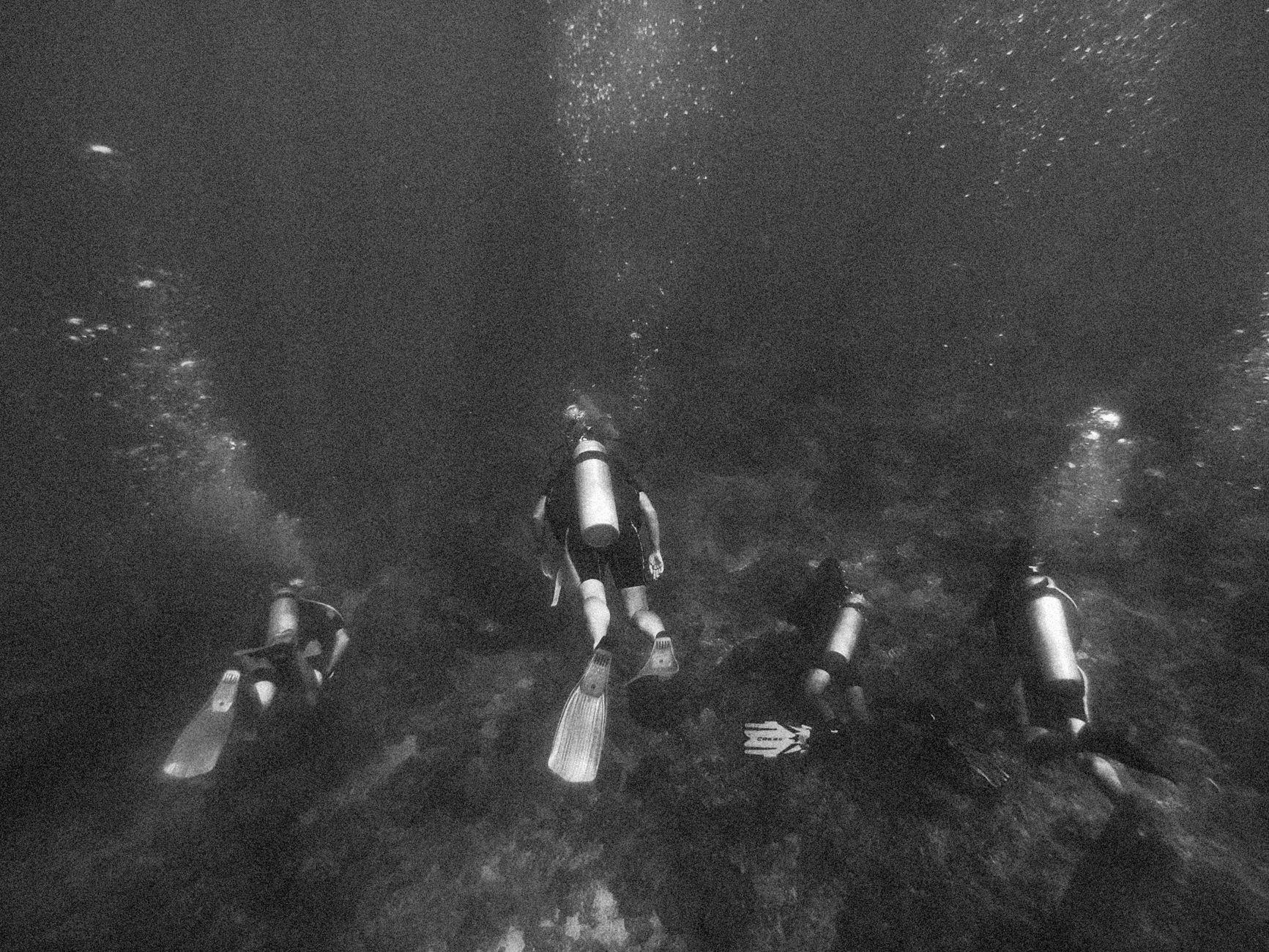
Dive WWII wreck graveyards and drift through coral gardens in Coron, Philippines — the Wreck Diving Capital with 10 sunken ships in crystal-clear Coron Bay.
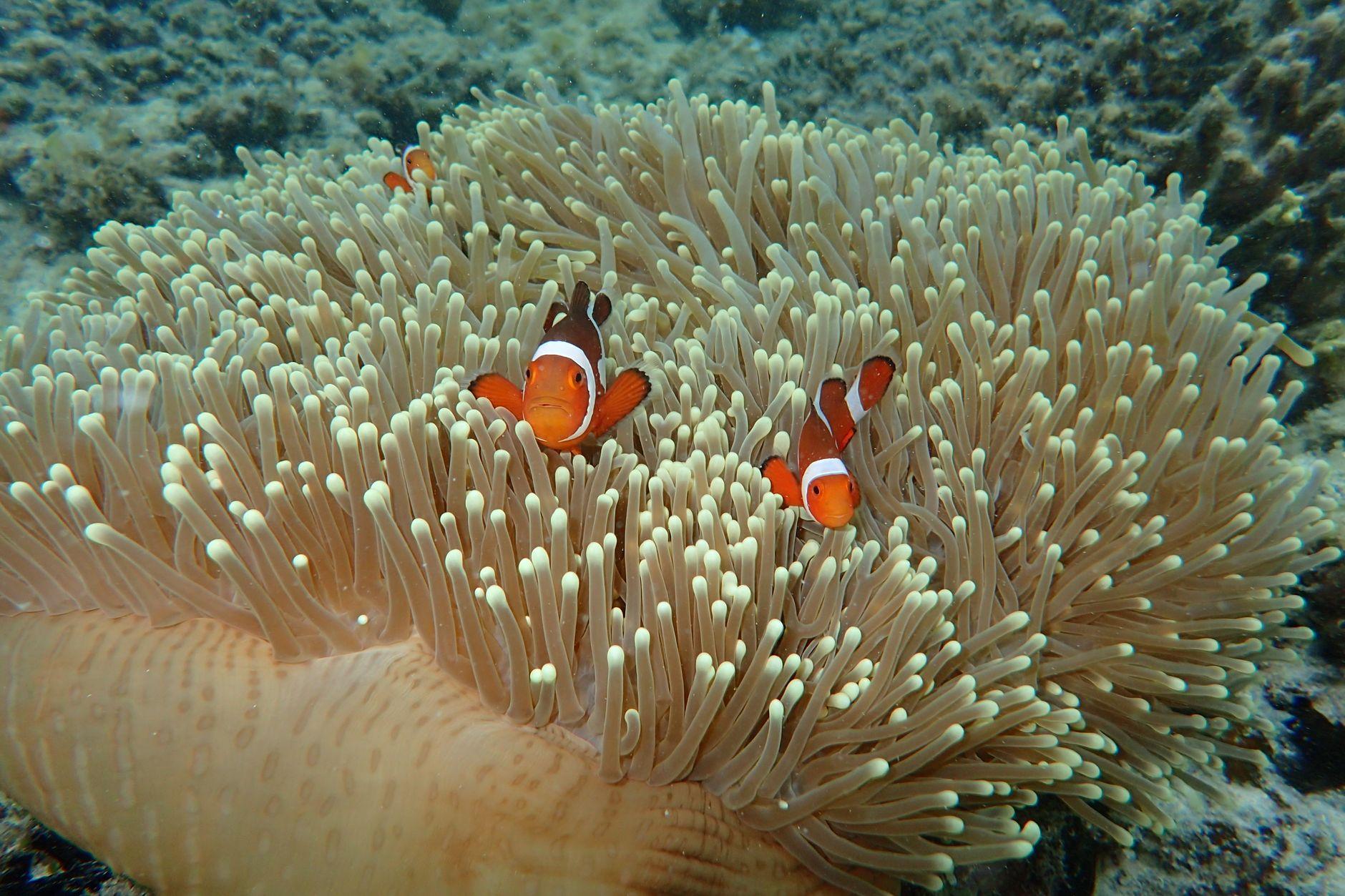
From WWII wrecks to coral gardens — the 10 best dive sites in Coron, Philippines. Wreck depths, difficulty levels, species, and seasonal tips for every site.
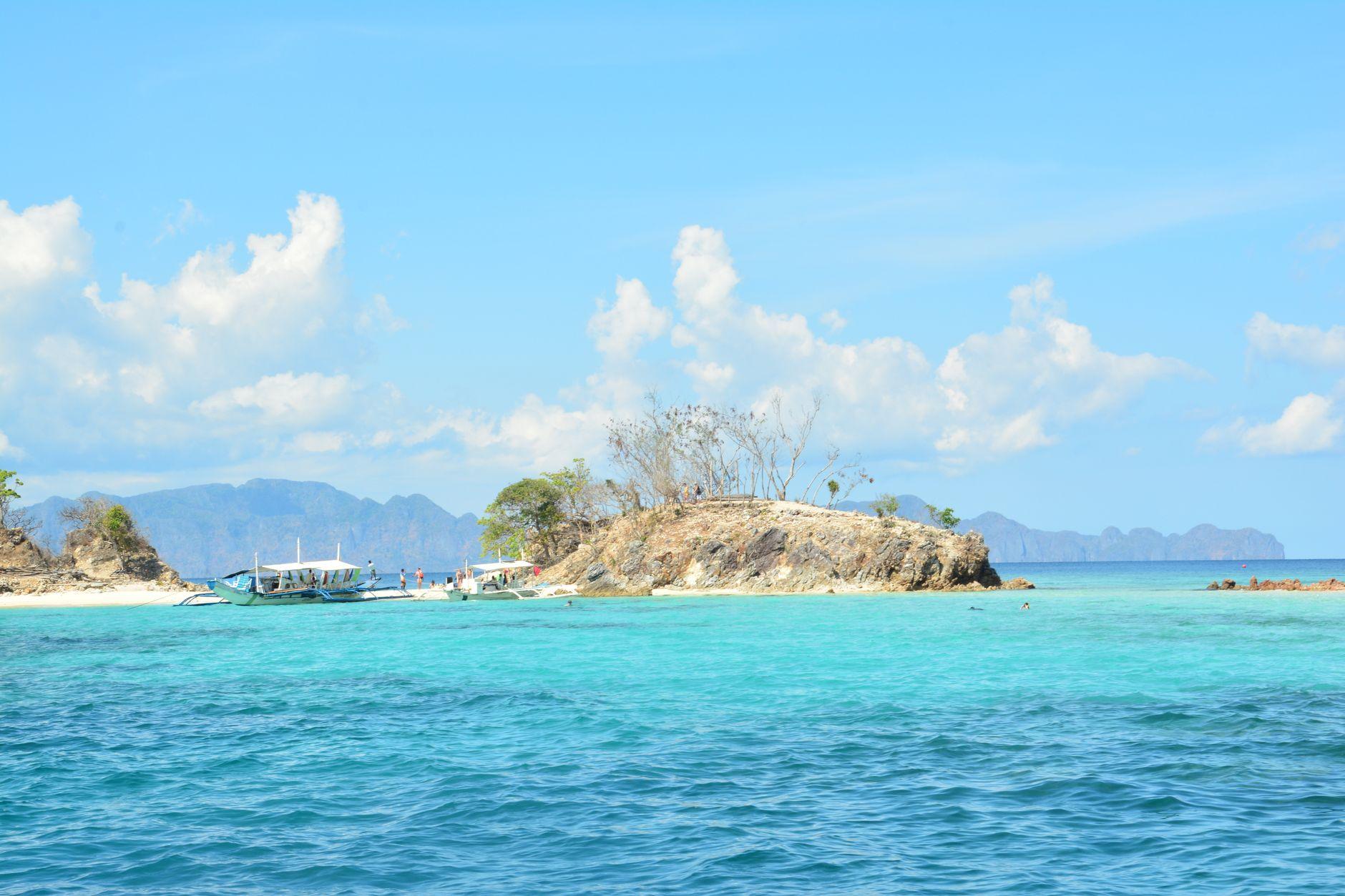
Water 26-31°C, visibility to 30 meters, and two monsoon seasons. Complete month-by-month guide to diving conditions in Coron, the Philippines' wreck capital.
Offline access, dive log, AI fish ID, live site maps, and trip planning.
Download on the App Store