Indonesia
Diving in Alor
Photo: Tom Fisk / Pexels
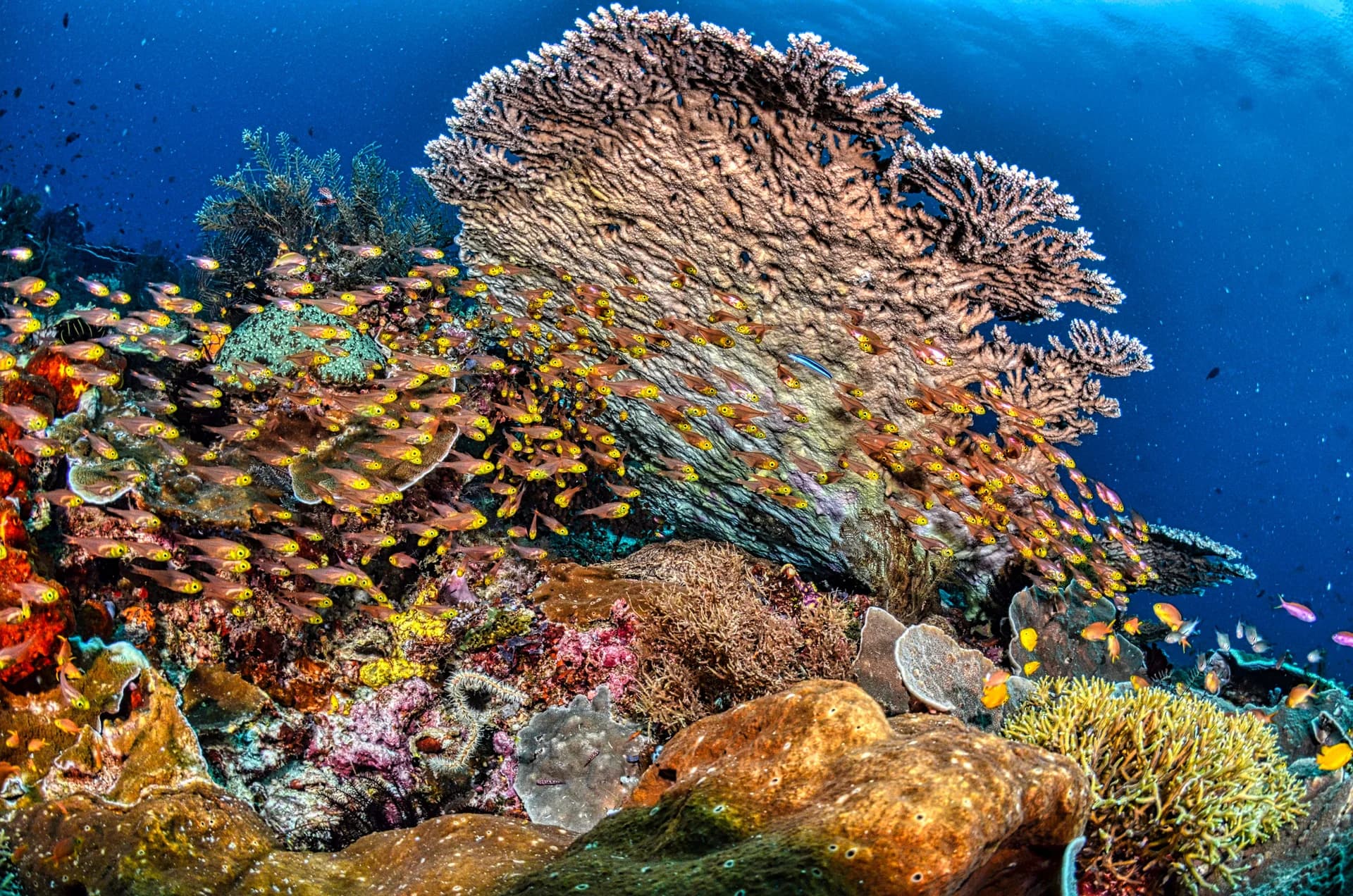
Alor sits at the heart of the Coral Triangle in far eastern Indonesia, a volcanic island where the Pantar Strait funnels nutrient-rich currents from the Banda Sea, creating one of the most biodiverse marine environments on Earth. With 45+ named dive sites across wall, pinnacle, cavern, and muck environments, Alor offers everything from schooling hammerheads and resident Mola Mola to some of the world's best muck diving — all without the crowds of Raja Ampat or Komodo. The underwater topography is spectacular: walls drop dramatically into the abyss, submerged pinnacles attract pelagic life, and Kalabahi Bay's black volcanic sand rivals Lembeh for macro photography. Above water, traditional villages, volcanic peaks, and empty beaches complete the frontier experience. Alor is not for beginners — the currents demand respect — but for experienced divers seeking raw, uncrowded reef systems, there is nothing else like it in Indonesia.
Explore the map
Select a pin to learn more. Use the zoom buttons or pinch to zoom.
Loading map…
Places on this map (11)
33 places have no verified map location yet. Browse the page lists for more places.
Conditions
26–30 °C
10–40 m
5–40 m
Strong
April to November (peak June-October for clarity, September-November for pelagics)
| Month | Summary |
|---|---|
| Jan | Wet season — most dive resorts closed. Rough seas and reduced visibility make January the quietest month for diving in Alor. |
| Feb | Wet season continues with rough surface conditions and limited boat access. Most resorts remain closed until mid-March. |
| Mar | Season reopens mid-March as rains ease. Visibility begins improving (15-20m) and resorts start welcoming divers again. |
| Apr | Dry season begins — calm seas, warming water, and improving visibility (20-30m). Excellent month for both macro and wide-angle diving. |
| May | Reliable conditions with 25-35m visibility and mild to moderate currents. Great month for general diving across all Alor's zones. |
| Jun | Peak clarity begins — 30-40m visibility. Whale migration season starts with northbound Blue and Sperm Whales passing through the Pantar Strait. |
| Jul | Driest month with exceptional 30-40m visibility. Strong currents bring peak pelagic action. Whale migration continues. Book 4-8 months ahead. |
| Aug | Peak dry season — 30-40m visibility, strong currents. Excellent for experienced drift divers. Busiest month for tourism. |
| Sep | Pelagic season begins — Mola Mola and hammerhead sharks arrive as cooler upwellings begin. Visibility 25-35m. Whale migration southbound starts. |
| Oct | Peak pelagic month — thresher sharks, Mola Mola, and hammerheads in abundance. Strong currents and cooler thermoclines. Best for advanced divers. |
| Nov | Last reliable month of the season — strong currents bring final pelagic encounters before the monsoon. Excellent for hammerhead and thresher shark sightings. |
| Dec | Wet season begins mid-month — most resorts close by mid-December. Rough seas and reduced visibility. Season ends for the year. |
Dive Sites (33)
Alcatraz
8–22m · Intermediate
Coral garden · Drift dive · Soft coral
Alor Tanapi House Reef
3–20m · Beginner
House reef · Coral garden · Night dive
Andy's Bus Stop
8–30m · Intermediate
Wall · Coral garden · Pelagics
Aquarium
5–30m · Intermediate
Coral garden · Photography · Wall
Babylon
15–28m · Intermediate
Wall · Coral garden · Photography
Bakalang Jetty
4–25m · Beginner
Muck diving · Macro life · Jetty
Bama Wall
5–40m · Advanced
Wall · Coral garden · Strong currents
Beang Abang
5–20m · Beginner
Muck · Black sand · Macro life
Marine Life (94)
 must-see
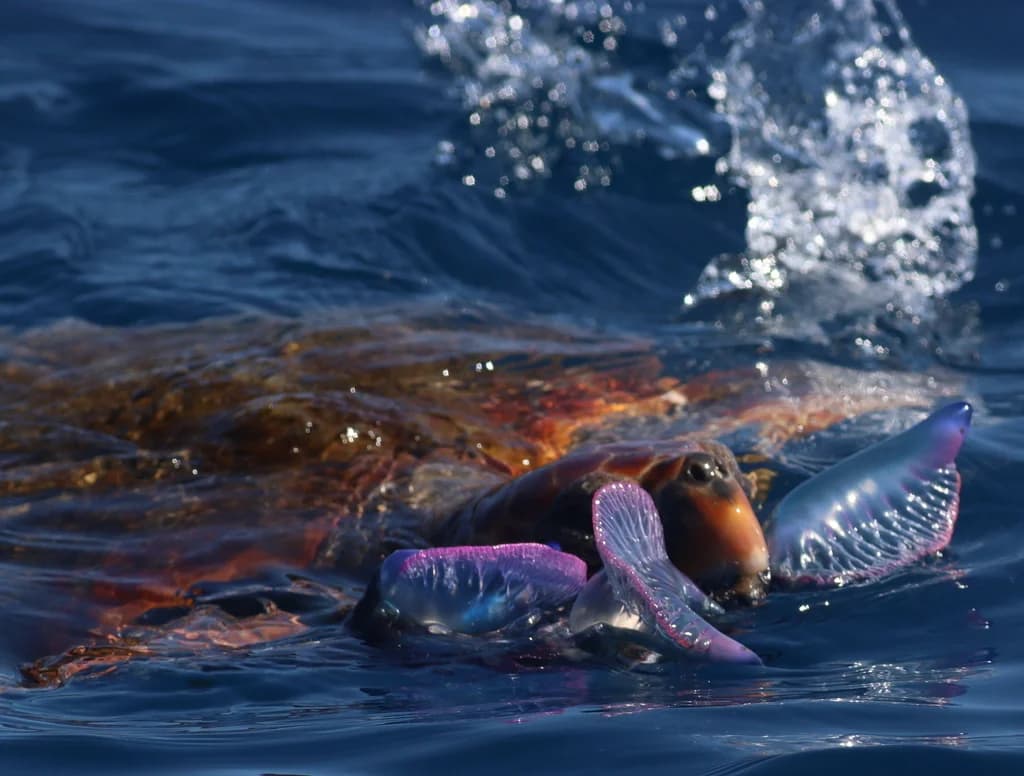
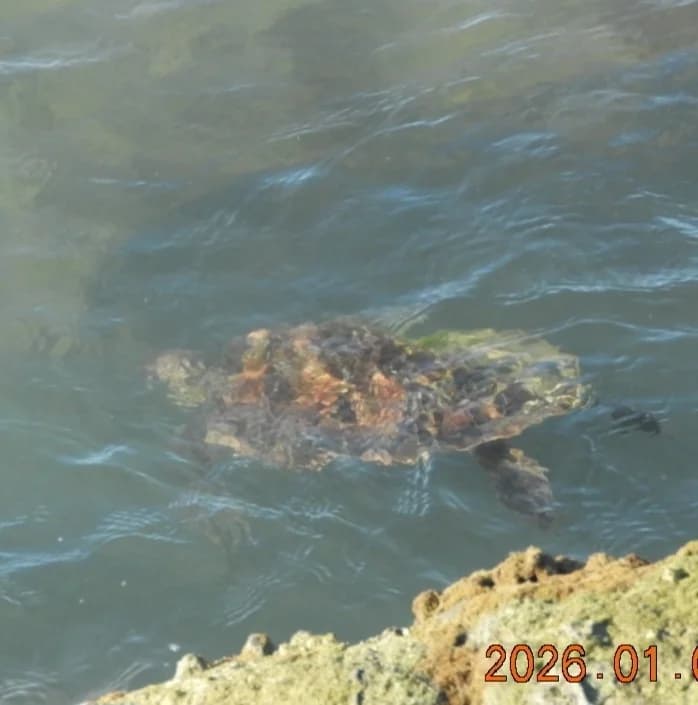
Loggerhead Turtle
 must-see
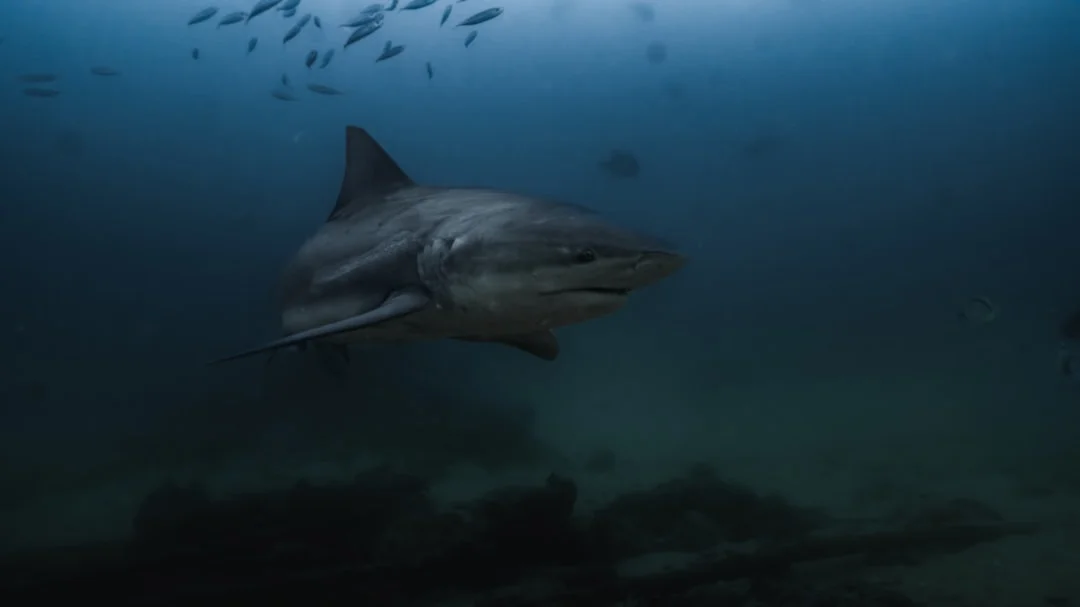
Bull Shark
 must-see
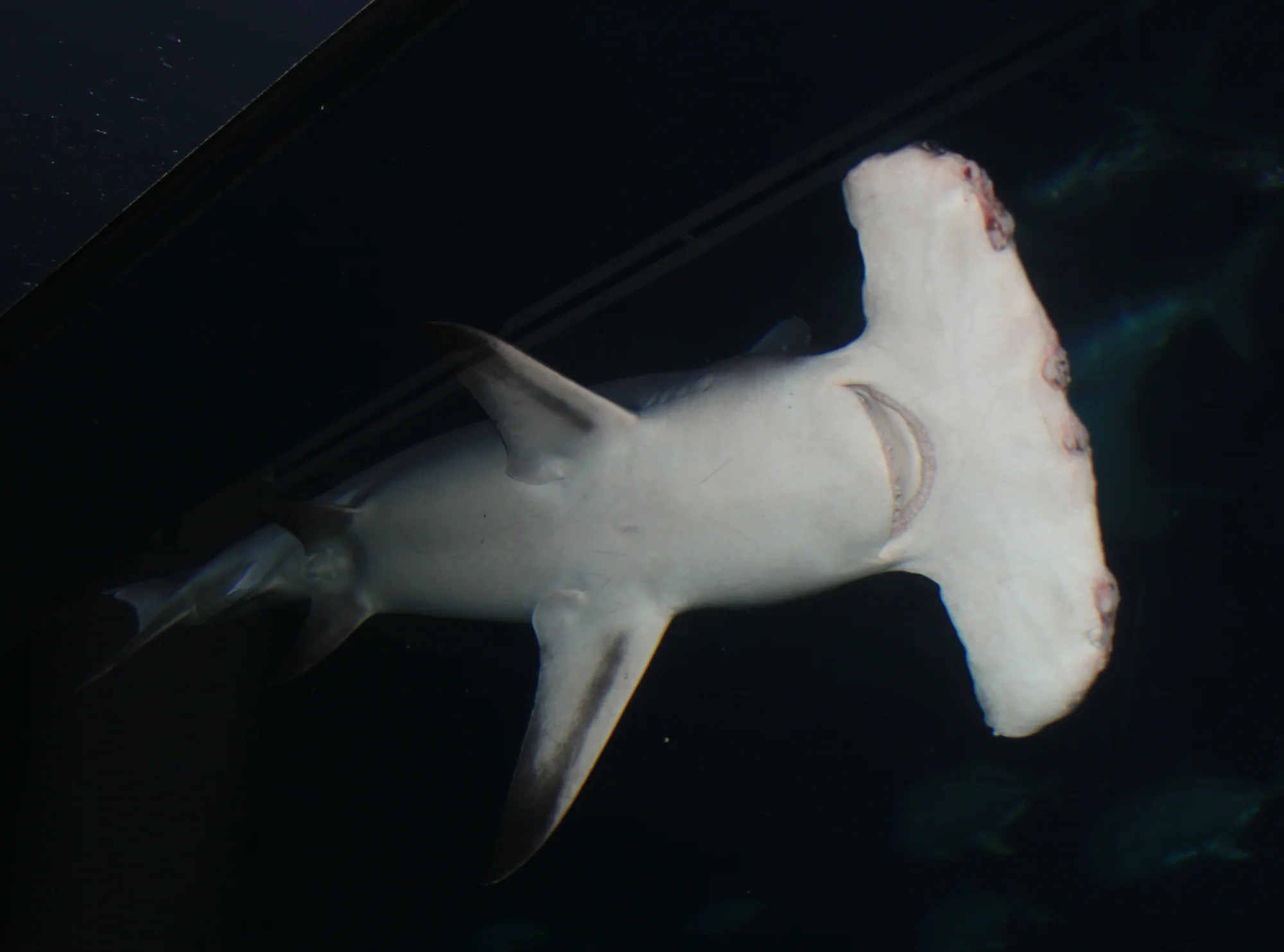
Great Hammerhead
 must-see
Green Sea Turtle
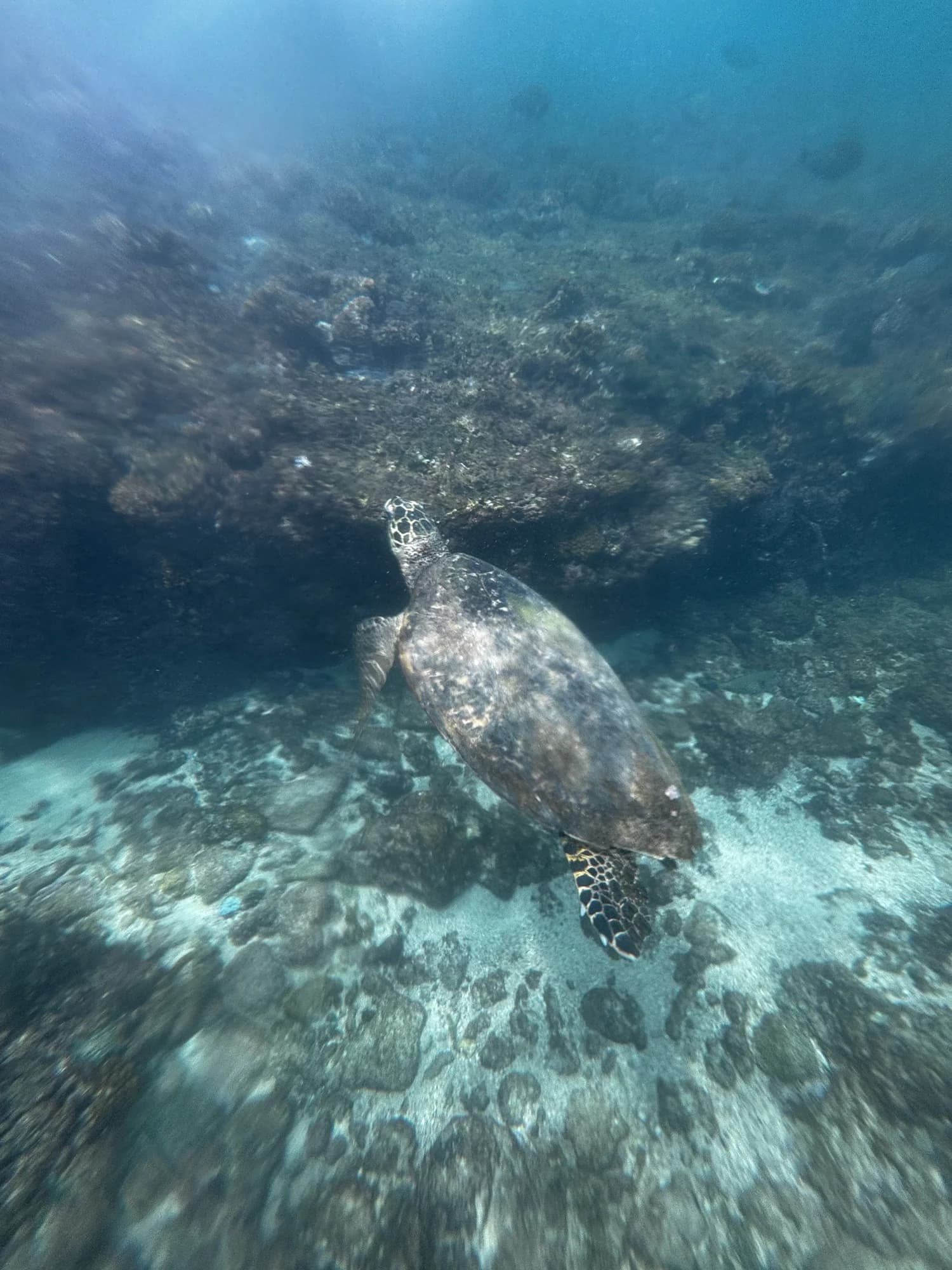 must-see
Hawksbill Turtle
 must-see
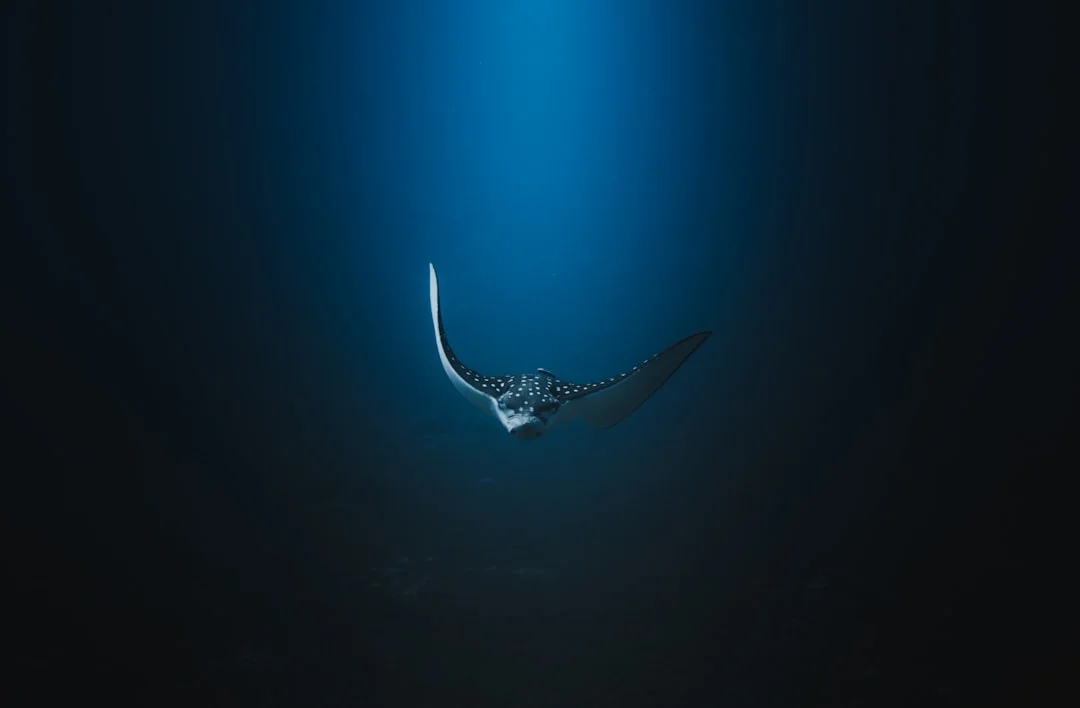
Spotted Eagle Ray
 must-see
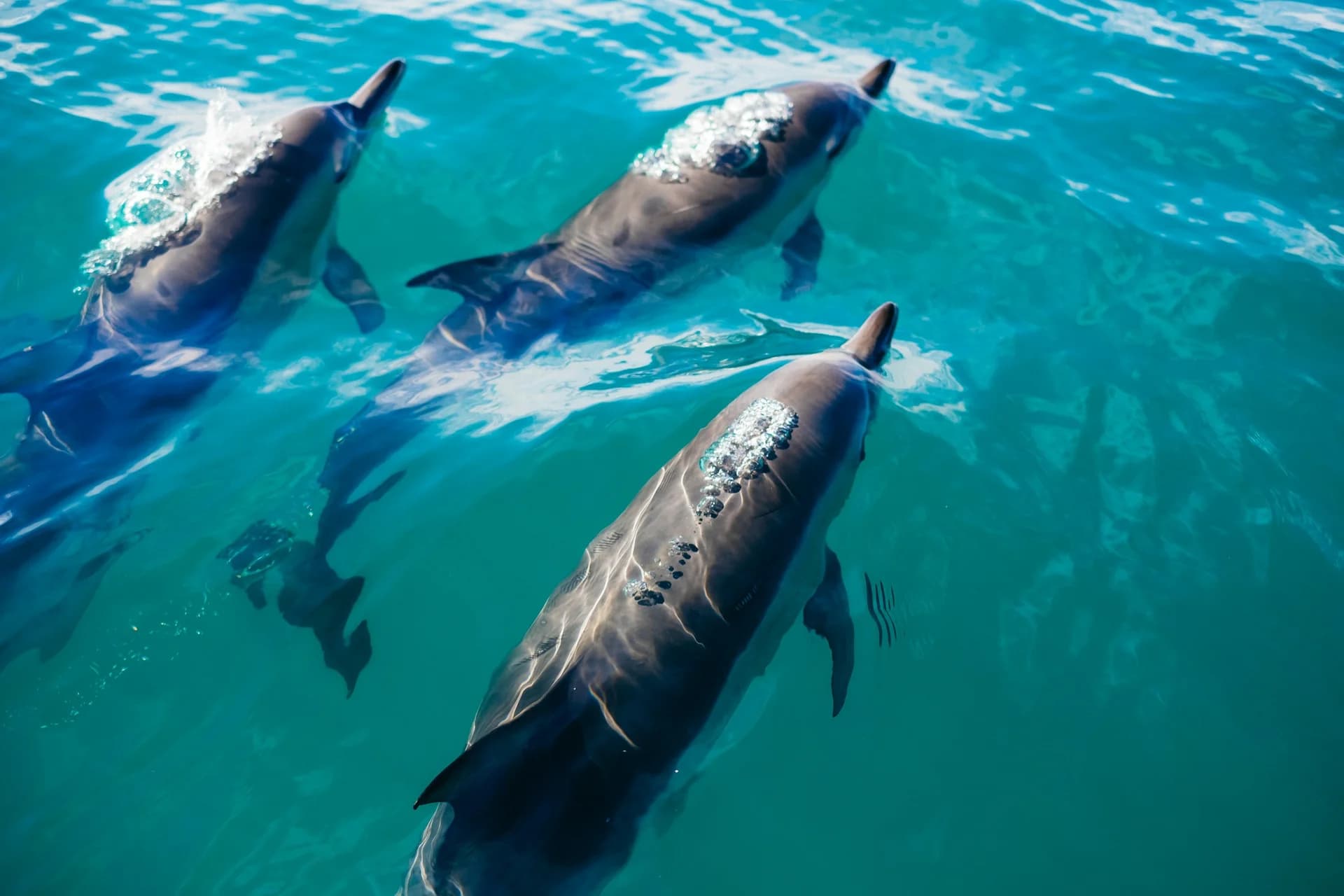
Atlantic Bottlenose Dolphin
 must-see
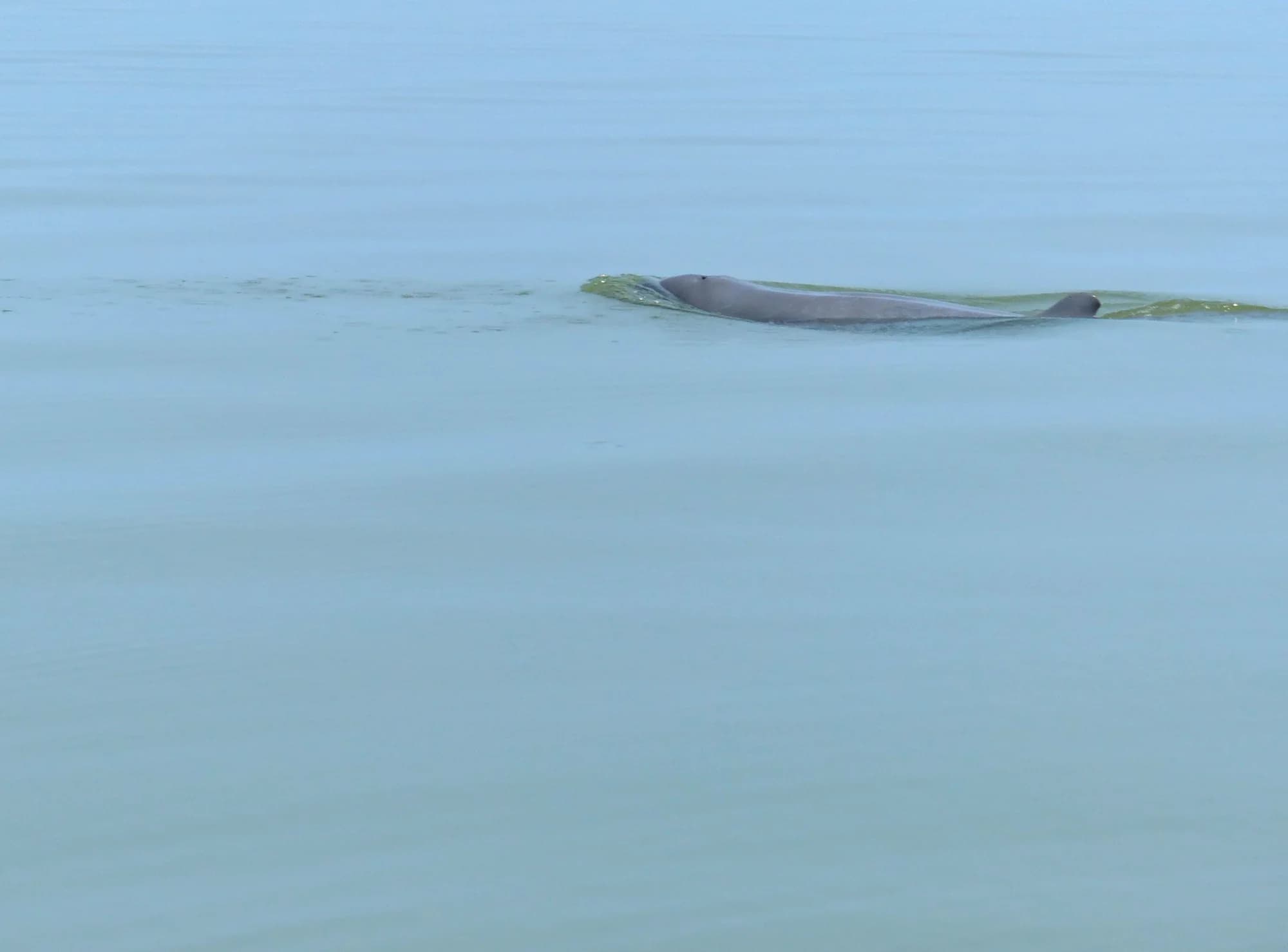
Irrawaddy Dolphin
 must-see
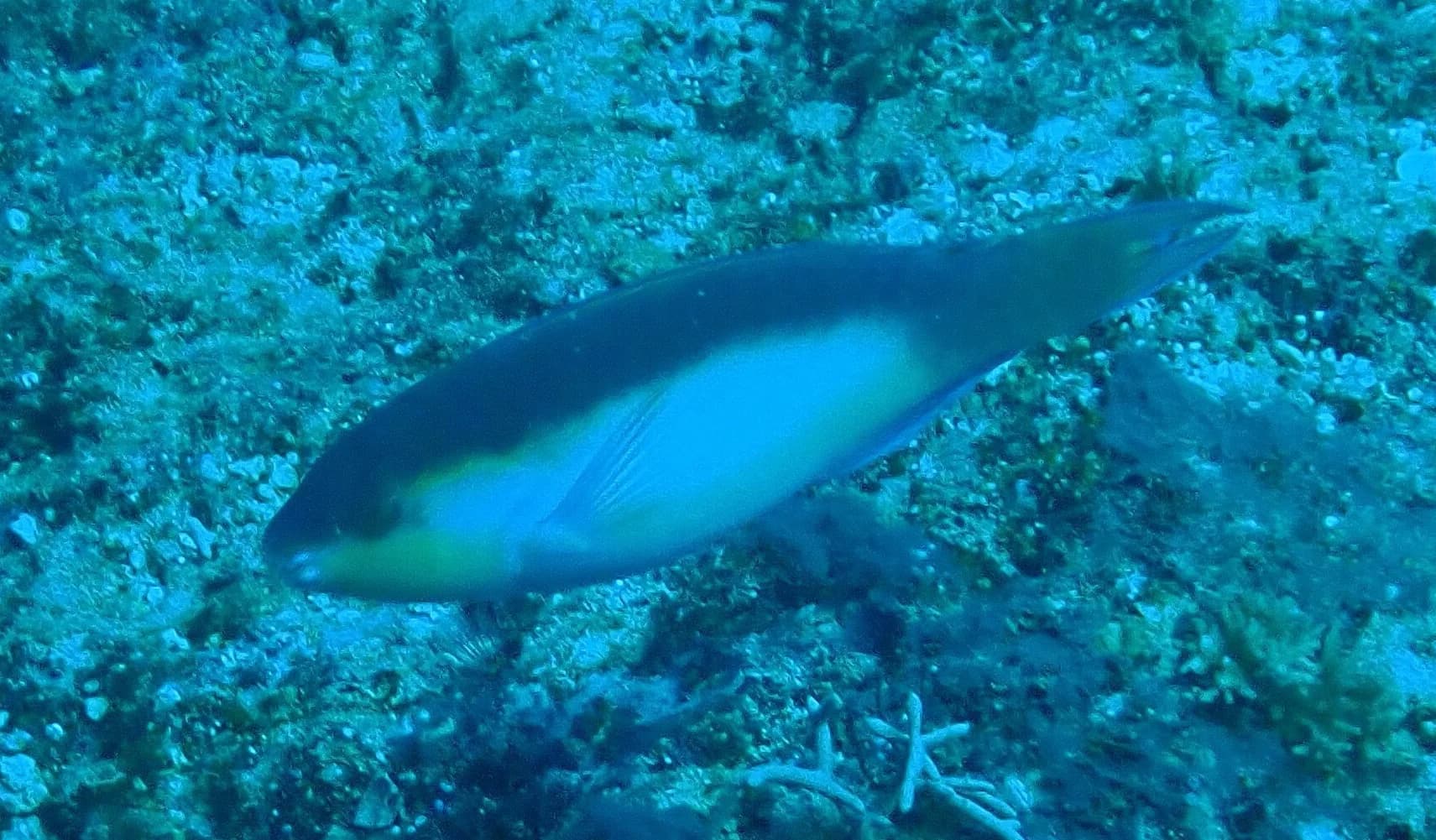
Chameleon Parrotfish
 must-see
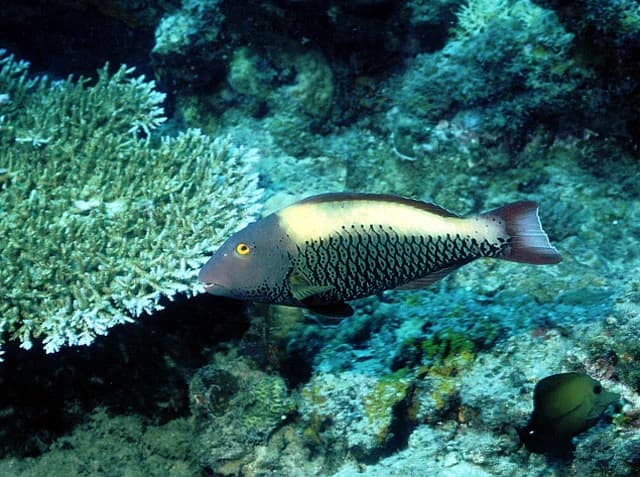
Spotted Parrotfish
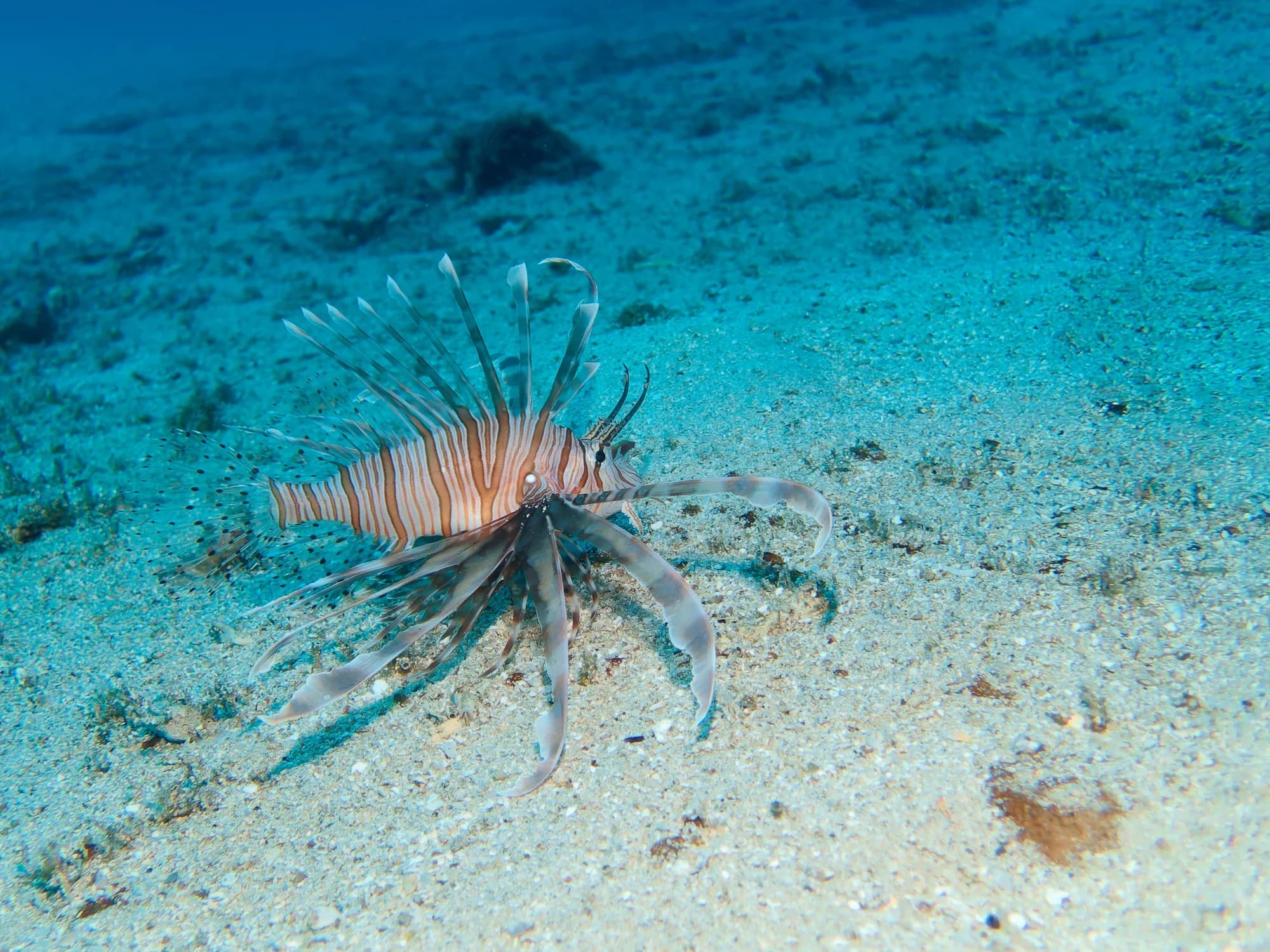
Common Lionfish
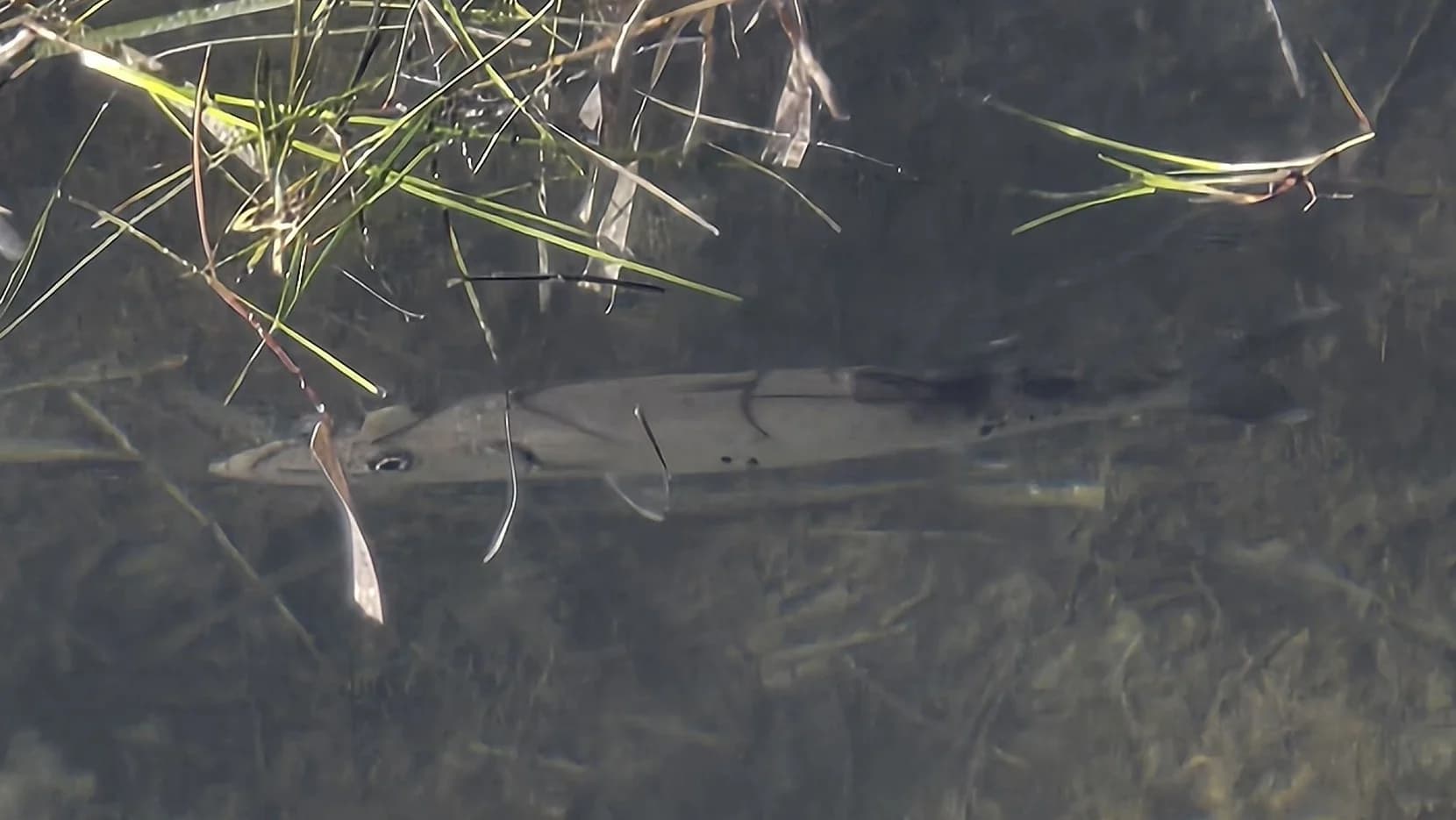
Great Barracuda
Dive Shops (11)
Nautika Dive Alor - Dive Resort
Alami Alor Dive & Snorkel Resort
ALOR DIVING - La P'tite Kepa
Moko Alor Dive Resort
Air Dive Alor
Dive In Alor
Alor Divers - Beach Resort - Alor Archipelago - Indonesia
BUBBLE DIVE ALOR
Alor Tanapi Dive Resort
Lazy Turtle Dive Alor
Alor Nusa Dive
Guides
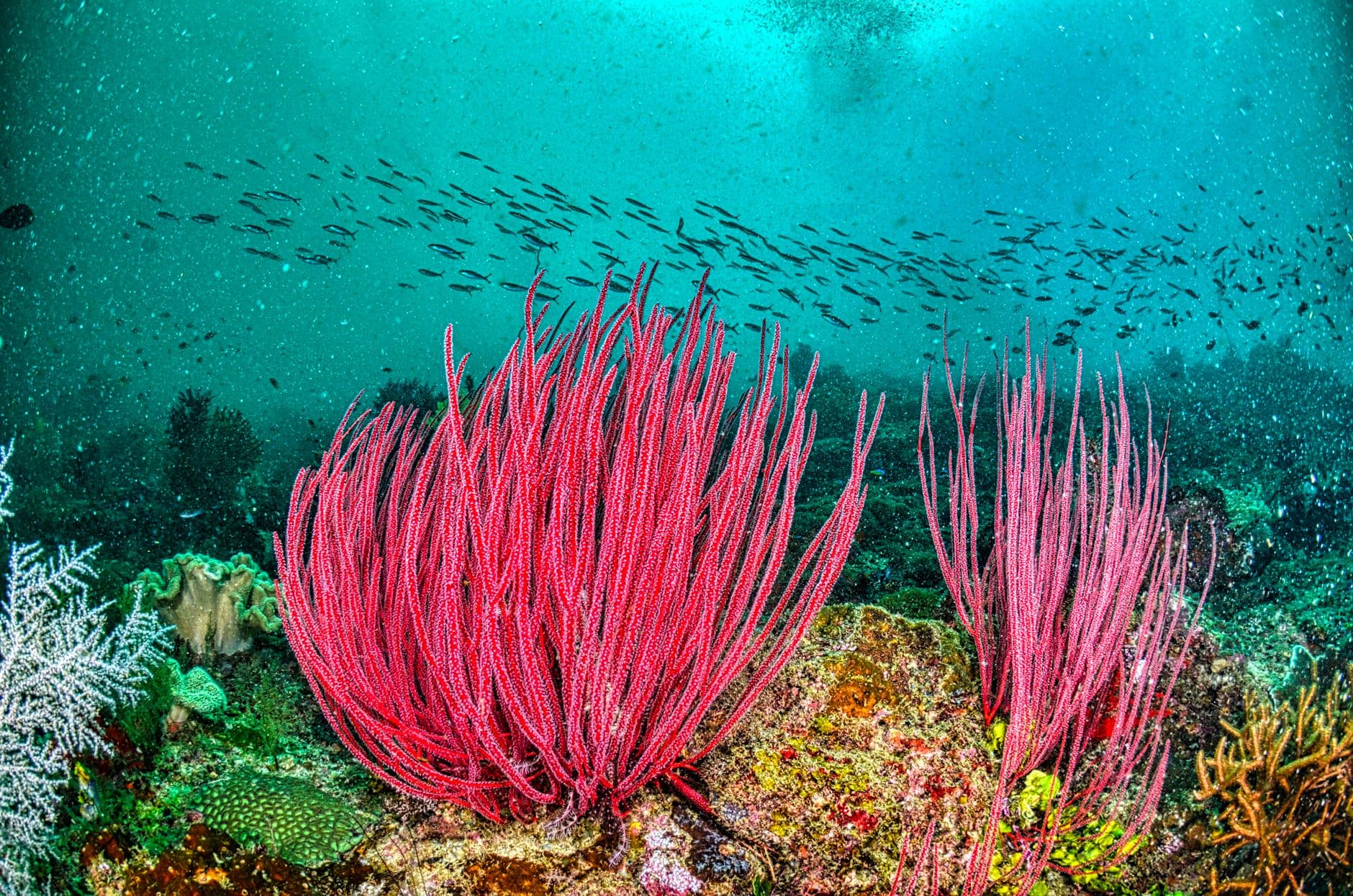
Top Dive Sites in Alor: Ranked Guide for 2026
From Kal's Dream's hammerhead-filled pinnacles to The Cathedral's Mola Mola encounters — ranked guide to Alor's 10 best dive sites by skill and season.
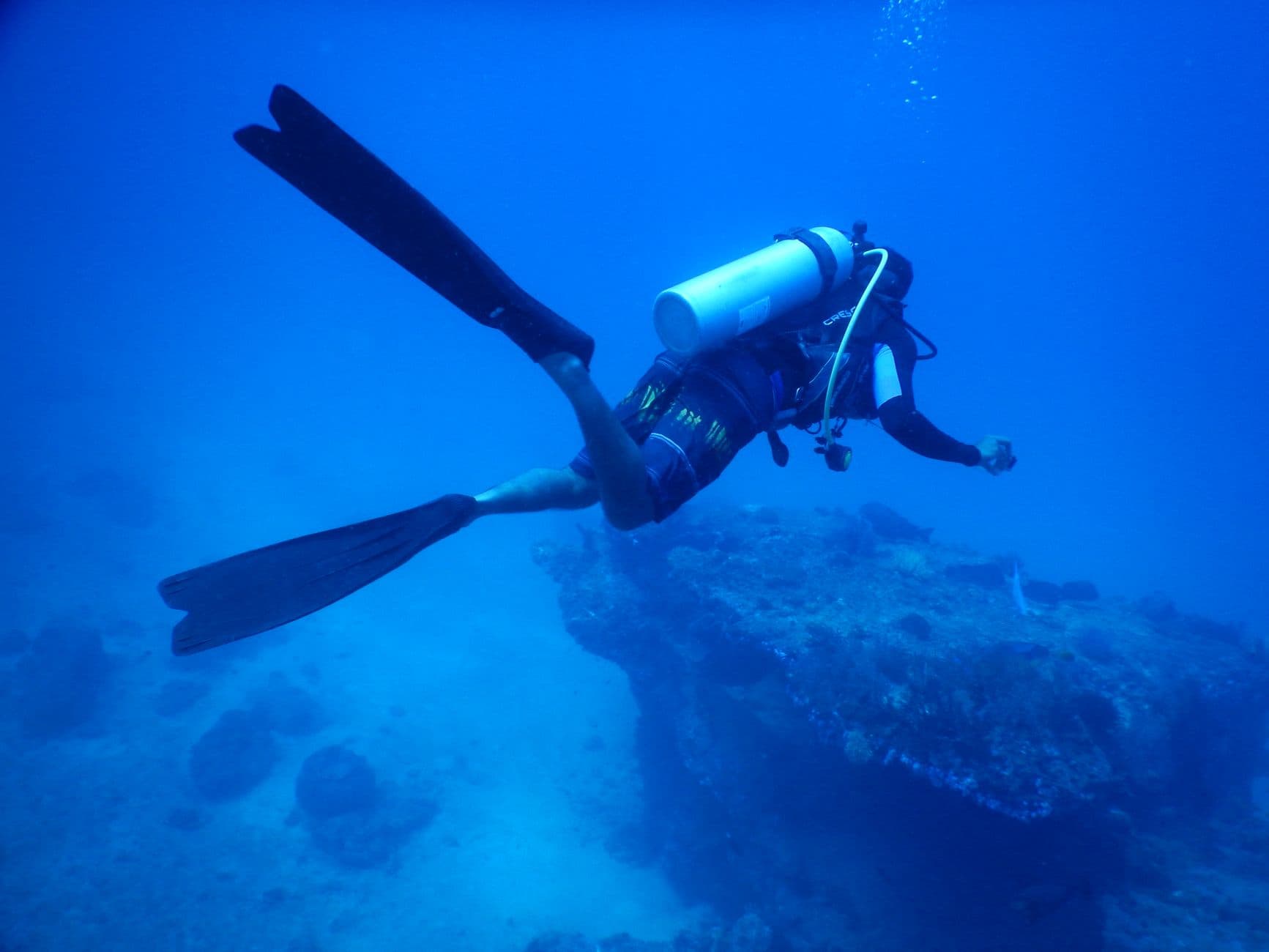
Diving Alor: The Ultimate Guide to Indonesia's Last Frontier
45+ uncrowded dive sites in the remote Pantar Strait. Complete guide to wall diving, muck diving, and pelagic encounters in the Coral Triangle.
Alor Dive Conditions: Seasons, Currents, and What to Expect
Water temperature from 26-30°C surface to 16°C at depth, visibility up to 40 m, and current-driven diving in the Pantar Strait. Complete seasonal breakdown.
Safety
Bring Alor underwater
Offline access, dive log, AI fish ID, live site maps, and trip planning.
Download on the App Store