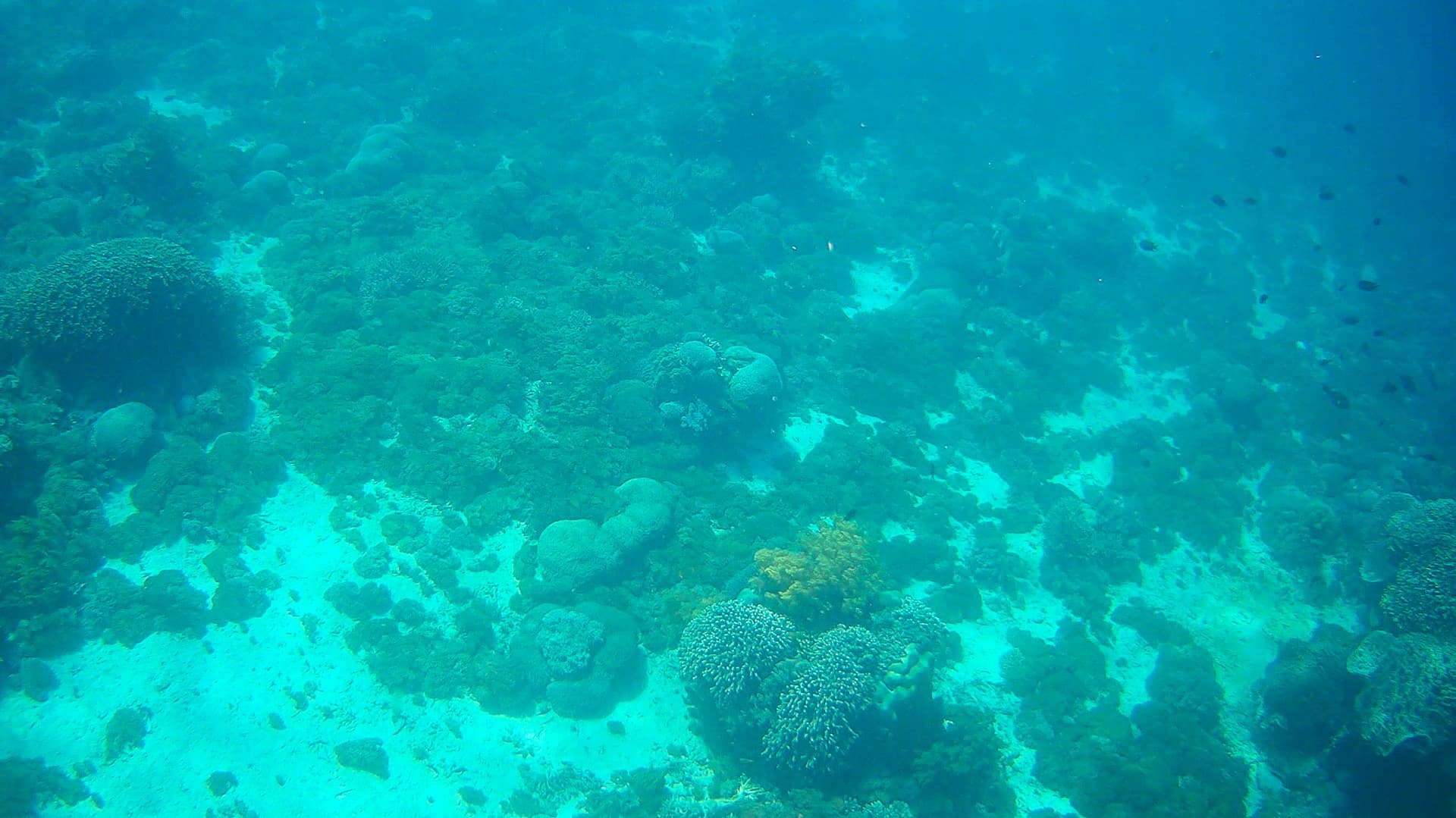
10 Best Dive Sites in Raja Ampat, Indonesia
Raja Ampat has 40+ named dive sites across five main areas, and every one of them supports a density of marine life that most destinations can't match on their best day. But some sites stand apart — for the species count, the pelagic action, the macro life, or simply the otherworldly scenery. These are the ten that belong on every Raja Ampat itinerary, ranked by overall experience.
1. Cape Kri — The World Record Site
| Detail | Info |
|---|---|
| Area | Dampier Strait |
| Depth | 3–50 m+ |
| Skill level | Intermediate–Advanced |
| Current | Moderate to strong (drift) |
| Best months | October–May |
Cape Kri holds the world record for the most fish species counted on a single dive: 374. That's more species than most divers will see in their entire diving career on a single tank of air. The site is a current-swept reef point where the nutrient-rich Dampier Strait waters funnel past a coral-covered slope dropping into deep water.
Expect grey reef sharks patrolling the wall, scalloped hammerheads schooled up in the blue, dogtooth tuna and giant trevally cutting through bait balls, and massive schools of fusiliers and snappers blanketing the reef. Napoleon wrasse, bumphead parrotfish, and barramundi cod are regular sightings. Mantas pass through on their way between cleaning stations.
Practical tip: This is a drift dive. Your DM will drop you upcurrent and you'll ride the flow along the reef for 40–50 minutes. The boat follows from above. Bring a reef hook — there are spots where you'll want to hold position against the current to watch the action.
Why it's #1: No other dive site on Earth has documented 374 fish species on a single dive. That's the headline, but the real experience is the density — you're rarely looking at empty water here.
2. Blue Magic — The Pelagic Pinnacle
| Detail | Info |
|---|---|
| Area | Dampier Strait |
| Depth | 5–50 m+ |
| Skill level | Advanced |
| Current | Strong |
| Best months | October–May |
Blue Magic is a deep seamount rising from 50+ meters to within 5 m of the surface. The strong upwellings that hit this pinnacle attract large pelagics in numbers that rival any site in Indonesia. Grey reef sharks are ever-present. Scalloped hammerheads school here — 20–50+ individuals on a good day. Silky sharks occasionally join the mix.
The reef itself is covered in healthy hard and soft corals, with massive sea fans and gorgonians at depth. Barracuda form tornadoes over the summit. Tuna, rainbow runners, and jacks hunt the edges. Manta rays cruise through during plankton season.
Practical tip: This is the strongest-current site in the Dampier Strait. Advanced Open Water with drift dive experience is the minimum. Most dives start at the top of the pinnacle and work down the reef wall, holding onto bommies or using reef hooks during slack current windows.
3. Manta Sandy — The Cleaning Station
| Detail | Info |
|---|---|
| Area | Dampier Strait |
| Depth | 8–25 m |
| Skill level | All levels |
| Current | Mild to moderate |
| Best months | October–April (peak); year-round presence |
Manta Sandy is exactly what the name suggests — a sandy plateau at 15 m where manta rays queue up for cleaning station service. Both reef and oceanic mantas use this site, and on a good day you'll see 5–15 mantas hovering in the cleaning station simultaneously, mouths agape as cleaner wrasse pick parasites off their skin.
This is the most accessible manta encounter in Raja Ampat. The site is shallow, the current is manageable, and mantas are present year-round (peak October–April for reef mantas, June–October for oceanics).
Practical tip: The site has been "loved to death" — heavy diver traffic has caused measurable coral damage on the surrounding reef. Practice perfect buoyancy, keep your fins off the bottom, and never chase or touch the mantas. The manta zone is regulated; stay on the sand and let the mantas come to you.
Why it's #3: Not the most biodiverse site, but the manta interaction here is among the most reliable in the world. It's the one dive every Raja Ampat visitor remembers most vividly.
4. Sardine Reef (Chicken Reef)
| Detail | Info |
|---|---|
| Area | Dampier Strait |
| Depth | 3–30 m |
| Skill level | Intermediate |
| Current | Moderate to strong (drift) |
| Best months | October–May |
Sardine Reef is an elongated reef running parallel to the Dampier Strait current. The name comes from the massive schools of sardines that aggregate here — bait balls so dense they turn the water dark. Chevron barracuda hunt in packs around the edges, jack and trevally torpedo through the bait ball, and the whole spectacle is framed by a healthy coral reef.
The drift here is predictable and fun — you'll cover 300–500 m along the reef on a typical dive, watching the predation unfold. Manta rays occasionally sweep through during plankton season. Eagle rays are common.
Practical tip: This is a high-current drift dive. Your SMB and reel are mandatory. The exit point varies depending on the current strength — brief carefully, watch the boat's position, and stay with your group.
5. Magic Mountain — Misool's Seamount
| Detail | Info |
|---|---|
| Area | Misool (South) |
| Depth | 5–45 m |
| Skill level | Advanced |
| Current | Moderate (upwelling) |
| Best months | October–May |
Magic Mountain is a submerged seamount rising from deep water in southern Misool. The upwellings here bring nutrient-rich water to the surface, attracting grey reef sharks, schools of barracuda and jacks, tuna, and giant trevally. Hammerheads are occasional but memorable when they appear.
The coral cover on the pinnacle is exceptional — massive table corals, sea fans, and soft corals in every color. Napoleon wrasse are regulars at this site. Leaf fish and frogfish hide among the coral heads.
Practical tip: The upwellings can bring cooler water — expect 26–27°C even during the warmer months. A 5 mm wetsuit or a hooded vest is smart for extended bottom time here. The site is only accessible via liveaboard or from Misool Eco Resort.
6. Kabui Bay (Secret Bay) — Macro Mecca
| Detail | Info |
|---|---|
| Area | Waisai (Waigeo) |
| Depth | 1–20 m |
| Skill level | All levels |
| Current | Mild |
| Visibility | 5–15 m (muck diving conditions) |
| Best months | Year-round |
Kabui Bay, also known as Secret Bay, is Raja Ampat's premier muck diving site. The bottom is black volcanic sand with patchy seagrass and scattered debris — don't expect a pretty reef. What you get instead is the most concentrated macro life in the region.
Wonderpus octopus, mimic octopus, flamboyant cuttlefish, coconut octopus, frogfish (painted, hairy, and giant), ornate ghost pipefish, pygmy seahorses, cockatoo waspfish, rhinopias (rare but present), bobtail squid, and dozens of nudibranch species. The site is a photography paradise.
Practical tip: This is a low-visibility, fin-kicking-and-silt-stirring muck dive. Approach slowly, hover carefully, and let your guide point out the critters — they know exactly where each resident lives. Morning dives have better light. A macro lens or diopter is essential. A video light helps bring out colors in the low-vis water.
7. Boo Windows — The Photo Op
| Detail | Info |
|---|---|
| Area | Misool (South) |
| Depth | 3–30 m |
| Skill level | All levels |
| Current | Gentle |
| Best months | Year-round |
Boo Windows is named for the dramatic limestone karst formations that create underwater "windows" — openings in the rock formation where light beams cut through like stage spotlights. The shallow depth (3–30 m) and gentle current make it accessible to all skill levels.
The coral gardens here are among the healthiest in Misool — soft corals in pink, purple, and orange blanket the bommies. Pygmy seahorses, frogfish, cuttlefish, and nudibranchs hide in the coral heads. The limestone overhangs shelter schools of glassfish and sweepers.
Practical tip: This is an easy, relaxing dive. Perfect for a second or third dive of the day. Bring a wide-angle lens — the window formations with a diver silhouette make for portfolio shots.
8. Wayag Lagoon and Piaynemo
| Detail | Info |
|---|---|
| Area | Wayag (North Waigeo) |
| Depth | 1–20 m |
| Skill level | All levels |
| Current | Mild |
| Best months | October–May |
Wayag Lagoon combines the most iconic above-water scenery in Raja Ampat — the cone-shaped karst islands rising from turquoise water — with genuine underwater quality. The lagoon itself has multiple dive spots among the limestone pinnacles, with shallow coral gardens, blacktip reef sharks cruising the channels, and rays resting on sandy patches.
The above-water component matters here: the hike up Piaynemo viewpoint gives you the postcard shot of Wayag's karst islands. Most liveaboards schedule a morning dive followed by the viewpoint hike.
Practical tip: The dive and the hike happen on the same morning. Wake up early — dawn light on the karsts is unbeatable. The viewpoint involves a steep wooden staircase (200+ steps). Bring water, good shoes, and your camera.
9. Yenbuba Jetty — The Muck Alternative
| Detail | Info |
|---|---|
| Area | Dampier Strait (Waigeo) |
| Depth | 1–20 m |
| Skill level | Beginner |
| Current | Mild |
| Best months | Year-round |
Yenbuba Jetty is a shore dive from a local village jetty — one of the few non-boat dives in Raja Ampat. It's a muck diving site with excellent macro life, accessible without a boat. Frogfish, ghost pipefish, seahorses, cuttlefish, octopus, and nudibranchs are all common — the same critter list as Kabui Bay in a quieter setting.
Practical tip: The jetty is in a living village. Be respectful of the local community — ask permission before wandering, and support the village by buying local crafts or hiring a local guide. Night dives here are excellent for mandarin fish mating displays.
10. Eagle Rock — Wayag's Pelagic Watch
| Detail | Info |
|---|---|
| Area | Wayag (North Waigeo) |
| Depth | 5–45 m |
| Skill level | Advanced |
| Current | Strong |
| Best months | October–May |
Eagle Rock is an exposed rock pinnacle in open water north of Wayag. The strong currents here attract large pelagics in numbers — grey reef sharks, white tips, barracuda, jacks, mantas, and eagle rays. The site is less visited than the Dampier Strait pinnacles, which means you'll often have it to yourself.
Practical tip: This is an advanced dive with strong, exposed current. It's weather-dependent — liveaboard captains may skip it if conditions are marginal. When it's on, it delivers some of the best big-animal action in the northern archipelago.
Honorable Mentions
Nudi Rock (Misool) — 50+ nudibranch species on a single bommie. A must for macro enthusiasts.
The Passage (Dampier Strait) — A channel drift dive that combines coral walls and mangrove roots in a single 40-minute ride.
Black Tip Reef (Wayag) — Abundant blacktip reef sharks in shallow, clear water. Excellent for shark photography.
Melissa's Garden (Dampier Strait) — Profuse soft coral growth on garden-like bommies. Gentle conditions, perfect for a relaxing third dive.
Batanta Wall — Deep, pristine, and almost completely unvisited. For advanced divers seeking solitude.
Planning Your Raja Ampat Dive Itinerary
A 10-day liveaboard can comfortably cover 8–10 of these sites. Shorter trips (7 days) or land-based stays at a single resort (Misool Eco Resort, Meridian Adventure) will cover 4–6 sites depending on the operator's schedule.
Three-site must-do: Cape Kri (the record), Manta Sandy (the mantas), Kabui Bay (the macro). These three give you the full Raja Ampat experience in condensed form.
Raja Ampat's dive sites are not interchangeable. Each one has a distinct character — current strength, depth profile, signature marine life, and best season. Pick your itinerary based on what you want to see, not just how many sites you can log.