Top 10 Dive Sites in Komodo National Park: From the Cauldron to Cannibal Rock
Komodo National Park is not one dive destination but three distinct diving regions packed into a 1,733 km² UNESCO World Heritage site. The north delivers adrenaline-fueled seamount drifts. The center offers the perfect balance — manta cleaning stations, turtle-filled bays, and iconic pinnacles. The south reveals a cold-water macro paradise that photographers travel across the world to shoot.
This guide ranks the top dive sites across all three regions so you can match your skill level, your interests, and your comfort with currents. Every site listed here is verified by local dive operators and supported by field reports from the region's most experienced guides.
1. Batu Bolong
Type: Pinnacle | Depth: 5-40 m | Skill: Advanced | Current: Strong | Best season: April–October
Batu Bolong is the most famous dive site in Komodo National Park — and with good reason. A small, unremarkable rock marks the pinnacle above water; below, it's one of the most biodiverse single dive sites in Southeast Asia. The pinnacle rises from 40 meters to just below the surface, creating a vertical reef system that attracts marine life at every depth layer.
What makes Batu Bolong extraordinary is the density of life. From the surface to 40 meters, the rock is encrusted with vibrant soft corals, sea fans, and barrel sponges. Massive schools of bannerfish and fusiliers swirl around the pinnacle. Whitetip reef sharks patrol the base. Hawksbill turtles cruise the walls. Giant trevally hunt the perimeter. Napoleon wrasse — some over a meter long — are regular residents. And nudibranchs and lionfish hide in the crevices, rewarding macro photographers who look closely.
Access: 45-60 minutes from Labuan Bajo by boat. Negative entry required — the boat drops you up-current and you descend immediately. The current can exceed 2 knots on strong tidal exchanges, so dive operators plan around slack tide precisely.
Target species: Hawksbill turtles, whitetip reef sharks, giant trevally, Napoleon wrasse, massive schools of bannerfish and fusiliers, moray eels, lionfish, nudibranchs.
Why it's ranked #1: The combination of extreme biodiversity, dramatic pinnacle topography, and reliable encounters with sharks, turtles, and giant pelagic fish makes Batu Bolong the single best dive site in Komodo. No other site in the park packs this much life into one descent.
Practical tips: Book this dive early in your trip — many operators run it on the first morning. Check current tables; neap tides produce gentler conditions. Bring a wide-angle lens for the school formations and a reef hook if you want to stay stationary on the pinnacle. A 3 mm wetsuit is sufficient in dry season.
2. Manta Point (Karang Makassar)
Type: Cleaning station / sandy plateau | Depth: 2-18 m | Skill: Beginner | Current: Moderate | Best season: December–March (peak), year-round
Manta Point is exactly what the name promises — a reliable manta ray cleaning station in central Komodo. The site is a shallow sandy plateau (2-18 m) where reef manta rays (Mobula alfredi) gather to have parasites removed by cleaner wrasse. On a good day, you'll see 30-50 mantas per dive.
The experience is not like watching mantas from a distance. These are close encounters — the mantas hover over the cleaning stations at 5-10 meters, making eye contact and circling back for another pass. The reef mantas here are predominantly juveniles and sub-adults (2-3 m wingspan), which makes them more curious and less cautious than adults. Oceanic manta rays (Mobula birostris), reaching up to 7 meters, are also seen regularly.
Access: 30-40 minutes from Labuan Bajo. This is one of the easiest major dives in the park — no negative entry, no strong current close to the cleaning station, and a maximum depth of 18 meters. Open Water certification is sufficient.
Target species: Reef manta rays (guaranteed in peak season, common year-round), oceanic manta rays (regular), whitetip reef sharks, eagle rays, turtles.
Why it's ranked #2: The reliability of manta encounters here is unmatched in the region. For most divers, swimming alongside 30+ mantas is a lifetime highlight. The site is also accessible to all certification levels, making it an inclusive experience.
Practical tips: December through March delivers the highest manta numbers (plankton blooms), but visibility drops to 10-15 meters. April through June gives fewer mantas but 20-30 meter visibility — your choice. Don't touch the mantas; maintain at least 3 meters distance. Stay off the cleaning station floor (fins damage the coral rubble). Go early — Manta Point gets busy by 10 AM.
3. Castle Rock
Type: Seamount | Depth: 5-40 m | Skill: Advanced | Current: Strong | Best season: April–October
Castle Rock is the definitive north Komodo seamount dive. A volcanic pinnacle rising from 40 meters to about 5 meters below the surface, it sits exposed to the open Flores Sea. The water clarity here is the best in the park — 25-40 meters on a good dry-season day.
The dive is pure pelagic hunting action. Grey reef sharks patrol the seamount's perimeter in loose aggregations, joined by whitetip and blacktip sharks. Giant trevally hunt the edges. Barracuda hang in cylinders overhead. Eagle rays cruise the deeper slopes. In the current, schools of fusiliers and snappers pack together so densely they look like a single organism. The seamount's position in the open channel concentrates current and nutrients, which is exactly why the predators gather here.
Access: 1-1.5 hours from Labuan Bajo. Negative entry is mandatory — the boat drops you up-current of the seamount and you descend aggressively to avoid being swept past. AOW certification and a minimum of 50 logged dives are the standard requirements. Most operators recommend Rescue-level buoyancy skills.
Target species: Grey reef sharks (guaranteed), whitetip and blacktip sharks, giant trevally, barracuda, eagle rays, Napoleon wrasse, turtles, large schools of fusiliers and snappers.
Why it's ranked #3: Castle Rock delivers the quintessential north Komodo experience — clear blue water, strong current, and reliable big-animal encounters. It's the benchmark against which other SE Asian seamount dives are measured.
Practical tips: Negative entry technique: inflate your BCD partially, hold your mask and regulator, and enter feet-first in a tight ball. Descend immediately on the down-line. Carry an SMB and deploy it at safety stop — surface drift can be significant from the entry point. Bring a reef hook if you want to hold position on the seamount.
4. Siaba Besar (Turtle Town / Turtle City)
Type: Protected bay / coral garden | Depth: 3-18 m | Skill: Beginner | Current: Calm | Best season: Year-round
Siaba Besar is the site where "guaranteed" finally means something. Green sea turtles are resident year-round in this protected bay on the east coast of Komodo Island, and divers consistently see 5-15 turtles per dive. The bay is calm enough for Open Water divers, shallow enough for long bottom times, and rich enough in other marine life to keep experienced divers engaged.
The site features a massive hard coral garden with dramatic bommies that shelter sleeping whitetip sharks. Cleaner wrasses are everywhere — turtles queue up for cleaning sessions at specific stations. Crocodilefish, lionfish, and pufferfish are common. Night dives here produce frogfish, cuttlefish, and the occasional blue-ringed octopus.
Access: 40-60 minutes from Labuan Bajo. No current, no negative entry, maximum depth of 18 meters. This is a drift dive in name only — you drift gently along the bay wall at the current's natural pace. Open Water certification is sufficient.
Target species: Green sea turtles (guaranteed), hawksbill turtles, whitetip reef sharks, crocodilefish, lionfish, pufferfish, cleaner wrasses, nudibranchs.
Why it's ranked #4: For divers who want a relaxing, visually stunning dive without the adrenaline of north Komodo, Siaba Besar is the best choice in the park. The turtle guarantee is genuine, and the coral garden is among the healthiest in central Komodo.
Practical tips: Bring a wide-angle lens for the turtles and coral bommies, plus a macro lens for the smaller life. Enter the water gently — the sandy bottom near the entry point can reduce visibility if stirred up. The turtle cleaning stations are at 8-12 meters; hover above and observe without approaching.
5. The Cauldron (The Shotgun)
Type: Channel drift | Depth: 5-25 m | Skill: Expert | Current: Extreme | Best season: April–October
The Cauldron — also called The Shotgun — is the most famous thrill dive in Southeast Asia. It is not a dive for everyone, and it should not be attempted by anyone without significant drift experience. But for expert divers who want the adrenaline rush of being "shot" through a narrow channel by extreme current, there is nothing else like it.
The site is a narrow channel in north Komodo where tidal flow accelerates dramatically. Divers enter up-current at the channel mouth and let the current carry them through. The ride takes 3-5 minutes at speeds that experienced divers describe as "like being in a river rapid underwater." The channel opens onto a shallow plateau where the current dissipates, and the diver can deploy an SMB and be picked up by the chase boat.
During the ride, expect schools of fish compressed into the channel, mantas riding the current with you, and the visual sensation of the reef walls blurring past at speed. Some divers report hearing the current as an audible roar.
Access: 1-1.5 hours from Labuan Bajo. Must be dived on slack tide — operators plan around 15-minute windows. Expert-only: Rescue Diver certification recommended, minimum 100 logged dives, and explicit experience with high-current drift diving. Not available from all operators; some choose not to run this site for liability reasons.
Target species: Manta rays (seasonal), eagle rays, grey reef sharks, whitetip sharks, humphead parrotfish, schools of fusiliers.
Why it's ranked #5: The Cauldron is unique. No other dive site in the park — or arguably in Southeast Asia — delivers this kind of controlled adrenaline. It's not a site you visit for the marine life; you visit for the experience of being carried through a volcanic channel by the full force of the Indo-Pacific tidal exchange.
Practical tips: Only dive The Cauldron with an operator who runs it regularly. Inexperienced guides misreading the tide have resulted in divers being swept out to open sea. Neap tides produce the safest conditions — avoid spring tides. The Cauldron is frequently combined with Castle Rock or Crystal Rock as a two-dive morning trip. This is not a site you can do as a walk-in request; book with an operator who pre-plans the tidal windows.
6. Tatawa Besar & Tatawa Kecil
Type: Drift / coral reef | Depth: 5-30 m | Skill: Intermediate | Current: Mild to fast (tide-dependent) | Best season: April–October
The Tatawa sites sit on the border between north and central Komodo and offer some of the park's most consistent drift diving. Tatawa Besar is the more accessible of the two — a long reef wall with vibrant hard and soft corals, barrel sponges, and regular sightings of blacktip reef sharks, turtles, and manta rays. The drift is gentle enough for Open Water divers when the tide is moderate.
Tatawa Kecil is the advanced version. Located on a small island nearby, it's famous for massive clouds of anthias that carpet the reef face in pink and orange. The current here is stronger, especially during moon phases, and the site demands AOW-level buoyancy. Grey reef sharks, whitetips, and giant trevally are common.
Together, these two sites represent the best of what central Komodo drift diving offers — accessibly beautiful dives at Tatawa Besar and more challenging action at Tatawa Kecil.
Access: 45-60 minutes from Labuan Bajo. Combined as a two-dive trip (Besar first, then Kecil). Open Water for Besar, AOW for Kecil.
Target species: Blacktip reef sharks, turtles, manta rays (seasonal), eagle rays, sweetlips, fusiliers, Napoleon wrasse. At Kecil: massive anthias clouds, whitetip sharks, grey reef sharks, giant trevally.
Practical tips: Dive Tatawa Besar on an incoming tide for the best current direction. If Tatawa Kecil is running too fast on the first dive, your guide will adjust the plan — trust the local judgment.
7. Cannibal Rock
Type: Macro / invertebrate garden | Depth: 5-30 m | Skill: Intermediate | Current: Moderate | Best season: October–April (south season)
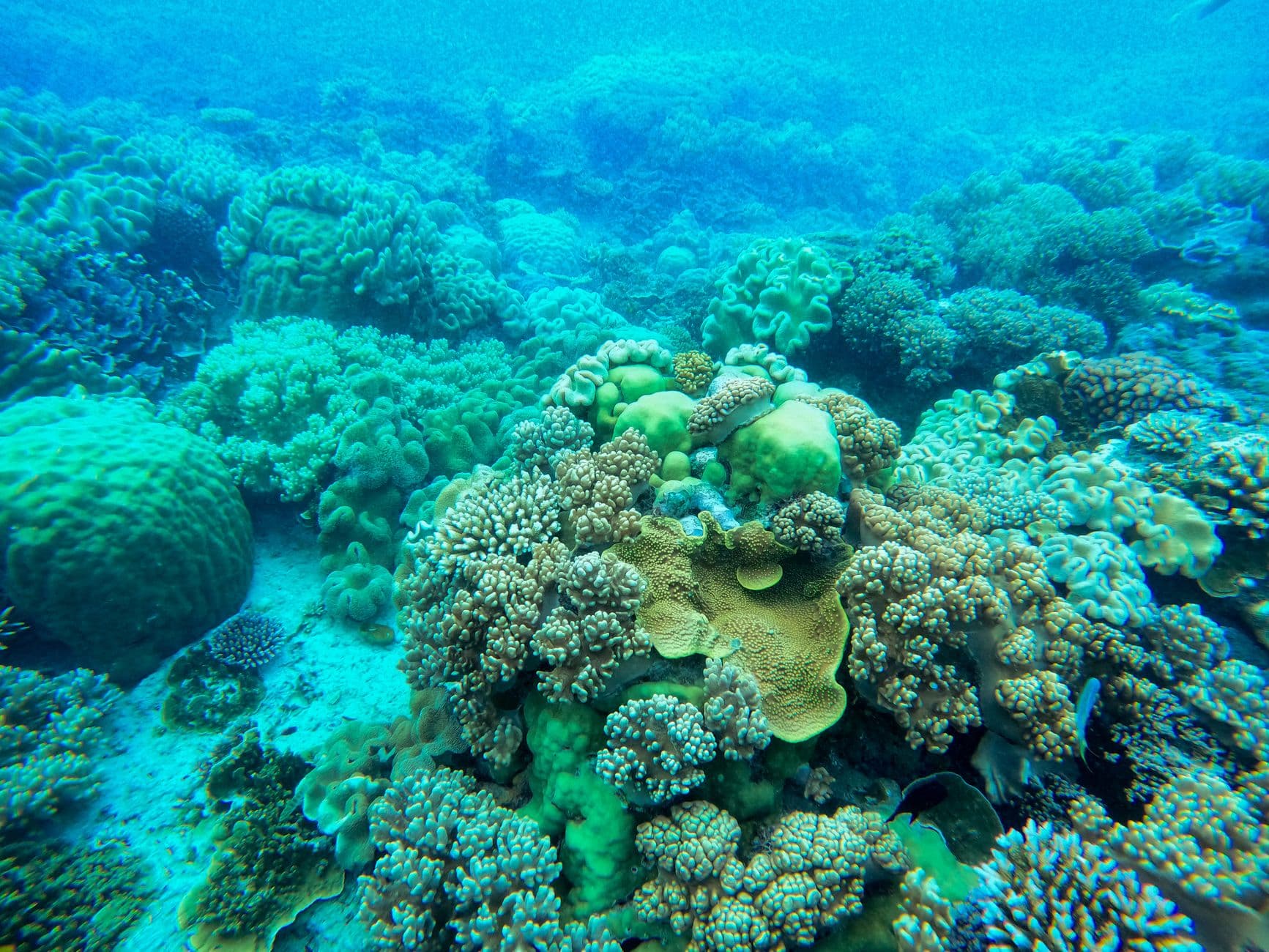
Cannibal Rock in south Komodo is one of the most remarkable macro dive sites on the planet. The cold upwelling from the Indian Ocean during the dry season blankets every inch of this pinnacle in invertebrates — soft corals, sea fans, anemones, crinoids, tunicates, and sponges compete for space so densely that the rock itself is barely visible.
Photographers regularly spend entire dives on a single square meter. The species list on one descent can include 15+ nudibranch species, frogfish in multiple color morphs, leaf fish, ghost pipefish, and ornamental crabs. The vibrant soft corals in purple, orange, yellow, and red create a color palette that looks artificial in photographs.
Access: South Komodo — accessed via liveaboard (south route) or a full-day boat trip from Labuan Bajo (2+ hours each way). Best October through April when south conditions are calmest. Intermediate skill level; current is moderate and manageable.
Target species: Nudibranchs (15+ species per dive), frogfish, ghost pipefish, leaf fish, ornate crabs, shrimp, vibrant soft corals, sea fans, anemones.
Why it's ranked #7: For macro photographers, Cannibal Rock alone is worth a trip to Komodo. The density and diversity of invertebrates here rivals the best muck sites in Indonesia, and the visibility (10-15 m in south dry season) is actually ideal for macro photography — you work close to the subject anyway.
Practical tips: South Komodo requires a 5mm wetsuit in dry season (21-24°C). Bring a macro lens and a focus light. The best photography is at 10-20 meters, where the soft coral coverage is densest. Do not touch anything — the invertebrates are fragile and damage easily.
8. Crystal Rock
Type: Twin pinnacles | Depth: 5-35 m | Skill: Advanced | Current: Strong | Best season: April–October
Crystal Rock sits near Castle Rock in north Komodo and offers a similar experience — clear water, strong currents, and reliable pelagic encounters. The site features two pinnacles with crystal-clear water between them, giving it the name. The water clarity is consistently excellent (25-40 m in dry season).
Whitetip and blacktip sharks are resident. Tuna and rainbow runners patrol the perimeter. Eagle rays are common on the deeper slopes. The twin-pinnacle structure creates channels that concentrate current and fish life — on a strong tide, schools of fusiliers and snappers pack the gaps between the formations.
Access: 1-1.5 hours from Labuan Bajo. Negative entry, strong current, AOW minimum. Often combined with Castle Rock as a two-dive morning.
Target species: Whitetip and blacktip sharks, tuna, eagle rays, Napoleon wrasse, schools of fusiliers and snappers.
Practical tips: The site has two pinnacles — most guides start on the up-current pinnacle and let the current carry you to the second. Carry two SMBs in case you miss the boat pickup on the first pinnacle.
9. Pink Beach (Pantai Merah)
Type: Shore dive / snorkeling | Depth: 1-15 m | Skill: Beginner | Current: Calm | Best season: Year-round
Pink Beach is exactly what it sounds like — a beach with pink sand, caused by fragments of red coral (Foraminifera) mixed with the white sand. The shore dive here is gentle, shallow, and excellent for beginners, snorkelers, or as a relaxing third dive after two demanding north Komodo dives.
The reef is a healthy coral garden with good fish life. Nudibranchs and macro critters are common. Turtles pass through. The pink sand itself is the main attraction — the color is most vivid in shallow water after rain has washed the sand clean.
Access: 45-60 minutes from Labuan Bajo. Shore dive — you walk in from the beach. No current, max depth 15 meters. Open Water or even snorkelers can enjoy this site.
Target species: Coral gardens, reef fish, nudibranchs, turtles.
Why it's ranked #9: Pink Beach is not an elite dive site, but it fills an important role. It's the perfect surface-interval spot, the ideal introduction for beginner divers, and one of the few shore dives in the park. The pink sand is unique to Komodo.
Practical tips: The sand truly is pink, but it photographs more vividly underwater with a polarizing filter. Best light is between 10 AM and 2 PM. Bring snorkel gear if you want to spend an hour on the surface after the dive.
10. Manta Alley
Type: Manta aggregation / drift | Depth: 5-22 m | Skill: Intermediate | Current: Strong | Best season: December–March (peak)
Manta Alley on the southern tip of Komodo Island is the alternative to Manta Point — less crowded, more remote, and arguably more dramatic. The site is a drift dive along a rocky point where upwelling currents concentrate plankton, drawing large numbers of oceanic and reef manta rays. During peak season (December-March), 20-50 mantas per dive is normal.
The difference between Manta Alley and Manta Point is the setting. Manta Alley is wilder — stronger currents, bigger swell, more exposed. The mantas here are also more active; they feed in the current rather than hovering over cleaning stations, creating dynamic encounters as they barrel-roll through the plankton.
Access: South Komodo — liveaboard only or full-day expedition from Labuan Bajo. Intermediate skill level; strong current and exposed conditions require AOW certification. Best December through March when plankton blooms are thickest.
Target species: Oceanic manta rays, reef manta rays, mobula rays, eagle rays, sharks.
Why it's ranked #10: Manta Alley rounds out the list as a worthy alternative to Manta Point. For divers on a south Komodo liveaboard itinerary, it's often the highlight of the trip — bigger mantas, fewer boats, and a wilder, more authentic experience.
Practical tips: South Komodo conditions are demanding — if Manta Point is accessible and productive during your trip, start there. Manta Alley combines well with Cannibal Rock and Pillarsteen on a south-route itinerary.
Summary Table: Komodo Top Sites
| Rank | Site | Type | Max Depth | Difficulty | Best Season | Key Species |
|---|---|---|---|---|---|---|
| 1 | Batu Bolong | Pinnacle | 40 m | Advanced | Apr–Oct | Turtles, sharks, trevally, massive fish schools |
| 2 | Manta Point | Cleaning station | 18 m | Beginner | Dec–Mar | 30-50 manta rays per dive |
| 3 | Castle Rock | Seamount | 40 m | Advanced | Apr–Oct | Grey reef sharks, barracuda, eagle rays |
| 4 | Siaba Besar | Coral garden | 18 m | Beginner | Year-round | Guaranteed green sea turtles |
| 5 | The Cauldron | Channel drift | 25 m | Expert | Apr–Oct | Extreme drift, mantas, reef sharks |
| 6 | Tatawa sites | Drift reef | 30 m | Int–Adv | Apr–Oct | Blacktip sharks, anthias clouds, mantas |
| 7 | Cannibal Rock | Macro pinnacle | 30 m | Intermediate | Oct–Apr | Nudibranchs, frogfish, soft coral gardens |
| 8 | Crystal Rock | Twin pinnacles | 35 m | Advanced | Apr–Oct | Sharks, tuna, eagle rays, clear water |
| 9 | Pink Beach | Shore dive | 15 m | Beginner | Year-round | Coral garden, pink sand, macro life |
| 10 | Manta Alley | Manta drift | 22 m | Intermediate | Dec–Mar | Oceanic mantas, mobula rays, sharks |
Plan Your Komodo Dive Trip
Komodo demands that you plan around the season and your skill level. Here's the quick guide:
- Open Water (12+ dives): Manta Point, Siaba Besar, Pink Beach, Sebayur Kecil, Wainilu. Avoid sites with negative entries and strong currents.
- Advanced Open Water (25-50 dives): Add Batu Bolong, Tatawa Besar, Crystal Rock, Golden Passage. You need drift experience — take a guided drift dive course if it's your first time.
- Rescue / Expert (100+ dives): Castle Rock, The Cauldron, Manta Alley, GPS Point. These require negative entries, extreme currents, and deep multi-level profiles.
Bottom line: If you can only do one dive in Komodo, make it Batu Bolong. If you can do three, add Manta Point and Siaba Besar. If you have a liveaboard itinerary, push south to Cannibal Rock and Manta Alley. Every combination delivers diving you'll remember for a lifetime.