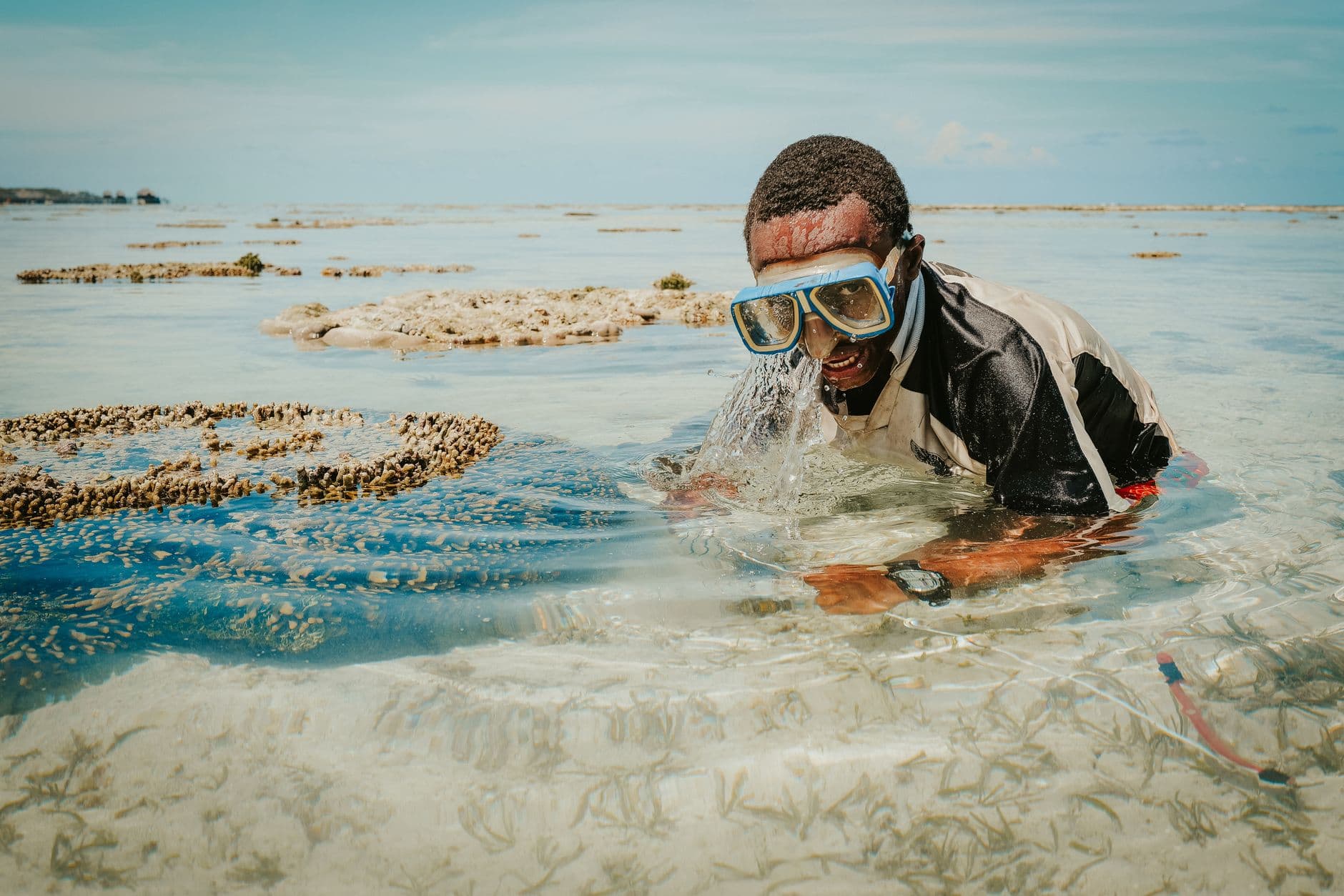
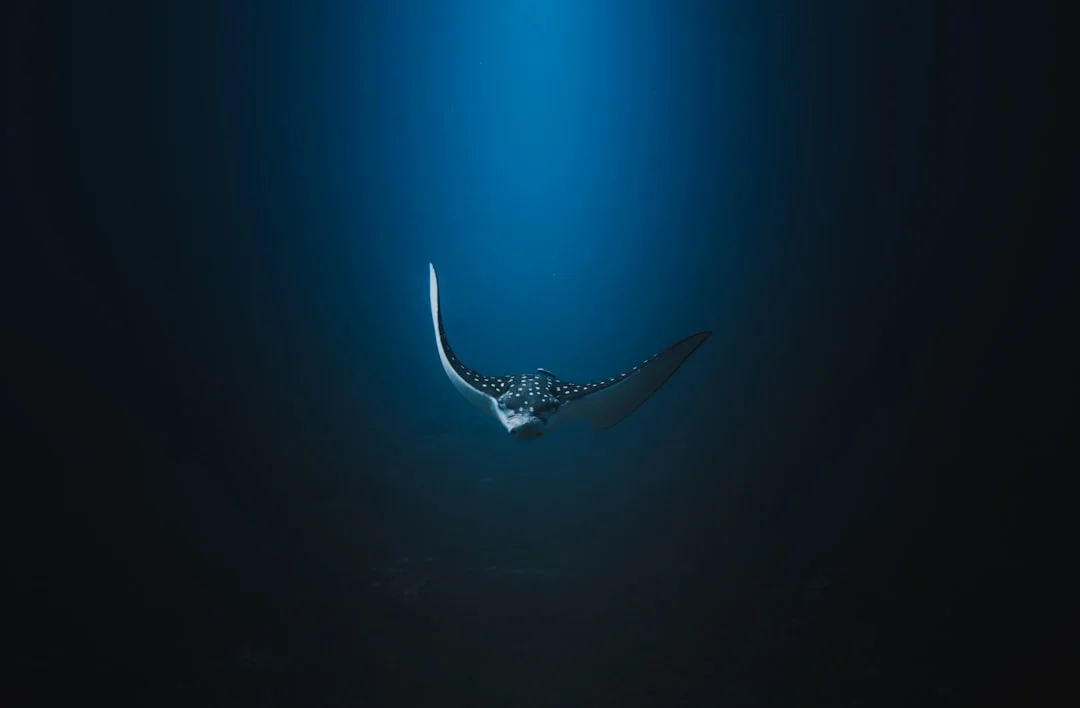
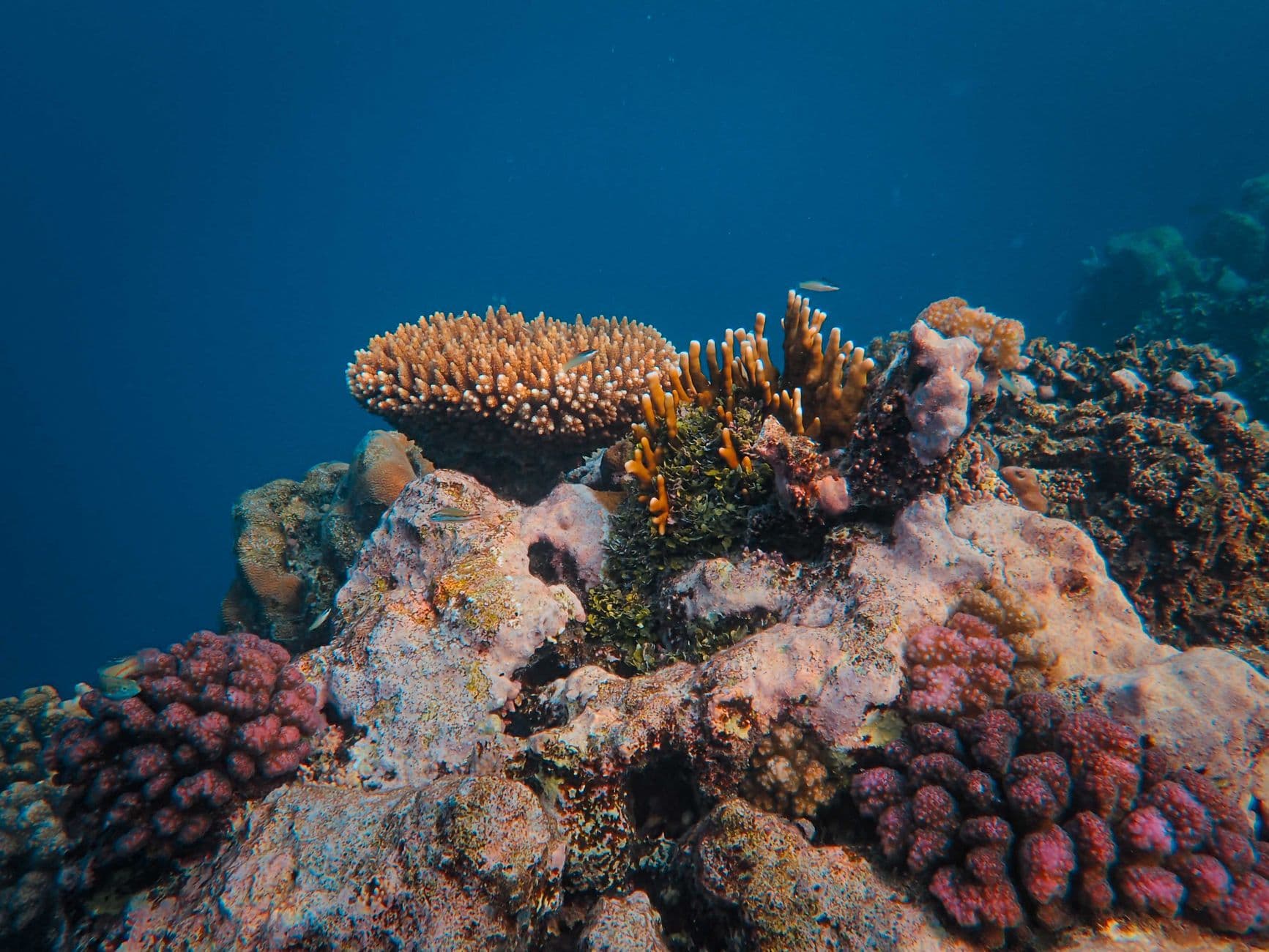
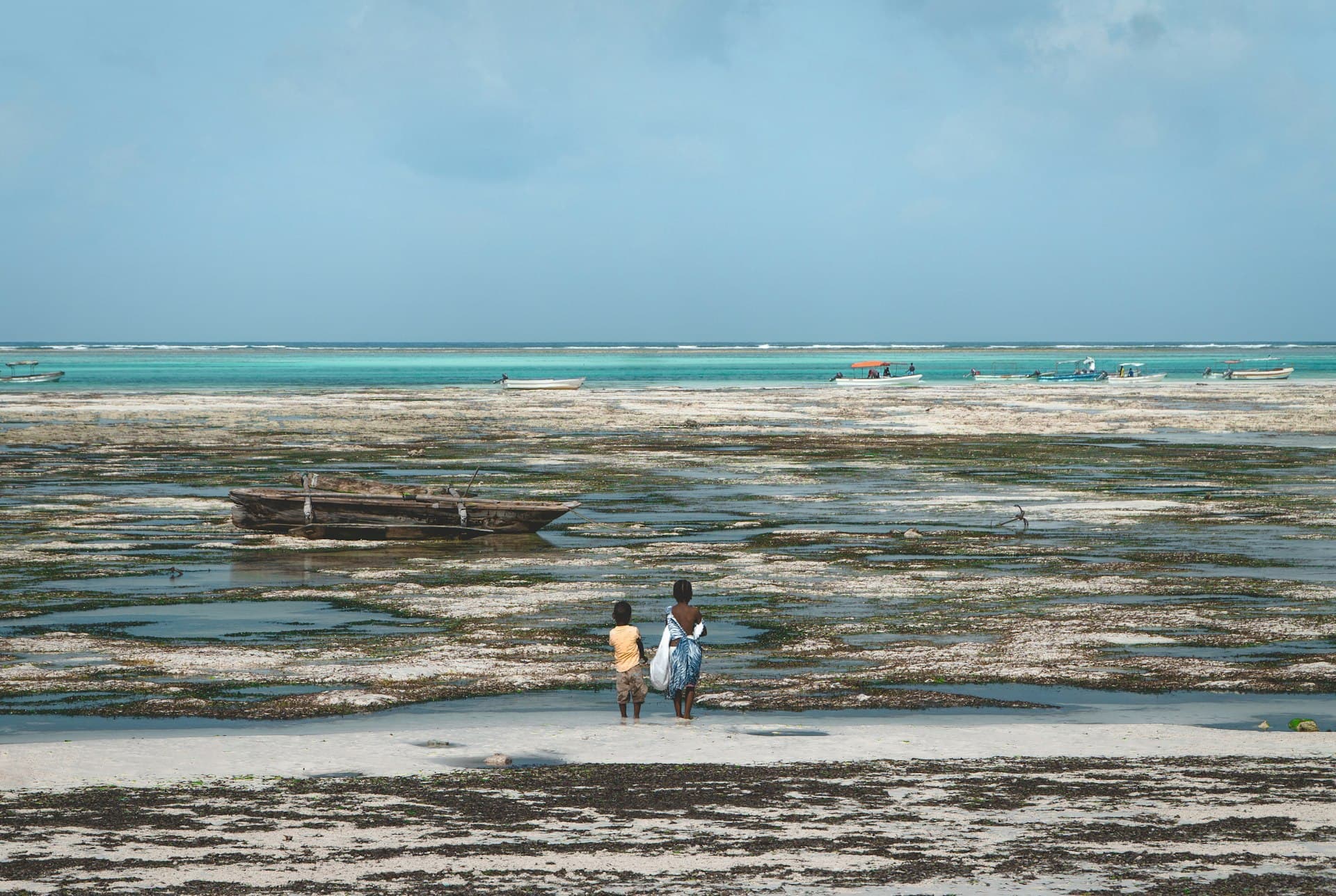
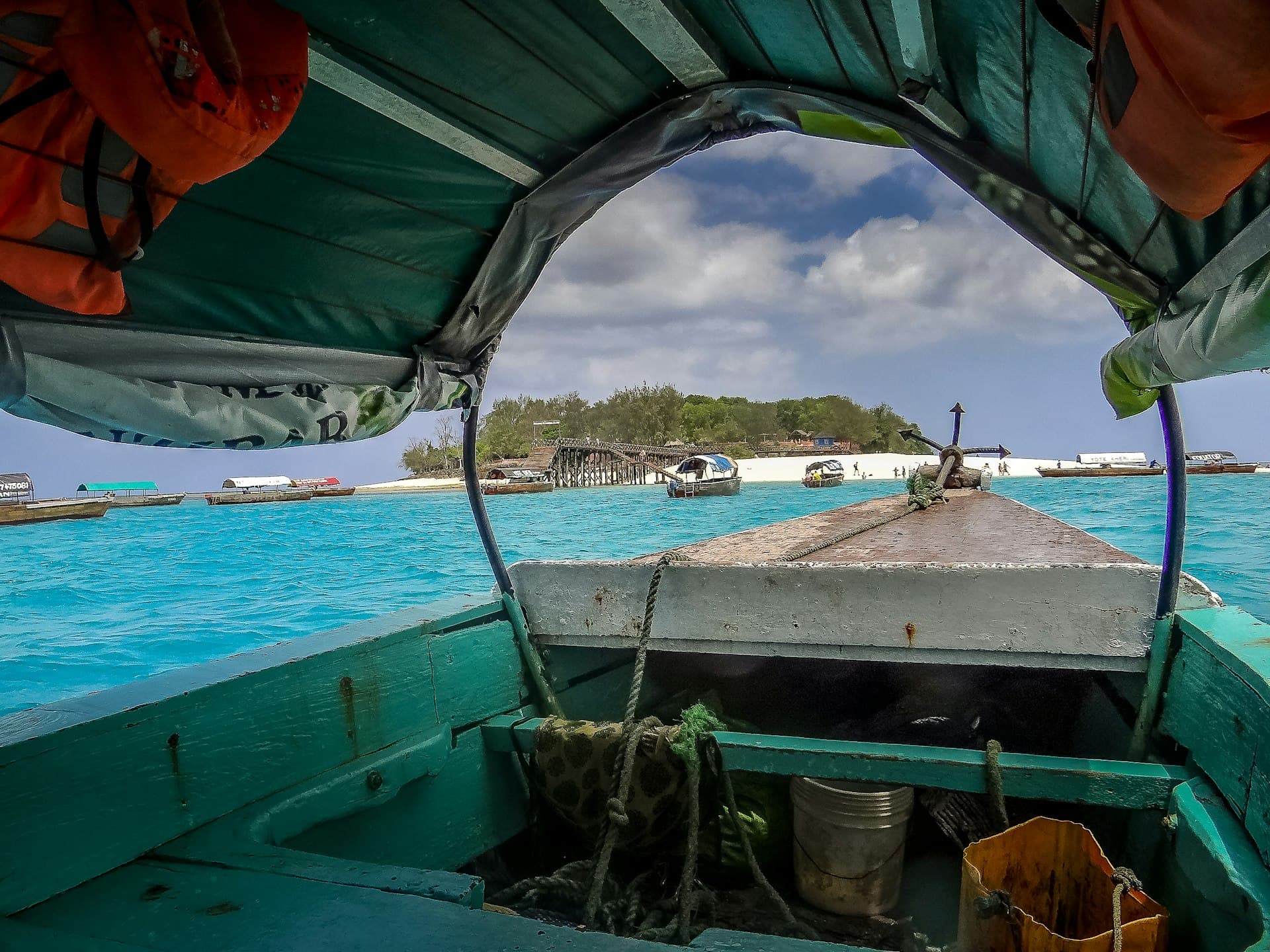
Descubre las Islas de las Especias: el mundo submarino de Zanzíbar — desde el legendario Atolón Mnemba hasta los canales llenos de tiburones de Pemba — ofrece el mejor buceo del Océano Índico en África. Zanzíbar combina la riqueza cultural de las callejuelas llenas de especias de Stone Town con arrecifes de coral prístinos. Deriva por las aguas cristalinas del Atolón Mnemba, encuentra tiburones ballena en Leven Bank, o atrévete con el legendario Fundu Gap de Pemba — hogar de tiburones grises de arrecife, rayas águila y mantarrayas. Agua cálida todo el año, visibilidad mundial de junio a octubre, y el buceo insular más accesible de África.
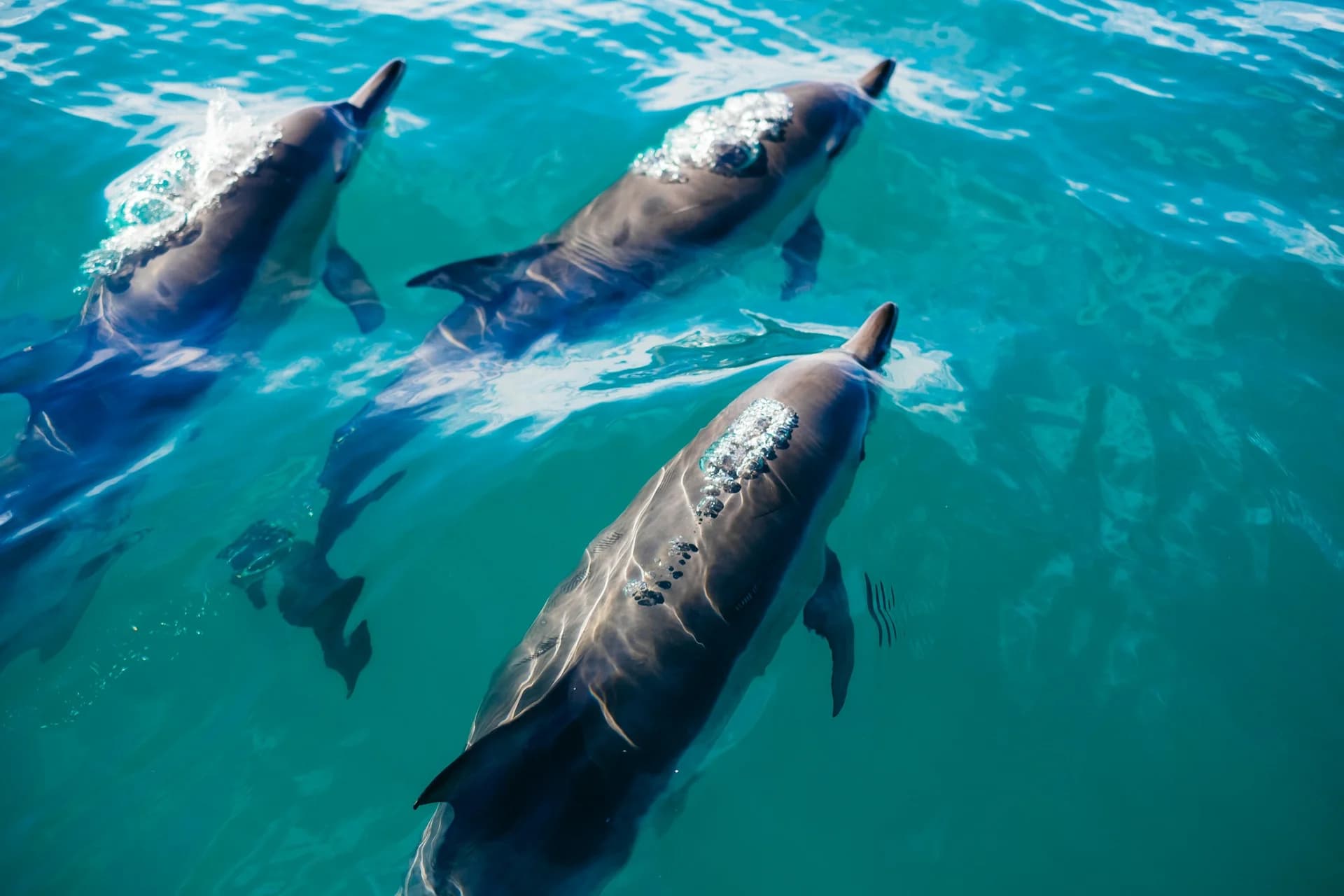
Zanzibar produces cloves, nutmeg, cinnamon, black pepper, and turmeric — earning it the moniker 'Spice Islands' along with Indonesia's Maluku. A spice tour is a must-do surface interval activity.The intricately carved wooden doors of Stone Town (UNESCO World Heritage) tell stories of the island's Omani, Indian, and African heritage. Doors with brass spikes were defensive against war elephants.Mnemba Atoll's private island resort (andBeyond) hosts only 12 guests at a time, giving them exclusive daytime access to some of Zanzibar's healthiest coral reefs. The surrounding marine reserve extends 3 km from the island.Zanzibar has NO hyperbaric chamber — the nearest is in Dar es Salaam (1 hr ferry + logistics) or Mombasa (flight). This makes conservative diving practices non-negotiable.Zanzibar banned non-biodegradable sunscreen in 2020 to protect its reefs. Only reef-safe mineral sunscreens are allowed — violators face fines. This was one of the earliest such bans in Africa.The Anglo-Zanzibar War of 1896 lasted just 38 minutes — the shortest recorded war in history. The cannonball from the British bombardment still marks the Sultan's Palace in Stone Town.Pemba's Fundu Gap and Njao Gap offer some of the most reliable grey reef shark encounters in the Indian Ocean, making Pemba the reef shark capital of East Africa.The Manta Resort on Pemba Island features an underwater bedroom — a floating structure with a submerged room 4 meters below the surface, where guests can sleep surrounded by reef fish, rays, and passing sharks.Kizimkazi on Unguja's south coast is the best place in Zanzibar for dolphin encounters — bottlenose and humpback dolphins are present year-round, making dolphin tours a major attraction.Zanzibar has a tropical monsoon climate with two distinct monsoons: Kaskazi (Northeast monsoon, December to March, hot and humid) and Kusi (Southeast monsoon, June to October, cooler and drier).
Lleva Zanzíbar bajo el agua
Acceso sin conexión, bitácora de buceo, identificación de peces con IA, mapas de sitios y planificación de viajes.
Descargar en App Store