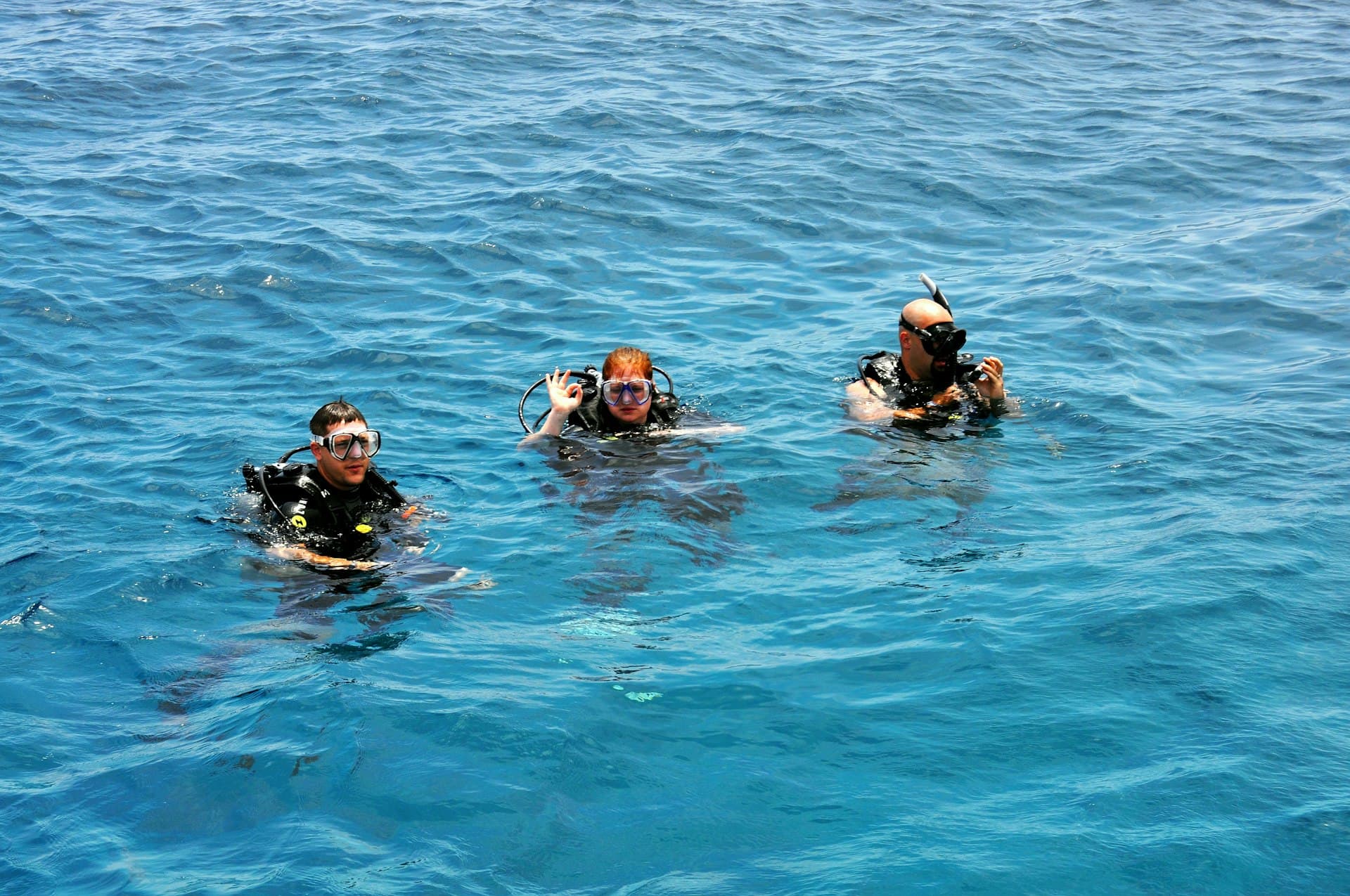
Cozumel tiene más de 100 tiendas de buceo. Eso es aproximadamente una por cada 900 habitantes. Camina por el malecón de San Miguel y media docena de tiendas te ofrecerán sus servicios antes de que llegues a la siguiente cuadra.
La mayoría están bien. Algunas son excelentes. Unas cuantas son francamente terribles. Así puedes distinguirlas.
Lo No Negociable
Antes que nada, verifica estos puntos básicos. Si una tienda falla en cualquiera de ellos, vete — sin importar lo baratos que sean sus precios.
1. Licencia
Toda tienda de buceo legítima en Cozumel debe tener una licencia de la CONANP (Comisión Nacional de Áreas Naturales Protegidas) para operar en el parque marino. Este número de licencia debe estar visible en la tienda y en su lancha. Si no lo ves, pregunta.
Operar sin licencia significa que bucean ilegalmente en el parque marino. También significa que no están sujetos a las regulaciones del parque — incluidos los requisitos de seguridad.
2. Instructores Certificados
Los instructores deben tener certificaciones vigentes de una agencia reconocida: PADI, SSI, NAUI, SDI/TDI, o BSAC. Pide ver su tarjeta de certificación si tienes dudas. Cualquier persona que imparta cursos debe tener certificación de nivel instructor (no solo Divemaster).
3. Estado del Equipo
Fíjate en el equipo. En concreto:
- Reguladores: ¿Cuándo fue su último servicio? Debería ser dentro de los últimos 12 meses o 100 inmersiones.
- Chalecos (BCD): Revisa los botones del inflador, las válvulas de purga y el estado general. Nada de parches ni reparaciones dudosas.
- Tanques: Busca la calcomanía de inspección visual vigente y la fecha de la prueba hidrostática.
- Kit de O2: Toda lancha debería tener uno. Pide verlo.
No necesitas ser experto en equipo — puedes darte cuenta de mucho por su apariencia general. Si el equipo se ve viejo, parchado o descuidado, la cultura de mantenimiento probablemente sea igual.
4. Equipo de Seguridad en la Lancha
Como mínimo:
- Kit de oxígeno (no negociable)
- Botiquín de primeros auxilios
- Radio VHF
- Boyas de señalización de superficie (SMB) disponibles para los buzos
- Dispositivo de llamada (bocina, golpeador de tanque)
- Información de contacto de emergencia de DAN o equivalente a la vista
5. Seguro
La tienda debe contar con seguro de responsabilidad civil y ser miembro de una red de atención de accidentes de buceo (normalmente DAN). Pregunta si sus instructores tienen seguro individual.
Lo Que Separa lo Bueno de lo Excelente
Una vez cubierto lo básico, esto es lo que distingue a una tienda excelente:
Grupos Pequeños
El número mágico es 4-6 buzos por guía. Eso significa atención más personalizada, más vida marina avistada y un buceo más seguro. El estándar de la industria permite hasta 8, y algunas tiendas económicas llegan a 10-12.
Pregunta directamente: "¿Cuántos buzos hay por grupo?" Si evaden la pregunta, ahí tienes tu respuesta.
Nitrox Disponible
Las tiendas que ofrecen Nitrox (aire enriquecido) suelen tener un enfoque más profesional. Aunque tú no bucees con Nitrox, que esté disponible indica que la tienda atiende a buzos serios e invierte en su operación.
Flexibilidad en los Sitios de Buceo
Las buenas tiendas aceptan peticiones. ¿Quieres bucear Palancar Caves? ¿Quieres ver al pez sapo espléndido? Una buena tienda trabajará contigo para armar un itinerario acorde a tus intereses y a tu nivel de experiencia.
Las tiendas económicas manejan itinerarios fijos a los mismos 3-4 sitios en rotación. Esos sitios no tienen nada de malo, pero estás pagando por una experiencia genérica.
Calidad del Briefing
Un buen briefing antes de la inmersión debe cubrir:
- Descripción del sitio de buceo y qué esperar
- Profundidad máxima y tiempo de fondo planeado
- Condiciones y dirección de la corriente
- Procedimientos de entrada y salida
- Repaso de señales con las manos
- Procedimientos de emergencia
- Vida marina destacada que conviene buscar
Si el briefing es "síganme, no toquen nada, volvemos en 45 minutos" — eso es guiar con flojera.
Calidad de la Lancha
Las lanchas de buceo en Cozumel van desde embarcaciones construidas especialmente para buceo, con estaciones para cámaras, sombra y enjuague de agua dulce, hasta pangas de pesca adaptadas con una escalera oxidada. Ambas pueden funcionar, pero la comodidad importa cuando pasas 4-5 horas en el agua.
Busca:
- Escalera resistente para volver a subir
- Toldo para dar sombra
- Enjuague de agua dulce (para cámaras y caras)
- Almacenamiento seco para bolsas y teléfonos
- Un baño limpio y en condiciones decentes
Señales de Alerta 🚩
"¡Te certificamos en un día!"
La certificación Open Water toma como mínimo 3-4 días. Si una tienda promete hacerlo en uno o dos días, o está recortando el entrenamiento o planea darte una tarjeta sin que completes las habilidades requeridas. Ambas cosas son peligrosas.
Promotores agresivos en la calle
Las tiendas legítimas no necesitan atrapar turistas en la calle. Si alguien te ofrece servicios de forma agresiva desde la banqueta, con "precios especiales" que suenan demasiado buenos, procede con extrema precaución. Suelen ser comisionistas que cobran por cada cliente que llevan — no les importa en qué tienda termines.
Precios muy por debajo del mercado
Si una inmersión de 2 tanques cuesta en promedio $110-130 y una tienda ofrece $60, algo no cuadra. O están recortando en seguridad/equipo, o meten demasiados buzos por lancha, o usan el precio bajo para venderte todo lo demás.
Sin brazalete del parque marino
Cuando vas a bucear, deberías recibir un brazalete de la CONANP como comprobante de que se pagó la cuota del parque marino. Si una tienda no te lo da, es posible que opere sin licencia — lo que significa que tu inmersión es técnicamente ilegal y que tu seguro podría no cubrir ningún incidente.
Presión para comprar cursos o mejoras
Una buena tienda sugiere cursos cuando corresponde ("¿Has pensado en el Advanced Open Water? Te abriría la puerta a sitios increíbles."). Una mala tienda te presiona para que compres cosas innecesarias e inflar la cuenta.
No firman la bitácora
Después de tu inmersión, tu divemaster debería estar dispuesto a firmar tu bitácora con el nombre del sitio, las condiciones y su firma. Si no quiere hacerlo, o parece no conocer el proceso, es preocupante.
Guía de Precios (2026)
Para que sepas qué es normal:
| Servicio | Precio Típico | Sospechosamente Barato | Premium |
|---|---|---|---|
| Inmersión de 2 tanques en lancha | $110-130 | Menos de $70 | $150-180 |
| Discover Scuba | $110-140 | Menos de $80 | $160+ |
| Curso Open Water | $400-480 | Menos de $300 | $550+ |
| Advanced Open Water | $320-380 | Menos de $250 | $420+ |
| Inmersión nocturna | $65-85 | Menos de $45 | $100+ |
| Carga de Nitrox | $8-12 | — | $15+ |
| Renta de equipo completo/día | $25-35 | Menos de $15 | $45+ |
Los precios premium muchas veces valen la pena cuando te dan grupos más pequeños, mejores lanchas, guías con más experiencia e itinerarios flexibles.
Cómo Investigar Antes de Ir
-
Lee reseñas — pero léelas con sentido crítico. Busca detalles específicos, no elogios genéricos. "El divemaster sabía exactamente dónde encontrar al pez sapo y ajustó el plan de buceo para nuestro grupo" te dice más que "¡Buceo increíble! 5 estrellas".
-
Revisa certificaciones y afiliaciones — PADI 5-Star, SSI Diamond o certificaciones equivalentes exigen que las tiendas cumplan estándares específicos. No son garantía de calidad, pero sí una base.
-
Escríbeles por correo — haz preguntas específicas sobre el tamaño de los grupos, las marcas de equipo y su calendario de mantenimiento, y la flexibilidad del itinerario. Su forma de responder dice mucho. ¿Respuesta rápida, detallada y profesional? Buena señal. ¿Lenta, vaga o insistente? Señal de alerta.
-
Mira sus redes sociales — un Instagram/Facebook activo con fotos de buceo recientes e interacción con clientes sugiere una tienda comprometida y orgullosa de lo que hace.
-
Explora DivePass — verificamos las tiendas de buceo en la plataforma, mostramos reseñas reales de buzos y te permitimos comparar opciones lado a lado. Sin promotores, sin presión, solo información.
El Mejor Consejo
Habla con otros buzos. En el lobby del hotel, en el restaurante, en el bar. "¿Dónde buceaste hoy? ¿Qué tal estuvo?" Las recomendaciones de buzo a buzo son más confiables que cualquier sitio web, incluido el nuestro.
Y si encuentras una gran tienda, regresa. Construye una relación. El divemaster que te conoce del año pasado te llevará a sus sitios secretos, te señalará criaturas que se saltaría con un grupo cualquiera y hará que tus inmersiones sean realmente mejores.
Encuentra tu tienda de buceo en DivePass — explora tiendas de buceo verificadas en Cozumel con reseñas reales, precios transparentes y reservas al instante. Tu día de buceo perfecto está a dos toques de distancia.
¿Tienes una recomendación de tienda de buceo (o una historia de terror) en Cozumel? Queremos escucharla. Escríbenos a hello@divepass.app.