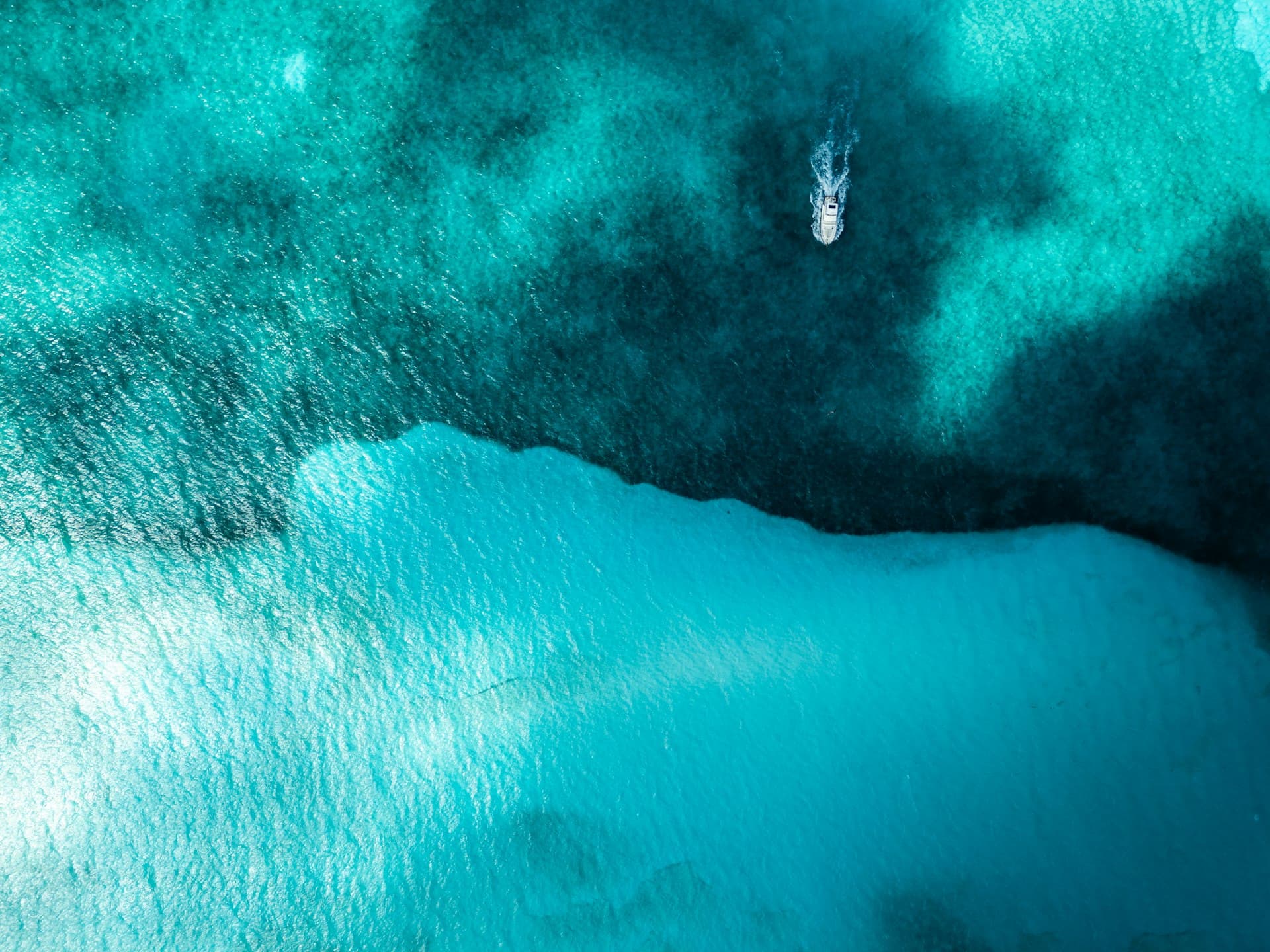
Cozumel no es solo uno de los mejores destinos de buceo de México — es uno de los mejores del mundo. Esta pequeña isla del Caribe, frente a la península de Yucatán, recibe a más de 500,000 buzos cada año, y con razón: agua cristalina, espectaculares inmersiones a la deriva, vibrantes paredes de coral y vida marina que no encontrarás en ningún otro lugar.
Ya sea que estés planeando tu primer viaje de buceo o el número cincuenta, esta guía cubre todo lo que necesitas saber.
¿Por Qué Cozumel?
Jacques Cousteau puso a Cozumel en el mapa del buceo en 1961, cuando lo declaró uno de los cinco mejores destinos de buceo del mundo. Más de seis décadas después, la isla no ha hecho más que mejorar — gracias a las protecciones del parque marino, que han mantenido sus arrecifes en plena salud mientras otros destinos han decaído.
Esto es lo que hace especial a Cozumel:
- Visibilidad: 25-40 metros (80-130 pies) en un día típico. Algunas de las aguas más claras del Caribe.
- Buceo a la deriva: La corriente de Cozumel te lleva sin esfuerzo a lo largo de imponentes paredes de coral. Casi no necesitas aletear.
- Vida marina: Rayas águila, tiburones gata, tortugas marinas, el pez sapo espléndido (que no existe en ningún otro lugar del planeta), morenas y cientos de especies de peces tropicales.
- Accesibilidad: Vuelos directos desde muchas ciudades de EE. UU. La isla es compacta y fácil de recorrer.
- Precio: Buceo de clase mundial por una fracción de lo que pagarías en las Maldivas o en Galápagos.
Los Mejores Sitios de Buceo
El sistema arrecifal de Cozumel se extiende a lo largo de la costa suroeste de la isla y está protegido como Parque Nacional Arrecifes de Cozumel. Estos son los sitios imprescindibles:
Para Principiantes
Palancar Gardens Profundidad: 10-20m | Corriente: Suave Un impresionante arrecife somero con imponentes formaciones de coral, pasadizos y abundante vida marina. Es la inmersión "de postal" de Cozumel. Verás peces ángel, peces loro y, a menudo, tortugas marinas descansando en los parches de arena.
Colombia Shallows Profundidad: 8-15m | Corriente: Suave a moderada Enormes cabezas de coral con salientes espectaculares. Ideal para fotografía. Busca langostas, morenas y, de vez en cuando, algún tiburón gata escondido bajo una cornisa.
Paradise Reef Profundidad: 10-15m | Corriente: Mínima El sitio de referencia para inmersiones nocturnas y experiencias Discover Scuba. Tres franjas de arrecife paralelas con condiciones fáciles. Perfecto para buzos nuevos que están ganando confianza.
Intermedio
Santa Rosa Wall Profundidad: 15-30m | Corriente: Moderada Una de las inmersiones de pared más famosas del Caribe. La pared cae de forma espectacular, con enormes esponjas de barril, salientes y túneles. Es frecuente ver rayas águila recorriendo la pared.
Palancar Caves Profundidad: 15-25m | Corriente: Moderada Un laberinto de pasadizos, arcos y cavernas tallados en el arrecife. Los rayos de sol se cuelan por las aberturas de arriba y crean una atmósfera de otro mundo. No son cuevas de verdad — son pasajes en aguas abiertas con salidas visibles en todo momento.
Punta Sur Profundidad: 15-30m | Corriente: Moderada a fuerte El sitio de buceo más al sur, conocido por su topografía espectacular y por vida marina de mayor tamaño. Aquí la corriente puede ser fuerte, lo que la convierte en una emocionante inmersión a la deriva. Busca tiburones toro en las secciones más profundas (por temporada, de diciembre a marzo).
Avanzado
Paso del Cedral Wall Profundidad: 20-35m | Corriente: Fuerte Una deriva veloz a lo largo de una pared vertical cubierta de abanicos de mar y esponjas. Aquí la corriente sí que se mueve — y eso es lo divertido. Ideal para buzos con experiencia en deriva.
Maracaibo Profundidad: 25-40m | Corriente: Fuerte El sur profundo. Este sitio está reservado para buzos experimentados que se sienten cómodos con la profundidad y la corriente. Formaciones de coral masivas, encuentros con pelágicos y la sensación de estar al borde del azul profundo.
Devil's Throat (La Garganta del Diablo) Profundidad: 25-40m | Corriente: Variable Una espectacular chimenea vertical por la que desciendes para salir por una amplia abertura en la cara de la pared. No es para los débiles de corazón — ni para los inexpertos. La mayoría de las tiendas exigen Advanced Open Water + 50 inmersiones registradas como mínimo.
Cuándo Bucear: Guía por Temporada
En Cozumel se puede bucear todo el año, pero las condiciones varían:
| Mes | Temp. del Agua | Visibilidad | Corriente | Notas |
|---|---|---|---|---|
| Ene-Mar | 25-26°C (77-79°F) | 30-40m | Moderada | "Temporada seca." La mejor visibilidad. Temporada de tiburón toro. Frentes fríos ocasionales. |
| Abr-Jun | 27-28°C (81-82°F) | 25-35m | Ligera a moderada | Condiciones excelentes. El agua se va calentando. Menos gente que en invierno. |
| Jul-Sep | 28-30°C (82-86°F) | 20-30m | Ligera | El agua más cálida. Temporada de huracanes (los impactos directos son raros). Algo de lluvia. Temporada de tiburón ballena cerca. |
| Oct-Dic | 27-28°C (81-82°F) | 25-35m | Moderada | Empiezan los nortes (frentes fríos). Pueden cancelar las inmersiones en lancha 1-3 días seguidos. Comienza la temporada de rayas águila. |
La mejor época en general: de enero a junio. Pero, sinceramente, cualquier mes es bueno.
Consejo pro: Si un norte (frente frío) cancela las inmersiones en lancha, pregúntale a tu tienda por buceo desde la costa — hay sitios excelentes con acceso desde la playa.
Cuánto Cuesta
Bucear en Cozumel es accesible para los estándares internacionales:
| Servicio | Rango de Precios (USD) |
|---|---|
| Inmersión de 2 tanques en lancha (fun dive) | $90-140 |
| Discover Scuba (inmersión de introducción) | $100-150 |
| Certificación Open Water | $350-500 |
| Advanced Open Water | $300-400 |
| Inmersión nocturna | $60-90 |
| Renta de equipo completo | $25-40/día |
| Cuota del parque marino | $2.50/día (normalmente incluida) |
Consejos para ahorrar:
- Reserva paquetes de varios días (3-5 días) para obtener descuentos del 10-20%
- Lleva tu propia máscara, computadora y traje de neopreno para ahorrar en renta
- Bucea entre semana — algunas tiendas ofrecen tarifas más bajas de martes a jueves
- Reserva con DivePass para obtener ofertas exclusivas 😉
Cómo Elegir una Tienda de Buceo
Hay alrededor de 100 tiendas de buceo en Cozumel, desde operaciones de una sola lancha hasta grandes centros afiliados a resorts. Esto es lo que debes buscar:
No negociable:
- Licencia de la CONANP (autoridad del parque marino)
- Instructores certificados (PADI, SSI o equivalente)
- Equipo en buen estado (pregunta cuándo se les dio servicio a los reguladores por última vez)
- Kit de oxígeno en cada lancha
- Cobertura de seguro
Deseable:
- Grupos pequeños (máximo 6-8 buzos por guía)
- Nitrox disponible
- Estaciones de enjuague y almacenamiento para cámaras
- Horarios flexibles
- Personal bilingüe (la mayoría de las tiendas en Cozumel tienen guías que hablan inglés)
Señales de alerta:
- Lanchas sobrecargadas (12+ buzos por guía)
- Presión para comprar cursos que no necesitas
- Equipo que se ve viejo o dañado
- Sin briefing antes de la inmersión
- Sin brazalete del parque marino (significa que operan de forma ilegal)
Cómo Llegar
En avión: El Aeropuerto Internacional de Cozumel (CZM) tiene vuelos directos desde Dallas (AA), Houston (United), Miami (AA) y Charlotte (AA). Muchas otras ciudades de EE. UU. conectan a través de estos hubs o de Cancún.
En ferry: Si vuelas a Cancún (CUN), toma un shuttle o autobús a Playa del Carmen (~1 hora) y luego el ferry de Ultramar o Winjet a Cozumel (45 minutos, ~$15 por trayecto). Los ferris salen cada 1-2 horas.
Para moverte: Renta un auto o una moto, o usa taxis. La mayoría de las tiendas de buceo ofrecen transporte desde tu hotel.
Qué Empacar
Esencial:
- Tarjeta de certificación (o la versión digital en tu teléfono/DivePass)
- Computadora de buceo (o renta una — ~$15/día)
- Protector solar amigable con los arrecifes (no negociable en el parque marino)
- Licra o traje de neopreno de 3mm (el agua es cálida, pero te dará frío después de varias inmersiones)
- Cámara submarina (incluso una GoPro cambia la experiencia)
- Bitácora (o simplemente usa DivePass 📱)
Omite:
- Traje de neopreno grueso (3mm como máximo, a menos que seas muy friolento)
- Equipo completo (el equipo de renta en Cozumel suele ser de buena calidad)
- Linterna de buceo sofisticada (a menos que vayas a hacer inmersiones nocturnas o profundas)
Consejos Locales
- Dale propina a tu divemaster. Lo habitual son $5-10 por tanque. Más si hizo un trabajo excepcional.
- Pide sitios específicos. Si quieres bucear Palancar Caves, pídelo. Muchas tiendas rotan los sitios, pero atenderán tus peticiones si avisas con anticipación.
- Bucea primero el lado sur. Haz Punta Sur y Colombia al principio de tu viaje — son los que más dependen del clima y pueden cancelarse si llegan los nortes.
- Come en lugares locales. Evita la zona turística. Prueba La Cocay, Buccanos o cualquier taquería de la Avenida 65 para disfrutar auténtica comida cozumeleña.
- No toques nada. En serio. Los arrecifes de Cozumel están sanos gracias a las estrictas reglas del parque marino. Nada de guantes, nada de tocar, nada de pararse sobre el coral. Las infracciones pueden costarte una multa (a ti y a tu tienda).
- Reserva una inmersión para ver al pez sapo espléndido. Este extraño y colorido pez es endémico de Cozumel — no existe en ningún otro lugar del planeta. Pídele a tu guía que te señale uno.
- Revisa las condiciones antes de reservar. DivePass muestra en tiempo real las condiciones del agua, la visibilidad y el clima de Cozumel. Planifica en consecuencia.
¿Listo para Bucear?
Cozumel te espera. Ya seas principiante con ganas de descubrir el buceo o un buzo experimentado en busca de rayas águila en la pared, esta isla cumple cada vez.
Planifica tu viaje en DivePass — explora sitios de buceo, compara tiendas, reserva tus inmersiones y registra cada momento bajo el agua. Tu aventura en Cozumel empieza aquí.
¿Tienes preguntas sobre el buceo en Cozumel? Escríbenos a hello@divepass.app — también somos buzos y nos encanta hablar de esto.