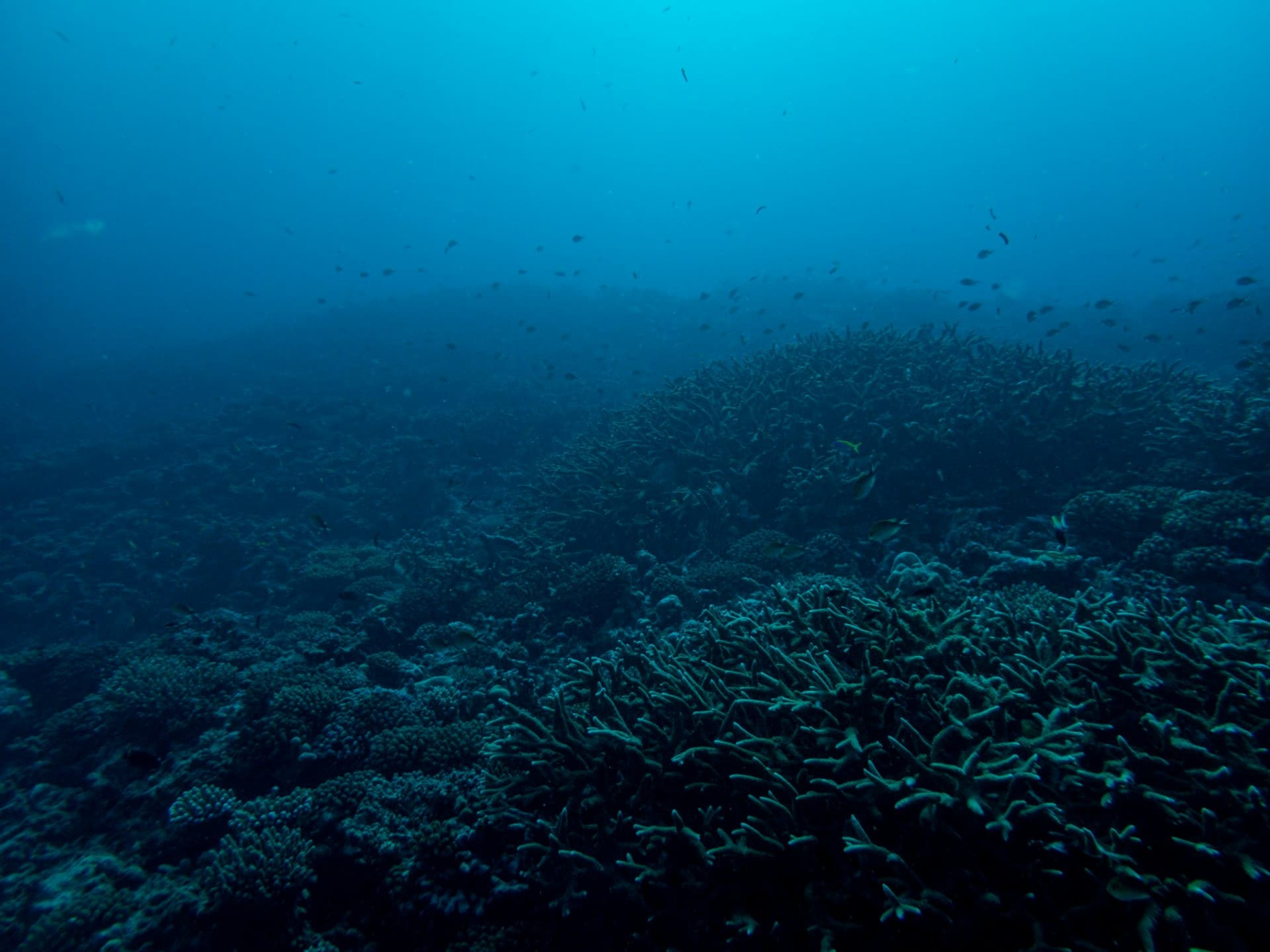
Pregúntales a diez divemasters de Cozumel cuál es su sitio favorito y obtendrás diez respuestas distintas. Pero surgen patrones. Después de hablar con guías que en conjunto han registrado decenas de miles de inmersiones en estos arrecifes, estos son los sitios que se mencionan una y otra vez.
Esta no es una lista genérica de un sitio de viajes copiada de Wikipedia. Esto es lo que realmente recomiendan las personas que bucean Cozumel todos los días.
1. Palancar Caves
Por qué es el #1: Ningún otro sitio de buceo del Caribe se ve así. Punto.
Un laberinto de imponentes arcos de coral, pasadizos y pasajes que parecen catedrales, donde los rayos de sol se cuelan desde arriba. Se siente como bucear a través de un templo antiguo que la naturaleza construyó durante milenios.
- Profundidad: 15-25m (50-80ft)
- Corriente: Deriva moderada
- Nivel: Intermedio
- Imperdible: La "catedral" — una cámara enorme donde la luz se filtra por varias aberturas. Llega por la mañana, cuando el ángulo del sol es perfecto.
- Vida marina: Tortugas verdes descansando en parches de arena, parejas de peces ángel franceses, cardúmenes de rabirrubias y tambores moteados escondidos bajo las cornisas.
Consejo pro: Pídele a tu guía que te coloque mirando hacia arriba a través de los arcos cuando el sol esté en lo alto. El espectáculo de luz es inolvidable.
2. Santa Rosa Wall
Por qué está aquí: La inmersión de pared caribeña por excelencia, y una que nunca cansa.
La pared empieza alrededor de los 15m y cae hacia el azul, más allá de los límites recreativos. Esponjas de barril del tamaño de una tina, abanicos de mar morados que ondean con la corriente y salientes lo bastante grandes como para refugiarse debajo. La deriva te lleva sin esfuerzo.
- Profundidad: 15-30m (50-100ft)
- Corriente: Moderada a fuerte
- Nivel: Intermedio a avanzado
- Imperdible: El túnel a ~22m que sale a la cara de la pared — lo atraviesas y de repente el fondo desaparece bajo tus pies.
- Vida marina: Rayas águila (casi garantizadas), tortugas carey, jureles ojones, tiburones gata bajo las cornisas, barracudas.
Consejo pro: Mantente cerca de la pared y usa los salientes para controlar la velocidad de tu deriva. Cuanto más profundo vayas, más rápida suele ser la corriente.
3. Punta Sur
Por qué está aquí: Gran topografía, gran vida marina, gran aventura.
Punta Sur, el sitio principal más al sur, es donde el arrecife se encuentra con el mar abierto. El terreno es espectacular — pináculos imponentes, grietas profundas y una famosa caverna llamada "Devil's Throat" (requiere certificación avanzada). La corriente puede ser fuerte, lo que la convierte en una deriva emocionante.
- Profundidad: 15-35m (50-115ft)
- Corriente: Moderada a fuerte
- Nivel: Avanzado
- Imperdible: La caverna catedral con su chimenea llena de luz. Si las condiciones lo permiten, Devil's Throat es una experiencia única en la vida.
- Vida marina: Tiburones toro (diciembre-marzo), rayas águila, meros grandes, tiburones punta negra de arrecife, especies pelágicas.
Consejo pro: Este sitio depende del clima. Si está disponible en tu primer día, no lo pospongas — los nortes pueden cerrarlo sin previo aviso.
4. Colombia Deep
Por qué está aquí: Formaciones de coral masivas que empequeñecen todo lo demás en la isla.
La sección profunda de Colombia tiene torres de coral de 10-15 metros de altura que forman valles y pasajes espectaculares. Es difícil dimensionar la escala hasta que estás ahí — son algunas de las estructuras de coral más grandes del Caribe.
- Profundidad: 20-30m (65-100ft)
- Corriente: Moderada
- Nivel: Intermedio a avanzado
- Imperdible: Los "rascacielos de coral" — torres de coral que se elevan desde el fondo arenoso, cubiertas de esponjas y abanicos de mar.
- Vida marina: Tiburones gata (revisa bajo las cornisas grandes), tortugas marinas, rayas águila moteadas, peces ángel reina, langostas espinosas.
Consejo pro: Lleva una linterna para asomarte bajo las cornisas. Siempre hay algo escondido — tiburones gata, langostas o cangrejos gigantes.
5. Palancar Gardens
Por qué está aquí: La inmersión somera más bonita de Cozumel.
Si solo pudieras hacer una inmersión en Cozumel, muchos locales te mandarían aquí. Palancar Gardens tiene las espectaculares formaciones de coral de sus hermanos más profundos, pero a profundidades accesibles donde puedes quedarte más tiempo. Los colores resaltan en el agua poco profunda, y hay tanta vida que no sabes hacia dónde mirar.
- Profundidad: 10-20m (33-65ft)
- Corriente: Suave
- Nivel: Todos los niveles
- Imperdible: El "jardín" de coral a 12m — un campo de corales cerebro, corales estrella y abanicos de mar que se extiende hasta donde alcanza la vista.
- Vida marina: Tortugas (muy comunes), peces ballesta reina, peces erizo, peces trompeta, estaciones de limpieza con gobios trabajando sobre meros.
Consejo pro: Este es el mejor sitio de Cozumel para fotografía. La poca profundidad significa luz natural, y las formaciones de coral ofrecen opciones de composición infinitas.
6. Paso del Cedral
Por qué está aquí: Rápido, divertido y lleno de vida.
Un arrecife de profundidad media con una corriente fuerte que lo convierte en un recorrido emocionante. El terreno es una serie de crestas de coral y canales de arena, y la corriente te empuja a buen ritmo. Es la montaña rusa de las inmersiones en Cozumel.
- Profundidad: 15-22m (50-72ft)
- Corriente: Moderada a fuerte
- Nivel: Intermedio
- Imperdible: La "autopista" — un largo canal de arena entre paredes de arrecife por el que derivas a toda velocidad, mientras el coral pasa a tu lado como un borrón.
- Vida marina: Grandes cardúmenes de cirujanos azules, peces sapo (endémicos de Cozumel), morenas, rayas en los canales de arena.
Consejo pro: Este es el mejor sitio para ver al pez sapo espléndido — la especie endémica de Cozumel que no existe en ningún otro lugar del planeta. Se esconden en grietas y bajo cabezas de coral. Pregúntale a tu guía.
7. Tormentos
Por qué está aquí: Un imán de vida marina.
Un arrecife somero de cabezas de coral dispersas sobre un fondo arenoso — en papel no parece gran cosa. Pero Tormentos es un paraíso para quienes buscan criaturas. Las cabezas de coral aisladas concentran la vida marina en grupos fáciles de observar, y las zonas arenosas son hogar de rayas, anguilas jardín y pulpos.
- Profundidad: 10-18m (33-60ft)
- Corriente: Ligera
- Nivel: Todos los niveles
- Imperdible: La guarida del pulpo residente, cerca de la cabeza de coral principal (tu guía sabrá dónde está). Míralo cambiar de color en tiempo real.
- Vida marina: Pulpos, caballitos de mar (raros pero presentes), peces sapo, peces escorpión, caracoles lengua de flamenco, cangrejos flecha, cangrejos ermitaños gigantes.
Consejo pro: Ve despacio. Muy despacio. Lo mejor de Tormentos es pequeño y está escondido. Pasa 5 minutos en una sola cabeza de coral en lugar de recorrer todo el sitio.
8. Yucab
Por qué está aquí: El favorito que nunca falla.
Una larga y colorida franja de arrecife con condiciones fáciles y acción constante. Yucab es adonde muchos divemasters llevan a los buzos nuevos para su segunda o tercera inmersión — es cómodo, hermoso y siempre cumple.
- Profundidad: 10-18m (33-60ft)
- Corriente: Ligera a moderada
- Nivel: Todos los niveles
- Imperdible: Las estaciones de limpieza — busca una cabeza de coral grande y observa cómo los peces pequeños les quitan los parásitos a los más grandes. Odontología submarina.
- Vida marina: Todos los peces de arrecife del Caribe que puedas nombrar. Peces loro, peces ángel, meros, damiselas, lábridos, barracudas y, normalmente, una o dos tortugas.
Consejo pro: Ideal como segunda inmersión después de una inmersión profunda por la mañana. Fácil, relajante, y aun así verás muchísimo.
9. Chankanaab
Por qué está aquí: Perfecto para principiantes y la mejor inmersión desde la costa de la isla.
Ubicado dentro del Parque Chankanaab, este arrecife somero es accesible desde la costa y tiene condiciones tranquilas y protegidas. Es donde muchos buzos hicieron su primera inmersión en Cozumel — y sigue valiendo la pena para buzos experimentados que buscan una sesión tranquila por la tarde.
- Profundidad: 5-13m (16-42ft)
- Corriente: Mínima
- Nivel: Principiante
- Imperdible: Las estatuas submarinas — sí, hay esculturas en el fondo que forman un arrecife artificial que la vida marina ha colonizado.
- Vida marina: Sargentos mayores amistosos, peces juveniles escondidos en las estatuas, calamares, peces aguja en la superficie, algún caballito de mar ocasional.
Consejo pro: Ven al final de la tarde, cuando ya se fueron las multitudes de los cruceros. Tendrás el arrecife casi para ti solo.
10. Barracuda Reef
Por qué está aquí: La joya subestimada que no aparece en la mayoría de las listas turísticas.
Una inmersión de pared más al norte que los sitios populares; Barracuda Reef recibe menos visitantes y se nota. Coral más sano, menos daño causado por buzos y peces que no están acostumbrados a los humanos (se comportan de forma más natural).
- Profundidad: 15-25m (50-80ft)
- Corriente: Moderada
- Nivel: Intermedio
- Imperdible: El gran jardín de esponjas de barril a ~20m — se estima que algunas de estas esponjas tienen más de 100 años.
- Vida marina: Barracudas (obviamente), meros negros, tambores moteados, caracoles lengua de flamenco y, ocasionalmente, tiburones de arrecife.
Consejo pro: Pregunta en tu tienda si van a este sitio — no todas lo hacen. Las tiendas que bucean los sitios del norte suelen ser las operaciones más pequeñas y con más experiencia.
Cómo Bucear Estos Sitios
La mayoría de estos sitios solo son accesibles en lancha, dentro del Parque Nacional Arrecifes de Cozumel. Un día típico incluye dos inmersiones de un tanque: primero un sitio más profundo y luego uno más somero para la segunda inmersión.
Explora todos los sitios de buceo de Cozumel en DivePass — con condiciones en tiempo real, fotos, niveles de dificultad y reseñas de buzos verificados. Reserva tus inmersiones directamente desde la app y regístralas al salir a la superficie.
Tu arrecife te espera.
¿No estás de acuerdo con nuestro ranking? Nos encantaría conocer tu opinión. Cuéntanos cuál es tu sitio de buceo favorito en Cozumel en hello@divepass.app.