Spain
Diving in Canary Islands
Photo by Andre Blanco on Unsplash
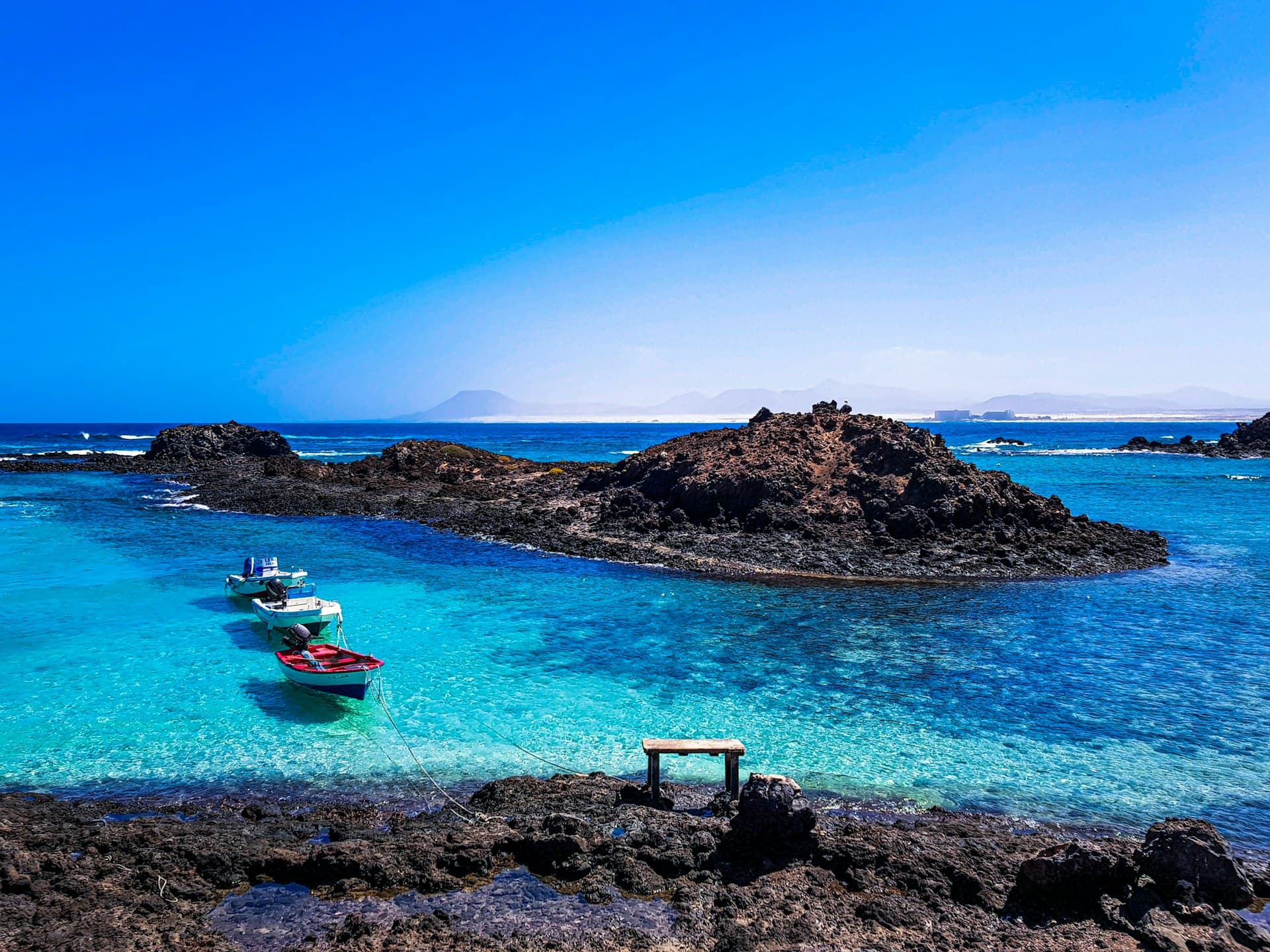
The Canary Islands — Europe's year-round diving paradise. Seven volcanic islands off Africa's Atlantic coast offer an astonishing diversity of underwater experiences: from Europe's only underwater museum (Museo Atlántico, Lanzarote) to the world-class manta ray encounters of El Hierro's La Restinga Marine Reserve, the dramatic 600m Los Gigantes sea cliffs of Tenerife, and the Critically Endangered angel sharks that make Lanzarote's Playa Chica their home. With water temperatures rarely dropping below 18°C, visibility reaching 40m on winter days, and direct flights from across Europe, the Canary Islands deliver Atlantic diving that rivals any Caribbean destination — often with fewer crowds and richer volcanic seascapes.
Explore the map
Select a pin to learn more. Use the zoom buttons or pinch to zoom.
Loading map…
Places on this map (58)
60 places have no verified map location yet. Browse the page lists for more places.
Conditions
17–25 °C
10–40 m
5–40 m
Moderate
Year-round. Peak conditions March-October for warmth and calm seas; October-April for best visibility and pelagic sightings.
| Month | Summary |
|---|---|
| Jan | Winter begins with the best visibility of the year (20-30m). Water temperatures drop to 18-19°C; a 3-5mm wetsuit is recommended. The calm, clear conditions are ideal for wall dives at Los Gigantes and the Museo Atlántico. Whale and dolphin sightings peak in winter months. The eastern islands (Lanzarote, Fuerteventura) can be windy but offer sheltered sites. |
| Feb | Coldest month of the year (17-19°C water). Best visibility window (20-30m) continues. Excellent for large pelagic sightings — the cooler water attracts bigger species. Trade winds can be brisk on exposed sites but sheltered south-coast locations remain calm. Good month for wreck diving around Tenerife and Gran Canaria. |
| Mar | Transition into peak season. Water warms to 19-20°C. Trade winds begin to ease. Visibility still excellent (20-30m). One of the best months overall — good water clarity, warming temperatures, fewer crowds than summer. Manta ray season ends in El Hierro around March. |
| Apr | Peak season begins. Water temperatures reach 20-21°C. Calm seas across all islands. Visibility remains excellent. The manta ray season in El Hierro typically ends by April. All islands are accessible with favorable conditions. Ideal month for island-hopping between Tenerife, Lanzarote, and Gran Canaria. |
| May | Spring diving at its best. Water reaches 20-21°C. NE trade winds increase in strength, making exposed sites rougher but sheltered bays perfect. Visibility still good (15-25m). Good month for Lanzarote's Playa Chica (angel sharks) and Tenerife's Los Gigantes wall dives. Ferry crossings between islands are smooth. |
| Jun | Summer starts. Water reaches 21-22°C. Trade winds are at their peak, creating challenging conditions on north-facing sites but perfect drift dives on sheltered south coasts. Visibility begins to decline from summer phytoplankton blooms (15-20m). Great for El Hierro's marine reserve and Fuencaliente's lava flow dives. |
| Jul | Warmest month for air (28-30°C). Water reaches 22-23°C. Summer phytoplankton blooms reduce visibility to 10-15m at many sites — the poorest visibility period. However, the nutrient-rich waters bring spectacular marine life. Night diving becomes more rewarding. Best for shallow reef sites and the Museo Atlántico where bioluminescence can be seen. |
| Aug | Peak warmth. Water reaches 23-24°C (highest of the year). Visibility still impacted by phytoplankton (10-15m). The warmth makes this comfortable for longer dives despite reduced visibility. Excellent for turtle encounters at El Puertito (Tenerife) and the lava formations at Fuencaliente (La Palma). Sea temperatures are most comfortable for extended shore dives. |
| Sep | Late summer transition. Water still warm (23-24°C). Phytoplankton blooms begin to subside. Visibility improves back to 15-25m. Good month for all islands as conditions stabilize. Early September can still have summer conditions; late September marks the return of clearer water and the start of the improved visibility season. |
| Oct | The visibility season begins. Water temperatures hold at 22-23°C. Clear Atlantic water returns — 20-30m visibility becomes the norm. Excellent month for wall dives, deep dives, and pelagic encounters. Trade winds decrease. One of the best months of the year for overall diving conditions across all islands. |
| Nov | Manta ray season kicks off in El Hierro (La Restinga). Water cools to 21-22°C. Visibility continues to improve (20-30m). Trade winds strengthen, making some sites rougher. The manta ray encounters at El Bajón become the highlight of the diving calendar. Winter whale migration begins. Great month for El Hierro and Tenerife south coast. |
| Dec | Winter arrives with crystal-clear water (20-30m visibility). Water cools to 18-19°C. Best month for large pelagic species and whale encounters. The manta ray season continues in El Hierro. Trade winds can be strong on exposed sites. South-coast dive sites in Tenerife, Gran Canaria, and Lanzarote remain sheltered and comfortable. Ideal for photographers who prioritize clarity over warmth. |
Dive Sites (60)
Abades
10–30m · Intermediate
Rocky reef · Seagrass patches
Arguineguín
10–35m · Intermediate
Volcanic reef · Walls · Overhangs
Arrecife Wrecks
8–22m · Beginner
Wrecks · Artificial reefs
Bajamar / Punta del Hidalgo
5–20m · Intermediate
Rocky coast · Volcanic rock
Bajo de la Silla
12–30m · Advanced
Seamount · Pinnacle · Pelagics
Callao Salvaje
8–25m · Beginner
Lava formations · Caves
Corralejo
5–20m · Beginner
Sandy bottom · Rocky bottom
Cueva del Palacio (La Palma)
5–15m · Beginner
Lava tube cave · Nocturnal
Marine Life (81)
 must-see
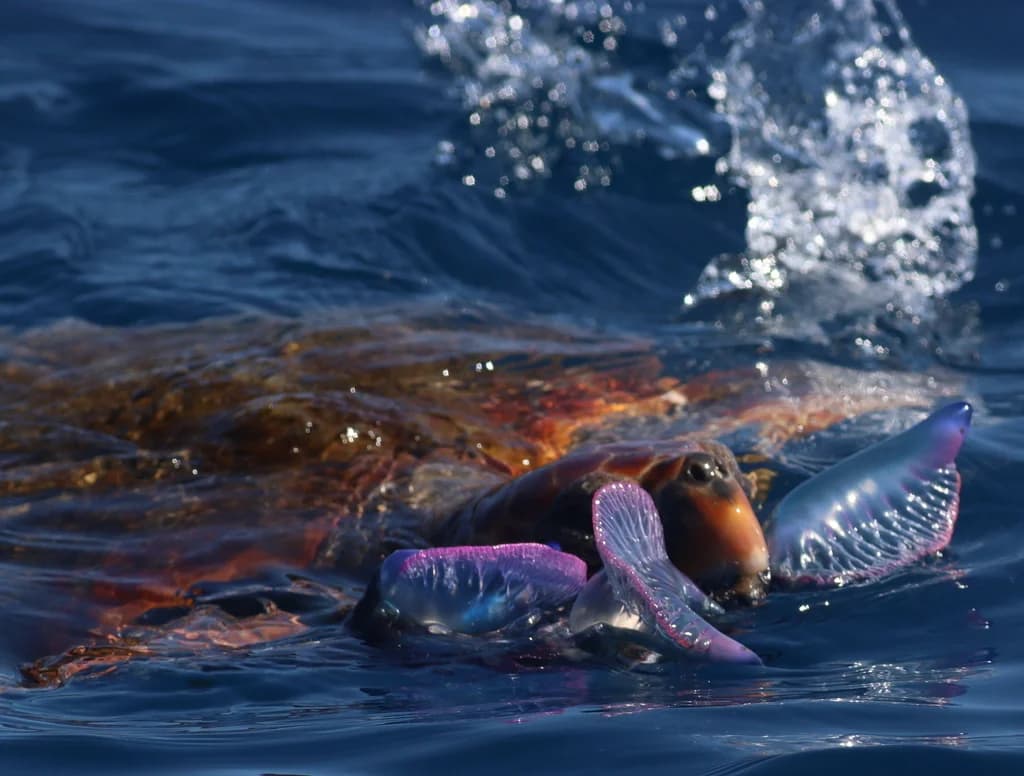
Loggerhead Turtle
 must-see
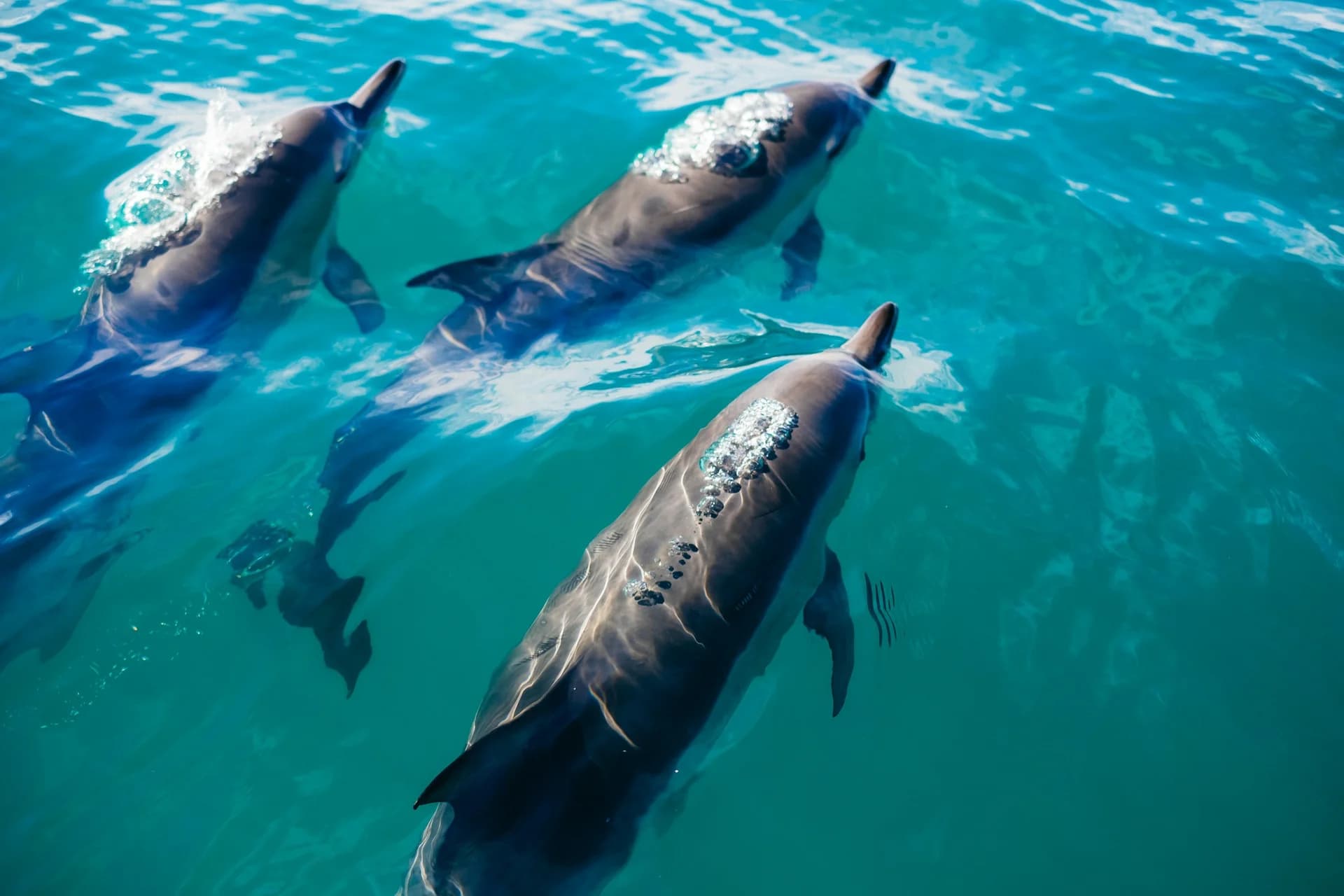
Atlantic Bottlenose Dolphin
 must-see
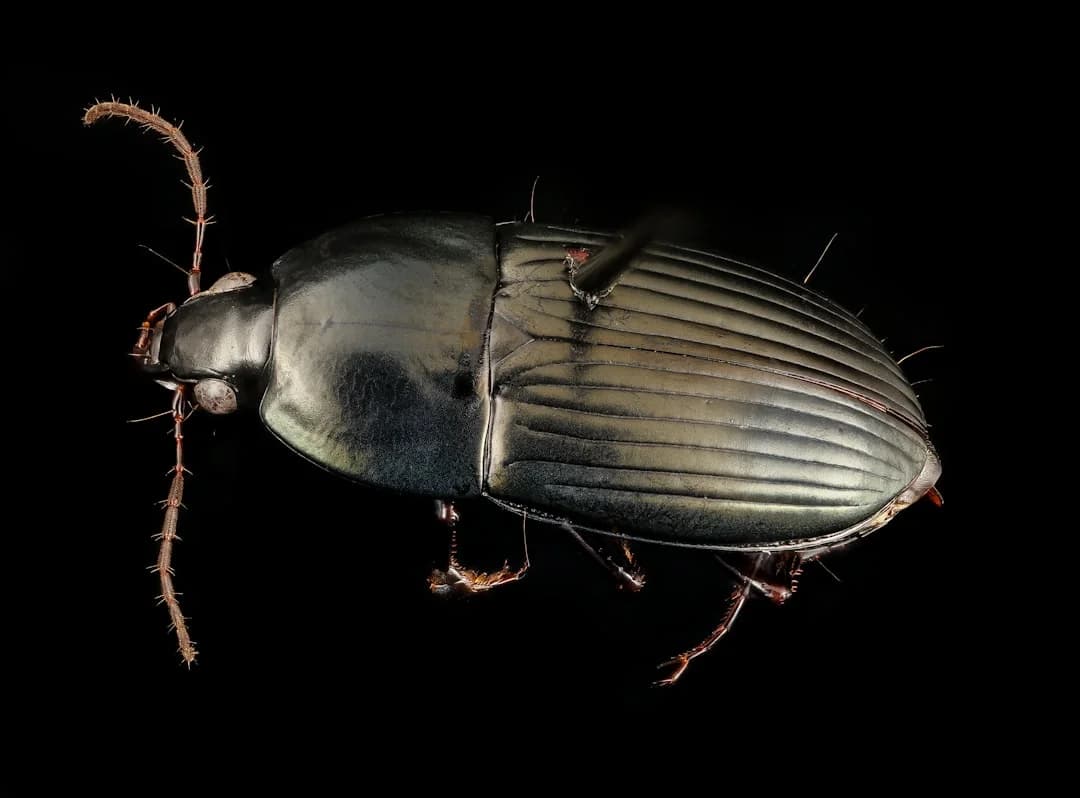
Island Grouper
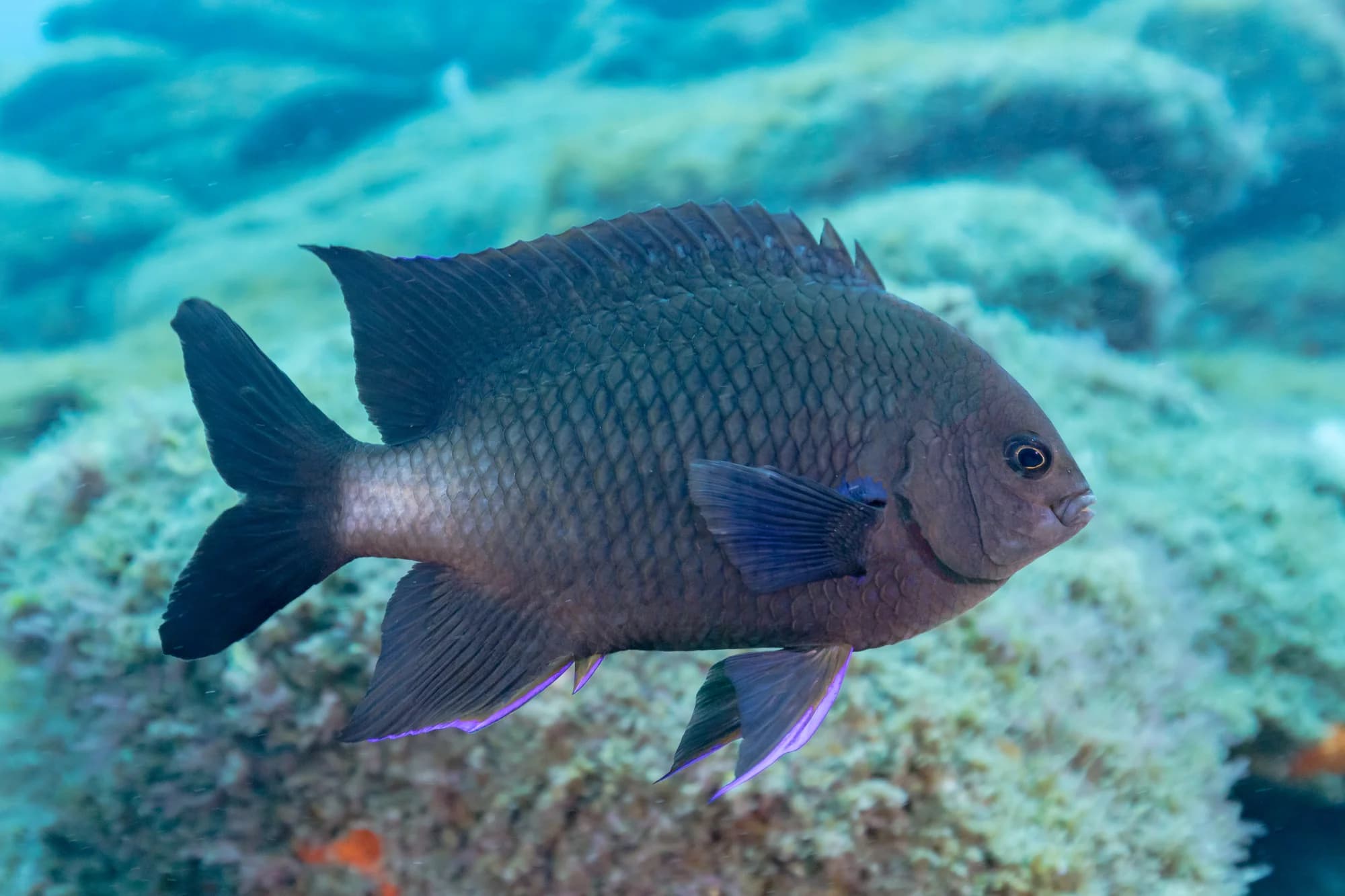
Canary damsel
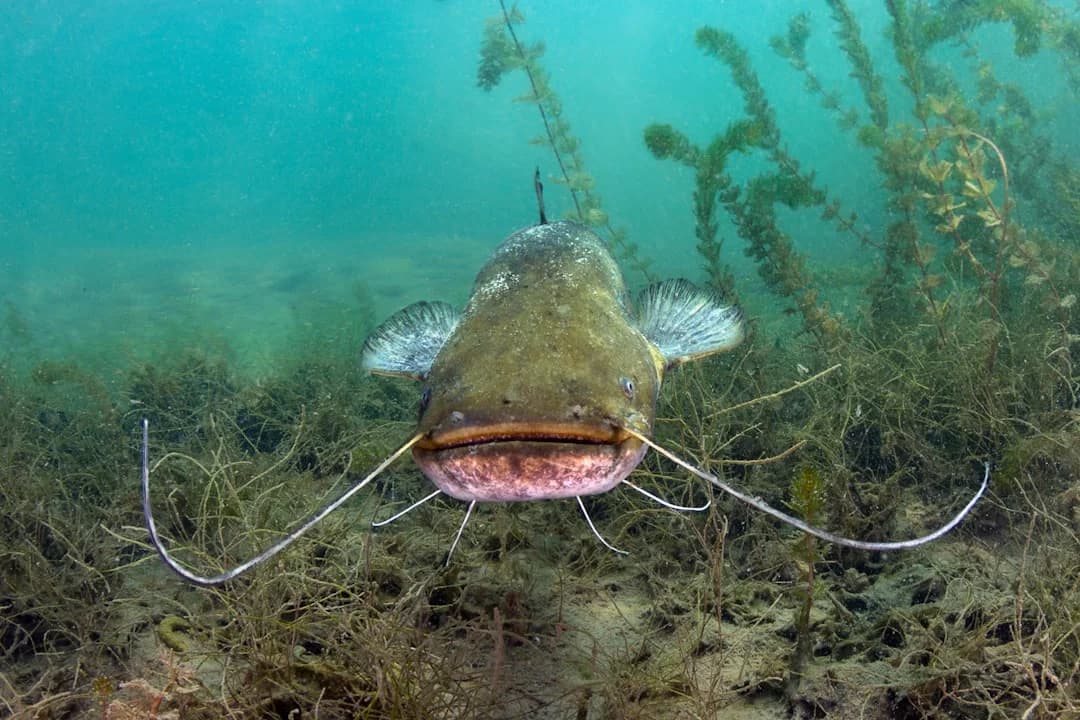
Iberian hogfish
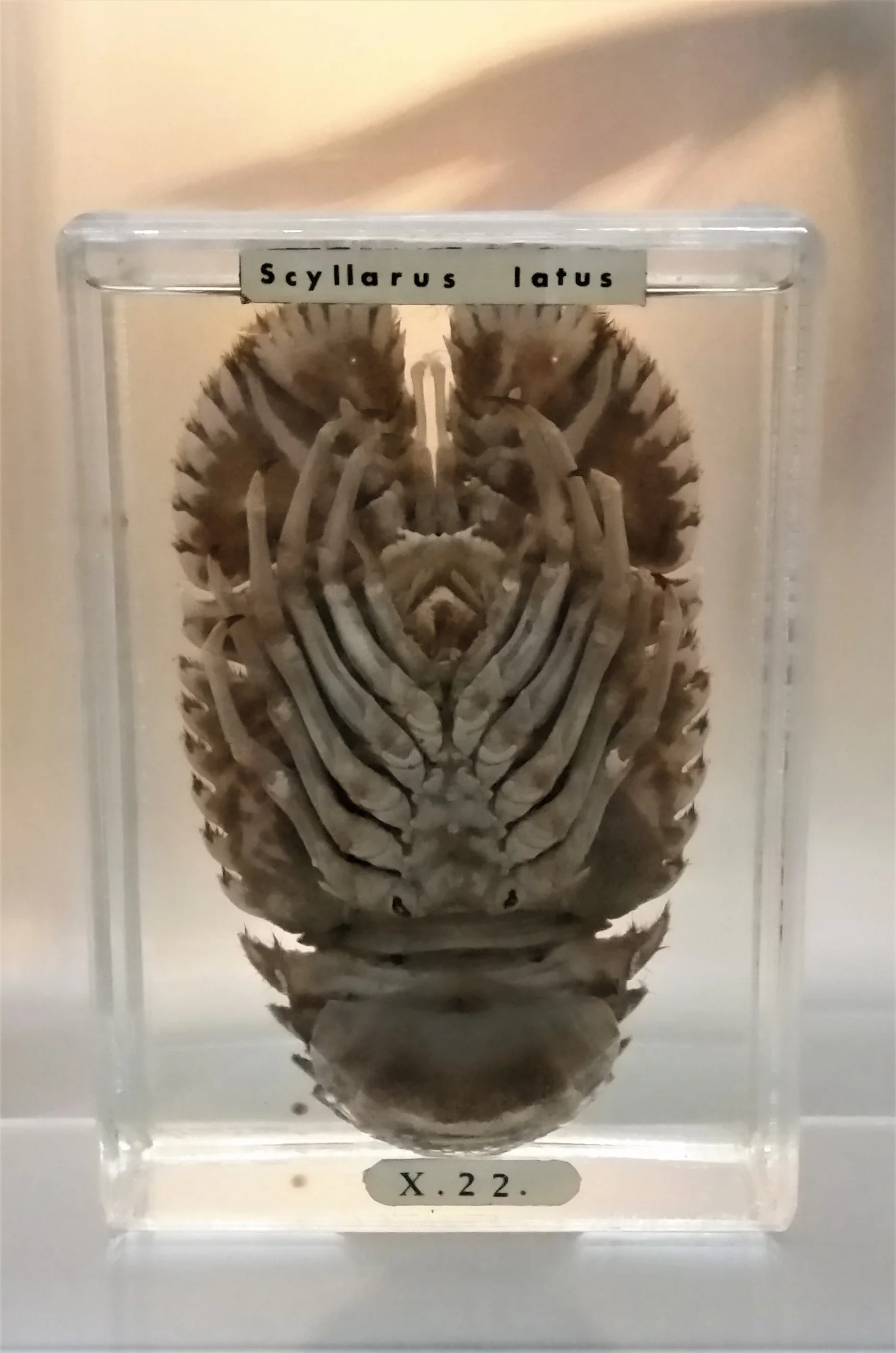
Mediterranean Slipper Lobster
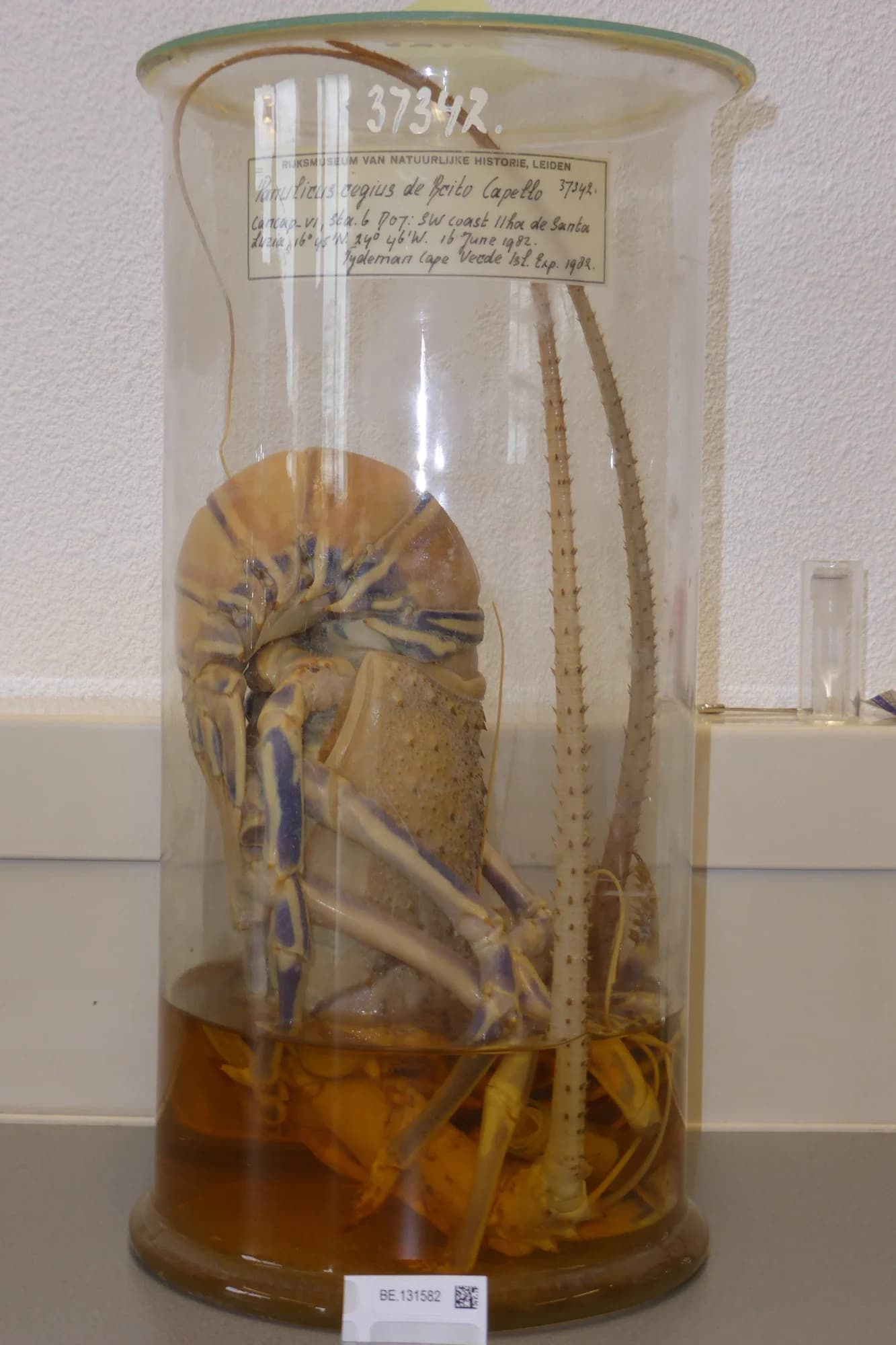
Royal Spiny Lobster
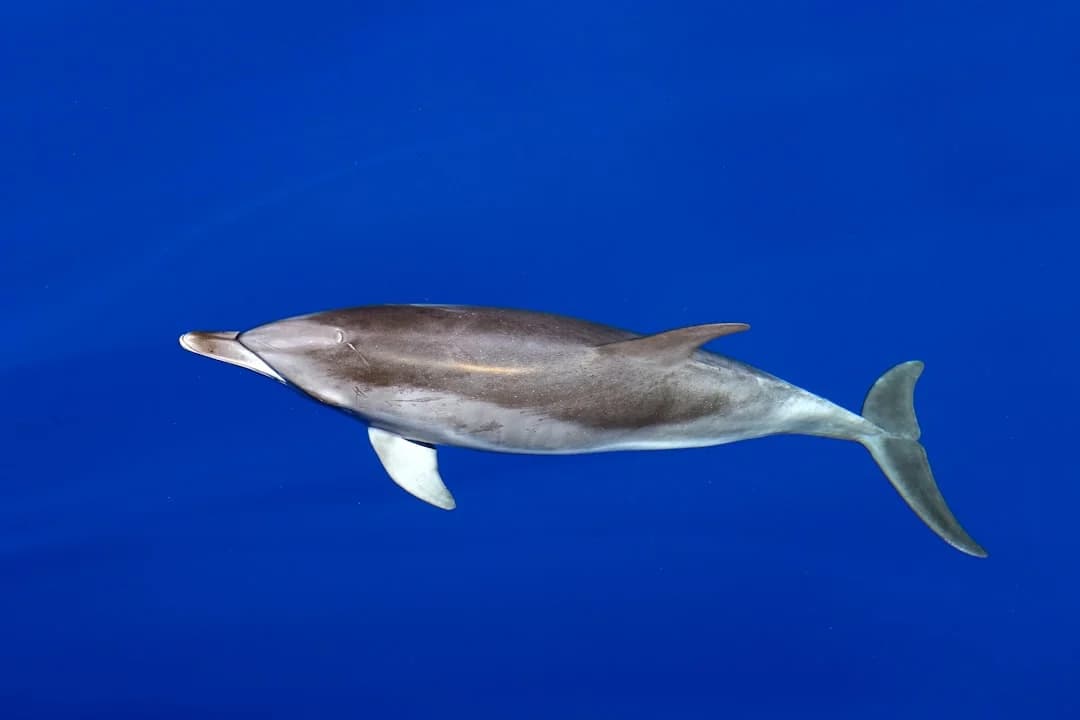
coastal form Bryde's whale
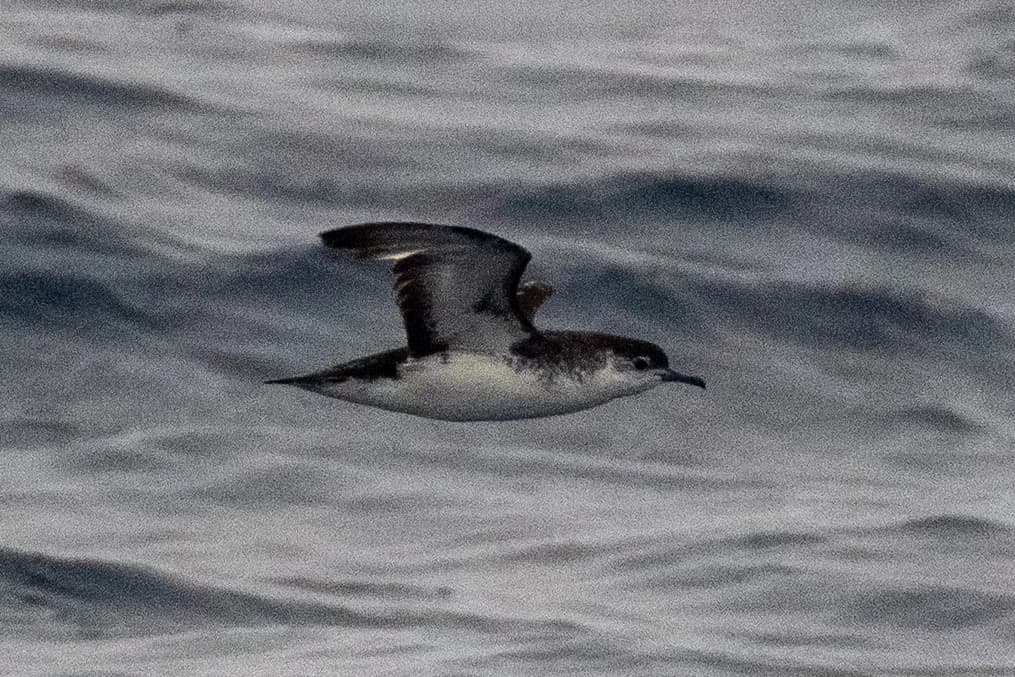
Barolo Shearwater
Canary Blenny
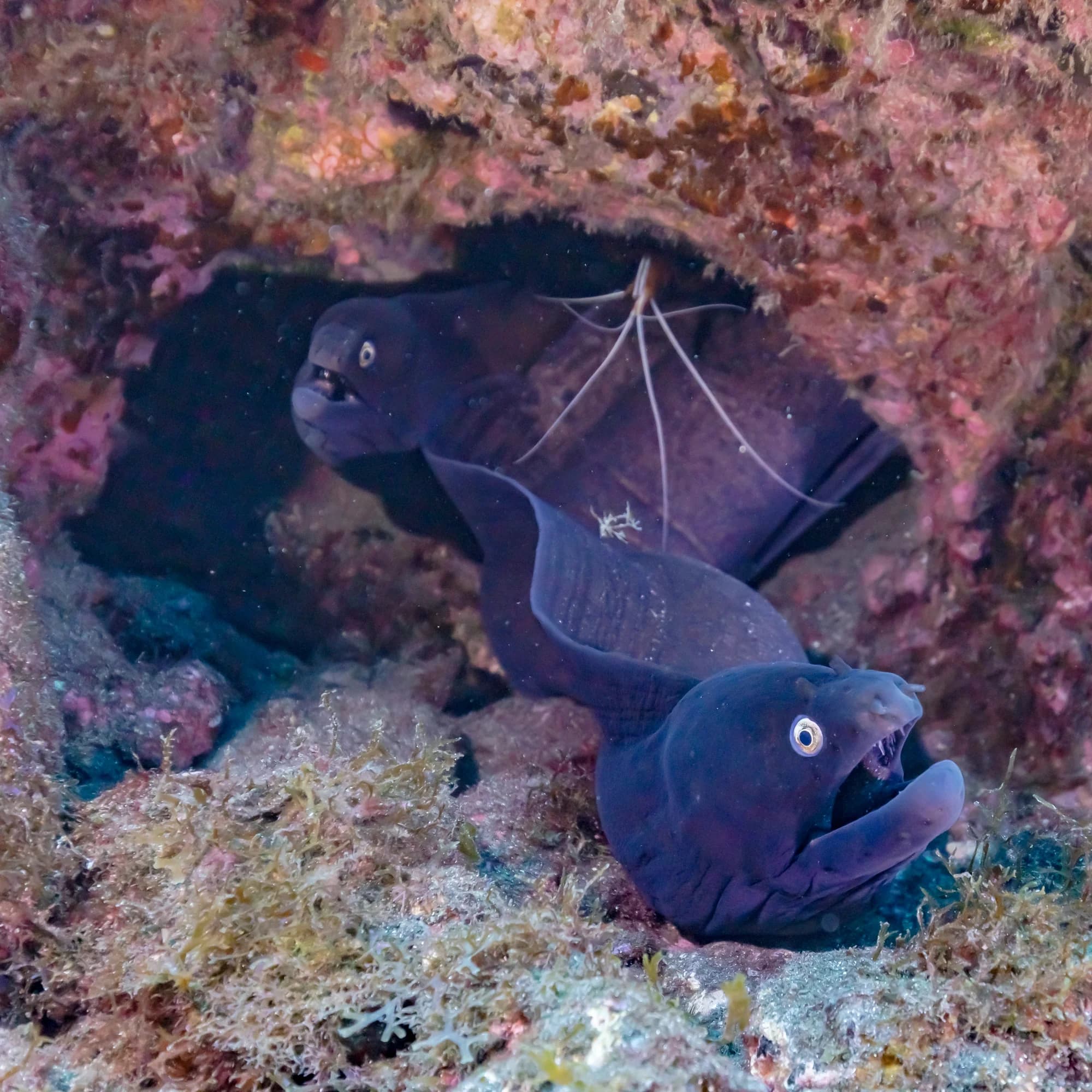
Black Moray
Painted Chromodorid
Dive Shops (58)
Aqua-Marina
DIVE LOVERS TENERIFE - DIVE CENTER
Squatina Sub Diving Center | Centro de Buceo
Punkfish Diving La Palma
TAGORO DIVE | El Hierro | Buceo y viajes
Lanzarote Non Stop Divers
Dive Community La Palma - Los Cancajos
Margullar Diving
LJ Diving Tenerife
Brothers Diving
Ola Diving Center
Zeus Dive Center
Atlantis Diving Lanzarote
BRISUB - Buceo y Snorkel/ Tenerife Sur/ Las Galletas
Diving Angel Plongée Tenerife
Vibe Dive Center Tenerife - Diving in Tenerife
GO DIVING center
Aquarius dive center
Deep Blue Dive Center
See You Diving Tenerife - PADI 5 Star
Deep Divers
Medanodive - Tu centro de buceo en Tenerife sur
Scuba Sur Diving Gran Canaria
Sa Caleta Tenerife
Blue Water Diving
Tenerife Diving Academy 5 Star Dive Centre
Macaronesian Divers - Tienda y centro de buceo en Tenerife
GooDiving
Dive Pro Fuerte
Gran Canaria Divers
Buceo La Vieja ,Padi Dive Center / Emoción Apnea
One Two Dive Tenerife
Buceo Isla Bonita La Palma
Buceo Canarias
Scubafriends Tenerife - PADI Dive Center - Buceo Tenerife - Snorkeling - Try dive - Bautizo
Leagues Ahead Diving
Buceo Norte Gran Canaria
Deep Fin Tenerife | Centro de Buceo en Las Galletas
Deep Ocean Diver - PADI Dive Center
WET MONSTER Dive Center - Polskie Centrum Nurkowe Teneryfa
Dive Center Tenerife by WhatNext Adventures
Manta Diving Lanzarote
Scuba Point Diving Tenerife
BIG FISH Dive Center Tenerife
Scubanana Dive Center
PADI 5* Travel Sub Dive Center Tenerife
Ocean Trek
Pura Vida Diving Lanzarote
Karapat Dive Gran Canaria
Diving Atlantis Tenerife
Paradise Divers
Nautico Diving Center
Black Sand Diving La Palma
Barbarian Diving Tenerife S.L
CID Lanzarote - Canary Island Divers
Davy Jones Diving PADI 5 Star Dive Centre
Nextdives Tenerife
Chill Divers Tenerife
Guides
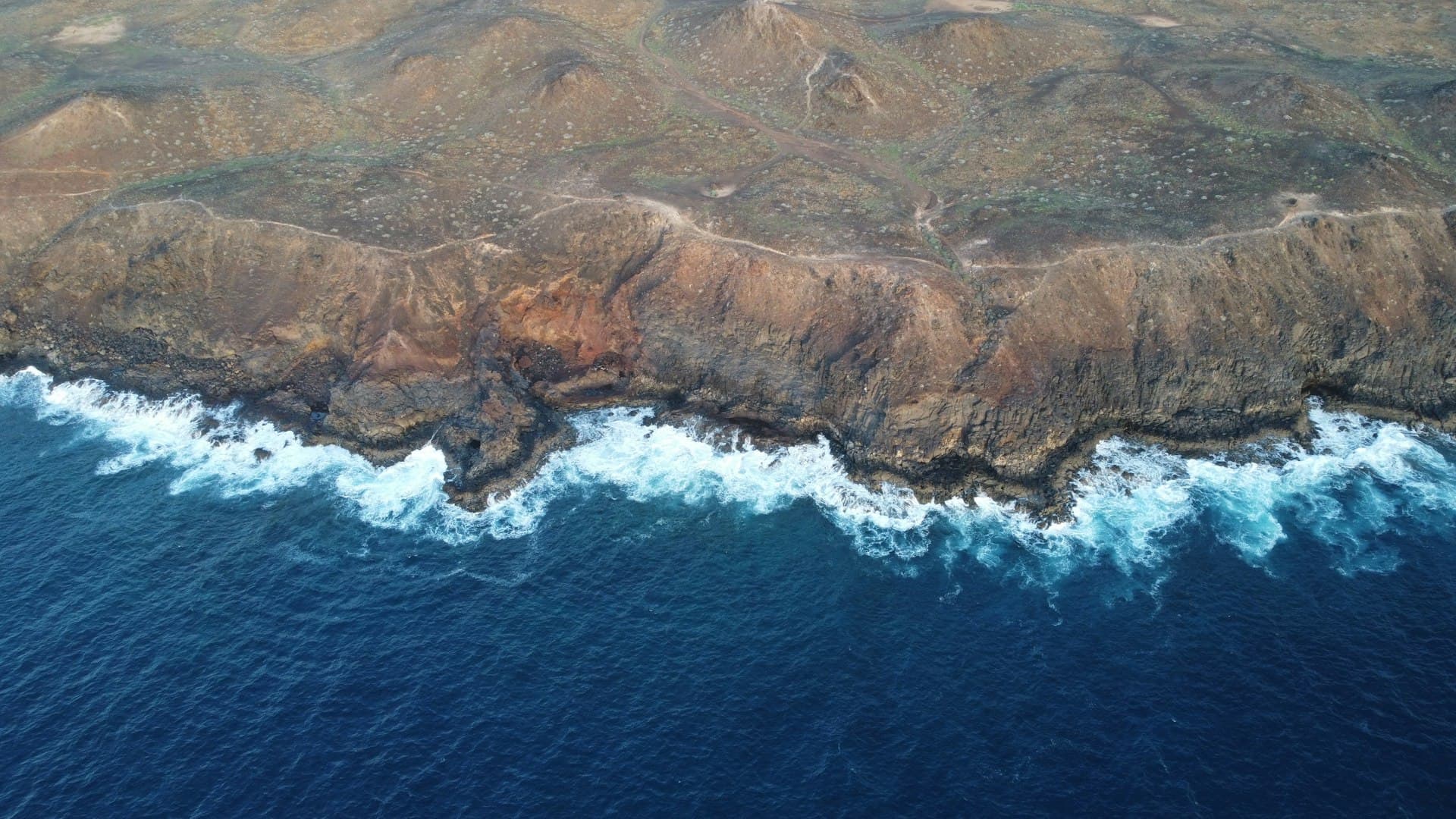
Top Dive Sites in the Canary Islands
Compare the best Canary Islands dive sites, from Playa Chica angel sharks and Museo Atlantico to Los Gigantes, El Bajon, wrecks, and lava reefs.
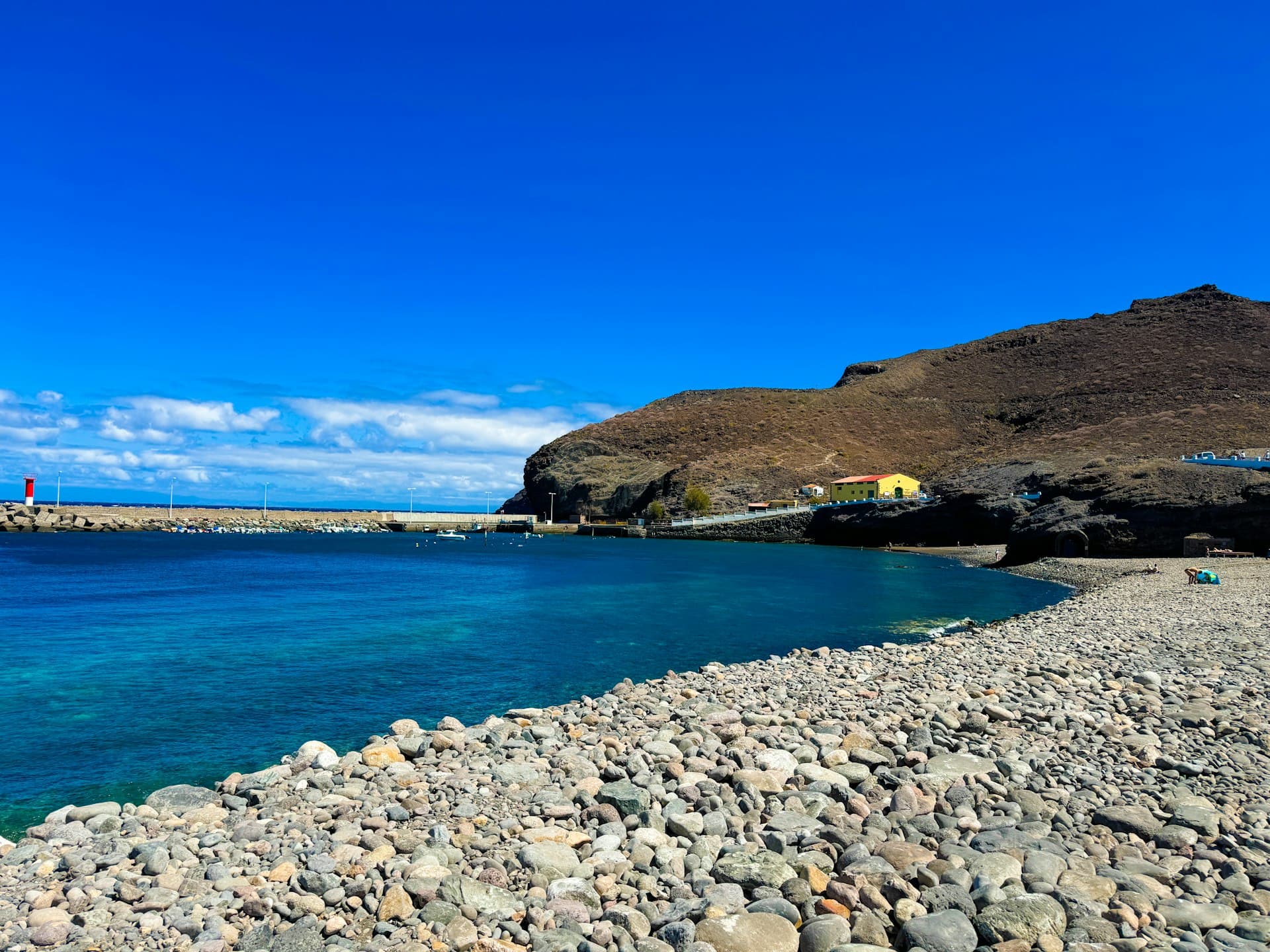
The Complete Canary Islands Diving Guide
Plan Canary Islands diving across Tenerife, Lanzarote, Gran Canaria, El Hierro, La Palma, Fuerteventura, and La Graciosa.
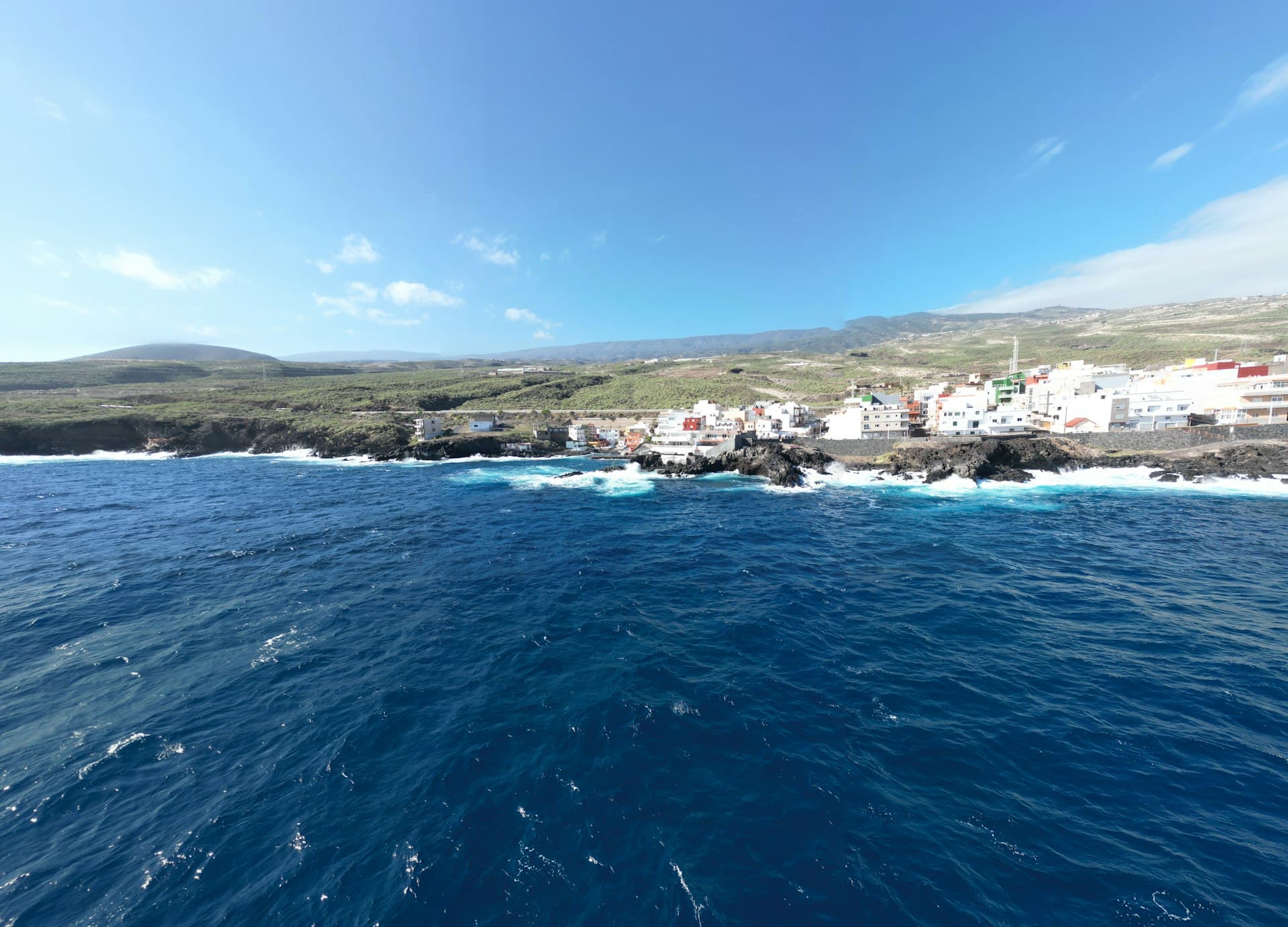
Canary Islands Diving Conditions by Month
Month-by-month Canary Islands diving conditions: water temperature, visibility, currents, wind, wetsuits, and the best islands by season.
Safety
Bring Canary Islands underwater
Offline access, dive log, AI fish ID, live site maps, and trip planning.
Download on the App Store