Tonga's Top 10 Dive Sites: The Ultimate Ranking
Tonga has enough dive sites to keep you busy for weeks, but not all of them are created equal. After reviewing the country's 30+ dive sites and talking to local operators, here are the 10 sites that define what makes Tonga one of the most unique diving destinations on Earth.
Each site includes depth, difficulty level, best season, marine life highlights, and practical tips for planning your visit.
1. Clan McWilliam Wreck — The Ghost of Neiafu Harbour
Depth: 10-35m (33-115ft) | Difficulty: Advanced | Best season: Year-round
Built in 1918, the Clan McWilliam is a 140-foot freighter that sits upright on the sandy bottom of Neiafu Harbour. This is Tonga's premier wreck dive, and it delivers on every level.
The wreck rests in relatively shallow water, which means you can see the entire structure from the surface on a calm day. The hull is covered in soft corals and sponges, and the upper decks are within reach of recreational divers. The interior of the wreck requires proper wreck penetration training, and most divers stay on the exterior.
Marine life: You will find fusiliers, trevally, and occasional grey reef sharks patrolling the structure. The coral growth on the wreck provides habitat for nudibranchs and small reef fish.
Practical tips: This is a full-day trip from Tongatapu. The 30-45 minute boat ride from Nuku'alofa is short, but the dive itself requires careful planning due to the depth range. Plan for a maximum depth of 30m and a decompression stop at 5m for the final 3 minutes. Most operators offer two-tank dives to the wreck.
2. Swallows Cave — The Cathedral of Light
Depth: 5-18m (16-60ft) | Difficulty: All levels | Best season: Year-round
If you only dive one cave in Tonga, make it Swallows Cave. This iconic cave in Vava'u features dramatic light beams filtering through openings in the ceiling, creating a cathedral-like atmosphere that no amount of description can fully capture.
The entrance is at 5 meters, and the cave extends to 18 meters. The light beams are most dramatic between 10:00 AM and 2:00 PM when the sun is directly overhead. The cave is accessible to all diver levels, and the experience is unforgettable.
Marine life: The cave walls are covered in soft corals and sponges. Look for whitetip reef sharks resting in the cave's deeper sections, and keep an eye out for moray eels and octopus.
Practical tips: This site is weather-dependent. Strong winds can create choppy conditions at the surface, making the entry and exit more challenging. Book this dive for a calm morning. The site is about 30 minutes by boat from Neiafu.
3. Coral Garden — Beginner's Paradise
Depth: 2-15m (7-50ft) | Difficulty: Beginner | Best season: Year-round
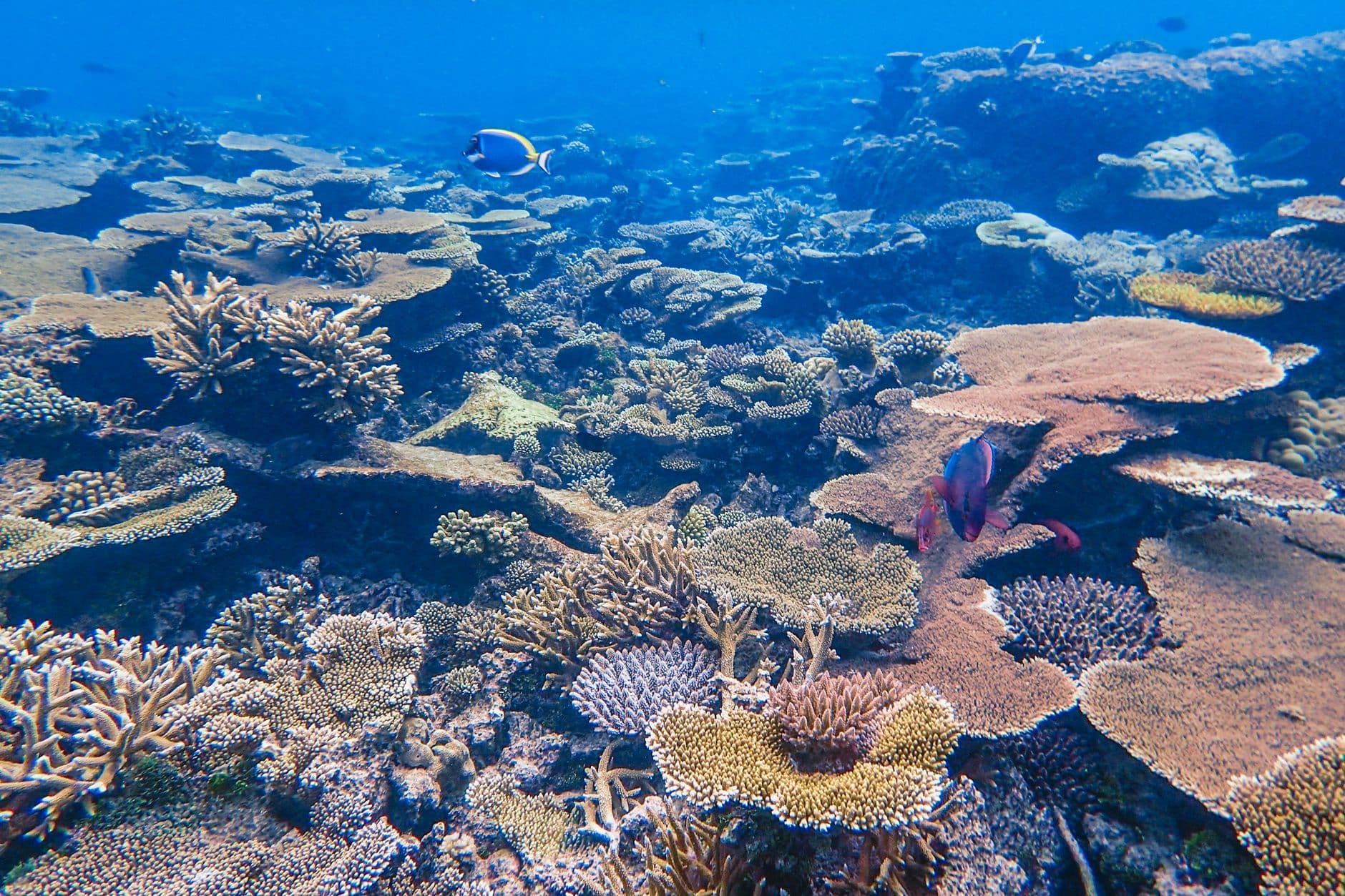
The Coral Garden lives up to its name. Located in Vava'u's sheltered channels, this site features dense beds of both soft and hard coral that stretch across the bottom like a living carpet.
The shallow depth range makes this an ideal site for beginner divers and for refresher dives. The dense coral growth attracts a huge variety of reef fish, and the site is also excellent for macro photography.
Marine life: Napoleon wrasse, barracuda, trevally, fusiliers, and dozens of species of nudibranchs. The soft corals are home to goby fish, shrimp, and tiny crustaceans that reward patient observation.
Practical tips: This is a shallow site, so you will spend a lot of time looking down rather than out. Bring a macro lens if you have one. The site is typically a 15-20 minute boat ride from the dive centers in Neiafu. Expect to do this dive at the end of a multi-dive day because it is gentle on your air consumption.
4. Arch of Ofalanga — South Pacific's Largest Coral Arch
Depth: 18-30m (60-100ft) | Difficulty: Intermediate | Best season: May-November
The Arch of Ofalanga is the crown jewel of Ha'apai diving. At 20 meters wide and 15 meters tall, it is the largest coral arch in the South Pacific, and it is a sight that every diver should see at least once.
The arch is formed by a massive coral structure that has eroded into a natural bridge. Swimming through the arch gives you a unique perspective of the reef system, and the walls are covered in vibrant soft corals and sponges.
Marine life: The arch attracts grey reef sharks, barracuda, and trevally. The walls of the arch are home to moray eels, octopus, and various species of reef fish. The area around the arch is also a known manta ray cleaning station.
Practical tips: This site is weather-dependent and has moderate currents. The operator will assess conditions before deciding whether to dive. The site is about 1.5 hours by boat from Matafonua Lodge. Plan this dive for the dry season (May-November) when conditions are most consistent.
5. Cathedral Cave ('Eua) — The Underwater Cathedral
Depth: 10-30m (33-100ft) | Difficulty: Intermediate | Best season: May-November
The Cathedral Cave on 'Eua is a massive sea cave that measures 100 meters long, 50 meters wide, and extends 30 meters deep. The name is fitting—the cave has a vast interior space with columns of light filtering through openings in the ceiling.
The cave entrance is at approximately 10 meters, and the interior opens up into a chamber large enough to make your head spin. The limestone walls are covered in corals and sponges, and the cave's size creates a sense of scale that is hard to describe.
Marine life: The cave walls are home to various species of reef fish, moray eels, and occasionally grey reef sharks. The cave's depth range means you can see different species at different levels.
Practical tips: This is a full-day trip from Tongatapu. The boat ride is about 30-45 minutes, and the dive requires intermediate-level skills due to the depth range and the cave environment. Bring a dive light—the interior of the cave is darker than you might expect, and a light brings out the colors of the corals and sponges.
6. Mariner's Cave (Vava'u) — The Underwater Entrance
Depth: 10-20m (33-66ft) | Difficulty: Intermediate | Best season: Year-round
Mariner's Cave on Nuapupu Island features an underwater entrance that you swim through before emerging into a chamber where light streams in from above. The cave is located in Vava'u's protected channels, so the conditions are generally calm.
The underwater entrance is at about 10 meters, and the cave extends to 20 meters. The light beams that enter from the ceiling create a surreal atmosphere, and the cave walls are covered in soft corals and sponges.
Marine life: Whitetip reef sharks are commonly seen resting in the cave's deeper sections. The coral-covered walls attract small reef fish, nudibranchs, and occasionally octopus.
Practical tips: This site is accessible to intermediate divers and requires basic cave diving awareness (no penetration beyond the light zone). The cave is about 30 minutes by boat from Neiafu. Like Swallows Cave, this site is weather-dependent and may be closed on windy days.
7. Hot Spring Cave (Ha'apai) — A Unique Hydrothermal Vent
Depth: 5-15m (16-50ft) | Difficulty: All levels | Best season: May-November
The Hot Spring Cave in Ha'apai is a hydrothermal vent system that is unique in the South Pacific. This underwater cave features warm water rising from the volcanic rock below, creating a sensation that is unlike anything else in the diving world.
The cave entrance is at 5 meters, and the vent area is at 10-15 meters. The warm water creates a unique micro-environment that supports different species of marine life than you would find in the surrounding reef.
Marine life: The warm water around the vent attracts different species than the surrounding reef. Look for small reef fish, nudibranchs, and occasionally sea cucumbers. The cave walls are covered in corals and sponges.
Practical tips: This site is about 1.5 hours by boat from Matafonua Lodge in Ha'apai. The water temperature at the vent may be slightly warmer than the surrounding water, but the difference is subtle. This is a single-dive site, and operators typically combine it with a nearby reef dive.
8. AX-Factor House Reef — The Disco Night Dive
Depth: 1-33m (3-108ft) | Difficulty: All levels | Best season: Year-round
The AX-Factor house reef is famous for its "Disco Night Dive," where operators use UV lights to illuminate the reef after dark. The effect is spectacular—corals that appear dull during the day glow in vibrant colors under UV light, and nocturnal marine life comes out to play.
The reef itself is a diverse ecosystem that ranges from shallow coral bommies to deeper drop-offs. The site is accessible to all diver levels, and the variety of marine life is impressive.
Marine life: The reef is home to whitetip reef sharks, grey reef sharks, green sea turtles, and an incredible variety of nudibranchs. The night dives are particularly famous for macro life—dozens of species of nudibranchs, pygmy seahorses, and octopus.
Practical tips: The disco night dive is the highlight here. Book this experience specifically, as it is not available at all dive operators. The site is a house reef, meaning it is accessible directly from the dive center's dock. This is a convenient option for early morning or late afternoon dives.
9. The Playground — Bommies and Whitetips
Depth: 5-20m (16-66ft) | Difficulty: Beginner | Best season: Year-round
The Playground is a site in Vava'u named for the way the coral bommies create a playful underwater landscape. The bommies are covered in lush soft corals, and the site is known for its friendly whitetip reef sharks.
The bommies are arranged in a way that creates natural channels and passages, making the dive interesting at any depth. The shallow bommies are perfect for beginner divers, while the deeper bommies offer more interesting marine life.
Marine life: Whitetip reef sharks are the main attraction—there are several resting on the bommies during the day. You will also find green sea turtles, Napoleon wrasse, barracuda, and a variety of reef fish.
Practical tips: This is a shallow site, so it is ideal for your first or second dive of the day. The bommies can create mild currents, so be aware of your buoyancy. The site is about 20-30 minutes by boat from Neiafu.
10. Pelagic Pinnacle — The Seamount
Depth: 15-40m (50-130ft) | Difficulty: Advanced | Best season: May-November
The Pelagic Pinnacle is a seamount that rises from the deep ocean floor and is one of the most exciting dive sites in Tonga. This advanced-level site attracts large pelagic species, and the marine life here is on a different scale than the reef sites.
The pinnacle rises from about 40 meters to 15 meters, and the walls are covered in soft corals and sponges. The current can be moderate to strong, and the site is best suited for experienced divers.
Marine life: Grey reef sharks are the main attraction, and you can expect to see schools of barracuda, trevally, and fusiliers. On a good day, you might see manta rays, great hammerhead sharks, and even whale sharks.
Practical tips: This is an advanced-level site, and you should have at least 50 logged dives before attempting it. The current can be unpredictable, and the operator will assess conditions before deciding whether to dive. This site is typically a full-day trip, and you should plan for two-tank dives.
Summary: How to Prioritize Your Tonga Diving
If you have limited time in Tonga, here is how to prioritize:
- Must-do: Clan McWilliam, Swallows Cave, Coral Garden, Arch of Ofalanga
- Highly recommended: Cathedral Cave, Mariner's Cave, AX-Factor Disco Night Dive
- If you have time: Hot Spring Cave, The Playground, Pelagic Pinnacle
Tonga's dive sites are diverse enough to keep you interested for weeks. The combination of wreck diving, cave exploration, arch diving, and pelagic encounters is something you will not find in many other destinations. Plan your trip around the sites that match your skill level, and you will have a diving experience that stands out from everything else.