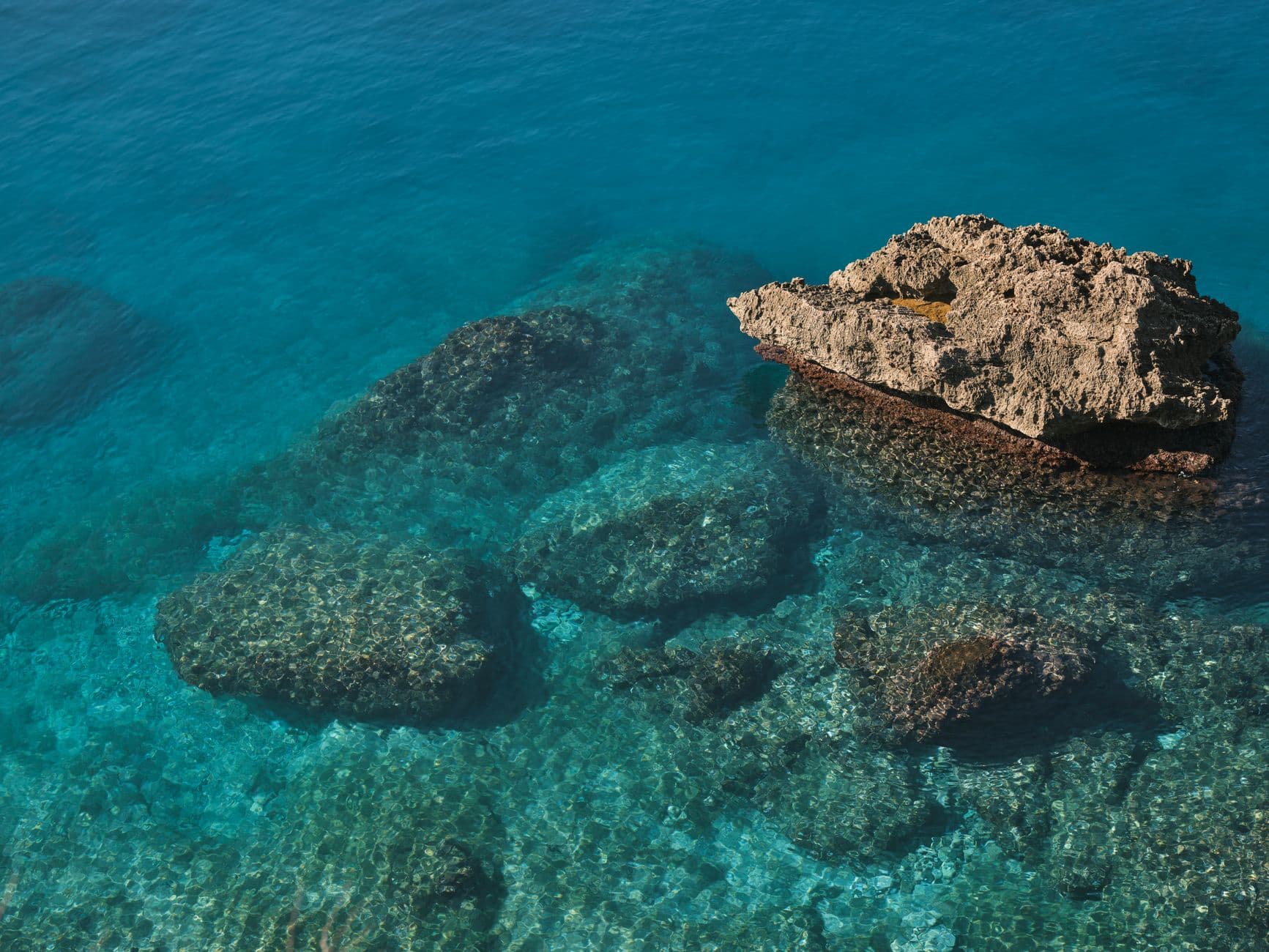
Socotra Diving Conditions: Visibility, Temperature, Currents, and Seasons
Socotra is not a year-round dive destination. The monsoon (Khareef) makes diving effectively impossible from June through September, and conditions outside the October–April window range from challenging to outright dangerous. But within the right season, Socotra offers some of the most consistent visibility and water quality in the Indian Ocean.
Understanding the conditions is not optional here — it's the difference between the dive trip of a lifetime and an expensive lesson in why timing matters. This guide gives you the real numbers so you can plan, not guess.
The Numbers That Matter Most
Socotra sits at 12.463°N, 53.823°E in the northwest Indian Ocean, 380 km south of the Arabian Peninsula and 232 km east of the Horn of Africa. Its position at the boundary of the Indian Ocean and Arabian Sea means it experiences two monsoon systems: the Northeast Monsoon (October–February, bringing calmer seas) and the Southwest Monsoon or Khareef (June–September, bringing strong winds, rough seas, and airborne dust).
Visibility: 5–40 m (16–130 ft). The range is extreme because of the monsoon cycle. October–April: 20–40 m. During this window, visibility at Dihamri and Ras Irsil consistently measures 25–40 m on calm days. May and September (transition months): 10–25 m. June–August (peak monsoon): 5–15 m, often as low as 5–10 m due to airborne dust settling on the water surface and wave action stirring up particulate.
Water temperature: 23–30°C (73–86°F) across the year. In the peak diving season (October–April), water sits at 24–28°C (75–82°F). During the warmest period (April–May), temperatures can reach 30°C. The annual minimum is 23°C (December–February), which is still warm by most diving standards — a 3 mm wetsuit is comfortable year-round for most divers, though some prefer a 5 mm during December–February.
Current: Calm to strong depending on location and season. During peak season (October–April), currents at Dihamri and Rosh are calm to mild (0.5–1.5 knots). At Ras Irsil and Shoab Bay, currents are moderate to strong (1.5–3 knots even in good conditions). The monsoon season brings strong currents across all sites, making diving unsafe.
Depth range by site type: Shallow coral gardens 3–15 m; mid-depth reef slopes 10–25 m; deep wall and mountain sites 20–50 m; shipwreck sites 5–27 m.
Best season overall: October through April for diving, with March–April and October–November as the optimal windows — calmest seas, clearest visibility, and peak pelagic activity.
Season by Season
October – February: Northeast Monsoon — Prime Diving
This is Socotra's best diving window, for entirely different reasons at the start and end of the period.
October–November is the post-monsoon window. The seas have calmed after the violence of the Khareef, the airborne dust has settled, and the visibility returns to 20–35 m. Water temperatures are still warm from the summer — 25–27°C (77–81°F) — and the currents are calm to mild across all sites. Manta ray activity peaks in November, making this the best time for pelagic encounters at Dihamri and Detwah Lagoon.
December–February brings cooler conditions but remains excellent for diving. Water temperature drops to 23–26°C (73–79°F) — still warm enough for a 3 mm wetsuit. Visibility holds at 20–30 m on most sites. Currents are mild at Dihamri and Rosh but moderate to strong at Ras Irsil. February marks the calmest currents at Ras Irsil, making it the best month for Ras Irsil wreck exploration. The northeast breeze picks up in January, creating mild surface chop but not affecting underwater conditions.
Visibility range: 15–30 m (up to 35 m in November). Target species: Manta rays (peak November), blacktip reef sharks, turtles, giant groupers, barracuda.
Wetsuit recommendation: 3–5 mm full suit. December–February: 5 mm suit recommended for comfort on multiple dives.
March – April: Inter-Monsoon — Peak Conditions
March and April represent Socotra's absolute peak diving conditions. The seas are at their calmest of the entire year, visibility reaches 25–40 m at Dihamri and Rosh, and the currents are mild across all areas including Ras Irsil. Water temperatures are 25–28°C (77–82°F) — perfect for a 3 mm full suit.
This window is also the best for whale shark encounters in Socotra. March and April bring aggregations of whale sharks through the Socotra channel, and sightings near Dihamri and the north coast are increasingly reported. Shoab Bay's Sunrise wreck is at its most accessible during these months, with calm-moderate currents making it suitable for its recommended intermediate-to-advanced rating.
February–March also sees the Dragon Blood Trees in bloom above water, making this the most photogenic period for the split-shots that define Socotra's visual brand.
Visibility range: 25–40 m at Dihamri, Rosh, and Adho. 20–30 m at Ras Irsil and Shoab.
Target species: Whale sharks (March–April peak), manta rays (March peak), blacktip and whitetip reef sharks, turtles, giant groupers, guitarfish at Rosh, full reef ecosystem.
Wetsuit recommendation: 3 mm full suit. No hood needed.
May: Transition to Monsoon
May is a mixed month. Early in the month, conditions are still calm with good visibility (15–25 m) and warm water (27–30°C / 81–86°F). By late May, the monsoon winds begin building, surface conditions become rougher, and visibility drops as wave action stirs the water column. Some operators run early-season dives in the first half of May, but the diving window narrows significantly by the end of the month.
Visibility range: 15–25 m early month, dropping to 10–15 m by late May.
Target species: Late-season whale sharks, manta rays (tapering), reef fish, warm-water marine life.
Wetsuit recommendation: 3 mm shorty or full suit.
June – September: Monsoon (Khareef) — No Diving
The Southwest Monsoon transforms Socotra into an entirely different environment. Strong winds (sustained 25–35 knots), rough seas with waves reaching 3–5 meters, airborne dust reducing visibility on land and underwater, and dangerous boat access to all dive sites make diving effectively impossible.
During these months, even reaching the dive sites is hazardous. The Dihamri dive center suspends operations. Most tour operators do not schedule diving trips during the monsoon. A few operators may run to Shoab Bay or the south coast on exceptional calm days, but this is the exception, not the rule.
Visibility range: 5–15 m on best days. Typically 5–10 m.
Water temperature: 26–30°C (79–86°F) — the warmest of the year, but the conditions make it irrelevant.
Diving suitability: ❌ Not recommended.
Alternative activities: This is actually the best time for hiking and trekking on Socotra — the mountains are green and the Dragon Blood Trees are at their most vibrant. The scattered villages have cooler temperatures, and the beaches are empty. For divers, use this window for planning your October–April trip.
Late September – Early October: Post-Monsoon Return
The monsoon begins to break in late September, and conditions improve rapidly. By early October, most operators resume operations. Visibility returns to 20–35 m, seas calm, and water temperatures are a comfortable 26–28°C (79–82°F). This is one of the best windows for all-around Socotra diving.
Target species: Manta rays (returning), reef sharks, turtles, reef fish, recovering coral ecosystems.
Wetsuit recommendation: 3 mm full suit.
Reading Socotra's Currents
Current is the most significant variable in Socotra diving and the primary factor that determines whether a site is accessible on any given day.
Protected sites (calm): Dihamri Marine Protected Area and Rosh benefit from their north-coast positioning behind headlands and reefs that break the open-ocean swell. Currents here are typically 0.5–1.5 knots during peak season — comfortable for all levels.
Exposed sites (moderate): Adho's east-coast position exposes it to more current than Dihamri. During the northeast monsoon, Adho can experience 1–2 knot currents. The reef structure provides some protection, but divers should be comfortable with mild drift diving.
High-current sites (advanced): Ras Irsil Cape and Shoab Bay experience Socotra's strongest currents. Ras Irsil's reputation as a shipwreck graveyard comes directly from its unforgiving current patterns — vessels were literally pushed onto the underwater mountain by currents that still flow at 2–3 knots during peak season. Even in the calmest conditions (February–March), these sites demand experience. Shoab Bay's Sunrise wreck sits in a more sheltered bay but still sees 1.5–2.5 knot currents.
Current safety rule: If the dive master at Dihamri tells you a site is running too strong, trust that decision. There is no backup option — the nearest alternative dive site may be hours away by 4×4.
Gear Recommendations for Socotra Conditions
Wetsuit: 3 mm full suit is the standard year-round recommendation for most divers. A 5 mm suit is recommended for December–February and for multiple-dive days. Rental gear is available at Dihamri Diving Center but quality varies — bring your own if fit matters.
Accessories: Hood is not needed in Socotra except for December–February dives in the open water. Reef shoes recommended for Adho beach entries.
Dive computer: Essential for all dives. The Dihamri Deep Mountain wall (50 m) and Ras Irsil deep wrecks (25 m) require multi-level dive profiles. Socotra has no dive computer repair — bring a backup if you have one.
Surface marker buoy (SMB): Highly recommended. Currents in open areas can drift divers significant distances. The only dive master on the island has to manage the entire group.
Underwater light: Recommended for all dives. Socotra's dramatic walls — especially the underwater mountain at Dihamri — have overhangs, swim-throughs, and deep crevices where natural light doesn't reach.
Special note on equipment: Adho Reserve has no equipment rental. If your itinerary includes Adho, you must bring your own full setup or arrange it through Dihamri before heading to the east coast.
Summary Table
| Month | Water Temp | Visibility | Current | Suitability | Best For |
|---|---|---|---|---|---|
| Jan–Feb | 23–26°C | 20–30 m | Mild–Mod | ✅ Excellent | Ras Irsil wrecks (calmest), Rosh guitarfish |
| Mar–Apr | 25–28°C | 25–40 m | Calm | ✅ Peak | Whale sharks, manta rays, all sites |
| May | 27–30°C | 15–25 m | Building | ⚠️ Fair | Late whale shark window, early season value |
| Jun–Sep | 26–30°C | 5–15 m | Strong | ❌ Not recommended | No diving — plan your trip instead |
| Oct | 26–28°C | 20–35 m | Calm–Mild | ✅ Excellent | Post-monsoon, all sites reopening |
| Nov | 25–27°C | 20–30 m | Mild | ✅ Excellent | Manta ray peak, best wreck window |
| Dec | 24–26°C | 15–25 m | Mild–Mod | ✅ Good | Winter comfort diving, quiet island |
Bottom Line
Socotra's diving conditions are defined by a simple rule: come between October and April, or don't come at all. Within that window, March–April and October–November deliver the best visibility, calmest seas, and most abundant marine life. February offers the calmest currents at the shipwreck graveyard. November delivers the peak of manta ray activity.
The monsoon isn't a minor inconvenience — it shuts down diving completely for four months. If you book a trip for July or August expecting good diving, you'll be staring at rough seas from the beach. Plan around the calendar, book your flights and visa well in advance, and you'll experience Socotra at its best.