Top 12 Dive Sites at Sipadan: A Complete Guide
Sipadan Island has only 12 named dive sites — but every one of them is a world-class destination in its own right. The tiny 13-hectare island is surrounded by walls that drop from shelter to abyss, channels that concentrate the ocean's greatest pelagic spectacles, and seagrass meadows that host the highest turtle density on the planet.
This guide ranks every dive site at Sipadan by its marine life impact, difficulty, and what makes it special. Whether you have one day or a week of permits, this breakdown helps you pick the right sites for your skill level and interests.
1. Barracuda Point
Type: Wall and channel drift | Depth: 5–40 m | Skill: Advanced | Current: Strong (2–3 knots) | Best season: March–June
This is the dive that put Sipadan on the world map and the one every diver remembers for the rest of their life. A sandy channel at 18 meters cuts through the reef slope where thousands of chevron barracuda (Sphyraena putnamae) form a spiraling vortex so dense it blocks out the sunlight. The legendary barracuda tornado is the headline, but this site delivers a full supporting cast: grey reef sharks and whitetip reef sharks patrol the channel edges, herds of bumphead parrotfish numbering in the hundreds browse the reef slope, green and hawksbill turtles drift past, and giant trevally hunt the periphery.
What to expect: Strong, consistent current requires a reef hook and confident drift-diving skills. Your DM will drop you upcurrent and you deploy the hook on the sandy channel. Stay above the reef — the wall drops vertically past 40 meters within meters of your position.
Target species: Chevron barracuda (thousands, tornado formation), grey reef shark, whitetip reef shark, bumphead parrotfish, green turtle, hawksbill turtle, giant trevally, spotted eagle ray.
Best timing: First dive of the day (8:00 AM) when the current is calmest. March through June for peak barracuda spectacle and best visibility (25–40 m).
Why it's the best: Because no other dive site in the world has a barracuda tornado. The combination of raw animal biomass — thousands of barracuda, hundreds of parrotfish, plus sharks, turtles, and rays on every dive — makes Barracuda Point the single most concentrated big-animal reef dive on the planet.
2. South Point
Type: Deep exposed wall | Depth: 10–50 m | Skill: Advanced | Current: Very strong (2–3 knots) | Best season: March–April, October
Sipadan's deepest and most exposed site sits at the southern tip of the island where the full force of the Celebes Sea current wraps around. South Point is famous for one thing: scalloped hammerhead sharks. The early-morning dives here are legendary — divers descend through upwelling currents into the blue and find schools of scalloped hammerheads (Sphyrna lewini) cruising the current-swept wall, the larger females often leading the group.
The strong upwelling currents bring nutrient-rich deep water that attracts the full pelagic menu: grey reef sharks, whitetip reef sharks, spotted eagle rays, and truly massive schools of bigeye trevally (Caranx sexfasciatus) that number in the thousands. The clicking sound of their teeth grinding against each other is audible from meters away — locals call it "Jack's Teeth."
What to expect: This is serious current diving. Only experienced drift divers with 50+ logged dives should attempt South Point without specific preparation. The upwelling can drop the temperature by 1–2°C suddenly. Maximum depth is 50 m — watch your NDL closely. Early morning dives (7:00–8:00 AM) have the best hammerhead odds.
Target species: Scalloped hammerhead, grey reef shark, whitetip reef shark, bigeye trevally (thousands), spotted eagle ray, giant trevally, occasional manta ray.
Best timing: March–April (primary hammerhead peak) and October (secondary peak). Avoid November–January when the monsoon makes conditions dangerous.
Why it's special: It is one of the few places in the Coral Triangle where scalloped hammerheads are reliably encountered by recreational divers.
3. The Drop Off
Type: Vertical wall | Depth: 3–40+ m | Skill: Intermediate | Current: Moderate | Best season: Year-round
The classic wall dive that made Sipadan famous. The Drop Off is a vertical coral-covered wall that plunges from just meters off the shore to over 600 meters deep — you can walk from the beach directly into this dive. Massive sea fans, barrel sponges, and soft corals encrust every surface.
This was the site where Jacques Cousteau's team first explored Sipadan's underwater world in the 1980s. Green turtles drift effortlessly past at every depth, bumphead parrotfish graze audibly on coral, and whitetip reef sharks patrol the deeper blue. The wall is so rich with marine life that it's common to spend an entire dive in the same 20-meter band of wall without moving more than 50 meters laterally.
What to expect: Moderate current running along the wall — gentle enough for intermediate divers but requiring awareness of your position. The wall is a multi-level profile: start shallow (5–15 m), descend to 25–30 m along the wall, ascend slowly while observing the coral-encrusted face.
Target species: Green turtle (guaranteed), hawksbill turtle, whitetip reef shark, bumphead parrotfish, grey reef shark, giant trevally, Napoleon wrasse.
Best timing: Year-round. March–June offers 25–40 m visibility. Even in low season (December–February), the turtle density remains high.
Why it's essential: It is the definitive wall dive at Sipadan — the one site that every diver does, and the one that perfectly captures why Cousteau called the island "an untouched piece of art."
4. Turtle Cavern
Type: Cavern and wall | Depth: 14–23 m | Skill: Intermediate (cavern entry requires cave cert) | Current: Moderate | Best season: Year-round
Turtle Cavern is an underwater limestone cave system inside Sipadan Island itself, entered at 18–20 meters. The cavern contains the skeletal remains of sea turtles that swam in and became disoriented — a haunting natural time capsule that makes this one of the most unusual dive sites in the world. The bones are scattered across the cavern floor, some still in articulated positions, preserved by the constant temperature and low light conditions.
Important: Entering the cavern requires cavern/cave diver certification and special arrangement with your operator. Most divers experience Turtle Cavern from the outside — the adjacent Drop Off wall is teeming with turtles, whitetip reef sharks, jacks, and fusiliers.
What to expect: The outside of the cave (adjacent wall) is accessible to any intermediate diver. The cavern itself is a penetration dive — bring multiple lights, a reel, and have proper cave training.
Target species: Green turtle, hawksbill turtle (outside); skeletal remains inside.
Best timing: Year-round, though best visibility is March–June.
Why it's unique: An underwater cave with turtle skeletons is singular — there is nothing else like it in the dive world.
5. Coral Gardens
Type: Sheltered sloping reef | Depth: 3–25 m | Skill: Beginner | Current: Light–Moderate | Best season: Year-round
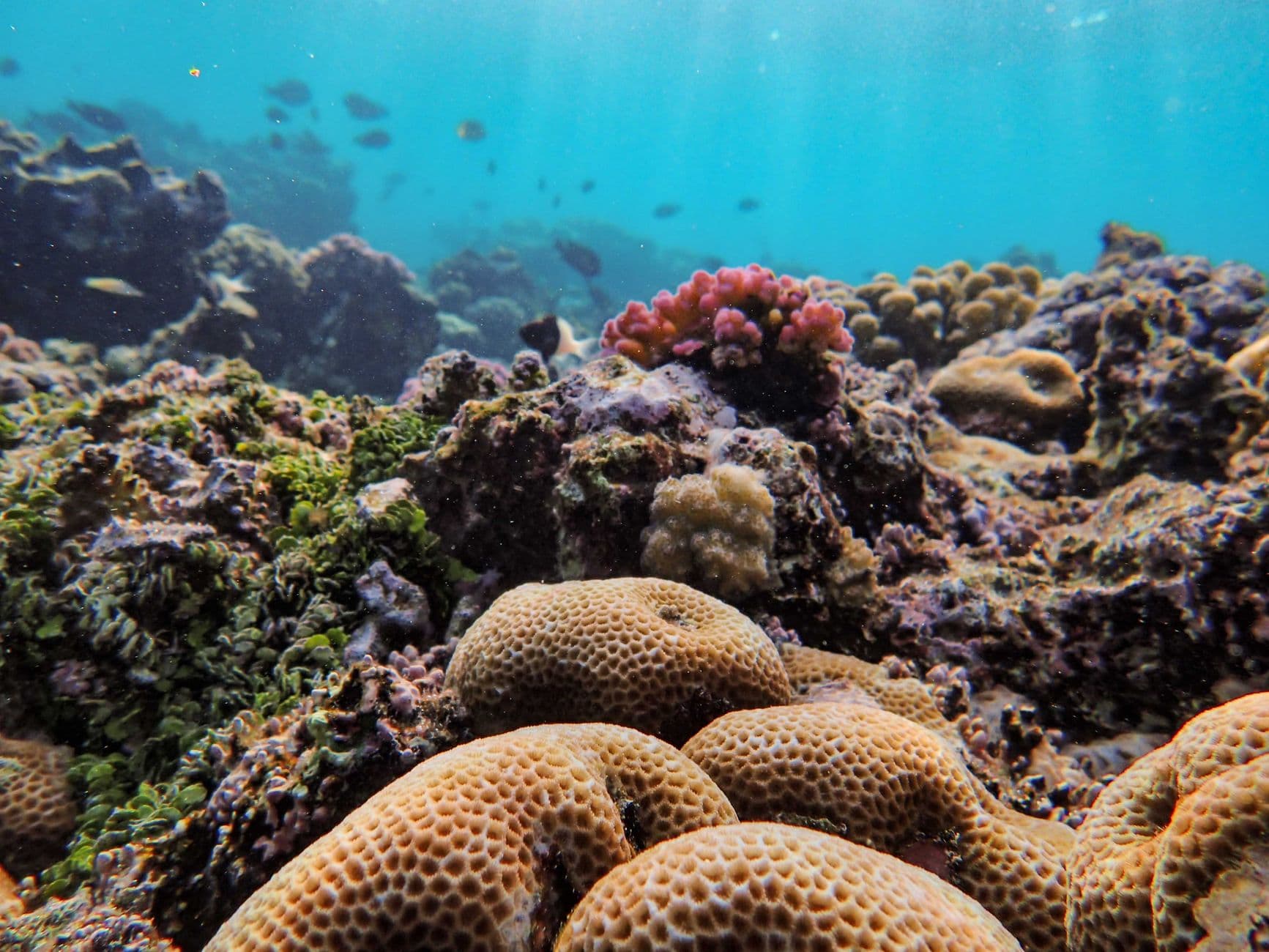
A sheltered, gently sloping reef on Sipadan's east side with some of the healthiest hard coral on the island. Staghorn and table corals dominate the seascape, hosting clouds of anthias, butterflyfish, angelfish, and parrotfish. Turtles rest and feed among the bommies.
This is the ideal site for less experienced divers or a relaxing third dive after a high-adrenaline morning at Barracuda Point. The shallow depth and light current mean you can spend 45–60 minutes on the reef without worrying about NDL limits.
Target species: Green turtle, hawksbill turtle, angelfish, butterflyfish, parrotfish, anthias, clownfish, Napoleon wrasse (occasional).
Best timing: Year-round. Best light for photography in the morning (8:00–10:00 AM).
Why it's great: The best beginner-accessible site at Sipadan with coral health that rivals dedicated reef conservation areas.
6. Mid Reef
Type: Reef slope drift | Depth: 5–30 m | Skill: Intermediate | Current: Moderate | Best season: Year-round
A relaxed drift dive along a reef slope with gradual descent — the perfect alternative when Barracuda Point is too rough. Fusiliers, snappers, and trevally school in the blue while turtles cruise the reef. Occasional bumphead parrotfish and reef sharks add excitement.
Mid Reef offers a less intense version of the Sipadan experience. The currents here are moderate and predictable — strong enough for a proper drift but not intimidating. This makes it a favorite for divers who want Sipadan's pelagic action without the extreme conditions of the western wall.
Target species: Green turtle, fusiliers, snappers, trevally, bumphead parrotfish, whitetip reef shark, grey reef shark.
Best timing: Year-round. Good alternative when the west side is running too strong.
Why it's worth it: Reliable, predictable, and consistently good — Mid Reef delivers Sipadan quality without the adrenaline tax.
7. White-tip Avenue
Type: Sandy slope drift | Depth: 5–30 m | Skill: Intermediate | Current: Light–Moderate | Best season: Year-round
Named for the whitetip reef sharks that commonly rest on the sandy bottom between coral bommies — often a dozen or more visible on a single dive. Juvenile grey reef sharks, large rays, giant trevally, and tuna add to the action. The sandy slope topography makes this a favorite for underwater photographers seeking close-up shark portraits: the whitetips are relaxed and accustomed to divers, allowing approach to within a few meters.
Target species: Whitetip reef shark (guaranteed, often 10+), grey reef shark (juvenile), giant trevally, spotted eagle ray, tuna.
Best timing: Year-round. Morning dives have the best light for photography.
Why it's memorable: The highest-density whitetip reef shark congregation in the Coral Triangle, accessible with easy conditions.
8. Hanging Garden
Type: Deep wall | Depth: 5–40 m | Skill: Advanced | Current: Strong | Best season: March–October
The deepest wall on Sipadan's west side, known for spectacular coral overhangs that create a "hanging gardens" effect. Large gorgonian sea fans and whip corals drape from ledges while turtles, reef sharks, schooling fish, and large groupers inhabit the wall. A "secret spot" nearby is known to operators for occasional hammerhead sightings.
Target species: Grey reef shark, whitetip reef shark, green turtle, large groupers, schooling fusiliers, scalloped hammerhead (occasional).
Best timing: March–October. Winter monsoon conditions make the west side unpredictable.
Why it's worth the challenge: The coral overhangs and gorgonian fans create one of the most photogenic wall environments at Sipadan.
9. West Ridge
Type: Deep exposed ridge | Depth: 10–50 m | Skill: Advanced | Current: Strong | Best season: March–October (hammerhead peak Sept–Nov)
A deep, exposed ridge on Sipadan's western wall that attracts serious pelagic action. Hammerhead sharks are possible — especially September through November — along with grey reef sharks, large rays, and dense schools of jacks. Strong currents and greater depth demand advanced certification.
Part of the western complex with Hanging Garden and Lobster Lair — experienced operators plan routes linking all three for a complete west-side drift circuit.
Target species: Scalloped hammerhead (seasonal), grey reef shark, spotted eagle ray, jacks, giant trevally.
Best timing: March–October. Hammerhead encounters peak September–November.
Why it stands out: The most consistent hammerhead site on Sipadan outside South Point, with significantly fewer divers.
10. Lobster Lair
Type: Rocky terrain drift | Depth: 15–40 m | Skill: Advanced | Current: Moderate–Strong | Best season: Year-round
A rocky terrain of overhangs and crevices on Sipadan's west side, home to painted spiny lobsters in abundance. Moray eels peer from their lairs while turtles drift past the reef. The rugged topography creates interesting swim-throughs and overhangs worth exploring.
Often combined with West Ridge and Hanging Garden for a west-side drift circuit that covers three wildly different environments in a single dive day.
Target species: Painted spiny lobster, moray eels, green turtle, whitetip reef shark.
Best timing: Year-round. Night dives here would be spectacular for lobster activity but Sipadan night dives are restricted.
Why it's distinct: The only site at Sipadan where macro life takes center stage — a welcome change from the big-animal spectacle.
11. Staghorn Crest
Type: Shallow ridge | Depth: 5–25 m | Skill: Intermediate | Current: Light–Moderate | Best season: Year-round
A shallow ridge on Sipadan's east side crowned by an impressive staghorn coral thicket — among the healthiest coral formations on the island. Angelfish, butterflyfish, and clownfish animate every coral head. Turtles patrol the ridge and occasional reef sharks cruise past.
Ideal for a relaxing second dive after an adrenaline-heavy morning at the western sites. The shallow profile allows long bottom times.
Target species: Green turtle, angelfish, butterflyfish, clownfish, whitetip reef shark, parrotfish.
Best timing: Year-round. Best photography light in the morning.
Why it's worth it: The healthiest staghorn coral display on Sipadan, accessible at easy depths.
12. Turtle Patch
Type: Seagrass and patch reef | Depth: 5–20 m | Skill: Beginner | Current: Light | Best season: Year-round
The most accessible site at Sipadan, and the one that delivers the island's most guaranteed encounter. A shallow seagrass and patch reef area on Sipadan's east side, Turtle Patch delivers 5 to 15 green and hawksbill turtles on a typical dive — sometimes 20 or more. Turtles rest on the seagrass, feed among the coral patches, and occasionally surface right beside divers.
The light current and shallow depth make this ideal for snorkelers and newer divers, yet even veterans are charmed by the sheer turtle density. It is the perfect site to end a Sipadan dive day.
Target species: Green turtle (guaranteed, 5–20+), hawksbill turtle, reef fish, rays (occasional).
Best timing: Year-round. Turtles are permanent residents. Best light for photography: 10:00 AM–2:00 PM when the sun is directly overhead.
Why it's essential: It is the highest-turtle-density dive site on Earth — a gentle, relaxing dive that caps off the Sipadan experience perfectly.
Summary Table: Sipadan Top Sites
| Rank | Site | Max Depth | Difficulty | Current | Best Season | Signature Species |
|---|---|---|---|---|---|---|
| 1 | Barracuda Point | 40 m | Advanced | Strong | Mar–Jun | Chevron barracuda (thousands) |
| 2 | South Point | 50 m | Advanced | Very strong | Mar–Apr, Oct | Scalloped hammerhead |
| 3 | The Drop Off | 40+ m | Intermediate | Moderate | Year-round | Green turtle (guaranteed) |
| 4 | Turtle Cavern | 23 m | Intermediate | Moderate | Year-round | Turtle skeletons (cave) |
| 5 | Coral Gardens | 25 m | Beginner | Light–Mod | Year-round | Hard coral gardens |
| 6 | Mid Reef | 30 m | Intermediate | Moderate | Year-round | Schooling fish |
| 7 | White-tip Avenue | 30 m | Intermediate | Light–Mod | Year-round | Whitetip reef sharks (10+) |
| 8 | Hanging Garden | 40 m | Advanced | Strong | Mar–Oct | Gorgonian fans, groupers |
| 9 | West Ridge | 50 m | Advanced | Strong | Mar–Oct, Sep–Nov for hammerheads | Hammerhead (seasonal) |
| 10 | Lobster Lair | 40 m | Advanced | Mod–Strong | Year-round | Spiny lobsters, moray eels |
| 11 | Staghorn Crest | 25 m | Intermediate | Light–Mod | Year-round | Staghorn coral thickets |
| 12 | Turtle Patch | 20 m | Beginner | Light | Year-round | 5–20 turtles per dive |
Choosing Your Sipadan Dive Day
One-day permit (3 dives): Morning — Barracuda Point (first dive, calmest current), Mid Reef or Coral Gardens (second dive), Turtle Patch (third dive, shallow and relaxing). This gives you the tornado, a reef drift, and the turtle guarantee.
Two-day permit (6 dives): Day 1 — Barracuda Point, Coral Gardens, Turtle Patch. Day 2 — South Point (early morning for hammerheads), The Drop Off, White-tip Avenue. This covers the big four: barracuda, hammerheads, wall diving, and shark avenue.
Three-day permit (9 dives): Add Hanging Garden, West Ridge, and Lobster Lair for the full western-wall experience (requires strong current comfort), plus Staghorn Crest as a closer.
Experienced divers only: South Point early morning, then Barracuda Point, then the full western-wall circuit (Hanging Garden → West Ridge → Lobster Lair) spread across two days. Reserve Turtle Patch for the final dive.