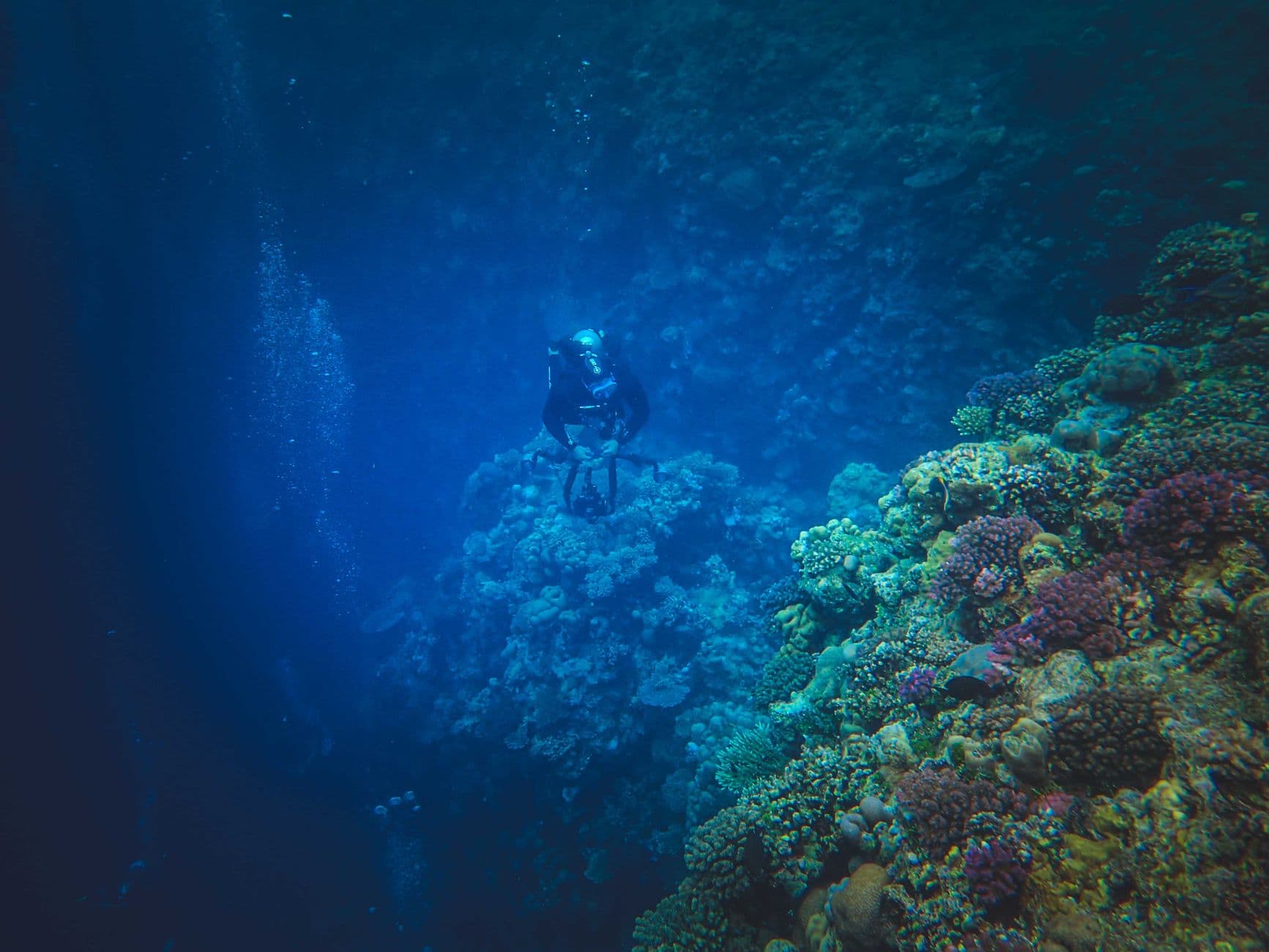
Sharm El Sheikh: The Complete Red Sea Diving Guide
Sharm El Sheikh sits at the southern tip of the Sinai Peninsula, where the Gulf of Aqaba meets the Gulf of Suez and opens into the Red Sea. It is the most established and accessible dive hub in Egypt — and for good reason. Within a one-to-two-hour boat ride from Naama Bay, you can dive the most famous wreck on Earth (the SS Thistlegorm, sunk in 1941 and rediscovered by Jacques Cousteau), drift along the dramatic walls of Ras Mohammed National Park (Egypt's first marine protected area, established in 1983), and explore the four legendary reefs of the Straits of Tiran where pelagic life thrives in strong currents.
Year-round diving in 22–28°C water, visibility that regularly exceeds 30 meters, 365 days of sunshine, and — critically — one of the best hyperbaric chamber networks in any dive destination worldwide. Sharm is not just a great dive destination. It is the most complete dive holiday in the Red Sea.
What Makes Sharm El Sheikh Unique
World-Class Wreck Diving
No other destination in the world offers the combination of wreck density, preservation, and accessibility that Sharm delivers. The SS Thistlegorm, sunk October 6, 1941, is consistently ranked among the top five wreck dives globally. Its holds still contain BSA motorcycles, Bedford trucks, Bren gun carriers, and two intact railway locomotives — war supplies en route to the British 8th Army in North Africa that never arrived. Jacques Cousteau rediscovered the wreck in 1956 during his pioneering Calypso expeditions.
The Dunraven has been submerged for nearly 150 years in Sha'ab Mahmoud, its coral-encrusted hull now a fully established artificial reef. The Yolanda cargo — not a hull, but its scattered cargo of toilets, bathtubs, and sinks at 25 meters — is one of the most photographed underwater scenes in diving. And for the advanced diver, the Rosalie Moller (sunk the same night as the Thistlegorm) offers a deeper, less-visited wreck at 25–50 meters.
Ras Mohammed National Park
At the southern tip of Sinai, where two gulfs collide, sits Egypt's first marine national park. Shark Reef and Yolanda Reef form the signature drift dive: a single wall diving route where you drop in at Shark Reef and ride the current through a cathedral-like canyon of coral to emerge at Yolanda's plateau. Grey reef sharks, whitetips, Napoleon wrasse, and turtles are regulars here. Current runs moderate to strong (1–2 knots), making this a drift dive — your DM handles the positioning, you handle the reef.
The park covers 1,575 km² and protects coral reefs, seagrass beds, and mangrove ecosystems. Park entry runs about €7–10 per person, usually included in your dive trip price.
The Straits of Tiran
Four reef systems — Jackson, Woodhouse, Thomas, and Gordon — named after 19th-century British cartographers. These sit at the mouth of the Gulf of Aqaba, about 60–90 minutes from Sharm by boat. Jackson Reef is the most exposed and the most reliable site in the region for scalloped hammerhead shark sightings, especially in spring and autumn when currents bring nutrient-rich water. Woodhouse and Thomas offer steep coral walls with excellent hard and soft coral cover. Gordon Reef features a famous collapsed lighthouse on its crest.
The Dive Sites at a Glance
Sharm's 36+ named dive sites fall into four clear categories:
Local Sharm Reefs (16 sites) — Fringing reefs a short 10–20 minute boat ride from Naama Bay. Gentle conditions, beginner-friendly, excellent for night dives and check dives. Highlights include Ras Um Sid (a spectacular wall dropping from 3 to 40 meters), Tower (named for a fossil coral tower marking the entry), and Amphoras (ancient clay vessels at 22 meters).
Ras Mohammed National Park (10 sites) — Shark Reef, Yolanda Reef, Ras Ghozlani, Anemone City, Eel Garden, and more. 30–45 minute boat ride, moderate to strong currents, drift diving essential. The park fee is required but the spectacle is unmatched.
Straits of Tiran (5 sites) — Jackson, Woodhouse, Thomas, Gordon, and the sheltered Lagoon. Advanced diving at exposed sites, strong currents, hammerhead shark territory. Boat ride is 60–90 minutes — a full-day commitment.
Wrecks (5+ sites) — SS Thistlegorm (16–30 meters, a full-day trip 4–5 hours each way), Dunraven (15–30 meters), Yolanda cargo (25 meters), Rosalie Moller (25–50 meters, advanced), and the SS Turkia (5–20 meters, beginner-friendly, on the edge of Jackson Reef).
Who Sharm El Sheikh Is For
Sharm is for everyone, and that's what makes it exceptional as a dive destination:
-
Beginners and Open Water students — The local reefs (Ras Ghamila, Ras Nasrani, Near Garden, Fiddle Garden) are shallow, calm, and perfect for skill development. Dozens of dive centers offer PADI courses from Open Water through Divemaster. Prices for a full Open Water course run €350–450.
-
Intermediate divers — Ras Mohammed walls, Tiran reef systems at moderate current, and the Dunraven wreck are all accessible at the Advanced Open Water level. Drift diving experience is valuable but Sharm's DMs are skilled at positioning beginners on drift dives.
-
Advanced wreck and pelagic divers — The Thistlegorm at 30 meters, the Rosalie Moller at 50 meters, and Jackson Reef's hammerhead opportunities reward experience. Technical diving infrastructure (trimix, rebreather fills, TecRec courses) is available from Emperor Divers and other 5-star PADI operators.
-
Non-divers and mixed groups — Snorkeling at White Island's tidal sandbar, glass-bottom boat tours, St. Catherine's Monastery (UNESCO, 2–3 hour drive), desert safaris, and Naama Bay nightlife. Sharm is a complete beach resort destination, not just a dive camp.
Practical Overview
Sharm El Sheikh International Airport (SSH) connects directly to 20+ European cities. Flight time from London is about 5 hours. The Sinai-only entry stamp is free for most nationalities — valid for 14 days. Full Egypt visa costs $25 USD if you plan to travel beyond the Sinai peninsula.
Water temperature: 22°C (February) to 28°C (August–September). A 5mm wetsuit works year-round; a 3mm shorty or full is enough in summer.
Visibility: 15–40 meters. Peak months (March–May and September–November) regularly hit 25–40 meters. Winter visibility drops to 15–25 meters after wind events.
Currency: Egyptian Pound (EGP). USD and EUR are widely accepted at dive centers and hotels. ATMs readily available in Naama Bay.
Dive costs: 2-tank boat dive €30–60 (among the most affordable wreck diving in the world). Nitrox fills €5–10 per tank. Equipment rental €15–25/day.
Safety: Sharm's Hyperbaric Medical Center (Dr. Adel Taher, operational since 1993, 1,800+ divers treated) is one of the best chamber networks in any diving destination. 24-hour emergency service: (+20) 69-3660 922. DAN insurance is strongly recommended.
Bottom Line
Sharm El Sheikh is the most complete dive destination in the Red Sea. It has wreck diving that rivals Truk Lagoon (but with better visibility and easier logistics), reef walls that match the Maldives, and the infrastructure of a mature resort destination — all at prices significantly lower than the Caribbean or Indo-Pacific. The Thistlegorm alone is worth the trip. Everything else is the bonus.