Understanding Red Sea Diving Conditions
Egypt's Red Sea coast sits at roughly 26.30°N, 34.40°E, in the UTC+2 timezone. As the northernmost tropical sea in the world, it offers a unique combination of conditions that make it one of the most consistent dive destinations on the planet. Unlike the Caribbean, where conditions can swing dramatically with weather systems, the Red Sea is enclosed, shallow, and remarkably stable.
Here's what you need to know about diving here, broken down by the factors that actually matter when you're planning your trip.
Water Temperature: Year-Round Wetsuit Decisions
The Red Sea stays between 21 and 30°C (70 to 86°F) throughout the year. That range sounds wide, but it translates to practical wetsuit decisions:
Winter (December to February): 21 to 24°C (70 to 75°F) This is the coldest period. You'll want a 5mm wetsuit, and even then, a hood and gloves are recommended for longer or deeper dives. The water feels brisk on entry, but once you're submerged, it's manageable. The trade-off for the colder water is the clearest visibility of the year—30 to 40 meters is routine—and the fewest crowds at popular sites.
Spring (March to May): 21 to 26°C (70 to 79°F) The water warms gradually. A 3mm to 5mm wetsuit covers you here. By late April and May, many divers are comfortable in just a 3mm or even a rash guard during midday dives. This is when whale sharks begin arriving (May through August) and hammerhead season starts ramping up.
Summer (June to August): 26 to 30°C (79 to 86°F) The warmest water of the year. Most divers go with a rash guard or 3mm wetsuit. You'll feel almost tropical in the water. This is peak season for scalloped hammerheads (20+ individuals at Daedalus) and manta ray visits at the Brothers and Daedalus reefs. The trade-off is crowds and slightly reduced visibility compared to autumn.
Autumn (September to November): 24 to 29°C (75 to 84°F) Water temperature stays warm well into November. A 3mm to 5mm wetsuit is the standard recommendation. This is widely considered the optimal diving window—not too cold, not too crowded, and with visibility hitting 30 to 40 meters regularly.
Visibility: The Red Sea's Defining Feature
Visibility in the Red Sea is what sets it apart from almost every other tropical dive destination. The overall range is 20 to 40 meters, but offshore sites consistently deliver 30 to 50 meters or more.
Nearshore reefs (Hurghada, Sharm el-Sheikh, Dahab): 20 to 30 meters. Good, but you'll notice some particulate in the water column, especially after windy periods.
Offshore reefs (Abu Nuhas, Tiran Strait, Elphinstone): 30 to 40 meters. The water is noticeably clearer, and the depth of field gives you a three-dimensional sense of the reef structure.
Deep offshore (Brothers, Daedalus): 40 to 50+ meters. This is where the Red Sea earns its reputation. On a good day at Daedalus, you can see the wall drop away into blue for the full 400 meters, and pelagic species are visible from a long distance.
Visibility peaks in autumn (September through November) when wind patterns settle and plankton levels drop. This is also when the biggest pelagic action happens, so you get both clarity and marine life in spades.
Currents: From Gentle to Intense
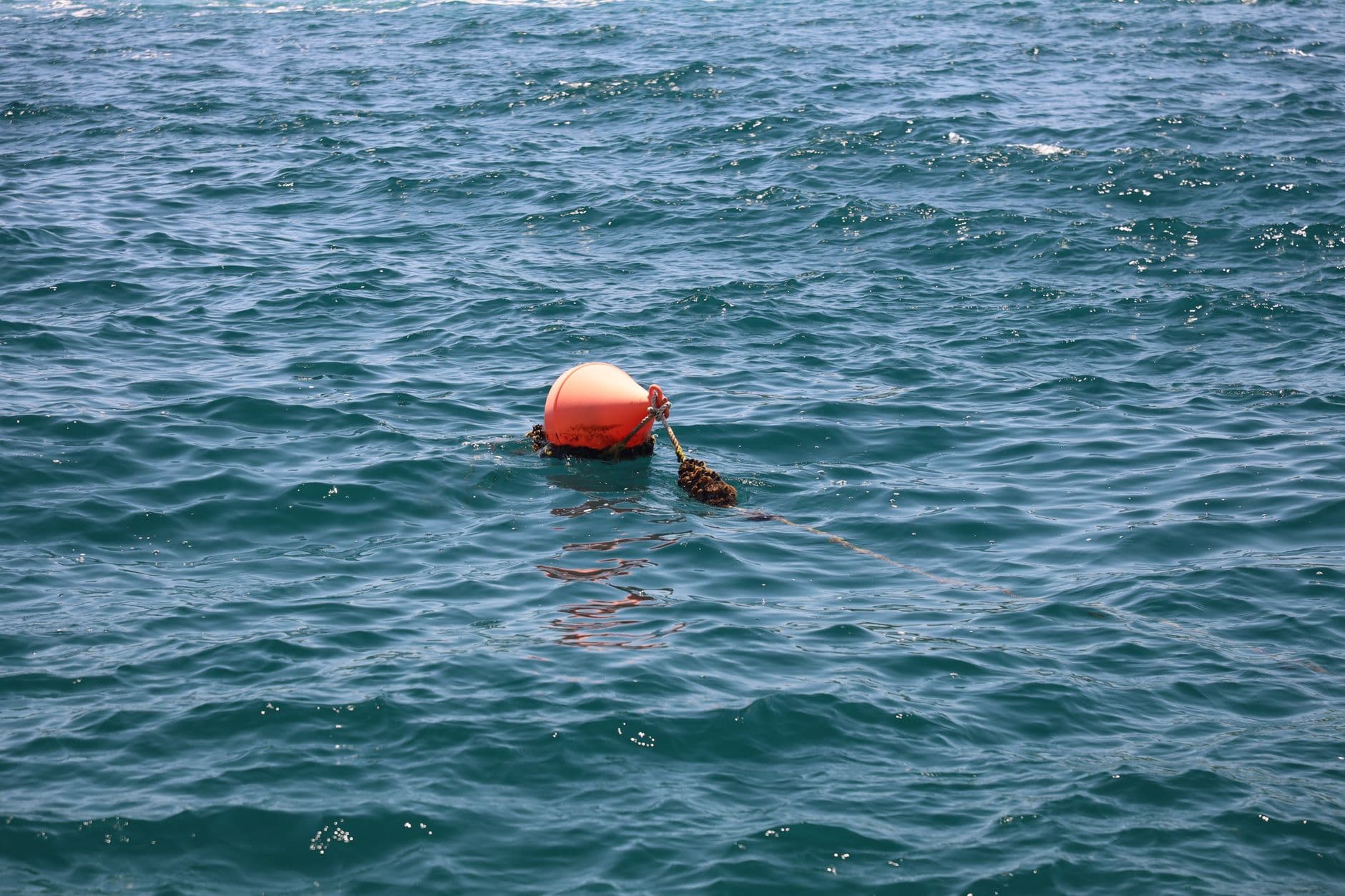
Currents are the single most important factor when planning Red Sea dives. They range from mild nearshore drifts to ocean-strength channel flows that demand an SMB (Surface Marker Buoy) at every dive.
Nearshore reefs: Mild to moderate currents, typically 0.5 to 1 knot. These are drift dives where the current carries you along the reef at a comfortable pace. You'll see plenty of reef life, and the dive is generally straightforward.
Tiran Strait (Jackson Reef, Shannon Reef): Moderate to strong currents, 1 to 2 knots. The strait acts as a funnel between the Gulf of Suez and the Gulf of Aqaba, creating channel currents that can shift direction with the tide. Divers need to be comfortable with drift diving and know how to manage buoyancy in moving water.
Abu Nuhas wreck sites: Variable currents, 0.5 to 1.5 knots. The wrecks sit on a shallow reef platform, and currents can change quickly. The Thistlegorm itself is sheltered enough for a relaxed wreck dive at 27 to 30 meters, but the surrounding reef areas can get busy with current.
Ras Mohammed (Shark Reef, Yolanda Reef): Strong currents, 1.5 to 3 knots. This is drift diving at its best—and its most demanding. The wall drops from 5 meters to over 700 meters. You'll need strong buoyancy control and the ability to follow a drift line. SMB deployment is mandatory here.
Elphinstone Reef: Strong, often 2+ knots. This isolated reef sits in open water and gets hit by ocean currents from all directions. Divers must be comfortable with strong current diving. The payoff is oceanic whitetip sharks between September and November, which are drawn to the nutrient-rich upwelling.
Brothers and Daedalus (liveaboard): Variable, 1 to 3 knots. The Brothers Islands experience strong tidal currents between the two islets. Daedalus gets hit by prevailing ocean currents, creating upwellings that attract hammerheads, mantas, and whale sharks. SMB is mandatory on every dive.
Season-by-Season Breakdown
Winter (December to February)
- Water temperature: 21 to 24°C (70 to 75°F)
- Air temperature: 20 to 25°C (68 to 77°F)
- Visibility: 30 to 40 meters (best of the year)
- Currents: Slightly calmer, but still present at offshore sites
- Marine life: Clearest water means best wreck photography. Grey reef sharks are active. Whale sharks are rare but possible in the far south.
- Crowds: Lowest of the year. Your boat may be the only one at Ras Mohammed.
- Wetsuit: 5mm with hood and gloves for comfort
- Best for: Wreck diving, photography, budget travelers, avoiding crowds
Spring (March to May)
- Water temperature: 21 to 26°C (70 to 79°F)
- Air temperature: 25 to 32°C (77 to 90°F)
- Visibility: 25 to 35 meters
- Currents: Moderate, increasing toward May
- Marine life: Whale sharks arrive in May. Scalloped hammerheads begin appearing at offshore sites. Turtle nesting season starts.
- Crowds: Moderate. Easter and spring break bring families to Sharm.
- Wetsuit: 3mm to 5mm, depending on the month
- Best for: Whale shark encounters, turtle nesting, transitioning into peak season
Summer (June to August)
- Water temperature: 26 to 30°C (79 to 86°F)
- Air temperature: 30 to 40°C (86 to 104°F)
- Visibility: 20 to 35 meters
- Currents: Moderate to strong, especially at offshore sites
- Marine life: Scalloped hammerhead peak season at Daedalus (20+ on a single dive). Manta rays at Brothers and Daedalus. Pelagic thresher sharks.
- Crowds: High. July and August are peak tourist months.
- Wetsuit: Rash guard or 3mm wetsuit
- Best for: Hammerhead encounters, manta rays, warm water diving
Autumn (September to November)
- Water temperature: 24 to 29°C (75 to 84°F)
- Air temperature: 28 to 38°C (82 to 100°F)
- Visibility: 30 to 40 meters (optimal)
- Currents: Moderate to strong, with peak pelagic action
- Marine life: Oceanic whitetip sharks at Elphinstone (September to November). Thresher sharks at Brothers. Pelagic action at its peak.
- Crowds: Moderate, declining through November.
- Wetsuit: 3mm to 5mm
- Best for: Overall best conditions, pelagic encounters, best visibility
Diver Safety and Infrastructure
Egypt's Red Sea has the best hyperbaric chamber network of any destination in our pipeline. Here's what's available:
- Sharm el-Sheikh: Hyperbaric Medical Center, which has treated over 1,800 divers. Located near the dive areas.
- Hurghada: HyperMed, operating 24/7 with decompression facilities.
- Marsa Alam: BaroMedical chamber, serving the southern dive sites.
- Dahab: Chamber facilities available locally.
All dive operations are regulated by the Egyptian Civil Aviation Authority's Civil Aviation Weather Service (CDWS), which enforces a maximum of 6 divers per guide. This is a real benefit—many Caribbean destinations run boats with 8 to 12 divers per guide.
DAN (Divers Alert Network) insurance is mandatory. This isn't a formality: offshore sites like the Brothers and Daedalus are 60 to 120 km from shore, and helicopter evacuation to a chamber can take 6 to 12 hours. Your insurance should cover emergency medical evacuation.
Practical Tips for Diving the Red Sea
Air supply: Standard 12-liter aluminum tanks are the norm. Most operators use stainless steel tanks for liveaboards. Nitrox is widely available at $5 to $10 extra per tank.
Dive profiles: Most dives stay between 12 and 30 meters. The Thistlegorm wreck tops out at 30 meters. Deeper sections of the Blue Hole require technical certification.
Entry and exit: Shore entry at Dahab is straightforward—walk into the water from the beach. Boat entry at most other sites is a back-roll or giant stride from the boat deck.
Marine life protection: The Red Sea has strict no-touch policies at most sites. The coral here grows slowly, and damage is visible for years. Keep your buoyancy in check, and never stand on coral.
The Red Sea's conditions are remarkably consistent. Once you learn to read the currents and plan for the season, you'll find that this destination rewards repeat visits with ever-changing marine life encounters against a backdrop of some of the clearest water on Earth.