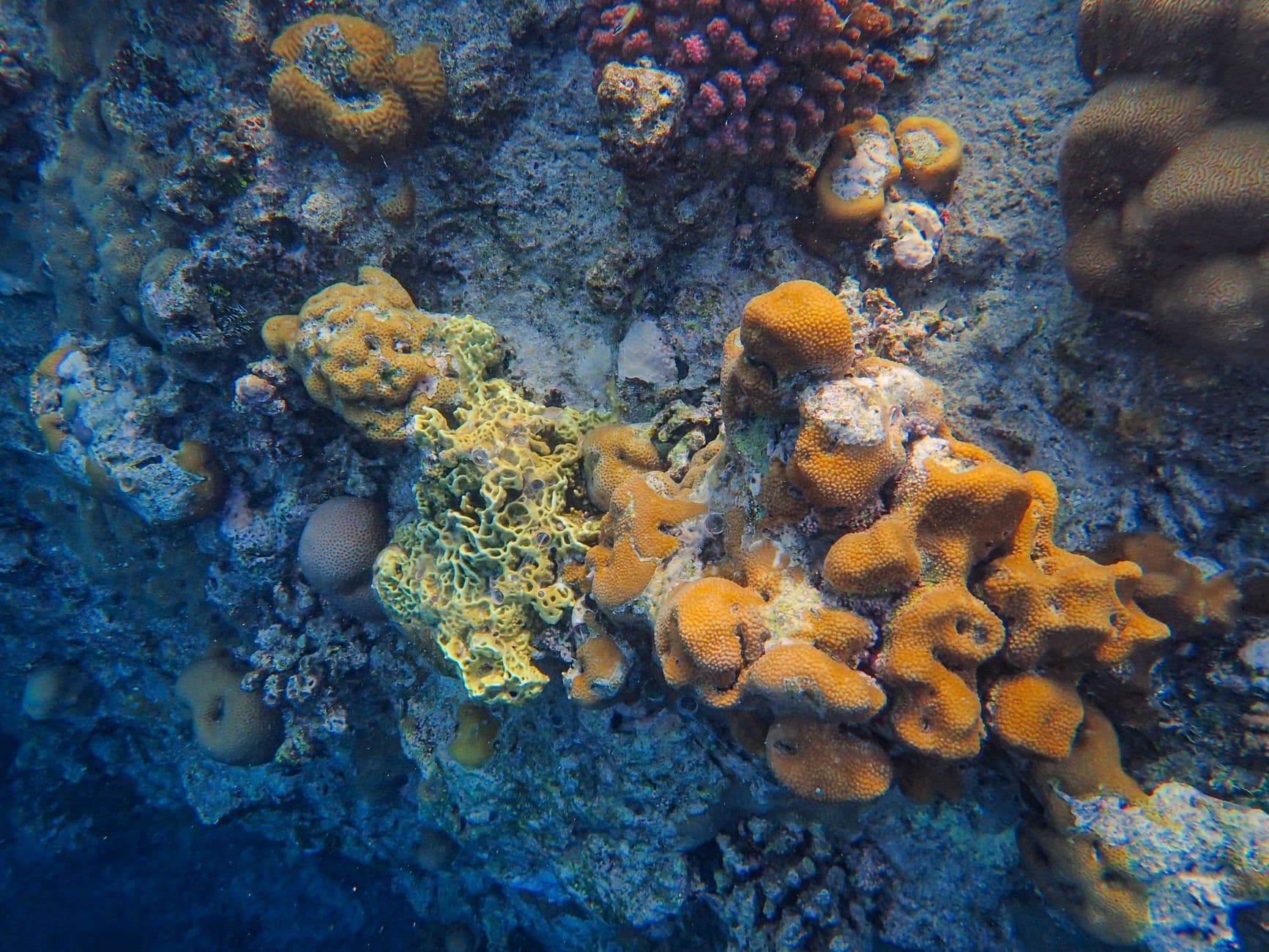
Eritrea sits on one of the Red Sea's most underexplored dive coastlines. The Dahlak Archipelago — a string of 190+ islands stretching 120 km offshore from Massawa — delivers coral walls that drop into impossibly blue water, pristine reef gardens, and some of the most compelling wreck diving in the entire Indian Ocean. This is not a resort-dive-boats-and-sunbeds operation. Getting here means liveaboard or multi-day boat trips from Massawa, planning with local operators, and trading convenience for some of the most authentic diving you will ever do.
We ranked the top eight dive sites by overall experience — marine life density, visibility, unique features, and diver reward. Here is what to expect at each one.
1. Nakura Wall
Type: Coral wall / drop-off Depth: 5–40+ m Difficulty: Intermediate to advanced Region: Northern archipelago Best season: November–April Current: Strong pelagic currents — drift diving recommended
Nakura Wall is the crown jewel of the Dahlak dive scene. This near-vertical coral wall starts at 5 m and plunges past 40 m into abyssal blue. Above 20 m, the wall is draped in hard and soft corals, sponges, and sea fans. Below that, the big animals start showing up.
Grey reef sharks patrol the wall ledge on most dives. Schools of yellowfin tuna and giant barracuda hover in the blue alongside napoleon wrasse that cruise the coral shelves. If you are lucky, you will see whitetip reef sharks resting in small caves along the mid-water section. Visibility regularly hits 30–40 m on calm days, which makes this wall feel like diving through liquid sapphire.
Access: Day boat from Massawa or liveaboard stop. The wall is exposed to open ocean currents, so sea state matters — aim for morning dives when winds are calm.
Current notes: The wall creates a strong upwelling effect. Plan a drift dive following the wall downward and let the current bring you back. Carry a surface marker buoy (SMB) and do a safety stop on the line.
2. Dissei Wrecks
Type: WWII shipwrecks Depth: 10–40 m Difficulty: Advanced (wreck penetration for certified wreck divers) Region: Central archipelago Best season: October–May Current: Moderate channel currents
Dissei Island shelters two sunken Italian vessels from World War II — the kind of wrecks that make wreck divers' eyes light up. The hulls sit upright at 15–25 m with superstructures visible at 10 m. Over the decades, both vessels have become full coral gardens: brain coral caps the decks, staghorn colonies cover the railings, and moray eels make permanent homes in the engine compartments.
Batfish swirl around the bridge in dense, shimmering schools. Lionfish perch on the deck beams — the Red Sea's invasive species have found a cozy home here. Black-and-white moray eels peek out from every shadowed crevice. For certified wreck divers, limited penetration into the forward compartments is possible with proper lights and reels, but the exterior alone delivers a world-class experience.
Access: Boat from Massawa or liveaboard. The wrecks sit in a sheltered channel which keeps them protected from the strongest open-ocean surges.
Current notes: Moderate currents sweep through the channel between the wrecks. Enter the water with the current and plan to drift past both sites. Always use a wreck reel for penetration dives.
3. Dur Gaam
Type: Deep reef / drop-off Depth: 15–50 m Difficulty: Advanced Region: Southern remote archipelago Best season: November–April Current: Strong currents — experienced drift divers only
Dur Gaam is the Dahlak's deep-water heavyweight. This remote reef wall drops from 15 m straight to 50 m, and it attracts the kind of pelagic life that most Red Sea sites can only dream of. Grey reef sharks are a near-guarantee on every dive here. Silky sharks patrol the outer wall on many trips. During seasonal passes — typically November through March — hammerheads have been recorded in the deep blue beyond the wall.
Large rays, including cownose and eagle rays, glide past the wall face. Tuna schools of 50–100 fish are common at mid-depths. This is not a site for casual divers: the depth, the distance from Massawa (roughly 4–5 hours by boat), and the strength of the currents all demand solid experience.
Access: Liveaboard only for most operators. Day boats from Massawa are possible but long. Book well in advance — Dur Gaam is the crown jewel of the southern Dahlak route.
Current notes: Expect 1–2 knot currents along the wall. Drift diving is the standard approach. A delayed SMB is essential, and dive teams should carry a dive sling for surface recovery.
4. Nora Island
Type: Seagrass meadows / shallow reef Depth: 5–30 m Difficulty: Intermediate Region: Northernmost inhabited island Best season: October–May Current: Mild to moderate
Nora Island is one of the few places in the entire Red Sea where you have a realistic chance of encountering dugongs. This grazing sea cow species lives in the shallow seagrass beds that surround the island, and while encounters are never guaranteed, the odds here are significantly better than at any other site in Eritrea. Dugong visits are most likely in the cooler months (October–March) when seagrass growth peaks.
Beyond dugongs, Nora delivers exceptional turtle diving. Green turtles and hawksbills are common in the shallow reef zones. Eagle rays patrol the deeper edges of the reef at 15–25 m. The seagrass meadows themselves at 5–10 m are a diver's curiosity — unusual, quiet, and home to juvenile fish of dozens of species.
Access: Boat from Massawa or liveaboard. Nora is the northernmost inhabited island in the archipelago, so local fisherman guides often run dive trips here.
Current notes: Generally mild currents, though the channel between Nora and the open sea can pick up on windy days. Shallow dive profile makes this a good site for end-of-day dives.
5. Erwa Island Wall
Type: Steep wall / overhangs Depth: 5–45 m Difficulty: Advanced Region: Eastern archipelago Best season: November–April Current: Strong currents
Erwa Island's wall is a dramatic vertical drop with a twist — the upper section features large overhangs and small caves that create sheltered micro-habitats. Napoleon wrasse, some measuring over 1.5 m, patrol the wall face. Large grouper cluster in the caves. Jackfish schools of several hundred fish streak past in formation.
Reef sharks — both grey and whitetip — are regularly sighted along the wall ledge at 20–30 m. The overhangs at 10–15 m house blacktip reef sharks that rest during daylight hours. If you are a shark photographer, Erwa's wall offers close-range encounters in water that is often 25+ m clear.
Access: Boat from Massawa or liveaboard stop. Erwa is in the eastern group of islands, making it a natural stop on the eastern circuit.
Current notes: Strong currents are the norm. The wall creates a funnel effect that accelerates water flow. Plan a drift dive and carry an SMB. Dive teams should stay close and use a line if possible.
6. Madote Reef
Type: Coral gardens / shallow reef Depth: 5–30 m Difficulty: All levels Region: Northern archipelago Best season: October–May Current: Mild
Madote Reef is the Dahlak's family-friendly site. Extensive coral gardens at 5–15 m are rich in plate corals, brain coral, and branching formations. Turtles — primarily green turtles — are a common sight grazing on the coral. Snapper and grouper patrol the deeper edges at 15–25 m. Parrotfish scrape algae off the reef surface in large, noisy schools. Moray eels hide throughout the coral matrix.
This site is popular with beginner divers and snorkelers because the shallow gardens are accessible and visually stunning. At the same time, experienced divers will find plenty to explore at depth along the reef slope.
Access: Short boat ride from Massawa or liveaboard. Madote's accessibility makes it a frequent morning stop.
Current notes: Generally calm conditions. The reef gardens are sheltered from open-ocean swells. Suitable for all skill levels.
7. Dahlak Kebir Reefs
Type: Fringing reefs Depth: 3–35 m Difficulty: All levels Region: Largest inhabited island Best season: October–May Current: Mild to moderate
Dahlak Kebir is the largest and most populated island in the archipelago, and its surrounding reefs are among the most accessible in Eritrea. The fringing reefs start at 3 m and extend to 35 m, offering a full profile of Red Sea diving in one location.
Reef sharks — mostly grey reef sharks — are common along the reef drop-off. Eagle rays and cownose rays patrol the sandy patches between reef sections. Napoleon wrasse cruise the coral shelves. Tropical fish schools of anthias, chromis, and fusiliers paint the shallows in color. Local fisherman guides are the norm here, and their knowledge of the reef system is unmatched.
Access: Boat from Massawa or liveaboard. Dahlak Kebir has basic infrastructure (a small settlement), making it a natural base for multi-day diving.
Current notes: Generally mild. The fringing reef configuration provides some natural shelter. The reef drop-off can pick up current on windy days.
8. Green Islands
Type: Shallow coral gardens Depth: 1–15 m Difficulty: Beginner / snorkeling Region: Near Massawa (closest site) Best season: October–May Current: Calm, protected waters
The Green Islands sit closest to Massawa — roughly 30 minutes by boat — making them the most convenient dive site in the Dahlak system. The shallow coral gardens at 1–10 m are perfect for beginner courses and snorkelers who want to experience Red Sea diving without committing to a deep wall or drift dive.
Green turtles are common in the shallows. Reef fish diversity is high: clownfish, angelfish, butterflyfish, and triggerfish all thrive in the coral formations. Eagle rays sometimes visit the sandy bays at low tide. On rare occasions, dugongs have been spotted in the deeper seagrass channels between the islands.
Access: Quick boat trip from Massawa. Ideal for half-day trips, beginner courses, or as a warm-up before deeper sites.
Current notes: Protected waters. Very little current. Excellent for first-time divers and snorkelers.
Practical Dive Information
Getting to Eritrea
Most divers fly into Asmara (ASE) and transfer to Massawa (a 1.5-hour drive). Massawa is the dive hub — all boat departures originate from here. Visa requirements vary by nationality; check with the Eritrean embassy before booking.
Liveaboard vs. Day Boats
Liveaboards offer the best coverage of the archipelago, reaching Dur Gaam and the remote southern sites. Day boats from Massawa are more affordable but limit you to the northern and central islands. Most operators run 3–7 night liveaboard itineraries.
Best Time to Dive
The prime diving window runs from October to May, when seas are calm and visibility is at its peak (30–40 m). November through April is ideal for pelagic species — sharks, hammerheads, and large tuna are most commonly seen during these months. Summer (June–September) brings hot weather and occasional rough seas, though visibility remains good.
What to Bring
- Wreck diving gear if targeting Dissei (reel, cuts, lights)
- SMB and delayed-deployment buoy for drift sites
- Reef-safe sunscreen (Eritrea's coral is pristine and fragile)
- Underwater camera — the wall sites produce some of the best Blue Water photography in the Red Sea
Diving with Local Guides
Eritrea's dive scene is still developing, which means local fisherman guides bring irreplaceable knowledge of the reefs and the islands. They know the best entry points, the seasonal animal patterns, and the hidden corners that GPS coordinates cannot capture. Respect and patience go a long way.
Eritrea's Dahlak Archipelago remains one of the Red Sea's best-kept secrets. The combination of WWII wrecks, deep walls, dugong encounters, and untouched coral ecosystems makes it a destination that rewards the diver willing to make the journey. Plan ahead, book with experienced operators, and you will leave with some of the most memorable dives of your career.