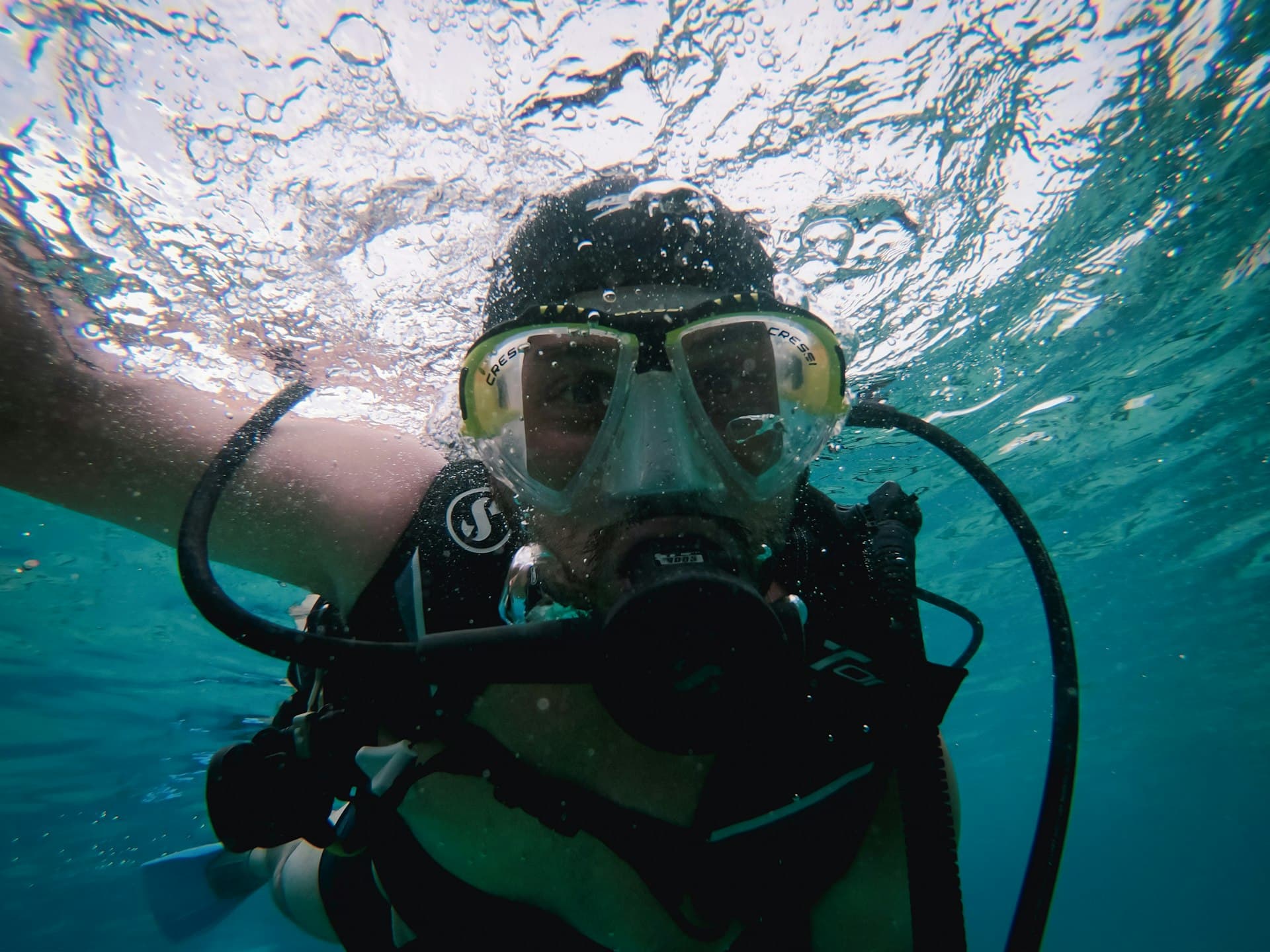
Colombia Diving: The Ultimate Guide to Two Oceans, One Destination
Colombia is the only country in South America with coastlines on both the Pacific Ocean and the Caribbean Sea. This geographical uniqueness means that one trip to Colombia can deliver two completely different diving worlds — the warm, coral-rich Caribbean reefs of the north and the wild, pelagic-rich Pacific coast of the west. It is this dual offering that makes Colombia such a compelling destination for divers who want variety without border crossings or long-haul flights between regions.
The Caribbean coast stretches along Colombia's northern edge, from the Venezuelan border to Panama, and features some of the most beautiful reef diving in the western Caribbean. The Rosario Islands off Cartagena form a coral national park with walls, tunnels, and abundant reef fish. San Andrés Island, an oceanic island with fringing coral reefs 770 kilometers off the mainland, offers some of the clearest water in the Caribbean with extensive coral gardens. And the tiny island of Providencia, 90 kilometers northeast of San Andrés, hosts one of the largest marine reserves in the western Caribbean.
The Pacific coast runs along Colombia's western edge from Panama to Ecuador, and it is a world-class destination for pelagic encounters. Malpelo Island, a lone volcanic rock 500 kilometers off the coast, is a UNESCO World Heritage Site and one of the most important shark sanctuaries on Earth. Gorgona Island, closer to the mainland, is a national park with endemic species and pristine reefs. The Nuqui and Bahía Solano regions offer seasonal humpback whale encounters alongside manta rays, sea turtles, and dolphins.
What Makes Colombia Unique
Two Oceans, One Trip
The ability to dive both the Caribbean and the Pacific during a single trip is Colombia's defining advantage. The Caribbean offers warm water (27–30 °C), vibrant coral reefs, and gentle conditions ideal for beginners and intermediate divers. The Pacific delivers cooler water (24–28 °C, with thermoclines dropping to 18–20 °C at depth), dramatic upwelling-driven productivity, and encounters with hammerhead sharks, humpback whales, and oceanic manta rays. Some divers spend a week on the Caribbean coast and a week on the Pacific, experiencing two entirely different underwater worlds.
Malpelo: The Shark Sanctuary
Malpelo Island is the highlight of Pacific diving and the primary reason many divers come to Colombia. Located 500 kilometers from the mainland, this small volcanic rock is a UNESCO World Heritage Site and a fully protected marine sanctuary. The waters around Malpelo are among the most concentrated shark aggregations on the planet. Hammerhead sharks — particularly scalloped hammerheads — gather in numbers rarely seen anywhere else. Silky sharks, whitetip reef sharks, and Galapagos sharks patrol the walls. Divers descend along sheer rock faces at 20–40 meters and find themselves surrounded by sharks in a way that feels both thrilling and respectful of the animals' wild nature.
Malpelo is accessible only by liveaboard, with trips typically lasting 7–10 days from Buenaventura. The island has no facilities for overnight stays, which is precisely what keeps it so pristine. The liveaboard experience adds another dimension — the night dives are particularly spectacular, with sharks and rays responding to artificial lights.
San Andrés: The Caribbean Island
San Andrés Island is an oceanic island in the western Caribbean, part of the Archipelago of San Andrés, Providencia, and Santa Catalina. The island's most popular site, El Acuario, is a protected marine reserve with crystal-clear water, extensive coral gardens, and an extraordinary diversity of reef fish. The surrounding waters host dozens of species of coral and hundreds of reef fish species.
San Andrés is also one of the most accessible Caribbean destinations for Colombian and regional divers, with daily flights from Bogotá and Medellín. The island has a distinctive cultural mix of English-speaking Afro-Caribbean heritage and Spanish-speaking mainland influence, making it a unique cultural destination as well as a diving destination.
Gorgona: The Endemic Island
Gorgona Island, off Colombia's Pacific coast south of Buenaventura, is a national park and one of the most biologically diverse marine areas in the Eastern Pacific. The island is home to the blue anole lizard, found nowhere else on Earth, and its surrounding waters host unique marine species found only in this region. Gorgona's reefs are among the least disturbed in the Pacific, and the island's no-take status has allowed marine life to reach remarkable densities. Diving here feels like stepping back in time — coral formations are large and undisturbed, and the chance of encountering giant groupers, barracuda schools, and sea turtles is very high.
The Dive Regions
Cartagena and the Rosario Islands
Cartagena is Colombia's most famous Caribbean city — a colonial gem with walled streets, colorful balconies, and a vibrant cultural scene. The diving off Cartagena centers on the Islas del Rosario, an archipelago of 27 islands forming a coral reef national park. The reefs here are protected, which means vibrant coral formations, abundant reef fish, and relatively healthy ecosystem health compared to many Caribbean sites that have suffered bleaching and overfishing.
The best sites around Cartagena include the walls of Islas del Rosario, where coral-covered rock faces drop from 5 meters to 40 meters, teeming with parrotfish, angelfish, and moray eels. Isla Baru offers shallower reef diving perfect for beginners, with gentle slopes and excellent snorkeling. Playa Blanca features a reef wall that drops from 2 meters to 30 meters, offering both shallow reef exploration and deeper wall diving.
For wreck diving, Isla Barú and the nearby Bajos de Salmedina reefs feature several sunken ships that have become popular artificial reefs. These structures have been colonized by corals and sponges, creating unique diving experiences.
Santa Marta and Tayrona
Santa Marta, on Colombia's northern Caribbean coast, is the gateway to Tayrona National Natural Park — one of Colombia's most beautiful national parks. The park's coastline features jungle meeting beach, with several dive sites along its rocky shores. Taganga, a small fishing village near Santa Marta just outside the park, has several dive operators offering access to nearby reefs and the park's marine reserves.
San Andrés Island
San Andrés Island is a highlight of Colombian Caribbean diving. El Acuario, the island's flagship dive site, is a protected marine reserve with some of the clearest and most biodiverse waters in the western Caribbean. The coral gardens here are extensive, and the variety of reef fish is extraordinary. The site is accessible to divers of all levels, with shallow coral gardens ideal for beginners and slightly deeper sand channels for those with more experience.
Other notable sites around San Andrés include La Piscina, a natural pool with clear water and abundant reef life, and West View, a wall dive on the island's western side that offers dramatic drop-offs and pelagic sightings. The island's location within the larger Caribbean reef system means that species richness is among the highest in the region.
Providencia Island
Providencia, a small island 90 kilometers northeast of San Andrés, is home to one of the most important marine reserves in the western Caribbean. The surrounding cays are surrounded by extensive coral reefs. Manchineel Bay, on the island's south shore, is a popular dive site with walls, bommies, and abundant reef life.
The marine reserve around Providencia has been established to protect the area's extraordinary biodiversity, and the no-take zones have allowed coral and fish populations to recover. Diving here is less commercialized than San Andrés, offering a more intimate and pristine experience.
Pacific Coast: Nuqui, Bahía Solano, and the Whale Coast
The Pacific coast's diving centers on the Chocó region, with Nuqui and Bahía Solano as the primary dive towns. This region is famous for its seasonal humpback whale encounters, which draw divers from around the world. The upwelling-driven productivity of the Pacific creates nutrient-rich waters that support massive populations of marine life.
In Nuqui, sites like Coqui, Joví, and Termales offer wall diving, coral formations, and the chance to encounter manta rays, sea turtles, dolphins, and — during whale season (July–October) — humpback whales. Termales is a popular site with dramatic rock formations and rich marine life in the nutrient-rich waters of the Chocó coast.
Bahía Solano offers similar diving with sites like El Valle, Mecana, and Punta Maldonado. The visibility here is generally lower than the Caribbean (10–20 meters), but the biological productivity more than compensates. The chance of encountering large pelagics in the Pacific is significantly higher than in the Caribbean.
Gorgona Island
Gorgona National Natural Park is accessible by boat from Buenaventura, Colombia's main Pacific port. The island's diving is world-class, with some of the healthiest reefs in the Eastern Pacific. The park's strict protections have resulted in remarkable marine life densities, and the chance of encountering giant groupers, barracuda schools, and sea turtles is very high.
Gorgona is typically accessed as a day trip or overnight stay, with limited accommodation on the island. The diving here is best for intermediate to advanced divers, as the currents can be strong and the sites are exposed to open-ocean conditions.
Marine Life
Colombia's marine biodiversity is extraordinary, reflecting its position at the crossroads of two oceans. The Caribbean coast hosts classic Caribbean species: Caribbean reef sharks, nurse sharks, sea turtles (green, hawksbill, and leatherback), eagle rays, manta rays, and over 500 species of reef fish. The coral reefs of the Rosario Islands and San Andrés are among the healthiest in the Caribbean, with extensive branching and table corals.
The Pacific coast is a different world. Hammerhead sharks, silky sharks, white-tipped reef sharks, and oceanic whitetip sharks patrol the walls around Malpelo and Gorgona. Humpback whales visit the Pacific coast seasonally (July–October), with breeding and calving in these warm waters. Manta rays are common around the Pacific sites, and sea turtles — particularly olive ridley and green turtles — are abundant.
Both coasts offer dolphin encounters year-round, with spotted dolphins, common dolphins, and occasionally pantropical spotted dolphins. The Caribbean coast also hosts manatee populations in the shallow bays around Cartagena and Santa Marta.
Who Colombia Is For
Colombia is an excellent destination for:
- Divers who want variety — two coastlines, two completely different underwater worlds, in one trip
- Shark enthusiasts — Malpelo is one of the world's premier places for hammerhead shark encounters
- Whale watchers — Pacific coast diving during whale season (July–October) offers surface sightings between dives
- Coral reef divers — the Rosario Islands and San Andrés have some of the healthiest Caribbean reefs
- Cultural divers — Cartagena, Santa Marta, and San Andrés offer rich cultural experiences alongside world-class diving
- Beginners — the Rosario Islands and Isla Baru offer gentle, shallow reef diving perfect for Open Water divers
- Advanced divers — Malpelo liveaboards and Pacific wall dives offer challenging, pelagic-heavy diving
Bottom Line
Colombia is a leading dual-ocean diving destination. On one coast, you'll find warm Caribbean waters, vibrant coral reefs, and the beautiful colonial city of Cartagena. On the other, you'll find wild Pacific waters, hammerhead shark sanctuaries, and humpback whale encounters. Few destinations offer this kind of geographic and ecological diversity within a single country. Whether you're diving coral walls in the Rosario Islands, swimming with sharks at Malpelo, or watching humpback whales from a dive boat in Nuqui, Colombia delivers experiences that will stay with you for a lifetime.