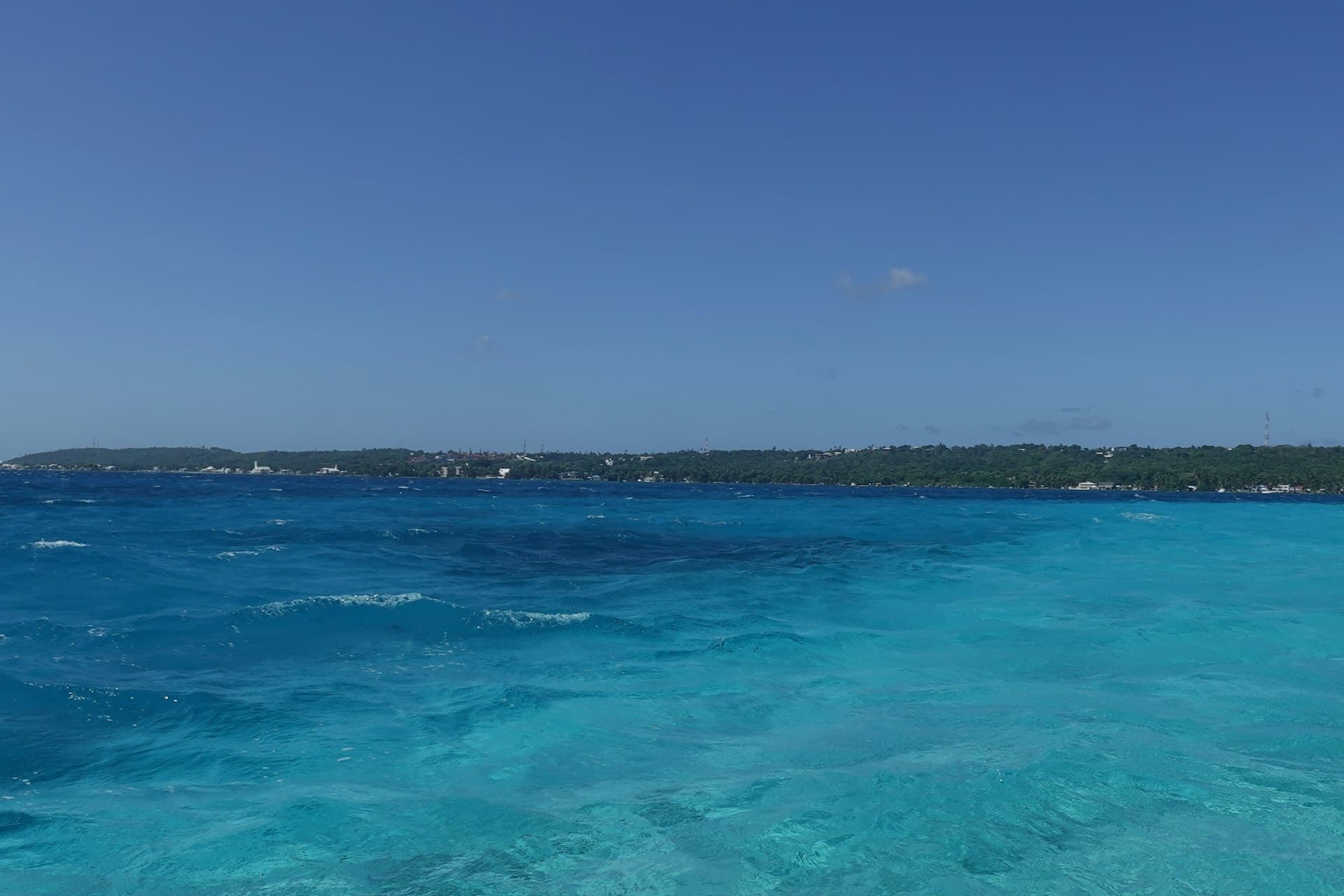
Colombia Diving Conditions: Visibility, Temperature, Currents, and Seasons
Before you pack your gear for Colombia — and before you finalize your travel dates for Malpelo, San Andrés, or the Rosario Islands — you need to understand the conditions. Colombia is unique in South America because it borders two completely different ocean systems: the warm, semi-enclosed Caribbean Sea and the wild, open-ocean Eastern Pacific. That means the conditions you encounter will depend entirely on which coast you choose and when you visit.
This guide provides the real numbers — water temperatures, visibility ranges, current strengths, depth profiles, and seasonal thermoclines — for both of Colombia's coastlines. Understanding these conditions will help you choose the right wetsuit, pack the appropriate safety gear, and time your trip for the specific marine life encounters you want.
The Caribbean Coast vs. The Pacific Coast
| Condition | Caribbean Coast (Cartagena, Santa Marta, San Andrés, Providencia) | Pacific Coast (Nuqui, Bahía Solano, Malpelo, Gorgona) |
|---|---|---|
| Water Temperature | 26–30 °C (79–86 °F) | 24–28 °C (75–82 °F) — drops to 18–20 °C (64–68 °F) in thermoclines |
| Visibility | 10–30 m (33–100 ft) — up to 40 m in San Andrés | 10–25 m (33–80 ft) — highly variable due to upwellings |
| Currents | Mild to moderate near-shore; moderate in passes | Strong to very strong; complex surface and subsurface shifts |
| Thermoclines | Rare; gradual temperature decrease with depth | Strong and shallow; 5–8 °C drops at 15–20 meters |
| Best Season | December to April (dry season, calm seas) | December to March (Pacific dry season, upwelling); July–Oct for whales |
| Baseline Wetsuit | 3 mm shorty or full suit | 5 mm full suit with hood and boots |
Detailed Conditions: Caribbean Coast
The Caribbean coast of Colombia offers classic tropical diving conditions. The water is warm, the currents are generally manageable, and the visibility is consistently good. However, there are significant differences between the mainland sites (Cartagena, Santa Marta) and the offshore islands (San Andrés, Providencia).
Water Temperature
The Caribbean coast has remarkably stable water temperatures year-round, typically ranging from 26 °C to 30 °C (79 °F to 86 °F).
- December to April (Dry Season): Water temperatures hover around 26–28 °C (79–82 °F). The air temperature is warm (around 30 °C), and the steady trade winds keep the water column mixed and comfortable.
- May to November (Rainy Season): Water temperatures peak at 28–30 °C (82–86 °F). During this period, the surface can feel like a warm bath, and even at depth (20–30 meters), temperatures rarely drop below 27 °C.
Visibility
Visibility on the Caribbean coast is generally very good, though it is affected by seasonal rains and river runoff on the mainland.
- Mainland (Cartagena & Santa Marta): Visibility ranges from 10 to 25 meters (33 to 82 feet). During the rainy season (September–November), river runoff can reduce visibility to 10–12 meters, especially near river mouths. However, the Rosario Islands (off Cartagena) and the protected coves of Tayrona National Park maintain respectable visibility (15–20 meters) even during the rains.
- Offshore Islands (San Andrés & Providencia): These islands boast some of the clearest water in the Caribbean, with visibility typically ranging 25 to 40 meters (82 to 130 feet). The distance from the mainland prevents any river sediment from reaching these reefs, and the deep blue water of the open Caribbean is exceptionally clear.
Currents and Swell
Currents on the Caribbean coast are generally mild to moderate, making the region highly accessible to beginners and intermediate divers.
- Cartagena & Rosario Islands: Currents are typically mild, running under 1 knot. Some outer walls around the Rosario Islands can experience moderate currents of 1–1.5 knots, but these are easily managed by experienced guides.
- Santa Marta & Tayrona: The topography around Santa Marta features rocky bays and headlands. Strong winds from the northeast (especially during January–March) can create surface chop and moderate currents around exposed headlands. Inside the sheltered bays, however, conditions are calm.
- San Andrés & Providencia: These islands are exposed to open-ocean swells, but the reefs are protected by barrier formations. Currents are usually mild (under 1 knot) on the sheltered leeward sides of the islands, though some channels and outer reef walls can see moderate currents of 1–2 knots.
Thermoclines and Depth Profiles
There are no strong thermoclines on the Caribbean coast. The water temperature decreases gradually with depth, with perhaps a 1–2 °C change between the surface and 30 meters. Depth profiles range from shallow reef flats (2–10 meters) perfect for training and snorkeling, to sheer walls (dropping to 30–40+ meters) for advanced and technical diving.
Detailed Conditions: Pacific Coast
Diving Colombia's Pacific coast is a wild, open-ocean adventure. The conditions are dynamic, challenging, and highly productive — which is precisely why the region attracts so much large marine life. This is not a destination for beginner divers; excellent buoyancy control, physical fitness, and comfort in open water are essential.
Water Temperature
The Pacific coast experiences significant temperature variations, driven by seasonal upwellings and strong currents. Surface temperatures range from 24 °C to 28 °C (75 °F to 82 °F), but this tells only half the story.
- The Thermocline Factor: Below 15–20 meters, you will almost always hit a sharp, cold thermocline. Temperatures can drop dramatically from 27 °C at the surface to 18–20 °C (64–68 °F) at depth. At Malpelo Island, these thermoclines are particularly pronounced, and divers must be prepared for sudden, bone-chilling temperature drops during their descent.
- Seasonal Variation: The coolest water occurs during the dry season (January–March), when strong winds drive deep, cold, nutrient-rich water to the surface. This is also when marine productivity peaks, attracting massive schools of hammerheads and bait balls. The warmest water is during the rainy season (July–October), which coincides with the arrival of humpback whales.
Visibility
Visibility on the Pacific coast is highly variable and depends entirely on nutrient upwellings and plankton blooms.
- The Mainland (Nuqui & Bahía Solano): Visibility typically ranges from 10 to 20 meters (33 to 66 feet). The high concentration of nutrients in the water attracts immense schools of fish, but it also creates green-water conditions. During heavy rains (September–October), coastal runoff can reduce visibility near shore, but offshore seamounts remain clear.
- The Offshore Sanctuaries (Malpelo & Gorgona): Visibility is generally better, ranging from 15 to 30 meters (50 to 100 feet). However, even here, a sudden upwelling of deep water can bring a cloud of plankton that drops visibility to 10 meters in a matter of hours. This is the trade-off for seeing hundreds of sharks — the nutrients that obscure the water are what bring the animals there.
Currents and Swell
Currents on the Pacific coast are notoriously strong and complex. The combination of tidal shifts, oceanic currents, and deep-water upwellings creates a dynamic environment.
- Malpelo Island: This is advanced diving at its limits. Currents around the sheer volcanic walls can exceed 3 knots, and they can shift direction vertically as well as horizontally. Downcurrents and washing-machine effects are possible near exposed points. Divers must follow their guides closely, use reef hooks when appropriate, and stay close to the rock faces to seek shelter from the flow.
- Gorgona Island & Nuqui: Currents are moderate to strong, usually running 1–2 knots. Tidal ranges are significant (up to 4 meters), meaning that current strength can change dramatically between high and low tide. Dive planning must take these tides into account.
Depth Profiles
The Pacific topography is dramatic. Most sites are volcanic rock formations, sheer walls, or submerged seamounts that rise from hundreds of meters deep.
- Malpelo: Most dives are deep, with the action happening between 20 and 40 meters (66 and 130 feet). Divers hover near cleaning stations along the walls, watching the sharks pass in the blue.
- Nuqui & Bahía Solano: Sites feature rocky reefs and pinnacles, with depth ranges of 15–30 meters.
- Gorgona: Offers a mix of shallow coral flats (5–15 meters) and deeper rocky walls (20–35 meters).
Month-by-Month Guide: When to Dive Colombia
Choosing when to visit Colombia depends entirely on what you want to experience and which coast you plan to dive.
January – March: Caribbean Peak & Pacific Shark Aggregations
- Caribbean Coast: This is the absolute peak season. The dry season brings clear skies, calm seas, and the best visibility of the year (25–30m on the mainland, 35m+ in San Andrés). The water is comfortable (26–27 °C), and the diving is exceptionally easy.
- Pacific Coast: The Pacific is cold and wild in these months, with water temperatures dropping to 24 °C at the surface and lower at depth. However, this is the prime season for large pelagic aggregations. The cold, nutrient-rich upwellings bring massive schools of hammerhead sharks, silky sharks, and mobula rays to Malpelo Island.
- Wetsuit: 3mm full suit for the Caribbean; 5mm or 7mm full suit with hood and gloves for the Pacific.
April – June: Transition & Clearing Waters
- Caribbean Coast: The winds die down, and the water warms to 28 °C. Visibility remains very good, and there are fewer tourists. This is an excellent time for quiet, comfortable diving.
- Pacific Coast: The rainy season begins, but the ocean becomes calmer. The upwellings diminish, and water temperatures rise to 26–27 °C. Visibility stabilizes, and the diving becomes slightly less challenging.
- Wetsuit: 3mm shorty for the Caribbean; 5mm full suit for the Pacific.
July – October: Humpback Whale Season in the Pacific
- Caribbean Coast: The rainy season brings afternoon showers and slightly reduced visibility on the mainland (15m). However, the water is at its warmest (29–30 °C), and the offshore islands (San Andrés, Providencia) remain exceptionally clear.
- Pacific Coast: This is the world-famous humpback whale season. Thousands of humpback whales migrate from Antarctica to the warm, protected waters of Colombia's Pacific (particularly Nuqui, Bahía Solano, and Gorgona) to breed and give birth. While you cannot deliberately swim with them on scuba for conservation reasons, you will hear their haunting songs underwater on almost every dive, and surface encounters from the dive boats are common during peak season.
- Wetsuit: 3mm full suit for the Caribbean; 5mm full suit with boots for the Pacific.
November – December: Transition & Winter Return
- Caribbean Coast: October is typically the wettest month on the mainland, with visibility dropping to its annual low (10–12m). However, by mid-December, the dry season trade winds return, blowing away the clouds and restoring crystal-clear waters.
- Pacific Coast: The whales depart, and the water begins to cool again. The wind increases, and the first winter upwellings begin to build, bringing the hammerheads back to Malpelo.
- Wetsuit: 3mm full suit for the Caribbean; 5mm full suit for the Pacific.
Summary Checklist: Wetsuit & Safety Gear
To ensure a safe and comfortable diving experience in Colombia, use this checklist to guide your packing:
- Caribbean Diving:
- A 3mm full wetsuit is perfect for year-round comfort.
- A dive computer is essential for monitoring profiles on deeper walls.
- No specialized safety gear is required for near-shore sites, though a surface marker buoy (SMB) is always recommended.
- Pacific Diving:
- A 5mm or 7mm full wetsuit is highly recommended to protect against cold thermoclines.
- A wetsuit hood and gloves are essential for Malpelo and deep Pacific sites.
- A surface marker buoy (SMB) with a proper reel or line is strongly recommended for all Pacific dives, as drift-dives are the norm.
- A reef hook is extremely useful for holding position in strong currents without damaging the volcanic rock.
- A GPS/VHF marine rescue transmitter (such as a Nautilus Lifeline) is highly recommended for Malpelo liveaboard trips due to the extreme distance from shore and strong currents.